
Reaching for a pain reliever can provide a quick fix for foot nerve pain, but it often feels like you’re just hitting the mute button on a problem that’s still there. What if you could support your body’s ability to heal instead of just masking the symptoms? This is where a more natural approach comes in. Using herbs for nerve pain in feet is about working with your body, not against it. These natural remedies can help address the root causes of discomfort, like chronic inflammation and poor circulation, which contribute to nerve irritation. This guide is designed to show you how to create a sustainable routine for long-term comfort, helping you move beyond temporary solutions and toward genuine, lasting relief.
Key Takeaways
- Choose herbs based on your specific symptoms: For inflammatory aches, try turmeric; for burning sensations, consider a topical capsaicin cream; and for tingling related to circulation, look into ginkgo biloba.
- Herbs work best when combined with a healthy lifestyle: Support your herbal routine by eating anti-inflammatory foods, incorporating gentle movement into your day, and managing stress to help your body heal more effectively.
- Be smart and patient with your herbal plan: Always get your doctor’s approval before starting any new supplement to ensure safety, and commit to a consistent daily routine, as natural remedies need time to show their full benefits.
What’s Causing That Nerve Pain in Your Feet?
If you’re dealing with strange, painful sensations in your feet, you’re not alone, and you’re definitely not imagining it. That tingling, burning, or numbness is often a sign of peripheral neuropathy, which is just a technical term for damage to the nerves outside of your brain and spinal cord. Think of your nerves as the body’s electrical wiring. When that wiring gets frayed or damaged, the signals get mixed up, leading to all sorts of uncomfortable feelings, especially in your hands and feet. Understanding what’s behind this discomfort is the first step toward finding a solution that works for you.
Common Causes of Foot Nerve Pain
Pinpointing the exact reason for nerve pain can sometimes feel like detective work, but there are several common culprits. Diabetes is one of the most frequent causes, as high blood sugar levels can damage nerves over time. Physical injuries that crush or sever a nerve can also lead to long-term pain. Other potential factors include certain infections and lifestyle habits like heavy alcohol use. Each of these issues can disrupt the delicate function of your nervous system. The goal is to address the problem at its source by providing deep, cellular-level nerve support to help your body repair and maintain healthy nerve function.
What the Symptoms Feel Like
Does it ever feel like you’re walking on pins and needles, even when you’re sitting still? Or maybe your feet burn for no apparent reason? These are classic signs of nerve-related issues. The symptoms can vary widely depending on which nerves are affected. You might experience tingling or numbness, extreme sensitivity to touch, or a feeling of weakness in your feet and legs. Some people lose the ability to feel hot or cold, while others struggle with a loss of balance because the nerves that communicate with the brain about body position aren’t working correctly. Reading the stories from others who have experienced similar feelings can be a good reminder that you are not on this journey alone.
How Can Herbs Help With Nerve Pain?
When you’re dealing with nerve pain, you want relief that gets to the source of the problem. Certain herbs contain powerful natural compounds that can help your body manage pain in a few key ways. Instead of just masking symptoms, these plants work with your body’s systems to reduce inflammation, calm overactive pain signals, and improve circulation to your nerves. Think of it as giving your nervous system the specific support it needs to function better and feel less irritated. By understanding how these herbs work, you can make more informed choices about building a routine that helps you get back on your feet.
They Fight Inflammation
Chronic inflammation is often a major contributor to persistent nerve pain. When your nerves are inflamed, they become sensitive and send distress signals to your brain, which you feel as pain, tingling, or numbness. Herbs like turmeric contain a compound called curcumin, which is well-known for its potent anti-inflammatory properties. Curcumin works at a cellular level to help calm this inflammatory response. By reducing swelling and protecting nerve tissue from further damage, it can help create a better environment for your nerves, easing discomfort and supporting their long-term health.
They Soothe Pain Signals
Sometimes, nerve pain happens because your nerves are sending constant, overactive pain signals to your brain. Certain herbs can help interrupt this process. A great example is capsaicin, the active component in cayenne pepper. When used topically, capsaicin can decrease the amount of a neurotransmitter called “substance P,” which is responsible for transmitting pain messages. By reducing substance P in the nerve endings, capsaicin effectively blocks pain signals from reaching your brain. This provides a soothing effect and offers a natural way to manage the sharp, shooting sensations often associated with nerve pain in the feet.
They Support Healthy Blood Flow
Your nerves need a steady supply of oxygen and nutrients to stay healthy and function correctly, and that supply comes from your blood. Poor circulation can starve nerves of what they need, leading to damage and pain. Herbs like Ginkgo biloba are known to help promote healthy blood flow, ensuring that your peripheral nerves get the nourishment they require. Beyond improving circulation, ginkgo also has antioxidant and anti-inflammatory effects that further protect your nerve cells from damage. Supporting blood flow is a foundational step in helping your nerves repair and maintain themselves.
8 Natural Herbs for Nerve Pain in Your Feet
When you’re dealing with tingling, burning, or sharp pains in your feet, finding relief becomes a top priority. While a comprehensive approach like the Neuro-Blast system addresses nerve health from the inside out, incorporating natural herbs can be a wonderful way to support your body. Many plants contain powerful compounds that can help manage inflammation, soothe pain signals, and improve circulation to your nerves. Let’s walk through eight effective herbs that have been traditionally used to ease nerve discomfort in the feet.
Turmeric: Nature’s Anti-Inflammatory Powerhouse
You’ve likely heard of turmeric, the bright yellow spice common in curry dishes. Its power comes from a compound called curcumin, which is a potent anti-inflammatory and antioxidant. Inflammation can put pressure on your nerves and contribute to pain, so managing it is key. Curcumin works to calm this inflammation at a cellular level, which may help protect your nerve cells from damage and reduce pain signals. Many people add turmeric to their food, drink it as a tea, or take it in supplement form for a more concentrated dose. These natural treatments can be a great addition to your routine.
Capsaicin: The Heat That Heals
If you’ve ever eaten a hot pepper, you’ve experienced capsaicin. It’s the compound that gives chili peppers their heat, but it also has a surprising effect on nerve pain. When applied to the skin in a cream or patch, capsaicin works by reducing the amount of a pain transmitter called substance P in your nerve endings. Initially, you might feel a warming or stinging sensation, but with regular use, it can effectively dull the pain signals sent to your brain. You can find topical creams with capsaicin over the counter, making it an accessible option for localized relief.
Evening Primrose Oil: Essential Fatty Acid Support
Evening primrose oil is a source of an important omega-6 fatty acid called gamma-linolenic acid (GLA). Your body uses GLA to build healthy nerve structures and maintain proper nerve function. For people experiencing nerve pain, especially related to conditions like diabetic neuropathy, studies suggest that supplementing with evening primrose oil can help improve nerve signaling and reduce symptoms like numbness, tingling, and burning. It’s typically taken as a capsule, providing your body with the building blocks it needs to support your nerves from within and promote better overall function.
St. John’s Wort: A Traditional Nerve Soother
St. John’s Wort is a well-known herb, often associated with mood support, but it has a long history of use for nerve pain, too. Traditionally, it has been used to help regenerate nerve tissue and soothe the sharp, burning, or shooting pains common with nerve damage. It can be taken as a supplement or applied as an oil directly to the affected area. It’s important to be cautious with this herb, as it can interact with many prescription medications, including antidepressants and blood thinners. Always talk with your doctor before adding St. John’s Wort to your routine to make sure it’s a safe choice for you.
Ginkgo Biloba: For Better Circulation
Healthy nerves rely on a steady supply of oxygen and nutrients, which are delivered by your blood. That’s where Ginkgo Biloba comes in. This ancient herb is famous for its ability to improve blood flow throughout the body, including to the small vessels in your feet and hands. By enhancing circulation, ginkgo can help ensure your peripheral nerves get the nourishment they need to function properly. This can be especially helpful for symptoms like numbness and tingling that are sometimes linked to poor blood flow. Many people use it as one of several remedies for natural pain relief.
Ginger: More Than Just a Spice
Ginger is another common kitchen spice with impressive health benefits. It contains active compounds called gingerols, which have strong anti-inflammatory properties. Similar to turmeric, ginger can help reduce the inflammation that may be irritating your nerves and causing pain. It’s also known to have pain-relieving effects, making it a great dual-action herb. You can easily incorporate ginger into your day by sipping on ginger tea, adding fresh ginger to your meals, or taking it in supplement form. Its warming nature also makes it a comforting and soothing addition to any wellness routine focused on managing discomfort.
Skullcap: To Calm Nerve Tension
Nerve pain can often feel like your nerves are “on edge,” and that’s where skullcap can be incredibly helpful. This herb is known as a nervine, which means it helps calm and nourish the nervous system. It’s particularly useful for easing the tension, twitching, and restlessness that can accompany nerve discomfort. By acting as a mild relaxant, skullcap can help take the edge off your pain and promote a sense of calm. It’s often taken as a tincture or tea, making it a gentle way to soothe your nerves when they feel overstimulated and agitated.
Passionflower: A Natural Approach to Pain Relief
Living with chronic pain can be stressful and anxiety-inducing, which can, in turn, make the pain feel worse. Passionflower is a beautiful herb that works to interrupt this cycle. It’s known for its calming effects on the central nervous system, helping to ease anxiety and promote relaxation. Some research also suggests it may have mild pain-relieving properties. By helping you manage the emotional and mental strain of nerve pain, passionflower can be a valuable part of your overall strategy. It’s often enjoyed as a tea before bed to support restful sleep, which is also crucial for healing and pain management.
Which Herbs Work Best for Your Type of Nerve Pain?
Nerve pain isn’t a single experience. It can show up as a sharp, stabbing feeling, a constant burning sensation, or a persistent tingling that just won’t quit. Because the sensations vary, the best herbal approach often depends on the specific type of discomfort you’re dealing with. Matching the right herb to your symptoms can make a significant difference in finding relief.
If you’re struggling with sharp, burning pain, cayenne pepper might be your best bet. Its active ingredient, capsaicin, is often used in topical creams because it works by reducing substance P, a compound that transmits pain signals to your brain. St. John’s Wort is another traditional choice for targeting those fiery, burning sensations.
For pain that feels rooted in inflammation, like a deep, persistent ache, look to turmeric and ginger. Both contain powerful anti-inflammatory compounds that can help calm irritated nerves and reduce swelling. If your symptoms include numbness or tingling, it could be related to circulation. Ginkgo biloba is known for promoting blood flow, which helps ensure your nerves get the oxygen and nutrients they need to function properly. For more general support, evening primrose oil contains an essential fatty acid that can improve nerve function over time.
How to Use Herbs for Maximum Relief
Once you’ve identified a few herbs you’d like to try, the next step is figuring out how to use them effectively. Simply buying a bottle of capsules isn’t always the full story. Getting the most out of natural remedies means paying attention to the form you take, the amount you use, and the routine you build around them. Think of it as creating a personalized plan that works in harmony with your body’s needs.
Using herbs for nerve support is a bit like tending to a garden; it requires patience, consistency, and an understanding of what works best for your unique situation. The right approach can make a significant difference in the relief you feel. Before you begin, it’s always a good idea to familiarize yourself with some general tips for using dietary supplements safely. Let’s walk through the three key elements to consider: finding the right preparation, knowing your dosage, and creating a consistent schedule.
Find the Right Form and Preparation
Herbs are available in many different forms, and the best one for you often depends on the herb itself and your specific symptoms. For localized nerve pain in your feet, a topical application might provide direct relief. For example, creams containing capsaicin work by applying the compound directly to the skin, where it can help block pain signals at the source. On the other hand, herbs like turmeric and evening primrose oil are typically taken orally in capsules or tinctures. This allows them to work systemically, addressing underlying inflammation and supporting nerve function from the inside out.
Know Your Dosage
Figuring out the right amount of an herb to take is crucial, but it’s not a one-size-fits-all answer. The appropriate dosage can vary based on your age, weight, and overall health. This is why it is so important to talk with your healthcare provider before adding any new supplement to your routine. A doctor can help you determine a safe starting dose and monitor your progress. They can also check for any potential nutrient deficiencies that might be contributing to your symptoms. Starting with a lower dose and gradually adjusting based on how you feel is often a sensible approach.
When and How Often to Take Them
Consistency is the key to success with herbal remedies. Unlike over-the-counter pain relievers that offer immediate but temporary relief, herbs often work by gradually supporting your body’s natural processes. To see real benefits, you need to take them regularly. Try incorporating them into your daily routine, like taking your capsules with breakfast each morning. This consistent support works best when paired with other healthy habits. Gentle, regular physical activity can help manage pain and improve circulation, making your herbal routine even more effective over the long term.
Staying Safe: What to Know About Side Effects
While herbs can be a wonderful addition to your wellness routine, it’s important to approach them with care and awareness. The word “natural” doesn’t automatically mean a substance is safe for everyone in every situation. Just like any other active compound, herbs can have powerful effects on the body, which means they can also have potential side effects and interact with medications.
Being informed is the best way to use herbs safely and effectively. Understanding what to look for and when to seek professional advice allows you to make smart choices for your health. Before you add any new supplement to your regimen, take a moment to learn about the potential risks. This proactive step ensures you’re supporting your body in the safest way possible as you work to find relief from nerve pain.
Potential Side Effects to Look For
Most people use common herbs without any issues, but side effects can occur. These can range from mild to severe and often depend on the herb, the dosage, and your individual body chemistry. For example, some herbs might cause digestive upset or insomnia. While less common, more significant reactions like a severe rash or allergic reactions have been reported with certain botanicals.
It’s also worth noting that the quality of the herbal product matters. Unpredictable side effects can sometimes arise from contaminations or adulterations in supplements from less reputable sources. Pay attention to how you feel after taking a new herb, and if you notice anything unusual, it’s best to stop taking it and consult a professional.
Herbs and Medications: What Not to Mix
One of the biggest safety concerns with herbal remedies is the potential for drug-herb interactions. If you’re taking any prescription or over-the-counter medications, an herb could change how that medicine works in your body. It might make the medication less effective, or it could amplify its effects to a dangerous level. This is a growing concern as the use of herbal medicine becomes more common.
Unfortunately, many people don’t think to mention their supplement use to their doctors, which can create a risky situation. Always treat herbs as active substances that can influence your body’s chemistry. Keeping an open line of communication with your healthcare provider about everything you take is key to avoiding a negative interaction.
When to Talk to Your Doctor
The best rule of thumb is to talk to your doctor before starting any new herbal supplement, especially if you have a pre-existing health condition or are taking other medications. Your doctor understands your complete health profile and can offer personalized advice on whether a particular herb is a safe choice for you.
They can also help you monitor your progress and watch for any adverse effects. It’s important that your doctor is aware of your use of herbal products so they can properly evaluate any new symptoms or changes in your health. This partnership ensures you have a knowledgeable guide helping you build a safe and comprehensive plan for managing your nerve pain.
Lifestyle Habits to Support Your Herbal Routine
Herbs can be a fantastic way to manage nerve pain, but they work best as part of a bigger picture. Think of your daily habits as the foundation that helps your herbal routine, and products like the Neuro-Blast system, do their job more effectively. Making small, consistent changes to your diet, movement, and stress levels can create a powerful ripple effect, helping you feel better overall and get back to the activities you love. It’s about creating an environment in your body where your nerves can truly begin to heal.
These simple adjustments don’t require a major life overhaul. Instead, they are practical steps you can take each day to support your body’s natural healing processes. By focusing on what you eat, how you move, and the way you handle stress, you give yourself the best possible chance at finding lasting relief.
Eat an Anti-Inflammatory Diet
Inflammation is often a major contributor to nerve pain. The food you eat can either calm this inflammation or make it worse. Building an anti-inflammatory diet is a great way to support your nerve health from the inside out. Focus on filling your plate with a rainbow of colorful vegetables, healthy fats from sources like salmon and walnuts, and carbohydrates that are low in sugar. These foods provide the nutrients your body needs to fight inflammation.
At the same time, try to minimize your intake of sugar and highly processed foods. These items can trigger an inflammatory response, potentially making your nerve pain symptoms more intense. You don’t have to be perfect, but consistently making thoughtful food choices can make a significant difference in how you feel. For more ideas, you can explore a full anti-inflammatory diet plan.
Incorporate Gentle Movement
When you’re in pain, exercise might be the last thing on your mind. However, gentle, regular movement is incredibly beneficial for nerve health. It improves blood flow, which delivers vital oxygen and nutrients to your nerves, while also strengthening your muscles and keeping your joints flexible. You don’t need to run a marathon to see the benefits.
Low-impact activities are your best friends here. Consider a daily walk around your neighborhood, a leisurely bike ride, or a few laps in a pool. These exercises get your body moving without putting unnecessary strain on your sensitive nerves. The key is to listen to your body and find a form of movement that feels good to you. Consistency is more important than intensity.
Find Ways to Manage Stress
Stress has a very real, physical impact on your body, and it can absolutely amplify pain signals. Finding healthy ways to manage daily stress is a crucial piece of the nerve pain puzzle. When you’re calm and relaxed, your body is in a much better state to heal. One of the most effective tools for this is meditation.
Practicing meditation, even for just a few minutes a day, can help reduce stress and change your relationship with pain, often lessening its intensity. If meditation isn’t for you, there are plenty of other options. Try simple deep breathing exercises, spend some quiet time in nature, or put on your favorite calming music. The goal is to find a practice that helps you unwind and give your nervous system a much-needed break.
How Long Until You Feel Relief?
It’s the big question, right? You’ve started a new routine with these herbs, and you’re eager to know when you’ll start feeling better. I get it completely. When you’re dealing with persistent discomfort, you want relief as soon as possible.
When it comes to herbal remedies, patience is your best friend. Unlike a painkiller that masks symptoms for a few hours, herbs work with your body to address underlying issues like inflammation. Most people start to notice subtle improvements within a few weeks to a month. It’s a gradual process, not an overnight fix. While the timeline can vary, natural treatments have shown real success in easing the symptoms of neuropathy over time.
The key is consistency. Taking an herb here and there won’t give your body the steady support it needs. Think of it like watering a plant; it needs regular care to thrive. Combining your herbal routine with dietary changes can also play a big role in how you feel. While herbs are a fantastic natural tool, they are often one piece of a larger puzzle. For more comprehensive support that works on a cellular level, a dedicated system can make a significant difference. The Neuro-Blast system is designed to address the root causes of nerve discomfort, providing your body with the specific nutrients it needs for deeper, more sustained support.
Listen to your body. You might first notice small changes, like less tingling in the morning or being able to stand for a few extra minutes. These are signs you’re on the right track. Everyone’s journey is different, so give yourself grace and time to heal.
Build Your Complete Nerve Support Plan
Alright, now that you know which herbs can help, let’s talk about putting it all together. Simply adding a single herb to your routine might offer some relief, but creating a complete plan gives you the best chance at lasting comfort and getting back to the activities you love. Think of it as building a supportive structure for your nerves, with each piece making the whole thing stronger.
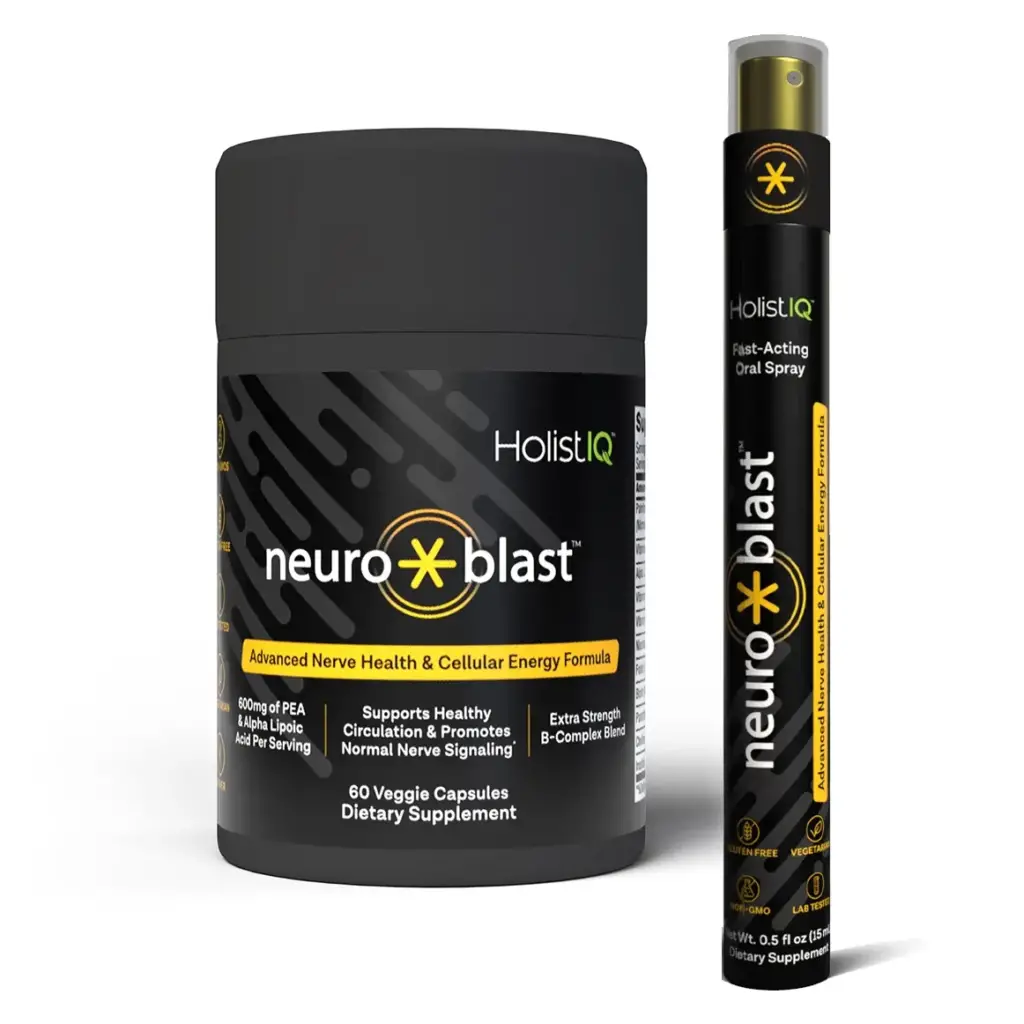
Your goal is to address nerve discomfort from multiple angles. Start with a powerful base designed for deep, cellular-level support. The Neuro-Blast System was specifically created to provide this foundation, working at the root of the issue rather than just masking symptoms. Once you have that core support in place, you can layer in complementary strategies.
Incorporate some of the beneficial herbs we’ve discussed, like turmeric for its anti-inflammatory properties or a topical capsaicin cream for targeted relief. These natural remedies can work alongside your foundational system to manage daily discomfort. At the same time, focus on an anti-inflammatory diet rich in leafy greens and colorful fruits to give your nerves the nutrients they need to thrive. Finally, always discuss your plan with your doctor. They can help you make sure your choices are safe and effective for your specific needs, which is a key part of our doctor-led approach to nerve health.
Related Articles
- How to Treat Nerve Pain in Your Foot at Home
- 5 Soothing Home Remedies for Neuropathy of the Feet
- 7 Ways to Reverse Nerve Damage in Feet Naturally
- 7 Ways to Get Fast Relief for Burning Feet
Frequently Asked Questions
Can I use these herbs to replace my current medication? It’s really important to think of herbs as a supportive part of your routine, not a replacement for any medications your doctor has prescribed. Many herbs can interact with prescription drugs, so making changes on your own can be risky. Always have a conversation with your healthcare provider before adding any new supplement to your plan. They can help you make sure it’s a safe and effective choice for your specific situation.
Is it better to use a topical cream or take an herb in a capsule? This really depends on the type of relief you’re looking for. A topical cream, like one with capsaicin, is great for targeting pain in a specific area because it works directly on the nerve endings in your skin. Oral supplements, like turmeric or evening primrose oil, work from the inside out to address systemic issues like inflammation or nutritional needs. Sometimes, using both can be a great combination for comprehensive support.
How long does it take to notice a difference after starting an herbal routine? Herbal remedies work gradually by supporting your body’s natural processes, so they don’t offer the instant fix of a painkiller. Most people begin to notice subtle improvements after a few weeks of consistent daily use. The key is consistency. Sticking with your routine gives the herbs time to build up in your system and make a real impact on things like inflammation and nerve function.
Can I take several of these herbs at the same time? While it might be tempting to try a few herbs at once, it’s usually best to start slowly. Introducing one new herb at a time allows you to see how your body responds to it without any confusion. If you’re considering combining herbs, it’s another great reason to chat with your doctor or a qualified herbalist. They can help you create a safe and effective blend that is tailored to your needs.
What is the advantage of a complete system over just taking individual herbs? Taking a single herb can be helpful for a specific issue, like using ginger to reduce inflammation. A complete system, however, is designed to provide comprehensive support from multiple angles. It combines several targeted ingredients that work together to address the root causes of nerve discomfort on a cellular level. This synergistic approach often provides a more foundational and sustained level of support than you might get from one herb alone.