
One of the first questions that comes to mind when you’re diagnosed with nerve damage is, “Can this be reversed?” While the answer is complex, it’s important to know that significant improvement is absolutely possible. Your body has a remarkable capacity to heal, and your role is to create the best possible environment for that to happen. This guide focuses on proactive, supportive care that goes beyond just managing symptoms. We will cover the essential steps you can take to protect your nerves from further damage and support their natural repair processes. Finding out how to stop neuropathy pain in feet is a journey of hope, and it begins with these foundational strategies.
Key Takeaways
- Listen to your body’s warning signs: Persistent tingling, numbness, or sharp pain in your feet are important signals. Talking to your doctor to identify the root cause is the first step toward creating a plan that provides meaningful relief.
- Your daily habits are powerful tools for relief: You can actively manage discomfort by adopting a balanced diet to support nerve health, incorporating gentle exercise to improve strength, and performing daily foot checks to prevent injuries before they start.
- Build a personalized pain management plan: The most effective approach combines different strategies. Partner with your doctor to layer lifestyle changes, medical treatments, and at-home care into a routine that addresses your specific symptoms and helps you regain control.
What’s Causing Neuropathy Pain in Your Feet?
If you’re dealing with that frustrating tingling, burning, or sharp, stabbing pain in your feet, you’re right to search for answers. Understanding the root cause is the first step toward finding meaningful relief and getting back to the activities you love. The discomfort you’re feeling often points to nerve damage, and knowing what’s behind it can help you and your doctor create a plan that works for you.
What Is Peripheral Neuropathy?
That pins-and-needles feeling often has a medical name: peripheral neuropathy. While the term sounds complex, it just means there’s an issue with the nerves outside of your brain and spinal cord. Think of these peripheral nerves as the intricate communication network that sends signals between your central nervous system and the rest of your body, including your hands and feet. When these nerves are damaged by injury, infection, or an underlying condition, those signals get disrupted. This miscommunication is what causes the pain, numbness, and weakness you experience in your feet.
Common Triggers and Health Conditions
So, what causes this nerve damage? Neuropathy isn’t a one-size-fits-all condition; it has many potential causes. The single most common culprit is type 2 diabetes, as prolonged high blood sugar is very damaging to nerves. However, many other factors can play a role. Some of the most frequent triggers include heavy alcohol use, certain vitamin deficiencies (especially B12), and autoimmune diseases like lupus or rheumatoid arthritis. Even some medications, such as chemotherapy drugs, or exposure to toxins can lead to nerve damage and painful symptoms in the feet.
Do You Have These Neuropathy Symptoms?
Nerve pain can be tricky to identify because it shows up in so many different ways, from a faint tingle to a sharp, shooting pain. Understanding the specific signs can help you figure out what’s happening and what your next steps should be. Let’s walk through the common symptoms that start in your feet and discuss when it’s time to get a professional opinion.
Spotting the Early Warning Signs in Your Feet
Neuropathy often begins quietly, with unusual sensations in your feet. You might notice a persistent pins-and-needles feeling or numbness that doesn’t go away. Some people find their feet become incredibly sensitive to touch, while others have trouble feeling changes in temperature. This happens when damaged nerves can’t send the right signals to your brain. Other early signs include trouble with balance, sharp or throbbing pain, and muscle weakness. These symptoms frequently start in the balls of the feet before spreading. Catching these signs early is key, as untreated neuropathy can lead to lasting nerve damage and affect your mobility over time.
When to Talk to Your Doctor About Nerve Pain
If any of these symptoms sound familiar, it’s a good idea to talk to your doctor. Don’t wait for the pain to become severe. An early diagnosis can make a significant difference, and your doctor can help you find ways to limit or even reverse the effects of nerve issues. While most symptoms warrant a scheduled appointment, some require immediate medical attention. If you suddenly experience weakness, paralysis, or numbness on one side of your body, or if muscle weakness quickly spreads from your feet upward, seek emergency care. These could be signs of a more serious condition. A doctor can properly diagnose your peripheral neuropathy and create a treatment plan that’s right for you.
Can Lifestyle Changes Ease Neuropathy Pain?
So, can the choices you make every day really make a difference with neuropathy pain? The answer is a resounding yes. While lifestyle changes might not erase the underlying cause of your nerve pain, they are incredibly powerful tools for managing symptoms and improving your quality of life. Think of it as building a supportive foundation for your body. By focusing on a few key areas, you can help reduce discomfort, improve your mobility, and feel more in control.
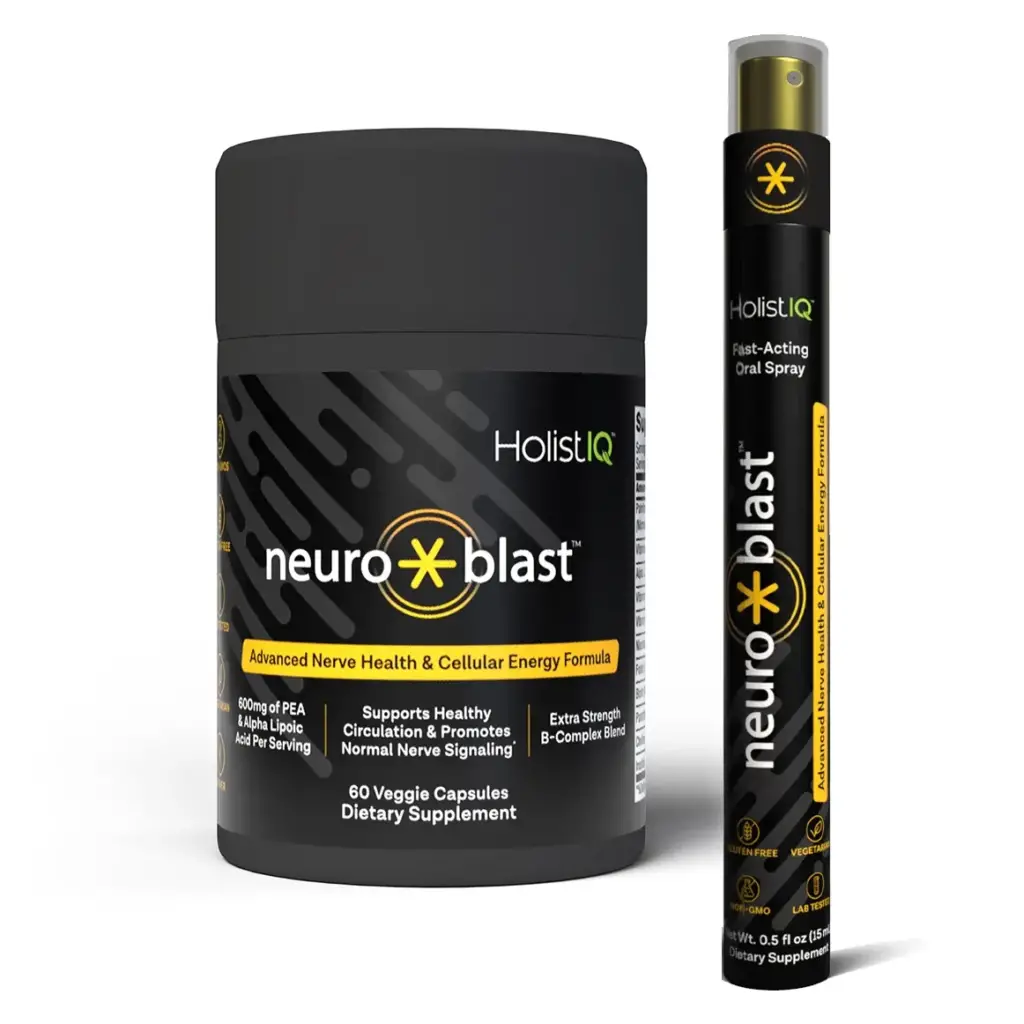
Your daily habits have a direct impact on your nervous system’s health, from the fuel you provide it to how you keep your body moving. It’s about creating an environment where your nerves have the best possible chance to function well. This approach works hand-in-hand with medical treatments and systems like Neuro-Blast, which are designed to provide support on a cellular level. Let’s look at three of the most impactful changes you can start making today: managing your diet, incorporating gentle exercise, and leaving behind habits that harm your nerves.
Manage Your Diet and Blood Sugar
What you eat directly fuels your entire body, including your nerves. A balanced diet rich in fruits, vegetables, whole grains, and lean proteins provides the essential vitamins and minerals your nervous system needs to thrive. For many people with neuropathy, especially those with diabetes, controlling blood sugar levels is one of the most critical steps you can take. High blood sugar can damage nerves over time, so keeping it stable can significantly reduce symptoms. A healthy diet also helps you get the right nutrients without overdoing it on certain vitamins, like B6, which can sometimes worsen nerve issues in high amounts.
Try Gentle Exercises for Strength and Balance
When your feet hurt, exercise might be the last thing on your mind. But gentle movement can be one of your best tools for relief. Regular, low-impact exercise like walking, swimming, or using a stationary bike can help reduce pain, build muscle strength, and improve blood sugar control. It’s also incredibly important to work on your balance. Neuropathy can affect your sense of where your feet are, increasing the risk of falls. Practices like yoga, Pilates, and Tai Chi are excellent for improving stability and coordination, helping you move with more confidence and safety.
Why Quitting Smoking and Alcohol Matters
This can be a tough topic, but it’s too important to skip: smoking and excessive alcohol can make neuropathy pain worse. Smoking harms your circulation by narrowing blood vessels, which means your nerves don’t get the oxygen-rich blood they need to stay healthy. This can intensify pain and other symptoms. Similarly, heavy alcohol use can be directly toxic to nerve tissue and can worsen the discomfort of peripheral neuropathy. Making the decision to limit or eliminate these habits is a powerful way to protect your nerves and support your overall health.
Which Medical Treatments Help Neuropathy Pain?
When lifestyle adjustments aren’t enough to manage your foot pain, it’s time to talk with your doctor about medical treatments. Finding the right approach is a partnership between you and your healthcare provider, and it often involves exploring a few different paths to see what works best for your body. The goal is to reduce pain signals and support your nervous system on a deeper level. Many treatments focus on managing symptoms, while systems like Neuro-Blast are designed to provide deep, cellular-level nerve support to address the underlying issues.
Medical interventions for neuropathy generally fall into three main categories: prescription medications that change how your body processes pain, physical therapies that improve strength and mobility, and advanced treatments that use electrical signals to interrupt pain messages. Your doctor can help you understand the benefits and potential drawbacks of each option, creating a plan that fits your specific symptoms and health goals. Let’s look at what these treatments involve.
Exploring Prescription Medications for Nerve Pain
Your doctor might suggest medications to help manage nerve pain. While over-the-counter pain relievers can sometimes help with mild discomfort, neuropathy often requires a more targeted approach. Some of the most effective treatments for neuropathy pain are actually medications originally developed for other conditions. For example, certain anti-seizure medicines can calm overactive nerves and reduce pain signals. Some types of antidepressants are also used because they can influence how your brain interprets pain. Topical treatments, like creams or patches, can also be applied directly to your feet for localized relief without affecting your whole body.
How Physical and Professional Therapy Can Help
If neuropathy has left you with muscle weakness or balance problems, physical therapy can make a significant difference. A physical therapist will guide you through specific exercises designed to improve your strength, flexibility, and coordination. This can make walking easier and reduce your risk of falling. They might also recommend helpful tools like braces to support your ankles or a cane or walker to give you more stability. Think of a physical therapist as a coach who can help you regain confidence in your movement and stay active safely.
Advanced Treatments: TENS and Spinal Cord Stimulation
For persistent pain that doesn’t respond to other treatments, your doctor may discuss more advanced options. One common therapy is Transcutaneous Electrical Nerve Stimulation (TENS), which uses a small, battery-operated device to send gentle electrical currents to the nerves through sticky pads on your skin. These currents can help block pain signals from reaching your brain. Another option is spinal cord stimulation, where a small device is implanted in your body to deliver electrical pulses directly to the spinal cord, interrupting pain messages before they start.
How to Soothe Neuropathy Pain at Home
When nerve pain flares up, finding comfort at home can make a world of difference. While you work with your doctor on a long-term plan, these simple strategies can offer immediate relief and help you manage discomfort from day to day. Integrating these gentle practices into your routine can help calm your symptoms and give you a greater sense of control over your well-being. It’s all about finding what works for you and creating a toolkit of go-to remedies for those difficult moments.
Try Topical Creams and Warm Foot Soaks
Applying relief directly to your feet can be incredibly effective. You can find over-the-counter topical agents that help manage discomfort. Creams containing capsaicin or lidocaine are popular choices because they can create a numbing sensation that temporarily minimizes pain. Another simple yet powerful remedy is a warm foot soak. Soaking your feet in warm water for about 15 to 20 minutes helps stimulate blood flow, which can ease stiffness and soothe aching nerves. This relaxing ritual is an easy way to wind down at the end of the day while giving your feet some much-needed attention and care.
Use Gentle Massage and Temperature Therapy
A gentle massage can do wonders for nerve pain by improving circulation and stimulating the nerves in your feet. You don’t need to be a professional, either. Simple at-home techniques, like rolling your foot over a tennis ball or a specialized massage tool, can provide significant relief. Temperature therapy is another excellent option. A warm bath can relax your muscles and enhance blood flow throughout your body. On the other hand, if you’re dealing with inflammation, applying an ice pack wrapped in a towel can help numb the area. These home remedies are easy to incorporate into your daily routine.
Find Over-the-Counter Pain Relief
For days when the pain is mild but persistent, over-the-counter medications can offer some help. Pain relievers like nonsteroidal anti-inflammatory drugs (NSAIDs) are a common choice for taking the edge off. In addition to oral medications, don’t forget about topical options. As mentioned earlier, creams or patches containing lidocaine can be applied directly to the skin for targeted relief right where you need it most. These peripheral neuropathy treatments are available at most pharmacies and can be a valuable part of your pain management strategy. Always be sure to follow the package directions and talk to your doctor before starting any new medication.
Do Alternative Therapies Offer Real Relief?
When you’re dealing with persistent nerve pain, it’s smart to explore every option that might bring you comfort. Beyond traditional medical treatments, several alternative therapies can play a supportive role in your pain management plan. Think of these as complementary tools that work alongside your doctor’s recommendations to address your symptoms from different angles.
Many people find that combining conventional medicine with therapies like acupuncture, stress-reducing exercises, and targeted nutrition gives them a greater sense of control over their well-being. These approaches focus on the whole body, helping to reduce pain, improve balance, and support your nervous system on a deeper level. Let’s look at a few popular options that many people with neuropathy find helpful.
How Acupuncture Can Help Manage Pain
Acupuncture is an ancient practice that involves placing very thin needles into specific points on the body. The goal is to help restore balance and encourage the body’s natural healing processes. For those with neuropathy, acupuncture may help reduce some of the most challenging symptoms, particularly chronic pain.
While it’s not a cure, many individuals report feeling a noticeable decrease in their pain levels after a series of sessions. If you’re curious about trying it, look for a licensed and experienced acupuncturist. It’s also a good idea to discuss it with your doctor first to make sure it’s a safe and appropriate choice for you.
Reduce Stress with Mind-Body Techniques
Living with chronic pain is stressful, and unfortunately, stress can often make pain feel even worse. This is where mind-body techniques can make a real difference. Practices like gentle yoga, Tai Chi, and Pilates are wonderful for managing neuropathy symptoms because they offer a dual benefit. They help improve your balance and strength, which can reduce the risk of falls, while also calming your nervous system.
These gentle movements encourage mindfulness and deep breathing, which can lower stress hormones and ease muscle tension. Starting with a beginner’s class, either online or in person, is a great way to learn the proper forms and find a routine that feels good for your body.
Focus on Essential Vitamins and Nutrients
What you eat has a direct impact on your nerve health. Certain nutritional gaps can contribute to neuropathy, so ensuring your body gets the right building blocks is key. Key nutrients for nerve function include vitamins B1, B6, B12, and E, as well as the mineral copper. A balanced diet rich in fruits, vegetables, and lean proteins is a great starting point.
However, it’s important to get the balance right. For example, while B vitamins are crucial, excessive amounts of vitamin B6 can actually cause neuropathy symptoms. Before you start taking any new supplements, it’s best to talk with your doctor. They can help you determine if you have any deficiencies and guide you toward a plan that provides deep, cellular-level nerve support.
Your Daily Foot Care Routine for Neuropathy
When you’re living with neuropathy, your feet need a little extra attention. Nerve damage can reduce sensation, meaning you might not feel a small cut, blister, or sore until it becomes a much bigger problem. That’s why creating a daily foot care routine is one of the most powerful things you can do to protect your health and stay active. Think of it as a non-negotiable part of your day, just like brushing your teeth. This daily practice isn’t just about hygiene; it’s about careful inspection and prevention.
By taking a few minutes each day to check on your feet, you can catch potential issues early and avoid serious complications that could otherwise limit your independence. It’s a simple habit that gives you more control over your well-being and helps you keep moving with confidence. While external care is crucial, supporting your nerves from within is just as important. A comprehensive approach that includes a system like Neuro-Blast can help address nerve discomfort on a cellular level, giving your body the foundation it needs for better nerve health. Making foot care a priority is a direct investment in your mobility and overall quality of life, ensuring you can continue doing the things you love.
How to Do a Daily Foot Check
A daily foot inspection is your first line of defense. Since neuropathy can mask pain, your eyes have to do the work your nerves can’t. Set aside a few minutes each day, perhaps after your shower or before bed, to sit in a well-lit area and thoroughly examine your feet. Look over the entire surface, including the tops, sides, heels, and especially the spaces between your toes. If you have trouble seeing the bottoms of your feet, use a magnifying mirror or ask a family member for help. You’re looking for any cuts, blisters, redness, swelling, or sores. A consistent daily check is crucial, especially if you have diabetes, as even minor injuries can lead to serious issues if ignored.
Choose the Right Neuropathy-Friendly Shoes
The right shoes are more than a fashion statement; they’re essential protective gear for your feet. When shopping for footwear, look for pairs with a wide toe box that gives your toes plenty of room to move without rubbing. Good arch support is also key to maintaining stability. It’s wise to avoid shoes with extremely thick, soft cushioning in the middle, as this can sometimes increase the risk of a fall if you have reduced sensation. Before you put your shoes on, always slide your hand inside to check for pebbles or rough seams. Pairing your shoes with soft, seamless diabetic socks can also add an extra layer of protection against blisters and sores.
Can You Reverse Nerve Damage in Your Feet?
When you’re dealing with constant tingling, numbness, or pain, it’s natural to wonder if the damage can be undone. The question of reversing nerve damage is complex, and the answer often depends on the cause and severity of your condition. While a complete reversal isn’t always possible, you shouldn’t lose hope. For some people, treatments can lead to a significant restoration of nerve function and a major reduction in symptoms.
The key is understanding that nerve tissue is different from other tissues in your body; it heals very slowly. This means patience and consistency are your best friends. Even when a full recovery isn’t on the table, taking proactive steps can prevent the damage from getting worse and dramatically improve your daily comfort and mobility. The goal is to manage your symptoms, support your body’s healing processes, and get you back to doing the things you love. Think of it as a journey toward better nerve health, where every positive step forward makes a real difference in your quality of life. It’s about regaining control, finding what works for you, and celebrating the small victories along the way, like walking a little farther or sleeping more soundly.
How Nerve Regeneration Works
Your body has an incredible, built-in capacity to heal, and that includes your nerves. Nerve regeneration is the process your body uses to repair or regrow damaged nerve tissue. It’s a slow and delicate process, but it’s happening. Modern medicine has also found ways to support this natural healing. Advanced therapies, like specialized laser treatments, are designed to stimulate the nerves in your feet, reduce inflammation, and encourage repair. These treatments can help reverse neuropathy damage by actively supporting your body’s regenerative efforts, which may lead to restored sensation and less pain over time.
What Factors Influence Healing and Recovery?
Several key factors can influence how well your nerves heal. One of the most critical is managing any underlying health conditions. For example, if you have diabetes, maintaining stable blood glucose levels is essential to prevent further nerve damage and give your body a fighting chance to repair itself. The stage of your neuropathy also plays a big role. Catching and addressing nerve issues in the earlier stages often leads to better outcomes, as there may be a higher chance of reversing damage through lifestyle adjustments and targeted treatments. This is why it’s so important to listen to your body and speak with your doctor as soon as you notice symptoms.
Create Your Personal Pain Management Plan
Managing nerve pain in your feet isn’t about finding a single magic bullet. Instead, it’s about building a comprehensive plan that fits your unique needs and lifestyle. A personalized approach gives you the best chance at finding lasting relief and getting back to the activities you love. By working with your healthcare provider and combining different strategies, you can create a routine that addresses your symptoms from multiple angles. This proactive approach puts you in control of your health journey.
Combine Different Treatment Methods
Finding what works for you often means trying a mix of different therapies. A well-rounded plan might include lifestyle adjustments, specific exercises, and medical treatments. For instance, your doctor might suggest physical therapy to improve strength and balance, alongside over-the-counter creams containing capsaicin to soothe discomfort. Some people find relief through other pain treatments like acupuncture or transcutaneous electrical nerve stimulation (TENS) units. The goal is to layer different strategies, from daily habits to professional care, to create a support system that effectively manages your pain and improves your quality of life.
Partner with Your Doctor for the Best Results
Your doctor is your most important ally in this process. A thorough diagnosis is the first step, and it often involves a physical exam, a review of your health history, and specific nerve tests. Based on these findings, your doctor can recommend the most effective medical treatments, which might include medications designed specifically for nerve pain. Beyond prescriptions, they can offer crucial advice on daily care, like checking your feet every day for cuts or blisters you might not feel. Working together, you can build a sustainable plan and explore systems like Neuro-Blast that offer deep, cellular-level support for your nervous system.
Related Articles
- Foot Pain Archives – Neuro-Blast
- Neuropathy Pain Archives – Neuro-Blast
- Your Guide to the Best Treatment for Burning Feet
- 12 Home Remedies for Neuropathy in Legs and Feet
- Nerve Pain Archives – Neuro-Blast
Frequently Asked Questions
What’s the first step I should take if I suspect I have neuropathy? If you’re experiencing persistent tingling, numbness, or pain in your feet, the most important first step is to schedule an appointment with your doctor. Self-diagnosing can be tricky, and a medical professional can perform the necessary tests to understand the root cause of your symptoms. An early and accurate diagnosis is the foundation for creating an effective management plan that can prevent further damage and improve your comfort.
Can lifestyle changes like diet and exercise really make a big difference? Yes, they absolutely can. While lifestyle habits may not be a cure, they are a powerful part of managing neuropathy. A balanced diet helps provide the nutrients your nerves need, and gentle exercise improves circulation and strength. Think of these changes as creating a healthier environment within your body, which gives your nerves the best possible support to function well and can significantly reduce the severity of your symptoms.
With so many treatment options, how do I know which one is right for me? Finding the right approach is a partnership between you and your doctor. Because neuropathy has many different causes and symptoms, there isn’t a single solution that works for everyone. Your doctor can help you build a personalized plan by combining different strategies, which might include medications, physical therapy, and at-home care. The best plan is often one that addresses your pain from multiple angles.
Is it possible for the nerve damage in my feet to heal? The potential for nerve healing depends on many factors, including the underlying cause and how early the condition is addressed. While a complete reversal isn’t always possible, the body does have a natural capacity for nerve regeneration. By managing health conditions like diabetes and adopting supportive therapies, you can often prevent further damage and, in some cases, see a significant improvement in nerve function and a reduction in pain.
How often should I be checking my feet, and what am I looking for? Making a daily foot check part of your routine is one of the most important habits you can build. Since neuropathy can reduce sensation, you might not feel a small injury. Each day, take a moment to look over your entire foot, including between your toes, for any cuts, blisters, redness, or swelling. Catching these small issues early can prevent them from developing into more serious problems.