
Living with nerve pain can feel disempowering, as if the discomfort is in charge of your day. But you have more power to influence how you feel than you might think. By focusing on actionable steps you can take right now, you can begin to reclaim your comfort and your life. This is why exploring natural remedies for nerve pain in feet is such a crucial step. These aren’t just temporary fixes; they are practical, sustainable habits that address the underlying issues like inflammation and poor circulation. This guide is your resource for these empowering strategies, helping you build a daily routine that supports your nerve health.
Key Takeaways
- Combine internal and external strategies: Manage nerve pain by nourishing your body with key vitamins and herbs while also using external remedies like gentle exercise, massage, and warm soaks to soothe immediate discomfort.
- Make small changes for big results: Your daily habits, from the food you eat to the shoes you wear, directly affect your nerve pain. Focusing on a balanced diet, proper foot care, and stress reduction builds a strong foundation for relief.
- Know when to seek professional advice: While home remedies can provide comfort, a doctor is essential for diagnosing the root cause of your pain. Schedule an appointment for any new, severe, or worsening symptoms to ensure you have a safe and comprehensive care plan.
What is Nerve Pain in the Feet?
If you’re dealing with persistent pain in your feet, you’re not just imagining it. That tingling, burning, or shooting sensation is often a sign of nerve damage. This condition, known as peripheral neuropathy, happens when the nerves outside of your brain and spinal cord get damaged. Think of these nerves as the communication lines that help you feel, move, and control your body. When they’re damaged, the signals get crossed, leading to pain, numbness, and weakness that can seriously disrupt your life.
Understanding what’s happening is the first step toward finding relief. This damage often occurs deep down, which is why it’s so important to support your nervous system on a cellular level. By addressing the issue where it starts, you can begin to manage the discomfort and get back to doing the things you love. The good news is that once you understand the cause and the symptoms, you can start exploring ways to feel better.
What causes it?
So, what’s behind this frustrating foot pain? The most common culprit is diabetes, as high blood sugar can injure nerves over time. However, it’s not the only cause. Nerve pain in the feet can also stem from other health issues, including chemotherapy treatments, a lack of Vitamin B12, and certain autoimmune diseases. Sometimes, pressure on the nerves from spinal problems can trigger symptoms. Lifestyle factors, like heavy alcohol use, can also contribute to nerve damage. Identifying the underlying cause with your doctor is a key part of creating an effective plan to manage your symptoms.
What does it feel like?
Nerve pain can show up in many different ways, and your experience might be completely different from someone else’s. You might feel a sharp, shooting pain that comes out of nowhere or a constant, burning sensation. For many, it feels like a tingling “pins and needles” sensation that just won’t go away. Other common symptoms include numbness, which can affect your balance, or an extreme sensitivity to touch where even a light blanket feels painful. This discomfort often starts in the feet and can get worse at night, disrupting your sleep and making it difficult to get comfortable.
Natural Ways to Soothe Foot Nerve Pain
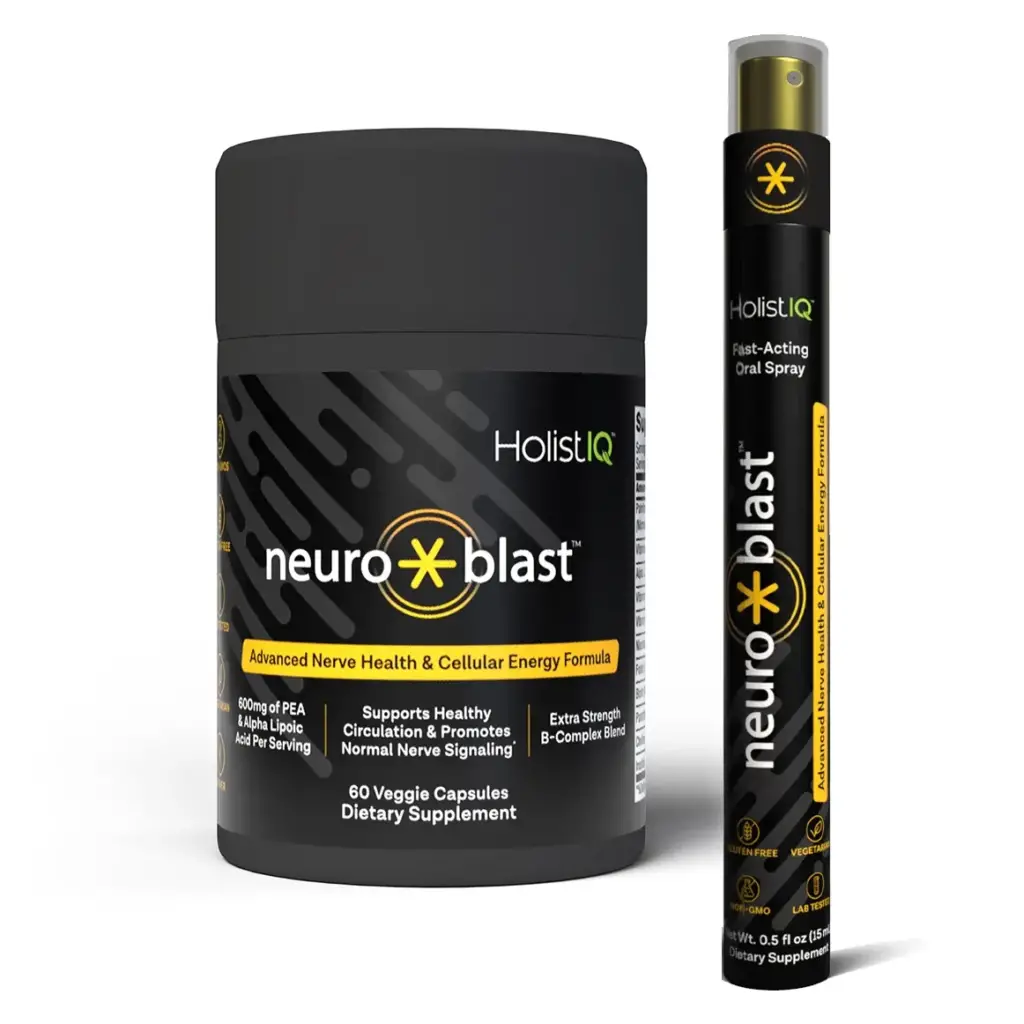
When foot pain strikes, you want relief you can feel. These natural, at-home remedies focus on soothing discomfort from the outside. They are simple to incorporate into your daily routine and can provide a welcome sense of comfort when you need it most. While it’s important to support your nerve health systemically with a solution like the Neuro-Blast System, these external strategies are a great first step in managing your symptoms.
Try an Epsom salt soak
A warm Epsom salt soak is a classic remedy for a reason. The magnesium in the salt helps calm inflammation and relax tense muscles, which can ease pressure on your nerves and improve circulation. This simple act can provide surprisingly effective relief from the aches and pains of neuropathy. To try it, just add a cup of Epsom salt to a basin of warm water and let your feet soak for about 15 minutes. It’s a peaceful way to end your day and give your feet the attention they deserve while you unwind.
Massage your feet with essential oils
Gentle massage can do wonders for sore feet by stimulating blood flow. You can make it more effective by incorporating essential oils known for their soothing properties. Oils like lavender and chamomile promote relaxation, while geranium may help reduce discomfort. Mix a few drops with a carrier oil, like coconut or jojoba oil, and gently work it into your feet, paying attention to the arches and balls of your feet. This practice not only helps with pain but also provides a calming ritual for your mind and body.
Apply hot and cold therapy
Alternating between hot and cold packs is a powerful way to manage nerve pain. A cold pack, applied for 15 minutes, can help numb the area and reduce inflammation. Following that with a warm compress helps relax tight muscles and encourages healthy blood flow. This contrast in temperatures can interrupt pain signals and provide immediate, targeted relief right where you need it. It’s a versatile approach you can use whenever your symptoms flare up. Just be sure to wrap the packs in a towel to protect your skin.
Use capsaicin cream for burning sensations
For that persistent burning feeling, a topical cream containing capsaicin may offer relief. Capsaicin is the compound that gives chili peppers their heat. When applied to the skin, it works by gradually desensitizing nerve endings, which reduces the pain signals they send to your brain. You might feel a mild warming or stinging sensation at first, but consistent use can lead to a significant reduction in discomfort. It’s wise to test it on a small area of skin first and always wash your hands thoroughly after applying it.
Vitamins and Supplements for Nerve Health
While a balanced diet is your first line of defense, sometimes it’s hard to get all the nutrients your nerves need to thrive. Supplements can help fill in the gaps, providing targeted support for your nervous system. Comprehensive formulas like the Neuro-Blast System are specifically designed with key vitamins and compounds to support nerve health from the inside out. Before adding any new supplement to your routine, it’s always a good idea to chat with your doctor to find what’s right for you and ensure it won’t interact with other medications.
Support nerve function with B vitamins
Think of B vitamins as the maintenance crew for your nervous system. Vitamins like B1 (often as benfotiamine) and B12 are particularly important, as they are crucial for nerve health and help maintain the protective coating around your nerves. A deficiency in these vitamins can contribute to nerve damage and uncomfortable symptoms. You can find B vitamins in foods like meat, fish, and fortified cereals, but a high-quality supplement can ensure you’re getting a consistent, effective dose to keep your nerves functioning properly.
Consider alpha-lipoic acid (ALA)
Alpha-lipoic acid, or ALA, is a powerful antioxidant that your body produces naturally. It works by neutralizing harmful free radicals that can damage nerve cells. For people experiencing nerve pain, studies suggest that ALA may help reduce symptoms like burning, tingling, and numbness. Because it works at a cellular level to protect your nerves, it’s a popular supplement for those looking for comprehensive nerve support. You can find it in some foods like spinach and broccoli, but supplements offer a more concentrated amount.
Look into magnesium and acetyl-l-carnitine
Magnesium is a mineral that plays a part in hundreds of bodily functions, including how your nerves send and receive messages. It helps control nerve signals and can also help calm inflammation, which is often a source of pain. Another helpful compound is acetyl-L-carnitine, an amino acid that supports energy production within your cells. Research shows it can be particularly beneficial for improving nerve function and regeneration, offering another layer of support for your nervous system.
Get enough vitamin D
You probably know Vitamin D as the “sunshine vitamin” that’s essential for strong bones, but its benefits don’t stop there. It also plays an important role in your overall nerve health. Low levels of vitamin D have been linked to various types of chronic pain, including nerve pain. Making sure you have adequate levels of vitamin D can be a simple yet effective step in your care plan. A quick blood test from your doctor can tell you if you’re deficient and whether a supplement could help.
Herbs That Fight Inflammation and Pain
When you’re dealing with nerve pain, inflammation is often a key part of the problem. It’s your body’s response to injury, but when it becomes chronic, it can make the tingling and burning in your feet feel so much worse. The good news is that nature offers some powerful allies in the form of herbs. Certain plants contain compounds that can help calm this inflammation and soothe discomfort from the inside out. Think of it as giving your body the right tools to manage its own healing processes, which is a core part of providing deep, cellular-level nerve support. Let’s look at a few kitchen staples that double as potent pain-fighters.
Fight inflammation with turmeric
You probably know turmeric as the bright yellow spice that gives curry its color, but it’s also a powerhouse of anti-inflammatory benefits. The magic comes from a compound called curcumin, which research shows can help reduce swelling and pain. For those of us with nerve discomfort, this is great news. By calming the inflammation that irritates your nerves, turmeric can offer some much-needed relief. You can easily incorporate turmeric into your meals by adding it to soups, smoothies, or roasted vegetables. You can also find it in supplement form for a more concentrated dose.
Protect nerves with ginkgo biloba
Ginkgo biloba is an ancient herb best known for its ability to improve blood flow. This is especially important for nerve health, as your nerves need a steady supply of oxygen and nutrients to function properly. Beyond circulation, ginkgo also has antioxidant and anti-inflammatory effects. Some studies suggest it can be particularly helpful in reversing nerve pain, especially for people with diabetes. By supporting better blood flow to the tiny vessels in your feet, ginkgo biloba can help protect your nerves and reduce painful sensations, making it a valuable herb to consider.
Ease pain with ginger
Ginger is another common spice with some serious pain-fighting credentials. Like its cousin turmeric, ginger contains active compounds that are excellent at reducing inflammation. It has a long history of being used to soothe all kinds of aches and pains, and nerve pain is no exception. Whether you enjoy it as a warm tea, add it fresh to your cooking, or take it as a supplement, ginger can provide a comforting, soothing effect. It’s a simple, natural way to help manage the inflammation that contributes to the discomfort in your feet.
How Exercise and Movement Can Help
When your feet are in pain, the thought of exercising can feel overwhelming. But gentle movement is one of the most effective ways to manage nerve discomfort. The key is to focus on activities that increase blood flow without putting extra stress on your body. Improved circulation brings vital oxygen and nutrients to your nerves, which is essential for their health and function.
Think of it less as a workout and more as a way to care for your body. Consistent, gentle activity can help reduce pain, improve balance, and strengthen the muscles that support your feet and legs. It’s about finding what feels good and helps you get back to doing the things you love. By pairing movement with a system designed for deep, cellular-level nerve support, you create a powerful combination for managing your symptoms and improving your quality of life.
Choose gentle, low-impact activities
You don’t need to run a marathon to see benefits. Gentle, low-impact exercises are perfect for getting your body moving without jarring sensitive nerves. Activities like walking, swimming, or riding a stationary bike are excellent choices. The goal is consistency, not intensity. Try starting with 30 minutes of an activity you enjoy every other day. These types of low-impact exercises are effective because they get your heart rate up and improve circulation throughout your body, especially to your feet, without the harsh impact of running or jumping.
Incorporate daily stretches
Stretching is a simple yet powerful tool for easing nerve pain. When the muscles in your feet and legs are tight, they can put pressure on the surrounding nerves, making your symptoms worse. A daily stretching routine can help release that tension, improve your flexibility, and promote better blood flow. You can try simple movements like pointing and flexing your feet, making ankle circles, or gently curling your toes. Making these simple stretches a part of your morning or evening routine can make a noticeable difference in your comfort levels throughout the day.
Try walking or swimming
Walking and swimming are two of the best exercises for nerve pain in the feet. Walking is accessible, free, and a great way to build strength and endurance. Just be sure to wear comfortable, supportive shoes. Swimming, or even just walking in the water, is another fantastic option. The water’s buoyancy supports your body weight, which means there’s virtually no impact on your joints. This allows you to move freely and strengthen the muscles in your feet and legs without causing pain. Both activities are excellent for improving circulation and can help you feel more stable and confident on your feet.
Lifestyle Changes That Make a Difference
Beyond specific remedies, your daily habits play a huge role in managing nerve pain. Making thoughtful changes to your routine can create a foundation for long-term comfort and health. These adjustments aren’t about a complete overhaul overnight; they’re about taking small, consistent steps that add up to real relief and help you get back to the activities you love.
Eat a nerve-friendly diet
What you eat directly fuels your body’s systems, including your nerves. Focusing on a balanced diet rich in essential nutrients is a powerful way to support nerve health. Make sure you’re getting plenty of B vitamins, which are crucial for nerve function. You can find them in foods like leafy greens, eggs, beans, and lean meats. Antioxidants are also your friends here, as they help protect your body from damage. Load up your plate with colorful fruits and vegetables like berries, oranges, and spinach. Think of your meals as an opportunity to nourish your nerves from the inside out, giving them the building blocks they need to thrive.
Manage your weight and blood sugar
Maintaining a healthy weight and stable blood sugar levels can have a profound impact on nerve pain, especially if you have diabetes. High blood sugar can damage nerves over time, so keeping your blood sugar in check is one of the most effective things you can do to prevent further issues and ease current symptoms. This doesn’t mean you have to follow a super restrictive diet. It’s about making smart choices, like opting for whole grains over processed ones, staying active, and working with your doctor to create a management plan that fits your lifestyle. These efforts help protect your nerves from the stress of high glucose levels.
Choose the right shoes and care for your feet
Your feet carry you through life, so they deserve some extra attention. Wearing the right shoes is non-negotiable. Look for well-cushioned footwear with good arch support to reduce pressure and protect your feet from impact. It’s also important to take good care of your feet with a daily check. Inspect them for any cuts, blisters, or sores, especially if nerve pain causes numbness. Because you might not feel a small injury, a visual check can prevent it from becoming a bigger problem. Pairing supportive shoes with soft, padded socks creates a safe and comfortable environment for your feet every day.
Reduce stress and improve your sleep
The connection between your mind and body is strong, and stress can absolutely make pain feel worse. When you’re stressed, your body is on high alert, which can amplify pain signals. Finding ways to relax is key. Meditation and mindfulness are fantastic practices that can help your brain focus less on the pain and create a sense of calm. Even a few minutes of deep breathing can make a difference. Quality sleep is just as important, as it’s when your body does most of its repair work. Creating a peaceful bedtime routine can help you get the restorative rest your nerves need.
Complementary Therapies to Consider
Beyond the physical remedies you can try at home, other practices can offer significant relief by addressing how your brain perceives and responds to pain. These mind-body therapies can be powerful additions to your daily routine, helping you feel more in control and find a sense of calm even on difficult days. They work alongside other treatments to support your overall well-being.
Explore acupuncture for pain relief
If you haven’t considered acupuncture, it might be worth looking into. This traditional practice involves placing very thin needles at specific points on the body. The goal is to stimulate nerves and muscles, which may help your body release its natural painkillers, called endorphins. Many people find that regular sessions can reduce symptoms of nerve pain and improve circulation in their feet. It’s a gentle therapy that has helped many find a new level of comfort and well-being. Always make sure you see a licensed and experienced acupuncturist for your treatments.
Practice meditation and mindfulness
You don’t have to sit for hours to get the benefits of mindfulness. Simply dedicating a few minutes each day to quiet your mind can change how you experience pain. Practices like deep breathing, gentle body scans, or guided visualization can help calm your nervous system. These techniques teach you to observe discomfort without getting overwhelmed by it, which can significantly impact how the brain processes pain. By encouraging relaxation and focus, mindfulness can become a valuable tool for managing your symptoms and improving your emotional health.
What to Avoid with Nerve Pain
Just as important as adding helpful habits to your routine is knowing what might be making your nerve pain worse. Sometimes, simple changes to your diet and daily activities can prevent flare-ups and keep you from undoing the progress you’ve made. By being mindful of a few key things, you can create a lifestyle that better supports your nerve health and helps you feel more in control of your comfort.
Think of it as clearing the path so the natural remedies and supportive therapies you’re using have the best chance to work. It’s not about perfection, but about making small, consistent choices that add up over time. Understanding these triggers can be empowering, giving you a clear roadmap for what to sidestep on your journey toward feeling better. Let’s look at some common culprits that can aggravate nerve pain and what you can do about them.
Foods that can make symptoms worse
What you eat can have a direct impact on inflammation and nerve function. One of the biggest things to be mindful of is alcohol. Research shows that excessive alcohol consumption can be toxic to nerves and may worsen the symptoms of neuropathy. Limiting your intake is a crucial step for many people. Beyond alcohol, it’s wise to cut back on foods high in sugar and refined grains, as they can cause blood sugar spikes that contribute to nerve damage over time. Instead, focus on building a nerve-friendly diet rich in vegetables, fruits, lean proteins, and whole grains. This approach provides the essential vitamins and minerals your nervous system needs to thrive.
Habits that may increase discomfort
Certain daily habits can also stand in the way of finding relief. Smoking is a significant one, as it constricts blood vessels and impairs circulation. Healthy blood flow is essential for delivering oxygen and nutrients to your nerves, especially those in your feet. When circulation is poor, nerve damage can get worse. If you smoke, finding resources to help you quit can be one of the most powerful steps you take for your nerve health and overall well-being. Similarly, a sedentary lifestyle can lead to muscle weakness and poor circulation, so finding gentle ways to stay active is key to managing discomfort and staying mobile.
When to See a Doctor
While natural remedies can be a wonderful part of your self-care routine, they aren’t a substitute for professional medical advice. Listening to your body is key, and certain symptoms are clear signals that it’s time to check in with a healthcare provider. Ignoring these signs can lead to more significant problems, so it’s always best to be proactive about your health and get an expert opinion when you need one.
Know the warning signs
Think of your doctor as your primary partner in managing your nerve health. You should schedule an appointment right away if you notice any new or worsening symptoms. Pay close attention if you experience sudden, severe numbness, weakness, or pain, especially if you have diabetes.
Other critical signs that require a doctor’s visit include:
- Weakness that seems to be getting worse quickly.
- Losing your balance more often or having frequent falls.
- Open sores or signs of infection (like redness or swelling) on your feet.
- Tingling or numbness that is persistent and won’t go away.
These symptoms need professional evaluation to rule out serious conditions and get you on the right treatment path. Our doctor-led team understands the importance of a proper diagnosis.
Partner with your doctor for a care plan
Even if your symptoms don’t feel like an emergency, you should still see a doctor if they start to interfere with your daily life. If your nerve pain spreads, becomes severe enough to disrupt your sleep, or makes walking difficult, it’s time to seek professional help. A doctor can help you understand what’s causing the discomfort and create a personalized care plan.
The main goals of treatment are to address the underlying cause of the nerve issue and relieve your symptoms. Your plan might include specific medical treatments, lifestyle adjustments, and targeted nutritional support. You can discuss how a comprehensive approach like the Neuro-Blast System might fit into your overall strategy for supporting your body on a cellular level and helping you get moving again.
Related Articles
- How to Treat Nerve Pain in Your Foot at Home
- 5 Soothing Home Remedies for Neuropathy of the Feet
- 12 Home Remedies for Neuropathy in Legs and Feet
- 7 Ways to Get Fast Relief for Burning Feet
Frequently Asked Questions
How soon can I expect to feel relief with these natural approaches? Finding relief is a gradual process, and consistency is your best friend. Some remedies, like a warm Epsom salt soak or applying a cold pack, can provide a sense of immediate comfort and soothe your feet right away. However, changes that work from the inside out, such as improving your diet or taking supplements, take more time to build up in your system and support your nerves. Be patient with your body and focus on creating sustainable habits rather than looking for an overnight fix.
Can I combine several of these remedies, or should I stick to one at a time? You can absolutely combine these strategies. In fact, they often work best together as part of a layered approach to your care. For example, you could enjoy a ginger tea while you soak your feet, or practice gentle stretches after a walk. The key is to not overwhelm yourself. Start by incorporating one or two new habits that feel easy and enjoyable, and then gradually add more as you feel comfortable.
You mention supporting nerves at a cellular level. What does that actually mean for my foot pain? Think of it like tending to a plant. You can mist the leaves for a temporary boost, but for the plant to truly thrive, you need to nourish its roots. Supporting nerves at a cellular level is similar. While topical creams and soaks can soothe the surface, providing your body with the right nutrients helps address the underlying health of the nerves themselves. It means giving your nervous system the fundamental building blocks it needs to function properly and protect itself from damage, which can lead to more meaningful and lasting comfort.
Are these remedies a replacement for my doctor’s advice or medication? No, these natural methods should be seen as complementary parts of your overall care plan, not as a replacement for professional medical advice. It is essential to partner with your doctor to get an accurate diagnosis and create a safe treatment strategy. Always discuss any new supplements, herbs, or significant lifestyle changes with your healthcare provider to ensure they are right for you and won’t interfere with any existing treatments.
Besides diet and exercise, what’s one simple daily habit I can start today? A great habit to start tonight is a simple, mindful foot check. Before you go to bed, take just a minute or two to look over your feet for any cuts, blisters, or changes in color. Gently massage them as you do. This small ritual not only helps you catch potential problems early, especially if you experience numbness, but it also helps you reconnect with your body in a gentle, caring way.