
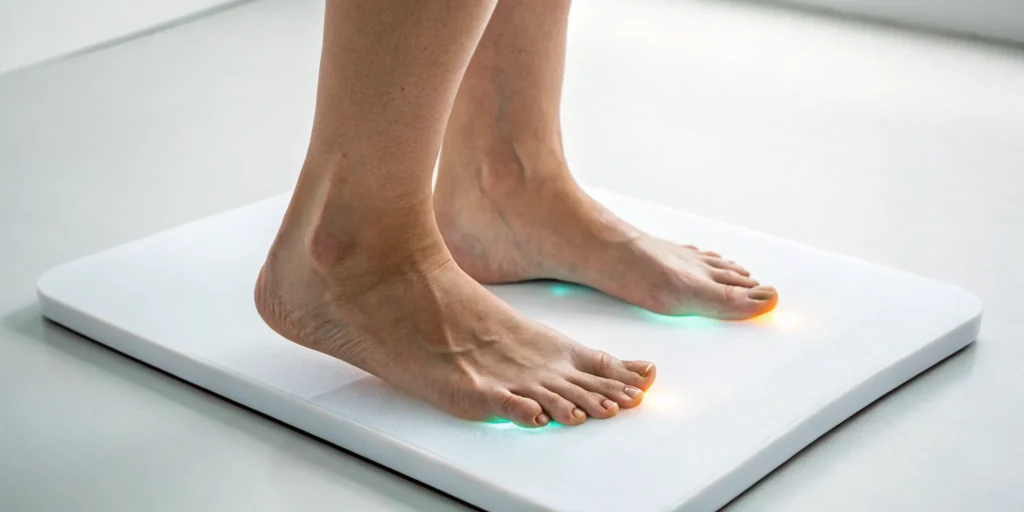
Living with unexplained foot pain can make you feel like you’ve lost control over your own body. One day you’re walking without a care, and the next, you’re constantly aware of a strange tingling or a persistent ache. But knowledge is the first step toward regaining that control and feeling empowered. When you can confidently answer the question, what triggers neuropathy in feet?, you can start making informed choices to support your nerve health from the inside out. This article will explore the key factors that contribute to nerve discomfort, giving you the clarity you need to take proactive steps toward feeling better.
Key Takeaways
- Address the underlying cause first: Neuropathy is often a symptom of a larger issue like diabetes or nutritional gaps. Partner with your doctor to identify and manage the root cause, which is the most effective way to prevent further nerve damage.
- Adopt nerve-friendly daily habits: Simple lifestyle changes make a big difference. Focus on a diet rich in B vitamins, incorporate gentle movement like walking to improve circulation, and limit alcohol and smoking to create a better internal environment for your nerves.
- Make daily foot care a priority for safety: Numbness can hide small injuries that may lead to serious complications. Protect yourself by checking your feet daily for cuts or blisters and choosing comfortable, supportive shoes that prevent injury.
What Is Neuropathy in the Feet?
If you’ve been dealing with strange sensations in your feet, like tingling, numbness, or sharp pains, you might have heard the term “neuropathy.” Simply put, neuropathy is damage to your nerves. When it specifically affects the nerves outside of your brain and spinal cord, it’s called peripheral neuropathy, and it most commonly shows up in the hands and feet. Think of your nervous system as your body’s electrical wiring. It sends messages from your brain to every part of you, telling your muscles to move and letting you feel things like temperature and touch.
When the nerves in your feet are damaged, those signals get mixed up or don’t go through at all. This disruption is what causes the uncomfortable and sometimes debilitating symptoms that can interfere with your daily life. It’s not just a minor annoyance; it’s a sign that the communication lines in your body are breaking down. This can happen for many reasons, from underlying health conditions to nutritional gaps. The key takeaway is that these feelings aren’t just in your head. They are real physical signals that something is wrong with the nerves themselves. Understanding what’s happening on a cellular level is the first step toward finding a way to manage it and get back to the activities you love.
What Happens When Nerves Are Damaged?
Your peripheral nerves are the communication lines that connect your central nervous system to your limbs. When these nerves sustain damage, their ability to send clear signals is compromised. Imagine a frayed phone charger cable; sometimes it works, sometimes it doesn’t, and sometimes it just creates static. That’s a good way to picture what happens with damaged nerves. This damage can cause nerves to send faulty signals, creating pain out of nowhere. In other cases, they might not send any signals at all, which leads to numbness. Because these nerves are responsible for both sensation and muscle control, the effects can be widespread. The goal of any effective support system is to address this damage at the source, helping to restore clearer communication within your nervous system.
Spotting the Symptoms: From Tingling to Numbness
The symptoms of foot neuropathy can vary from person to person, but some common patterns emerge. Many people first notice a gradual onset of numbness, prickling, or a “pins and needles” feeling in their toes, which can slowly spread up their feet and legs. For others, the primary symptom is pain, which can feel sharp, jabbing, or like a constant burn. Another common sign is an extreme sensitivity to touch. The light pressure of a bedsheet, for example, might feel painful. These symptoms can be confusing and frustrating, especially when they come and go. Recognizing these early signs is important because it allows you to start addressing the root causes of the nerve discomfort before it progresses further.
How Neuropathy Affects Your Balance and Mobility
When you can’t fully feel your feet, it’s much harder to maintain your balance. Numbness can make you feel unsteady and increase your risk of falling, as your brain isn’t getting the correct information about where your feet are on the ground. This can make simple activities like walking across a room or going down stairs feel challenging and unsafe. Beyond balance, chronic pain can make you want to move less, leading to a more sedentary lifestyle. The real danger, however, is that numbness can prevent you from noticing small cuts or sores on your feet. These minor injuries can become serious if left untreated. This is why finding a system that provides deep, cellular-level nerve support is so crucial for staying active and independent.
What Causes Neuropathy in the Feet?
Figuring out why your feet are tingling, burning, or numb can feel like solving a puzzle. Neuropathy isn’t a single condition but a result of nerve damage, and that damage can have many different starting points. Understanding the root cause is the first and most important step toward finding relief and getting back to the activities you love. Let’s look at some of the most common triggers for neuropathy in the feet.
The Link Between Diabetes and Nerve Damage
Diabetes is, by far, the leading cause of peripheral neuropathy. If you have diabetes, consistently high blood sugar can injure the walls of the tiny blood vessels that supply oxygen and nutrients to your nerves. Think of it like a delivery route getting damaged, preventing essential supplies from reaching their destination. Over time, this starves the nerves, especially the longest ones that travel to your feet. In fact, more than half of all people with diabetes experience some form of nerve damage. Managing your blood sugar is one of the most powerful actions you can take to protect your nerve health and prevent further damage.
How Nutritional Gaps Affect Nerve Health
Your nerves rely on a steady supply of specific vitamins and minerals to function correctly. When there are gaps in your nutrition, your nerves can suffer. B vitamins, in particular, are superstars for nerve health. Vitamins B1, B6, and especially B12 are essential for maintaining the myelin sheath, the protective coating around your nerves. Without enough of these key nutrients, this coating can break down, leaving nerves exposed and vulnerable to damage. Deficiencies in vitamin E and copper can also contribute to neuropathy. Ensuring your body gets these vital nutrients is fundamental for supporting your nervous system on a cellular level.
The Role of Alcohol and Environmental Toxins
What we consume and what we’re exposed to in our environment can also play a significant role in nerve health. Excessive alcohol consumption is directly toxic to nerve tissue. It can also interfere with your body’s ability to absorb essential nutrients, like the B vitamins we just talked about, creating a two-pronged attack on your nervous system. In other cases, exposure to certain toxins can lead to neuropathy. This includes heavy metals like lead and mercury or industrial chemicals used in some workplaces. While less common, these environmental factors can be a direct cause of nerve damage, so it’s worth considering if you have a history of exposure.
Other Triggers: Infections, Injuries, and Autoimmune Conditions
Sometimes, neuropathy is a side effect of another health battle your body is fighting. Certain viral or bacterial infections, such as shingles or Lyme disease, can directly attack and inflame nerve tissues. Physical trauma is another clear cause; a serious injury or even a complication from surgery can crush, stretch, or sever nerves, disrupting their signals. Additionally, autoimmune conditions like lupus or rheumatoid arthritis can cause your body’s own immune system to mistakenly attack your nerves. Identifying these underlying conditions is crucial, as managing them is often the key to getting your neuropathy symptoms under control and preventing them from getting worse.
How Does Diabetes Lead to Foot Neuropathy?
If you have diabetes, you’ve likely heard about the risk of developing foot neuropathy. It’s one of the most common complications of the condition, but understanding why it happens is the first step toward protecting your nerve health. The connection is all about blood sugar. Over time, high blood sugar levels can create an environment in your body that is toxic to your delicate nerve fibers, leading to the tingling, numbness, and pain associated with neuropathy. Let’s look at how this process unfolds, starting from your blood vessels and extending all the way to the tips of your toes.
Why High Blood Sugar Harms Your Nerves
Think of your nerves as intricate electrical wires that need a steady supply of oxygen and nutrients to function. This supply comes from a network of tiny blood vessels. When your blood sugar is consistently high, it can damage the walls of these small vessels, making it harder for them to deliver what your nerves need to survive. This is a key reason why diabetes is the leading cause of peripheral neuropathy. Starved of essential resources, your nerve cells begin to malfunction and eventually sustain damage. This process happens on a cellular level, which is why addressing nerve health requires deep, foundational support.
Why Nerve Damage Often Starts in the Feet
Have you ever wondered why neuropathy symptoms so often appear in the feet first? It’s a matter of distance. The nerves that run to your feet and toes are the longest in your body, stretching all the way from your lower spine. Because they are so long, they are more vulnerable to damage. Any disruption in their nutrient supply line has a greater impact over this extended distance. This is why the initial signs of diabetic neuropathy, like a pins-and-needles sensation or numbness, typically begin in the toes and gradually work their way up the legs before affecting the hands and arms.
Manage Your Blood Sugar to Protect Your Nerves
The most powerful tool you have for preventing or slowing the progression of diabetic neuropathy is managing your blood sugar. Keeping your glucose levels within a target range recommended by your doctor reduces the primary source of nerve damage. This involves a consistent effort, including monitoring your levels, eating a balanced diet, and staying physically active. While managing your diabetes is the cornerstone of your health, you can also give your body comprehensive support. The Neuro-Blast system is designed to work alongside your health plan by providing targeted nutrients that support your nervous system on a cellular level, helping you stay active and feel your best.
Can Your Diet Worsen Foot Neuropathy?
What you eat has a direct impact on your nerve health. While no diet is a magic cure, making thoughtful food choices can help manage your symptoms and support your body’s ability to protect and repair nerve tissue. Think of your diet as a powerful tool. Certain foods provide the essential building blocks your nerves need to function, while others can increase inflammation and make your discomfort worse. Focusing on a nutrient-rich diet is a proactive step you can take to feel better.
Why B Vitamins Are Crucial for Nerve Health
B vitamins are superstars when it comes to your nervous system. Vitamins B1, B6, and B12 are especially important for maintaining the health of your nerve cells and ensuring they can communicate effectively. A deficiency in these key vitamins can be a direct trigger of neuropathy and may worsen existing symptoms. These vitamins help build and protect the myelin sheath, the protective coating around your nerves. To get more B vitamins in your diet, focus on foods like lean meats, fish, eggs, leafy greens, and fortified cereals. If you’re concerned about a deficiency, it’s always a good idea to chat with your doctor.
Key Nutrients for Cellular Nerve Support
Beyond B vitamins, other nutrients provide deep, cellular-level support for your nerves. Antioxidants are essential because they help protect your nerve cells from damage caused by oxidative stress. You can find them in colorful fruits and vegetables like berries, spinach, and bell peppers. Omega-3 fatty acids, found in fatty fish like salmon, walnuts, and flaxseeds, are also vital. They have powerful anti-inflammatory properties that can help calm irritated nerves. A well-rounded diet provides a complete guide to neuropathy support by giving your body the tools it needs for nerve repair and maintenance.
Foods to Add and Foods to Limit
Creating a nerve-friendly diet is about adding more of the good stuff and limiting the things that can cause trouble. Focus on building your meals around anti-inflammatory foods: fruits, vegetables, whole grains, and lean proteins. These foods are packed with the vitamins and minerals your nerves crave. On the other hand, it’s wise to limit foods high in sugar, unhealthy fats, and refined grains, like pastries, fried foods, and white bread. These can spike your blood sugar and increase inflammation throughout your body, which can aggravate neuropathy symptoms. For more nutritional guidance, The Foundation for Peripheral Neuropathy has a helpful resource library you can explore.
Lifestyle Habits That Worsen Neuropathy
Managing neuropathy isn’t just about what you add to your routine; it’s also about what you choose to avoid. Certain daily habits can quietly make nerve pain, tingling, and numbness more intense, acting as triggers that worsen your symptoms over time. When you’re dealing with chronic discomfort, it can sometimes feel like your body is working against you. But focusing on your lifestyle is a powerful way to regain a sense of control and actively participate in your own well-being. While you may not be able to change the underlying cause of your neuropathy, you can absolutely influence its progression and your day-to-day comfort levels.
Think of it as creating the best possible environment for your nerves to function. Every choice, from what you drink to how much you move, sends a message to your body. Making nerve-friendly choices helps reduce inflammation, improve circulation, and provide the essential nutrients your nervous system needs to repair itself. It’s about protecting the nerves you have and preventing further damage. By understanding how specific lifestyle factors affect your nerve health, you can take practical steps to feel better. Let’s look at three key areas where small changes can make a big difference: alcohol consumption, smoking, and daily activity levels.
How Alcohol Directly Affects Your Nerves
It’s well-known that heavy drinking isn’t great for your health, but it can be especially tough on your nerves. Alcohol has a two-pronged effect on the nervous system. First, it can be directly toxic to nerve tissue. Second, excessive alcohol use often leads to poor nutritional habits, depleting your body of essential nutrients like B vitamins, which are critical for nerve function. The Mayo Clinic highlights that these nutritional gaps are a major contributor to nerve damage. For those already dealing with neuropathy, alcohol can also aggravate existing symptoms, making that familiar tingling or burning sensation feel more pronounced. Cutting back can be a powerful step in managing your comfort.
How Smoking Impacts Circulation and Nerve Health
If you have neuropathy, quitting smoking is one of the most impactful changes you can make for your nerve health. The reason comes down to blood flow. Your nerves, especially the ones in your feet and hands, rely on a steady supply of oxygen-rich blood to function and repair themselves. According to the NHS, smoking damages and constricts your blood vessels, which severely reduces circulation. This essentially chokes off the lifeline to your peripheral nerves, worsening pain and slowing down any potential for healing. For your feet, which are already the farthest point from your heart, this lack of blood flow can be particularly damaging. Kicking the habit helps restore circulation, giving your nerves a better chance to thrive.
The Risks of an Inactive Lifestyle
Movement is medicine, especially when it comes to nerve health. Living a sedentary life can unfortunately make neuropathy symptoms worse. When you’re inactive for long periods, your circulation naturally slows down, reducing blood flow to your extremities. This means less oxygen and fewer nutrients reach the sensitive nerves in your feet, which can increase feelings of pain, numbness, and tingling. The Foundation for Peripheral Neuropathy emphasizes that regular physical activity is key to managing symptoms effectively. You don’t have to run a marathon; gentle exercises like walking, swimming, or stretching can significantly improve circulation, support nerve health, and help you feel more in control of your body.
What Are the Early Warning Signs of Neuropathy?
Neuropathy often starts quietly, with symptoms so subtle you might brush them off as a normal part of aging or a long day on your feet. But paying attention to these early signals is one of the most important things you can do for your long-term mobility and comfort. Recognizing the signs early gives you the power to seek answers and make changes before nerve damage becomes more serious. Think of it as listening to your body’s first gentle whispers before they turn into shouts. These initial clues are your opportunity to get proactive about your nerve health and start exploring ways to provide deep, cellular-level support.
Subtle Symptoms You Shouldn’t Ignore
The first signs of neuropathy often appear in your feet and hands. You might notice a tingling or prickling sensation, almost like the feeling of “pins and needles” when a limb falls asleep, but it doesn’t go away as quickly. For some, it feels more like a persistent numbness or a strange buzzing. According to the Mayo Clinic, this sensation typically begins in the feet and can gradually spread up into the legs. Because these symptoms can come and go, it’s easy to dismiss them. You might think you just wore the wrong shoes or sat in an odd position for too long. However, if this feeling becomes a recurring theme in your life, it’s a clear signal that your nerves are asking for attention.
When Numbness Becomes a Safety Risk
While tingling can be annoying, numbness introduces a different level of concern. When your feet are numb, you lose the ability to feel pain, pressure, or temperature changes accurately. This can be dangerous. You might not realize you’ve stepped on a small piece of glass, developed a blister from a new pair of shoes, or scalded your feet in a bath that’s too hot. These seemingly minor injuries can go unnoticed and untreated, potentially leading to serious skin wounds or infections. This is especially critical for individuals with diabetes, as even small cuts can become significant problems. Numbness isn’t just a lack of feeling; it’s a loss of your body’s natural alarm system, making daily foot care an essential habit for safety.
Red Flags That Need a Doctor’s Attention
If you experience any unusual or persistent tingling, weakness, or pain in your feet or hands, it’s time to schedule a visit with your doctor. Don’t wait for the symptoms to become severe. Getting a proper diagnosis as early as possible is the key to preventing more extensive nerve damage and creating an effective management plan. Your doctor can help identify the underlying cause and guide you on the best next steps. For those with known risk factors like diabetes, the NHS recommends daily foot checks to look for sores, cuts, or blisters. Taking your symptoms seriously and seeking professional medical advice is a proactive step toward protecting your nerve health and staying active.
How to Protect Your Feet and Manage Symptoms
Living with neuropathy means taking a few extra steps to care for your body, especially your feet. When numbness or tingling sets in, it’s easy to miss small injuries that could become serious problems. The good news is that a few simple, daily habits can make a huge difference in protecting your feet and managing your symptoms. These proactive measures help you stay safe and comfortable while you work on addressing nerve health from the inside out.
Think of these practices as your daily defense plan. They work alongside a comprehensive approach to support your nervous system on a cellular level, giving you the best strategy for staying active and feeling your best. By paying close attention to your feet, you can prevent complications and maintain your mobility.
Make Daily Foot Checks a Habit
When your feet are numb, you might not feel a small cut, blister, or splinter. That’s why making a daily foot check part of your routine is so important. Set aside a minute or two each day, maybe when you’re getting dressed or before bed, to carefully inspect your feet. Look over the tops, bottoms, and between your toes for any redness, swelling, or breaks in the skin. If you have trouble seeing the bottoms of your feet, use a mirror or ask a family member for help. Catching and treating any minor injuries right away is the best way to prevent infection.
Choose the Right Shoes to Prevent Injury
The right footwear is your first line of defense against foot injuries. You don’t necessarily need special orthopedic shoes, but you should look for a pair that is comfortable and protective. Choose closed-toe shoes with a wide toe box to give your toes plenty of room and prevent rubbing or blisters. Good arch support is also key. Be cautious of shoes with extremely thick, soft cushioning, as they can sometimes make you feel less stable if you already have trouble feeling the ground. Your goal is to find a shoe that fits well, protects your feet, and helps you feel secure with every step you take.
Try Gentle Exercises to Improve Circulation
Keeping your body moving is fantastic for your circulation and overall nerve health. You don’t have to run a marathon; gentle, consistent exercise can have a big impact. Activities that focus on balance are especially helpful for dealing with sensory loss and preventing falls. Consider trying practices like yoga, Tai Chi, or Pilates. These forms of gentle exercise can improve your strength, flexibility, and stability, helping you feel more confident on your feet. Even a daily walk can get your blood flowing and contribute to better health from head to toe.
A Long-Term Plan for Your Nerve Health
Taking control of your nerve health is about playing the long game. While there’s no instant fix for nerve damage, creating a consistent, long-term plan can make a significant difference in managing your symptoms and improving your quality of life. This approach involves working with your doctor to address root causes, adopting daily habits that support your nervous system, and exploring ways to provide your body with the right resources on a cellular level. Think of it as building a strong foundation for your future well-being, one step at a time.
Manage Underlying Health Conditions
One of the most effective things you can do for your nerve health is to manage any existing medical conditions, especially diabetes. Uncontrolled high blood sugar is a primary cause of nerve damage. When you work with your doctor to keep your blood sugar in a healthy range, you actively protect your nerves from further harm. This isn’t just about your feet; it’s about your overall health. Consistently monitoring your levels and following your treatment plan are crucial steps. By addressing the underlying health conditions that contribute to neuropathy, you can slow its progression and better manage your symptoms.
Build Sustainable, Nerve-Friendly Habits
Your daily choices have a huge impact on your nervous system. Start by eating a balanced diet full of fruits, vegetables, whole grains, and lean protein. These foods provide the vitamins and minerals your nerves need to function properly. Vitamin B12, found in meat, fish, and eggs, is especially important. Regular exercise is also key. You don’t need to run a marathon; gentle activities like walking, yoga, or Tai Chi can improve circulation and help with balance, which is often a challenge with neuropathy. These small, sustainable habits create a nerve-friendly environment in your body, helping you get relief and feel more stable on your feet.
Explore Options for Cellular-Level Support
Sometimes, diet alone isn’t enough to correct nutritional gaps that affect your nerves. Deficiencies in certain vitamins, particularly B vitamins like B6 and B12, are closely linked to neuropathy. Providing your body with targeted nutritional support can help address these issues at their source. This is where you can explore options designed to work on a deeper, cellular level. The goal is to give your nerve cells the specific building blocks they need to function and repair themselves. Understanding how it works can empower you to choose a system that supports your body’s natural processes and helps you get moving again with confidence.
Related Articles
- How I Cured Neuropathy in Feet: My 9-Step Plan
- 12 Home Remedies for Neuropathy in Legs and Feet
- How to Stop Tingling in Feet and Hands: A Guide
- Neuropathy Diet Guide: Foods to Eat & Avoid for Nerve Health
- How to Get Burning Feet Sensation Relief Fast
Frequently Asked Questions
Can nerve damage from neuropathy be reversed? This is a really common question, and the answer depends on the cause and extent of the damage. While some nerve damage can be permanent, the main goal is to stop it from getting worse and to manage your symptoms so you can live comfortably. By addressing the root causes, like managing blood sugar or correcting a vitamin deficiency, you can create an environment where your nerves have the best chance to heal and function. The focus should be on consistent, long-term support to protect the nerves you have.
Why do my neuropathy symptoms seem to get worse at night? Many people find their nerve pain, tingling, or burning sensations flare up at night, and there are a few reasons for this. During the day, you’re active and distracted, so your brain has other signals to process. When you finally lie down in a quiet room, your brain has less to focus on, so the pain signals from your nerves can feel much louder and more intense. Changes in body temperature and the light pressure from bedding can also trigger these sensations.
Is it safe to exercise if I have numbness in my feet? Yes, exercise is not only safe but highly recommended, as long as you take a few precautions. Numbness can affect your balance, so it’s important to choose your activities wisely. Start with gentle, low-impact exercises like swimming, stationary cycling, or seated exercises. If you enjoy walking, make sure you wear supportive, well-fitting shoes and walk on even surfaces. Activities like Tai Chi and yoga are also excellent because they specifically help improve balance and body awareness.
I eat a healthy diet. Do I still need to worry about nutritional gaps? Even with a balanced diet, it can be challenging to get the high concentration of specific nutrients your nerves need, especially if your body has trouble absorbing them. For example, certain B vitamins are crucial for nerve health, and some people are more prone to deficiencies due to age or other health conditions. Think of it as giving your nerves targeted support that goes beyond general nutrition to address their unique requirements on a cellular level.
Besides my feet, can neuropathy affect other parts of my body? Yes, it can. While peripheral neuropathy most commonly starts in the feet because those are the longest nerves, it can also affect the hands. The symptoms are often similar: tingling, numbness, or a burning sensation that starts in the fingertips and can move up the arms. In some cases, neuropathy can affect other areas, but the hands and feet are the most typical starting points for this type of nerve discomfort.