
Think of your nervous system as your body’s intricate electrical wiring. When everything is working correctly, signals travel smoothly, and you feel great. But when that wiring gets damaged or lacks the right materials for maintenance, signals can misfire, leading to sensations like tingling. This is where nutrition comes in. Certain vitamins act as the essential building blocks for repairing and protecting this system. If you’re asking what vitamins help with tingling in feet, you’re on the right track. Ahead, we’ll explore the specific nutrients your nerves need to function properly and help you get moving with confidence again.
Key Takeaways
- Identify the root cause of tingling: That pins-and-needles feeling is more than an annoyance; it’s a signal from your body. Common causes include nerve damage from conditions like diabetes or a simple lack of key B vitamins.
- Fuel your nerves with the right nutrients: Certain vitamins are essential for nerve function. Focus on incorporating foods rich in B12 (like fish and lean meat), B1, and B6 to help maintain your nerves’ protective coating and improve their ability to send clear signals.
- Partner with your doctor for a safe plan: Before starting any new supplements, talk to a healthcare professional. They can confirm the cause of your symptoms, prevent you from taking an incorrect or harmful dose, and help you create a comprehensive plan that includes lifestyle habits like exercise and blood sugar management.
Why Are My Feet Tingling? Common Causes and What to Look For
That “pins and needles” feeling in your feet can be unsettling, especially when it happens out of the blue. While it could be something as simple as your foot falling asleep, persistent tingling is your body’s way of sending a signal that something else might be going on. Understanding the potential reasons behind this sensation is the first step toward finding relief and getting back to your daily activities with comfort and confidence. From nerve conditions to nutritional gaps, let’s look at some of the most common causes.
Could It Be Peripheral Neuropathy?
One of the most common culprits behind tingling feet is peripheral neuropathy, a condition that results from damage to your peripheral nerves. These are the nerves located outside of your brain and spinal cord, responsible for sending messages to the rest of your body. When they’re irritated or damaged, they can’t communicate properly, leading to sensations like tingling, numbness, or even sharp pain. This condition is often linked to other health issues, such as diabetes or the side effects of treatments like chemotherapy. If the tingling is persistent, it’s your body’s check-engine light, and it’s worth paying attention to what it’s trying to tell you.
The Link Between Diabetes and Foot Tingling
If you have diabetes, managing your blood sugar is likely a top priority. But you might not know that high blood sugar levels over time can cause nerve damage, a condition known as diabetic neuropathy. This is one of the most frequent causes of tingling in the feet. The excess sugar can injure the walls of the tiny blood vessels that supply your nerves, especially in your legs and feet. This can interfere with their ability to send signals, resulting in tingling, pain, or a loss of feeling. It’s a serious concern because it can lead to other foot complications, so recognizing these early signs is a key step in protecting your nerve health and mobility.
Are You Lacking Key Vitamins?
Sometimes, the reason for tingling feet is hiding in your diet. Your nerves need specific nutrients to function correctly, and not having enough B vitamins is a surprisingly common and treatable cause of that pins-and-needles sensation. B vitamins are absolute powerhouses for your nervous system. Vitamin B12, in particular, is essential for maintaining the protective coating around your nerves, called the myelin sheath. Think of it as the insulation around an electrical wire. When that coating wears down due to a B12 deficiency, your nerves can become damaged, leading to tingling or a burning feeling in your feet. Getting the right vitamins is fundamental to keeping your nerves healthy and happy.
What Vitamins Can Help with Tingling Feet?
If you’re dealing with that persistent pins-and-needles feeling in your feet, looking at your nutrient intake is a great place to start. Your nerves are complex and require a steady supply of specific vitamins and minerals to function properly. When you don’t get enough of these key nutrients, your nerves can’t send signals correctly, which can lead to symptoms like tingling, numbness, or burning.
Think of these vitamins as the essential building blocks and fuel for your nervous system. By ensuring your body has what it needs, you can directly support the health of your nerves and potentially find some relief. Let’s walk through some of the most important vitamins and nutrients that play a role in keeping your feet feeling normal.
Vitamin B12: The Nerve Protector
Vitamin B12 is a powerhouse when it comes to your nervous system. Its main job is to help maintain the health of your nerve cells, specifically the protective layer that covers them, known as the myelin sheath. You can think of this sheath as the insulation around an electrical wire; it ensures nerve signals travel quickly and efficiently. When B12 levels are low, this protective covering can wear down, leading to nerve damage. This damage is often what causes the tingling and numbness associated with peripheral neuropathy. Older adults and those on a plant-based diet are particularly at risk for a B12 deficiency, so paying attention to this vitamin is especially important.
Vitamin B1 (Thiamine): Fuel for Your Nerves
Every cell in your body needs energy to function, and your nerve cells are no exception. Vitamin B1, also called thiamine, is critical for converting the food you eat into energy that your nerves can use. Without enough thiamine, your nerves can become starved for energy, which can lead to damage and symptoms like tingling, pain, and weakness in the feet and legs. This is particularly relevant for people with diabetes, as thiamine helps process the high blood sugar that can harm nerves over time. Some research suggests a fat-soluble form of thiamine called benfotiamine is especially effective at getting into nerve cells and reducing neuropathy symptoms.
Vitamin B6 (Pyridoxine): A Key to Nerve Communication
Vitamin B6 plays a vital role in creating neurotransmitters, which are the chemical messengers your nerves use to communicate with each other and the rest of your body. It helps keep those lines of communication open and clear. However, B6 is a nutrient where balance is everything. While a deficiency can contribute to neuropathy, taking too much B6 in supplement form can actually be toxic to your nerves and cause the very same tingling and numbness you’re trying to fix. That’s why it’s so important to get the right amount and to speak with a doctor before starting any high-dose supplements.
Other Nutrients That Support Nerve Health
Beyond the B vitamins, several other nutrients are known to support nerve function. Alpha-lipoic acid (ALA) is a powerful antioxidant that works to protect your nerves from the kind of damage that can lead to pain and tingling, especially in cases of diabetic neuropathy. Another helpful nutrient is acetyl-L-carnitine, an amino acid that helps produce energy within nerve cells and may even encourage nerve fiber regeneration. Research also points to a connection between low Vitamin D levels and nerve pain, so ensuring you have enough is a good idea for your overall health and may help your nerves, too.
How Do Vitamins Actually Help Your Nerves?
It’s easy to think of vitamins as a general wellness habit, like drinking enough water. But when it comes to nerve health, certain vitamins play a much more direct and technical role. They are the fundamental building blocks and fuel source for your body’s intricate electrical wiring: the nervous system. Think of your nerves as a complex network of cables running from your brain and spinal cord to every part of your body, including your feet. For this system to work correctly, the cables need to be properly insulated, powered, and connected.
This is where vitamins, especially those in the B group, come in. They aren’t just passively supporting your health; they are actively involved in the day-to-day maintenance and function of your nerve cells. They help construct the protective coating around your nerves, ensure each nerve cell has the energy it needs to fire, and facilitate the lightning-fast communication that allows you to feel, move, and live without discomfort. When you’re not getting enough of these essential nutrients, this system can start to falter. The insulation can wear thin, the power supply can dwindle, and the signals can get crossed. Understanding how it works on a cellular level makes it clear why a consistent supply of the right vitamins is so crucial for finding lasting relief from tingling and other nerve-related symptoms.
Rebuilding Your Nerves’ Protective Coating
Every nerve fiber in your body is wrapped in a protective layer called the myelin sheath. You can picture it as the rubber insulation around an electrical wire. This coating is essential because it allows nerve signals to travel quickly and efficiently without getting lost or misinterpreted. When the myelin sheath gets damaged, signals can slow down or misfire, leading to the tingling, numbness, and burning sensations common in neuropathy. Vitamin B12 is a superstar nutrient in this process because your body needs it to produce and maintain healthy myelin. A sufficient intake of B12 helps support the natural repair of this vital protective coating, ensuring your nerve signals have a clear and insulated path to travel.
Powering Your Nerve Cells
Nerve cells are incredibly active and require a tremendous amount of energy to function properly. They are constantly firing signals, repairing themselves, and maintaining their structure. This energy doesn’t just appear out of thin air; it has to be created within your cells, and B vitamins are key players in that energy production process. For example, Vitamin B1 (Thiamine) helps convert carbohydrates from your food into the fuel your nerve cells need. Without enough of this fuel, nerve cells can become stressed and damaged, leading to poor function and symptoms like weakness. Providing your body with the right nutrients ensures your nerves have the steady power supply they need to stay healthy and resilient, which is the goal of a complete nerve support system.
Improving Nerve-to-Nerve Signals
Beyond structure and energy, your nerves need to communicate effectively. They do this by sending chemical messages to one another across tiny gaps. Vitamins like B6 are essential for creating these chemical messengers, known as neurotransmitters. When you don’t have enough B6, your body can’t produce these messengers efficiently, and communication between nerves can break down. This can result in confusing signals, which you might experience as tingling, sharp pains, or a loss of sensation. B vitamins also appear to help nerves repair themselves and function better over time. By ensuring your body has a steady supply of these key vitamins, you are supporting clearer, more accurate communication throughout your entire nervous system.
Eating for Nerve Health: What to Add to Your Plate
While supplements can be a game-changer, what you eat every day lays the groundwork for your nerve health. Think of it as building a strong foundation. Focusing on a diet rich in specific nutrients can make a real difference in how your feet feel. It doesn’t have to be complicated, either. Let’s look at some simple, powerful foods you can add to your grocery list to give your nerves the support they need to thrive. Making smart food choices is a practical step you can take right now to help manage tingling and discomfort.
Find Your B12 in These Foods
Vitamin B12 is a superstar when it comes to your nervous system. It plays a crucial role in creating and maintaining myelin, the protective sheath that covers your nerve cells. You can think of myelin as the insulation around an electrical wire; without it, signals can get crossed or lost, leading to that frustrating tingling or burning sensation. A deficiency in B12 can directly damage these nerves. To keep your levels up, focus on adding foods like fish, lean red meat, and fortified cereals to your meals. These are excellent sources of B12 that your body can easily use.
Where to Get Thiamine and B6 Naturally
Vitamins B1 (thiamine) and B6 are also key players in keeping your nerves happy. Thiamine helps convert the food you eat into energy that your nerve cells need to function properly. You can find it in foods like pork, yeast extract, and many fortified cereals. Vitamin B6 is essential for creating neurotransmitters, the chemical messengers that allow your nerves to communicate with each other. Good sources of B6 include fish, beef liver, other meats, and even starchy vegetables like potatoes. Including a variety of these foods helps ensure your nerves have the fuel and communication tools they need.
Putting Together a Nerve-Friendly Meal Plan
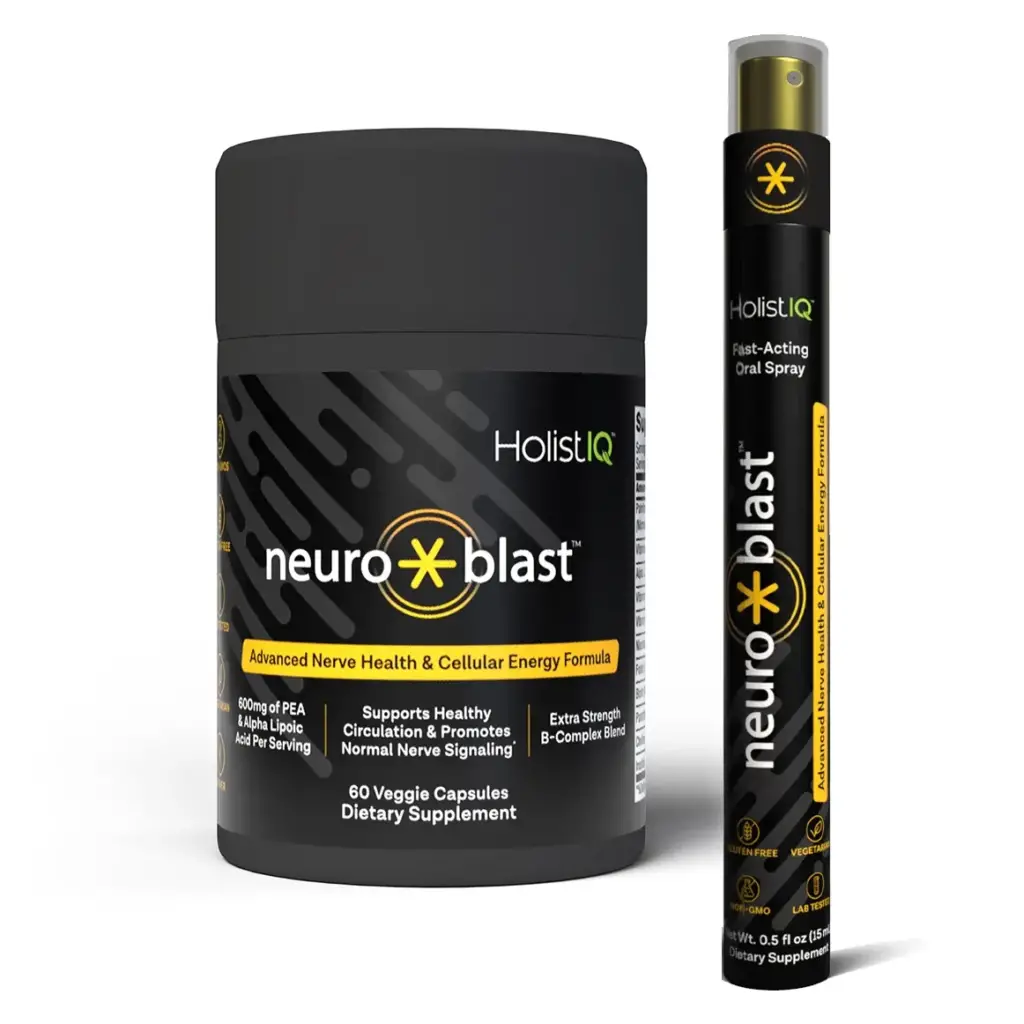
Creating a nerve-friendly meal plan is all about balance and consistency. You don’t need to overhaul your entire diet overnight. Start by building your meals around foods rich in B vitamins. For example, a dinner of baked fish with a side of roasted potatoes covers both B12 and B6. A fortified cereal for breakfast can give you a head start on B1 and B12. A consistent intake of these essential B vitamins is vital for long-term nerve health. This food-first approach works hand-in-hand with a targeted support system, like the Neuro-Blast System, to provide comprehensive care for your nerves from the inside out.
Lifestyle Habits to Soothe Tingling Feet
While getting the right vitamins is a fantastic step, your daily habits are just as important for managing that tingling feeling in your feet. Think of it as creating a supportive environment where your nerves can thrive. Small, consistent changes to your routine can make a significant difference in how you feel. By focusing on a few key areas, you can actively help your body manage symptoms and protect your nerve health for the long run. It’s all about giving your body the best possible chance to repair and function well.
Keep Your Blood Sugar in Check
If you have diabetes or pre-diabetes, managing your blood sugar is one of the most powerful things you can do for your nerves. High blood sugar can damage the delicate nerve endings in your feet over time, leading to tingling and other uncomfortable sensations. According to the Mayo Clinic, a healthy diet is the most important way to prevent or slow down diabetic neuropathy. Focus on a balanced plate with lean proteins, healthy fats, and fiber-rich carbohydrates from vegetables and whole grains. This approach helps keep your blood sugar levels stable, reducing stress on your nervous system.
Get Moving to Improve Circulation
Regular movement is another cornerstone of nerve health. Exercise helps your body use insulin more effectively, which aids in blood sugar control. Plus, it gets your blood pumping, improving circulation to your extremities. Better blood flow means more oxygen and nutrients can reach the nerves in your feet, which can help ease tingling. You don’t need to run a marathon; gentle, consistent activity is key. Aim for about 150 minutes of moderate exercise, like brisk walking or swimming, each week, plus a couple of strength training sessions.
Limit Alcohol and Tobacco to Protect Your Nerves
Certain substances can be directly toxic to your nerves, and it’s wise to limit them. Heavy alcohol use, for example, can interfere with your body’s ability to absorb essential B vitamins, especially thiamine (B1). A deficiency in B vitamins is a known contributor to nerve issues and that pins-and-needles feeling. Similarly, smoking damages your blood vessels, which can restrict blood flow to your feet and worsen neuropathy symptoms. Cutting back on alcohol and quitting smoking are two proactive steps you can take to protect your nerves from further damage.
Why You Should Talk to a Doctor First
Before you start any new supplement regimen, even with something as common as vitamins, having a conversation with your doctor is the most important first step. Think of it as building a partnership for your health. A doctor can help you create a safe and effective plan tailored specifically to you, ensuring you’re addressing the true cause of your symptoms without accidentally creating new problems. This professional guidance is key to making sure you’re on the right path to feeling better and getting back to the activities you love.
Ruling Out Other Health Issues
That tingling sensation in your feet can feel specific, but it’s actually a symptom linked to a wide range of health conditions. While vitamin deficiencies are a common cause, tingling can also be a sign of diabetes, thyroid problems, or nerve compression. A doctor can run the necessary tests to give you a clear diagnosis and rule out other possibilities. Getting an accurate picture of your health is the only way to ensure you’re treating the root cause. It’s especially important to seek urgent care if you experience sudden weakness or changes in your speech or vision.
Finding the Right Supplement and Dose for You
Once you have a diagnosis, your doctor can help you figure out the best course of action. There is no one-size-fits-all answer when it comes to supplements. Your unique health history, current medications, and specific needs all play a role in determining what will work for you. A healthcare professional can recommend the right vitamins and, just as importantly, the correct dosage. They can tell you if certain supplements for neuropathy are a safe and effective choice for your specific situation, helping you invest your time and energy into a solution that truly helps.
The Dangers of Taking Too Much
With vitamins, more is not always better. Taking excessive amounts of certain supplements can lead to negative side effects and, in some cases, can be harmful. For instance, taking more than 200 milligrams of Vitamin B6 daily can actually cause nerve damage, the very thing you’re trying to fix. Even a vitamin as helpful as B12 can cause unwanted side effects like dizziness or nausea if you take too much. Working with your doctor ensures you’re taking a dose that is both effective and safe, protecting your overall health while you address your nerve discomfort.
Related Articles
- What Vitamin Deficiency Causes Burning Feet? A Guide
- How to Stop Tingling in Feet and Hands: A Guide
- Burning Feet Relief: Why It Happens & How to Stop It
- 6 Key Vitamins for Neuropathy in Your Feet
Frequently Asked Questions
Is tingling in my feet always a sign of a serious problem? Occasional tingling, like when your foot falls asleep after sitting in one position for too long, is perfectly normal and usually resolves in a few minutes. However, if the tingling is persistent, happens frequently without a clear reason, or is accompanied by numbness or pain, it’s your body’s way of signaling that something else might be going on. It’s not a reason to panic, but it is a good reason to have a conversation with your doctor to figure out the root cause.
I eat a pretty healthy diet. Is that enough to fix the tingling, or do I really need supplements? A nutrient-rich diet is the absolute foundation for good nerve health, and it’s a non-negotiable first step. That said, sometimes it can be difficult to get the specific, higher amounts of certain vitamins needed to support nerve repair from food alone, especially if you already have a deficiency. A targeted supplement system can provide a more concentrated dose of these key nutrients to help fill in any gaps and give your nerves the comprehensive support they need.
How long will it take for vitamins and lifestyle changes to make a difference in how my feet feel? There isn’t a single timeline that applies to everyone, as the results depend on the underlying cause of the tingling and your individual health. The key is consistency. Nerve health is a long-term investment, not a quick fix. By consistently providing your body with the right nutrients, managing your blood sugar, and staying active, you are creating the best possible environment for your nerves to function and repair over time.
You mentioned too much Vitamin B6 can be harmful. How do I know I’m taking the right amount? This is exactly why it’s so important to work with a healthcare professional before starting any new supplement. They can help determine the right dosage for your specific needs, often based on blood tests and your overall health profile. This takes the guesswork out of the equation and ensures you’re getting an amount that is both effective for your nerve health and safe for your body, avoiding the risk of toxicity.
Can I just focus on Vitamin B12, or are the other nutrients important too? While Vitamin B12 gets a lot of attention for its role in protecting nerve coatings, it’s just one piece of the puzzle. Your nervous system is incredibly complex and relies on a team of nutrients working together. For example, Vitamin B1 is crucial for providing energy to your nerve cells, and other antioxidants help protect them from damage. A comprehensive approach that includes a range of supportive vitamins and nutrients ensures you’re addressing all aspects of nerve function, not just one.