
If nerve discomfort in your legs is keeping you from gardening, walking, or playing with your grandkids, it’s time for a new strategy. Many people are looking for ways to complement their current care plan, and nutrition offers a promising path forward. Providing your body with the right fuel is a fundamental step toward better nerve health. We’re going to focus on the most researched vitamins for nerve damage in legs, explaining exactly what they do and how they contribute to your body’s healing process. This isn’t about a magic pill; it’s about giving your nerves the comprehensive support they need to rebuild and function properly, so you can start moving with more comfort and confidence.
Key Takeaways
- Understand the Root Cause of Your Discomfort: Nerve pain is often a symptom of bigger issues like underlying health conditions or nutrient gaps. Identifying the source is the first step toward finding effective, long-term relief.
- Focus on Essential Nerve-Supporting Nutrients: Key vitamins like the B-vitamin trio and antioxidants like Alpha-Lipoic Acid are crucial for nerve repair. While a healthy diet is foundational, a targeted supplement often provides the therapeutic amounts needed for real change.
- Create a Comprehensive and Safe Plan: Choose a complete, doctor-formulated supplement designed for high absorption. For the best results, combine this with healthy habits like gentle exercise and always consult your doctor before starting a new routine.
What’s Causing Nerve Damage in Your Legs?
Figuring out why your legs are tingling, burning, or just plain hurting can feel like solving a mystery. Nerve damage, or neuropathy, isn’t just one thing; it’s often a signal from your body that something else is going on. Understanding the potential sources is the first real step toward finding relief and getting back to the activities you love. The causes often fall into a few key areas, from underlying health issues to physical injuries and even daily habits.
Uncover Underlying Health Conditions
Often, nerve damage in the legs is linked to another health condition. Diabetes is one of the most common culprits. When blood sugar levels stay high for too long, they can injure the delicate nerve fibers throughout your body, especially in your feet and legs. But it’s not just diabetes. Other conditions like autoimmune diseases, kidney disorders, and even certain infections can disrupt nerve function. The key takeaway is that the discomfort in your legs might be your body’s way of pointing to a bigger issue that needs attention. Addressing these root causes is fundamental to providing your body with true, cellular-level nerve support.
Understand the Impact of Injury and Pressure
Sometimes, the cause of nerve pain is more mechanical. A physical injury, whether from an accident or repetitive stress, can directly damage nerves. Think about issues like a herniated or slipped disk in your lower back. When a disk pushes on a nerve root, it can send shooting pains all the way down your leg. Similarly, conditions like spinal stenosis, where the spinal canal narrows, can put pressure on the nerves traveling to your lower body. This constant pressure can lead to the familiar symptoms of numbness, weakness, and pain, making it difficult to stay active. Supporting your nerves through this kind of stress is crucial for recovery and getting you moving again.
See How Lifestyle Factors Play a Role
Your daily choices also have a significant impact on your nerve health. A diet lacking in essential nutrients, particularly B vitamins, can leave your nerves without the building blocks they need to function and repair themselves. This is a central theme we’ll explore throughout this post. Excessive alcohol consumption is another major factor, as it can be toxic to nerve tissue over time. Even a sedentary lifestyle can contribute by reducing blood flow to your extremities, depriving nerves of the oxygen and nutrients they need to thrive. Taking a look at your habits is a powerful, proactive step you can take to support your nervous system from the inside out, which is a core part of our doctor-led philosophy.
What Vitamins Support Nerve Health in Your Legs?
When you’re dealing with nerve discomfort in your legs, nutrition can be a powerful ally. Certain vitamins and nutrients are essential for maintaining the health of your nervous system, helping to repair damage and support proper function. Think of them as the building blocks your body needs to keep your nerves strong and resilient. Understanding which vitamins are most effective is a key step toward giving your body the targeted support it needs.
Meet the B-Vitamin Power Trio: B1, B6, and B12
You can think of B vitamins as the all-stars of nerve health. Specifically, vitamins B1, B6, and B12 are often called ‘neurotropic’ because of their direct impact on the nervous system. Vitamin B1 (thiamine) helps convert food into energy that your nerve cells desperately need to function. Vitamin B6 is crucial for creating neurotransmitters, which are the chemical messengers that carry signals from your brain to the rest of your body. Finally, Vitamin B12 is a powerhouse for building and maintaining the myelin sheath, the protective coating around your nerves. Together, this trio works to support nerve repair and can help ease common symptoms like tingling and numbness.
Discover Alpha-Lipoic Acid and Acetyl-L-Carnitine
Beyond the B-vitamin family, two other compounds stand out for their nerve-supporting properties: Alpha-Lipoic Acid (ALA) and Acetyl-L-Carnitine (ALCAR). ALA is a potent antioxidant that works to protect your nerves from damage. It has been shown to improve nerve function and relieve symptoms like pain, itching, and burning in the arms and legs, especially for those with diabetes-related neuropathy. Acetyl-L-Carnitine helps your cells produce energy and is vital for creating healthy nerve cells. Research suggests it may help reduce pain and encourage the regrowth of nerve fibers, making it another key player in your nerve health toolkit.
Learn About Other Key Nutrients for Nerve Support
A few other nutrients also deserve a spot on your radar. Vitamin D is one of them. While the science is still developing, many people with nerve issues have low levels of Vitamin D, making it an important factor in overall nerve wellness. Another powerful nutrient is fish oil, which is rich in omega-3 fatty acids. These healthy fats are known for their ability to reduce inflammation throughout the body. This can be particularly helpful for calming irritated nerves, easing muscle soreness, and supporting the repair of damaged nerve tissue. Incorporating these nutrients can provide a more well-rounded approach to your nerve support strategy.
How Do These Vitamins Actually Work?
It’s one thing to know which vitamins can help, but it’s another to understand what they’re actually doing inside your body. These essential nutrients don’t just put a temporary bandage on the problem. Instead, they work on a deeper, cellular level to address the root causes of nerve discomfort. By focusing on the underlying issues, you can give your body the tools it needs to truly support your nervous system and start feeling better for the long term.
The vitamins that are most effective for nerve health perform three critical jobs. First, they help rebuild the protective coating around your nerves, which is essential for clear communication between your brain and your legs. Second, they act as powerful antioxidants and anti-inflammatories, calming irritation and protecting your nerves from further damage. Finally, they fuel your nerve cells with the energy they need to function and repair themselves. This comprehensive approach is how our system works to provide lasting support. When these three areas are addressed together, your nerves have a much better chance of healing and functioning properly, which can lead to real relief from those frustrating symptoms.
Rebuild the Protective Nerve Sheath
Think of your nerves like tiny electrical wires that run from your brain to your legs. Each of these wires is wrapped in a protective coating called the myelin sheath, which acts like insulation. When this sheath gets damaged, the electrical signals can get scrambled, leading to sensations like tingling, numbness, or pain.
This is where Vitamin B12 comes in. Often called the “nerve regenerator,” B12 is a key player in maintaining and repairing this vital myelin sheath. It helps your body create the materials needed to patch up damaged areas and even supports the growth of new, healthy nerve fibers. By reinforcing this protective layer, B12 helps ensure your nerve signals travel smoothly and efficiently.
Reduce Inflammation and Oxidative Stress
Inflammation and oxidative stress are two major culprits behind nerve damage. Oxidative stress is a process that creates unstable molecules that can harm your cells, including your delicate nerve cells. It’s a bit like rust forming inside your body. Chronic inflammation can also put constant pressure on your nerves, causing persistent pain and irritation.
Certain nutrients are fantastic at fighting back. Alpha-Lipoic Acid is a powerful antioxidant that helps neutralize the harmful molecules caused by oxidative stress. Another great ingredient is Curcumin (from turmeric), which is well-known for its strong anti-inflammatory properties. Together, these compounds help create a calmer, healthier environment where your nerves can begin to recover.
Support Your Cells’ Energy Production
Your nerve cells are incredibly busy and require a huge amount of energy to send signals, repair damage, and stay healthy. If they don’t get enough fuel, they can’t perform their jobs correctly. This is where the B vitamins, especially Vitamin B1 (Thiamine), play a crucial role.
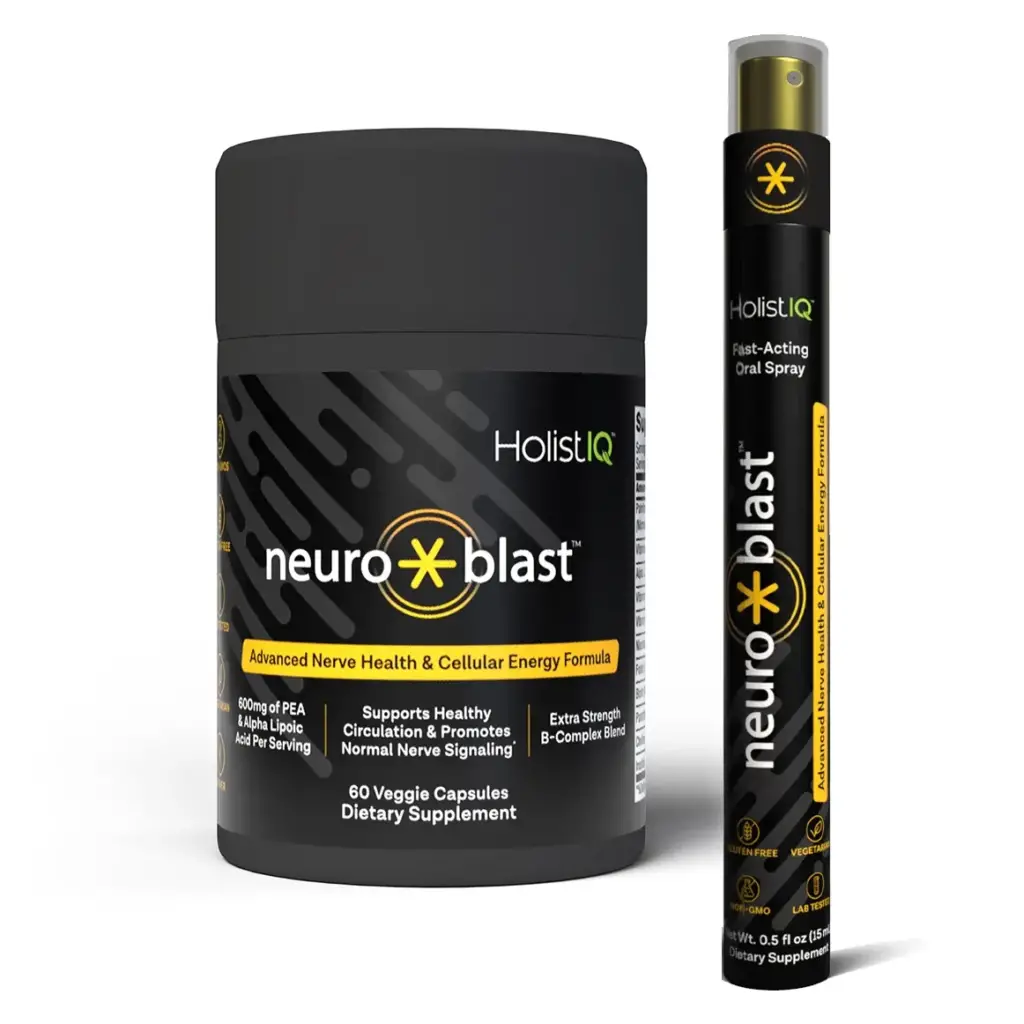
Vitamin B1 is essential for converting the carbohydrates you eat into the energy your nerve cells need to thrive. Without enough B1, your nerves can become starved for energy, making it difficult for them to function properly or heal. A complete formula like the Neuro-Blast System ensures your nerves get the steady supply of B vitamins they need to power their daily work and recovery processes, helping you get back on your feet.
Can You Get Enough of These Vitamins From Food?
A balanced diet is the foundation of good health, and it’s a fantastic place to start when you want to support your nervous system. Many of the key vitamins that help with nerve function are readily available in the foods we eat every day. Focusing on a nutrient-rich diet can provide your body with the building blocks it needs to maintain healthy nerves and manage discomfort.
However, getting the specific, concentrated amounts of these vitamins needed for significant nerve support can sometimes be a challenge through diet alone. Factors like your body’s ability to absorb nutrients, your age, and underlying health conditions can all play a role. Let’s look at the best food sources for these essential vitamins and explore why a targeted supplement might be the right next step for you. The goal is to create a comprehensive plan that gives your nerves the best possible support, and that often involves a combination of diet and a high-quality supplement system.
Find the Best Food Sources for B Vitamins
The B-vitamin family is crucial for nerve health, and thankfully, these vitamins are found in a wide variety of foods. To get more B1, B6, and B12 into your meals, try incorporating more lean meats, poultry, and fish like salmon and tuna. Eggs and dairy products are also excellent sources. If you prefer plant-based options, you can find B vitamins in leafy greens like spinach and kale, as well as in legumes like beans and lentils. Fortified breakfast cereals and nutritional yeast are other great ways to add a B-vitamin punch to your diet, especially for getting enough B12, which is less common in plant foods.
Eat Foods Rich in Alpha-Lipoic Acid
Alpha-lipoic acid (ALA) is a powerful antioxidant that your body produces naturally, but you can also find it in certain foods. Red meat, particularly organ meats like liver and heart, are among the richest sources. For plant-based options, look to vegetables like spinach, broccoli, and tomatoes. While these foods contain ALA, the amounts are relatively small. Your body’s ability to produce this vital antioxidant can also decrease over time. That’s why many people turn to supplements to ensure they are getting a consistent and effective amount to support their nerve cells and fight oxidative stress.
Know When Your Diet Isn’t Enough
While a “food-first” approach is always wise, it may not be enough to address significant nerve discomfort. Some people have dietary restrictions that limit their food choices, while others may have issues with nutrient absorption, meaning their body can’t effectively use the vitamins from the food they eat. Furthermore, the amount of a specific vitamin needed to actively support nerve repair can be much higher than what’s typically consumed in a daily diet. If you’ve adjusted your diet but aren’t feeling the difference you’d hoped for, it might be time to consider a more direct approach. A comprehensive, doctor-led system can deliver these essential nutrients in a form your body can easily use, filling in the gaps your diet might leave behind.
How to Use Nerve-Support Vitamins Safely
Adding vitamins to your routine can be a great step toward feeling better, but it’s important to do it the right way. When it comes to nerve support, safety and effectiveness go hand in hand. Simply grabbing a bottle off the shelf isn’t enough. You need a smart approach that considers your unique health needs. Thinking about the right dosage, potential interactions with other medications, and having a conversation with your doctor are key parts of this process. These steps help ensure you’re truly supporting your body and getting closer to your goal of moving with comfort and ease.
Find the Right Dosage for You
When it comes to vitamins, more is not always better. Your body needs a specific balance of nutrients, and getting the dosage right is crucial for effective nerve support. For example, while Vitamin B6 is essential for nerve health, taking too much (over 200 mg per day) can actually lead to more nerve damage. The ideal amount for you depends on many factors, including your diet and any underlying health conditions. That’s why it’s important to follow a system designed to provide a balanced, effective amount of each nutrient, giving your nerves the precise support they need without overdoing it.
Watch for Side Effects and Interactions
Before you start any new supplement, take a moment to consider what else you’re taking. Vitamins and minerals can sometimes interact with prescription medications, especially those for chronic conditions like diabetes. These interactions can make your medicine less effective or cause unexpected side effects. For instance, some supplements might affect your blood sugar levels or interfere with blood thinners. Always read the label carefully and, if you take other medications, have a quick chat with your doctor or pharmacist. They can help you avoid any unwanted surprises and make sure your new supplement works well with your current health plan.
Why You Should Always Talk to Your Doctor
Think of your doctor as your trusted partner in health. They have the full picture of your medical history and can help you understand the root cause of your nerve discomfort. Before starting any new supplement, a conversation with your doctor is the most important step you can take. They can offer personalized advice, recommend appropriate dosages, and ensure a new vitamin won’t interfere with your current treatments. This conversation empowers you to make informed decisions. It’s a simple step that ensures you’re on the safest and most effective path to supporting your nerve health, which is why our doctor-led approach is so important to us.
How to Choose the Right Nerve Support Supplement
Walking down the supplement aisle can feel overwhelming. With countless bottles all promising relief, how do you find one that actually works for you? It’s easy to get swayed by flashy labels or long lists of ingredients you can’t pronounce. But choosing the right supplement isn’t about guesswork; it’s about being an informed consumer and understanding what your body truly needs to address nerve discomfort at its source.
When you’re looking for effective support, you want a solution that gets to the root of the problem, not just a temporary fix. That means looking beyond the marketing claims and focusing on the science behind the formula. To cut through the noise, you can evaluate any potential supplement based on three key pillars: the completeness of the formula, how well your body can absorb the nutrients, and the expertise behind its creation. Getting these three things right can make all the difference in finding a product that genuinely supports your nerve health and helps you get back to the activities you love. It’s about choosing a system designed for real results, not just another bottle to sit in your cabinet.
Look for a Complete Formula
When it comes to nerve health, teamwork is essential. Your nerves rely on a range of vitamins and nutrients that work together to function properly. Instead of focusing on a single ingredient, look for a supplement that offers a comprehensive blend. Research shows that a combination of B vitamins is often more effective than a single B vitamin for addressing nerve discomfort. This is because nerve issues can stem from multiple causes, and a well-rounded formula provides more complete, cellular-level support. A complete system ensures you’re covering all your bases, giving your nerves the full spectrum of nutrients they need to thrive.
Prioritize Maximum Absorption
The most powerful ingredients are useless if your body can’t absorb them. Bioavailability, or your body’s ability to absorb and use a nutrient, is a critical factor. For example, some people have trouble absorbing vitamin B12 from pills, which is why doctors sometimes recommend injections instead. When choosing a supplement, consider its delivery method. Some formulas use innovative approaches, like a dual-delivery system with both capsules and a rapid-absorb oral spray, to help your body get the most out of every ingredient. This ensures the nutrients can get to work where you need them most.
Consider a Doctor-Formulated System
You wouldn’t trust just anyone with your health, and the same should be true for your supplements. A doctor-formulated system provides an extra layer of confidence. It means that a medical professional has carefully selected each ingredient and determined the precise dosages needed for effective nerve support. This approach ensures the formula is not only potent but also safe. Before starting any new supplement, it’s always a good idea to speak with your own doctor. Choosing a product backed by doctor-led expertise gives you peace of mind that you’re using a system designed with your well-being as the top priority.
What Else Can You Do to Support Your Nerves?
A quality supplement is a powerful tool, but it works best as part of a bigger picture. Combining a targeted nerve support system like Neuro-Blast with healthy lifestyle habits gives your body comprehensive care. Simple, consistent changes to your daily routine can make a significant difference in how you feel. By focusing on movement, diet, and avoiding certain triggers, you create an environment where your nerves can repair and rebuild. Here are a few key areas to focus on to support your nerve health from every angle.
Get Moving to Improve Circulation
One of the best things you can do for your nerves is to get moving. Gentle exercise improves blood flow, especially to your legs and feet, delivering vital oxygen and nutrients your nerves need. You don’t have to run a marathon; a brisk walk, a water aerobics class, or simple stretching at home can make a big impact. The goal is to find an activity you enjoy and can stick with. Regular physical activity is a fantastic way to support your nerves and overall well-being, helping you feel stronger and more in control.
Manage Your Blood Sugar Levels
For many, nerve discomfort is directly linked to blood sugar. Over time, high blood sugar can damage delicate nerve fibers, particularly in the legs and feet. That’s why one of the most important steps is to keep your blood sugar in a healthy range. This involves working with your doctor to create a plan that includes a balanced diet and regular monitoring. By managing your blood sugar, you can help prevent further damage and give your nerves a chance to heal. It’s a foundational piece of the puzzle for long-term nerve support.
Avoid Habits That Harm Nerve Health
Just as you add positive habits, it’s important to reduce things that can harm your nerves. For example, excessive alcohol consumption is a known factor that can worsen nerve damage over time. It’s also wise to be mindful of other medications and supplements, as some can have negative interactions. Always discuss your full regimen with your doctor to ensure everything works together safely. By avoiding these potential causes of nerve damage, you protect your body and support the healing process, ensuring you get the most benefit from your efforts.
Related Articles
- 5 Best Vitamins for Blood Circulation in Legs
- The 6 Best Vitamins for Nerve Damage and Repair
- 6 Key Vitamins for Neuropathy in Your Feet
- Vitamins for Nerve Repair: A Complete Guide
Frequently Asked Questions
Can I just fix my nerve discomfort with diet alone? A nutrient-rich diet is an excellent foundation for nerve health, and it’s always the best place to start. However, getting the high, therapeutic amounts of specific nutrients needed to actively repair nerve tissue can be difficult through food alone. Factors like age and how well your body absorbs nutrients can also play a role. Think of a targeted supplement as a way to fill in the gaps and provide your nerves with a concentrated, consistent supply of the building blocks they need to heal.
Which single vitamin is the best for nerve health? It’s tempting to look for one magic bullet, but nerve health is a team sport. Different vitamins perform different jobs, from rebuilding the protective nerve coating to fighting inflammation. For example, B12 is fantastic for nerve repair, while Alpha-Lipoic Acid is a powerful antioxidant. A comprehensive formula that includes a blend of these key nutrients working together is far more effective than relying on a single ingredient to do all the heavy lifting.
How long does it take to feel a difference after starting these vitamins? Supporting your nerves on a cellular level is a gradual process, not an overnight fix. Since these vitamins work to address the root causes of discomfort by rebuilding tissue and reducing inflammation, the timeline can vary for everyone. The key is consistency. By giving your body a steady supply of the right nutrients, you create the ideal environment for healing, which can lead to lasting improvement over time.
I’m worried about taking too many supplements. Is it safe? That’s a very smart concern. Safety should always come first, which is why the quality and balance of a formula are so important. A professionally developed system is designed to provide effective amounts of each nutrient without overdoing it, ensuring the ingredients work together safely. Before starting any new regimen, it is always essential to have a conversation with your doctor to make sure it’s the right fit for your specific health needs.
Besides supplements, what’s the most important thing I can do for my nerve health? Gentle, consistent movement is one of the most powerful things you can do. Activities like walking or stretching improve blood flow to your legs and feet, which delivers the oxygen and nutrients your nerves need to function and repair themselves. When you combine daily movement with a targeted nutritional strategy, you give your body a comprehensive support plan for long-term nerve wellness.