
The constant sensation of tingling in your feet can be incredibly frustrating, especially when it feels like nothing is working. That’s often because the issue isn’t on the surface; it’s happening at a deep, cellular level within your nervous system. Your nerves are like a complex wiring system, and that tingling is a sign of a faulty connection or a lack of proper insulation. To truly find relief, you have to address the problem at its source. This article will explain how specific nutrients work to support nerve health and repair, guiding you through the most effective supplements for tingling in feet to help you get moving again.
Key Takeaways
- Listen to Your Feet’s Signals: Tingling is your body’s way of telling you something needs attention. Common causes include diabetic nerve damage, vitamin B deficiencies, and poor circulation, so understanding the root issue is your first step toward relief.
- Go Beyond Diet with Key Supplements: While a healthy diet is foundational, targeted supplements provide concentrated doses of essential nutrients. Ingredients like B-complex vitamins and Alpha-Lipoic Acid give your nerves the specific building blocks they need for repair and protection.
- Commit to a Consistent, Patient Approach: Finding relief is a process, not an overnight fix. Success comes from taking your supplements daily, understanding that results can take a few months, and always talking with your doctor to create a safe and effective plan.
What’s Causing That Tingling in Your Feet?
That pins-and-needles feeling in your feet can be more than just a minor annoyance; it’s often your body’s way of signaling that something isn’t quite right with your nerves. Understanding the potential source of this sensation is the first step toward finding effective relief. Several underlying health factors can contribute to nerve discomfort, and pinpointing the cause is key to addressing it properly. From metabolic issues to simple nutritional gaps, let’s look at some of the most common reasons you might be experiencing that tingling.
Diabetic Neuropathy
For many, the root cause of tingling feet is nerve damage caused by diabetes, a condition known as diabetic neuropathy. When blood sugar levels remain high over long periods, it can injure nerve fibers throughout your body, most often starting in the longest nerves, which are the ones that extend to your feet. This damage disrupts the communication between your feet and your brain, leading to sensations like tingling, numbness, or even sharp pain. Managing blood sugar is a critical first step, but supporting the nerves directly can also help manage these uncomfortable symptoms.
Key Vitamin Deficiencies (B12 and B1)
Your nerves rely on a steady supply of specific nutrients to stay healthy and function correctly. Deficiencies in key B vitamins, especially B1 (thiamine) and B12, are a well-known cause of tingling and numbness in the hands and feet. Vitamin B12 is essential for maintaining the protective coating around your nerves, and a lack of it can leave them vulnerable to damage. It’s also worth noting that some common medications, including Metformin for diabetes, can lower your body’s B12 levels, making a deficiency more likely.
Circulation and Artery Issues
Healthy nerves need a constant, rich supply of oxygenated blood to thrive. When blood flow to your extremities is reduced, your nerves can become starved of oxygen and nutrients, leading to damage and that familiar tingling feeling. This is often linked to conditions like peripheral artery disease (PAD), where arteries narrow and restrict blood flow. Poor circulation means your nerves can’t get what they need to function or repair themselves, making it a significant contributor to the symptoms of peripheral neuropathy. Improving circulation is often a key part of managing nerve-related discomfort in the feet.
Autoimmune Conditions and Thyroid Health
Sometimes, the tingling in your feet can be traced back to broader systemic issues. Certain autoimmune conditions can cause your body’s immune system to mistakenly attack your nerves, leading to inflammation and damage. Additionally, your thyroid health plays a surprisingly important role. An underactive thyroid, or hypothyroidism, can disrupt your body’s metabolism and lead to fluid retention, which may put pressure on your nerves. Both of these underlying conditions can be a source of peripheral neuropathy and the uncomfortable tingling that comes with it.
How Nutrients Can Support Your Nerves
Think of your nerves as a complex electrical wiring system. For that system to work correctly, it needs the right materials for maintenance and protection. Specific nutrients play a huge role in keeping your nerves healthy and functioning properly. When you’re not getting enough of these key vitamins and minerals, you might start to notice issues like tingling, numbness, or pain. Understanding how these nutrients work is the first step toward giving your body the support it needs to quiet those uncomfortable sensations and help you get moving again. Let’s look at the key players that contribute to a healthy nervous system.
The Role of B Vitamins in Nerve Function
B vitamins, especially B1, B6, and B12, are essential for nerve health. Vitamin B12 is particularly important because it helps maintain the protective coating around your nerves, known as the myelin sheath. You can think of this sheath as the insulation around an electrical wire; it ensures signals travel quickly and efficiently. When you’re low on vitamins B1 and B12, you might experience that familiar tingling and numbness in your hands and feet. That’s because, without enough of these vitamins, your nerves can struggle to send signals correctly and repair themselves. Providing your body with a steady supply of B vitamins is a foundational step in supporting nerve function.
How Antioxidants Protect Your Nerves
Your nerves are vulnerable to damage from oxidative stress, which is where antioxidants come in. These powerful compounds act like bodyguards, protecting your nerve cells from harm. For example, curcumin, the active ingredient in turmeric, is a potent antioxidant that also helps manage swelling and pain. Other key antioxidants include vitamins C and E. Vitamin C is vital for building the connective tissues that surround and support your nerves, while Vitamin E helps keep the walls of your nerve cells strong and healthy. By reducing oxidative stress, antioxidants can help soothe the numbness and tingling associated with nerve irritation.
Why Essential Fatty Acids Matter for Nerve Communication
For your nerves to communicate effectively, their outer walls need to be strong and flexible. This is where essential fatty acids, like omega-3s, come into play. Omega-3s are crucial for building and maintaining the structure of nerve cells. They also play a big part in controlling swelling and can even help nerves regenerate after being damaged. Fish oil, a rich source of omega-3s, is known to help repair damaged nerves and can ease related muscle soreness and pain. By supporting the physical structure of your nerves and improving blood flow, these healthy fats ensure your nerve signals have a clear path to travel.
Top Supplements for Tingling Feet
When you’re dealing with tingling feet, focusing on your diet is a great first step. But sometimes, food alone isn’t enough to give your nerves the specific support they need. That’s where targeted supplements can make a real difference. Think of your nerves as a complex electrical wiring system. For that system to work properly, it needs specific materials for insulation, repair, and clear signal transmission. Deficiencies or damage can disrupt these signals, leading to sensations like tingling, numbness, or pain.
Supplements can provide a concentrated dose of the exact nutrients your nervous system is crying out for. They work in several key ways. Some act as building blocks, helping to repair the protective coating around your nerves. Others are powerful antioxidants that shield your nerve cells from the daily wear and tear of oxidative stress. Still others help manage inflammation, a common culprit that can irritate nerves and worsen symptoms. It’s about creating an internal environment where your nerves can thrive, not just survive. By adding the right supplements to your routine, you can give your body the tools it needs to support nerve health from the inside out. Here are some of the top supplements that have been studied for their ability to help with nerve-related symptoms.
B-Complex Vitamins to Help Nerve Repair
B vitamins are a group of nutrients that are absolutely essential for nerve health. Vitamins B1 (thiamine) and B12 (cobalamin) are particularly important for maintaining the myelin sheath, which is the protective coating around your nerve fibers. You can think of it as the insulation around an electrical wire. When this coating is damaged, nerve signals can slow down or misfire, causing that familiar tingling or numbness. A deficiency in these key vitamins can directly lead to nerve issues. Supplementing with a B-complex vitamin can help ensure your body has the raw materials it needs to maintain and repair nerve tissue, potentially easing those uncomfortable sensations in your feet and supporting overall nerve function.
Alpha-Lipoic Acid for Antioxidant Defense
Alpha-lipoic acid, or ALA, is a potent antioxidant that works throughout the body to protect your cells from damage. Your nerves are particularly vulnerable to something called oxidative stress, a process that can degrade cells over time. ALA is unique because it’s both water-soluble and fat-soluble, meaning it can work inside and outside of your nerve cells to neutralize harmful free radicals. Research suggests that ALA’s antioxidant defense can help reduce nerve pain and improve function. By protecting your nerves from this cellular-level damage, ALA can be a valuable tool for managing the tingling and discomfort associated with nerve issues.
Omega-3 Fatty Acids to Manage Inflammation
You’ve probably heard about omega-3s for heart health, but they are also fantastic for your nerves. One of their biggest benefits is their powerful anti-inflammatory properties. Chronic inflammation can put constant pressure on your nerves, contributing to pain and tingling. Omega-3s help to calm this inflammation. Beyond that, these healthy fats are a critical structural component of your nerve cell membranes, helping them stay flexible and communicate effectively. They also help improve blood flow, ensuring your nerves get the oxygen and nutrients they need to function properly. By tackling inflammation and supporting nerve structure, omega-3s offer a multi-faceted approach to nerve support.
Acetyl L-Carnitine to Support Nerve Regeneration
Acetyl L-carnitine (ALC) is an amino acid that plays a key role in energy production within your cells, including your nerve cells. Healthy nerves require a lot of energy to repair themselves and grow. ALC helps fuel this process, which is why it has shown promise in studies for enhancing nerve function and reducing pain. Some research suggests it may be most effective when treatment is started early, as it helps support the body’s natural nerve regeneration capabilities. While scientists are still exploring its full potential, ALC is a promising supplement for anyone looking to give their nerves the energy they need to heal and function better.
Magnesium for Healthy Nerve Signals
Magnesium is a mineral that is vital for hundreds of processes in your body, including healthy nerve function. It acts as a sort of gatekeeper for your nerve cells, helping to regulate the signals that travel through your nervous system. When you don’t have enough magnesium, your nerves can become over-excited and fire too easily, which can lead to symptoms like tingling, pins and needles, and even muscle cramps. Ensuring you have adequate magnesium levels helps calm the nervous system and supports proper nerve signal transmission. Because a deficiency can increase nerve sensitivity, getting enough of this essential mineral is a simple yet effective step toward soothing tingling feet.
Getting the Most from Your Supplements
Once you’ve chosen a supplement to help with the tingling in your feet, the next step is making sure you’re using it correctly. It’s not just about what you take, but also how and when you take it. Creating a consistent routine helps your body absorb and use the nutrients effectively, giving you the best chance at feeling a real difference. Think of it like watering a plant; a little bit every day is far more effective than a lot all at once.
The right approach ensures you get the full value from every dose. Factors like timing, dosage, and whether you take it with a meal can significantly impact how well your body utilizes the ingredients. A well-designed program, like the Neuro-Blast System, often provides clear guidance to take the guesswork out of the equation. By following a few simple principles, you can create a supplement plan that works with your body to support your nerve health from the inside out. This consistency is what helps build a strong foundation for long-term relief and helps you get moving again.
Finding the Right Dosage
When it comes to supplements, more isn’t necessarily better. Following the recommended dosage on the product label is the best starting point for both safety and effectiveness. Different ingredients have different ideal amounts. For instance, experts often recommend prioritizing B vitamins for nerve health. Vitamin B1 can help with pain and swelling, B6 works to preserve nerve endings, and B12 is essential for overall nerve function and symptom relief. The specific amounts of these nutrients are key to how our nerve support system works. Always talk with your doctor before starting a new supplement, as they can help you find the right dosage for your specific needs and health profile.
When to Take Them for Best Results
Consistency is your best friend when taking supplements. Taking them at the same time each day helps maintain a steady level of nutrients in your system. For some people, spreading out supplements throughout the day can also lead to better absorption and reduce the chance of an upset stomach. It’s also important to be patient. Unlike medication, supplements often take time to show noticeable effects, especially when you’re using them for long-term health support. The goal is to provide your body with the building blocks it needs over time. Sticking to a daily routine is the most reliable way to see positive changes.
With Food or on an Empty Stomach?
Whether to take your supplements with a meal depends on the specific ingredients. Some vitamins and minerals, particularly fat-soluble ones like vitamin D, are better absorbed when taken with food containing a little fat. Others might be more effective on an empty stomach. The product label should give you clear instructions. Most importantly, you should always check for potential interactions, especially if you are taking any prescription medications. Your pharmacist or doctor can provide guidance on this. If you have questions about a specific product, the company’s FAQ page is often a great resource for clear answers on how to take their supplements correctly.
What to Know Before You Start Taking Supplements
Adding supplements to your routine can be a fantastic step toward feeling better, but it’s smart to go in with a clear plan. Think of it less like grabbing something off the shelf and more like making a thoughtful addition to your health strategy. To get the best results and stay safe, it’s important to understand what you’re taking and how it might affect you. Before you begin, let’s walk through a few key things to consider, including potential side effects, how supplements might interact with medications, and what to look for in a quality product.
Understanding Potential Side Effects
Just because a supplement is natural doesn’t mean it’s completely free of side effects. Many supplements are still being studied to fully understand their effects, especially in different people. For example, while B vitamins are essential for nerve health, taking too much of certain ones, like Vitamin B6, can sometimes make nerve problems worse. The best approach is to start with the recommended dose and listen to your body. If you notice any new or unusual symptoms after starting a supplement, it’s a good idea to pause and check in with your healthcare provider.
Checking for Drug and Health Interactions
This is a big one, especially if you’re managing other health conditions or taking prescription medications. It’s always best to talk to your doctor before adding any new supplements to your daily regimen. Some ingredients can interfere with medications for conditions like diabetes or heart disease, while others might not be suitable if you have kidney issues. A quick conversation with your doctor can help you avoid any unwanted interactions and ensure your new supplement works in harmony with your existing health plan. This simple step helps keep you safe and on track toward your goals.
How to Choose a High-Quality Supplement
The supplement aisle can feel a bit overwhelming, with so many brands and formulas to choose from. The key is to look for quality and transparency. A high-quality supplement will have clear labeling, use ingredients that are easily absorbed by the body, and be manufactured in a facility that follows good practices. Most supplements are very effective when used at the right doses. Look for companies that are open about their science and sourcing. Systems designed to provide cellular-level nerve support often come from brands that invest heavily in research and development, which is always a good sign of a trustworthy product.
When Can You Expect to Feel a Difference?
When you’re dealing with the constant distraction of tingling feet, it’s natural to want relief as quickly as possible. You’re probably wondering how long it will take for supplements to start working. The honest answer is: it varies. While some people might notice subtle changes within a few weeks, for others, it can take a few months to feel a significant shift. This isn’t an overnight fix; it’s about giving your body the tools it needs for long-term support.
The timeline depends on several factors, including the root cause of your nerve discomfort, how long you’ve been experiencing symptoms, and your body’s unique chemistry. Nerve cells take time to repair and regenerate, and building up nutrient levels in your system is a gradual process. Think of it as nurturing a plant back to health. You wouldn’t expect a wilted leaf to turn vibrant green overnight. It needs consistent water and nutrients over time to thrive. The same principle applies to your nerves. Understanding how our system works on a cellular level can help set clear expectations for your journey toward relief.
Setting a Realistic Timeline
Patience and consistency are your best friends when starting a new supplement regimen. Unlike a painkiller that masks symptoms temporarily, nerve support supplements work to address underlying issues. This means they need time to accumulate in your body and support its natural repair processes. For many people, it can take anywhere from four to twelve weeks of consistent daily use to begin noticing improvements.
During this initial period, your body is absorbing the nutrients and putting them to work where they’re needed most. It’s important to stick with your routine, even if you don’t feel a dramatic difference right away. Keep in mind that you’re investing in long-term nerve health, and the most meaningful changes happen steadily over time.
Why Your Results May Vary
It’s easy to compare your progress to others, but everyone’s journey with nerve health is unique. The reason you’re experiencing tingling feet plays a huge role in how you’ll respond to supplements. For example, someone with a vitamin B12 deficiency might feel better more quickly once their levels are restored, while nerve discomfort from other causes may respond differently.
Your overall health, diet, lifestyle, and even genetics can influence how your body absorbs and utilizes nutrients. The severity and duration of your symptoms also matter. Someone who has had tingling for years may have a different timeline than someone who just started experiencing it. Reading through customer testimonials can give you a sense of the wide range of experiences people have.
Knowing When to Adjust Your Plan
As you start your supplement plan, it’s a great idea to keep a simple journal to track your symptoms. Note any changes in the intensity, frequency, or nature of the tingling. This will help you see subtle progress and give you concrete information to share with your doctor. Before starting any new supplement, it’s always best to talk with your doctor, especially if you have other health conditions or are taking other medications.
If you’ve been taking a supplement consistently for three to four months and haven’t noticed any improvement, it may be time to reassess. This is a good point to check back in with your healthcare provider to discuss your progress and explore other options. If you have questions about our products, our team is always here to help through our support page.
Can You Take Nerve Support Supplements Long-Term?
When you start to feel relief, it’s natural to wonder if you can continue your supplement routine for the long haul. The short answer is often yes, but it’s a decision that requires careful thought and a solid plan. Long-term use isn’t just about continuing to take something; it’s about making sure it remains effective and, most importantly, safe for your body over time. Thinking about how a supplement will work months or even years from now is a smart step in managing your nerve health. Let’s walk through what you need to consider.
Will They Keep Working Over Time?
Just like it takes time to build strength in the gym, some supplements need consistent use to deliver noticeable, lasting effects. Nutrients that support nerve health work at a cellular level, and this process doesn’t happen overnight. For many people, continued use is necessary to maintain the benefits they experience. Your body doesn’t typically build a “tolerance” to essential vitamins and minerals in the way it might to other substances. However, it’s always a good idea to check in with how you’re feeling and work with your doctor to ensure your routine continues to meet your body’s specific needs.
Long-Term Safety: What to Consider
Your health and safety should always come first. Before committing to any supplement long-term, it’s essential to talk with your healthcare provider. This is especially true if you have other health conditions like diabetes or kidney issues. They can help you understand what’s right for your unique situation. It’s also important to stick to the recommended dosage, as taking too much of certain nutrients, like Vitamin B6, can sometimes cause nerve problems. For more information on safe usage, you can review our product FAQs or consult your doctor.
How to Monitor Your Progress
Keeping track of your journey is one of the best ways to understand what’s working. Consider keeping a simple health journal. Each day, you can jot down the supplements you’re taking, the dosage, and any effects you notice, both positive and negative. Are you feeling less tingling? Is your balance improving? This log provides valuable information you can share with your doctor, helping you both make informed decisions about your plan. Monitoring your progress with a targeted solution like the Neuro-Blast System can help you see clear patterns and confirm you’re on the right path.
Is a Healthy Diet Enough to Stop Tingling Feet?
Eating a balanced diet is a fantastic first step for managing your overall health, and that absolutely includes your nerves. Your nerves rely on a steady stream of vitamins and minerals to function correctly, repair damage, and reduce inflammation. But when you’re dealing with persistent tingling, you might wonder if your healthy meals are doing enough. While a good diet lays the foundation for nerve health, it often can’t resolve significant nerve-related issues on its own, especially if there are underlying conditions or specific nutrient shortfalls at play. Let’s look at the difference between getting nutrients from food versus supplements and how to know when you might need that extra support.
Food vs. Supplements: What’s the Difference?
Think of food as your long-term wellness plan and supplements as a targeted solution. A nutrient-rich diet provides a wide array of vitamins, minerals, and antioxidants that work together to support your body. However, the amount of specific nerve-supporting nutrients you get from food can vary, and sometimes it’s not enough to correct a deficiency or address heightened needs. Supplements, on the other hand, deliver a concentrated, measured dose of a specific nutrient. This can be especially helpful when your body requires more of a certain vitamin, like B12, than you can easily get from your diet alone. While dietary supplements for nerve pain can be incredibly effective, they are meant to complement, not replace, a healthy diet.
Recognizing When You Need Extra Support
If you’ve been eating well but the tingling in your feet isn’t improving, it’s a clear sign that your body may need more targeted help. This is particularly true for people with conditions like diabetic neuropathy, where high blood sugar can cause significant nerve damage over time. While a healthy diet is the most important tool for controlling your blood sugar, the resulting nerve damage might require additional support to manage symptoms. Persistent numbness, weakness, or tingling are signals to take seriously. It’s always best to talk with your doctor about your symptoms before starting any new supplement, as they can help you figure out the right approach for your specific situation.
How Neuro-Blast Offers Targeted Support for Tingling Feet
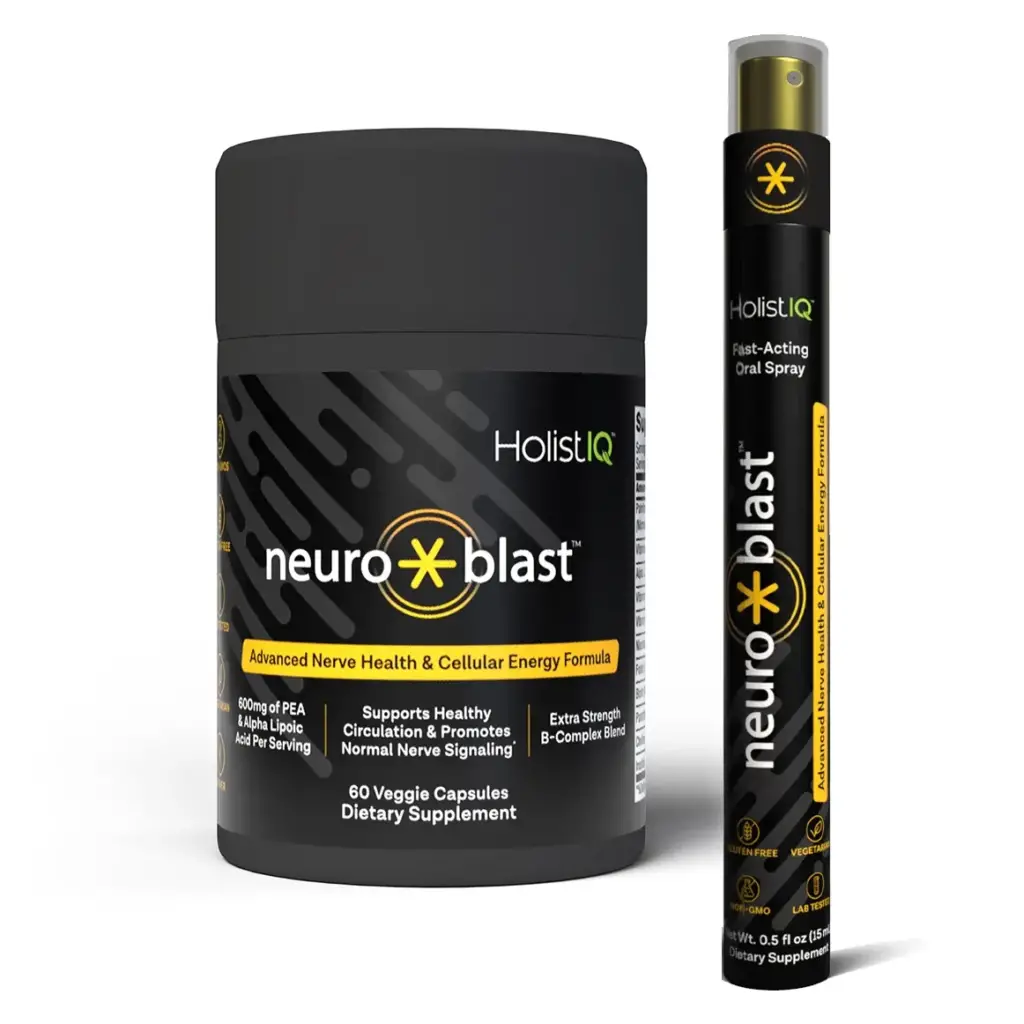
When you’re dealing with tingling feet, you want a solution that does more than just mask the sensation. You need something that gets to the heart of the problem. That’s the thinking behind the Neuro-Blast System, which was developed to provide deep, targeted support for your nerves. Instead of offering a single supplement, Neuro-Blast is a complete system designed to address nerve discomfort from multiple angles.
It combines clinically studied ingredients with a unique two-part delivery method to help you feel better both now and in the long run. By focusing on the underlying causes of nerve irritation, this system helps your body’s own nerve support processes work more effectively. Let’s look at exactly how it works to bring comfort back to your feet.
Our Approach to Cellular-Level Nerve Support
Tingling often starts deep within your nerve cells. To address it, you have to provide support at that same level. Our formula is built around this idea of cellular-level care. We use a powerful combination of clinical-strength B-complex vitamins, Alpha Lipoic Acid, and other antioxidants that work together to nourish your nerves.
These ingredients aren’t just for temporary relief; they’re the essential resources your nerves need to maintain healthy signaling and function properly. By targeting nerve health at the root, our approach helps address the fundamental causes of the tingling and discomfort you feel in your feet, promoting lasting wellness from the inside out.
The Role of Our AI-Enhanced Technology
To create a truly effective formula, we turned to advanced technology. Our AI-enhanced platform analyzes huge amounts of data on nerve health and how different nutrients work. This allows us to pinpoint the most effective ingredients and dosages to meet the specific needs of people experiencing tingling feet.
Think of it as a smarter way to formulate a supplement. This innovative process ensures that every component in Neuro-Blast is chosen for a specific purpose and is backed by the latest research. It’s how it works to deliver a precise, intelligent formula designed for optimal nerve support, taking the guesswork out of finding relief.
The Benefits of Our Two-Part System
We know that nerve discomfort can be unpredictable. That’s why Neuro-Blast is a two-part system designed for both immediate and long-term support. The daily capsules work steadily over time to nourish and strengthen your nerves, while the rapid-absorb oral spray offers faster relief when you need it most.
This dual-action approach gives you a comprehensive plan for managing tingling. Many of our users describe the feeling as their feet “waking up” again, as the pain, tingling, and numbness begin to subside. You can read their testimonials to see how this system has helped them get moving again with confidence and comfort.
Related Articles
- 7 Ways to Get Fast Relief for Burning Feet
- 5 Best Supplements for Poor Circulation in Feet
- What Vitamin Deficiency Causes Burning Feet? A Guide
- Burning Feet Relief: Why It Happens & How to Stop It
- 5 Soothing Home Remedies for Neuropathy of the Feet
Frequently Asked Questions
How long will it take before I notice a change in my tingling feet? The timeline for feeling a difference really varies from person to person. Since these supplements work by nourishing your nerves at a cellular level, it’s a gradual process. Some people report subtle improvements in a few weeks, but for many, it can take three to four months of consistent daily use to experience significant changes. Patience is key; you’re giving your body the building blocks it needs for long-term repair.
Can I get all these nutrients just by improving my diet? A healthy diet is the best foundation for nerve health, but it isn’t always enough to correct the issues causing tingling. Think of it this way: food is for overall maintenance, while a targeted supplement provides a concentrated dose of specific nutrients your nerves are lacking. If you have an underlying condition or a significant nutrient deficiency, supplements can provide the higher levels needed to support nerve repair in a way that food alone often can’t.
What makes the Neuro-Blast system different from a standard B-vitamin supplement? A standard B-vitamin supplement is a good start, but Neuro-Blast is a comprehensive system designed for more targeted support. Our formula uses AI-enhanced technology to combine a full spectrum of nerve-supporting ingredients, like Alpha-Lipoic Acid and other antioxidants, in precise amounts. Plus, our two-part system of daily capsules for long-term nourishment and a rapid-absorb spray for faster-acting support addresses nerve discomfort from multiple angles.
Are nerve support supplements safe to take with my other medications? This is a really important question, and the best answer will always come from your doctor. Some nutrients can interact with prescription medications, especially those for diabetes or heart conditions. Before you start any new supplement, including Neuro-Blast, it’s essential to have a conversation with your healthcare provider or pharmacist. They can review your current medications and health profile to ensure everything will work together safely.
Do I need to take these supplements forever to keep feeling better? Many people find that continuing with a nerve support supplement is the best way to maintain their results. Nerve health requires ongoing support, much like you need to keep eating well to stay healthy. These supplements provide a steady supply of the specific nutrients your nerves need to function well. You should always work with your doctor to monitor your progress and decide on a long-term plan that feels right for you.