
The sensations of peripheral neuropathy—the burning, tingling, and numbness—are signs that your body’s communication lines are struggling. While it’s a complex condition, supporting your nervous system doesn’t have to be complicated. Many powerful solutions can be found in nature and in your daily habits. Instead of just silencing the alarm bells, a holistic approach aims to fix the wiring. This means providing your body with the right nutrients, reducing inflammation, and improving circulation to create the best possible conditions for nerve health. We’ve put together a comprehensive guide to the most effective natural remedies for peripheral neuropathy to help you build a supportive, well-rounded plan for finding lasting comfort and getting back on your feet.
Key Takeaways
- Build a comprehensive support system: Lasting relief often comes from combining different strategies. Pair internal support from an anti-inflammatory diet and supplements with external remedies like gentle exercise and topical creams to address discomfort from all angles.
- Fuel your nerves with the right nutrients: What you eat directly impacts your nerve health. Focus on antioxidant-rich foods and consider supplements like B-complex vitamins and Alpha-Lipoic Acid to give your body the specific tools it needs for nerve repair and function.
- Consult your doctor before starting something new: Your safety is the top priority. Always discuss new remedies, including supplements and herbs, with your healthcare provider to ensure they are a good fit for you and won’t interact with other medications.
Peripheral Neuropathy: What It Is and What Causes It
Let’s start with the basics. If you’re dealing with strange sensations in your hands or feet, you might have heard the term “peripheral neuropathy.” It sounds complicated, but it simply means there’s damage to the nerves outside of your brain and spinal cord. Think of these peripheral nerves as the communication lines between your central nervous system and the rest of your body. When they’re damaged, those signals get mixed up, leading to a range of uncomfortable and often painful symptoms.
Understanding what’s happening is the first step toward feeling better. This condition affects millions of people, and while it can feel isolating, you’re certainly not alone. The good news is that identifying the symptoms and potential causes can help you find effective ways to manage the discomfort and get back to doing the things you love.
What Are the Common Symptoms?
The symptoms of peripheral neuropathy can vary, but they most often show up in your hands and feet. You might feel a gradual onset of numbness, a prickling or tingling sensation, or even sharp, jabbing pains that feel like they come out of nowhere. Many people also describe it as a burning feeling or extreme sensitivity to touch.
Because your nerves control your muscles, you might also experience a lack of coordination, muscle weakness, or a feeling that you’re wearing invisible gloves or socks. These symptoms of peripheral neuropathy can make everyday activities challenging, but recognizing them is a crucial move toward finding relief.
Pinpointing the Root Causes
So, what causes this nerve damage in the first place? There isn’t just one answer. One of the most common culprits is diabetes, which can lead to what’s known as diabetic neuropathy. However, many other factors can play a role.
Things like physical injuries, infections, and autoimmune diseases can all trigger nerve issues. Lifestyle choices, such as heavy alcohol use, and exposure to certain toxins can also be contributing causes of peripheral neuropathy. Sometimes, a vitamin deficiency is to blame. Working with your doctor to figure out the underlying cause is so important because it helps you create a targeted plan for managing your symptoms and supporting your nerve health from the ground up.
Find Relief with Natural Supplements
Sometimes, the most effective way to manage nerve discomfort is by working from the inside out. Certain supplements can provide your body with the essential building blocks it needs to support nerve health, reduce pain, and improve function. Here are a few key supplements that can make a real difference.
Support Nerves on a Cellular Level with Neuro-Blast
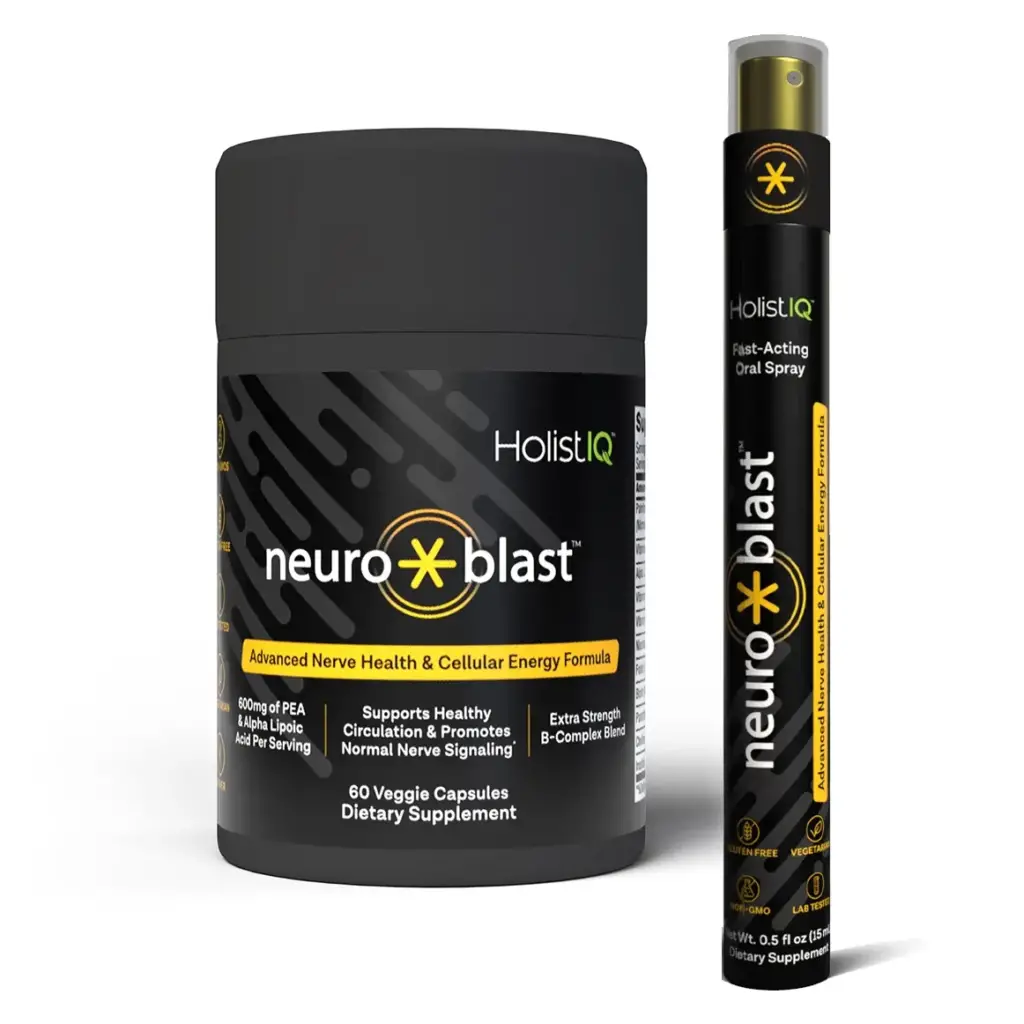
Natural approaches often work by helping your body’s own healing processes. The Neuro-Blast System is designed around this idea, offering a comprehensive way to support your nerves on a cellular level. By addressing the root causes of discomfort instead of just masking symptoms, this doctor-led system helps nourish your nervous system with its unique blend of capsules and a rapid-absorb oral spray. This method focuses on creating a better environment for your nerves, which can lead to improved function and lasting relief, helping you get back to the activities you love.
Ease Pain with Alpha-Lipoic Acid (ALA)
If you experience burning or stabbing pains, Alpha-Lipoic Acid (ALA) might be a helpful addition to your routine. ALA is a powerful antioxidant that helps your body turn sugar into energy and can protect nerve cells from damage. Studies show it can be particularly effective at reducing the sharp pains and numbness associated with diabetic neuropathy. By fighting oxidative stress, ALA helps soothe your nerves and improve their overall function, offering a path to greater comfort and less daily disruption from pain.
Repair Nerve Damage with B-Complex Vitamins
Think of B vitamins as the repair crew for your nervous system. Vitamins like B1, B6, and B12 are absolutely critical for maintaining healthy nerve tissue and ensuring your brain’s signals get where they need to go. Taking a B-complex supplement can be especially helpful if you deal with tingling and numbness. These vitamins play a vital role in the natural treatment of peripheral neuropathy by supporting the body’s ability to repair and maintain the protective coating around your nerves, which is essential for proper function.
Maintain Healthy Nerve Function with Magnesium
Magnesium is a mineral that does a little bit of everything, and that includes supporting your nerves. It’s essential for proper nerve transmission and can also help calm the muscle cramps and spasms that often come with neuropathy. Many people don’t get enough magnesium through diet alone, so a supplement can help fill the gap. According to a review of natural remedies, maintaining adequate magnesium levels is an important step for supporting overall nerve health and reducing the daily discomfort that can hold you back.
Try These Topical and Herbal Remedies
Beyond supplements, you can find powerful relief in remedies that you apply directly to your skin or incorporate into your daily diet. These topical and herbal options work to reduce inflammation, block pain signals, and support your body’s natural healing processes right where you need it most. They offer a hands-on approach to managing discomfort, giving you another set of tools to find comfort and get back to your life.
Target Pain Directly with Capsaicin Cream
If you’ve ever eaten a spicy chili pepper, you’re familiar with capsaicin. This is the compound that gives cayenne peppers their heat, and when used in a topical cream, it can work wonders on nerve pain. Capsaicin works by interfering with pain signals sent to your brain. When you first apply it, you might feel a warming or stinging sensation, but with regular use, it helps desensitize the nerve endings in that area, providing significant relief. It’s a great way to target specific areas of discomfort and is a well-regarded remedy for managing the sharp pains associated with peripheral neuropathy.
Fight Inflammation with Turmeric
Turmeric is a vibrant yellow spice that does more than just color your food. It contains a powerful compound called curcumin, which is a natural anti-inflammatory. Since inflammation often contributes to the pain and discomfort of neuropathy, addressing it is key. Curcumin helps protect your nerves by reducing swelling and fighting oxidative stress. You can easily add turmeric to your diet by sprinkling it into soups, smoothies, or curries. Using it consistently can help create an internal environment that supports nerve health and calms irritation from the inside out.
Soothe Discomfort with Essential Oils
Essential oils offer a gentle, aromatic way to find relief. Certain oils, like lavender, eucalyptus, and bergamot, are known for their ability to reduce pain and swelling while improving circulation. When your blood flows more freely, it delivers vital oxygen and nutrients to your damaged nerves, which can help ease symptoms. Never apply these oils directly to your skin. Instead, dilute a few drops with a carrier oil like coconut or jojoba oil and gently massage it into the affected areas. This is one of the most pleasant natural treatments for peripheral neuropathy you can try.
Support Nerve Function with Evening Primrose Oil
Evening primrose oil is a fantastic source of gamma-linolenic acid (GLA), an omega-6 fatty acid that plays an important role in nerve health. Your body converts GLA into substances that help reduce inflammation and may even contribute to nerve repair. For people with neuropathy, symptoms can sometimes improve when they get more GLA in their system. You can find evening primrose oil in capsule form to take as a supplement or as an oil to apply topically. It’s another excellent, natural remedy for peripheral neuropathy that supports your body’s ability to maintain healthy nerve function.
How Your Diet Can Reduce Neuropathy Symptoms
What you eat can have a direct impact on your nerve health and overall comfort. Think of food as a tool you can use every day to manage your symptoms and support your body. By making thoughtful choices about your meals, you can help reduce inflammation, provide essential nutrients for nerve repair, and improve your quality of life. It’s not about a restrictive diet; it’s about making smart swaps and additions that work for you. Focusing on whole, nutrient-dense foods can be a powerful step in your journey toward feeling better and getting back to the activities you love.
Adopt an Anti-Inflammatory Eating Plan
Inflammation is a key contributor to nerve pain, and your diet can either fuel it or fight it. An anti-inflammatory eating plan focuses on whole foods that help calm your body’s inflammatory response. Start by filling your plate with a rainbow of colorful vegetables and fruits, which are packed with vitamins and antioxidants. Healthy fats, like those found in salmon, avocados, and olive oil, are also essential for reducing inflammation. A balanced diet can play a significant role in managing peripheral neuropathy and its symptoms. The goal is to nourish your body with foods that support nerve health and reduce the things that can make your discomfort worse, like processed meals and refined grains.
Fill Your Plate with Antioxidants and Omega-3s
Antioxidants and omega-3 fatty acids are your nervous system’s best friends. Antioxidants act like bodyguards for your cells, protecting them from damage that can worsen nerve pain. You can find them in abundance in foods like berries, leafy greens, and nuts. Omega-3s, found in fatty fish like salmon and mackerel, are known for their powerful anti-inflammatory properties that can help soothe nerve-related discomfort. Incorporating these foods for nerve health into your daily meals is a simple yet effective way to give your nerves the building blocks they need to function properly and repair themselves. Think of it as providing targeted nutrition right where you need it most.
Know Which Foods to Limit or Avoid
Just as some foods can help, others can hinder your progress. Foods that are highly processed, loaded with sugar, or full of unhealthy fats can increase inflammation and aggravate neuropathy symptoms. It’s especially important to be mindful of your sugar intake, as high blood sugar levels can directly damage nerves over time. You don’t have to eliminate these foods entirely, but learning which foods to avoid can make a noticeable difference. Reducing things like sugary drinks, packaged snacks, and fried foods creates more space for the nourishing foods that actively support your body and help you feel your best.
Make Lifestyle Changes That Matter
Beyond supplements and topical treatments, your daily habits have a profound impact on nerve health. Making thoughtful changes to your lifestyle can create a supportive environment for your nervous system, helping to reduce discomfort and improve your overall quality of life. These adjustments work hand-in-hand with other remedies to address neuropathy from all angles. When you’re dealing with persistent discomfort, the idea of overhauling your routine can feel overwhelming, but you don’t have to change everything at once. Small, consistent steps can lead to significant improvements.
Think of it as building a foundation for better nerve function. By improving blood flow, reducing systemic inflammation, and calming an overactive stress response, you are actively creating conditions within your body that promote healing and resilience. These aren’t just items on a checklist; they are powerful tools that put you back in the driver’s seat of your health journey. By focusing on movement, circulation, stress management, and preventative care, you can take an active role in managing your symptoms and getting back to the activities you love.
Move Your Body with Gentle Exercise
When you’re dealing with nerve discomfort, exercise might be the last thing on your mind, but gentle movement can make a significant difference. Regular, low-impact activity helps manage blood sugar levels, which can slow the progression of nerve damage. It also increases blood flow to your arms and legs, delivering vital oxygen and nutrients where they’re needed most. You don’t need to run a marathon; simple activities like daily walks, swimming, or tai chi can reduce pain and stress. The key is to listen to your body and choose an activity you enjoy, making it easier to stay consistent.
Quit Smoking to Improve Circulation
If you smoke, one of the most impactful changes you can make for your nerve health is to quit. Smoking constricts your blood vessels, which severely limits circulation. For someone with neuropathy, this poor blood flow can make symptoms like pain and numbness much worse, especially in the hands and feet. When you stop smoking, your blood vessels begin to relax and widen, improving the flow of oxygen-rich blood throughout your body. This can lead to a noticeable improvement in your neuropathy symptoms and contributes to better overall health, giving your body a better chance to heal.
Manage Stress Through Relaxation
Living with chronic discomfort is stressful, and unfortunately, stress itself can amplify pain signals. Incorporating relaxation techniques into your routine can help you cope with your symptoms and may even lessen their intensity. Practices like meditation, deep breathing exercises, and gentle yoga can calm your nervous system and reduce the body’s stress response. By learning to manage stress effectively, you can improve your ability to handle the challenges of neuropathy. It’s not about eliminating the pain entirely, but about changing your relationship to it and finding moments of peace.
Prioritize Daily Foot Care
For many people with peripheral neuropathy, especially those with diabetes, the feet are particularly vulnerable. Numbness can make it difficult to notice small cuts, blisters, or sores, which can lead to serious infections if left untreated. Make it a habit to check your feet every day for any signs of injury. Always wear soft, comfortable socks and properly fitting, padded shoes to protect your feet from harm. This simple, two-minute daily routine is a crucial preventative measure that can help you avoid major complications down the road.
Explore Alternative Therapies for Natural Relief
Beyond supplements and lifestyle adjustments, several alternative therapies can offer another layer of support for managing neuropathy symptoms. These treatments work in different ways, from stimulating your body’s natural healing processes to providing simple, soothing comfort. They can be great additions to your overall wellness plan, helping you find what works best for your body. When combined with a supportive system like Neuro-Blast, these therapies can help you build a comprehensive approach to feeling better and getting back to the activities you love. Let’s look at a few options that people have found helpful for nerve-related discomfort.
Stimulate Nerves with Acupuncture
Acupuncture is an ancient practice that involves placing thin needles at specific points on the body. The idea is to stimulate your body’s natural healing abilities. For those with neuropathy, this stimulation can prompt the nervous system to release chemicals that may change your perception of pain. While more studies are needed to fully understand its effects, many people find that regular sessions help reduce neuropathy-related pain and provide a sense of relief. It’s a gentle approach that focuses on rebalancing your body’s systems and promoting well-being from within. If you’re curious, look for a licensed acupuncturist in your area who has experience working with nerve-related conditions.
Regenerate Nerves with Shock Wave Therapy
Shock wave therapy is a non-invasive treatment that uses sound waves to target areas of discomfort. These acoustic waves can help improve blood flow, break down scar tissue, and encourage the regeneration of damaged nerves. By creating a better environment for healing at the cellular level, this therapy aims to reduce pain and improve overall nerve function. It’s a modern approach that many clinics now offer as a way to soothe your nerves and support your body’s recovery process without medication or surgery. It’s worth discussing with a specialist to see if this innovative therapy is a good fit for you.
Find Comfort in Warm Baths and Heat Therapy
Sometimes the simplest remedies are the most effective. A warm bath can be incredibly soothing for neuropathy pain. The warmth of the water helps increase blood circulation throughout your body, which can ease the feelings of numbness and discomfort in your hands and feet. For an extra benefit, try adding Epsom salts to your bath; the magnesium can help relax your muscles and further reduce pain. This easy, at-home therapy is a wonderful way to unwind at the end of the day while providing gentle, natural treatments for your symptoms. It’s a small act of self-care that can make a big difference.
What to Know Before Trying Natural Remedies
Exploring natural remedies can be an empowering step in managing your nerve discomfort. These approaches often focus on supporting your body’s overall wellness to address symptoms at their source. However, it’s important to approach any new treatment with a smart and safe strategy. Think of it as building a partnership between you, your body, and your healthcare team. Before you begin, there are a few key things to keep in mind to ensure you’re making the best choices for your health. The goal is to find effective relief while keeping you safe and informed every step of the way. By being proactive and prepared, you can confidently add natural remedies to your wellness plan.
Always Talk to Your Doctor First
Your best first step is always a conversation with your doctor. While natural options can be very effective, they aren’t a one-size-fits-all solution. Your doctor can run tests to see if you have any nutritional deficiencies, like a lack of B vitamins, that might be contributing to your symptoms. They can help you understand the root cause of your neuropathy and determine if supplements or other natural treatments would be a good fit for your specific situation. This conversation ensures that any new remedy complements your existing health plan and is truly right for you. It’s all about creating a safe and effective strategy together.
Be Aware of Potential Medication Interactions
Just because something is labeled “natural” doesn’t mean it can’t have a powerful effect on your body. Many herbs and supplements can interact with prescription medications, potentially making them less effective or causing unwanted side effects. It’s crucial to get advice from your doctor before adding anything new to your routine, especially if you take other medicines. A holistic approach that considers your entire health picture is the safest way to manage your symptoms. The goal is to support your whole body system, not just mask the discomfort. Understanding how different treatments work together is key to finding lasting relief.
How to Monitor Your Progress Safely
As you start a new natural remedy, pay close attention to how your body responds. It’s a good idea to keep a simple journal to track your symptoms, noting any improvements or changes you feel. If you experience any new or worsening symptoms, or have a negative reaction to a remedy, you should contact your doctor right away. The main objective is to reduce your discomfort while supporting your long-term nerve health and improving your quality of life. If you ever have questions or concerns about your progress, our support team is here to help guide you.
Related Articles
- 12 Home Remedies for Neuropathy in Legs and Feet
- 5 Soothing Home Remedies for Neuropathy of the Feet
- OTC Peripheral Neuropathy Treatment: A 2026 Guide
- 15 Tips for Natural Pain Relief for Diabetic Neuropathy
- Neuropathy Diet Guide: Foods to Eat & Avoid for Nerve Health
Frequently Asked Questions
With so many options mentioned, where is a good place to start? A great first step is to choose one small, manageable change. This could be something as simple as incorporating a daily walk into your routine or adding an anti-inflammatory spice like turmeric to your meals. Another excellent starting point is talking with your doctor to see if you have any nutritional gaps that need to be addressed. Starting small helps you see what works for your body without feeling overwhelmed.
How long will it take to feel a difference with these natural approaches? This really varies from person to person, since every body responds differently. Some people may notice subtle improvements within a few weeks, while for others it might take a couple of months of consistent use. The key is patience. Natural remedies work by supporting your body’s own healing and maintenance systems, and that process takes time.
Can I combine different remedies, like supplements and topical creams? Yes, many people find that a combination approach is very effective. For instance, you could use a comprehensive supplement system to support your nerves internally while also using a topical cream for direct relief in a specific area. The most important rule is to introduce new remedies one at a time and to discuss your complete plan with your doctor to make sure everything works together safely.
Is changing my diet really enough to help with nerve pain? While diet alone isn’t typically a complete fix, its impact is powerful. An anti-inflammatory diet helps create a healthier internal environment, which can reduce the irritation that contributes to nerve pain. Think of it as building a strong foundation for your health. When you pair a supportive diet with other lifestyle changes and remedies, you give your body the best possible chance to manage symptoms effectively.
Why is it so important to talk to my doctor before trying these remedies? “Natural” doesn’t automatically mean it’s the right choice for everyone. Some herbs and supplements can interact with prescription medications or may not be appropriate for people with certain health conditions. Your doctor knows your full health history and can help you choose remedies that are both safe and effective for your unique situation, helping you avoid any unwanted side effects.