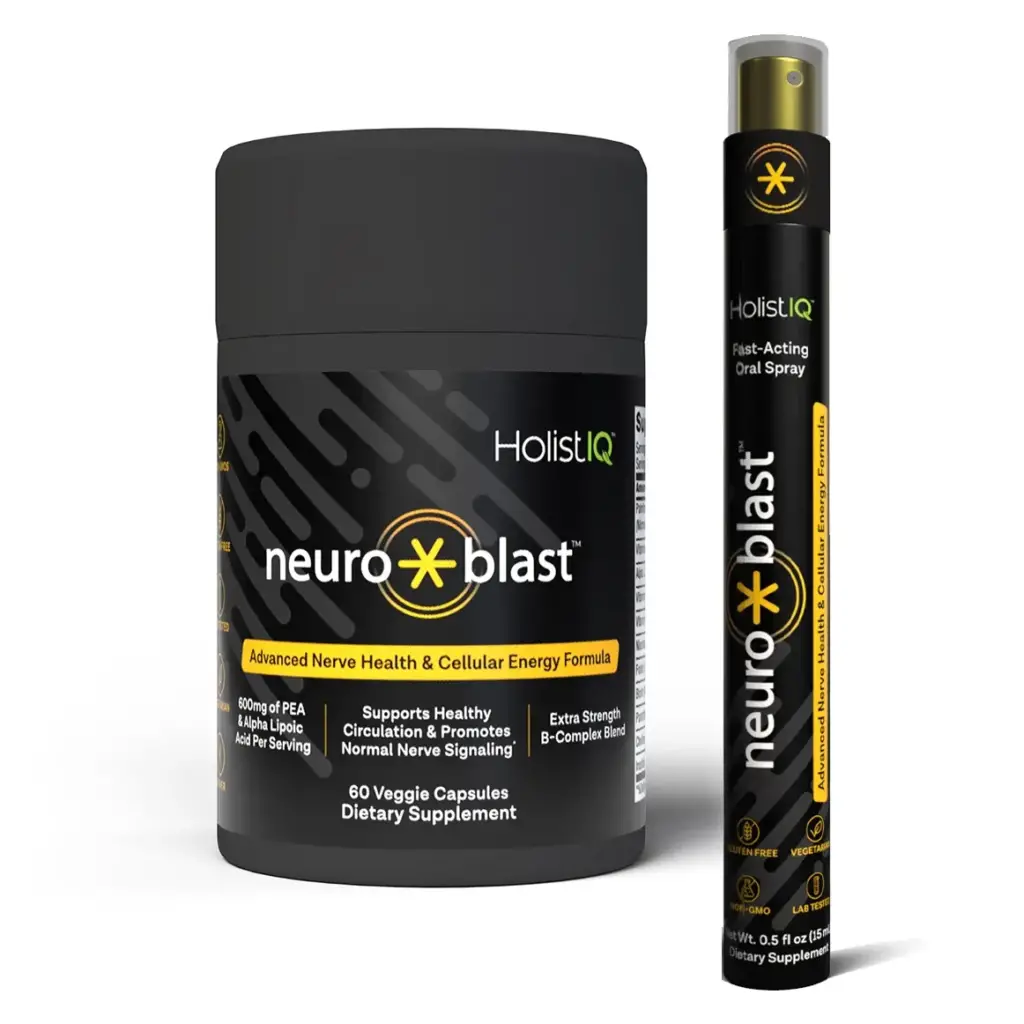

If you’re searching for what is the strongest herb for nerve pain?, you’re already on the right path to finding a more natural solution. The constant discomfort of neuropathy can feel overwhelming, and turning to nature for answers is a powerful step. But “strongest” can mean different things. Some herbs are incredible at fighting the deep, cellular-level inflammation that irritates your nerves. Others work by forming a protective shield around nerve endings, while some are best at directly blocking pain signals from reaching your brain. This article will break down the top contenders, explaining not just what they are, but how they work, so you can make an informed choice for your body.
Key Takeaways
- Herbs address nerve discomfort from multiple angles: They do more than mask symptoms by actively reducing inflammation, protecting nerve cells from further harm, and blocking pain signals from reaching your brain.
- Look for science-backed ingredients: Potent herbs like turmeric, capsaicin, and CBD have strong scientific evidence supporting their ability to calm inflammation and soothe nerve-related pain, making them reliable choices.
- Prioritize a safe and smart approach: For the best results, talk with your doctor before trying any new remedy, choose high-quality supplements from reputable sources, and begin with a low dose to see how your body reacts.
What Is Nerve Pain?
Nerve pain isn’t like a typical headache or a sore muscle after a workout. It’s a distinct, often confusing sensation that comes directly from the nerves themselves. When nerves are damaged or not working correctly, they send faulty signals to your brain, which your brain interprets as pain. This can feel like burning, tingling, or even electric shocks, and it can show up without any obvious injury. Understanding what’s happening inside your body is the first step toward finding real relief and getting back to the activities you love.
What is Neuropathic Pain?
The technical term for this experience is neuropathic pain. It happens when there’s damage or disease affecting the part of your nervous system that processes touch, temperature, and pain. Instead of signaling a real-time injury, like a cut or a burn, the nerves themselves are the source of the problem. This is why the sensations are so unusual. You might feel a sharp, shooting pain, a constant burning, or that “pins and needles” tingling. For many, this becomes a chronic condition that impacts daily life, making simple movements feel like a major challenge.
Common Causes of Nerve Discomfort
So, what causes this nerve disruption in the first place? A number of factors can be responsible. One of the most well-known is diabetes, which can lead to nerve damage over time, especially in the hands and feet. Other common causes of nerve discomfort include conditions like shingles, multiple sclerosis, and physical injuries that directly impact a nerve. Even certain infections, autoimmune diseases, or medications can trigger neuropathic pain. Identifying the root cause with your doctor is a key part of creating an effective plan to manage it.
How Can an Herb Help with Nerve Pain?
It might seem surprising that plants can offer relief for something as complex and persistent as nerve pain. But for centuries, herbs have been used to soothe discomfort, and modern science is beginning to understand why they work. Instead of just masking the pain, certain herbs interact with your body’s systems to address the discomfort at its source. They can help calm irritation, protect your nerve endings, and even change how your brain perceives pain signals.
This multi-faceted approach is key. True, lasting relief often comes from supporting the nervous system on a deeper, cellular level. By understanding how it works, you can see that these natural compounds are not just a temporary fix. They are active participants in your body’s healing process. Let’s look at the three main ways herbs can help you get moving again.
They Fight Inflammation
Think of chronic inflammation as a constant source of irritation for your nerves. When tissues are inflamed, they can swell and press on sensitive nerve endings, sending a continuous stream of pain signals to your brain. Many powerful herbs are known for their anti-inflammatory properties. Turmeric, for example, contains a compound called curcumin that is excellent at fighting this swelling. By reducing inflammation, these herbs can ease the pressure on your nerves, giving them the space they need to function without irritation. This helps quiet the constant background noise of discomfort.
They Protect Your Nerves
Beyond just managing symptoms, some herbs play a protective role for your nervous system. This is a crucial part of long-term nerve health. Certain medicinal herbs act as antioxidants, which means they help defend your cells against damage from unstable molecules called free radicals. Ginkgo biloba is a great example of an herb that not only reduces pain by fighting inflammation but also helps shield your nerves from further harm. This protective quality is vital for maintaining the integrity of your nervous system and preventing discomfort from worsening over time.
They Block Pain Signals
Some herbs work by directly interfering with the pain messages traveling from your nerves to your brain. It’s like creating a roadblock on the pain highway. Capsaicin, the compound that gives chili peppers their heat, is a well-known example. When applied to the skin, it can effectively block nerve pain signals from reaching the brain. Similarly, St. John’s Wort has been shown to provide prolonged relief from certain types of nerve injury. By interrupting these signals, these herbs can turn down the volume on your pain, offering a more immediate sense of comfort.
What Are the Strongest Herbs for Nerve Pain?
When you’re dealing with nerve discomfort, you want solutions that actually work. While there are many paths to relief, turning to nature can be a powerful and gentle first step. Certain herbs have been used for centuries to soothe pain and reduce inflammation, and modern science is now catching up, showing us exactly how they work. We’ve sifted through the research to find the herbs that stand out for their ability to support nerve health. These aren’t just old tales; they are potent botanicals with properties that can make a real difference in how you feel every day.
Think of these herbs as your natural allies in the quest to get moving again. They work with your body to address some of the root causes of discomfort, like persistent inflammation and damaged nerve cells. From the golden spice in your kitchen cabinet to ancient resins used for millennia, these plants offer a way to manage your symptoms and support your body’s healing process. Let’s look at five of the strongest, most well-researched herbs that can help you find the comfort you deserve.
Turmeric (Curcumin): The Golden Spice for Inflammation
You’ve probably heard of turmeric, the bright yellow spice that gives curry its vibrant color. But its real power lies in its active compound, curcumin. Curcumin is a superstar when it comes to fighting inflammation throughout the body. Since inflammation is often a key driver of nerve pain, calming it down can bring significant relief. A comprehensive review of medicinal herbs highlights curcumin’s potential in managing neuropathic pain. Beyond its anti-inflammatory effects, curcumin is also a potent antioxidant, which means it helps protect your delicate nerve cells from damage. This two-pronged approach makes it a fantastic addition to any nerve support routine.
Capsaicin: The Heat That Heals
It might sound strange to use the compound that makes chili peppers hot to cool down nerve pain, but that’s exactly how capsaicin works. When applied to the skin as a cream or patch, capsaicin initially causes a warming sensation. It works by reducing the amount of a chemical called substance P, which is a key messenger for sending pain signals to your brain. With less substance P, the pain signals quiet down, giving you a break from the discomfort. This unique mechanism makes it one of the most effective topical natural remedies for nerve pain available, especially for pain that’s localized to a specific area.
St. John’s Wort: A Soothing Balm for Nerves
St. John’s Wort is a well-known herb, often associated with mood support, but its benefits extend to the nervous system as well. For centuries, it has been used as a traditional remedy to alleviate nerve pain and heal damaged nerve tissue. It contains compounds that have both anti-inflammatory and pain-relieving properties, which can help soothe the irritation and discomfort associated with neuropathy. Some herbalists also value St. John’s Wort for its potential to support nerve regeneration, helping to repair the very source of the problem. It’s a gentle yet powerful herb for calming an overactive nervous system.
CBD: A Modern Approach to Pain Management
Cannabidiol, or CBD, has become incredibly popular for pain management, and for good reason. Derived from the hemp plant, CBD interacts with your body’s endocannabinoid system, which plays a role in regulating pain, mood, and sleep. Unlike THC, CBD is not psychoactive, so it provides relief without the “high.” A growing body of scientific literature suggests that CBD can be effective in reducing the difficult-to-treat pain that comes with neuropathy. By helping to calm nerve signals and reduce inflammation, CBD offers a modern, plant-based approach to feeling better and getting back to your life.
Boswellia: An Ancient Inflammation Fighter
Also known as Indian frankincense, Boswellia is an ancient herb used in Ayurvedic medicine for thousands of years to treat chronic inflammatory conditions. The resin from the Boswellia tree contains active compounds called boswellic acids, which are powerful anti-inflammatories. They work by preventing the formation of molecules that trigger inflammation. This makes Boswellia a promising option for nerve pain, as it targets the underlying inflammation that can irritate nerves and cause discomfort. Its role in managing pain is supported by a growing number of clinical studies, making it a reliable way to cool the fire at a deep, cellular level.
How Do These Herbs Actually Work?
It’s one thing to know that certain herbs can help with nerve pain, but it’s another to understand how. It’s not magic; it’s science. These powerful plants work within your body in very specific ways to calm discomfort and support your nervous system from the inside out. They go beyond simply masking the pain and get closer to the source of the problem. The most effective herbs for nerve pain typically work through one of three main pathways: reducing inflammation, protecting the nerves themselves, or blocking pain signals from reaching your brain.
Reducing Cellular-Level Inflammation
Inflammation is often a key player in nerve pain. When your nerves are irritated or damaged, your body’s inflammatory response can go into overdrive, making the pain, tingling, and numbness even worse. Many herbs are fantastic at calming this response right where it starts: at the cellular level. Turmeric, for example, contains curcumin, a compound celebrated for its powerful anti-inflammatory and antioxidant properties. It helps reduce the swelling and irritation around your nerves. This is a core part of how our system works to provide deep support and get you back to feeling like yourself.
Shielding Nerves from Damage
Think of some herbs as bodyguards for your nerves. Beyond just easing current discomfort, they can form a protective shield to help prevent further damage. This is especially important for maintaining long-term nerve health and mobility. For instance, research has shown that certain herbal formulas can help delay nerve damage in people undergoing treatments like chemotherapy. Other herbs provide a dual benefit, offering pain relief while also protecting the nerves from ongoing stress. This protective action is crucial for anyone looking not just for relief, but for a sustainable way to support their nervous system for the long haul.
Interrupting Pain Signals to the Brain
Sometimes, the most direct way to stop pain is to keep the message from ever reaching your brain. Several herbs are excellent at this. They work by interrupting the pain signals that travel along your nerve pathways. Imagine them as a roadblock that stops the pain message in its tracks. St. John’s Wort, for example, can reduce nerve pain and may even help damaged nerves heal over time. By blocking these signals, herbs can provide significant relief, allowing you to move more freely and comfortably. This is the kind of targeted relief that the Neuro-Blast System is designed to deliver.
What Does the Science Say?
It’s one thing to hear that herbs have been used for centuries, but it’s another to see modern science confirm why they work. Researchers are increasingly studying these natural compounds to understand their effects on the body, especially when it comes to complex issues like nerve discomfort. The good news is that many studies are backing up what traditional medicine has known for years.
By looking at the active compounds within these herbs, scientists can pinpoint exactly how they reduce inflammation, protect nerve cells, and even interrupt pain signals on a molecular level. This research gives us a clearer picture of their potential and helps us use them more effectively. Let’s look at what the clinical evidence says about a few of these powerful plants.
The Research on Turmeric and Curcumin
You’ve likely heard about the benefits of turmeric, and the science is solid. The magic behind this golden spice is its active compound, curcumin. A comprehensive review of medicinal herbs highlights curcumin’s powerful anti-inflammatory and antioxidant properties. Think of inflammation as a fire causing irritation around your nerves; curcumin helps to cool that fire down. By reducing inflammation and fighting the cellular damage from oxidative stress, it can directly help lessen the pain and swelling that often come with nerve issues. This makes it a well-regarded and scientifically supported option for managing nerve discomfort.
Evidence for Capsaicin’s Effectiveness
Capsaicin, the compound that gives chili peppers their heat, does more than just spice up your food. When applied to the skin in a cream or patch, it works as a powerful pain reliever. How? It essentially desensitizes nerve receptors over time, blocking them from sending pain signals to your brain. Clinical studies have shown that topical capsaicin can provide significant relief, especially for people with diabetic neuropathy. It’s a great example of how a natural ingredient can offer targeted support right where you need it, providing a welcome break from persistent nerve pain without affecting the rest of your body.
Studies on CBD for Neuropathy
CBD, or cannabidiol, has gained a lot of attention for its health benefits, and nerve pain is a key area of research. Studies on cannabis extracts show that compounds like CBD can significantly ease neuropathic pain. They work by interacting with your body’s endocannabinoid system, a complex network that helps regulate pain, mood, and sleep. Clinical trials suggest that by supporting this system, CBD can help reduce chronic nerve pain and improve overall quality of life. This modern approach aligns with a deeper understanding of how our bodies manage nerve signals and maintain balance.
Are There Any Risks to Using Herbs for Nerve Pain?
While turning to nature for relief is a great step, it’s smart to go in with your eyes open. Just like any other substance you put in your body, herbs come with their own set of rules and potential risks. Understanding these isn’t about scaring you off; it’s about empowering you to make the safest, most effective choices for your nerve health. Let’s walk through what you need to know about side effects, the importance of quality, and why your doctor should always be in the loop.
Know the Side Effects and Drug Interactions
Herbal remedies can sometimes cause side effects like drowsiness, dizziness, dry mouth, or an upset stomach. While often mild, it’s important to pay attention to how your body responds. More importantly, herbs can interact with prescription medications. In fact, studies show that many adverse reactions happen because of these herb-drug interactions. Combining certain herbs with your regular meds can either make your prescriptions less effective or create unexpected and potentially harmful side effects. This is why being transparent about everything you take is so crucial for your safety.
Why Quality and Dosage Are Key
Not all herbal supplements are created equal. The safety and effectiveness of an herb depend heavily on the quality of the product and getting the dosage right. A supplement made from poor-quality plants or processed improperly might not work, or worse, could contain harmful contaminants. The amount you take also matters immensely. It’s essential to follow recommended therapeutic doses to see benefits without increasing your risk of side effects. Always choose products from reputable brands that are transparent about their sourcing and manufacturing processes. This ensures you’re getting a pure, potent product that can actually help.
When to Talk to Your Doctor
Your doctor can be your greatest ally on this journey, but only if they have the full picture. Many people hesitate to mention their use of herbal supplements, but this silence can be risky. Your doctor needs to know about everything you’re taking to prevent dangerous interactions and ensure your treatment plan is cohesive and safe. Think of it as a team effort. By having an open conversation, you allow your doctor to provide the best possible guidance, monitor your progress, and help you safely integrate herbal remedies into your routine. It’s a simple step that makes a huge difference in protecting your health.
How to Use Herbs for the Best Results
Once you’ve chosen which herbs you want to try, the next step is figuring out how to incorporate them into your routine effectively. It’s not just about what you take, but how you take it. A thoughtful approach can make a significant difference in the results you experience. By paying attention to dosage, form, and combinations, you can create a supportive plan that works for your body and your lifestyle.
Think of it as building a personalized toolkit for your nerve health. The right dose ensures you’re getting enough of the active compounds without overdoing it. The best form makes it easy and effective for you to take consistently. And combining herbs can create a synergistic effect, where the whole is greater than the sum of its parts. This is the strategy behind many well-formulated supplements, including our own Neuro-Blast system, which is designed to provide comprehensive support. Let’s walk through how you can apply these principles yourself.
Find the Right Dose
Finding the right dose is a crucial first step. With herbal supplements, more isn’t always better. The goal is to find the minimum effective dose that gives you relief. Start by following the dosage instructions on the product label, as these are typically based on general safety and efficacy guidelines. It’s often wise to begin with a lower dose to see how your body responds before gradually increasing it if needed.
Keeping a simple journal can be incredibly helpful here. Note the dose you took, the time of day, and any changes in your symptoms. This helps you track what’s working. Research suggests that many medicinal herbs offer a promising way to find pain relief with fewer side effects than some standard treatments, but proper dosing is key to that safety profile. If you’re unsure where to begin, consulting with a healthcare provider or a qualified herbalist can provide personalized guidance.
Choose the Best Form
Herbs come in many forms, and the one you choose can impact how well they work for you. You can find them as capsules, tinctures (liquid extracts), teas, powders, or even topical creams and oils. For systemic issues like widespread inflammation, an internal form like a capsule or tincture is usually best. Turmeric, for example, is often taken in a capsule to help manage inflammation throughout the body.
For localized nerve discomfort, a topical application might be the perfect fit. Capsaicin cream is a classic example, applied directly to the skin where you feel pain. Some herbs, like St. John’s Wort, are available both internally as a supplement to help nerves heal and topically as an oil. The best form is ultimately the one that targets your specific needs and is easy for you to use consistently.
Combine Herbs for a Stronger Effect
Sometimes, two or more herbs can work together to produce a stronger effect than any single herb could on its own. This concept is known as synergy. For instance, you might combine an anti-inflammatory herb like Boswellia with one that supports nerve function, like St. John’s Wort. This multi-pronged approach can address nerve discomfort from different angles simultaneously.
Many high-quality supplements are formulated with this principle in mind, creating a blend of ingredients that work in harmony. This takes the guesswork out of it for you. The science behind these combinations focuses on how different compounds can support each other to provide deep, cellular-level support. Understanding how it works can help you appreciate the thought that goes into a well-designed formula. By combining herbs, you can build a more comprehensive and effective strategy for managing your nerve health.
What to Expect When You Start
Starting a new wellness routine can feel like a mix of excitement and uncertainty. You’re hopeful for relief but might wonder what the journey will look like. When you begin incorporating herbs for nerve support, remember that this is a personal process. Your body has its own timeline and way of responding. The key is to be patient, stay consistent, and pay close attention to the signals your body sends you. This isn’t about finding a quick fix, but about giving your system the support it needs to begin healing from the inside out.
How Long Until You Notice a Difference?
It’s the big question on everyone’s mind: when will I feel better? The honest answer is that it varies. Some people report feeling subtle shifts within a few weeks, while for others, it might take a bit longer for the cumulative effects to become noticeable. Research on certain plant extracts shows they can reduce neuropathic pain significantly, suggesting that some herbs can act relatively quickly. The most important thing is consistency. Give your body time to adapt and respond to the new support you’re providing. Think of it as nurturing a garden; growth takes time and steady care.
Signs Your Nerve Health Is Improving
Pain relief is a major goal, but it’s not the only sign that things are moving in the right direction. As your body responds, you might notice other positive changes. For instance, you could experience less tingling or numbness in your hands and feet. Some herbs, like turmeric, are known for reducing inflammation, so you might see a decrease in swelling. You may also find yourself moving with a bit more ease or feeling a greater sense of stability. These are all wonderful indicators that your nerves are getting the support they need. You can see how others have described their progress in their own testimonials.
How to Adjust Your Approach as You Go
Your wellness journey is dynamic, and it’s okay to make adjustments along the way. The most important step is to consult with your healthcare provider before starting any new herbal remedy, especially if you have existing health conditions or are taking other medications. They can provide personalized guidance. If you’ve been consistent with one approach and aren’t seeing the results you’d hoped for, don’t get discouraged. Many herbs work in similar ways to soothe nerve discomfort, so you might find that a different herb or a combination works better for you. Our doctor-led system was designed with this in mind, offering comprehensive support for your nervous system.
Related Articles
- 10 Vitamins and Herbs for Neuropathy Relief
- 15 Tips for Natural Pain Relief for Diabetic Neuropathy
- 15 Natural Alternatives for Nerve Pain Relief
- Best Natural Neuropathy Support: A Complete Guide
Frequently Asked Questions
How do I choose which herb is right for me? Choosing the right herb often comes down to understanding your specific symptoms. If your discomfort is concentrated in one area, a topical option like capsaicin cream might be a great starting point. If you’re dealing with widespread discomfort that feels linked to inflammation, an herb like turmeric or boswellia could be more suitable. The best approach is to identify your primary concern, research the herbs that best address it, and then discuss those options with your healthcare provider to create a personalized plan.
Can I take these herbs along with my prescription medications? This is an incredibly important question, and the answer is that you must speak with your doctor before mixing herbs and prescriptions. Herbal supplements can sometimes interact with medications, potentially making them less effective or causing unexpected side effects. Your doctor understands your complete health profile and can give you the safest advice on how to integrate herbs into your routine without compromising your current treatment plan.
Are these herbs a quick fix for nerve pain? It’s best to think of herbs as long-term partners for your nerve health rather than a quick fix. They work by supporting your body’s natural systems, such as reducing chronic inflammation and protecting nerve cells from damage. This is a gradual process. While some people feel improvements within a few weeks, consistent use is key to experiencing the most meaningful and lasting benefits.
Is it better to take individual herbs or a combined formula? While taking a single herb can be effective, a combined formula often provides more comprehensive support. Different herbs work in different ways; one might be excellent for inflammation while another helps soothe nerve signals. A well-designed formula uses this synergy, blending ingredients that work together to address nerve discomfort from multiple angles. This can be a more convenient and powerful way to support your entire nervous system.
Besides pain relief, what other improvements might I notice? While less pain is a primary goal, it’s not the only sign that your nerve health is improving. You might notice a reduction in other sensations, like tingling or numbness in your hands and feet. Many people also report feeling more stable and confident in their movements. These positive shifts are all indicators that you are giving your nervous system the deep, cellular support it needs to function better.