
Think of that burning sensation in your feet as a messenger. While your first instinct might be to quiet the message with a cool soak or a topical cream, the real key is to understand what it’s trying to tell you. Simply masking the symptom doesn’t solve the underlying issue, which is often related to nerve health. True, sustainable relief for burning feet comes from addressing the problem at its source. This guide is designed to help you do just that. We will explore the root causes of this discomfort and outline a clear path toward supporting your nervous system for long-term well-being and comfort.
Key Takeaways
- Look beyond the burn to find the cause: That burning feeling is often a signal for underlying issues like nerve damage, poor circulation, or vitamin deficiencies; finding the real reason is the first step toward effective relief.
- Pair immediate relief with preventative habits: While cool soaks and gentle massage offer quick comfort, building a daily routine of foot inspections and wearing supportive shoes is key to preventing the discomfort from returning.
- Focus on long-term nerve health: Lasting solutions come from supporting your nervous system from within, using targeted nutrition and supplements to address nerve health at a cellular level for sustainable comfort and mobility.
What Causes Burning Feet?
That persistent, fiery sensation in your feet can be more than just a minor annoyance; it’s often your body’s way of signaling that something deeper is going on. Understanding the source of the discomfort is the first step toward finding real, lasting relief. The causes can range from nerve damage related to underlying health conditions to simple lifestyle factors or even the shoes you wear every day.
Pinpointing the exact reason for your burning feet can feel like solving a puzzle, but it’s a crucial piece of your health journey. The problem might stem from how your body processes sugar, a lack of essential nutrients, or issues with blood flow. In other cases, the culprit could be a medication you’re taking or a common fungal infection. By exploring these potential causes, you can work with your doctor to create a targeted plan that addresses the root of the problem instead of just masking the symptoms. Let’s look at some of the most common reasons why your feet might feel like they’re on fire.
The Link Between Blood Sugar and Neuropathy
One of the most frequent causes of burning feet is peripheral neuropathy, a type of nerve damage often linked to diabetes. When blood sugar levels remain high for extended periods, it can injure the delicate nerve fibers throughout your body, especially in your hands and feet. This damage disrupts the normal communication between your nerves and your brain, causing confusing signals that your brain interprets as pain, tingling, or a burning sensation. This condition, sometimes called Grierson-Gopalan syndrome, can start subtly but often worsens over time if the underlying blood sugar issues aren’t managed. Getting control of your glucose levels is a critical step in protecting your nerves from further harm.
How Vitamin Deficiencies Affect Your Nerves
Your nerves rely on a steady supply of specific nutrients to stay healthy and function correctly. A deficiency in certain vitamins, particularly B vitamins like B12, B6, and folate, can lead to nerve damage and trigger the symptoms of neuropathy. These vitamins are essential for maintaining the protective coating around your nerves, known as the myelin sheath. When this coating is compromised due to a vitamin deficiency, your nerves become vulnerable to damage, resulting in sensations like burning, tingling, and numbness in your feet. This is more common in individuals with dietary restrictions or conditions that affect nutrient absorption.
Poor Circulation and Its Impact
Healthy blood flow is vital for delivering oxygen and nutrients to every part of your body, including the nerves in your feet. When circulation is poor, often due to conditions like peripheral artery disease (PAD), your nerves can become starved of what they need to function. This lack of oxygen can cause nerve cells to misfire or become damaged, leading to a painful burning feeling. Poor circulation can also make your feet feel cold to the touch, even when they feel like they’re burning on the inside. Improving blood flow through exercise, diet, and managing related health conditions is key to supporting nerve health.
Lifestyle Factors: Alcohol and Medications
Sometimes, the cause of burning feet can be traced back to daily habits or treatments for other conditions. Chronic, excessive alcohol consumption is toxic to nerve tissue and can lead to a condition known as alcoholic neuropathy, which directly damages the nerves in your feet. Additionally, certain medications can list burning feet as a potential side effect. These can include some chemotherapy drugs, medications for HIV, and even some drugs used to treat heart conditions or seizures. If you suspect a medication is causing your symptoms, it’s important to talk to your doctor before making any changes to your treatment plan.
External Irritants: Infections and Footwear
Not all causes of burning feet are internal. Sometimes, the problem is right on the surface. A common fungal infection called athlete’s foot can cause intense itching, stinging, and burning between your toes and on the soles of your feet. This condition is treatable with over-the-counter antifungal creams. Another external factor is your choice of footwear. Shoes that are too tight or don’t provide proper support can compress the nerves in your feet, leading to irritation and a burning sensation. Simply choosing better-fitting shoes can sometimes make a significant difference in your comfort.
How to Recognize the Symptoms of Burning Feet
That persistent, fiery sensation in your feet can be disruptive, making it hard to relax, sleep, or even stand comfortably. But “burning” is often just one piece of the puzzle. Understanding the full range of symptoms is the first step toward finding a solution that works. Your body is sending signals, and learning to interpret them can help you and your doctor pinpoint the underlying cause and create a plan for lasting relief.
Paying close attention to exactly what you’re feeling, and when, provides crucial clues. Is it a constant dull ache or a sudden, sharp pain? Does it feel like you’re walking on pins and needles? These details matter because they help paint a clearer picture of your nerve health. Recognizing these signs for what they are, signals of distress from your nerves, empowers you to move beyond temporary fixes and start addressing the root of the problem.
Signs to Look For Beyond the Burn
The term “burning feet” can be a bit of a catch-all, but the experience often involves more than just a feeling of heat. Many people also report other distinct sensations that point to nerve irritation. You might feel a sharp, stabbing pain that comes out of nowhere or a persistent dull ache that makes your feet feel heavy and tired.
Other common signs include numbness in your feet or legs, which can be unsettling and affect your balance. You may also experience a tingling or “pins and needles” feeling, similar to when a limb falls asleep. Some people find their skin becomes red or unusually warm to the touch. These are all common signs of burning feet syndrome and indicate that your nerves are sending distress signals.
Why Symptoms Often Worsen at Night
If you find your symptoms flare up just as you’re trying to wind down for the night, you’re not alone. This is an incredibly common experience for people with nerve discomfort. During the day, your mind is occupied with tasks and your body is in motion, which can distract you from the sensations in your feet.
At night, when the world gets quiet and you’re less active, those signals from your damaged nerves can become much more noticeable. Changes in your body temperature and circulation as you rest can also contribute to the intensity. It’s not that the problem is suddenly worse; it’s that you have fewer distractions, making the burning, tingling, or pain feel more prominent and disruptive to your sleep.
Common Myths About Burning Feet
It’s easy to fall into the trap of misinformation when trying to understand your symptoms. One of the biggest myths is that burning feet are exclusively a problem for people with diabetes. While nerve damage is a common complication of diabetes, it is far from the only cause. Vitamin deficiencies, poor circulation, and certain medications can also lead to the same symptoms.
Another harmful myth is that it’s just a minor annoyance you have to live with. In reality, burning feet can be a warning sign of a more serious medical condition that needs attention. Ignoring these signals won’t make them go away. The key is to understand how your nerve health works and address the underlying issues, not just mask the discomfort.
How Can You Find Immediate Relief at Home?
When your feet are burning, you need relief that works quickly. While addressing the root cause of nerve discomfort is the ultimate goal, several at-home remedies can provide immediate comfort and help you get through the day. These simple strategies use items you likely already have and can be easily incorporated into your routine to soothe irritation and calm your nerves. Think of these as your first line of defense for managing discomfort on the spot, giving you the breathing room you need while you work on a more permanent solution.
Try a Cool Water or Epsom Salt Soak
One of the simplest ways to calm burning feet is with a cool water soak. Submerging your feet for 15 to 20 minutes can help reduce inflammation and provide an immediate soothing sensation. Be sure to use cool water, not ice-cold, as extreme temperatures can sometimes make nerve pain worse. For an added benefit, try Epsom salt soaks. The magnesium sulfate in Epsom salt is known to help relax muscles and ease discomfort. Just add a cup of Epsom salt to your foot bath, stir until it dissolves, and let your feet soak. This can be a relaxing ritual to end your day, especially when symptoms feel most intense.
Apply a Cold Compress or Natural Cream
For more targeted relief, a cold compress can work wonders. Simply wrap a thin towel around a cold pack or a bag of frozen vegetables and apply it directly to the affected areas of your feet for about 15 minutes. This helps numb the burning feeling and can reduce swelling. Another option is using topical creams containing capsaicin, a compound found in chili peppers that can help block pain signals over time. If you suspect a fungal infection like athlete’s foot might be contributing to the problem, an over-the-counter antifungal cream could also provide relief by treating the underlying infection.
Gently Massage and Elevate Your Feet
Improving blood flow is key to easing many of the symptoms associated with burning feet. A gentle foot massage can help improve blood circulation and relieve tension. Use your thumbs to apply light pressure in circular motions along the soles of your feet. You can use a lotion or oil to make the massage smoother and more comfortable. After a massage, or anytime you’re resting, try elevating your feet. Propping your feet up on a few pillows so they are above the level of your heart uses gravity to help reduce swelling and can offer significant relief from that persistent burning sensation.
Stay Hydrated and Keep Your Feet Clean
Sometimes the most basic habits make a big difference. Staying well-hydrated is essential for your body’s overall function, including nerve health. Dehydration can sometimes worsen symptoms, so be sure to drink plenty of water throughout the day. It’s also crucial to practice good foot hygiene. Wash your feet daily with mild soap and dry them thoroughly, especially between the toes. This helps in preventing conditions like athlete’s foot, which can cause or intensify burning and itching. Clean, dry feet are less prone to infections that can complicate nerve-related discomfort.
When Should You See a Doctor?
While at-home remedies can offer temporary comfort, they aren’t a substitute for professional medical advice. Burning feet can sometimes be your body’s way of signaling a deeper issue that needs attention. Listening to these signals is the first step toward finding a real solution. If you’re unsure whether your symptoms warrant a doctor’s visit, here are a few clear signs that it’s time to make the call.
Red Flags That Require Immediate Attention
Think of burning feet as a warning light on your car’s dashboard. You wouldn’t ignore it, and you shouldn’t ignore this either. A persistent burning sensation can be a sign of a more serious health problem, like diabetes or significant nerve damage. If an underlying condition like diabetes goes untreated, it can lead to lasting complications. If the burning is sudden, severe, or accompanied by an open sore that isn’t healing, it’s best to seek medical care right away to get to the root of the problem and prevent further issues.
If Home Remedies Aren’t Working
You’ve tried soaking your feet, you’ve applied creams, and you’ve kept them elevated, but the burning just won’t quit. If your symptoms last for more than a few days, seem to get worse at night, or are intense enough to keep you from sleeping, it’s time to get a professional opinion. The same goes for any new feelings of numbness or tingling. A doctor can help determine if the cause is unclear and may run blood tests to check for things like vitamin deficiencies. Don’t feel discouraged if home remedies aren’t enough; simply see a podiatrist or your primary care physician for the next step.
If Your Mobility or Balance Is Affected
Your ability to move confidently is essential to your quality of life. If the numbness in your feet is spreading or causing you to trip or stumble, this is a clear sign to consult a doctor. Feeling unsteady or losing your balance is not something to take lightly, as it can increase your risk of falls and injury. Similarly, if the pain is concentrated on just one side of your body, it could point to a specific nerve issue that a specialist, like a neurologist, should evaluate. Your feet are your foundation, and any symptom that compromises your stability deserves professional attention.
What Medical Treatments Can Help?
If home remedies aren’t providing the relief you need, it’s time to talk with your doctor about medical treatments. A healthcare professional can help pinpoint the underlying cause of your discomfort and create a treatment plan tailored to your specific situation. This plan might involve a combination of approaches, from medications that manage pain signals to therapies that address the issue directly at the source. Working with a doctor ensures you’re not just masking the symptoms but are on a path toward genuine, lasting relief. Let’s walk through some of the most effective medical options available.
Medications to Manage Nerve Pain
When the burning sensation becomes persistent, your doctor may prescribe medications to help manage the discomfort. These aren’t just standard pain relievers; many are specifically designed to target nerve pain. For example, medications like gabapentin and amitriptyline work on the nervous system to calm the overactive signals that cause that burning feeling. In some cases, certain antidepressants are used in low doses because they can effectively interrupt pain signals. Your doctor might also suggest nonsteroidal anti-inflammatory drugs (NSAIDs) to reduce inflammation that could be contributing to your symptoms. The goal is to find a medication that gives you consistent relief so you can get back to your daily activities with greater comfort.
Topical Creams and Other Therapies
For more localized relief, topical treatments can be a great option. These are creams, patches, or gels that you apply directly to your feet, delivering pain-relieving ingredients right where you need them. Capsaicin creams, which use a compound found in chili peppers, are often recommended to decrease the intensity of pain signals over time. Another common choice is a lidocaine patch, which provides a numbing effect to the area. If your burning feet are caused by a fungal infection like athlete’s foot, an antifungal cream will be the most effective solution. These therapies can be used alone or alongside oral medications to provide an extra layer of comfort without affecting your whole body.
Advanced Nerve Support and Supplements
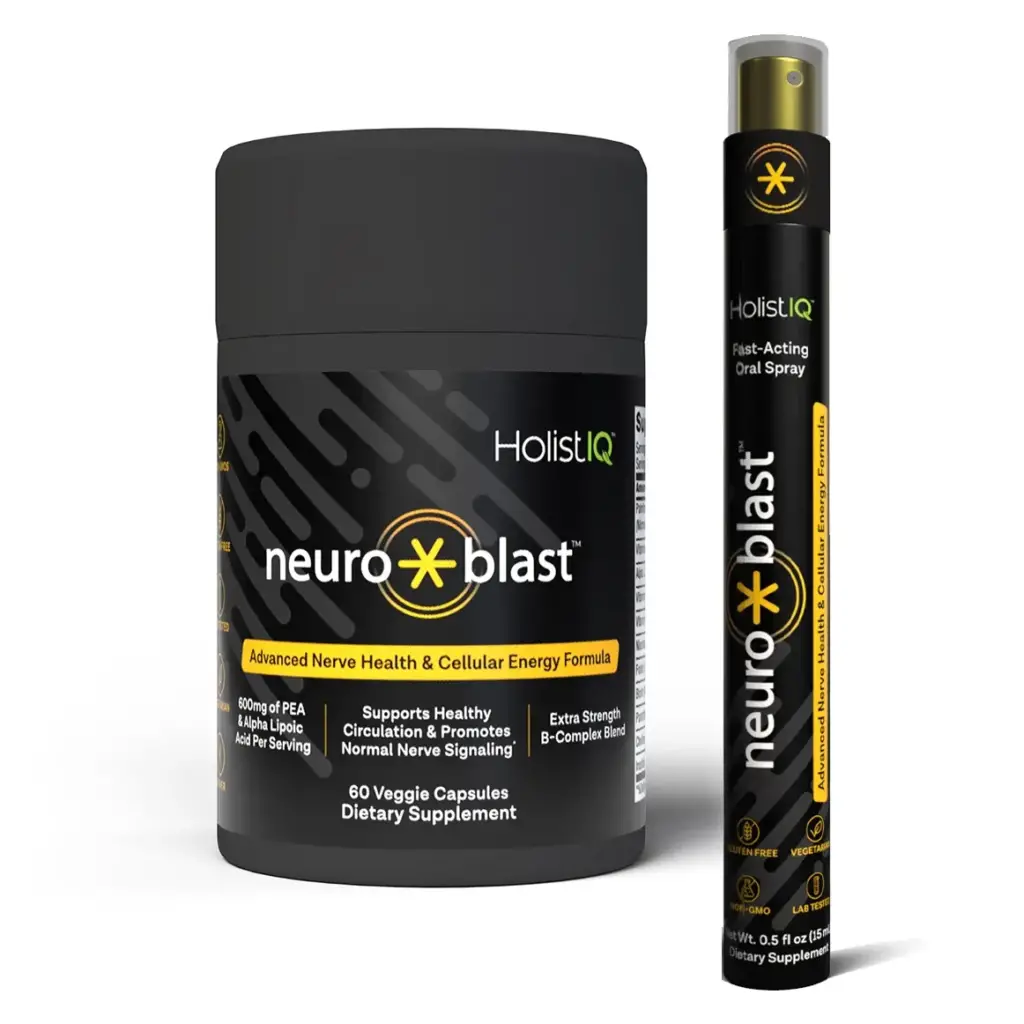
Addressing the root cause of nerve discomfort often means looking at what your nerves need to function properly. Deficiencies in certain vitamins, especially B6, B9, and B12, are a common culprit behind burning feet, so your doctor may recommend supplements to promote nerve repair. For a more comprehensive approach, the Neuro-Blast System offers a clinical-strength blend of ingredients engineered to support your nervous system on a cellular level. This doctor-led, AI-enhanced system is designed to go beyond temporary fixes by reducing nerve pain and supporting long-term neurological repair. By giving your body the specific nutrients it needs, you can help your nerves heal and find more sustainable relief.
How to Prevent Burning Feet From Coming Back
Finding relief is the first step, but keeping that burning sensation from returning is the real goal. Once you’ve calmed the immediate discomfort, you can focus on a few key lifestyle adjustments to protect your nerves for the long haul. These proactive habits create a strong foundation for lasting foot health and help you keep moving comfortably.
Establish a Daily Foot Care Routine
Think of daily foot care as essential as brushing your teeth, especially when nerve issues are in the picture. Because neuropathy can reduce sensation, you might not feel a small blister, cut, or splinter, which can quickly lead to bigger problems if left untreated. Set aside a few minutes each day to carefully inspect your feet for any changes, like redness, swelling, or sores. Wash them with warm (not hot) water and mild soap, then dry them completely, paying special attention to the spaces between your toes. This simple foot care routine is one of the most effective ways to prevent infections and catch issues early.
Choose the Right Shoes and Adjust Activities
The right pair of shoes can make a world of difference in your daily comfort. Look for styles with a wide toe box that gives your toes plenty of room to move, along with good cushioning and solid arch support to absorb impact. It’s best to avoid high heels, flimsy flip-flops, or any tight-fitting shoes that can pinch and worsen nerve pain. It’s also a good idea to check the inside of your shoes for any pebbles or rough seams before putting them on. When you choose the right shoes, you’re not just buying footwear; you’re investing in your comfort and mobility.
Manage Blood Sugar and Improve Circulation
If your burning feet are related to diabetes, managing your blood sugar is the most important thing you can do to prevent further nerve damage. High blood sugar can harm the delicate nerve endings in your feet over time, so working closely with your doctor to keep your levels stable is crucial. In addition to diet and medication, you can support your circulation with gentle movement. Simple activities like daily walks, leg stretches, or wiggling your toes throughout the day can help improve blood flow. Consistent blood sugar management not only helps prevent burning feet but also supports your overall health in a powerful way.
How to Address the Root Cause, Not Just the Symptoms
Think of that burning sensation in your feet as a messenger. It’s your body’s way of telling you that something deeper is going on. While cooling creams and foot soaks can provide a moment of peace, they don’t address the message itself. The most important step toward lasting relief is to understand and stop whatever is causing the ongoing nerve damage.
Simply covering up the discomfort is like hitting the snooze button on an alarm. It might quiet the noise for a bit, but the underlying reason you need to wake up is still there. True relief comes from listening to your body’s signals and giving it the support it needs to heal from the inside out. By focusing on the root cause, you can move beyond a cycle of temporary fixes and start building a foundation for long-term comfort and mobility. This approach isn’t about finding a quick fix; it’s about finding a real, sustainable solution.
Why Temporary Fixes Aren’t Enough
When your feet are on fire, it’s natural to reach for anything that promises immediate relief. But masking the burn without addressing its origin can allow the underlying problem to progress. Burning feet can be caused by a number of health issues, including nerve damage, poor blood flow, or even certain infections. If left unaddressed, these conditions can sometimes lead to more persistent complications. A temporary fix won’t improve your circulation or repair nerve pathways. To find a solution that sticks, you have to look past the symptom and focus on the source of the problem.
Support Your Nerves at the Cellular Level
Your nerves are like intricate electrical wires that need the right materials to function properly. When they don’t get the nutrients they need, their signals can get crossed, leading to sensations like burning, tingling, or numbness. For example, a deficiency in B vitamins, especially B12, is a known contributor to nerve damage. Supporting your nervous system on a cellular level means giving it the specific building blocks it requires to maintain itself and function correctly. This internal approach helps fortify your nerves from within, addressing a key factor that can cause burning feet in the first place.
Find Lasting Relief with Advanced Support
Once you shift your focus to cellular health, you can explore systems designed for deep, lasting support. The Neuro-Blast System was created by doctors specifically to address nerve discomfort at its source. It’s an AI-enhanced system engineered to provide both fast relief from symptoms and long-term support for your nerves. Instead of just covering up the burning feeling, it works to improve symptoms while helping protect against further nerve damage. You can learn more about how it works to deliver targeted support right where your body needs it most, helping you get back to moving with confidence.
Create Your Plan for Lasting Relief
Finding a way to manage burning feet for good means creating a plan that works for you. It’s about combining immediate comfort with long-term strategies that address the source of the discomfort. Think of it as building your personal toolkit for happy, healthy feet. By layering different approaches, you can create a comprehensive routine that supports your nerves and helps you get back to doing what you love.
Here are a few key areas to focus on as you build your plan:
Start with simple, soothing care. When your feet are on fire, you need relief now. A cool water soak for about 15 minutes can offer surprisingly fast comfort. You can also explore over-the-counter creams that contain ingredients like capsaicin or menthol, which can help calm the agitated nerve endings. Gentle foot massages are another great way to improve blood circulation and ease tension after a long day.
Support your body from the inside out. What you eat plays a big role in your nerve health. Certain nutritional gaps, especially a lack of B vitamins, are often linked to nerve-related issues. You can find great information on supplements for neuropathy that may help fill in those gaps. Also, remember to choose comfortable, well-cushioned shoes that give your feet room to breathe. This simple switch can make a huge difference by reducing daily pressure and irritation.
Address the problem at its source. While these tips can provide welcome relief, a lasting solution requires getting to the root of the problem. True nerve support happens on a deeper, cellular level. Instead of just masking the symptoms, a comprehensive system can help nourish and protect your nerves over time. Understanding how it works to support your nervous system is the first step toward finding a solution that sticks. Combining daily habits with a targeted support system gives you the best chance for lasting comfort and mobility.
Related Articles
- 7 Tips for Pain Relief for Feet Burning Fast
- Burning Feet Relief: Why It Happens & How to Stop It
- Your Guide to the Best Treatment for Burning Feet
- How to Get Burning Feet Sensation Relief Fast
Frequently Asked Questions
Are burning feet and peripheral neuropathy the same thing? Think of it this way: burning feet is a symptom, while peripheral neuropathy is often the underlying condition causing it. Peripheral neuropathy is a term for damage to the nerves outside of your brain and spinal cord, particularly in your hands and feet. When these nerves are damaged, they can send faulty signals to your brain, which your brain interprets as pain, tingling, or that persistent burning feeling.
I don’t have diabetes, so what could be causing my feet to burn? While diabetes is a very common cause, it’s certainly not the only one. Your symptoms could be linked to a deficiency in certain B vitamins, which are crucial for nerve health. Other potential causes include poor circulation from conditions like peripheral artery disease, side effects from certain medications, or even chronic alcohol use, which can be toxic to nerve tissue over time.
How long should I try at-home remedies before calling my doctor? If you’ve been consistently trying home remedies for a week or two without any real improvement, it’s a good idea to schedule an appointment. You should also call your doctor right away if the burning is sudden and severe, if you have an open sore on your foot that isn’t healing, or if you notice the numbness is affecting your balance and causing you to feel unsteady.
Can changing my diet actually help with the burning sensation? Yes, it absolutely can be a key part of your long-term strategy. Your nerves rely on a steady supply of specific nutrients, especially B vitamins like B12 and B6, to function correctly and maintain their protective coating. If your diet is lacking these essential nutrients, it can contribute to nerve damage. Focusing on a well-rounded diet is a powerful way to support your nerve health from the inside out.
What is the difference between using a topical cream and a system designed for nerve support? Topical creams are great for providing localized, temporary relief by working on the surface of your skin to block pain signals. A comprehensive nerve support system works differently; it’s designed to address the problem internally. It provides your body with the specific nutrients needed to support nerve health at a cellular level, helping to manage symptoms while also supporting long-term neurological function.