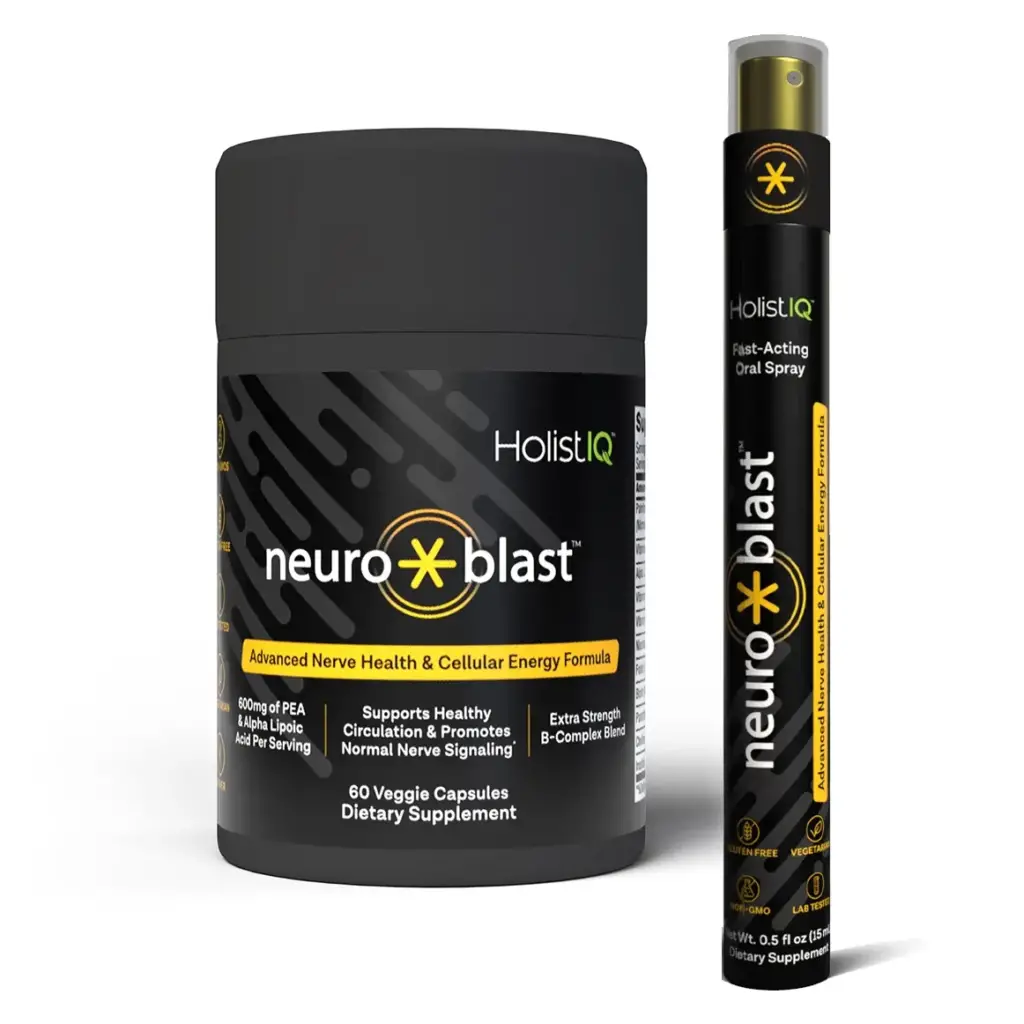

For years, the go-to for internal support has been a capsule or pill. While effective for long-term, foundational care, they aren’t always the best solution for immediate needs. When nerve discomfort flares up, you want relief that is both fast and reliable. A sublingual spray for nerve pain offers a modern alternative designed for speed. By delivering ingredients directly into the bloodstream from under the tongue, it skips the digestive process entirely. This allows for much faster absorption than a traditional pill. Systems like Neuro-Blast recognize the value of both, combining daily capsules for sustained support with a rapid-absorb spray for those moments that require a more immediate response.
Key Takeaways
- Choose sprays for faster relief: Because they are absorbed directly under the tongue, sublingual sprays bypass the digestive system. This allows the active ingredients to enter your bloodstream quickly for more immediate support compared to traditional pills.
- Use sprays for acute flare-ups: This delivery method is most effective for managing sudden, intense episodes of pain. Think of it as a tool for on-the-spot relief rather than a primary solution for constant, chronic discomfort.
- Consult your doctor before starting: A sublingual spray is not a one-size-fits-all solution. A conversation with your healthcare provider is the best way to determine if it’s a safe and appropriate option for your specific health needs and overall treatment plan.
What Is a Sublingual Spray for Nerve Pain?
If you’re looking for fast relief from nerve pain, a sublingual spray might be an option worth exploring. The term “sublingual” simply means “under the tongue.” Instead of swallowing a pill, you spray the liquid medication directly into your mouth, where it’s absorbed through the tissues under your tongue. This delivery method allows the active ingredients to enter your bloodstream quickly, which is why it’s often used for managing acute pain.
This approach is so effective that it’s used for powerful pain medications, like certain fentanyl sublingual sprays designed to treat breakthrough cancer pain. While the ingredients in nerve support sprays are different, the principle is the same: deliver relief as directly and efficiently as possible. By getting the ingredients right to where they need to go, sublingual sprays can offer a fast-acting alternative to traditional oral medications, helping you get back to your day with less interruption from discomfort.
How Does Sublingual Absorption Work?
When you use a sublingual spray, the medication doesn’t have to travel through your entire digestive system to start working. Instead, the fine mist is absorbed by the mucous membranes under your tongue, which are full of tiny blood vessels. This direct path into the bloodstream is what makes sublingual administration so efficient. It bypasses what’s known as the “first-pass effect,” where medication taken orally is partially broken down by the liver and stomach before it can provide any benefit. By avoiding this process, more of the active ingredients can work effectively, offering you more immediate and potent relief when you need it most.
What’s Inside a Nerve Pain Spray?
Nerve pain sprays can contain a variety of ingredients, each chosen for its ability to address pain. The specific formulation depends entirely on the condition it’s designed to treat. For example, some studies have explored the use of a THC:CBD oromucosal spray for managing chronic neuropathic pain. Other research has found that an isosorbide dinitrate (ISDN) spray can be an effective pain-relieving agent for people with difficult-to-treat diabetic neuropathy. These examples show how versatile sublingual sprays can be, with different active ingredients tailored to provide targeted relief for specific types of nerve-related discomfort.
What Kind of Nerve Pain Can Sublingual Sprays Help?
Nerve pain is incredibly personal, and what works for one person might not work for another. Sublingual sprays are not a universal fix, but they have emerged as a powerful tool for very specific and often severe types of pain. Because they deliver ingredients directly into your bloodstream, their main advantage is speed, making them particularly useful for sudden, intense pain flare-ups that require immediate attention.
While research is ongoing, studies have highlighted a few key areas where this delivery method shows significant promise. These sprays are often used to manage acute pain episodes that can break through a person’s regular pain management plan. Think of them as a fast-acting solution for some of the most challenging nerve pain scenarios, from the debilitating pain associated with cancer treatment to the persistent discomfort of diabetic neuropathy. Let’s look at a few of the conditions where sublingual sprays have been shown to make a real difference.
Managing Breakthrough Cancer Pain
For individuals undergoing cancer treatment, managing pain is a critical part of their care. Sometimes, even with a steady regimen of pain medication, a person can experience “breakthrough pain,” which is a sudden and severe flare-up. This pain can be intense and unpredictable, making it difficult to control with traditional pills that take time to work.
This is where sublingual sprays can be incredibly helpful. Research on certain prescription sprays, like those containing fentanyl, shows they provide a rapid onset of analgesia for breakthrough cancer pain. Because the medication is absorbed under the tongue, it gets to work quickly to ease the severe pain, offering a tolerable and effective way to regain control during an episode.
Easing Chronic Diabetic Neuropathy
Living with diabetes can sometimes lead to a painful condition called diabetic neuropathy, which is nerve damage caused by high blood sugar. This can result in persistent burning, tingling, or shooting pains, most often in the legs and feet. For many, this pain becomes a chronic issue that is notoriously difficult to treat, and standard pain relievers don’t always provide adequate relief.
In these cases, sublingual sprays offer another potential path forward. A pilot study found that an isosorbide dinitrate (ISDN) spray could be an effective alternative pain-relieving agent for people with resistant diabetic neuropathy. This suggests that for those who have tried other treatments without success, a sublingual spray could offer a new way to manage this challenging, long-term pain.
Addressing Other Neuropathic Conditions
The benefits of sublingual sprays aren’t limited to just cancer and diabetes-related pain. The core advantage, rapid absorption, makes them a candidate for helping with a wider range of neuropathic conditions. Any time nerve pain flares up suddenly and intensely, a fast-acting solution can provide much-needed relief.
Research has shown that certain sublingual sprays can significantly reduce pain intensity when compared with a placebo, providing relief for various neuropathic conditions. While more studies are always needed, this indicates potential for helping with other issues like trigeminal neuralgia (severe facial pain) or post-herpetic neuralgia (lingering pain after shingles). If you live with a condition that involves sudden pain flare-ups, this is definitely an option worth discussing with your doctor.
How Do Sublingual Sprays Provide Relief?
When you’re dealing with sudden, sharp nerve pain, waiting for a pill to work can feel like an eternity. Sublingual sprays offer a different approach, delivering relief through a unique and efficient process. Their effectiveness comes down to a powerful combination of incredibly fast absorption and the ability of their active ingredients to directly address how your body registers pain. Let’s look at exactly how these sprays work to calm distressed nerves and help you feel better, faster.
The Science of Rapid Absorption
The term “sublingual” simply means “under the tongue.” When you use a sublingual spray, you’re applying the formula to the area under your tongue, which is full of tiny blood vessels called capillaries. Instead of being swallowed, the liquid is absorbed directly through this tissue and enters your bloodstream. This method bypasses what’s known as the “first-pass effect,” where oral medications are broken down by your stomach and liver before they can get to work. By avoiding the digestive system, sublingually administered formulas allow more of the active ingredients to reach your nervous system intact, making them highly efficient.
How They Block Pain Signals
Once the active ingredients from the spray enter your bloodstream, they travel quickly throughout your body, including to your brain. Many nerve pain solutions work by interrupting the communication lines that cause you to feel pain. Think of it like this: your nerves send distress signals to your brain, and your brain interprets them as pain. Certain ingredients are effective at blocking pain signals at the source or changing how your brain perceives them. By interfering with this process, the spray can reduce the intensity of the pain you feel, providing a sense of calm and relief where you need it most.
How Fast and How Long Do They Work?
One of the biggest advantages of a sublingual spray is its speed. Because the ingredients are absorbed directly into your bloodstream, you don’t have to wait for your digestive system to process a pill. Some research has shown that this method can lead to significantly reduced pain intensity in as little as 15 minutes. This rapid onset is ideal for managing sudden flare-ups of nerve pain. The duration of the relief can vary based on the specific formula and your own body chemistry. The goal of a well-designed system like Neuro-Blast is to provide not just quick relief but also sustained support for your nerve health over time.
Why Choose a Spray Over Other Methods?
When you’re dealing with nerve discomfort, you want relief that is both effective and convenient. While pills and capsules are a familiar choice, they aren’t the only option out there. Sublingual sprays, which are used under the tongue, offer some distinct advantages that make them a compelling choice for managing nerve-related symptoms. The main difference comes down to how your body absorbs the active ingredients. Instead of a long journey through your digestive tract, a spray delivers support directly into your bloodstream. This can lead to faster, more efficient results, which is a game-changer when you’re trying to get back to your daily activities. For those seeking a modern approach to nerve health, understanding these benefits is the first step. Comprehensive solutions like the Neuro-Blast System incorporate a rapid-absorb spray alongside daily capsules, giving you a multi-faceted way to address discomfort from multiple angles. This combination approach ensures you get both immediate support and long-term foundational care. Let’s look at the three key reasons why a spray might be the right fit for your routine: speed, efficiency, and precision.
Get Faster Relief Than Pills
One of the most significant benefits of a sublingual spray is speed. When you take a pill, it has to travel through your stomach and intestines before it can be absorbed, a process that can take time. A spray, however, works differently. When you apply it under your tongue, the ingredients are absorbed through the thin tissue there and enter your bloodstream directly. This method, known as sublingual administration, is like taking an express lane to relief. Because it doesn’t have to wait on your digestive system, you can often feel the effects much more quickly, which is especially helpful when you need to address sudden or intense discomfort.
Skip the Digestive System
Bypassing the digestive system doesn’t just save time; it can also make the ingredients more effective. When a supplement or medication is digested, it goes through something called the “first-pass effect.” This is where the liver and stomach break down the compounds before they even reach your bloodstream. Unfortunately, this process can reduce the amount of the active ingredient that your body can actually use. A sublingual spray avoids this issue entirely. By delivering ingredients directly into your circulation, you get a more potent and complete dose. This rapid absorption ensures that your body receives the full benefit of the formula, supporting your nervous system at a cellular level.
Ensure a Precise, Consistent Dose
Managing a chronic issue like nerve discomfort requires consistency. With pills, it can sometimes be difficult to know exactly how much of the active ingredient your body is absorbing from one dose to the next. Sublingual sprays offer a more reliable solution. Each pump is designed to deliver a precise, measured amount of the formula every single time. This consistency takes the guesswork out of your routine and helps you maintain stable levels of support throughout the day. Knowing you’re getting a controlled dose can give you peace of mind and allow you to better manage your symptoms and get on with your life.
How to Use a Sublingual Spray Correctly
Using a sublingual spray might seem straightforward, but a few simple steps can make a big difference in how well it works. Proper technique ensures the medication is absorbed correctly so you can get the relief you’re looking for. Think of it less like taking a pill and more like letting a treatment work directly where it needs to. Following the instructions carefully is the key to getting the most out of every dose. Below, I’ll walk you through exactly how to apply the spray, when to use it, and a few precautions to keep in mind for safe and effective nerve pain management.
Your Step-by-Step Application Guide
The goal of sublingual administration is to get the medication directly into your bloodstream through the tissues under your tongue. This method bypasses your digestive system for faster results. To do it right, just follow these simple steps. First, find a comfortable position, either sitting or standing up straight. Lift your tongue toward the roof of your mouth. Aim the spray nozzle into the space directly underneath your tongue and press the pump to release the prescribed dose. Finally, lower your tongue and hold the liquid in your mouth for about 60 to 90 seconds before swallowing. This gives it plenty of time to absorb.
When and How Often to Use Your Spray
Always follow the specific instructions from your doctor or on the product label, as the timing and frequency will depend on your unique needs. Your doctor may prescribe a sublingual spray to work alongside your existing pain management plan, not necessarily to replace it. It’s important not to stop taking any of your other medications unless your doctor tells you to. Whether you’re using the spray for sudden, breakthrough pain or on a set schedule, consistency is key. Never adjust your dosage on your own. If you feel like your current plan isn’t working, have a conversation with your healthcare provider to find the right approach for you.
Simple Precautions to Take
To ensure the medication absorbs fully, avoid eating or drinking for at least 15 minutes after using the spray. This simple pause prevents you from washing the medication away before it has a chance to enter your bloodstream. It’s also a good idea to store your spray safely, out of reach of children and pets, and to never share it with anyone else. For certain powerful medications, your doctor might also discuss having a rescue medication available as a safety measure. You can find answers to more safety questions on our FAQ page. Always keep an open line of communication with your doctor about how your treatment is going.
Understanding the Potential Side Effects and Safety Risks
Starting any new treatment for nerve pain is a big step, and it’s smart to have a clear picture of what to expect. While sublingual sprays can offer targeted relief, it’s just as important to be aware of potential side effects and safety considerations. Understanding these possibilities helps you and your doctor make the best decision for your health. It also prepares you to notice any changes in how you feel, so you can address them right away. This isn’t about creating worry; it’s about giving you control over your treatment plan.
When you know what to look for, you can feel more confident as you manage your symptoms and work toward your goal of getting moving again. In this section, we’ll walk through the most common side effects people experience, the more serious risks to recognize, and the crucial drug interactions you need to discuss with your healthcare provider. Think of this as your safety checklist. Having this information on hand ensures you can use any medication safely and effectively, making your path to relief a little smoother. It’s all about partnering with your doctor to find a solution that works for you, with your eyes wide open.
Common Side Effects to Know
When using a sublingual spray for neuropathic pain, some people report mild to moderate side effects. The most common ones include dizziness, sleepiness, dry mouth, or a bit of confusion. Some have also described feeling “high” or “stoned,” particularly with higher doses. These effects are often temporary and can sometimes be managed by adjusting the dosage with your doctor’s guidance. It’s helpful to keep track of how you feel after using the spray, especially when you first start. This allows you to give your doctor specific feedback so they can help you find the right balance for effective relief with minimal side effects.
Recognizing More Serious Risks
While less common, there are more serious risks to be aware of, especially when a spray is combined with other substances. Mixing a sublingual spray with alcohol, certain anxiety medicines, or other opioids can be dangerous. This combination can cause extreme drowsiness and lead to serious breathing problems. If you or someone else has trouble breathing or staying awake after using the spray, it’s critical to call for emergency medical help immediately. Always be transparent with your doctor about your habits and any other medications you are taking to avoid these hazardous situations and ensure you are using the treatment as safely as possible.
Important Drug Interactions to Consider
A sublingual spray can interact with a wide range of other medications, which is why a conversation with your doctor is essential. Be sure to tell them about everything you take, including prescriptions, over-the-counter drugs, and supplements. Some key drug interactions can occur with certain antibiotics, allergy or sleep aids, muscle relaxers, antidepressants, and even some medicines for migraines or seizures. Providing your doctor with a complete list of your medications allows them to check for any potential conflicts. This proactive step helps protect your health and ensures your nerve pain treatment works safely alongside anything else you are taking.
Is a Sublingual Spray Right for You?
Deciding on a new approach to manage nerve pain is a big step. While sublingual sprays offer some clear advantages, like speed and convenience, they aren’t a one-size-fits-all solution. Your specific type of pain, your overall health, and your daily routine all play a role in figuring out if a spray is the best fit. Let’s walk through who tends to benefit most from this method, which conditions may see improvement, and why a conversation with your doctor is the most important first step you can take. This will help you make an informed choice that feels right for you.
Who Can Benefit Most from This Approach?
Sublingual sprays are often considered for people who need fast relief from sudden, intense pain. Think of pain that appears unexpectedly and interrupts your day, often called “breakthrough” pain. For example, research shows that certain prescription sprays can be an effective treatment for breakthrough cancer pain, providing relief much faster than a pill could. If your nerve pain is unpredictable and you need a reliable way to manage flare-ups on the spot, a sublingual spray might be a valuable tool in your pain management kit. It’s designed for those moments when waiting for a traditional painkiller to work just isn’t an option.
Specific Conditions That May See Improvement
While every person’s experience with nerve pain is unique, studies have explored the use of sublingual sprays for several specific conditions. For instance, a pilot study found that an isosorbide dinitrate spray showed promise as a pain-relieving agent for individuals with chronic painful diabetic neuropathy that hadn’t responded to other treatments. This suggests that for some, a spray could offer a new path to relief. Beyond diabetic neuropathy, sprays are often used in clinical settings to manage other types of severe, acute neuropathic pain. The key takeaway is that this delivery method is being actively explored for conditions where quick, targeted action is a priority.
Why You Should Talk to Your Doctor First
This is the most important part: always talk to your doctor before trying any new treatment for nerve pain. A sublingual spray isn’t something to experiment with on your own. Your doctor can help you understand if it’s a safe option for you, considering your medical history and any other medications you’re taking. For example, prescription options like a fentanyl sublingual spray are meant to be used alongside your regular pain medications, not as a replacement. A healthcare professional can guide you on the right product, the correct dosage, and how to fit it into your overall treatment plan, which might include a comprehensive approach like the Neuro-Blast system.
Exploring Other Options for Nerve Pain
While a sublingual spray can be a powerful tool, managing nerve pain often works best with a well-rounded strategy. Think of it as building a personal toolkit where each item serves a specific purpose. Combining different approaches can help you address your discomfort from multiple angles, leading to more consistent and effective relief. From comprehensive internal systems to physical therapies and topical solutions, there are many paths you can explore with your doctor to find what helps you feel and move your best. Let’s look at a few other effective options that people turn to for nerve support.
Comprehensive Systems Like Neuro-Blast
Instead of relying on a single product, a comprehensive system tackles nerve discomfort from the inside out. These multi-part programs are designed to work together to provide deep, cellular-level support. For example, the Neuro-Blast System combines daily capsules with a rapid-absorb oral spray. This dual-action approach aims to address the underlying causes of discomfort, not just the symptoms. By supporting your nervous system continuously, these integrated systems help create a healthier environment for your nerves to function, offering a more sustained and foundational approach to your well-being.
Physical Therapy and Acupuncture
Movement can be a powerful medicine for nerve pain. A physical therapist can design a personalized program to help improve your strength, flexibility, and balance, which are often impacted by conditions like peripheral neuropathy. These exercises can help reduce pain and improve your ability to perform daily activities safely. On the other hand, acupuncture is an ancient practice that some people find incredibly helpful for pain management. By inserting thin needles into specific points on the body, practitioners aim to restore balance and encourage the body’s natural healing processes. Both are great options to discuss with your healthcare team.
Topical Creams and Key Supplements
For localized discomfort, topical creams and sprays can offer targeted relief right where you need it. These products are applied directly to the skin over the painful area, absorbing to soothe the nerves beneath. Some prescription drugs that relieve nerve pain were even originally developed for other conditions but have been found to effectively quiet excessive pain signaling. Additionally, don’t overlook the importance of nutrition. Certain vitamin and mineral deficiencies can contribute to nerve issues, so incorporating key supplements under a doctor’s guidance can be a simple yet effective way to support your overall nerve health from within.
How to Choose the Right Nerve Pain Solution
Finding the right way to manage nerve pain can feel like a huge task, but you don’t have to do it alone. The best solution is one that fits your specific needs, your lifestyle, and is approved by your doctor. It’s about finding a path that not only eases your discomfort but also helps you feel more in control of your health. Think about what you want to achieve. Are you looking for quick relief for sudden pain, or are you focused on long-term support for your nervous system? Answering these questions is the first step toward making a confident and informed decision.
Your journey to relief involves a bit of research and a lot of self-awareness. Consider how different options might fit into your daily routine and what you’re most comfortable with. From comprehensive systems that address nerve health from the inside out to targeted sprays for faster relief, there are more choices available than ever before. Let’s walk through the key things to consider so you can find the support that helps you get back to doing what you love.
Key Factors to Help You Decide
When you’re weighing your options, think about how quickly you need relief and the type of pain you’re experiencing. For sudden, sharp pain, a method that works fast is essential. Research shows that sublingual sprays can provide a rapid onset of analgesia, meaning they get to work quickly because they are absorbed directly into the bloodstream under your tongue. It’s also important to consider whether a solution just masks symptoms or addresses the underlying issues. A comprehensive approach that supports your body on a cellular level can provide more sustainable, long-term benefits. Understanding how it works is key to choosing a product that truly supports your nerve health.
Partnering with Your Healthcare Provider
Your doctor is your most important partner in this process. Before starting any new regimen, have an open conversation with them about what you’re considering. They can help you understand the potential risks and benefits based on your personal health history. This is especially important if you’re taking other medications. Your doctor can help you safely use, store, and dispose of any new product and ensure it won’t interfere with your current treatments. A good provider will listen to your concerns and work with you to create a plan that feels right. This collaborative approach ensures you’re making the safest and most effective choice for your body.
What to Look for in a Quality Product
As you compare products, pay close attention to the administration method. Sublingual sprays are effective because they bypass the digestive system. When you swallow a pill, it has to go through what’s known as the “first-pass effect,” where your liver breaks it down, reducing its potency. A sublingually administered medication, on the other hand, is absorbed directly into your bloodstream for maximum effect. Look for a solution that combines this kind of fast-acting relief with long-term support. A complete option like the Neuro-Blast System offers both a rapid-absorb spray and daily capsules to provide deep, cellular-level support for your nerves.
Related Articles
- 7 Best Oral Sprays for Nerve Relief (2026 Guide)
- Buy Nerve Support Spray Online: A Buyer’s Guide
- How It Works – Neuro-Blast
Frequently Asked Questions
Why would I choose a spray instead of just taking a pill? The biggest difference is speed and efficiency. When you swallow a pill, it has to pass through your digestive system and liver before it can start working, which can take time and reduce its potency. A sublingual spray is absorbed directly into your bloodstream from under your tongue, bypassing that whole process. This means it can get to work much faster, which is a huge advantage when you’re dealing with a sudden flare-up of discomfort.
How quickly can I expect to feel relief? Because the ingredients in a sublingual spray are absorbed so directly, the effects are typically felt much faster than with oral capsules. While everyone’s body is different, some studies have shown that this delivery method can begin to reduce pain intensity in as little as 15 minutes. The goal is to provide you with a reliable way to manage discomfort right when it happens, without a long wait.
Can I use a sublingual spray with my other medications? This is an incredibly important question, and the answer is that you must speak with your doctor first. A sublingual spray can interact with other medications, including prescriptions, over-the-counter drugs, and even supplements. Your doctor needs to review everything you are taking to ensure there are no potential conflicts. This conversation is essential for creating a safe and effective pain management plan.
Are these sprays only for severe conditions like cancer pain? While the post mentions specific research on severe conditions like breakthrough cancer pain and diabetic neuropathy, the principle behind a sublingual spray applies more broadly. They are particularly useful for any situation where nerve pain flares up suddenly and you need a fast-acting solution. If your condition involves unpredictable episodes of discomfort, a spray could be a helpful tool to have on hand, regardless of the specific diagnosis.
Why does a system like Neuro-Blast include both a spray and capsules? This combination approach is designed to provide support from two different angles. The rapid-absorb spray offers fast, on-the-spot support for those moments when you need immediate relief. The daily capsules work on a deeper, more foundational level, providing sustained, long-term support for your nervous system’s cellular health. Using them together gives you both a proactive and a reactive tool for managing your nerve comfort.