Nerve pain isn’t just a surface-level issue; it starts deep within your cells. To find real, lasting relief, you need a solution that works at the source. Palmitoylethanolamide (PEA) is a natural fatty acid that does exactly that. It interacts directly with your cells to calm inflammation and quiet the overactive pain signals that cause so much discomfort. Instead of just masking symptoms, using PEA for nerve pain helps restore balance to your nervous system. In this guide, we’ll explore the science behind how PEA works, the specific conditions it can help with, and what to consider when choosing a supplement.
Key Takeaways
- PEA works with your body, not against it: This natural compound helps calm inflammation and pain signals at the source, offering a gentle approach to managing nerve discomfort without the harsh side effects of some traditional medications.
- Patience and consistency are essential: PEA provides gradual, steady support by addressing nerve irritation at a cellular level. Plan on taking it daily, as most people begin to feel a difference within two to eight weeks.
- Quality directly impacts your results: The effectiveness of PEA depends on how well your body can absorb it. Choose a high-quality, bioavailable supplement that has been verified by third-party testing to ensure you get the best possible support.
What is Palmitoylethanolamide (PEA)?
If you’re exploring ways to manage nerve discomfort, you may have come across an ingredient called Palmitoylethanolamide, or PEA for short. While the name sounds complex, the concept behind it is quite simple. PEA is a natural compound that your own body produces to help control pain and inflammation. Think of it as part of your body’s built-in repair kit.
This natural fatty acid is also found in small amounts in foods like egg yolks and soybeans. For decades, researchers have studied PEA for its remarkable ability to act as a safe and effective anti-inflammatory and pain-relieving agent, especially for chronic and nerve-related pain. Understanding what PEA is and how it works is the first step in seeing how it might fit into your wellness routine and help you get moving again.
PEA: A Natural Compound Explained
So, what exactly is PEA? It’s a natural fatty acid amide, a substance your body creates on a cellular level to restore balance when faced with stress or injury. Its primary job is to calm down overactive cells that cause pain and inflammation. When your body is dealing with chronic nerve discomfort, its natural production of PEA might not be enough to handle the demand.
This is where supplementation can help. By introducing more PEA, you’re essentially giving your body more of what it already uses to manage discomfort. Studies describe Palmitoylethanolamide as an effective analgesic for nerve pain, working with your body’s systems to provide relief from the inside out. It’s not about masking symptoms; it’s about supporting your body’s own ability to heal.
How PEA Differs From Traditional Pain Medication
Many people turn to over-the-counter drugs like NSAIDs for pain relief, but these often come with a long list of potential side effects, especially with long-term use. This is where PEA truly stands apart. One of its most significant advantages is its impressive safety profile. Most clinical studies report no serious side effects, with the few mentioned being minor, like mild stomach upset.
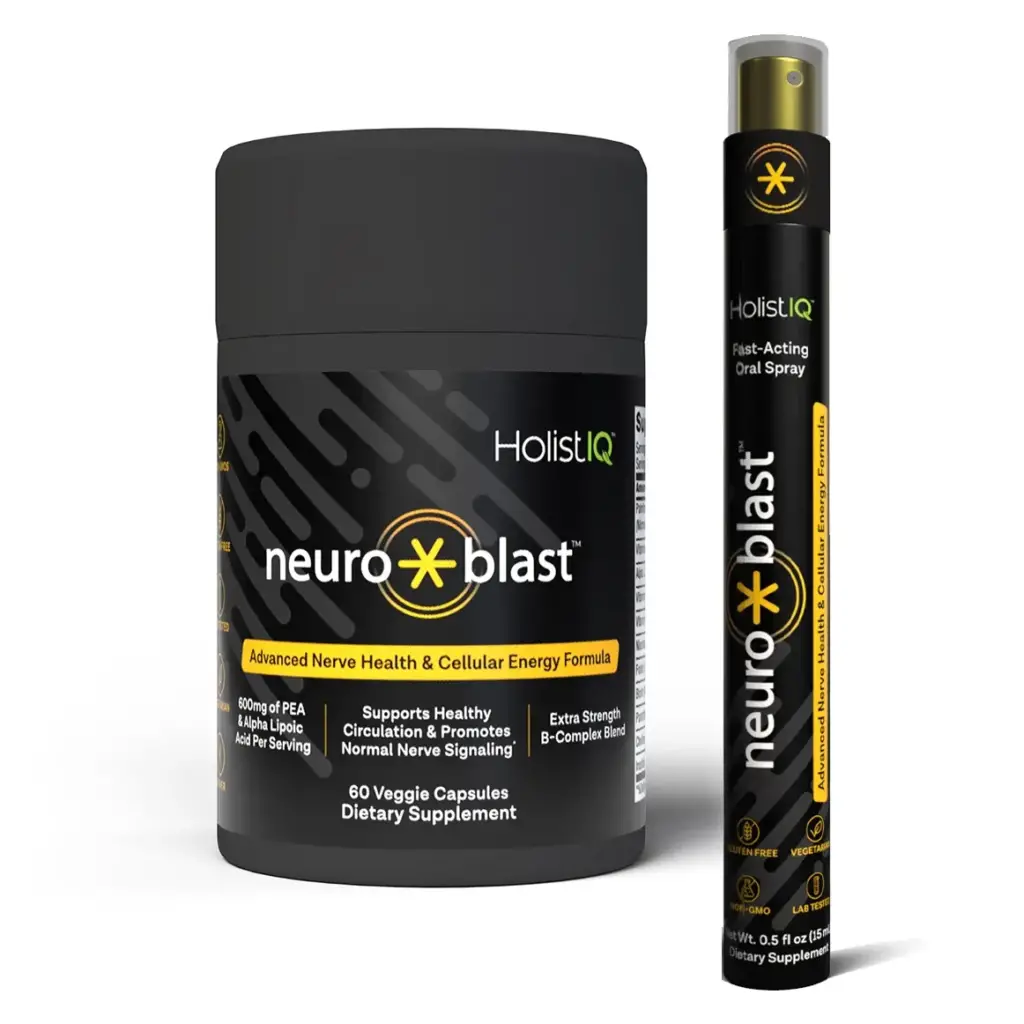
Unlike some traditional medications that can be harsh on your system, PEA works gently alongside your body’s natural processes. While it may not work as instantly as a typical painkiller, its strength lies in its ability to provide consistent, sustainable relief by addressing the underlying inflammation. This makes it a promising option for managing chronic pain without the concerns associated with many conventional drugs. Neuro-Blast’s system is designed to harness this gentle power, supporting your nervous system on a deep, cellular level.
How Does PEA Help With Nerve Pain?
If you’re dealing with nerve discomfort, you know it’s more than just a simple ache. It’s a complex issue that starts deep within your nervous system. Palmitoylethanolamide (PEA) is so effective because it works on a cellular level to address the root causes of this discomfort. Instead of just masking the pain, PEA interacts with your body’s own systems to calm inflammation, quiet overactive pain signals, and support the health of your nerves. It’s a smarter approach to relief that works with your body, not against it. Let’s look at exactly how it accomplishes this.
Targeting Cellular Inflammation
One of the primary drivers of persistent nerve pain is chronic inflammation. Think of it as a fire alarm that’s constantly blaring in your cells, causing irritation and damage. PEA works like a skilled firefighter, entering your cells and calming this inflammation at the source. It does this by interacting with a specific receptor in your cells known as PPAR-alpha. You can think of this receptor as a control switch for inflammation. By activating it, PEA helps to dial down the production of inflammatory substances, providing a gentle and natural way to reduce pain and swelling. This targeted approach helps restore balance within your cells, easing the pressure on your sensitive nerves.
Calming Your Body’s Pain Signals
Nerve pain can often feel like your body’s communication lines have gone haywire, sending constant, overwhelming pain signals to your brain. PEA helps to restore order by calming these overactive signals. It specifically influences non-neuronal cells, like glial cells, which act as the support crew for your nervous system. Sometimes, these helper cells can become over-activated and actually contribute to the pain cycle. PEA gently soothes these cells, helping to restore a more balanced pain response and turn down the volume on your discomfort. It’s not about numbing the area but about helping your nervous system return to a more normal, peaceful state.
Supporting Nerve Repair and Protection
Beyond providing relief from current symptoms, PEA also plays a protective role in your long-term nerve health. It helps shield your nerves from further damage by continuing to manage cellular inflammation. More than that, some studies suggest PEA may even support your body’s natural ability to repair nerve tissue. This dual-action approach is what makes it such a powerful ally. By both calming current issues and protecting against future ones, PEA contributes to the overall resilience of your nervous system. This focus on deep, cellular-level support is fundamental to how the Neuro-Blast system was designed to help you get moving again with confidence.
Can PEA Help With Your Nerve Condition?
One of the most encouraging things about PEA is its versatility. Nerve discomfort isn’t a one-size-fits-all problem, and the pain it causes can stem from a wide range of health issues. Research suggests that PEA’s natural, cell-level approach can be beneficial for many different types of nerve-related conditions. From the tingling associated with diabetes to the sharp, shooting pains of sciatica, PEA has been studied for its ability to calm overactive nerves and reduce inflammation at the source.
Whether your discomfort is caused by a chronic condition, a medical treatment, or an injury, PEA offers a gentle yet effective way to support your body’s pain management system. Let’s look at some of the specific conditions where PEA has shown real promise in helping people find relief and get back to their lives.
Diabetic and Peripheral Neuropathy
If you live with diabetic or peripheral neuropathy, you know how persistent the tingling, burning, and numbness can be. The good news is that PEA has shown significant promise for this type of nerve pain. In a series of case studies, PEA helped reduce pain by 40% to 80% for many people who hadn’t found relief with other treatments. This is particularly encouraging because it suggests PEA can work where other options have failed, offering a new path toward comfort for those managing chronic nerve issues related to diabetes and other conditions.
Sciatica and Nerve Compression
Sciatica is a sharp, radiating pain that happens when the sciatic nerve gets compressed or irritated. It can make simple movements like walking or sitting feel unbearable. A major study involving 636 patients with sciatic pain found that taking 600 mg of PEA daily cut their pain levels by more than half. Because of its strong safety profile, researchers consider PEA a valuable treatment option for nerve compression syndromes like sciatica and carpal tunnel syndrome. It works by calming the inflammation around the nerve, giving it space to heal and easing that intense, shooting pain.
Chemotherapy-Induced Neuropathy
For many undergoing cancer treatment, chemotherapy-induced neuropathy is a difficult and painful side effect. It can cause severe discomfort in the hands and feet, making daily tasks a challenge. PEA offers a hopeful new option for managing this condition. It works by interacting with a special receptor in your cells (called PPAR-α) that helps regulate pain and swelling. By targeting this pathway, PEA can help reduce the nerve irritation caused by chemotherapy, providing much-needed relief without interfering with treatment.
Fibromyalgia and Chronic Pain
Living with fibromyalgia or other forms of chronic pain means dealing with widespread aches and fatigue that can feel relentless. PEA has been widely used to help manage these complex conditions. Clinical studies have shown that PEA can reduce both the intensity and duration of chronic pain symptoms. By addressing underlying inflammation and calming the body’s pain signals, PEA provides a gentle way to support those with fibromyalgia and other chronic inflammatory pain conditions. It helps restore balance to the nervous system, which can lead to fewer flare-ups and better overall comfort.
Finding the Right PEA Form and Dosage
Once you decide to try PEA, you’ll quickly notice there are different options available. The form of PEA you choose and the amount you take are crucial for getting the results you want. It’s not just about taking PEA; it’s about taking it in a way your body can actually use. Understanding the differences in formulation, dosage, and timing will help you create a routine that provides steady, reliable support for your nerves. Let’s walk through what you need to know to make the best choice for your body and your goals.
Standard vs. Enhanced PEA: What’s the Difference?
When you look at PEA supplements, you’ll generally find two types: standard and enhanced. Standard PEA is the basic compound, but it can be difficult for your body to absorb. Think of it like a key that doesn’t quite fit the lock. An enhanced formulation, on the other hand, is designed for better bioavailability. This means your body can absorb and use it more effectively. In fact, studies show that using advanced dispersion technology can increase PEA absorption by nearly double. Choosing an enhanced form ensures that more of the active ingredient gets to where it needs to go to support your nerve cells.
How Much PEA Should You Take for Nerve Pain?
A typical daily dose of PEA for nerve support ranges from 300 mg to 1200 mg. The right amount for you depends on your individual needs and the guidance of your healthcare provider. However, the dosage is directly related to the supplement’s formulation. Because enhanced forms are absorbed more efficiently, you may get better results with a lower dose compared to a standard, less bioavailable powder. The goal is to find the sweet spot that gives you relief. Always start by following the recommended dosage on the product label, like the one for the Neuro-Blast System, and pay attention to how your body responds.
The Best Way and Time to Take PEA
Consistency is key when it comes to supporting your nervous system. To maintain stable levels of PEA in your body throughout the day, it’s often best to take it in divided doses, for instance, once in the morning and once in the evening. This approach can provide more consistent and effective relief from nerve discomfort. Sticking to the same times each day helps your body get into a rhythm and makes the supplement a regular part of your wellness routine. If you have questions about creating a schedule, our FAQ page offers answers to common questions about how to best use our system for optimal results.
How Long Until PEA Starts Working?
When you’re dealing with nerve discomfort, one of the first questions you probably have is, “How soon will I feel better?” It’s completely understandable to want relief as quickly as possible. While PEA isn’t an overnight fix, it works with your body to provide gradual, steady support. The timeline can vary from person to person, but understanding the general timeframe and the factors that influence it can help you set clear expectations for your journey toward feeling better and getting moving again.
A Realistic Timeline for Relief
Patience and consistency are key when starting with PEA. Most people begin to notice improvements in their nerve comfort within two to eight weeks of daily use. Some clinical studies have shown that initial relief can start in as little as one to three weeks, though for others, it might take up to five weeks to feel a significant shift. Because PEA works by supporting your body’s natural cellular processes, it needs time to build up and create a calming effect. Sticking to a consistent routine is the most important step you can take to see positive results.
Factors That Influence Your Results
Your experience with PEA can be influenced by a few different things, which is why one person’s timeline might look different from another’s. First, dosage and formulation play a big role. The quality of your supplement and how well your body can absorb it are critical for success, which is why understanding how it works on a cellular level is so important. Your unique body chemistry also matters. Finally, the specific reason for your nerve discomfort, whether it’s related to diabetic neuropathy or another condition, can affect your body’s response time. A systematic review of studies suggests giving PEA at least four weeks to see how it works for you.
Is PEA Safe? Side Effects and Considerations
It’s completely normal to wonder about safety when you’re thinking about adding a new supplement to your routine. You want to be sure that what you’re taking will help you feel better without causing new problems. When it comes to PEA, the research is quite reassuring. It’s a compound that your body already produces, and studies have focused on its safety profile alongside its effectiveness. Let’s walk through what the science says about PEA’s side effects and how it interacts with other medications.
A Look at PEA’s Gentle Side Effect Profile
One of the most encouraging aspects of PEA is its gentle nature. Multiple clinical trials have explored its effects, and the results are consistent: PEA is generally very well-tolerated. A systematic review of studies found that PEA was very safe, with almost no significant side effects reported. This is great news, especially for anyone who has struggled with the side effects of traditional pain medications. Because it works with your body’s natural systems, it doesn’t typically cause the drowsiness, stomach upset, or other issues that can come with prescription drugs. This makes it a suitable option for long-term use in managing chronic nerve discomfort.
Can You Take PEA With Other Medications?
If you’re already taking medication for nerve pain or other conditions, you’re probably cautious about potential interactions. Fortunately, PEA appears to play well with others. Research shows it can be safely used alongside common pain medications like gabapentin, tramadol, and others without causing negative effects. In fact, some studies suggest it may even complement these treatments. Currently, there is no significant information about PEA having negative interactions with other medicines or supplements. This flexibility allows you to integrate PEA into your existing wellness plan without having to overhaul your entire regimen.
When to Talk to Your Doctor
Even with its strong safety profile, it’s always a smart move to chat with your doctor before starting any new supplement. A healthcare professional can help you figure out the best approach for your specific health needs and confirm that PEA is the right choice for you. This conversation is especially important if you are pregnant or breastfeeding, as it’s best to be cautious during these times. Your doctor can provide personalized guidance on dosage and ensure it fits seamlessly into your health plan. If you have questions, it’s always best to consult a healthcare provider to get advice tailored to your situation.
Common Myths About PEA for Nerve Pain
When you’re exploring new ways to manage nerve discomfort, it’s easy to run into conflicting information. Palmitoylethanolamide (PEA) is gaining attention for its gentle and effective approach, but myths can still cause confusion. Let’s clear up some of the most common misconceptions so you can feel confident about the choices you make for your health. By understanding what PEA is, and what it isn’t, you can better see how it might fit into your wellness plan.
Myth: PEA is Psychoactive
Let’s get this one out of the way first: PEA will not make you feel “high.” It’s a common misunderstanding, likely because its name sounds complex or is sometimes associated with other compounds. However, PEA is a fatty acid amide that your own body produces naturally to calm down inflammation and pain. It works with your body’s internal systems without any mind-altering effects. Think of it as a natural regulator, not a substance that changes your perception. Its job is to help restore balance at a cellular level, providing relief without the psychoactive side effects associated with some other pain management options.
Myth: PEA is Unsafe or Untested
It’s smart to be cautious about any new supplement, but the idea that PEA is untested is simply not true. In fact, PEA has been studied for decades, and a growing body of clinical research supports its use for nerve pain. These studies consistently show that PEA is very safe, with no serious side effects or negative interactions with other medications reported. It’s a gentle compound that works with your body, not against it. This strong safety profile is one of the main reasons so many people feel comfortable incorporating it into their daily routine for long-term nerve support and relief.
Myth: PEA is an Instant “Miracle Cure”
While we all wish for a quick fix for nerve discomfort, PEA works differently. It’s not an instant “miracle cure” but rather a gradual and steady source of support. PEA helps address the underlying causes of nerve irritation at a cellular level, and this process takes time. Most people begin to notice a difference within two to eight weeks of consistent daily use. The key here is consistency. By taking it regularly, you allow PEA to build up in your system and effectively support your body’s natural repair mechanisms. This approach is about creating lasting change, which is why a dedicated nerve support system can help you stay on track.
PEA vs. Conventional Nerve Pain Treatments
When you’re dealing with persistent nerve discomfort, you want a solution that works without introducing a new set of problems. Many people find that conventional pain treatments come with a long list of unwanted side effects or simply don’t provide enough relief. This is where PEA offers a different approach, focusing on both effectiveness and safety. It’s not about replacing your doctor’s advice, but about understanding the options available to you. Let’s look at how PEA compares to the treatments you might be more familiar with.
The Safety Advantage Over Prescription Drugs
If you’ve ever been concerned about the side effects of prescription pain medication, you’ll appreciate PEA’s gentle nature. It’s a compound your body already produces, which contributes to its excellent safety profile. A systematic review of multiple studies confirmed that PEA is very safe, with almost no side effects reported. This makes it a great option for people who can’t tolerate other pain medicines. While some individuals might experience mild stomach heaviness or upset, these instances are rare and not serious. This gentle approach means you can focus on relief without worrying about a trade-off with your overall well-being.
Using PEA With Your Current Therapies
One of the most practical benefits of PEA is its ability to work alongside your existing pain management plan. You don’t have to stop your current treatments to see if PEA can help. Research on its therapeutic utility shows it can be safely used with other common pain medications like gabapentin, tramadol, and others without causing negative interactions. For specific nerve compression issues like sciatic pain or carpal tunnel syndrome, PEA is considered a safe option that can be used on its own or integrated into a broader treatment strategy. This flexibility allows you and your doctor to create a more comprehensive and personalized approach to managing your nerve discomfort.
How to Choose a High-Quality PEA Supplement
When you start looking for a PEA supplement, you’ll quickly notice there are a lot of options out there. It can feel a bit overwhelming. But here’s the thing: not all PEA is created equal. The effectiveness of your supplement comes down to its quality, how it’s made, and most importantly, how well your body can actually use it. Simply buying the first bottle you see might not give you the results you’re hoping for. The real goal is to find a product that your body can absorb and put to work at the cellular level, where it can actually calm those overactive nerve signals.
Choosing a high-quality product is the key to getting the relief you deserve. So, how can you tell the good from the not-so-good? It’s less complicated than it seems. You just need to know what to look for. We can break it down into three main areas: the formulation, which determines how much PEA your body actually gets; independent testing, which proves the product is pure and potent; and the trustworthiness of the brand itself. Think of these as your personal checklist for finding a supplement that’s worth your time and investment. Let’s walk through what you should look for to make sure you’re choosing a supplement that truly supports your nerve health and helps you get back to doing what you love.
Why Formulation Matters for Absorption
Your body can be a bit picky about what it absorbs. In its raw form, PEA is a fatty molecule that can be difficult for your system to take in. This is why the formulation is so important. Top-tier supplement makers use special methods to make PEA more bioavailable, meaning it’s easier for your body to absorb and put to work. Some brands use innovative dispersion technologies that can significantly increase absorption rates. Without an advanced formulation, you might not be getting the full benefit of the dose listed on the bottle. Look for products that mention micronized or ultra-micronized PEA, as breaking the particles down into smaller sizes helps your body absorb it more efficiently.
The Importance of Third-Party Testing
You deserve to know that what’s on the label is what’s in the bottle. That’s where third-party testing comes in. This process means that an independent lab, with no connection to the supplement company, has tested the product to verify its purity and potency. This testing confirms that the supplement contains the amount of PEA it claims and isn’t contaminated with harmful substances like heavy metals or pesticides. A brand that invests in third-party testing is showing you that they are committed to quality and transparency. Always look for a mention of this on the product’s label or the company’s website. It’s a clear sign that you’re getting a safe and reliable product.
Finding a Brand You Can Trust
Trust is everything when it comes to your health. A trustworthy brand does more than just sell a product; it provides clear, honest information and shows that it truly understands the science behind nerve support. Look for companies that are transparent about where their ingredients come from and how their products are made. Do they have a medical advisory board or doctors involved in their formulations? Check out their website for detailed information, customer testimonials, and easy-to-find contact information. And, as always, it’s a great idea to talk with your doctor before starting any new supplement. They can help you choose a high-quality product that fits your specific health needs.
Related Articles
- Palmitoylethanolamide (PEA) Archives – Neuro-Blast
- What is Palmitoylethanolamide (PEA Supplement)?
- Palmitoylethanolamide Side Effects: What to Know
- PEA for Nerve Pain Dosage: The Ultimate Guide
- 5 Best Palmitoylethanolamide Supplements of 2026
Frequently Asked Questions
How is PEA different from the over-the-counter pain relievers I already use? Think of PEA as working from the inside out, while many over-the-counter options work from the outside in. Instead of just blocking pain signals to provide temporary relief, PEA works on a cellular level to calm the underlying inflammation that causes nerve irritation in the first place. It supports your body’s own systems for managing discomfort, making it a gentle approach for long-term support rather than a quick, temporary fix.
How long should I take PEA before I can expect to feel a difference? Patience and consistency are your best friends when starting PEA. Because it works by gradually supporting your body’s cellular health, it’s not an overnight solution. Most people begin to notice a positive shift within two to eight weeks of consistent daily use. The key is to stick with it, as this allows the compound to build up in your system and effectively calm your overactive nerves.
Is it safe to take PEA with my other prescription medications? PEA has a strong safety profile and is generally considered safe to take alongside other medications, including common pain relievers. Clinical studies have not reported any significant negative interactions. In fact, it can often complement existing treatments. However, it is always best to have a conversation with your doctor before adding any new supplement to your routine to ensure it’s the right choice for your specific health plan.
With so many PEA supplements available, what should I look for to ensure I’m buying a good one? The most important factor to consider is absorption, or bioavailability. In its raw form, PEA can be difficult for your body to use effectively. A high-quality supplement will use an enhanced formulation, often described as “micronized” or “ultra-micronized,” to make the PEA easier for your body to absorb. This ensures that you get the full benefit of the supplement, so you can achieve results without needing excessively high doses.
Since nerve pain is a long-term issue, is PEA safe to use every day? Yes, PEA is considered very safe for long-term, daily use. Extensive research and clinical trials have highlighted its gentle nature, with virtually no serious side effects reported. Because it’s a compound your body naturally produces to restore balance, it works in harmony with your system. This makes it a suitable and reliable option for the ongoing management of chronic nerve discomfort.