That tingling, cooling, or warming sensation you feel after applying a nerve relief spray is more than just a pleasant feeling; it’s a sign that the product is doing its job. These sprays are designed to create a powerful sensory distraction, giving your brain something else to focus on besides the discomfort. It’s a clever way to get fast relief right where you need it. But how do nerve relief sprays work on a deeper level? This article will walk you through the entire process, from the moment the mist hits your skin to the way it communicates with your nervous system to provide soothing comfort.
Key Takeaways
- Sprays create a helpful distraction for your nerves: By producing a cooling or warming sensation, a spray sends new signals to your brain that override feelings of discomfort, resulting in fast, targeted relief.
- They provide convenient, on-the-spot care: Unlike pills that affect your entire system, a spray works directly on the specific area you treat. Its mess-free, quick-drying formula is ideal for immediate use, even on hard-to-reach places.
- Use sprays as part of a complete support plan: A spray is excellent for managing sudden flare-ups. For lasting results, combine it with a comprehensive nerve support system that addresses discomfort from a deeper, cellular level.
How Do Nerve Relief Sprays Soothe Discomfort?
When nerve discomfort flares up, you want relief that’s fast and targeted. That’s exactly where nerve relief sprays come in. Think of them as a first responder for your discomfort, delivering soothing ingredients directly to the source. You apply them right onto the skin over the area that hurts, whether it’s a cream, gel, or a fine mist spray. Instead of waiting for a pill to work its way through your digestive system, these topical solutions get to work right where you need them, providing a more immediate response to those frustrating pain signals.
The science behind most sprays is a clever bit of distraction for your nervous system. They often contain ingredients like menthol or methyl salicylate, which create a distinct cooling or warming sensation on your skin. This new feeling sends a strong, non-painful signal to your brain that travels along the same nerve pathways as the discomfort. Because this new signal is so prominent, it effectively overrides or “closes the gate” on the pain signals. Your brain gets busy processing the cold or heat, which means it pays less attention to the underlying ache. This is a key part of how it works to provide such rapid relief, often within just a few minutes. That tingling or warming you feel isn’t causing any harm; it’s just the active ingredients giving your nerves something else to focus on, allowing the discomfort to fade into the background.
What Conditions Can They Help With?
Nerve relief sprays are incredibly versatile, making them a great tool to have on hand for a variety of situations. They are especially helpful for sudden muscle cramps, general soreness, or the kind of back and neck stiffness that can creep in after sitting for too long. If you’re dealing with discomfort in your shoulders, knees, or back, a quick spritz can provide targeted relief to help you keep moving through your day.
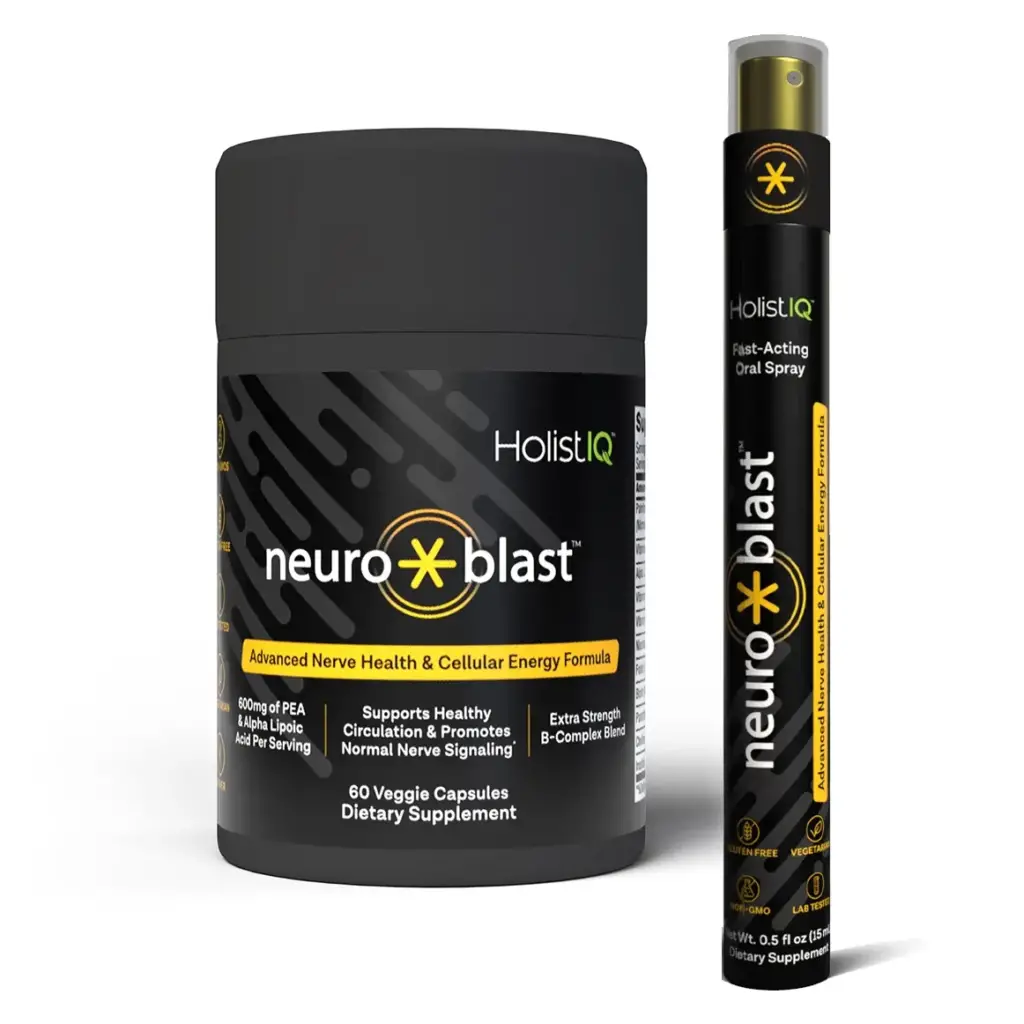
These sprays are also excellent for addressing minor sprains or the aches that follow a bit of extra physical activity. The goal is to manage discomfort so you can stay active and engaged in your life. By providing fast, localized relief, a spray can be the first step in a more comprehensive plan, like the complete Neuro-Blast System, designed for deeper, long-term support.
Sprays vs. Pills and Creams: What’s the Difference?
When you’re choosing a relief product, it’s helpful to know your options. While pills can be effective, they have to be digested and absorbed into your bloodstream, which takes time and affects your whole body. Sprays, on the other hand, work locally. The ingredients absorb through your skin to act directly on the nerves in that specific area, offering targeted relief without the systemic side effects.
Compared to creams or gels, sprays offer a mess-free, no-rub application. This is a huge plus for hard-to-reach spots like your back or shoulders. You can just point and spray for even coverage. This convenience and speed are why sprays are so popular for on-the-go relief. They absorb quickly, so you don’t have to wait around for a greasy cream to sink in before getting dressed and on with your day.
What’s Inside? Key Ingredients for Nerve Relief
When you’re dealing with nerve discomfort, you want relief that’s both fast and effective. The secret to a good nerve relief spray lies in its ingredients. Think of them as a team of specialists, each with a specific job to help you feel better. Some ingredients work by creating sensations, like cooling or warming, that act as a welcome distraction for your overstimulated nerves. This approach, often using what are called counterirritants, gives your brain something else to focus on besides the discomfort.
Other ingredients take a more direct route. They work to block pain signals right at the source, preventing them from ever reaching your brain. This category includes topical anesthetics that numb the area or anti-inflammatories that reduce swelling and pressure on the nerves. Finally, another group of ingredients focuses on supporting the area by improving blood flow. Better circulation brings more oxygen and nutrients to the tissues, which can help ease stiffness and promote a healthier environment for your nerves. Understanding what’s in your spray and how it works can help you feel more confident in your relief plan and choose a product that targets your specific needs. Let’s look at some of the most common and effective ingredients you’ll find.
Menthol & Methyl Salicylate: Creating Cooling and Warming Sensations
You’re probably familiar with the cooling rush of menthol or the gentle warmth of methyl salicylate. These ingredients are known as counterirritants, and they work in a clever way. By creating a new sensation on your skin, like cold or heat, they essentially give your nerves something else to focus on besides the discomfort. This sensory distraction can make your brain pay less attention to the pain signals. Beyond just masking the feeling, these ingredients also help increase blood flow to the area. This can ease stiffness and help your muscles relax, giving you a sense of soothing relief that lets you move more comfortably.
NSAIDs & Local Anesthetics: Blocking Pain at the Source
Some sprays take a more direct approach by including ingredients that block pain right where it starts. You might see nonsteroidal anti-inflammatory drugs (NSAIDs), like diclofenac, on the label. When absorbed through the skin, these ingredients work to reduce inflammation and swelling in the specific area you’re treating. Other sprays use local anesthetics such as lidocaine. These ingredients temporarily numb the skin by interrupting the pain messages your nerves send to your brain. Instead of just creating a distraction, they put a temporary stop to the signal, providing targeted and effective relief from sharp or persistent discomfort.
Capsaicin & Camphor: Supporting Healthy Circulation
Ingredients like camphor and capsaicin are fantastic for supporting healthy circulation. Camphor, for instance, not only provides a cooling sensation but also helps improve blood flow to the skin’s surface. Better circulation means more oxygen and nutrients can reach the affected tissues, which is crucial for comfort and flexibility. Capsaicin, the compound that gives chili peppers their heat, works similarly by creating a warming feeling that can override pain signals. By improving local circulation, these ingredients do more than just provide a sensation; they actively support the area, helping to reduce stiffness and promote a feeling of lasting relief.
How Your Body Responds to a Nerve Relief Spray
When you’re dealing with nerve discomfort, you want relief that works quickly. Topical sprays are designed to do just that by working with your body’s own signaling system. Instead of waiting for a pill to be digested and circulate through your bloodstream, a spray gets to work right on the surface. It delivers its active ingredients directly to the area that needs attention, creating a rapid response that you can feel almost instantly. This direct application is a game-changer for finding comfort without the wait, targeting the exact spot that’s bothering you.
This process is all about changing the conversation between your nerves and your brain. Think of it like creating a helpful distraction. When your nerves are sending persistent discomfort signals, a relief spray introduces a new, more noticeable sensation, like cooling or warming. This new signal travels along the same nerve pathways, effectively overriding the original message of discomfort. Your brain’s focus shifts, and you experience a sense of ease. It’s a clever way to use your body’s natural wiring to provide targeted, fast-acting comfort right where you need it most, allowing you to get back to your day with less interruption. The science behind this is surprisingly simple and intuitive, and it all starts with a concept called the “gate control” theory.
Understanding the “Gate Control” Theory of Pain
Have you ever bumped your elbow and immediately started rubbing it to make it feel better? You were instinctively using a principle known as the “gate control” theory of pain. This theory suggests that your spinal cord has a type of neurological “gate” that can either block pain signals or allow them to pass on to the brain. When you rub a sore spot, you create non-painful sensations like pressure and touch. These signals travel to the spinal cord and effectively “close the gate,” which reduces the number of pain signals that can get through to your brain. This is why the simple act of rubbing an injury can provide immediate, though temporary, relief.
How Sprays Interrupt Pain Signals
Nerve relief sprays tap into this same “gate control” mechanism to soothe discomfort. When you apply a spray with an ingredient like menthol, it creates a distinct cooling sensation on your skin. This sensation sends a rush of new signals along your nerve fibers toward the spinal cord. These cooling signals essentially compete with the discomfort signals for attention. Because the cooling sensation is strong and immediate, it often wins the race, effectively closing the gate and interrupting the flow of pain messages to your brain. This is a key part of how the Neuro-Blast system works to provide such rapid, targeted relief on a surface level, complementing the deeper cellular support offered by the full system.
Using Sensations to Distract from Discomfort
Beyond just interrupting signals at the “gate,” these new sensations also create a powerful distraction for your brain. Your brain can only focus on so many things at once. When it’s suddenly presented with a strong cooling or warming feeling, its attention is diverted away from the underlying discomfort. It’s like changing the channel from a station playing static to one with clear music. Your brain becomes preoccupied with processing the new, non-painful sensation, which helps the feeling of discomfort fade into the background. This sensory distraction is why the relief from a spray can feel so immediate, offering a welcome break while your body gets the deeper support it needs from a comprehensive nerve support system.
What to Expect When You Use a Nerve Spray
When you’re dealing with nerve discomfort, you want relief that’s both effective and fast. A topical spray can be a great tool in your toolkit, but it helps to know what’s happening when you apply it. The experience is a multi-step process involving physical sensations on your skin and clever signals sent to your brain. Let’s walk through what you’ll likely feel from the moment you spray it on.
The First Sensation: Cooling or Warming?
The first thing you’ll probably notice is a distinct change in temperature where you applied the spray. Many formulas create an immediate warming sensation. This isn’t just a feeling; it’s a sign that the active ingredients are getting to work by increasing blood flow to the area. This rush of circulation brings fresh oxygen and nutrients that support the healing process. Other sprays, especially those with ingredients like menthol or camphor, produce a cooling effect. This crisp, cool feeling provides its own kind of soothing relief, calming the affected spot.
How Your Brain Interprets the Relief
That cooling or warming sensation does more than just feel good on your skin. It acts as a clever distraction for your brain. Think of it like this: when you have persistent discomfort, your nerves are sending a constant stream of pain signals to your brain. A nerve relief spray introduces a new, competing sensation. Your brain, now busy processing the feeling of warmth or coolness, has less capacity to focus on the original pain signal. This process helps to interrupt the message of discomfort, giving you a much-needed break and allowing the active ingredients to provide deeper, more targeted support.
How Quickly Can You Expect Relief?
One of the biggest advantages of a spray is how quickly it gets to work. Because it’s applied directly to the skin as a fine mist, the ingredients can be absorbed rapidly. Most people begin to feel the effects within just a few minutes, often between five and fifteen minutes after application. This makes a spray an excellent option for those moments when you need to address discomfort right away. The rapid-absorb formula in the Neuro-Blast System is designed specifically for this kind of fast-acting, targeted application, helping you get back to your day with less interruption.
Get the Most from Your Spray: Application Tips
Using a nerve relief spray is wonderfully straightforward, but a few simple techniques can make a big difference in how well it works. Think of it like this: you want to give the active ingredients the clearest possible path to do their job. By following a few best practices, you can ensure you’re getting fast, effective relief right where you need it. Let’s walk through the simple steps to apply your spray for the best results.
Best Practices for Application
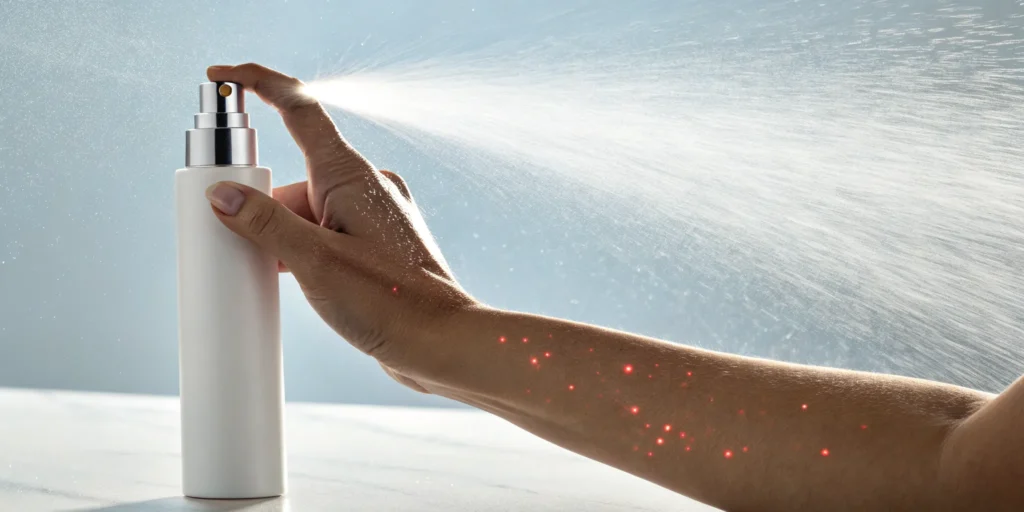
When you’re ready to apply the spray, hold the bottle about four to six inches away from the area experiencing discomfort. This distance is key because it allows the mist to cover the spot evenly without becoming too concentrated in one place. Spray a light, even layer over the skin. The most important part? Let it air dry. Resist the urge to rub it in. The formula in the Neuro-Blast System is designed for rapid absorption, and letting it dry on its own ensures the ingredients sink in properly to start working.
Prepping Your Skin for Safety and Success
For the spray to work its best, it needs a clean slate. Before you apply it, gently wash the area with mild soap and water, then pat it completely dry. This simple step removes any lotions, oils, or sweat that could act as a barrier between the spray and your skin. It also helps reduce the chance of any irritation. Also, give the bottle a good shake before each use. This mixes up all the powerful ingredients so you get a consistent, effective dose with every spritz, which is a key part of how it works.
How Much and How Often to Apply
It can be tempting to apply a lot of spray when you’re seeking relief, but with topical products, following the instructions is crucial. Always check the product label for specific directions on how much to use and how often you can reapply. Using more than recommended won’t speed up your relief and could lead to skin sensitivity. Most products suggest reapplying every few hours, but your product’s label is your best guide. If you have questions about usage, the FAQs page is a great resource for quick answers.
Topical Sprays vs. Other Relief Methods
When you’re looking for relief, you have options. From pills and creams to topical sprays, each method has its benefits. Sprays, in particular, offer a unique combination of speed and precision that makes them a valuable tool for managing nerve discomfort. Understanding how they differ from other methods can help you build a more effective pain management routine. Let’s look at what sets topical sprays apart.
Fast, Targeted Relief
Sprays are designed for speed. When you’re dealing with a sudden flare-up, a topical spray can deliver relief right where you need it, fast. These are often called topical analgesics, and they work by applying active ingredients directly to the skin. Many create a cooling or warming sensation, which acts as a welcome distraction for your nerves. This sensory input can help override pain signals being sent to your brain, giving you a quick break from the discomfort. It’s a straightforward way to manage localized pain without waiting for a pill to take effect.
Treating the Spot vs. the Whole System
One of the biggest differences between a spray and an oral medication is how they interact with your body. A pill is systemic, meaning it travels through your bloodstream to affect your entire system. A spray, on the other hand, is localized. It works primarily on the area where you apply it, delivering ingredients directly to the source of your discomfort. This targeted approach is great for addressing specific pain points without affecting your whole body. For comprehensive support, combining a targeted spray with a systemic supplement addresses nerve health from the inside out, which is the foundation of the Neuro-Blast system.
Why Choose a Spray Over a Pill?
So, when should you reach for a spray instead of a pill? Sprays are an excellent choice for immediate, localized relief. They are incredibly easy to use, especially for spots that are hard to reach, like your back or shoulders. Because they bypass the digestive system, you also avoid the potential stomach upset that can come with oral medications. A spray gives you control, allowing you to apply relief exactly when and where you need it. While pills can be essential for widespread conditions, a spray offers a practical, on-the-spot solution. A complete support system often includes both for well-rounded care.
Safety First: What to Know Before You Spray
Topical sprays can be a fantastic tool for managing nerve discomfort right where it happens, offering fast, targeted relief. But like any product, it’s important to use them safely. Being mindful of a few key things will ensure you have the best possible experience and get the relief you’re looking for without any unwanted surprises. Following the directions and listening to your body are the two most important steps for getting the most out of any topical product.
Potential Skin Reactions to Watch For
Most pain relief sprays are perfectly safe when you follow the directions. Remember, they are designed only for the outside of your body. Using too much or applying it too often can sometimes lead to skin irritation, a burning sensation, or in rare cases, a mild rash. Think of it as your skin telling you to take a little break. If you have sensitive skin, it’s always a smart idea to do a small patch test on your arm before applying it to a larger area. This simple step can give you peace of mind and help you understand how your skin will react.
When to Pause or Stop Use
A relief spray is a great partner in your pain management plan, but it’s important to listen to your body. If you’ve been using a spray for a few days and the discomfort isn’t improving, or if the pain is severe, it’s time to check in with your doctor. Sprays are meant to soothe symptoms, but they aren’t a replacement for professional medical advice or treatment for the underlying cause. Persistent pain is a signal to consult a healthcare professional to make sure you’re on the right track and getting the care you need.
Important Considerations for Other Health Conditions
Your overall health picture matters when adding any new product to your routine. For example, some sprays contain ingredients that aren’t recommended during pregnancy, so it’s essential to talk to your doctor first. This advice applies to other health conditions, too. If you’re managing a condition like diabetes, a holistic approach that includes a healthy diet and exercise can make a significant difference. Always have a quick chat with your doctor or pharmacist before starting a new topical spray to ensure it fits safely into your complete wellness plan, which can include a full nerve support system.
Building Your Complete Pain Management Plan
A nerve relief spray can be a fantastic tool for managing sudden or localized discomfort, but it’s most effective when it’s part of a bigger picture. Think of it as one player on a team dedicated to your well-being. Creating a complete pain management plan means combining fast-acting solutions with long-term support that addresses the underlying issues. This comprehensive approach helps you not only find relief in the moment but also build a foundation for sustained comfort and mobility. By integrating different strategies, you create a routine that works for you, helping you feel more in control and ready to get back to the activities you love.
Pairing Sprays with a Full Nerve Support System
Pain relief sprays are designed to work quickly on the specific area where you apply them. They often use ingredients like menthol to create a cooling or warming sensation on your skin. This feeling can distract your nerve endings, which helps your brain focus less on the discomfort. It’s a great way to get targeted relief right where you need it, especially for hard-to-reach spots. While a spray offers that immediate, on-the-spot comfort, a comprehensive nerve support system works differently. The Neuro-Blast System, for example, is engineered to provide deep, cellular-level support to your entire nervous system, addressing the root causes of discomfort over time.
How to Create a Consistent Relief Routine
Consistency is key to managing nerve discomfort effectively. When using a relief spray, hold the bottle about six inches from your skin and apply a light coating; there’s no need to rub it in. Just let it air dry for a few minutes. You can typically expect to feel it start working within one to five minutes. It’s important to always read the label for specific instructions and use only the recommended amount to avoid any skin irritation. Pairing this as-needed spray application with a daily supplement routine creates a powerful, two-part strategy. This combination ensures you have a tool for immediate relief while also giving your body the consistent, foundational support it needs to work properly.
Related Articles
- 7 Best Oral Sprays for Nerve Relief
- Buy Nerve Support Spray Online: A Buyer’s Guide
- Nerve Discomfort Support – Neuro-Blast
Frequently Asked Questions
How quickly will I feel relief after using a spray? One of the best things about a topical spray is its speed. Because the ingredients are absorbed directly through your skin, most people start to feel a soothing sensation within five to fifteen minutes. The relief is designed to be fast-acting for those moments when you need to address discomfort right away, but the duration can vary. Think of it as a tool for immediate, on-the-spot comfort.
Is a spray better than taking a pill for nerve discomfort? It’s less about one being better and more about them having different jobs. A spray offers targeted relief, meaning it works directly on the specific area you apply it to without affecting your entire body. This is great for localized discomfort. A pill, on the other hand, works systemically by traveling through your bloodstream. Sprays are an excellent choice when you want fast, localized relief without the potential side effects of oral medication.
Why does the spray create a cooling or warming feeling on my skin? That sensation is a sign that the spray is working. Ingredients like menthol or camphor create a distinct feeling of coolness or warmth that sends new signals to your brain. These signals travel along the same nerve pathways as your discomfort, effectively creating a distraction. Your brain focuses on the new sensation, which helps the feeling of discomfort fade into the background.
Can I use a nerve relief spray along with other supplements? Yes, a spray can be a great part of a more complete routine. A topical spray is designed to manage surface-level discomfort quickly, providing that immediate sense of ease. When you pair it with a comprehensive nerve support system, you are addressing the issue from two angles: immediate, targeted relief from the spray and deep, foundational support from the inside out.
What should I do if the spray irritates my skin? If you notice any redness or irritation, it’s best to stop using the spray and gently wash the area with mild soap and water. While uncommon, skin sensitivity can happen. It’s always a good idea to test a new product on a small patch of skin first, especially if you know your skin is sensitive. If the irritation continues, you should consult your doctor.