
If you’ve ever reached for a typical painkiller to soothe the shooting or burning sensations in your hands and feet, you probably felt disappointed. There’s a simple reason for this: nerve pain isn’t the same as a headache or a muscle ache. It stems from the nerves themselves, and it requires a solution that speaks their language. This is where finding the right peripheral neuropathy over the counter treatment becomes so important. Instead of just targeting inflammation, these specialized products work by either blocking pain signals at the source or by providing your nerves with the nutritional fuel they need to function properly, offering a more targeted approach to relief.
Key Takeaways
- Combine topical and oral support: Tackle nerve discomfort from two angles by using topical creams for immediate, localized relief and oral supplements to provide your nervous system with foundational, cellular-level support.
- Match the treatment to your symptoms: Pay attention to your specific type of pain; a cooling menthol cream might soothe burning sensations, while supplements with B vitamins can help address persistent tingling and numbness.
- Know when to consult a professional: If over-the-counter options don’t provide enough relief or your symptoms worsen, it’s time to see a doctor for a proper diagnosis and to explore more advanced treatment plans.
What Is Peripheral Neuropathy?
If you’ve ever felt unexplained tingling, numbness, or sharp pains in your hands or feet, you might be dealing with peripheral neuropathy. Think of your nervous system as the body’s electrical wiring. Your brain and spinal cord are the main power station, and the peripheral nerves are the wires running to every part of your body, carrying messages back and forth. Peripheral neuropathy happens when these wires get damaged. The signals get scrambled, leading to sensations like pain, weakness, and numbness, most often in the hands and feet. Understanding what’s happening is the first step toward finding relief.
The Root Causes of Nerve Pain
Nerve pain is usually a sign that something else is going on. The most common cause of peripheral neuropathy is diabetes, as high blood sugar can damage nerves over time. However, many other factors can be responsible. Physical injuries, infections, and even certain medications can be culprits. Other underlying health conditions, like autoimmune diseases, heavy alcohol use, or exposure to toxins, can also lead to nerve damage. Identifying the root cause is a key part of managing the symptoms and supporting your nerve health long-term.
Common Symptoms to Watch For
The symptoms of peripheral neuropathy can show up in different ways, but they often start gradually. You might first notice a tingling or “pins and needles” feeling in your toes or fingers that slowly spreads. Many people also experience sharp, jabbing, or burning pain. Another common sign is numbness, which can make it hard to feel things with your hands and feet. In some cases, this leads to a loss of coordination, making you feel unsteady, or muscle weakness that makes simple tasks feel difficult.
How Neuropathy Can Impact Your Day-to-Day
Living with nerve pain does more than just cause discomfort; it can significantly affect daily life. When your feet are numb, walking can feel unstable, and your balance might be off. Simple activities that require fine motor skills, like buttoning a shirt or holding a pen, can become frustrating challenges. This loss of sensation and control can make it harder to stay active and independent. The constant pain and physical limitations can be draining, impacting everything from enjoying hobbies to getting a good night’s sleep. These daily hurdles are why finding effective ways to manage symptoms is so important.
What Over-the-Counter Options Can Help?
When you’re dealing with the tingling, burning, or sharp sensations of nerve discomfort, finding relief is your top priority. Walking through the pharmacy aisle can feel overwhelming, but there are several over-the-counter options that can help manage your symptoms. These treatments generally fall into two categories: topical solutions you apply directly to your skin and oral supplements designed to support your nerve health from the inside. It’s important to know that these options work differently from the usual pain relievers you might grab for a headache. Understanding what they do, and what they don’t do, is the first step toward finding what works for you.
Topical Relief: Creams, Gels, and Patches
For nerve pain that’s close to the skin’s surface, a condition known as peripheral neuropathy, topical treatments can offer targeted relief. Creams and patches containing lidocaine work by creating a numbing effect in the specific area where you apply them. Another option is capsaicin, the compound that gives chili peppers their heat. When used in a cream or patch, it can interrupt the pain messages your nerves are sending. It’s a good idea to test capsaicin on a small patch of skin first, as it can cause a burning sensation or irritation for some people. These topical solutions can be a great way to manage localized discomfort without taking a pill.
Oral Supplements for Nerve Support
Beyond creams and gels, certain oral supplements show promise for supporting nerve health. While more research is always underway, ingredients like alpha-lipoic acid (an antioxidant) and acetyl-L-carnitine may help protect nerve cells and manage symptoms, particularly for those with diabetes-related nerve pain. B vitamins, especially a form of B1 called benfotiamine, are also crucial because they provide essential fuel for your nervous system’s daily functions. These nonprescription treatments aim to provide your body with the building blocks it needs for better nerve function, working on a deeper, cellular level than a topical cream might.
Why Everyday Pain Relievers Don’t Always Work
If you’ve ever reached for an ibuprofen or acetaminophen for nerve pain and felt disappointed, you’re not alone. There’s a simple reason these don’t usually work: they aren’t designed for nerve pain. Standard painkillers target inflammation, which is often the source of muscle aches or headaches. Nerve pain, however, comes from the nerves themselves sending faulty signals. It’s a different kind of problem that requires a different approach. Because common OTC medications aren’t effective for this type of discomfort, you’ll likely need solutions that specifically address nerve function and communication to find meaningful relief.
How OTC Treatments Address Nerve Pain
When you’re dealing with the tingling, burning, or sharp pains of neuropathy, finding relief is a top priority. Over-the-counter (OTC) treatments offer a starting point by tackling nerve discomfort in a few different ways. Some work on the surface to block pain signals right where they start, while others aim to calm the inflammation that can make nerve pain worse. A third approach focuses on providing your body with specific nutrients to support nerve health from the inside.
Each method has its own way of working, and understanding them can help you figure out what might be most effective for your specific symptoms. While many OTC options provide temporary relief by masking the pain, a more comprehensive approach often involves supporting the nervous system on a deeper, cellular level. Let’s break down how these common treatments function so you can make an informed choice on your path to feeling better.
Interrupting Pain Signals
One of the most direct ways to handle nerve pain is to stop the pain message before it reaches your brain. This is exactly what many topical treatments are designed to do. Think of it like creating a temporary roadblock on the nerve’s communication highway. Creams and patches containing ingredients like lidocaine are great examples of this. When you apply them to the skin, they create a numbing effect that can treat nerve pain near the surface. This approach is especially helpful for localized pain, giving you targeted relief right where you need it most without affecting your whole body.
Soothing Inflammation to Support Nerves
Inflammation is your body’s natural response to injury, but when it becomes chronic, it can put pressure on your nerves and make pain much worse. Some OTC medications, like nonsteroidal anti-inflammatory drugs (NSAIDs), work by reducing this inflammation. While they can help ease discomfort linked to swelling, it’s important to know that standard pain pills like ibuprofen or acetaminophen often don’t do much for the nerve pain itself. They might take the edge off the surrounding inflammation, but they don’t address the underlying nerve irritation that is the source of the problem.
Supplying Nutrients for Cellular Health
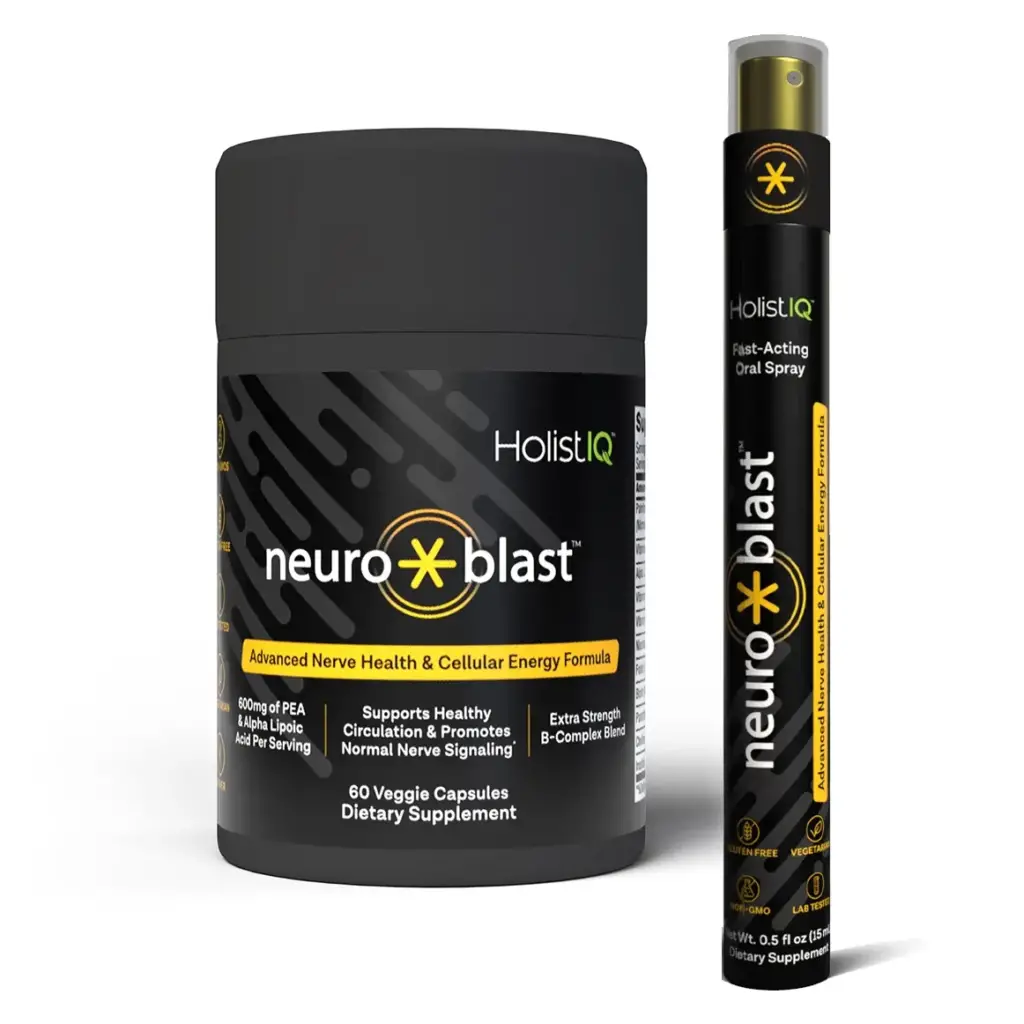
Your nerves need the right fuel to function properly and repair themselves. This is where certain oral supplements come in. They work by supplying your body with key nutrients that play a role in cellular health and nerve function. Some research has shown that ingredients like alpha-lipoic acid and acetyl-L-carnitine may help improve nerve function and reduce symptoms, particularly for those with diabetic neuropathy. This approach is less about immediate pain relief and more about long-term support. By giving your body the building blocks it needs, you can help create a better environment for your nerves to thrive, which is a core part of the Neuro-Blast system.
A Closer Look at Topical Treatments
When nerve pain is concentrated in a specific area, like your feet or hands, topical treatments can be a great first step. These are the creams, gels, and patches you apply directly to your skin, and their biggest advantage is that they work right where you feel the discomfort. This offers targeted relief without affecting your whole body the way oral medications can. Think of them as a way to calm the “fire” right at the source, giving you a break from persistent tingling, burning, or sharp pains.
Many people find that applying a cream or patch gives them a sense of control over their pain, which can be incredibly empowering. It’s an active step you can take the moment you feel symptoms flare up. While these treatments are excellent for managing surface-level sensations, it’s important to remember they often provide temporary relief. They are a fantastic tool for your toolkit, but for more lasting support, it’s helpful to pair them with a system that addresses nerve health from the inside out. A comprehensive approach that includes both immediate, topical comfort and deep, cellular-level support can make a significant difference in your daily comfort and mobility, helping you get back to the activities you love.
Numbing Relief with Lidocaine
If you’re dealing with sharp, localized pain, lidocaine might be a good option. Lidocaine is a numbing medicine that works by blocking pain signals in the area where it’s applied, preventing them from reaching your brain. It’s available in several over-the-counter forms, including creams, gels, and patches, making it easy to use on specific spots. Because it works on the surface, it’s most effective for nerve pain that’s close to the skin. The relief is temporary, usually lasting for a few hours, but it can be a welcome break from persistent discomfort, especially when you’re trying to get through your day or fall asleep at night.
Managing Pain with Capsaicin
It might sound strange, but an ingredient from chili peppers can actually help with nerve pain. Capsaicin is the compound that gives peppers their heat, and when used in a cream, it can help reduce nerve sensitivity over time. It works by first creating a warming or stinging sensation, which then gives way to a period of reduced pain. With repeated use, it can deplete the chemical messengers that send pain signals to your brain. You can find capsaicin in creams, gels, and patches. It’s a unique approach that doesn’t just mask the pain but actively works to desensitize the affected nerves, offering a different kind of relief.
Cooling Comfort from Menthol
For a soothing sensation that can distract your brain from pain, menthol is a popular choice. Found naturally in peppermint, menthol creates a cooling feeling on your skin. This sensation competes with the pain signals, effectively turning down their volume and giving you a sense of relief. It’s a simple but effective mechanism. One study even found that a cream with just 1% menthol helped reduce nerve pain when used twice a day. This cooling effect can be particularly comforting for burning or tingling sensations, providing a gentle and immediate way to calm irritated nerves and help you feel more comfortable in your own skin.
Key Oral Supplements for Nerve Health
While topical creams and patches can offer targeted relief from the outside, oral supplements work from within to give your nerves the nutritional support they need. Think of it as building a stronger foundation for your entire nervous system. When your nerves are constantly sending pain signals, it’s often a sign that they’re stressed and lacking the resources to function properly. The right nutrients can help protect nerve cells from damage, provide them with the energy they need to function, and support the body’s natural repair processes.
This inside-out approach is about addressing nerve discomfort at a cellular level, aiming for more than just temporary relief. It’s a long-term strategy for promoting resilience throughout your nervous system. Instead of just masking symptoms, you’re supplying your body with the building blocks it needs to maintain healthier nerve pathways. This is a key part of how our system works to provide deep, lasting support. Many comprehensive formulas combine several of these key ingredients to provide synergistic support, making it easier to get what you need. Let’s look at a few of the most well-researched supplements that can make a real difference in how you feel and move.
Alpha-Lipoic Acid: The Antioxidant Protector
Often called ALA, this powerful antioxidant is one of the most studied supplements for nerve health. Think of it as a bodyguard for your nerve cells. It helps fight oxidative stress, a process that can damage nerves over time, similar to how rust affects metal. Research suggests that alpha-lipoic acid may improve nerve function and reduce common neuropathy symptoms like burning, tingling, and numbness, especially for those with diabetic neuropathy. By protecting your nerves from this cellular-level damage, ALA helps create a healthier environment for them to operate.
B Vitamins: Fuel for Your Nerves
B vitamins, particularly B1, B6, and B12, are the essential fuel for your nervous system. They play a critical role in maintaining the health of your nerves, including the protective myelin sheath that surrounds them. When this coating is healthy, nerve signals can travel quickly and efficiently. A deficiency in these key vitamins can disrupt that process and contribute to nerve pain. Ensuring you have adequate levels is a fundamental step in any nerve support plan, as these vitamins are crucial for overall nerve health and energy metabolism.
Acetyl-L-Carnitine: Aiding Nerve Repair
Acetyl-L-carnitine, or ALC, is an amino acid that acts like a power generator for your nerve cells. It helps transport fuel into the mitochondria, the tiny energy factories inside each cell. When your nerve cells have enough energy, they can perform their jobs more effectively and are better equipped to handle stress and damage. Some studies suggest that ALC may not only help reduce nerve pain but also aid in the body’s natural process of nerve repair. It’s a key ingredient for supporting nerve resilience from the ground up.
Are There Risks to Consider with OTC Treatments?
Grabbing a cream or supplement from the pharmacy shelf feels easy and convenient, but it’s important to remember that “over-the-counter” doesn’t mean “without risk.” While these options can be a great starting point for managing mild nerve discomfort, they aren’t always the perfect fit for everyone. Understanding the potential side effects, knowing when these treatments might not be enough, and recognizing their limitations are key to making safe and effective choices for your health. Taking a moment to consider these factors helps you build a relief plan that truly supports your body and your goal of getting back to the activities you love.
Know the Potential Side Effects
Even treatments that you can buy without a prescription can come with side effects. For example, topical creams containing capsaicin are a popular choice, but they can sometimes cause skin irritation, burning, or itching where you apply them. While usually mild, these reactions can be uncomfortable. Similarly, oral supplements can sometimes interact with other medications you’re taking or cause digestive upset. The key is to pay close attention to how your body responds. Always start with a small patch test for topical products and introduce new supplements one at a time. If you notice any persistent or concerning reactions, it’s best to stop using the product and check in with your doctor.
When to Use Caution with OTC Options
Over-the-counter treatments are generally best suited for mild to moderate nerve discomfort. If your pain is severe, constant, or getting worse, these options might not provide the relief you need. They often work by temporarily masking symptoms rather than addressing the underlying issues causing the discomfort. If you find that OTC products aren’t making a difference, it may be a sign that you need a more comprehensive approach. The Foundation for Peripheral Neuropathy notes that when these don’t work, many other types of medications and therapies are available. This is a clear signal to consult a healthcare professional who can help you explore more targeted treatments.
Why “Over-the-Counter” Doesn’t Mean Risk-Free
It’s a common misconception that if you can buy it at a drugstore, it’s completely safe for anyone. However, many typical OTC pain relievers, like ibuprofen and acetaminophen, aren’t very effective for nerve pain specifically. More importantly, what works for one person might not be suitable for another, especially if you have other health conditions or are taking prescription medications. This is why it’s so important to talk to your doctor before adding any new supplement or treatment to your daily routine. A professional can help you understand potential interactions and guide you toward a solution that safely supports your nervous system on a deeper, cellular level.
How to Choose the Right Treatment for You
Finding the right approach to managing nerve pain is a personal process. What works wonders for one person might not do much for another. The key is to listen to your body and be open to trying different strategies, often in combination, to find what gives you the most relief. Think of it as building your own personalized toolkit for comfort and mobility. Instead of searching for a single magic bullet, focus on creating a sustainable routine that addresses your specific symptoms and supports your overall nerve health from multiple angles. This proactive approach puts you in control of your own wellness journey.
Match the Treatment to Your Type of Pain
Nerve pain isn’t one-size-fits-all. It can feel like burning, tingling, stabbing, or pins and needles. Because the sensations vary, it’s important to find treatments that work best for your specific type of discomfort and your body’s unique chemistry. For example, a cooling menthol cream might be perfect for soothing burning sensations, while a supplement designed for cellular support could help with ongoing tingling. Pay close attention to how different OTC options make you feel. Keeping a simple journal can help you track your symptoms and identify which products are truly making a difference, allowing you to build a more effective and targeted relief strategy.
Create Your Own Relief Plan
Putting together a personal relief plan is an empowering step. You can start by exploring gentle, over-the-counter options like topical creams or oral supplements. If those don’t provide enough relief, don’t get discouraged. This is valuable information you can take to your doctor. They can discuss other options, including prescription medications or physical therapy. A comprehensive approach often works best, combining different methods to support your body on a cellular level. Systems like Neuro-Blast are designed to provide this kind of deep, foundational support, making them a great cornerstone for any nerve health plan.
How to Safely Combine Treatments
Combining treatments can be highly effective, but it’s crucial to do it safely. For instance, many people find that common OTC pain relievers like ibuprofen or acetaminophen don’t do much for nerve pain. However, using a topical cream with lidocaine or capsaicin alongside an oral supplement can offer a powerful one-two punch. If you’re considering mixing any treatments, especially if you’re already taking prescription medications, the most important step is to talk with your doctor or pharmacist. They can help you understand potential interactions and guide you toward a combination of nerve pain medication that is both safe and effective for you.
When Is It Time to See a Doctor?
Over-the-counter options can be a great first step, but they aren’t always the final answer. If your symptoms stick around, get worse, or start interfering with your life, it’s a clear signal to bring in a professional. Think of a doctor as your partner in managing nerve pain. They can offer a precise diagnosis, rule out other conditions, and create a plan that’s tailored specifically to you and your symptoms. Getting expert advice is the most reliable way to find lasting relief and get back to feeling like yourself.
Red Flags You Shouldn’t Ignore
It’s easy to brush off mild numbness or tingling as “no big deal,” but even small signs can point to a bigger issue. If your nerve pain is constant or severe, it’s time to stop managing it alone. Pay close attention to any new or worsening symptoms, especially weakness in your hands or feet, or sores that are slow to heal. Left untreated, peripheral neuropathy can sometimes lead to more serious complications like infections. A nerve pain expert, such as a neurologist, can help you understand what’s happening and create a treatment plan to protect your long-term health.
Why Professional Guidance Is Key for Lasting Relief
When OTC remedies don’t provide enough relief, a doctor can introduce you to a wider range of options. This includes prescription medications like certain antidepressants or topical creams that are specifically designed to address nerve pain. A healthcare professional is essential for finding the right medication that works with your body chemistry and complements any other treatments you’re using. They can also monitor you for potential side effects, like drowsiness or blurred vision, and adjust your plan as needed. Working with a doctor ensures you’re on the safest and most effective path toward managing your symptoms for good.
Related Articles
- 5 Soothing Home Remedies for Neuropathy of the Feet
- Neuropathy Diet Guide: Foods to Eat & Avoid for Nerve Health
- 12 Home Remedies for Neuropathy in Legs and Feet
- The Best and Worst Foods for Neuropathy – Neuro-Blast
Frequently Asked Questions
Why don’t standard painkillers like ibuprofen help my nerve pain? It’s a common and frustrating experience. The simple reason is that most over-the-counter pain relievers are designed to fight inflammation, which is the source of issues like muscle aches or headaches. Nerve pain is different; it comes from the nerves themselves sending incorrect signals. Because it’s a problem with your body’s wiring, not swelling, you need a solution that specifically supports nerve function.
Should I choose a topical cream or an oral supplement? This really depends on your goal. Topical treatments like creams and patches are excellent for providing fast, targeted relief right where you feel the discomfort. Think of them as a great tool for managing immediate symptoms. Oral supplements work from the inside out to provide your body with the nutrients needed for long-term nerve health. Many people find that using both gives them the best results: immediate comfort from a cream and foundational support from a supplement.
How long will it take to feel relief from these OTC options? The timeline for relief varies by product. Topical treatments containing ingredients like menthol or lidocaine often provide a sense of comfort almost immediately, though the effects are temporary. Oral supplements work differently because they support your body on a cellular level. Their benefits are more gradual and build over time with consistent daily use as you supply your nervous system with the nutrients it needs.
Are these treatments a long-term solution for nerve pain? Many over-the-counter options are best for managing day-to-day symptoms and can be a very effective part of your toolkit. However, for more lasting results, it’s helpful to focus on supporting the underlying health of your nerves. A true long-term strategy involves more than just masking pain; it means providing your nervous system with the foundational support it needs to function properly and build resilience.
Is it safe to use a cream and a supplement at the same time? Combining a topical treatment for surface-level relief with an oral supplement for deeper support can be a very effective strategy. However, it’s always a good idea to be cautious when starting any new routine. The safest first step is to have a quick chat with your doctor or pharmacist. They can review everything you’re taking to make sure the combination is a safe and effective choice for you.