
Think of your nervous system as your body’s intricate electrical grid. When everything is working correctly, messages flow seamlessly, allowing you to move and feel without a second thought. But when the wiring gets damaged, signals can get scrambled, leading to the frustrating symptoms of neuropathy. Instead of just trying to quiet the alarms, a better approach is to repair the wiring itself. This means giving your body the specific building blocks it needs to protect and regenerate nerve tissue from the inside out. We’ll walk you through the essential components, from key supplements to daily habits, that form the best natural neuropathy support plan for lasting results.
Key Takeaways
- Combine strategies for better results: The most effective way to manage nerve discomfort is by layering your approach. A nutrient-rich, anti-inflammatory diet, gentle daily movement, and targeted supplements work together to support your nervous system from multiple angles.
- Prioritize nerve-nourishing nutrients: Your nerves need specific building blocks to function and heal. Focus on foods rich in omega-3s and antioxidants, and consider key supplements like B-complex vitamins and Alpha-Lipoic Acid to provide deep, cellular-level support.
- Be patient and partner with your doctor: Meaningful relief is a gradual process built on consistent daily habits. Always consult your healthcare provider before starting a new supplement or routine to create a safe, personalized plan that fits your specific health needs.
What is Neuropathy, Really?
If you’ve ever felt that frustrating pins-and-needles sensation, unexplained numbness, or sharp, shooting pains in your hands or feet, you might be dealing with neuropathy. Let’s break down what that actually means, without the complicated medical jargon. Think of your nervous system as your body’s electrical wiring. Your brain and spinal cord are the main power station, and a vast network of peripheral nerves runs out to every part of your body, carrying messages back and forth so you can feel, move, and function.
Peripheral neuropathy happens when these outlying nerves get damaged. This damage disrupts the signals, causing a communication breakdown. The messages from your brain might get distorted, weakened, or lost entirely. This interruption is what leads to symptoms like weakness, pain, and numbness, most often in the hands and feet. It’s not just a minor annoyance; it’s a sign that your body’s internal communication system needs support. Understanding this is the first step toward finding real relief and getting back to the activities you love. The goal is to address the problem at its source, supporting the health of the nerves themselves instead of just masking the symptoms.
Key Symptoms of Nerve Damage
Because neuropathy can affect different types of nerves, the symptoms you experience can vary quite a bit. It all depends on which nerve fibers are damaged. Doctors generally group them into three categories:
- Sensory nerves: These control what you feel, like touch, temperature, and pain. Damage here can cause tingling, numbness, a burning sensation, or extreme sensitivity. You might also experience a loss of balance or coordination because you can’t feel your feet properly.
- Motor nerves: These control muscle movement. If these nerves are affected, you might notice muscle weakness, twitching, or even a loss of muscle mass.
- Autonomic nerves: These manage automatic functions like blood pressure, digestion, and bladder control. Symptoms of damage can include dizziness, excessive sweating, and digestive issues.
The Different Types of Neuropathy
While “neuropathy” is the general term for nerve damage, you’ll most often hear about peripheral neuropathy. This is the most common type and refers specifically to damage in the peripheral nervous system, the network of nerves outside your brain and spinal cord. It’s the culprit behind the tingling, burning, and numbness that typically starts in the longest nerves, which is why symptoms often appear in the hands and feet first. There are other forms of neuropathy, but peripheral neuropathy is what most people are referring to when they discuss nerve-related discomfort.
What Causes Nerve Discomfort?
So, what causes this nerve damage in the first place? There isn’t just one single answer. One of the most common causes is diabetes, as high blood sugar can be toxic to nerves over time. However, many other factors can contribute to nerve discomfort. Physical injuries, infections, certain vitamin deficiencies (especially B vitamins), and heavy alcohol use are also well-known culprits. Understanding the root cause is essential because it helps you and your doctor create a targeted plan. Finding a solution that provides deep, cellular-level nerve support can make a significant difference in managing your symptoms long-term.
Vitamins and Supplements for Nerve Health
Think of your diet as the foundation for your nerve health. Eating nutrient-rich foods is always the best first step, but sometimes our bodies need a little extra support, especially when dealing with nerve discomfort. Specific vitamins and supplements can play a powerful role in protecting and repairing your nervous system. They help fill nutritional gaps and provide targeted ingredients that your nerves crave.
Before starting any new supplement, it’s always a good idea to chat with your doctor. They can help you figure out the right dosages and make sure they won’t interfere with any other medications you’re taking. Let’s look at some of the most effective nutrients for nerve support.
B-Complex Vitamins: Your Nerves’ Best Friend
If your nerves had a best friend, it would be the B-vitamin family. Vitamins B1, B6, and especially B12 are essential for keeping your nervous system running smoothly. They help repair nerve tissues, produce the energy your nerve cells need, and ensure signals travel correctly throughout your body. Adding a B-complex supplement can often help reduce common neuropathy symptoms like tingling and numbness. When looking for a B12 supplement, many experts recommend the methylcobalamin form, as it’s more easily absorbed by the body. These B vitamins are crucial for overall nerve function.
Alpha-Lipoic Acid: The Cellular Protector
Alpha-lipoic acid, or ALA, is a powerful antioxidant that works directly inside your cells. It helps your body turn glucose into energy and protects your delicate nerve cells from damage caused by oxidative stress. Many people find that consistently taking ALA helps reduce the burning, stabbing, and numb sensations associated with nerve damage. It’s not an overnight fix, so patience is key. With regular use, this antioxidant can provide significant relief by supporting your nerves on a deep, cellular level. This protective action is a key part of many natural treatments for neuropathy.
Vitamin D & Magnesium: A Powerful Pair
Vitamin D and magnesium are a true power couple for nerve health. Deficiencies in these nutrients are common and can unfortunately contribute to nerve issues. Vitamin D helps regulate nerve growth, while magnesium helps calm the nervous system. They work together to support proper nerve function, and an imbalance can make symptoms worse. Other key players for nerve support include copper, vitamin E, and a proper balance of calcium and magnesium. Making sure you have enough of these vital nutrients can make a noticeable difference in how you feel.
Herbal Remedies That Can Help
Along with essential vitamins, the plant world offers some powerful allies for nerve health. Many herbs have been trusted for generations to help manage discomfort and support the body’s natural healing processes. They often work by addressing underlying issues like inflammation, which can be a major factor in nerve-related pain. Think of these remedies as gentle, supportive tools you can add to your wellness toolkit. While they aren’t a replacement for medical advice or a comprehensive treatment plan like the Neuro-Blast System, they can play a valuable role in your overall strategy. Before you start any new herbal supplement, it’s always best to have a conversation with your healthcare provider to make sure it’s the right choice for you and won’t interfere with any other medications you’re taking.
Ease Inflammation with Evening Primrose Oil
Evening primrose oil is a popular remedy known for its ability to support nerve function. It’s rich in an omega-6 fatty acid called gamma-linolenic acid, or GLA. Your body uses GLA to help control inflammation, which can be a game-changer when you’re dealing with nerve pain. Some studies suggest that this can lead to improved nerve health over time. You can typically find it in capsule form. As with any new supplement, it’s a good idea to consult with a healthcare provider to find the right dosage and confirm it’s a good fit for your specific needs.
Fight Inflammation with Turmeric
You might know turmeric as the bright yellow spice in your kitchen cabinet, but it’s also a potent anti-inflammatory. Its power comes from a compound called curcumin, which research has shown can help protect nerve cells and reduce swelling. By calming inflammation throughout the body, turmeric may help ease some of the discomfort associated with neuropathy. You can easily add more turmeric to your diet by sprinkling it into soups, curries, or smoothies. For a more concentrated dose, many people opt for a curcumin supplement. These natural remedies for peripheral neuropathy can be a great addition to your routine, but check with your doctor first.
Manage Pain with Capsaicin
If you’ve ever eaten a spicy chili pepper, you’ve experienced capsaicin. This is the active compound that gives cayenne pepper its heat, and it can be used topically to help manage nerve pain. When applied to the skin as a cream or patch, capsaicin works in a fascinating way. It reduces the amount of a chemical called substance P, which is what your nerve cells use to send pain signals to your brain. With less substance P, the pain messages are effectively turned down. It’s a way to get localized relief right where you need it. Just be sure to discuss pain management options with a professional before trying it.
How to Eat for Better Nerve Health
What you put on your plate has a direct impact on how your nerves feel and function. Think of food as fuel for your body’s intricate wiring. The right nutrients can help calm inflammation, protect nerve endings, and support cellular repair, while the wrong ones can unfortunately make things worse. Making thoughtful changes to your diet is one of the most powerful and proactive steps you can take to manage nerve discomfort.
Focusing on a diet rich in whole, unprocessed foods is a great starting point. It’s not about perfection or a super restrictive plan; it’s about consistently making choices that nourish your nervous system. By incorporating more anti-inflammatory ingredients and being mindful of foods that can trigger irritation, you can create an internal environment where your nerves can thrive. Let’s look at a few simple, effective strategies you can start using today.
Fill Your Plate with Anti-Inflammatory Foods
Inflammation is a major contributor to nerve pain, so one of the best things you can do is eat foods that help fight it. A diet rich in colorful fruits and vegetables provides a wide range of antioxidants and vitamins that protect your cells from damage. Think leafy greens like spinach, bright red bell peppers, and deep-purple berries. Healthy fats are also your friend here. Foods like avocados, olive oil, and nuts contain compounds that help soothe inflammation throughout your body. And don’t forget to drink plenty of water; proper hydration is essential for your nerves to send signals correctly. An anti-inflammatory diet is less of a diet and more of a lifestyle that supports your entire body.
Protect Nerves with Omega-3s
When we talk about healthy fats, omega-3 fatty acids deserve a special mention. These powerful fats are superstars when it comes to nerve health. They play a crucial role in building the protective sheath that surrounds your nerves, and they are well-known for their ability to reduce inflammation. You can find these beneficial fats in fatty fish like salmon, mackerel, and sardines. If you’re not a fan of fish, you can also get omega-3s from plant-based sources like walnuts, chia seeds, and flaxseeds. Incorporating these foods into your weekly meals is a simple way to give your nerves the building blocks they need to stay strong and healthy.
Control Blood Sugar Through Your Diet
For many people, especially those with diabetes, nerve discomfort is closely linked to blood sugar levels. High blood sugar can damage nerves over time, so keeping your levels stable is one of the most important things you can do. The best way to achieve this is through a balanced diet focused on whole foods. Prioritize lean proteins, fiber-rich vegetables, and complex carbohydrates that release sugar into your bloodstream slowly. This approach helps you avoid the sharp spikes and crashes that can harm your nerves. Learning about healthy eating for diabetes can provide a great framework for anyone looking to maintain steady blood sugar and support long-term nerve health.
Foods to Limit for Happier Nerves
Just as important as what you add to your diet is what you choose to limit. Certain foods can increase inflammation and make nerve symptoms worse. The biggest culprits are typically processed foods, sugary snacks, and refined carbohydrates like white bread and pasta. These foods can cause rapid spikes in blood sugar and contribute to systemic inflammation. You don’t have to eliminate them completely, but reducing your intake can make a significant difference in how you feel. Try swapping a sugary soda for sparkling water with a squeeze of lemon or reaching for a piece of fruit instead of a cookie. These small changes can lead to big improvements in your nerve comfort.
Simple Lifestyle Changes for Nerve Relief
While supplements and diet are foundational, your daily habits play a huge role in how you feel. Making small, consistent changes to your lifestyle can create a powerful ripple effect, easing discomfort and supporting your body’s natural healing processes. Think of these adjustments not as a complete overhaul, but as simple upgrades to your daily routine. They work alongside a targeted regimen like the Neuro-Blast system to help you feel your best from the inside out.
These changes focus on improving circulation, reducing stress, and giving your body the resources it needs to repair itself. You don’t have to do everything at once. Pick one or two that feel manageable and build from there. The goal is to create sustainable habits that support your nerve health for the long haul, helping you get back to the activities you love.
Get Moving to Ease Symptoms
When you’re dealing with nerve discomfort, exercise might be the last thing on your mind. But gentle movement can make a world of difference. Regular activity helps lower blood sugar levels, which can slow down nerve damage over time. It also gets your blood pumping, increasing flow to your arms and legs and delivering vital oxygen and nutrients where they’re needed most.
You don’t need to run a marathon. Start with a short, daily walk around your neighborhood. Other great low-impact options include swimming or gentle stretching. The key is consistency. Even 15 to 20 minutes of light exercise each day can help reduce stress and improve your overall sense of well-being, giving you more control over your symptoms.
Manage Stress to Protect Your Nerves
Living with chronic discomfort is stressful, and unfortunately, stress itself can make your symptoms feel worse. When you’re stressed, your body releases hormones that can increase inflammation and pain sensitivity. Finding ways to manage daily stress is a non-negotiable for nerve health. Techniques like meditation and deep breathing can help calm your nervous system and lessen the intensity of pain signals.
This isn’t about emptying your mind completely. It’s about learning to observe your thoughts without getting carried away by them. This mind-body approach gives you a greater sense of control. Even five minutes of a guided meditation for pain relief can help lower stress and improve how you cope with your condition day to day.
Prioritize Sleep for Nerve Repair
Never underestimate the power of a good night’s sleep. While you rest, your body is hard at work repairing and regenerating tissues, including your nerves. Getting enough quality sleep is essential for managing neuropathy because it gives your nervous system the downtime it needs to heal. When you’re sleep-deprived, your body is more sensitive to pain, and it’s harder to cope with symptoms.
If you struggle with sleep, try creating a relaxing bedtime routine. Dim the lights, turn off screens an hour before bed, and maybe sip a cup of chamomile tea. Keeping a consistent sleep schedule, even on weekends, helps regulate your body’s internal clock. Prioritizing healthy sleep habits is one of the most restorative things you can do for your nerves and your overall health.
Why Quitting Smoking Is a Game-Changer
If you smoke, one of the most impactful changes you can make for your nerve health is to quit. Smoking constricts your blood vessels, which significantly reduces blood flow throughout your body. For your nerves, especially those in your hands and feet, this means they aren’t getting the oxygen-rich blood they need to function properly. This lack of circulation can make numbness, tingling, and pain much worse.
Quitting can feel like a huge challenge, but the benefits are immense. As soon as you stop, your circulation begins to improve. Over time, this can lead to a noticeable reduction in your neuropathy symptoms. Think of it as removing a major obstacle that’s standing in the way of your body’s ability to heal. There are many resources available to help you on this journey.
Mind-Body Practices for Pain Relief
When you’re dealing with nerve discomfort, it’s easy to focus only on the physical side of things. But the connection between your mind and body is incredibly powerful. Tapping into this connection can offer significant relief and give you a greater sense of control over your symptoms. These practices aren’t about pretending the pain isn’t there; they’re about using your mind as a tool to change how your body experiences and responds to discomfort. By integrating simple mind-body techniques into your routine, you can help soothe your nervous system, reduce stress that often makes pain worse, and improve your overall well-being. It’s another way to support your body’s natural healing processes from a different, yet equally important, angle.
Try Meditation and Mindfulness
If the idea of meditation seems intimidating, think of it simply as a quiet moment to check in with yourself. Meditation techniques can help lower the stress that often amplifies pain signals. When you practice mindfulness, you learn to observe your discomfort without getting caught up in a cycle of anxiety about it. This doesn’t magically erase the pain, but it can lessen its intensity and improve how you cope with it day-to-day. You can start with just five minutes a day. Find a quiet place to sit, close your eyes, and focus on your breath. There are many guided meditation apps and videos available online that can walk you through the process, making it easy to get started.
Consider Acupuncture
Acupuncture is an ancient practice that has been used for centuries to manage pain. It involves placing very thin needles at specific points on the body. The idea is that this process helps stimulate your nervous system, encouraging it to release natural pain-relieving chemicals. For many people with nerve-related discomfort, acupuncture provides a sense of relief and relaxation. While research is ongoing to fully understand its effects on neuropathy, many find it to be a helpful part of their pain management toolkit. If you’re curious, look for a licensed and experienced acupuncturist in your area and have a conversation about your specific symptoms.
Use Physical Therapy and Specific Exercises
When you’re in pain, moving more might be the last thing you feel like doing. However, gentle, regular activity can make a world of difference. Exercise helps improve blood flow to your arms and legs, which is crucial for nerve health. It also helps reduce stress and can play a role in keeping blood sugar levels stable, which can prevent further nerve damage. You don’t have to run a marathon. Simple activities like walking, swimming, or gentle stretching can be very effective. A physical therapist can create a customized exercise plan that is safe and tailored to your abilities, helping you build strength and reduce pain without overdoing it.
Apply Heat and Cold Therapy
Sometimes the simplest remedies are the most comforting. A warm bath, for example, does more than just relax your mind. The warmth helps increase blood circulation throughout your body, which can ease muscle stiffness and reduce feelings of pain and numbness in your limbs. For an added benefit, try adding Epsom salts to your bath, as the magnesium can help soothe tired muscles and nerves. While warmth is often best for chronic nerve discomfort, a cold pack can sometimes be useful for reducing acute inflammation or a specific flare-up. Listen to your body and see what feels best for you.
Go Deeper: The The Neuro-Blast Approach
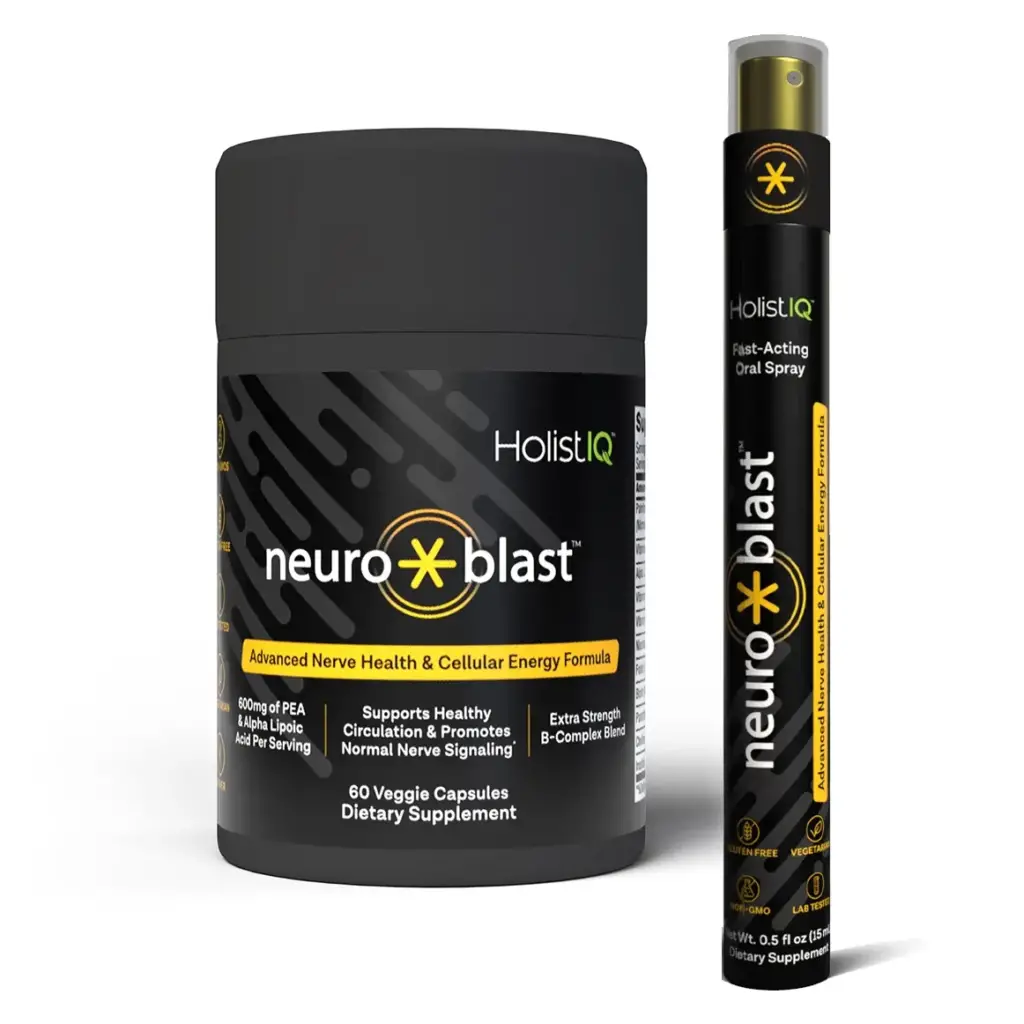
While individual vitamins and lifestyle changes are fantastic building blocks for nerve health, sometimes you need a more targeted and comprehensive strategy. This is where a dedicated nerve support system can make a significant difference. Instead of guessing which supplements to combine or hoping you’ve found the right dosage, a complete system is designed to work synergistically, addressing nerve discomfort from multiple angles. The Neuro-Blast system was developed with this exact idea in mind. It uses a doctor-led, AI-enhanced approach to provide support right where your body needs it most: at the cellular level. By combining powerful ingredients in a precise way, it helps you get back to moving with more comfort and confidence. This approach moves beyond temporary fixes to focus on the root causes of nerve issues, offering a clear path forward. It takes the complexity out of building a routine and delivers a scientifically-backed plan in one package. Let’s look at what makes this method so effective for long-term relief.
Why Cellular Support is Key
Think of your nerves like intricate electrical wiring. When the protective coating around these wires gets worn down, the signals can get scrambled, leading to discomfort. True, lasting support means repairing that wiring from the inside out. This is why cellular support is so crucial. It goes beyond masking symptoms and instead delivers essential nutrients directly to your nerve cells to help them function properly. Ingredients like clinical-strength B-complex vitamins and powerful antioxidants like Alpha Lipoic Acid are vital for maintaining nerve structure and energy. By focusing on how it works at a cellular level, you give your body the fundamental tools it needs for nerve repair and resilience.
How AI-Enhanced Formulas Make a Difference
Creating the perfect blend of nutrients for nerve health is a complex science. This is where technology can lend a helping hand. An AI-enhanced formula uses advanced analysis to identify the most effective combinations and dosages of ingredients based on scientific data. Instead of a one-size-fits-all supplement, this approach allows for a highly optimized formula tailored to the specific needs of your nervous system. It ensures that every ingredient works in harmony, creating a more powerful effect than any single nutrient could on its own. This scientific precision is what allows the Neuro-Blast system to provide such targeted and reliable support for nerve discomfort.
The Power of a Complete System
Tackling nerve discomfort often requires more than just one solution. A complete system provides a multi-pronged strategy for relief and long-term health. For instance, combining daily capsules that build support over time with a rapid-absorb oral spray for more immediate comfort creates a comprehensive approach. This ensures your body receives a steady stream of nerve-nourishing ingredients throughout the day. This method addresses both the underlying issues and the day-to-day symptoms, helping you feel better faster and maintain those results. People who have used a complete system often share testimonials about how this holistic approach finally gave them the meaningful relief they were looking for.
How to Combine Natural Remedies
Finding what works for your nerve discomfort is a personal process, and it rarely involves just one single solution. Think of it like putting together a puzzle. Each piece, whether it’s a supplement, a dietary change, or a new exercise, is important. But it’s only when you put them together that you see the full picture of relief. Creating a holistic plan that combines different natural remedies can create a powerful, synergistic effect where each element supports the others. This is because nerve discomfort often stems from multiple factors, like inflammation, nutritional gaps, and poor circulation. A single approach might only address one of these issues.
By layering your strategies, you can tackle the problem from several angles at once. For example, an anti-inflammatory diet can reduce overall inflammation, while specific vitamins can support cellular repair. At the same time, gentle exercise can improve blood flow, delivering those nutrients where they’re needed most. The goal is to build a supportive routine that gives your body the comprehensive tools it needs to heal. The Neuro-Blast System was designed with this in mind, offering a multi-faceted approach to cellular-level nerve support. It’s about creating a consistent, layered strategy that fits into your life.
Create a Powerful Combination
There isn’t one “magic pill” for nerve pain, but combining natural remedies can help your body heal and protect itself over time. The most effective strategies work best when used together consistently. A powerful combination might look like pairing a high-quality supplement with daily lifestyle habits. For instance, you could combine the cellular support from a system like Neuro-Blast with gentle, daily movement like walking or stretching. Add in an anti-inflammatory diet rich in omega-3s, and you’ve created a multi-layered plan that supports your nerves from the inside out. The key is to find a few core practices that you can stick with.
Time Your Remedies for the Best Effect
When you take your supplements or practice certain habits can make a real difference. For example, many people find that taking B-complex vitamins with breakfast helps with absorption and provides steady energy throughout the day. Some forms of B12, like methylcobalamin, are known to be particularly effective for nerve regrowth. You might also try gentle stretching in the morning to ease stiffness and a short mindfulness session before bed to calm your nervous system for a night of restorative sleep. The goal is to build a rhythm that feels natural and makes your remedies a seamless part of your day.
How to Track Your Progress
As you start combining different remedies, it’s helpful to keep track of how you’re feeling. A simple journal can be a great tool. Each day, jot down your pain levels, any tingling or numbness, and your overall energy. This will help you see which combinations are making the biggest impact over time. Most importantly, always talk to your doctor before trying any new natural treatment. A healthcare professional can help you create a safe and effective plan that works with your specific health needs and any medications you’re taking. This ensures your journey toward relief is both productive and safe.
Create Your Personal Nerve Support Plan
Finding what works for your nerve discomfort is a personal process. Since no two people experience neuropathy in the same way, a one-size-fits-all approach just doesn’t cut it. Creating a personalized support plan helps you take control by combining effective strategies that fit your specific needs and lifestyle. This isn’t about a complete overhaul overnight. Instead, it’s about thoughtfully layering small, consistent habits that support your nerve health from multiple angles.
Your plan should be a living document, one that you can adjust as you learn more about what your body responds to. It starts with understanding your unique symptoms and what might be causing them. From there, you can build a daily routine that includes supportive nutrition, gentle movement, and targeted supplements. A comprehensive approach like the Neuro-Blast System can serve as a strong foundation, providing deep, cellular-level support that works alongside your lifestyle adjustments. The goal is to create a sustainable, multi-faceted strategy that helps you feel better and get back to doing what you love.
Assess Your Unique Needs
Before you can build an effective plan, you need a clear picture of what you’re working with. Peripheral neuropathy often shows up as tingling, burning, or numbness, typically in the hands and feet. These sensations can stem from various sources, including diabetes, physical injuries, or infections. It’s also worth considering that sometimes, nerve issues are linked to a lack of specific vitamins and minerals essential for nerve function. Key players include vitamins B12, B6, B1, and E, as well as copper. Take a moment to jot down your specific symptoms, when they occur, and what seems to make them better or worse. This simple assessment is the first step toward finding targeted relief.
Build a Daily Routine That Works for You
Consistency is your best friend when it comes to nerve support. Start by building a simple daily routine you can stick with. Gentle exercise is a great place to begin, as it can help lower blood sugar, which may slow down nerve damage. It also increases blood flow to your arms and legs and is a fantastic stress reducer. What you eat matters, too. Focus on filling your plate with colorful vegetables and healthy fats from sources like salmon and walnuts to help manage inflammation. Taking a quality B-complex vitamin can also be beneficial for nerve regrowth. Your routine doesn’t have to be complicated; it just has to be consistent to see real progress.
Know When to Talk to a Professional
While building your own support plan is empowering, it’s crucial to keep your doctor in the loop. This is especially true before you start taking any new supplements. Some vitamins and herbal remedies can interact with medications, particularly those for diabetes, or cause other health issues. A healthcare professional can help you understand the root cause of your nerve discomfort and ensure any new additions to your routine are safe and appropriate for you. Think of your doctor as a key partner on your health team. They can provide guidance and help you make informed decisions that align with your overall wellness goals.
What to Expect on Your Journey
Starting a new routine to support your nerve health is a hopeful step, and it’s important to know what the path ahead might look like. This isn’t about finding a single quick fix, but rather about creating a consistent, supportive system that allows your body to heal and protect itself over time. Patience is your best friend here. Just as nerve discomfort develops gradually, so does relief.
Think of this as a partnership with your body. You’re providing it with the right tools, from vitamins and dietary changes to a dedicated support system, and giving it the time it needs to respond. Every small change and every consistent effort contributes to the bigger picture of feeling better and getting back to the activities you love. Some days will feel better than others, and that’s completely normal. The key is to stick with your plan, listen to your body, and celebrate the small wins along the way. Many people have found lasting relief by committing to a steady approach, and you can see some of their inspiring stories for yourself.
Set Realistic Timelines
When it comes to nerve support, there isn’t one “magic pill” that works overnight. Natural remedies and supportive systems are designed to help your body heal and function better over the long haul. The most effective strategies, like taking specific supplements or making dietary changes, work best when you use them consistently every day. It takes time for your body to absorb nutrients and for your nerves to respond to this new level of support. By incorporating a complete approach like the Neuro-Blast System into your daily routine, you give your body the steady reinforcement it needs to make meaningful progress. Remember, consistency is what turns small daily actions into significant, lasting results.
Look for These Signs of Improvement
As you stick with your plan, pay attention to the subtle shifts in how you feel. Progress often shows up in small but meaningful ways. You might first notice a slight decrease in the tingling or numbness in your hands or feet. Over time, that sharp, burning, or stabbing pain may become less intense or happen less frequently. These are positive signs that your body is responding to the support you’re providing. This kind of progress happens from the inside out, as your body gets the resources it needs for deep, cellular-level nerve support. Keep a simple journal to track these changes, as it can be incredibly motivating to look back and see how far you’ve come.
Adjust Your Plan as You Go
Your nerve support plan should be personal to you, and that means it might need a few tweaks along the way. It is absolutely essential to talk with your doctor before trying any new supplement or making a major lifestyle change. Your healthcare provider can make sure it’s a safe choice for you and won’t interfere with any other medications or health conditions you may have. Listen to your body. If you start having any unusual symptoms or if your condition seems to get worse, contact your doctor right away. Being proactive and communicative with your healthcare team ensures your journey is both safe and effective. If you have questions about a specific product, a good FAQ page can also be a helpful resource.
Related Articles
- 12 Home Remedies for Neuropathy in Legs and Feet
- 5 Soothing Home Remedies for Neuropathy of the Feet
- Neuropathy Diet Guide: Foods to Eat & Avoid for Nerve Health
- The Best and Worst Foods for Neuropathy – Neuro-Blast
Frequently Asked Questions
With so many vitamins and herbs mentioned, where is the best place to start? It can definitely feel overwhelming to see all the options. A great starting point is always focusing on an anti-inflammatory diet, as that creates a solid foundation for your health. However, when you’re looking for more targeted relief, a comprehensive system that combines the most essential nutrients can simplify things. This takes the guesswork out of the equation and ensures you’re getting a synergistic blend of ingredients, like B vitamins and antioxidants, that are specifically chosen to work together for nerve support.
How long does it usually take to notice a difference with these natural approaches? Patience is so important on this journey. Since these strategies work by supporting your body’s natural repair processes at a cellular level, you won’t feel a change overnight. It’s a gradual process. Most people begin to notice subtle improvements, like less intense tingling or burning, after several weeks of consistent daily use. The key is consistency; sticking with your routine every day is what allows these nutrients and habits to build up and make a meaningful impact over time.
Is it really safe to exercise if I have numbness in my feet? That’s a very valid concern, and it’s smart to be cautious. Gentle, low-impact movement is generally beneficial because it improves circulation, but safety comes first. Start with activities like seated exercises, swimming, or short, slow walks on a flat, clear surface while wearing well-fitting, supportive shoes. The most important step is to talk with your doctor or a physical therapist. They can help you create an exercise plan that is safe and effective for your specific situation.
Can I just focus on diet, or are supplements really necessary? Think of diet as the foundation of a strong house. Eating whole, nutrient-rich foods helps reduce inflammation and provides the basic materials your body needs. However, supplements act like a specialized construction crew. They deliver higher, more concentrated doses of specific nutrients, like Alpha-Lipoic Acid or methylcobalamin (a form of B12), that are difficult to get from food alone in therapeutic amounts. The two work together; a good diet creates the right environment, while targeted supplements provide the heavy-duty support for cellular repair.
Why is addressing nerve health at the “cellular level” so important? Imagine trying to fix a flickering lamp by just shaking the lampshade. It might work for a second, but it doesn’t fix the frayed wire inside. Addressing nerve health at the cellular level is like repairing that wire. Instead of just masking symptoms like pain or numbness, it focuses on giving your nerve cells the fundamental nutrients they need to repair their protective coating and function correctly. This approach targets the root of the problem, which is why it’s so effective for creating lasting comfort and support.