
When it comes to natural remedies, it’s smart to be a little skeptical. But when you look at the science, you’ll find that certain natural compounds have shown real promise for nerve support. Researchers are increasingly studying the role of specific vitamins and herbs for neuropathy, moving these options from the world of traditional medicine into the realm of evidence-based support. This article will focus on what the studies actually say. We’ll look at how key ingredients like B vitamins, alpha-lipoic acid, and turmeric can help address the underlying causes of nerve irritation, like inflammation and oxidative stress, on a cellular level.
Key Takeaways
- Focus on foundational nerve support: Nutrients like B vitamins, alpha-lipoic acid, and anti-inflammatory herbs such as turmeric work at a cellular level to help repair nerve structures and calm irritation.
- Prioritize safety by talking to your doctor: Before adding any new supplement, a conversation with your healthcare provider is crucial to determine the right dose and prevent negative interactions with your current medications.
- Integrate supplements as part of a larger strategy: Think of natural options as a way to complement your medical care, not replace it. Choose high-quality products and be patient, as their effects build gradually over time.
Getting to the Root of Nerve Discomfort: What is Neuropathy?
If you’re dealing with persistent tingling, numbness, or sharp pains, especially in your hands and feet, you might be experiencing neuropathy. Simply put, neuropathy is a condition that results from damaged or dysfunctional nerves. Think of your nervous system as your body’s electrical wiring. When that wiring gets damaged, the signals between your brain and the rest of your body can get mixed up, leading to a wide range of uncomfortable sensations. Understanding the basics of neuropathy—what causes it, its different forms, and how to spot the symptoms—is the first step toward finding effective ways to manage it and get back to feeling like yourself.
Common causes of nerve damage
One of the most frustrating things about neuropathy is that it can stem from so many different issues. For many people, it’s a complication of diabetes, but that’s far from the only cause. Certain medical treatments like chemotherapy can trigger nerve damage, as can physical injuries from surgery or accidents. Other underlying conditions, including shingles, stroke, and HIV, are also known culprits. Sometimes, the cause is related to lifestyle factors, such as a deficiency in essential nutrients or an alcohol use disorder. And for some, the exact cause remains unknown, which can make the path to relief feel even more challenging. Identifying a potential cause of your neuropathy with your doctor is a key part of creating a plan to address it.
The different types of neuropathy
The term “neuropathy” is actually a broad umbrella covering damage to different types of nerves. Your symptoms will often depend on which nerves are affected. Most commonly, people experience peripheral neuropathy, which impacts the nerves outside of the brain and spinal cord—usually in the hands and feet. This can be broken down further. Damage to sensory nerves affects your ability to feel sensations like pain, temperature, or touch. Motor nerve damage impacts muscle control and can lead to weakness. Finally, autonomic nerve damage can interfere with involuntary functions like blood pressure, digestion, and bladder control. Understanding the types of neuropathy can help you and your doctor make sense of your specific symptoms.
How to recognize the symptoms
Because neuropathy can affect various nerves, its symptoms can show up in many different ways. You might feel a gradual onset of numbness or a prickling, pins-and-needles sensation in your hands or feet that slowly spreads. For others, the primary symptom is pain, which can feel sharp, jabbing, throbbing, or like a constant burning. Many people also experience extreme sensitivity to touch, where even the weight of a bedsheet can be painful. Muscle weakness, a lack of coordination, and feeling like you’re wearing invisible gloves or socks are also common complaints. Keeping a log of your neuropathy symptoms can be incredibly helpful when you talk with your healthcare provider about what you’re experiencing.
Which Vitamins Can Help With Nerve Discomfort?
When you’re dealing with nerve discomfort, what you put into your body matters. A balanced diet rich in essential nutrients is the foundation for overall health, and that includes the health of your nervous system. Certain vitamins and compounds are particularly important for maintaining nerve structure, function, and communication. They work on a cellular level to protect and repair nerve cells, reduce inflammation, and support the signaling that allows you to move and feel.
While getting these nutrients from food is always the best first step, it can be challenging to get enough through diet alone, especially if your body has an increased need. This is where targeted supplementation can play a supportive role. Think of it as giving your nervous system the specific tools it needs to function at its best. Understanding how it works can help you make informed choices about your health. Let’s look at some of the key players that science suggests can make a real difference for nerve health.
B12 for nerve repair
Think of Vitamin B12 as part of your nerve’s dedicated repair crew. This essential vitamin plays a critical role in maintaining the health of your nerve cells. One of its most important jobs is helping to build and maintain the myelin sheath—a protective coating that surrounds your nerves, much like the insulation around an electrical wire. When this sheath is healthy, nerve signals can travel quickly and efficiently. Research suggests that B12 can help with nerve repair and myelination, which may improve symptoms of nerve damage, including tingling, numbness, and pain.
B1 (Thiamine) for nerve function
Vitamin B1, also known as thiamine, is a powerhouse for nerve function. Its primary role is to help convert the food you eat into energy that your nerve cells can use. Without enough energy, nerves can’t function properly, which can lead to discomfort and weakness. Thiamine is crucial for maintaining the structure and function of nerve cell membranes, ensuring that signals are transmitted correctly throughout your body. Some studies have found that higher doses of B vitamins, including B1, can be effective in improving nerve symptoms, particularly for those with diabetic neuropathy.
B6 for nerve communication
If nerves need to talk to each other, Vitamin B6 helps them do it clearly. This vitamin, also called pyridoxine, is vital for creating neurotransmitters—the chemical messengers that carry signals from one nerve cell to another. Without enough B6, this communication can break down, leading to a range of nerve-related issues. It works closely with other B vitamins, like B1 and B12, to support the entire nervous system. This synergy is why you’ll often find these three B vitamins grouped together in supplements designed for nerve support.
Vitamin D for nerve protection
Often called the “sunshine vitamin,” Vitamin D does more than just support bone health. It also has powerful anti-inflammatory properties, which is important because inflammation is often linked to chronic pain, including nerve discomfort. By helping to manage the body’s inflammatory response, Vitamin D may help protect nerve cells from damage. Some observational studies have shown that people who took vitamin D supplements experienced a reduction in their neuropathic pain, suggesting it plays a key protective role in the nervous system.
Alpha-lipoic acid for antioxidant support
Alpha-lipoic acid, or ALA, is a potent antioxidant that acts like a bodyguard for your nerve cells. It works throughout the body to neutralize harmful free radicals that can cause oxidative stress and damage nerves. What makes ALA unique is that it’s both water- and fat-soluble, allowing it to work in every part of a cell. Studies show that ALA can help reduce inflammation, improve blood flow to the nerves, and enhance nerve signaling. Many people find it particularly helpful for reducing the burning pain and numbness associated with neuropathy.
Acetyl-L-carnitine for nerve regeneration
Acetyl-L-carnitine (ALC) is an amino acid that plays a key role in energy production within your cells, including nerve cells. It helps transport fatty acids into the mitochondria—the cell’s powerhouses—where they are converted into energy. This process is vital for keeping nerve cells healthy and functional. Beyond energy production, ALC also has antioxidant properties that help protect nerve cells from damage. Some research suggests it may even support nerve regeneration and has been shown to reduce pain in people with diabetic neuropathy.
Can Certain Herbs Help With Nerve Pain?
Beyond vitamins, certain herbs have a long history in traditional medicine for their soothing properties. Modern science is now beginning to explore how these plants can support nerve health, particularly by addressing inflammation and oxidative stress—two key factors in nerve discomfort. Many of these natural options work by targeting the underlying issues that can make nerves sensitive and painful. Let’s look at a few herbs that are getting attention for their potential to help you feel better and get back to the activities you love.
Turmeric to reduce inflammation
You probably know turmeric as the bright yellow spice in curry, but its benefits go far beyond the kitchen. The magic comes from its active compound, curcumin, a powerful anti-inflammatory. Research suggests that curcumin can help ease neuropathic pain by targeting specific inflammatory pathways in the body. Studies have shown it can reduce the activity of enzymes that contribute to inflammation and pain signals. By calming this underlying inflammation, turmeric may help soothe irritated nerves and reduce the discomfort that’s holding you back. It’s a gentle yet effective way to support your body’s natural healing processes from the inside out.
Ginger to support circulation
Often found alongside turmeric in recipes, ginger is another kitchen staple with impressive health credentials. Like its golden cousin, ginger is celebrated for its anti-inflammatory effects, which can help address one of the root causes of nerve discomfort. But ginger also has a reputation for supporting healthy circulation. Good blood flow is essential for nerve health, as it delivers the vital oxygen and nutrients your nerves need to function and repair themselves. By helping to reduce inflammation and promoting better circulation, ginger offers a two-pronged approach to supporting your nervous system and helping you stay active and comfortable.
Saffron for pain management
Saffron is more than just the world’s most prized spice; it may also hold potential for nerve pain management. This delicate, crimson-threaded herb contains powerful antioxidants, including a compound called crocin. Early research is exploring how saffron and crocin might influence pain responses in the body. Some scientific studies have looked into its effects on neuropathic pain, showing promising results in animal models. While more research is needed to fully understand how it works for people, saffron’s unique properties make it an interesting natural option for those looking for complementary ways to manage nerve-related discomfort and improve their overall well-being.
Acorus calamus for neuroprotection
Acorus calamus, sometimes called Sweet Flag, is a traditional herb that’s gaining attention for its potential neuroprotective qualities. “Neuroprotective” simply means it may help protect nerve cells from damage. Research indicates that this plant has antioxidant and anti-inflammatory properties, which are key for maintaining a healthy nervous system. Studies suggest that Acorus calamus may help reduce oxidative stress and inflammation associated with nerve injury. Because it’s a less common herb, it’s especially important to approach it with care and speak with your doctor before considering it as part of your wellness routine.
What Does the Science Say About Natural Nerve Support?
When you’re dealing with nerve discomfort, it’s natural to look for solutions that can offer real support. You want to know that what you’re putting into your body is backed by credible research. The good news is that scientists have been exploring how certain vitamins, amino acids, and herbs can play a role in nerve health. While this field of study is always evolving, the existing research gives us some valuable insights into how these natural compounds work and what they can do for our bodies on a cellular level. Let’s take a look at what the science shows about some of the most promising ingredients for nerve support.
Clinical studies on B vitamins
You’ve probably heard that B vitamins are important, but they are especially crucial for your nervous system. Vitamin B12, in particular, is a standout. It’s thought to help with nerve repair and the maintenance of myelin, which is the protective coating around your nerves. When this coating is healthy, your nerves can send signals properly. Several studies have shown that vitamin B12, often combined with other B vitamins like B1, B6, and B9 (folate), can improve nerve symptoms and reduce discomfort for people with certain types of neuropathy. This group of vitamins works together as a team to support the structure and function of your entire nervous system.
The evidence for alpha-lipoic acid and acetyl-L-carnitine
Two other compounds that have caught the attention of researchers are alpha-lipoic acid (ALA) and acetyl-L-carnitine. ALA is a strong antioxidant, meaning it helps protect your cells from damage. It also works to reduce inflammation and improve blood flow to the nerves, which can help with sensations like burning and numbness. Acetyl-L-carnitine is an amino acid that also helps protect nerve cells and reduce inflammation. Studies have shown it can help reduce nerve discomfort, though some research suggests these benefits may be more noticeable in the short term. Both ingredients offer a supportive approach by targeting cellular health and protecting nerve tissue.
Research on herbal remedies
For centuries, people have turned to herbs for their health benefits, and modern science is starting to understand why. Turmeric, for example, contains a compound called curcumin, which is a potent anti-inflammatory and antioxidant. Studies investigating its potential in soothing nerve discomfort have shown promising results. Ginger works in a similar way, helping to calm inflammation that can contribute to nerve irritation. Since chronic inflammation is often a key player in nerve-related issues, incorporating herbs known for their anti-inflammatory properties can be a helpful piece of the puzzle in managing your symptoms and supporting your body’s natural healing processes.
Understanding the limitations
It’s important to approach natural supplements with a balanced perspective. While many ingredients show a lot of promise, the research is still growing. For many supplements, we don’t yet have strong evidence from large-scale human studies to recommend them as a standalone treatment for nerve conditions. Think of them as a supportive part of your overall wellness plan, not a replacement for medical care. The most effective approach is often a comprehensive one that includes diet, lifestyle, and guidance from your doctor. These natural options can be a fantastic complement to your routine, helping to address underlying issues like inflammation and cellular damage.
How Do Vitamins and Herbs Actually Work?
It’s easy to think of supplements as a quick fix, but the truth is much more interesting. The right vitamins and herbs don’t just mask discomfort—they work behind the scenes to address the underlying issues contributing to nerve irritation. Instead of simply turning down the volume on pain signals, they provide your body with the essential building blocks it needs to calm inflammation, repair damage, and support healthy nerve function from the inside out.
Think of it like tending to a garden. You can’t just pull the weeds; you also have to nourish the soil so healthy plants can thrive. Similarly, these natural compounds work on a few key pathways to create a better environment for your nerves. They can help protect nerve cells from further harm, reduce the chronic inflammation that often makes things worse, and even support the body’s own incredible ability to regenerate. By focusing on how these ingredients work together, you’re not just chasing symptoms—you’re giving your nervous system the foundational support it needs to function at its best.
Repairing nerves at a cellular level
Your nerves are like tiny electrical wires, and they have a protective coating called the myelin sheath that helps messages travel quickly and efficiently. When this coating gets damaged, signals can get crossed, leading to sensations like tingling, numbness, or pain. Certain nutrients, especially B vitamins, play a crucial role in maintaining this protective layer. For example, Vitamin B12 is known to help with nerve repair and the rebuilding of the myelin sheath. By providing your body with these essential components, you’re supporting the fundamental structure of your nerves and giving them the tools they need for deep, cellular-level support.
Reducing inflammation and oxidative stress
Inflammation is your body’s natural response to injury, but when it becomes chronic, it can start to irritate and damage delicate nerve endings. This is where certain herbs can make a real difference. Turmeric, for instance, contains curcumin, a potent anti-inflammatory and antioxidant compound. Research suggests that curcumin can help reduce the inflammatory effects that contribute to neuropathic pain. Similarly, ginger contains compounds that may offer mild anti-inflammatory benefits. By calming this persistent irritation, you can help create a more stable and less painful environment for your nerves to function.
Supporting the nerve regeneration process
One of the most encouraging aspects of natural nerve support is its ability to aid your body’s own healing processes. Your body is always trying to repair itself, and certain compounds can help it do that job more effectively. Acetyl-L-Carnitine, for example, is an amino acid that not only helps protect nerve cells but may also support nerve regeneration so they can grow back and work better. This process is key to restoring function and getting you back to the activities you love. A system that combines these types of ingredients can offer comprehensive support for your body’s natural ability to heal.
What to Know Before You Start: Side Effects and Interactions
While adding vitamins and herbs to your routine can be a fantastic step toward managing nerve discomfort, it’s important to go in with your eyes open. “Natural” doesn’t automatically mean it’s safe for everyone in every situation. Some supplements can interact with prescription medications or have side effects if taken in the wrong dose. Being informed is the best way to make sure you’re helping your body, not creating new problems. Let’s walk through some of the most important things to keep in mind before you begin.
B vitamin dosage and safety limits
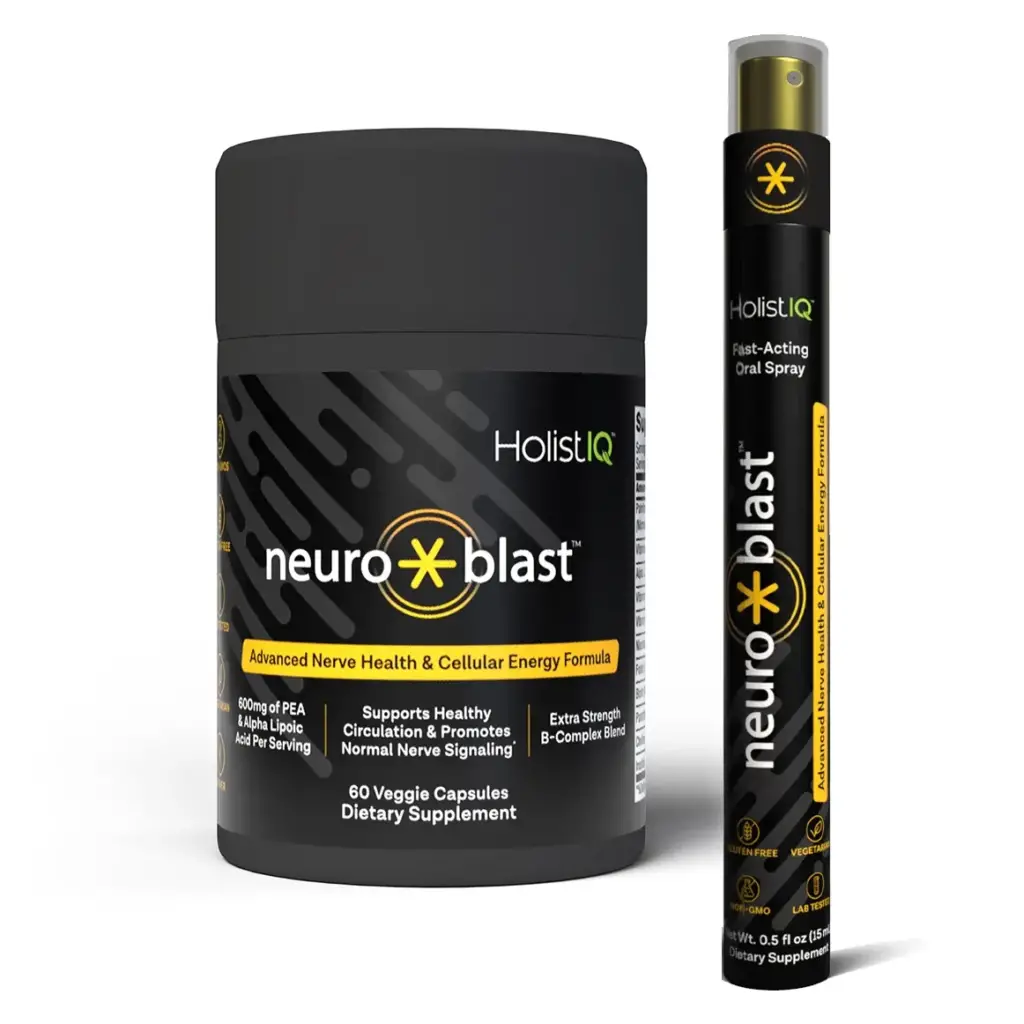
B vitamins are often the first stop for natural nerve support, and for good reason. They are water-soluble, meaning your body typically flushes out any excess. While research suggests that higher doses of B1 and B6 can be particularly effective for nerve pain, more isn’t always better. In fact, extremely high doses of vitamin B6 over a long period can sometimes lead to nerve problems—the very thing you’re trying to fix. It’s all about finding that therapeutic sweet spot. This is why working with your doctor or using a professionally formulated product like the Neuro-Blast System is so important for getting the dosage just right for your needs.
Alpha-lipoic acid and diabetes medications
Alpha-lipoic acid (ALA) is a potent antioxidant that shows a lot of promise for neuropathy, but it comes with a few important warnings. Because ALA can lower blood sugar levels, it can interfere with diabetes medications, potentially causing your blood sugar to drop too low. If you’re managing diabetes, this is a critical conversation to have with your doctor before you start taking it. ALA might also affect how blood thinners and thyroid medicines work. Your doctor can help you monitor your levels and adjust dosages if needed, ensuring you can safely get the benefits of this powerful supplement.
Acetyl-L-carnitine and blood thinners
Acetyl-L-carnitine (ALC) is another popular supplement for nerve regeneration, but it requires caution if you’re taking certain medications. The most significant interaction is with blood-thinning drugs like warfarin. Taking ALC alongside these medications can increase their effect, raising your risk of bleeding. It may also interfere with thyroid hormone medication, potentially making it less effective. If you are taking either of these prescriptions, it is absolutely essential to talk with your doctor before adding ALC to your daily regimen. They can help you weigh the benefits against the risks and ensure it’s a safe choice for you.
How herbs can interact with prescription drugs
Herbs can be incredibly helpful, but it’s crucial to remember they are powerful substances that can interact with your medications. Think of St. John’s Wort, for example. It’s a well-known herb for mood support, but it can have serious interactions with many common drugs—from blood thinners to birth control—by changing how your body processes them. This is true for many other herbs as well. Always treat herbal supplements with the same respect you would a prescription medication. Keep an open line of communication with your doctor and pharmacist about everything you take, including herbs, to avoid any unwanted surprises.
Should You Talk to Your Doctor First?
Before you add any new vitamin or herb to your daily routine, there’s one crucial step you shouldn’t skip: a conversation with your doctor. While natural options can be incredibly supportive for nerve health, they are still powerful substances that affect your body. Getting professional medical advice isn’t just a good idea—it’s essential for your safety and for getting the best possible results. Here’s why that conversation is so important.
Why medical guidance is essential
Your doctor has a complete picture of your health, from your medical history to your current prescriptions. This insight is key, because as the Mayo Clinic advises, “Some supplements can cause problems with your diabetes medicines or even harm your kidneys.” A supplement that works wonders for one person might not be safe for you, especially if you have underlying conditions like diabetes or kidney issues. Your doctor can help you weigh the benefits against any potential risks, ensuring that any new addition to your regimen supports your overall health instead of complicating it.
Discussing the right dosage and timing
Figuring out the right amount of a supplement isn’t a guessing game. Too little might not be effective, while too much could be harmful. Your doctor can recommend a starting dosage based on your specific needs and health status. They can also provide guidance on the best time to take certain vitamins or herbs to maximize their absorption and effectiveness. As one health resource puts it, it’s always best to “discuss the possible risks and benefits before adding any supplements to your routine.” This conversation helps create a clear, personalized plan that you can feel confident about following.
How to monitor for interactions with your current treatments
Many common vitamins and herbs can interact with prescription medications. For example, some supplements can affect how well blood thinners, thyroid medications, or diabetes drugs work. Your doctor and pharmacist are your best allies in spotting these potential conflicts before they become a problem. They can review your complete list of medications and supplements to ensure everything works together safely. They can also help you monitor for any unexpected side effects and make adjustments as needed. This ongoing partnership is key to safely integrating natural support into your existing treatment plan and making sure you stay on the right track.
Can Natural Options Replace Your Current Treatment?
When you’re dealing with nerve discomfort, it’s natural to look for every possible tool to help you feel better. While vitamins and herbs can be powerful allies in your health journey, it’s important to see them as part of a bigger picture. They are not meant to be a one-for-one swap for the treatment plan you’ve established with your doctor. Instead, think of them as a way to give your body extra support. The goal is to create a comprehensive strategy that combines the best of medical science with targeted nutritional support, giving you a more holistic way to manage your nerve health and get you moving again.
Using them as a complementary approach
Think of natural supplements as a supporting cast for your main treatment. While some studies show promise, most nutritional supplements don’t have enough strong evidence from large human trials to be recommended as a primary solution for nerve discomfort. Their real strength lies in their ability to work alongside your doctor-prescribed care. By providing your body with key nutrients like B vitamins or antioxidants like alpha-lipoic acid, you’re helping to create an internal environment that supports nerve function and repair. This complementary approach ensures you’re covering all your bases, using every available resource to support your body’s needs without abandoning proven medical treatments.
Working alongside your medical care
Before you add any new vitamin or herb to your routine, the most important step is to have a conversation with your doctor. This isn’t just a suggestion—it’s essential for your safety and well-being. Your doctor understands your full health profile, including any other conditions you have and all the medications you take. They can help you determine if a supplement is appropriate for you and guide you on the right dosage. When you talk to your healthcare professional, you create a partnership, ensuring that your natural approach works in harmony with your medical treatment, not against it.
Setting realistic expectations
It’s helpful to approach natural supplements with a hopeful but realistic mindset. They are not a quick fix or a magic cure. The effects of vitamins and herbs are often subtle and build up over time as they work to support your body on a cellular level. For many of these natural options, more research is still needed to fully understand their benefits for nerve health. The goal is to gently support your body’s systems and contribute to your overall well-being. Be patient with the process and your body, and celebrate the small improvements along the way as part of your long-term health strategy.
How to Choose a Quality Supplement
Walking down the supplement aisle can feel overwhelming. With so many bottles and brands promising results, how do you know which one to trust? Choosing a high-quality supplement is about more than just picking the right ingredients; it’s about ensuring what you’re taking is pure, potent, and effective. Making an informed choice is the first step toward supporting your body safely. At Neuro-Blast, we take this seriously, which is why our doctor-led Neuro-Blast System is engineered with high-quality, bioavailable ingredients to support your nervous system where it counts. When you’re looking for any supplement, a little knowledge goes a long way in helping you find a product that truly works for you.
What to look for in purity and potency
When you see “purity” and “potency” on a label, think of them as promises. Purity means the supplement is free from harmful contaminants, while potency means it actually contains the amount of the ingredient listed on the label. The best way to verify these promises is to look for a seal from an independent, third-party testing organization. Groups like the United States Pharmacopeia (USP) run rigorous checks to ensure quality matters. Their verification process confirms that a supplement has the right ingredients in the right amounts, will break down properly in the body, and doesn’t contain any undeclared or harmful substances. This seal is your assurance that what’s on the label is what’s in the bottle.
Following recommended dosage guidelines
With supplements, more is not always better. It’s essential to follow the dosage instructions on the product label unless your doctor has given you different advice. Think of supplements as a way to complement a healthy diet and lifestyle, not replace them. Your individual health needs, existing conditions, and other medications all play a role in determining the right amount for you. This is why it’s so important to consult with a healthcare professional before starting a new regimen. They can help you figure out the appropriate dosage to support your health goals safely and effectively, ensuring you get the benefits without the risks.
Tips for better absorption
Taking a supplement is only half the battle—your body also needs to absorb it. To get the most out of your vitamins and herbs, a few simple habits can make a big difference. Many supplements, especially fat-soluble vitamins like A, D, E, and K, are absorbed better when taken with a meal containing some fat. Staying well-hydrated also helps your body dissolve and transport nutrients. Finally, opting for high-quality supplements often means you’re getting ingredients in a form that’s easier for your body to use. For instance, the Neuro-Blast System includes a rapid-absorb oral spray specifically designed to help your body utilize key nutrients quickly and efficiently.
Related Articles
- Supplements for Neuropathy: What Works & What to Avoid
- Neuropathy Diet Guide: Foods to Eat & Avoid for Nerve Health
- How It Works – Neuro-Blast
Frequently Asked Questions
Why are B vitamins always mentioned when talking about nerve health? Think of B vitamins as the essential maintenance crew for your nervous system. They do a few critical jobs, like helping to build and protect the coating around your nerves so signals can travel smoothly. They also help your cells create the energy nerves need to function and communicate properly. Without enough of them, the whole system can start to run less efficiently, leading to discomfort.
Can I just eat more turmeric and ginger instead of taking a supplement? Including these spices in your cooking is a fantastic and delicious way to get some of their anti-inflammatory benefits. However, to get a consistent and effective amount that can support your nerves, you would have to eat a very large quantity every day. A high-quality supplement provides a concentrated, reliable dose of the active compounds, like curcumin from turmeric, that is difficult to achieve through diet alone.
How long will it take to feel a difference after starting these supplements? It’s best to think of this as a long-term strategy rather than a quick fix. These vitamins and herbs work on a deep, cellular level to reduce inflammation and support nerve repair, which takes time. Unlike a pain reliever that masks symptoms, these ingredients help your body address the underlying issues. Most people notice gradual improvements over several weeks or months of consistent use.
Are there any real risks to taking natural supplements for nerve support? Yes, “natural” doesn’t mean risk-free. Certain herbs and vitamins can interact with prescription medications, such as blood thinners or drugs for diabetes and thyroid conditions. For example, alpha-lipoic acid can affect blood sugar levels, which is a serious consideration if you take diabetes medication. This is why it’s so important to discuss any new supplement with your doctor to ensure it’s a safe choice for your specific health situation.
If these supplements work for me, can I stop taking my prescription medication? You should never stop or change your prescription medication without explicit instructions from your doctor. These natural options are designed to be a complementary part of your overall wellness plan, working alongside your medical care. They support your body’s health on a foundational level but are not a replacement for the treatment plan prescribed by your healthcare provider.