
Think of your nervous system as your body’s intricate electrical wiring, sending signals from your brain to your fingertips and toes. When this system is working correctly, you don’t even notice it. But if the wiring isn’t properly maintained with the right nutrients, the signals can get scrambled, resulting in numbness and tingling. This guide breaks down the science in simple terms, explaining how specific vitamins for numbness and tingling act as the repair crew for your body’s wiring. You don’t need a medical degree to understand what’s going on—we’ll provide a clear, straightforward explanation of why you’re feeling this way and what you can do about it.
Key Takeaways
- Don’t Guess, Get Tested: Numbness and tingling are your body’s signals that something is off, often a vitamin deficiency affecting your nerves. The only way to know for sure is to see your doctor for a simple blood test, which provides the clear answers needed to create an effective plan.
- Fuel Your Nerves with a Two-Part Strategy: Start by building a diet rich in nerve-supporting B vitamins from foods like fish, lean meat, and fortified grains. If a deficiency is confirmed, a quality supplement can provide targeted support, but it’s crucial to use it under a doctor’s guidance to find the right, safe dosage.
- Make Your Doctor Your Partner in Relief: Lasting relief comes from a consistent and informed approach. Regular check-ins with your doctor are essential for interpreting test results, choosing the right supplements, and tracking your progress to ensure your plan is working safely and effectively.
Why Do I Feel Numbness and Tingling?
That familiar “pins and needles” sensation can be unsettling, especially when it happens without an obvious cause. While it’s easy to dismiss it as a foot that’s fallen asleep, persistent numbness and tingling are often your body’s way of sending a message—and your nerves are the messengers. Understanding what causes these feelings is the first step toward finding relief and getting back to your life.
How Nerve Issues Can Cause These Sensations
Think of your nervous system as your body’s intricate electrical wiring. It sends signals from your brain and spinal cord to every part of you, from your fingertips to your toes. When this system is working correctly, you don’t even notice it. But if a nerve gets damaged, compressed, or isn’t getting the nutrients it needs, the signals can get scrambled. This disruption is what you feel as numbness, tingling, or even a burning sensation. It’s a sign that there’s a problem somewhere along the nerve’s path, and it’s a common symptom of peripheral neuropathy.
The Link Between Vitamin Deficiency and Nerve Discomfort
Your nerves need specific nutrients to stay healthy and function properly, much like a car needs the right fuel to run. Deficiencies in certain vitamins, especially B vitamins, are a frequent cause of nerve-related tingling. Vitamin B12 is particularly important because it helps maintain the protective coating around your nerves, called the myelin sheath. A lack of B12 can lead to nerve damage. The tricky part is that symptoms can appear slowly and be mistaken for something else, making it easy to overlook the root cause of your discomfort.
Red Flags: When to Talk to Your Doctor
If you’re experiencing numbness and tingling that doesn’t go away, comes and goes frequently, or seems to be getting worse, it’s time to check in with your doctor. These persistent sensations are your body’s signal that something needs attention. A healthcare professional can help you figure out what’s going on through a proper diagnosis. It’s also crucial to talk to your doctor before trying any new supplements for nerve discomfort. They can help you understand the right approach for your specific situation and ensure you’re addressing the problem safely and effectively.
What Are the Most Important Vitamins for Nerve Health?
When your nerves aren’t getting the right nutrients, they can’t function properly, which can lead to sensations like tingling and numbness. Think of vitamins and minerals as the essential building blocks and fuel for your body’s intricate electrical wiring. Providing your nervous system with the right nutritional support is a foundational step in managing discomfort and getting back to feeling like yourself. While a balanced diet is always the best starting point, understanding which specific nutrients play a starring role in nerve function can help you make more targeted choices. Let’s walk through the five key players that are most critical for keeping your nerves healthy and happy.
Vitamin B12: Protects Your Nerves
Vitamin B12 is a true guardian for your nervous system. It plays a vital role in maintaining the health of the myelin sheath, the protective coating that surrounds your nerve fibers. You can think of it as the insulation around an electrical wire—without it, signals can get crossed or short-circuit. A B12 deficiency can be tricky to spot because the symptoms often come on slowly and can be mistaken for other health issues. If left unaddressed, a lack of B12 can cause serious nerve problems and disrupt the communication between your brain and the rest of your body, often showing up as numbness or tingling in your hands and feet.
Vitamin B6: Supports Clear Nerve Signals
If B12 protects the nerve wiring, Vitamin B6 helps ensure the messages travel across that wiring clearly and efficiently. This vitamin is essential for creating neurotransmitters, the chemical messengers that transmit signals from one nerve cell to another. Without enough B6, this communication can break down, leading to confusing sensations. A deficiency in B vitamins, particularly B6 and B12, is one of the most common nutritional reasons for experiencing tingling in the hands and feet. For many, this feeling starts in the feet and gradually moves up the legs as the deficiency continues.
Vitamin B1 (Thiamine): Fuels Your Nerve Cells
Every cell in your body needs energy to function, and your nerve cells are especially demanding. Vitamin B1, also known as Thiamine, is crucial for converting the food you eat into usable energy for your nerves. It helps fuel the processes that keep nerve cells alive and communicating effectively. A lack of B vitamins is a known contributor to peripheral neuropathy, a condition characterized by weakness, numbness, and pain, usually in the hands and feet. Ensuring you have enough Thiamine is a fundamental part of giving your nerves the fuel they need to do their job correctly.
Vitamin D: A Key Player in Nerve Function
While we often associate Vitamin D with bone health and sunshine, emerging research shows it’s also a key player in the nervous system. Scientists are still exploring all the ways it works, but some studies have found a connection between low Vitamin D levels and the nerve pain associated with diabetic neuropathy. It’s thought that Vitamin D may have protective qualities that help shield nerves from damage and reduce inflammation. This makes it an important nutrient to consider for overall nerve wellness, especially for those managing related health conditions.
Magnesium: Helps Calm and Stabilize Nerves
Magnesium is a mineral that helps regulate nerve function throughout the body. It acts as a gatekeeper for certain receptors on your nerve cells, helping to prevent them from becoming overstimulated. This calming effect is essential for a stable and healthy nervous system. When magnesium levels are low, nerves can become overly excitable, which can sometimes lead to tingling sensations. Beyond its calming role, some research also suggests that magnesium may support nerve regeneration, making it a critical mineral for both maintaining and repairing nerve tissue.
How Can I Tell If I Have a Vitamin Deficiency?
Figuring out if you have a vitamin deficiency can feel like solving a mystery, especially when the clues are subtle. The signs often start small and can be easily mistaken for everyday aches or just a part of getting older. But that persistent tingling in your toes or the numbness in your fingers could be your body’s way of telling you it’s missing something important. These sensations are often linked to nerve health, and your nerves rely on a steady supply of specific vitamins to function correctly.
When your body doesn’t get enough of these key nutrients, your nerves can’t send and receive signals properly, leading to those strange “pins and needles” feelings. The challenge is that these symptoms can develop slowly over months or even years, making them hard to pinpoint without knowing what to look for. You might ignore a little numbness here and there, thinking it will go away on its own. Paying close attention to these signals is the first step toward understanding what your body needs. By learning to recognize the early warnings and more advanced symptoms, you can start a more productive conversation with your doctor and get on the path to feeling better.
Subtle Early Warning Signs
The earliest signs of a vitamin deficiency are often easy to dismiss. You might notice a faint tingling or a “falling asleep” sensation in your hands or feet that comes and goes. Maybe you feel a bit more clumsy than usual or find it harder to button a shirt. These feelings, known as paresthesias, can be caused by a lack of essential nutrients. In fact, deficiencies in B vitamins—especially B12 and B6—are among the most frequent culprits behind this tingling. It’s not a major alarm bell at this stage, but more like a gentle tap on the shoulder from your nervous system, letting you know it needs more support.
More Advanced Symptoms to Note
If a deficiency isn’t addressed, those subtle whispers can become much louder. The tingling or numbness might become constant and spread further up your arms or legs. According to Harvard Health, a vitamin B12 deficiency can lead to “strange feelings, numbness, or tingling in hands, legs, or feet.” You might also experience muscle weakness, difficulty with balance, or even memory problems. When left untreated, a severe deficiency can cause more serious nerve issues. These are clear signals that your body is in distress and that it’s time to seek professional medical advice to find out what’s going on.
Why Discomfort Often Starts in Hands and Feet
Have you ever wondered why your hands and feet are the first to sound the alarm? It’s because they’re at the very end of the line for your nervous system. The nerves that reach your extremities are the longest in your body, so they are often the first to be affected when there’s a problem, like a lack of nutrients. Think of it like a watering hose—the farthest end is the first to suffer when the water pressure is low. This is why tingling often means there’s a problem with your nerves. It’s your body’s early warning system, signaling that your nerves aren’t getting the fuel they need to communicate effectively.
A Quick Note on Getting Too Much B6
While getting enough B vitamins is crucial, it’s also important to remember that more isn’t always better. This is especially true for vitamin B6. Taking excessively high doses of B6 from supplements can actually cause the very symptoms you’re trying to fix. In fact, too much B6 can cause nerve damage and lead to neuropathy. To stay safe, experts recommend not taking more than 200 mg of vitamin B6 per day unless specifically instructed by your doctor. This is why it’s so important to work with a healthcare provider to find the right balance and ensure your supplement strategy is helping, not hurting, your nerve health.
How Do I Get Tested for Vitamin Deficiencies?
If you’re dealing with persistent numbness and tingling, guessing games won’t get you very far. The most direct way to find out if a vitamin deficiency is the root cause is to talk to your doctor and get tested. This is a straightforward process that can give you the concrete answers you need to start feeling better. A simple blood test can reveal your body’s levels of key nutrients, taking the mystery out of your symptoms and putting you on a clear path toward relief.
What to Expect from Blood Tests
Blood tests are the gold standard for diagnosing vitamin deficiencies. During your appointment, a healthcare provider will draw a small sample of blood, which is then sent to a lab to measure the levels of specific vitamins and minerals. Your doctor will likely check for vitamins essential to nerve health, like B12, as low levels are a common cause of neurological symptoms. The entire process is quick and provides a clear snapshot of your nutritional status, giving your doctor the crucial information needed to understand what’s happening inside your body and why you might be feeling those pins and needles.
How to Discuss Your Symptoms with a Doctor
To get the most out of your doctor’s visit, it helps to come prepared. Before your appointment, take a few notes about your symptoms. Be ready to describe exactly what the numbness and tingling feel like, where you feel it, and how often it happens. Does it get worse at certain times of day? Does anything seem to trigger it? Mention any recent dietary changes or restrictions you’ve made, as this can provide important clues. Being specific helps your doctor connect the dots and determine which tests are most appropriate for you.
Making Sense of Your Test Results
Once your results are in, your doctor will review them with you. If a deficiency is found, don’t worry—this is actionable information. Your doctor will explain what the numbers mean and recommend a treatment plan. This often involves simple dietary changes to include more vitamin-rich foods or adding a targeted supplement to your routine. The most important part of this process is the follow-up. Your doctor will likely want to monitor your levels over time to make sure your treatment is working and adjust it as needed.
What Foods Support Healthy Nerves?
While supplements can play a crucial role in managing deficiencies, your daily diet is the foundation of long-term nerve health. Think of food as the fuel your nervous system runs on every single day. By making thoughtful choices at the grocery store and in the kitchen, you can provide your body with the essential building blocks it needs to protect and repair nerve cells. Focusing on a nutrient-rich diet isn’t about restriction; it’s about adding powerful, supportive foods to your plate.
Making small, consistent changes to what you eat can have a significant impact over time. You don’t need to overhaul your entire life overnight. Instead, start by incorporating a few nerve-friendly foods into the meals you already enjoy. This approach makes healthy eating feel less like a chore and more like a natural part of your routine. Let’s look at some of the best food sources for the vitamins that are critical for keeping your nerves happy and healthy.
Where to Find B Vitamins on Your Plate
B vitamins are the superstars of nerve health, especially B1 (thiamine), B6 (pyridoxine), and B12 (cobalamin). These vitamins are essential for maintaining the protective coating around your nerves (the myelin sheath) and ensuring clear communication between your brain and the rest of your body. A diet rich in B vitamins can play a key role in nerve repair and function. You can find these powerful nutrients in a variety of accessible foods. Animal products are particularly great sources, so look for lean meats like chicken and turkey, fatty fish such as salmon and tuna, eggs, and low-fat dairy products like milk and yogurt.
Plant-Based and Fortified Food Options
If you follow a vegetarian or vegan diet, getting enough vitamin B12 requires a little more planning, as it’s primarily found in animal products. A vitamin B12 deficiency can be sneaky, so it’s important to be proactive. Luckily, many foods are fortified with B12, making it easy to get what you need. Check the labels on breakfast cereals, plant-based milks (like almond, soy, or oat), and nutritional yeast, which has a cheesy flavor and is great sprinkled on popcorn or pasta. For vitamins B1 and B6, you can turn to whole grains, legumes like lentils and chickpeas, leafy greens such as spinach, and sunflower seeds.
Simple Meal Ideas for Better Nerve Health
Incorporating these foods into your diet doesn’t have to be complicated. You can start with simple, delicious meals that are packed with the nutrients your nerves need. For a quick and satisfying dinner, try a baked salmon fillet with a side of roasted asparagus and a sweet potato. If you’re looking for a plant-based breakfast, a bowl of fortified cereal with almond milk and a handful of berries is a fantastic option. Another great idea is a tofu scramble with spinach and a generous sprinkle of nutritional yeast. These simple meal options are easy to prepare and provide a wonderful mix of the vitamins essential for nerve support.
Should I Take Supplements for Nerve Support?
While a balanced diet is the foundation of good health, sometimes it’s not enough to correct a deficiency that’s contributing to nerve discomfort. Supplements can be a powerful tool to give your body the specific nutrients it needs to support nerve function and help you feel better. The key is to approach them thoughtfully and with the right guidance. Making an informed choice is the first step toward finding relief, and it’s a decision you don’t have to make alone.
When a Supplement Is a Good Idea
If you’re dealing with persistent numbness and tingling, a supplement might be exactly what you need, especially if a nutrient deficiency is the underlying cause. Research shows that certain vitamins and supplements can help ease neuropathy symptoms, and in some cases, even support nerve repair. However, this isn’t a guessing game. The only way to know for sure if you have a deficiency is to get tested. Before you buy any new bottle of vitamins, have a conversation with your doctor. They can check your nutrient levels and help you figure out if a supplement is the right move for you.
How to Choose a Quality Supplement
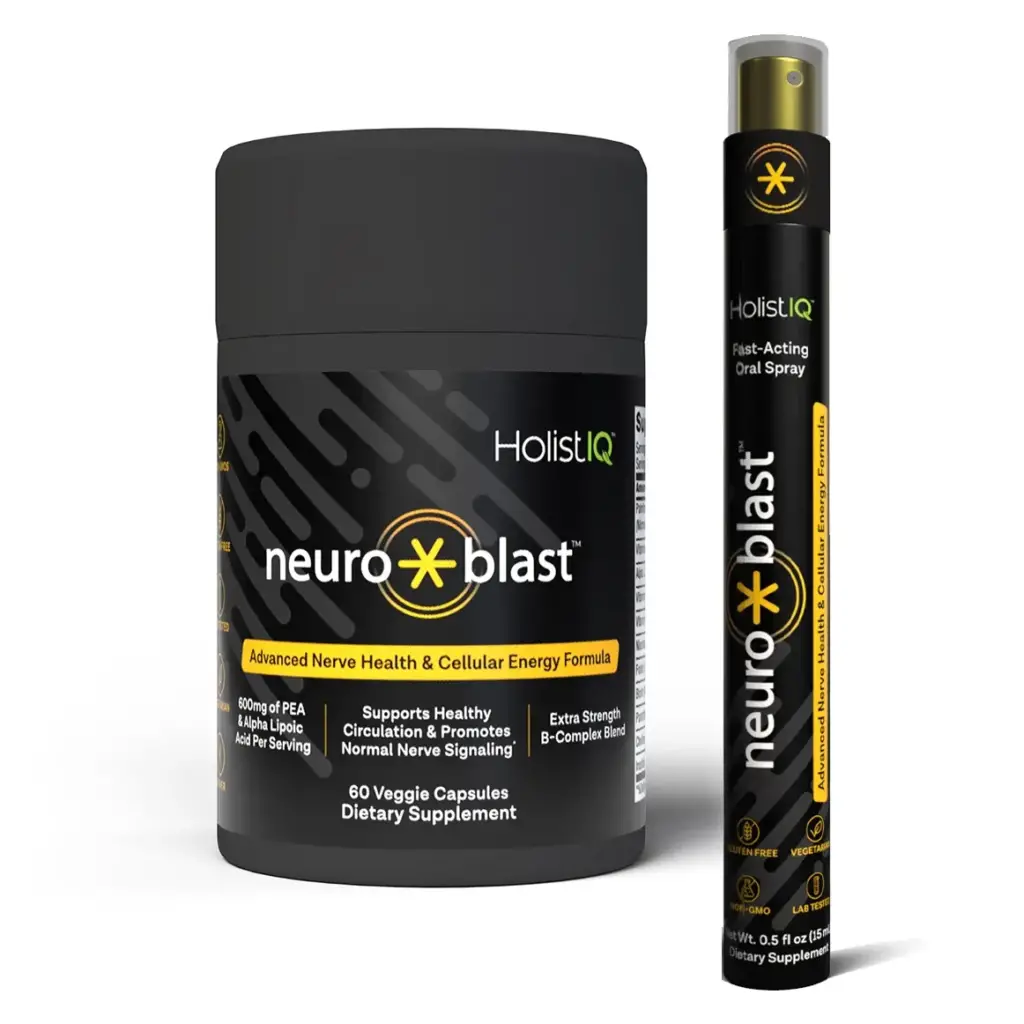
Walking down the vitamin aisle can be overwhelming. With so many brands and formulas, how do you know what to choose? The most important step is to talk with your doctor. They can recommend a specific type of supplement and dosage that’s safe and effective for your unique health situation. They’ll help you weigh the benefits and any potential risks. When you’re ready to choose, look for a comprehensive, doctor-led approach like the Neuro-Blast system, which is designed to provide deep, cellular-level support for your nerves. This ensures you’re getting a well-formulated product designed with your health in mind.
Understanding Safe Dosages and Potential Risks
When it comes to supplements, more is not always better. Taking too much of certain vitamins can cause serious health problems and can even make nerve-related symptoms worse. For example, while Vitamin B6 is crucial for nerve health, exceeding 200 mg per day can actually lead to nerve damage. This is why professional guidance is so important. A healthcare provider can help you find the right dosage to support your body without crossing the line into risky territory. Always follow their recommendations to ensure you’re safely and effectively working toward relief.
What Does the Path to Relief Look Like?
Starting a new health plan can feel like standing at the base of a mountain. You know where you want to go—to a place with less discomfort and more freedom—but the path isn’t always clear. When it comes to nerve health, the journey to relief is a personal one, but it’s a path you don’t have to walk alone. The key is understanding what to expect, what factors can influence your progress, and how to recognize the signs that you’re moving in the right direction.
Many people find that targeted support can make a significant difference. In fact, some supplements may help ease neuropathy symptoms and support the body’s natural repair processes. The goal is to address discomfort at its source by giving your nervous system the building blocks it needs. Systems like Neuro-Blast are designed to provide this deep, cellular-level nerve support, helping you get back to the activities you love. Let’s break down what your journey toward feeling better might look like.
A Realistic Timeline for Improvement
One of the first questions on everyone’s mind is, “How long will this take?” While there’s no one-size-fits-all answer, the timeline often depends on the root cause of your discomfort. For instance, if a vitamin deficiency is the primary culprit, fixing the deficiency can make the symptoms go away. The sooner you address the issue, the better your chances are for a smoother recovery.
Catching and treating a deficiency early is crucial because it can prevent more serious, long-term nerve issues. Think of it like tending to a plant—it’s much easier to revive it when it’s just starting to wilt. Some people notice subtle improvements in a few weeks, while for others, it may take a few months of consistent effort. Patience and consistency are your best friends here.
Factors That Influence Your Recovery
Your personal path to relief is shaped by several factors, starting with the specific nutrient your body needs. Deficiencies in a range of vitamins and minerals, including B vitamins, copper, and vitamin E, can all be linked to neuropathy. The severity and duration of the deficiency also play a big role; a long-standing issue may simply take more time to resolve.
Your overall health, diet, and lifestyle habits contribute to your recovery speed as well. It’s also incredibly important to use supplements correctly. Taking too much of any one nutrient can cause other health problems and, in some cases, might even make your symptoms worse. This is why a balanced, informed approach is always the best strategy for supporting your nerve health.
How to Track Your Progress
How will you know if your plan is working? Keeping a simple daily journal can be a powerful tool. Make a note of your symptoms: what you feel, where you feel it, and the intensity on a scale of 1 to 10. Over time, you might notice the intensity lessening or the frequency of discomfort decreasing. These small wins are important signs of progress.
Ultimately, the most reliable way to track your progress is by working with your doctor. A healthcare professional can perform a blood test to check for specific vitamin deficiencies and confirm you’re on the right track. Don’t hesitate to ask your doctor to check your levels if you suspect a nutrient deficiency. This partnership allows you to make informed decisions and adjust your plan as needed, ensuring you’re doing what’s best for your body.
Create Your Daily Plan for Nerve Health
Taking control of your nerve health starts with small, consistent actions. By focusing on what you eat, how you supplement, and when you check in with your doctor, you can create a powerful daily routine that supports your body from the inside out. Think of it as building a foundation for relief, one simple step at a time. This plan doesn’t have to be complicated. It’s about making smart, intentional choices that give your nervous system the resources it needs to function at its best, helping you get back to the activities you love.
Build a Nerve-Friendly Diet
What you put on your plate has a direct impact on your nerves. A great first step is to incorporate foods rich in B vitamins, which are essential for a healthy nervous system. Vitamins B1, B6, and B12 are particularly important for protecting nerve cells and ensuring they can communicate effectively. You can find these powerhouse nutrients in everyday foods like fish, lean meats, eggs, and dairy products. If you follow a plant-based diet, look for fortified cereals and nutritional yeast to get your daily dose. Making these simple swaps can be a delicious and effective way to support your body’s needs and manage symptoms like numbness and tingling.
Develop a Smart Supplement Strategy
While a healthy diet is your first line of defense, sometimes it’s not enough to correct a deficiency. This is where a targeted supplement strategy can make a real difference. High-quality supplements can provide a concentrated dose of the specific vitamins your nerves are craving. However, it’s important to be smart about it. More isn’t always better—in fact, taking too much vitamin B6 can actually make nerve-related symptoms worse. That’s why working with your doctor is key. They can help you understand if a comprehensive system like the Neuro-Blast System, which is designed for deep, cellular-level support, is the right fit for your specific needs.
Commit to Regular Health Check-Ins
You don’t have to figure this all out on your own. Your doctor is your most valuable partner in managing your nerve health. Regular check-ins allow you to move beyond guesswork and get a clear picture of what’s happening inside your body. A simple blood test can check for vitamin deficiencies, giving you and your doctor the precise information needed to create a tailored plan. Be open about your symptoms, from tingling in your hands to numbness in your feet. This information helps your doctor connect the dots and recommend the most effective combination of dietary changes, supplements, and other lifestyle adjustments to get you on the path to relief.
Related Articles
- Alpha Lipoic Acid & B Vitamins for Nerves: A Guide
- Neuropathy Diet Guide: Foods to Eat & Avoid for Nerve Health
- The Best and Worst Foods for Neuropathy – Neuro-Blast
- News & Insights – Neuro-Blast
Frequently Asked Questions
Is the numbness and tingling I’m feeling permanent? This is a common and completely valid concern. The good news is that when these sensations are caused by a nutritional deficiency, they often are not permanent. By identifying and correcting the deficiency, you give your nerves the resources they need to repair and function properly. The key is to take action sooner rather than later, as addressing the root cause early can prevent the issue from becoming a long-term problem.
Why can’t I just fix this with my diet? A nutrient-rich diet is absolutely the foundation of good nerve health, and it should always be your starting point. However, if you already have a significant deficiency, it can be very difficult to get the therapeutic amounts of specific vitamins needed to correct the issue through food alone. Supplements can provide a more direct and concentrated dose to help restore your body’s levels more efficiently, working alongside your healthy diet to support your nerves.
I already take a daily multivitamin. Isn’t that enough? Taking a daily multivitamin is a great habit for overall wellness, but it may not be enough to address specific nerve-related discomfort. Most standard multivitamins are designed for general maintenance and often don’t contain the higher, targeted levels of key nutrients like B12 or B6 that are needed to correct a deficiency causing neurological symptoms. Think of it as the difference between a general tune-up and a specific repair.
Besides a vitamin deficiency, what else could be causing these feelings? While vitamin deficiencies are a very common cause of numbness and tingling, other factors can certainly be at play. Conditions like a compressed or pinched nerve, circulation issues, or other underlying health concerns can also produce similar sensations. This is precisely why it’s so important to see a doctor for a proper diagnosis. They can help you rule out other possibilities and ensure you’re treating the correct problem.
How do I know if my nerve support plan is actually working? You can track your progress in a couple of key ways. The first is by simply paying attention to your body. You might notice that the tingling sensations become less frequent or less intense over a few weeks or months. Keeping a simple journal can help you see these gradual improvements. The most definitive way to track progress, however, is through follow-up appointments and blood tests with your doctor to confirm that your nutrient levels are returning to a healthy range.