
Think of your nervous system as a complex electrical grid. For it to work correctly, every wire needs to be properly insulated and fueled. When certain materials are in short supply, the signals can get scrambled, leading to the uncomfortable sensations of neuropathy. Those essential materials are vitamins. If you’re looking for ways to support your body’s natural repair processes, the most important question to ask is what vitamins are good for neuropathy in the feet? We’ll explore the specific nutrients that act as the maintenance crew for your nerves, helping to protect them from damage and support their function from the inside out.
Key Takeaways
- Fuel your nerves with the right vitamins: Specific nutrients, especially B vitamins, work directly at the cellular level to repair protective nerve coatings, defend against damage, and provide the energy your nerves need to function properly.
- Look beyond supplements for lasting relief: Your daily habits are just as important as your supplements. Gentle exercise, a balanced diet focused on whole foods, and simple stress management techniques create a supportive environment for your nervous system to heal.
- Partner with your doctor for a safe plan: Before starting any new supplement, talk to your doctor. They can help identify any nutritional gaps, ensure you’re taking the right amounts, and prevent potential interactions with your current medications.
What is Foot Neuropathy?
If you’ve been dealing with strange, uncomfortable sensations in your feet, you might be experiencing foot neuropathy. Simply put, it’s a type of nerve damage that affects the feet. Think of your nerves as the body’s electrical wiring, sending messages between your brain and your limbs. When that wiring gets damaged, the signals can get scrambled, leading to pain, numbness, or weakness. It’s a common issue, particularly for people with diabetes, but it can happen for many different reasons.
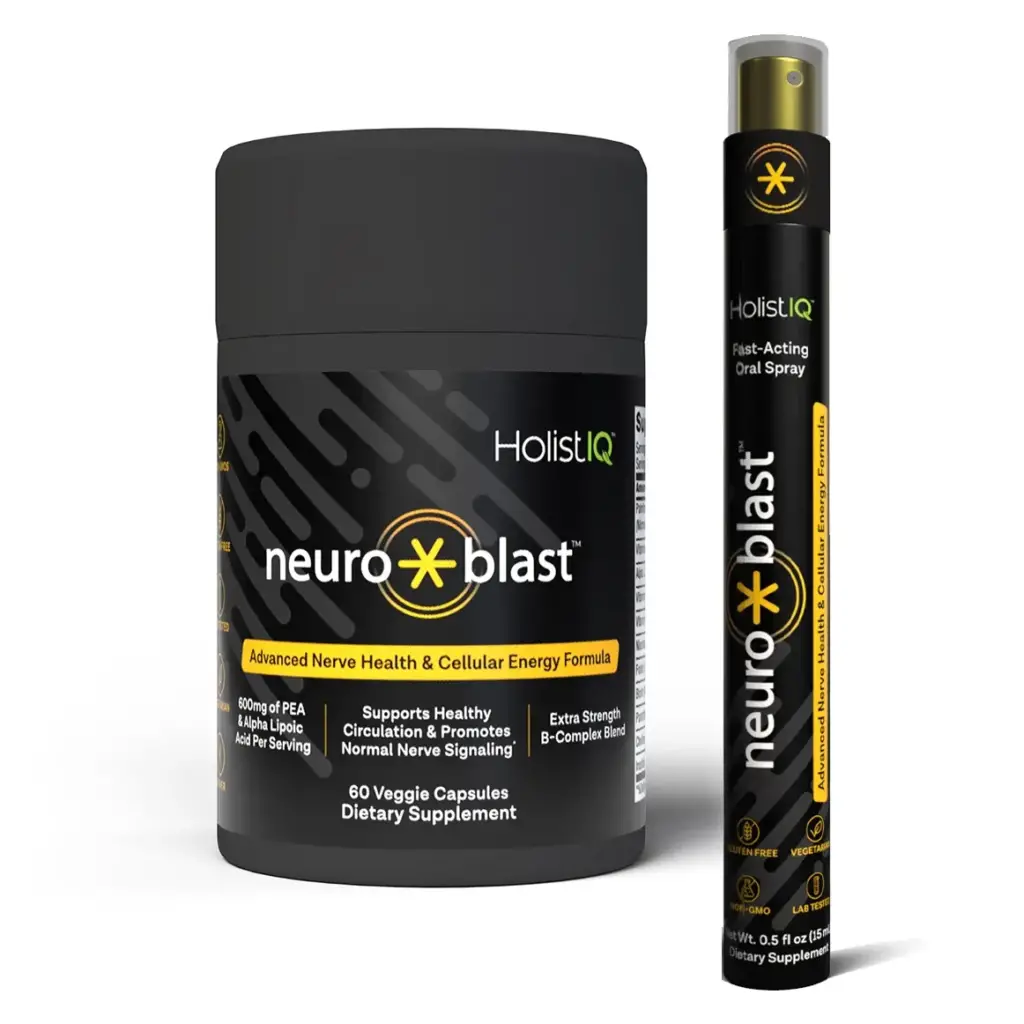
The discomfort can range from a mild annoyance to something that really impacts your daily life and ability to stay active. The good news is that understanding what’s happening is the first step toward finding relief. The goal is to go beyond just masking the symptoms and instead provide deep, cellular-level support to the nerves themselves. By addressing the health of your nerve cells, you can start to manage the discomfort and get back to doing the things you love. The Neuro-Blast system is engineered to support your nervous system exactly where it starts—at the cellular level.
Common Symptoms to Look For
The signs of foot neuropathy can be different for everyone, but some common threads exist. You might feel a persistent tingling, like a “pins and needles” sensation that won’t go away. Some people experience sharp, jabbing pains that come out of nowhere, while others feel more of a constant burning or throbbing. Numbness is another key symptom, which can make it difficult to feel your feet on the ground and affect your balance. You might also notice muscle weakness in your feet, making it harder to walk. These symptoms of diabetic neuropathy can be frustrating, but recognizing them is crucial for getting the right support.
Different Types of Neuropathy in the Feet
“Neuropathy” is a general term for nerve damage, and it can stem from a wide variety of causes. One of the most well-known is diabetes, but it’s far from the only one. Other causes can include chemotherapy treatments, physical injuries, certain vitamin deficiencies (especially B vitamins), and excessive alcohol use. Because there are so many potential triggers, finding an effective way to manage the symptoms is key. The approach usually involves two parts: addressing the underlying cause whenever possible and supporting your nerve health directly. A comprehensive support system like Neuro-Blast can be a valuable part of that plan, helping to nourish your nerves regardless of the root cause.
Which Vitamins Best Support Nerves in Your Feet?
When you’re dealing with nerve discomfort in your feet, it can feel like you’re fighting a battle you can’t see. But what if you could support your nerves from the inside out? Your body relies on a team of essential vitamins and nutrients to keep your nervous system running smoothly. Giving your body the right tools can make a significant difference in how your nerves function and feel. Understanding which vitamins are the most effective is the first step toward providing your body with the deep, cellular-level support it needs to help you get moving again. Let’s look at the key players that are known for their roles in maintaining nerve health.
Vitamin B12: Repair and Maintain Nerves
Think of Vitamin B12 as the maintenance crew for your nerve cells. Your body needs it to keep nerve cells healthy and to produce myelin, the protective sheath that covers your nerves. When B12 levels are low, this protective covering can wear down, leaving your nerves vulnerable. Some common medications, like metformin for type 2 diabetes, can unfortunately lower your B12 levels, increasing the risk of nerve issues. While more research is always helpful, some studies suggest that B12 supplements may help ease symptoms, particularly if you have a deficiency. Ensuring you have enough of this crucial vitamin is a foundational step in any nerve support system.
Vitamin B1 (Thiamine): Support Healthy Nerve Function
Vitamin B1, also known as thiamine, is essential for converting the food you eat into energy that your nerve cells can use. Without enough thiamine, your nerves can struggle to get the fuel they need to function correctly, which can lead to discomfort and damage over time. A deficiency in B vitamins, including thiamine, is often linked to neuropathy. Getting enough of this vitamin is vital for supporting overall nerve function and helping your body build and maintain healthy nerve membranes. It’s a key ingredient for keeping the communication lines between your brain and your feet clear and strong.
Vitamin B6: Help Your Neurotransmitters
Vitamin B6 plays a critical role in creating neurotransmitters—the chemical messengers that allow your nerve cells to talk to each other. Imagine trying to have a conversation in a noisy room; without clear signals, the message gets lost. That’s what can happen in your nervous system without enough B6. This vitamin helps ensure those signals are transmitted clearly and efficiently. Along with other B vitamins, it contributes to healthy nerve function and can help improve symptoms associated with neuropathy. It’s an important part of the complex process that keeps your nerves firing correctly, from your spine all the way down to your toes.
Folate (Vitamin B9): Promote Overall Nerve Health
Folate, or Vitamin B9, is another member of the essential B-vitamin family that works behind the scenes to support your entire nervous system. It’s crucial for cell growth and repair, which includes the intricate network of nerve cells in your feet. A lack of B vitamins, including folate, can contribute to neuropathy symptoms. By ensuring you have adequate levels, you’re helping your body maintain its natural ability to repair nerve tissue and support the structures that keep your nerves protected. Think of it as providing the raw materials your body needs to perform its daily nerve maintenance tasks effectively.
Alpha-Lipoic Acid: Protect Nerves with Antioxidants
Alpha-lipoic acid (ALA) is a powerful antioxidant that works in every cell of your body. Its main job is to neutralize harmful free radicals, which are unstable molecules that can cause damage to your tissues, including your delicate nerve cells. This kind of damage, known as oxidative stress, is a known factor in diabetic neuropathy. Some small studies have suggested that ALA may help improve symptoms like pain, numbness, and tingling by protecting nerves from this damage. While the results are mixed and more research is needed, its protective qualities make it a nutrient of great interest for nerve health.
Acetyl-L-Carnitine: Encourage Nerve Regeneration
Acetyl-L-carnitine is an amino acid that helps your body produce energy. It’s particularly important for nerve cells, which have high energy demands. Beyond just fueling your nerves, this compound also has protective qualities and may encourage nerve regeneration, or the regrowth of damaged nerve fibers. Some studies have shown that it can reduce pain and improve nerve function in people with diabetic neuropathy. The benefits seem to be most significant when it’s taken early on, suggesting it could be a proactive way to support nerve repair before damage becomes more severe. It’s another powerful tool for supporting your nerves at a cellular level.
How Do These Vitamins Actually Work?
It’s one thing to know which vitamins can help, but it’s another to understand what’s happening inside your body. These vitamins aren’t just masking symptoms; they work at a cellular level to support your nerves from the ground up. Think of it as giving your nerve cells the specific tools and resources they need to repair, protect, and fuel themselves. By understanding the roles these nutrients play, you can feel more confident in your plan to support your nerve health and get back to the activities you love. Let’s look at the specific jobs these vitamins do for your nerves.
How B Vitamins Maintain Nerve Cells
B vitamins are the maintenance crew for your nervous system. Specifically, Vitamin B12 is essential for building and maintaining the myelin sheath—a protective coating that surrounds your nerves, much like the insulation around an electrical wire. When this sheath is healthy, nerve signals travel quickly and efficiently. A deficiency can leave nerves exposed and vulnerable to damage. According to the Mayo Clinic, Vitamin B12 is crucial for healthy nerve cells. By ensuring you have enough B vitamins, you’re providing the raw materials your body needs to keep this protective layer strong and support clear communication between your brain and your feet.
Protecting Nerves from Damaging Stress
Your body is constantly dealing with something called oxidative stress, which is damage caused by unstable molecules. This process can be particularly harmful to nerve cells. That’s where antioxidants like Alpha-Lipoic Acid (ALA) come in. ALA acts like a bodyguard for your nerves, helping to neutralize these damaging molecules before they can cause harm. Some research suggests that ALA may help with the pain, numbness, and tingling associated with neuropathy by protecting your body’s tissues from this kind of stress. It’s a proactive way to defend your nerves against the daily wear and tear that can worsen symptoms.
Fueling Your Nerve Cells
Just like the rest of your body, your nerve cells need energy to function, repair themselves, and grow. Acetyl-L-Carnitine (ALCAR) plays a key role in this process. It helps your cells’ powerhouses, the mitochondria, turn food into usable energy. This is especially important for nerve cells, which have high energy demands. By helping to fuel your nerve cells, ALCAR supports their ability to function correctly and regenerate. Some studies have shown it can reduce pain and improve nerve function, giving your nerves the power they need to carry messages effectively.
Can a Vitamin Deficiency Cause Foot Neuropathy?
Yes, a vitamin deficiency can absolutely cause foot neuropathy. Think of your nerves as intricate electrical wiring that requires specific materials to stay strong and conduct signals properly. Vitamins, especially those in the B group, are the essential building blocks for maintaining this system. When your body doesn’t get enough of these key nutrients, the protective coating around your nerves—called the myelin sheath—can wear down, and the nerves themselves can become damaged. This damage disrupts the signals traveling between your feet and your brain, leading to the tingling, numbness, and pain that define neuropathy.
The good news is that if a deficiency is contributing to your nerve discomfort, it’s a factor you can actively address. Unlike some other causes of neuropathy, a nutritional gap is something you have a degree of control over. By understanding which vitamins are most critical for nerve health and ensuring your body has an adequate supply, you can provide your nerves with the fundamental resources they need to repair and function correctly. This connection between what you consume and how your nerves feel is a powerful one, putting a key piece of the puzzle back in your hands and offering a clear path forward.
The Link Between B12 Deficiency and Nerve Damage
Vitamin B12 is a powerhouse when it comes to nerve health. It plays a vital role in creating and maintaining the myelin sheath, the protective layer that insulates your nerve fibers. Without enough B12, this sheath can deteriorate, leaving your nerves exposed and vulnerable to damage. A deficiency is more common than you might think, especially as we get older, because our bodies can become less efficient at absorbing it from food. Certain medications, including some for type 2 diabetes and acid reflux, can also lower B12 levels, increasing the risk of nerve-related issues.
Thiamine’s Role in Diabetic Neuropathy
Thiamine, or Vitamin B1, is crucial for converting carbohydrates into energy. Your nerve cells have high energy demands, and thiamine ensures they get the fuel they need to function. When thiamine levels are low, nerve cells can essentially starve, leading to damage and impaired signaling. This is particularly relevant for individuals with diabetes, as high blood sugar can make it harder for the body to absorb and use thiamine effectively. Ensuring you have enough of this essential B vitamin can help support nerve function and protect against the kind of damage that leads to diabetic neuropathy.
Find and Fill Your Nutritional Gaps
The first step to addressing a potential deficiency is identifying it. Guessing which vitamins you might be low on isn’t an effective strategy. Talk to your doctor about your symptoms and ask about getting a simple blood test to check your vitamin levels. Once you know exactly what your body is missing, you can create a targeted plan to replenish it through diet or supplementation. Providing your body with the right nutrients is fundamental to helping it heal. Our system is designed to deliver deep, cellular-level nerve support by supplying a precise blend of vitamins and compounds that are essential for nerve health.
How Much of Each Vitamin Should You Take?
Figuring out the right amount of each vitamin can feel like a puzzle, but it’s a crucial step in supporting your nerve health. The ideal dosage isn’t a one-size-fits-all number; it depends on your diet, age, specific health needs, and what your doctor recommends. The goal is to give your body the precise tools it needs to repair and maintain your nervous system without overdoing it.
A deficiency in key nutrients, especially B vitamins, can directly contribute to neuropathy symptoms. That’s why a targeted approach is so effective. Instead of guessing which individual supplements to buy and how much of each to take, you can use a comprehensive solution designed to address the root causes of nerve discomfort. The Neuro-Blast System was developed by doctors to provide a carefully balanced blend of vitamins and compounds that work together to support your nerves on a cellular level. This takes the guesswork out of the equation, ensuring you get a consistent, supportive dose every day.
Daily Goals for Essential B Vitamins
Your body relies on B vitamins to keep your nerves healthy. When you don’t get enough, it can lead to nerve-related issues. Vitamin B12, for example, is essential for building and maintaining healthy nerve cells and DNA. Some common medications, like metformin for type 2 diabetes, can even lower your B12 levels, which makes it even more important to ensure you’re getting enough. Getting the right amount of B vitamins can help improve your symptoms, support nerve function, and protect your nerve membranes. Your doctor can help you determine your personal daily goals based on your health profile and bloodwork.
Guidelines for Taking Supplements Safely
Before you start any new supplement, it’s incredibly important to have a conversation with your doctor. This is non-negotiable. Some supplements can interfere with medications you’re already taking or may not be safe if you have certain health conditions, like kidney issues. Your doctor, pharmacist, or a registered dietitian can review your current health plan and help you make safe choices. Think of them as your partners in health—they can provide personalized advice to ensure you’re only adding things that will truly help you get moving again.
Getting Vitamins Directly from Food
A nutrient-rich diet is your first line of defense for nerve health. Food provides a complex mix of vitamins, minerals, and antioxidants that work together. You can find many of the vitamins crucial for nerve support right in your grocery store. For instance, you can get B12 from fish, lean red meat, and fortified cereals. Alpha-lipoic acid, a powerful antioxidant, is found in foods like spinach, broccoli, potatoes, and red meat. Focusing on a balanced diet full of whole foods creates a strong foundation for your supplements to build upon.
What Foods Are Best for Nerve Health?
While supplements can fill crucial nutritional gaps, the food you eat every day is a powerful tool for supporting your nervous system. Think of your diet as the foundation of your nerve health. By focusing on whole foods rich in specific vitamins and antioxidants, you can create an environment where your nerves can thrive. Making thoughtful choices at the grocery store and in the kitchen can be a simple yet effective step in managing your nerve discomfort and helping you feel more like yourself again. Let’s look at some key nutrients and where you can find them.
Foods Packed with B Vitamins
B vitamins are absolute superstars when it comes to nerve health. A lack of these essential nutrients can contribute to neuropathy, so ensuring you get enough is key. Your body uses them to support nerve function and maintain the protective coating around your nerves. To get more of these in your diet, focus on adding a variety of whole foods to your plate. You can find B vitamins in lean meats like chicken and turkey, fish such as salmon and tuna, and leafy green vegetables like spinach. Eggs, dairy products, and fortified cereals are also excellent sources to help you meet your daily needs.
Where to Find Alpha-Lipoic Acid in Your Diet
Alpha-lipoic acid, or ALA, is a potent antioxidant that helps protect your body’s cells and tissues from damage. This is especially important for nerve health, as it can help shield your nerves from oxidative stress. While your body produces a small amount of ALA on its own, you can also get it from your diet. It’s found in a variety of vegetables, so you have plenty of options to choose from. Look for it in foods like spinach, broccoli, and potatoes. You can also find ALA in red meat and organ meats, such as liver. Adding these foods to your regular meal rotation is a great way to support your body’s natural defenses.
Simple Cooking Tips to Preserve Vitamins
The way you prepare your food can make a big difference in how many nutrients you actually get. Many essential nerve-supporting nutrients, like B vitamins, are water-soluble. This means they can leach out of your food and into the cooking water when you boil them. To preserve these valuable vitamins, try steaming your vegetables instead. Steaming cooks food quickly without submerging it in water, helping to keep more of the good stuff locked in. Microwaving is another surprisingly effective method that retains nutrients well because of its short cooking time and minimal water use.
How Long Until You Notice a Difference?
When you start a new routine to support your nerve health, it’s natural to wonder when you’ll start feeling better. The truth is, everyone’s body is unique, and the timeline for noticing changes can vary from person to person. Supporting your nerves is a process of giving your body the consistent building blocks it needs to repair and maintain itself. While some people might feel a shift within a few weeks, for others, it can take a few months of steady commitment to notice a real difference. Patience and consistency are your best friends on this journey.
A Realistic Timeline for Feeling Better
Think of nerve support as a long-term investment in your well-being. It’s not an overnight fix. Your body needs time to absorb nutrients, replenish any deficiencies, and begin the process of cellular maintenance. While some dietary supplements show promise for helping with symptoms, the key is giving them time to work. The most important thing you can do is stick with your plan every day. This consistency allows the vitamins and nutrients to build up in your system and provide the steady support your nerves need to thrive. Celebrate small improvements along the way and trust the process.
What Affects How Your Body Uses Vitamins?
Several factors can influence how your body absorbs and utilizes vitamins, which can affect your personal timeline. For instance, some common medications for type 2 diabetes or acid reflux can actually lower your body’s B12 levels, making it harder to get what you need. Your diet, age, and overall health also play significant roles. Not having enough B vitamins can directly contribute to nerve issues, so if you have a long-standing deficiency, it may take more time to restore your levels. Understanding these personal factors can help you set realistic expectations and work with your doctor to create the most effective plan for you.
Are There Any Risks to Taking These Vitamins?
While vitamins are essential for nerve health, it’s important to approach supplementation thoughtfully. Just because something is “natural” doesn’t mean it’s free of risks. The key is to find the right balance for your body, as both deficiencies and excesses can cause problems. Taking too much of certain vitamins can sometimes lead to unwanted side effects, and some supplements can interact with prescription medications you might already be taking. This isn’t meant to scare you, but to empower you to make the best decisions for your well-being.
Think of it as a partnership between you, your supplements, and your doctor. A well-formulated system like the Neuro-Blast System is designed by doctors to provide targeted support safely, but your unique health profile is always the most important factor. Before starting any new routine, it’s crucial to understand the potential risks and how to use these powerful nutrients to your advantage without overdoing it. This ensures you’re supporting your body in the safest, most effective way possible. Being informed helps you make smart choices that contribute to your goal of getting back on your feet and feeling your best.
Potential Medication Interactions to Know
One of the most important things to consider is how supplements might interact with your current medications. It’s a conversation you absolutely must have with your doctor. For example, some supplements can react with diabetes medicines or even affect your kidneys. A specific one to watch is Acetyl-L-carnitine; it can increase bleeding risk if you take blood thinners like warfarin and may interfere with how well thyroid hormone medicine works. This is why transparency with your healthcare provider is non-negotiable. They need a complete picture of everything you’re taking—prescriptions, over-the-counter aids, and supplements—to keep you safe.
Signs You Might Be Taking Too Much
More isn’t always better, and that’s certainly true for vitamins. Your body has an ideal range for every nutrient, and exceeding that can sometimes cause more harm than good. For instance, an excessive intake of certain B vitamins could potentially lead to nerve irritation—the very thing you’re trying to soothe. While it’s rare with a balanced supplement, it’s good to be aware of the possibility. For example, taking more than 100 mg of Zinc per day can be harmful. Pay attention to how you feel when you start a new supplement and stick to the recommended dosage unless your doctor advises otherwise.
When to Talk to Your Doctor
The golden rule of supplementation is simple: always talk to your healthcare professional before adding anything new to your routine. This conversation is your best tool for staying safe and ensuring you’re making the right choices for your health. Your doctor can review your current medications for potential interactions, help you determine the right dosages, and monitor your progress. Since more studies are needed to pinpoint the most effective doses for different types of nerve pain, their guidance is invaluable. They can help you create a personalized plan that safely incorporates the support your nerves need.
Should You Get Vitamins from Food or Supplements?
When you’re trying to support your nerve health, you might wonder where to turn first: the grocery store or the supplement aisle. The best approach is almost always to start with your plate. A healthy diet gives your body a wide range of nutrients that work together in ways that a single pill can’t replicate. Think of it as building a strong foundation for your health, one meal at a time.
However, supplements can play a very important role, especially when you have specific health goals like managing neuropathy. Sometimes, it’s difficult to get the high concentration of certain vitamins you need from food alone, or your body may have trouble absorbing them properly. In these cases, a high-quality supplement can act as a targeted tool to fill in the gaps and give your nerves the direct support they need. The key is understanding when to rely on food and when a supplement might be the right choice for you.
Food vs. Supplements: What’s Better for You?
Focusing on a healthy diet packed with vegetables, fruits, lean meats, and whole grains is the best first step for your overall health and can help manage neuropathy symptoms. Whole foods provide vitamins in their natural form, complete with fiber and other compounds that help your body use them effectively. While some dietary supplements might offer relief, it’s important to know that the Food and Drug Administration (FDA) does not regulate them with the same rigor as prescription medicines. This means their quality, safety, and effectiveness can vary, so choosing a trusted source is essential.
Knowing When a Supplement Is Necessary
A supplement becomes truly necessary when you have a diagnosed vitamin deficiency that is causing or worsening your neuropathy symptoms. For example, a significant Vitamin B12 deficiency often can’t be corrected quickly enough through diet alone. In these situations, a doctor might recommend B12 shots or high-dose pills to restore your levels and support nerve repair. This isn’t about guesswork; it’s a specific treatment for a specific problem. Supplements are most effective when they are used to address a known nutritional gap that is impacting your health.
Create a Personalized Plan with Your Doctor
Before adding any supplement to your routine, it is crucial to talk with your healthcare professional. This is not a step to skip. Some vitamins can interact with medications you’re already taking or could be harmful if you have certain health conditions. Your doctor can run simple tests to check your vitamin levels and determine if you actually need a supplement. This allows you to create a safe, personalized plan that’s tailored to your body’s unique needs. This kind of doctor-led approach ensures you’re giving your body the right support without taking unnecessary risks.
What Else Can You Do to Support Your Nerves?
While getting the right vitamins is a crucial piece of the puzzle, they work best when combined with other healthy habits. Think of it as creating a supportive environment where your nerves can truly thrive. Making small, consistent changes to your daily routine can have a significant impact on how you feel, helping you manage discomfort and get back to the activities you love. These lifestyle adjustments work hand-in-hand with targeted nutritional strategies, like the Neuro-Blast system, to provide comprehensive support for your nervous system.
Focusing on three key areas—movement, blood sugar management, and stress reduction—can make a world of difference. You don’t have to overhaul your life overnight. Instead, view these as powerful tools you can gradually add to your wellness toolkit. Each one helps address the underlying factors that contribute to nerve irritation, giving your body a better chance to repair and maintain itself. Let’s walk through some simple, actionable steps you can take in each of these areas.
The Importance of Regular Movement
When your feet are tingling or in pain, exercise might be the last thing on your mind. But gentle, regular movement is one of the best things you can do for your nerve health. Physical activity helps improve blood flow, delivering vital oxygen and nutrients to your nerves, especially those in your feet and legs. It also plays a huge role in managing blood sugar levels. The goal isn’t to run a marathon; it’s about finding enjoyable ways to move your body consistently. Aim for at least 150 minutes of moderate exercise for neuropathy each week, which could be as simple as a brisk 30-minute walk five days a week.
Why Managing Blood Sugar Matters
High blood sugar can be incredibly damaging to your nerves over time, which is why keeping your levels in a healthy range is so important. A balanced diet is your first line of defense. This means focusing on whole foods like vegetables, lean proteins, and healthy fats while limiting processed foods, sugary drinks, and refined carbohydrates that can cause blood sugar spikes. Simple swaps, like choosing whole-grain bread over white or drinking water instead of soda, can have a big impact. These dietary changes not only help protect your nerves from further damage but also support your overall health and energy levels.
Simple Techniques to Reduce Stress
Living with chronic discomfort is stressful, but unfortunately, stress itself can make pain feel worse. When you’re stressed, your body releases hormones that can increase inflammation and make your nerves more sensitive. This is why finding ways to manage stress is not an indulgence—it’s a necessity. Practices like mindfulness and deep breathing can help calm your nervous system and change your relationship with pain. Research shows that mindfulness-based therapies can reduce pain and improve quality of life. You can start small with a five-minute guided meditation using a free app or simply by taking a few slow, deep breaths whenever you feel overwhelmed.
Related Articles
- Neuropathy Diet Guide: Foods to Eat & Avoid for Nerve Health
- Alpha Lipoic Acid for Neuropathy: Complete Guide
- Alpha Lipoic Acid & B Vitamins for Nerves: A Guide
Frequently Asked Questions
Can I just take a standard multivitamin for my nerve discomfort? While a daily multivitamin is great for general health, it might not provide the specific, targeted support your nerves need. Formulations for neuropathy often contain higher, more therapeutic amounts of key nutrients like B vitamins and alpha-lipoic acid than you’d find in a typical one-a-day. Think of it as the difference between a general tool kit and a specialized instrument; for a specific job like supporting nerve cells, you want the instrument designed for that precise purpose.
Will taking these vitamins completely cure my foot neuropathy? It’s important to view vitamins and supplements as a way to support your body’s nerve health, not as a cure. Neuropathy can have many complex causes, and a nutritional approach is one part of a larger management plan. By providing your nerves with the essential building blocks they need to function and repair themselves, you can help manage the symptoms and improve your quality of life, but it’s best to think of it as ongoing support for your nervous system.
How do I know for sure if a vitamin deficiency is causing my symptoms? The only way to know for certain is to talk with your doctor. They can discuss your symptoms and medical history with you and may recommend a simple blood test to check your levels of key nutrients like Vitamin B12. Guessing can be ineffective and delay you from finding the right solution, so getting a clear diagnosis is the most direct path to understanding what your body truly needs.
I’m trying to eat better. Is that enough, or do I really need a supplement? A nutrient-rich diet is the absolute best foundation for your nerve health, and it should always be your starting point. However, sometimes it can be difficult to get the necessary concentration of certain vitamins from food alone, especially if you already have a deficiency. A high-quality supplement can act as a reliable tool to fill in those specific gaps and ensure your nerves are getting consistent, targeted support every single day.
Why is there so much focus on B vitamins for nerve health? B vitamins, particularly B1, B6, and B12, are the essential maintenance crew for your entire nervous system. They play a direct role in everything from fueling your nerve cells to building and protecting the myelin sheath, which is the insulation that covers your nerves. Without enough of them, this entire system can’t function properly, which is why they are so fundamental to any effective nerve support plan.