
The world of supplements can be confusing, especially when you’re looking for real solutions to nerve discomfort. It’s about more than just taking a multivitamin and hoping for the best. True support comes from understanding what your nerves actually need to thrive. Certain nutrients play highly specialized roles, from fueling nerve cells to defending them against damage. By learning about the most effective vitamins for nerve repair, you can make informed choices that truly support your body. This guide will break down the science in simple terms, showing you which nutrients matter most and how they work to help you get moving again with more comfort and confidence.
Key Takeaways
- Prioritize Nerve-Specific Nutrients: Fuel your body with the building blocks it needs for nerve repair, like B vitamins, and protect it with powerful antioxidants found in both food and quality supplements.
- Combine Nutrition with Daily Habits: A healthy diet is your foundation, but adding gentle movement and stress management creates a comprehensive strategy that supports your body’s natural healing process.
- Partner with Your Doctor for a Safe Plan: Before starting any supplement, talk to your healthcare provider. They can help you identify your specific needs and create a personalized, effective plan that works for you.
Which Vitamins Help Repair Nerves?
When you’re dealing with nerve discomfort, you want to give your body every possible tool to support its natural healing process. Nutrition is a huge piece of that puzzle. Certain vitamins play a direct role in maintaining the health of your nervous system, from protecting nerve endings to helping them communicate effectively. Think of these vitamins as the essential building blocks your nerves need to function and repair themselves.
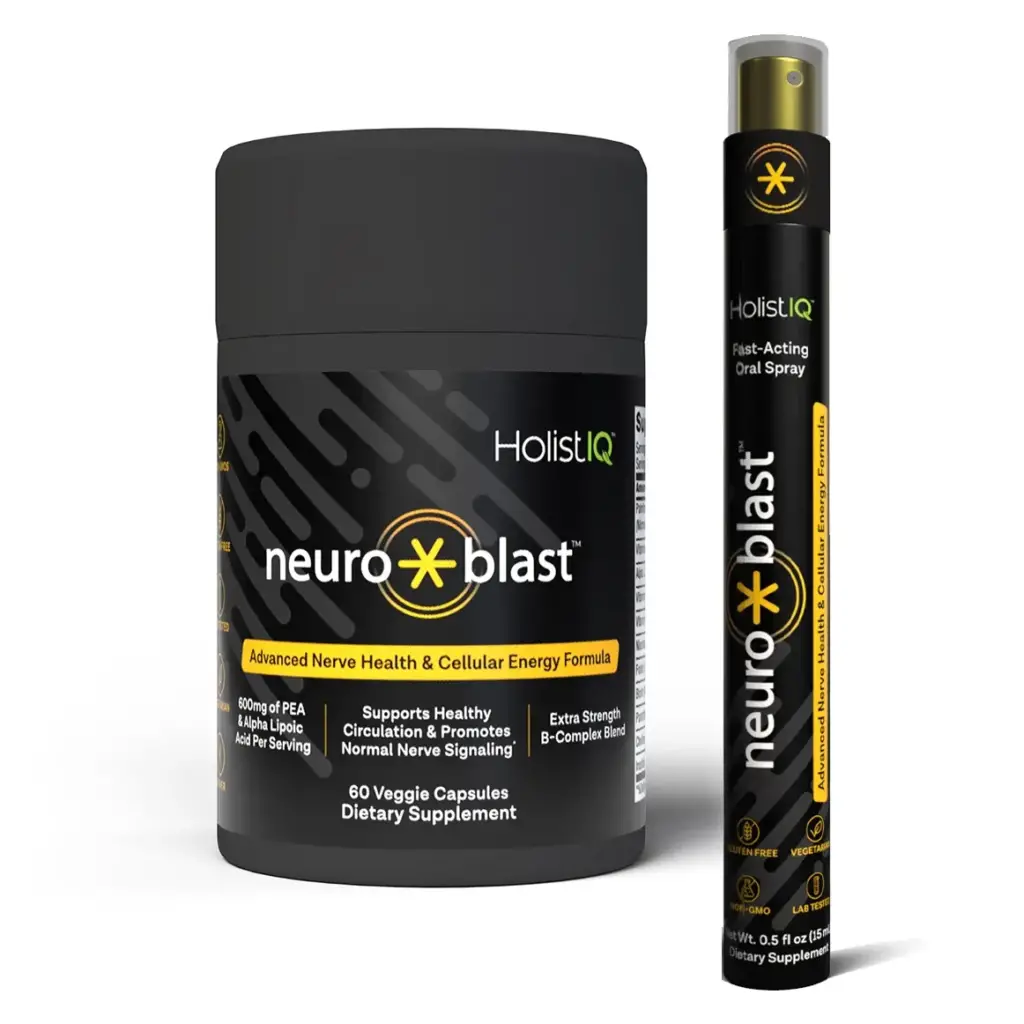
Understanding how these nutrients work can help you make more informed choices about your diet and supplements. The Neuro-Blast system, for example, is built on the principle of providing targeted, cellular-level support. Let’s look at the specific vitamins that are most celebrated for their nerve-supporting abilities.
B Vitamins: The Nerve Repair Powerhouse
When it comes to nerve health, B vitamins are the undisputed champions. A specific group—B1 (thiamine), B6 (pyridoxine), and B12 (cobalamin)—are known as “neurotropic” because of their special affinity for the nervous system. These vitamins are essential for maintaining the health of your nerve cells and guiding the regeneration process. Studies show that B vitamins can help nerves repair themselves, grow back, and function better. Vitamin B12, in particular, is critical for building and protecting the myelin sheath, the protective coating that surrounds your nerves and ensures signals are sent properly.
Vitamin D and E: Key Supporting Roles
While B vitamins often get the spotlight, Vitamins D and E play crucial supporting roles. Vitamin E is a powerful antioxidant that protects nerve cells from oxidative stress and damage caused by free radicals. Think of it as a bodyguard for your delicate nerve endings. Meanwhile, research has shown that low Vitamin D levels are common in people with diabetes, a group that often experiences nerve-related issues. Ensuring you have enough of these vitamins helps create the right environment for your nerves to thrive and defend against damage.
What Do These Vitamins Actually Do for Your Nerves?
It’s easy to think of vitamins as a general wellness item, but for nerve health, they perform highly specialized jobs. Specific nutrients are actively working to protect, fuel, and defend your nerve cells. Understanding these roles can make a huge difference in how you approach your health. Think of it as a dedicated crew: one worker builds and repairs, another supplies energy, and a third stands guard. Each role is critical for maintaining the communication network that allows you to move and feel without discomfort. Let’s look at what these key players do on a cellular level.
Protecting Your Myelin Sheath
Imagine your nerves are like electrical wires. To send signals correctly, they need proper insulation—a fatty layer called the myelin sheath. When it’s damaged, signals can misfire, leading to tingling, numbness, and pain. This is where Vitamin B12 comes in. It plays a key role in building and repairing this sheath. Research shows that B12 is essential for helping nerve cells survive and recover their function. By keeping this protective coating healthy, Vitamin B12 helps your nerves communicate effectively, a fundamental step in feeling better.
Fueling Your Nerves and Brain
Your nerve cells are busy and require a lot of energy to function, let alone heal. Vitamin B1 (Thiamine) is the primary nutrient that converts carbohydrates into usable energy for your nerves and brain. Without enough fuel, your nerves can’t perform their daily tasks or begin the healing process. Vitamin B1 also acts as an antioxidant, shielding nerves from damaging substances. This dual role of fueling and protecting makes B vitamins a cornerstone of nerve health. They provide the power your nerves need to repair themselves and work properly.
Fighting Nerve Damage with Antioxidants
Every day, your body faces oxidative stress from free radicals that can damage nerve cells. Antioxidants are compounds that neutralize these free radicals, acting as your nerves’ personal security team. Alpha-Lipoic Acid (ALA) is a powerful antioxidant shown to improve nerve function and ease symptoms like pain and tingling. Another potent one is Curcumin, the active compound in turmeric, known for its anti-inflammatory and pain-relieving properties. By fighting oxidative stress, these compounds help protect your nerves from further harm, creating a better environment for healing.
Eating for Nerve Health: The Best Food Sources
While a targeted nerve support system can provide the specific nutrients your body needs, the food you eat every day lays the groundwork for your overall nerve health. Think of your diet as the foundation of your house—the stronger it is, the better everything else holds up. Focusing on whole, nutrient-dense foods gives your nervous system the raw materials it needs to function, repair, and protect itself from daily stressors. It’s not about a perfect diet, but about making consistent, positive choices that add up over time.
Making small, intentional shifts in your meals can have a significant impact. Instead of feeling overwhelmed by a complete dietary overhaul, you can start by incorporating a few key foods rich in nerve-supporting vitamins. Adding a handful of spinach to your smoothie or choosing salmon for dinner are simple steps that contribute to a larger goal. This approach helps you build sustainable habits that support not just your nerves, but your entire body. Let’s look at some of the best food sources for the vitamins that are most crucial for keeping your nerves in top shape.
Where to Find B Vitamins
B vitamins are the all-stars of nerve health, and you can find them in a variety of common foods. Vitamin B1 (thiamine) is plentiful in pork, fish, beans, and whole grains. Vitamin B6, which helps create the chemical messengers your nerves use to communicate, is found in poultry, fish, potatoes, and chickpeas. Vitamin B12 is especially important for nerve repair and is almost exclusively found in animal products. To get enough B12, focus on eating lean meats, fish like salmon and tuna, eggs, and dairy products. Because these vitamins work together, a balanced diet is your best strategy for comprehensive support.
Sources of Vitamin D and E
Vitamins D and E play crucial protective roles for your nerves. Vitamin E is a powerful antioxidant that you can find in nuts, seeds, spinach, and broccoli, helping to shield your nerve cells from damage. Vitamin D, often called the “sunshine vitamin,” is also vital. Your body can produce it with sun exposure, but you can also get it from fatty fish like salmon and mackerel, as well as fortified foods like milk and cereal. Maintaining adequate levels of these vitamins is an important part of a holistic approach to managing nerve health, especially if you have underlying conditions that affect nerve function.
Tips for a Nerve-Healthy Diet
Building a nerve-healthy diet is about consistency, not perfection. Start by focusing on whole foods and reducing your intake of processed items, sugary drinks, and excessive alcohol, which can all contribute to inflammation and nerve damage. Try to fill your plate with a rainbow of fruits and vegetables to ensure you’re getting a wide range of antioxidants. It’s also a great idea to discuss your diet with your healthcare provider. They can help you identify any potential nutrient gaps and determine if a supplement regimen is right for you, ensuring your plan is tailored to your specific health needs.
Using Supplements for Nerve Repair? Read This First
Turning to supplements to support your nerve health is a proactive step, but it’s important to approach it with a clear understanding of what you’re putting into your body. While vitamins and minerals are essential, the world of supplements isn’t a one-size-fits-all solution. The right nutrients in the right amounts can be incredibly beneficial, but too much of a good thing can sometimes cause more harm than good. It’s all about finding that perfect balance for your unique needs.
Before you start a new regimen, it’s wise to get familiar with potential risks, learn how to determine a safe dosage, and understand how to identify your body’s specific needs. This knowledge empowers you to make informed choices that truly support your goal of getting back to the activities you love. Think of it as building a partnership with your body—one where you listen carefully and provide exactly what it needs to thrive. By taking a thoughtful approach, you can create a supplement plan that works in harmony with your overall health strategy.
Know the Risks: Vitamin B6 Toxicity
Vitamin B6 is often highlighted for its role in nerve health, and for good reason. It’s a crucial player in maintaining a healthy nervous system. However, it’s also a perfect example of why balance is so important. While your body needs it, extremely high doses can lead to a condition called vitamin B6 toxicity, which can paradoxically cause nerve damage—the very thing you’re trying to address. According to health experts, taking more than 200mg per day can put you at risk. This is why it’s so important to be aware of the ingredients and dosages in any supplements for neuropathy you consider, ensuring you’re supporting your nerves without accidentally overloading them.
How to Find Your Safe Dosage
So, how do you find that sweet spot? The first rule of thumb is to never assume that more is better. Always start by reading the product label and sticking to the recommended dosage. Reputable supplement manufacturers formulate their products carefully to provide effective, safe amounts. If you’re taking multiple supplements, be sure to check for overlapping ingredients to avoid accidentally taking too much of one nutrient. The most reliable way to find your ideal dosage is to consult with a healthcare professional. They can assess your individual health profile and help you create a safe and effective plan tailored just for you.
Spotting Nutrient Imbalances
Your body is a complex system, and your nutritional needs are completely unique. A supplement that works wonders for someone else might not be what your body requires. That’s why understanding your personal nutrient levels is a game-changer. You might have a deficiency in one area or an excess in another. A simple blood test ordered by your doctor can reveal deficiencies in key nerve-supporting nutrients like B vitamins or Vitamin D. Identifying these imbalances allows you to target the root cause of your discomfort. This is the core principle behind systems like Neuro-Blast, which focuses on providing comprehensive, cellular-level support where your body needs it most.
More Than Vitamins: Other Nutrients for Nerve Repair
Vitamins are a fantastic starting point for nerve support, but they’re not the whole story. Several other powerful nutrients can make a real difference in how your nerves feel and function. Think of them as the specialized crew that comes in to handle specific jobs, like reducing inflammation or protecting your cells from damage. When you combine these with the right vitamins, you create a more comprehensive support system for your body. Understanding what these nutrients do can help you make more informed choices about your diet and supplements, putting you in the driver’s seat of your nerve health journey. This is the core idea behind our AI-enhanced approach—using a full spectrum of nutrients to provide deep, cellular-level support.
Alpha-Lipoic Acid and Omega-3s
Alpha-Lipoic Acid (ALA) is a potent antioxidant that your body produces, and it’s a real multitasker for nerve health. It’s known to help improve nerve function and ease common discomforts like pain, itching, and tingling in the arms and legs. It’s particularly studied for its benefits in neuropathy related to diabetes. Then there are Omega-3 fatty acids, the healthy fats found in fish oil. Their main claim to fame is their powerful anti-inflammatory properties, which can help calm and support damaged nerves. By reducing inflammation, Omega-3s create a better environment for your nerves to function and repair.
The Benefits of Acetyl-L-Carnitine and Curcumin
Acetyl-L-Carnitine is an amino acid that acts as an antioxidant and plays a key role in your body’s energy production. For your nerves, this is great news. It helps create healthy nerve cells and can reduce pain associated with nerve damage. Another fantastic nutrient is curcumin, the active compound that gives turmeric its bright yellow color. Curcumin is a well-known antioxidant and anti-inflammatory agent. It can help soothe pain and may also provide relief from the frustrating numbness and tingling sensations you might feel in your hands and feet. These ingredients are key to the cellular-level support that our Neuro-Blast system provides.
Why Magnesium Matters
Magnesium is a mineral involved in hundreds of processes in your body, and nerve health is one of them. It plays a crucial part in how your body uses sugar and maintains insulin sensitivity. Research suggests a connection between low magnesium levels and increased oxidative stress, a major contributor to nerve damage. While more studies are needed to fully understand the link, ensuring you have enough magnesium is a smart move for your overall health and may offer an extra layer of support for your nerves. It’s another important piece of the puzzle when building a comprehensive approach to nerve care.
Lifestyle Habits That Support Nerve Repair
While vitamins and nutrients are fundamental building blocks for nerve health, they work best as part of a bigger picture. The daily choices you make have a powerful impact on your body’s ability to heal and maintain a healthy nervous system. Think of it this way: supplements provide the raw materials, but your lifestyle habits create the right environment for repair to happen.
By incorporating a few simple, consistent practices into your routine, you can actively support your nerves. These habits help improve circulation, manage inflammation, and reduce the daily stressors that can interfere with your body’s natural healing processes. Let’s walk through a few key areas where small changes can make a big difference.
Get Moving to Support Your Nerves
When you’re dealing with nerve discomfort, exercise might be the last thing on your mind. But gentle, regular movement is one of the best things you can do for your nerves. Physical activity helps improve blood flow, which is crucial for delivering oxygen and nutrients to your nerve tissues. It also encourages your body to release natural growth factors that support nerve repair.
You don’t need to run a marathon to see the benefits. Start with low-impact activities like a daily walk, swimming, or gentle stretching. The goal is consistency, not intensity. Finding an activity you enjoy will make it easier to stick with, helping you get moving again and support your body’s recovery from the inside out.
The Role of Rest and Stress Relief
Chronic stress can take a toll on your entire body, including your nervous system. When you’re stressed, your body releases hormones that can increase inflammation and oxidative stress, both of which can interfere with nerve function. That’s why making time for rest and relaxation is a non-negotiable part of supporting your nerve health.
This doesn’t have to be complicated. Simple relaxation techniques like deep breathing exercises, meditation, or gentle yoga can make a significant impact. Even setting aside 15 minutes a day to sit quietly or listen to calming music can help lower stress levels and give your nervous system the break it needs to focus on repair.
Stay Hydrated and Reduce Inflammation
Two simple but powerful habits for nerve health are staying hydrated and eating an anti-inflammatory diet. Water is essential for almost every bodily function, including proper nerve signaling. Dehydration can disrupt this process, so be sure to drink plenty of water throughout the day.
At the same time, focusing on foods that fight inflammation can help create a healing environment for your nerves. Incorporate foods rich in antioxidants and anti-inflammatory compounds, such as leafy greens, berries, fatty fish like salmon, and spices like turmeric. Combining these dietary habits with a comprehensive support plan like the Neuro-Blast System can help address discomfort at its source.
How to Choose a Quality Nerve Support Supplement
Walking down the supplement aisle can feel overwhelming. With so many bottles and promises, how do you pick the one that will actually help? Choosing a nerve support supplement isn’t just about grabbing the first one you see. It’s about finding a high-quality product that your body can use effectively. The goal is to find a supplement that supports your nervous system at a deep, cellular level, rather than just masking symptoms.
A great supplement should be built on solid science and formulated for maximum impact. This means looking for ingredients that are not only proven to support nerve health but are also in a form your body can easily absorb. When you invest in your health, you want to be sure you’re getting a product that delivers on its promises and gives your body the tools it needs to start feeling better.
Look for Quality and Bioavailability
When you’re evaluating a supplement, quality is everything. Look for products that are transparent about their ingredients and manufacturing processes. High-quality supplements often use forms of vitamins and nutrients that are highly “bioavailable,” which is just a scientific way of saying your body can absorb and use them efficiently. Many supplements help by fighting inflammation and oxidative stress, so ingredients known for these properties are a great sign. Understanding how it works on a cellular level can make all the difference in finding a product that provides genuine support.
When and How to Take Supplements
Before adding any new supplement to your routine, it’s essential to have a conversation with your doctor. As Healthline notes, you should “always talk to your doctor before taking any supplements for neuropathy. They can tell you if it’s safe and effective for your specific health situation.” Your doctor can help you understand your body’s unique needs and ensure a new supplement won’t interfere with any existing medications. Once you get the green light, follow the dosage instructions on the label carefully and take it consistently to give it the best chance to work.
Find a System That Works for You
Effective nerve support often requires more than a single ingredient. The best approach is to find out what’s causing your nerve issues in the first place. According to the Foundation for Peripheral Neuropathy, you can get tested for specific deficiencies or signs of oxidative stress to pinpoint the problem. This is why a comprehensive approach can be so effective. Instead of just one pill, consider a complete nerve support system that combines different delivery methods, like capsules and an oral spray, to provide layered, consistent support throughout the day. This creates a routine that addresses your needs from multiple angles.
Build Your Personal Nerve Support Plan
Creating a plan for your nerve health isn’t about finding a single magic bullet; it’s about building a supportive system tailored just for you. Your body has unique needs, and the most effective approach is one that combines smart nutrition, targeted supplements, and healthy habits. Think of it as assembling your personal toolkit for feeling better and getting back to the activities you love. By taking a thoughtful and proactive role in your wellness, you can create a sustainable strategy that addresses your specific concerns and supports your nervous system from the ground up.
Assess Your Personal Needs
Before you make any changes, it’s important to get a clear picture of what your body is telling you. Are you dealing with tingling, numbness, or weakness? Understanding your specific symptoms is the first step. Many people find relief by addressing underlying issues like inflammation or specific nutrient shortages. It’s helpful to understand your own body’s needs and consider if you might be lacking key vitamins that are essential for nerve function. This personal assessment gives you a starting point, helping you and your doctor identify which areas to focus on for the most impact.
Combine Diet, Supplements, and Lifestyle Habits
A truly effective nerve support plan is a holistic one. While a nutrient-rich diet is your foundation, supplements can provide a more concentrated dose of the specific compounds your nerves crave. For instance, B vitamins like B1, B6, and B12 are known as “neurotropic” vitamins because they play a direct role in supporting nerve health. A comprehensive product like the Neuro-Blast System is designed to provide this kind of targeted support. When you combine this with gentle exercise and stress-reducing activities, you create a powerful, multi-faceted approach to managing your nerve health and improving your quality of life.
Talk to Your Healthcare Provider
This step is non-negotiable. Before you start taking any new supplements, schedule a conversation with your doctor or pharmacist. This is especially critical if you are taking other medications, as some vitamins and herbs can cause unwanted interactions. Your doctor can help you create a safe and effective plan that complements any existing treatments. Think of your healthcare provider as a key member of your wellness team. They can offer personalized advice, help you determine the right dosages, and ensure your plan is perfectly suited to your individual health profile.
Related Articles
- The 6 Best Vitamins for Nerve Damage and Repair
- 7 Proven Supplements for Nerve Repair and Pain
- The Top 10 Best Vitamins for Your Nerves
Frequently Asked Questions
Do I really need a supplement, or can I get enough of these vitamins from my diet? A food-first approach is always a great foundation for your health. However, getting a therapeutic amount of specific nutrients needed for nerve support can be challenging through diet alone. A high-quality supplement acts as a targeted tool, ensuring your body receives a consistent and potent dose of the key vitamins and antioxidants that are crucial for cellular repair, especially if you have existing deficiencies or increased needs.
You mentioned a lot of different vitamins. Is there one that’s more important than the others? While it’s tempting to look for a single hero ingredient, nerve health is truly a team sport. The B vitamins—especially B1, B6, and B12—are often considered the most critical players because of their direct role in nerve function and repair. However, they work best when supported by antioxidants like Vitamin E and other key nutrients. A comprehensive approach that provides a full spectrum of support is generally more effective than focusing on just one vitamin.
How can I tell if I have a vitamin deficiency that’s affecting my nerves? The only way to know for sure is to talk with your doctor. They can discuss your symptoms and, if necessary, order a simple blood test to check your levels of key nutrients like Vitamin B12 or Vitamin D. This is the most direct way to identify any specific shortfalls so you can create a targeted plan to address them, rather than guessing what your body might need.
Is it possible to take too much of a certain vitamin for nerve health? Yes, it is. Balance is incredibly important, and more is not always better. For example, while Vitamin B6 is essential for nerve health, taking excessively high doses can actually lead to nerve-related side effects. This is why it’s so important to stick to the recommended dosage on a product’s label and, most importantly, to discuss any new supplement regimen with your healthcare provider to ensure it’s safe for you.
Besides diet and supplements, what’s one simple lifestyle change I can make to support my nerves? Incorporating gentle, regular movement into your day can make a huge difference. You don’t need an intense workout; a daily walk is perfect. Exercise improves blood flow, which helps deliver vital oxygen and nutrients to your nerve endings. It’s a simple, powerful habit that supports your body’s natural repair processes from the inside out.