
Think of your nervous system as the intricate electrical wiring of your home. For everything to work smoothly, those wires need proper insulation. In your body, that insulation is a protective layer around your nerves called the myelin sheath, and certain vitamins are essential for keeping it strong. When you’re running low on these key nutrients, that protective coating can wear down, causing signals to get crossed. This is what leads to that frustrating burning or tingling in your feet. So, what vitamin deficiency causes burning feet? Most often, it’s a lack of B vitamins, which are the primary building blocks for nerve health. Understanding this connection is the first step toward addressing the root cause and giving your body’s wiring the support it needs.
Key Takeaways
- Connect the Dots to B Vitamins: That fiery feeling in your feet is a classic sign of nerve damage, often stemming from a deficiency in B vitamins like B12, which are crucial for maintaining the protective coating around your nerves.
- Get a Clear Diagnosis Before Acting: Don’t guess what’s wrong. A simple blood test from your doctor can confirm a vitamin deficiency, ensuring you get the right treatment and avoid further nerve damage.
- Build a Foundation of Diet and Targeted Support: Lasting relief comes from a two-part approach: consistently eating foods rich in B vitamins and complementing your diet with a complete system designed for deep, cellular-level nerve health.
Which Vitamin Deficiency Causes Burning Feet?
If you’re dealing with that frustrating, fiery sensation in your feet, you’ve probably wondered what’s causing it. While there are several potential reasons, one of the most common culprits is a vitamin deficiency. Your nervous system is a complex network that relies on specific nutrients to function correctly. When you don’t get enough of these essential vitamins, your nerves can send out distress signals, which you might feel as burning, tingling, or numbness in your hands and feet.
Think of vitamins as the maintenance crew for your body’s electrical wiring—your nerves. Without them, the protective coating around your nerves can wear down, and communication between your brain and your feet can get scrambled. The B vitamins, in particular, are superstars when it comes to nerve health. A shortfall in any one of them can lead to discomfort, but a few stand out as the most common triggers for that burning feeling. Understanding which vitamins are at play is the first step toward finding relief and getting back on your feet.
The Link Between B12 and Nerve Damage
When we talk about vitamins and nerve health, Vitamin B12 is often the main character. This powerhouse vitamin is essential for creating and maintaining the myelin sheath, a protective layer that insulates your nerve cells. Without enough B12, this sheath can degrade, leaving your nerves exposed and vulnerable to damage. This type of nerve damage, known as peripheral neuropathy, is a primary cause of burning feet. Your body can’t make B12 on its own, so you have to get it from food or supplements. As we age, our ability to absorb B12 from food can decrease, making a deficiency more common and putting us at greater risk for nerve-related symptoms.
Other B Vitamins Your Nerves Need
While B12 gets a lot of attention, it’s not the only B vitamin your nerves depend on. The entire family of B-complex vitamins plays a role in keeping your nervous system running smoothly. For instance, Vitamin B6 helps produce neurotransmitters, the chemical messengers that transmit signals between nerve cells. Vitamin B1 (Thiamine) and Vitamin B9 (Folate) are also crucial for nerve function and repair. A deficiency in any of these can disrupt nerve signals and contribute to the burning or tingling sensations you’re feeling. It’s often a team effort, and ensuring you have adequate levels of all B vitamins is key to comprehensive nerve support.
Beyond B Vitamins: Other Nutrient Gaps
Although B vitamins are the most frequent offenders, they aren’t the only nutrients connected to nerve health. Deficiencies in other vitamins, like Vitamin D and E, have also been linked to neuropathy symptoms. It’s also important to consider what might be causing the deficiency in the first place. Sometimes, it’s purely dietary. In other cases, underlying health conditions can interfere with your body’s ability to absorb nutrients. For example, diabetic neuropathy is a common condition where nerve damage is caused by high blood sugar levels, which can also affect how your body uses certain vitamins. Excessive alcohol consumption can also deplete your body of essential B vitamins, leading to similar symptoms.
How a Vitamin Deficiency Causes That Burning Sensation
It’s incredibly frustrating when your body sends confusing signals, and that burning sensation in your feet is a perfect example. It feels real because, to your nerves, it is. Often, this discomfort isn’t from an external source but from an internal issue—a breakdown in your nervous system’s communication lines. A key reason for this can be a deficiency in certain essential vitamins. When your nerves don’t get the nutrients they need, they can start sending faulty messages. Let’s look at how a simple vitamin gap can lead to such a disruptive sensation.
Protecting Your Nerves: The Role of Myelin
Think of the wiring in your house. Each wire has a plastic coating to protect it and ensure the electrical signal gets where it’s going. Your nerves have a similar protective layer called the myelin sheath. Vitamin B12 is a crucial building block for this coating. When you’re low on B12, this protective sheath can wear down, leaving your nerves exposed and vulnerable. This damage disrupts the normal flow of nerve signals, which can result in sensations like tingling, numbness, or that persistent, fiery burning in your feet. It’s your body’s way of telling you its internal wiring is compromised.
Fueling Your Nerves: Oxygen and Red Blood Cells
Like any other part of your body, your nerves need fuel to work correctly, and their preferred fuel is oxygen. This is where the B vitamin family comes in. Vitamins like B1, B6, B9 (folate), and B12 are essential for producing healthy red blood cells. These cells act like a delivery service, transporting oxygen to every part of your body, including the delicate nerve endings in your feet. A B vitamin deficiency means your body can’t make enough of these delivery trucks. This leads to poor oxygen supply, essentially starving your nerves and impairing their function.
Why Your Nerve Signals Are Misfiring
So, what happens when your nerves are both damaged from a thinning myelin sheath and starved of oxygen? They start to misfire. Healthy nerves send clear, accurate signals to your brain about touch and temperature. But damaged nerves get confused. They might send pain signals to your brain even when there’s no injury, or send signals for heat when your feet are a normal temperature. Your brain interprets these scrambled messages as the very real sensation of burning. It’s a communication breakdown on a cellular level. Understanding how it works is the first step toward addressing the root cause and supporting your nerve health from the inside out.
Beyond Burning Feet: Other Signs of a Vitamin Deficiency
That burning feeling in your feet is a clear signal from your body that something is off. While it’s a common sign of a vitamin deficiency, it’s rarely the only one. Your body often sends out a cluster of clues when it’s not getting the nutrients it needs for proper nerve function. Paying attention to these other signs can help you understand the bigger picture of your health and take the right steps toward feeling better.
Neurological Symptoms to Watch For
Because B vitamins are so crucial for your nervous system, a deficiency can cause more than just discomfort in your feet. You might notice tingling or numbness—that “pins and needles” feeling—in your hands and legs, too. This happens because your nerves lack the nutrients to maintain their protective coating, called myelin. Without it, nerve signals can get scrambled. In some cases, you might also experience difficulty with balance or muscle weakness. These are all signs that your nervous system needs support to function correctly.
Physical Clues of a B Vitamin Deficiency
Your body has other ways of showing you it’s low on essential B vitamins. One of the most common signs is persistent fatigue that doesn’t go away with rest. You might also notice your skin looks unusually pale or has a yellowish tint. Some people experience a sore, red tongue or mouth ulcers. Because B vitamins play a role in so many bodily functions, a deficiency can even lead to shortness of breath, dizziness, or a fast heartbeat. Think of these as your body’s check-engine lights—they’re worth paying attention to.
When Burning Feet Signals a Deeper Issue
Sometimes, burning feet can point to a more significant underlying issue. The sensation is a classic symptom of peripheral neuropathy, which is nerve damage in the legs and feet. This condition is especially common among people with diabetes but can have other causes. If your burning sensation appeared suddenly, is getting worse, or you can’t pinpoint a reason for it, it’s a good idea to talk to your doctor. They can run tests to check your vitamin levels and rule out other conditions, helping you get a clear diagnosis and an effective treatment plan.
What to Eat to Address Burning Feet
Making changes to your diet is a powerful and proactive step you can take to manage that frustrating burning sensation in your feet. The right nutrients provide the building blocks your body needs to maintain a healthy nervous system. Think of it as giving your nerves the fuel they need to function properly and repair themselves. While food is a fantastic place to start, it’s one piece of a larger puzzle. Focusing on specific vitamins, especially the B-vitamin family, is crucial for nerve health. Let’s look at some simple, delicious ways you can adjust your meals to support your nerves from the inside out.
Add These B12-Rich Foods to Your Plate
Vitamin B12 is a superstar when it comes to your nerves. It plays a vital role in creating and maintaining myelin, the protective sheath that insulates your nerve cells. Without enough B12, this protective layer can wear down, leaving your nerves vulnerable to damage and causing those painful burning, tingling, or numb sensations. To get more of this essential nutrient, try incorporating foods like lean beef, clams, tuna, and salmon into your meals. Eggs and dairy products like milk and yogurt are also excellent sources. Making a conscious effort to add B12-rich foods to your diet is a direct way to support the very structure of your nervous system.
Find Other Essential B Vitamins in These Foods
While B12 often gets the spotlight, the entire family of B vitamins works together to keep your nervous system running smoothly. Vitamins like B1 (thiamine), B6 (pyridoxine), and B9 (folate) are all essential for nerve function, energy production, and the creation of healthy red blood cells that carry oxygen to your nerves. A deficiency in any of these can contribute to nerve-related discomfort. You can find these powerful nutrients in a variety of foods. Load up on leafy greens like spinach and kale, add more fish and poultry to your diet, and include eggs and legumes like beans and lentils. Eating a wide range of these foods helps ensure you’re getting the full spectrum of B vitamins your body needs.
Simple Tips for Better Vitamin Absorption
Eating the right foods is the first step, but ensuring your body can actually absorb and use those nutrients is just as important. As we get older, our ability to absorb certain vitamins, particularly B12, can decrease. Certain health conditions can also interfere with absorption. To help your body make the most of the nutrients you consume, focus on whole, unprocessed foods whenever possible. Try pairing iron-rich foods with a source of vitamin C (like bell peppers with beef) to aid absorption. For a truly effective strategy, consider a comprehensive approach that combines a healthy diet with targeted support to ensure your nerves get everything they need on a cellular level.
How to Treat Burning Feet Caused by a Vitamin Deficiency
If you suspect a vitamin deficiency is the culprit behind your burning feet, there’s good news: this is often a solvable problem. Taking the right steps can help you address the root cause and get back to feeling like yourself. It’s not about just managing the discomfort, but about giving your body what it needs to repair and protect your nerves for the long haul. The path to relief involves getting a clear diagnosis from a professional, using supplements strategically, and making simple adjustments to your daily meals. By combining these approaches, you can create a powerful plan to soothe that burning sensation and support your overall nerve health.
Getting a Proper Diagnosis
Before you start any new regimen, your first and most important step is to talk to your doctor. Self-diagnosing can be a frustrating guessing game, and a healthcare professional can run specific tests to see if you have a vitamin B12 deficiency or another issue. This is crucial because burning feet can be a sign of other conditions, and getting an accurate diagnosis ensures you receive the right treatment. A doctor can help you find the cause of your discomfort, which is the key to feeling better and preventing any further nerve damage. Don’t hesitate to schedule an appointment, especially if you’re also experiencing symptoms like numbness or a sore tongue.
Smart Supplementation Strategies
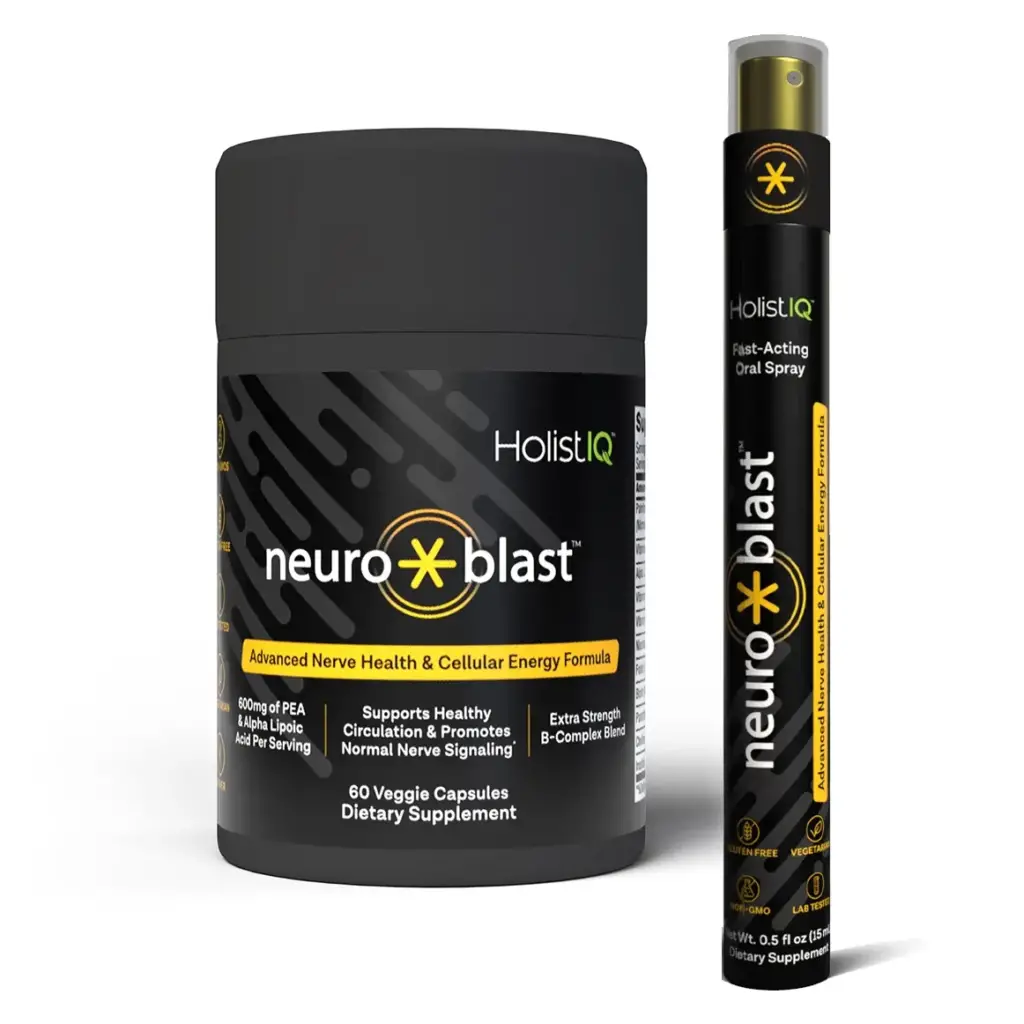
Once a deficiency is confirmed, supplementation can be an incredibly effective way to restore your body’s nutrient levels. However, it’s important to approach this with guidance from your doctor, who can recommend the correct dosage for your specific needs. Simply grabbing a bottle off the shelf might not be the most effective route. For those looking for a more targeted approach, the Neuro-Blast System is engineered to support the nervous system on a cellular level, offering a comprehensive way to address the root causes of nerve discomfort. Remember, when a lack of vitamins is the problem, finding the right treatment can make all the difference in getting you moving comfortably again.
Simple Diet and Lifestyle Adjustments
Supplements work best when they’re part of a bigger picture that includes a nutrient-rich diet. You can support your nerve health every day just by making a few thoughtful choices at mealtime. Focus on incorporating foods that are high in B vitamins, which are essential for healthy nerve function. Try adding more leafy greens like spinach, fatty fish such as salmon, eggs, and lean beef into your weekly rotation. These foods provide the raw materials your body needs to maintain a healthy nervous system. Consistently eating a well-balanced diet is a simple yet powerful habit that complements any treatment plan and contributes to your long-term well-being.
Is a Vitamin Deficiency Causing Your Burning Feet?
If you’re dealing with that persistent, painful burning in your feet, you know how disruptive it can be. It’s easy to dismiss it as just another ache, but it could be your body’s way of signaling a deeper issue. One of the most common culprits behind this sensation is nerve damage, which is often tied to a nutritional gap, particularly a lack of B vitamins. Figuring out if a deficiency is the root cause is a critical first step toward finding real relief. Let’s walk through how you can connect the dots between your diet and your discomfort.
Track Your Symptoms and Patterns
The first step is to become an observer of your own body. Think of it as gathering clues. When does the burning sensation flare up? Is it worse at night or after a long day of standing? Does it affect your soles, spread to your toes, or concentrate in your heels? Keeping a simple log of your symptoms can be incredibly helpful. Note any other unusual feelings, like tingling or numbness. This information isn’t just for you; it provides a clear picture for your doctor to analyze. Understanding the specific nature of your discomfort is key, as different causes of burning feet can present in unique ways.
Understand Your Risk Factors
Next, consider if your lifestyle or health history puts you at a higher risk for a vitamin deficiency. For instance, a vitamin B12 deficiency is more common in older adults, vegetarians, and individuals with digestive conditions like Crohn’s disease that affect nutrient absorption. While B12 is a major player, it’s not the only nutrient your nerves need. Deficiencies in other B vitamins—like B1, B6, and B9—as well as vitamins D and E have also been linked to nerve-related foot pain. Taking an honest look at your diet and health can help you identify potential gaps that might be contributing to your symptoms.
When to Talk to Your Doctor
While tracking symptoms and understanding risks are important, they don’t replace professional medical advice. If burning feet are a consistent problem, it’s time to schedule a visit with your doctor. This is especially true if you’re experiencing other signs of a deficiency, like numbness in your hands or a sore tongue. Your doctor can run simple blood tests to check your vitamin levels and provide a definitive diagnosis. Getting the right diagnosis is crucial because it ensures you get the right treatment, which can prevent further nerve damage and help you get back to feeling like yourself. Understanding how nerve support works on a cellular level can also empower your conversations with your healthcare provider.
Support Your Nervous System for Lasting Relief
Finding lasting relief from the tingling and burning in your feet means looking beyond temporary fixes and addressing the health of your entire nervous system. When your nerves don’t get the essential nutrients they need, they can’t function properly, leading to discomfort that disrupts your life. Creating a supportive environment for your nerves involves a consistent, well-rounded approach that combines a healthy diet, smart habits, and targeted nutritional support. By focusing on the root causes of nerve discomfort, you can take meaningful steps toward feeling better and getting back to the activities you love.
Take a Comprehensive Approach to Nerve Health
That burning sensation in your feet is often a sign of nerve damage, which can be linked to underlying issues like a vitamin B12 deficiency. While addressing a specific nutrient gap is a great start, true nerve health requires a broader strategy. Think of it as tending to a garden—you can’t just water one plant and expect everything to thrive. Your nervous system is an intricate network that needs a variety of nutrients and consistent care to function well. A comprehensive plan that includes a balanced diet, regular movement, and targeted cellular-level support can help address the underlying causes of discomfort and promote long-term wellness.
Build Daily Habits for Healthy Nerves
Consistency is your best friend when it comes to nerve health. Small, daily actions can make a big difference over time. The B vitamin group—including B1, B6, and B12—is crucial for maintaining a strong nervous system and healthy red blood cells. Start by incorporating foods rich in these vitamins into your daily meals. Gentle, regular exercise like walking can also improve blood flow, ensuring your nerves get the oxygen and nutrients they need. To make sure you’re covering all your bases, consider adding a complete nerve support system to your routine to provide your body with a steady supply of the building blocks it needs for nerve repair and function.
Prevent Future Vitamin Deficiencies
Once you start feeling better, the goal is to stay that way. Preventing future vitamin deficiencies is key to maintaining your progress. Certain factors can make you more likely to have low vitamin B12 levels, including being vegetarian, being older, or having gut conditions that affect nutrient absorption. Understanding your personal risk factors allows you to be proactive. Work with your doctor to monitor your vitamin levels and create a sustainable diet plan. Choosing high-quality, doctor-led formulas for supplementation can also provide peace of mind, ensuring you’re giving your body effective support to keep your nerves healthy for the long haul.
Related Articles
- Burning Feet Relief: Why It Happens & How to Stop It
- How to Get Burning Feet Sensation Relief Fast
- Your Guide to the Best Treatment for Burning Feet
Frequently Asked Questions
Could my burning feet be caused by something other than a vitamin deficiency? Yes, absolutely. While a vitamin deficiency is a very common reason for that burning sensation, it’s not the only one. Conditions like diabetic neuropathy, kidney issues, or even physical nerve compression can cause similar symptoms. That’s why it’s so important to chat with your doctor to get a clear diagnosis instead of guessing. They can help you pinpoint the exact cause and create a treatment plan that’s right for you.
How quickly can I expect relief after changing my diet or starting supplements? This really varies from person to person. Your body needs time to replenish its nutrient stores and begin the process of nerve repair. Some people might notice a subtle improvement in a few weeks, while for others, it could take a few months of consistent effort. The key is patience and consistency. Stick with your healthy habits, and remember that you’re working on addressing the root cause, which is a more gradual but lasting approach to feeling better.
I eat a pretty healthy diet. Could I still have a vitamin deficiency? It’s definitely possible, and it’s a common point of confusion. Even with a balanced diet, other factors can affect how your body uses nutrients. As we get older, our ability to absorb certain vitamins, especially B12, naturally declines. Some health conditions or medications can also interfere with nutrient absorption. So, while a healthy diet is your best first line of defense, it doesn’t always guarantee you’re getting everything your nerves need.
Is taking a general multivitamin enough to fix the problem? A general multivitamin can be a good foundation for overall health, but it might not be potent enough to correct a specific, significant deficiency that’s causing nerve discomfort. These formulas often contain smaller amounts of a wide range of vitamins. If a lack of B vitamins is the source of your burning feet, you’ll likely need a more targeted approach with higher, therapeutic doses to effectively replenish your levels and support nerve repair.
Besides my feet, what other signs of a B vitamin deficiency should I look out for? That burning sensation is a major clue, but your body often sends other signals. You might feel a similar “pins and needles” tingling in your hands or legs. Persistent fatigue that doesn’t improve with rest is another classic sign. Some people also experience issues with balance, muscle weakness, or even changes like a sore tongue or pale skin. Paying attention to this cluster of symptoms can give you a fuller picture of what your body is trying to tell you.