
It’s easy to feel overwhelmed by the sheer number of supplements promising nerve relief. You might have even tried a few without seeing the results you hoped for. Often, the problem isn’t the idea, but the execution. When it comes to nerve health, success hinges on two key factors: using the right form of Vitamin B12 and taking the right amount. A generic supplement often misses the mark on both. This guide is designed to give you clarity. We will break down why the specific vitamin b12 nerve damage repair dosage is so critical for seeing real change, helping you move from a place of guessing to a place of confident, informed action.
Key Takeaways
- Prioritize the Active Form of B12: Choose methylcobalamin over the synthetic cyanocobalamin. Your body can use this natural, active form immediately to help rebuild nerve coatings, making it a more direct and efficient choice for nerve support.
- Go Beyond the Daily Minimum with Smart Delivery: For nerve repair, a small daily dose isn’t enough. You need a higher, therapeutic amount delivered effectively through methods like an oral spray or high-dose capsule to bypass digestive issues and ensure your body can actually absorb and use it.
- Be Patient and Pair B12 with Key Partners: Nerve repair is a gradual process, so consistency is essential. You can support this process by ensuring your supplement includes other B vitamins, like B6 and folate, which work together with B12 to maintain a healthy nervous system.
Why Your Nerves Need Vitamin B12
If you’re dealing with nerve discomfort, you’ve probably heard about Vitamin B12. It’s not just another supplement; it’s a fundamental building block for your entire nervous system. Think of it as both a construction worker and a security guard for your nerves. According to the Mayo Clinic, B12 helps your body make and maintain healthy nerve cells. Without enough of it, your nerves can become vulnerable and struggle to send clear signals, leading to the frustrating symptoms you might be feeling.
This essential vitamin plays a direct role in how your nerves function, communicate, and even repair themselves. It’s a vital nutrient that supports your body’s ability to recover from nerve damage and maintain a healthy nervous system. Understanding how it works is the first step toward giving your body the support it needs to help you get moving again. That’s why we focus on providing a bioavailable form of B12 in the Neuro-Blast system.
How B12 Protects Your Nerve Coatings
Imagine the nerves in your body are like electrical wires. For them to work correctly, they need proper insulation. In your body, this insulation is a protective layer called the myelin sheath. Vitamin B12 is absolutely essential for building and maintaining this protective covering. When your B12 levels are low, this sheath can start to wear down, leaving your nerves exposed. This can cause signals to misfire or get lost, resulting in sensations like tingling, numbness, or sharp pains. By ensuring you have enough B12, you’re helping to keep that insulation strong, allowing for smooth and accurate communication between your brain and the rest of your body.
Fueling Your Nerve Cells for Better Function
Beyond just protecting your nerves, Vitamin B12 actively helps them heal. When nerves are damaged, your body’s ability to repair them is critical for recovery. Research shows that B12 can stimulate nerve regeneration by promoting the growth of axons—the long, slender fibers that transmit nerve impulses. Think of it as helping a damaged tree branch grow back. Studies have found that B12 not only enhances nerve repair but also improves functional recovery after an injury. This means it doesn’t just patch up the problem; it helps restore your nerves’ ability to do their job properly, which is a key part of how our system works to provide cellular-level support.
Are You Low on B12? Warning Signs to Watch For
It’s easy to brush off certain feelings as just a normal part of life or getting older. A little fatigue here, a moment of forgetfulness there—we’ve all been there. But sometimes, these subtle signals are your body’s way of telling you it’s missing something important. A vitamin B12 deficiency can be particularly tricky because its symptoms can creep up slowly and often mimic other health issues. You might blame a long day for your exhaustion or stress for your fuzzy thinking, without realizing there’s an underlying nutritional gap that could be affecting your nerve health.
Recognizing the warning signs is the first step toward getting your body the support it needs. Since B12 is so vital for maintaining your nervous system, paying attention to these clues can make a huge difference in how you feel and move every day. It’s about understanding what your body needs to function at its best, especially when it comes to nerve support. When your B12 levels are where they should be, your nerves have the resources to repair themselves and communicate effectively. Let’s look at some of the most common physical and mental signs that you might be running low on this essential nutrient, so you can take action.
Tingling, Numbness, and Other Physical Clues
Have you ever experienced that “pins and needles” feeling in your hands or feet for no apparent reason? That tingling or numbness is one of the most common red flags for B12-related nerve issues. It happens when your nerves aren’t getting the support they need to send clear signals. Beyond tingling, you might also notice persistent muscle weakness, general fatigue that doesn’t go away with rest, or even stomach problems. According to the Mayo Clinic, these physical clues are direct indicators of very low B12 levels and potential nerve damage. Listening to these signals from your body is crucial for addressing the problem early.
Brain Fog, Mood Shifts, and Memory Lapses
It’s not just your body that feels the effects of low B12; your brain does, too. If you find yourself struggling with brain fog, having trouble concentrating, or experiencing noticeable memory lapses, it might be more than just stress or a busy week. Vitamin B12 deficiency can lead to significant neurological changes, including mood swings that feel out of character. These cognitive symptoms are often overlooked but can seriously impact your daily life. Your brain relies on B12 to function properly, so when levels are low, it can affect everything from your mood to your ability to recall information clearly.
How Much B12 Should You Take for Nerve Repair?
Figuring out the right amount of vitamin B12 can feel like a guessing game, especially when you’re trying to address something as specific as nerve discomfort. The dose you see on a standard multivitamin bottle is often just the bare minimum to prevent a deficiency, not the amount needed to actively support nerve repair. The truth is, the ideal dosage isn’t one-size-fits-all. It depends on your age, diet, specific symptoms, and how well your body absorbs nutrients.
For nerve health, we’re often talking about therapeutic amounts, which are significantly higher than the general daily recommendation. This is because repairing nerve cells and their protective myelin sheath requires more resources than simple day-to-day maintenance. Think of it like this: you need a little water each day to survive, but if you’re dehydrated, you need a lot more to get back to a healthy state. The same principle applies to your nerves and B12. Understanding the difference between daily needs and what’s required for repair is the first step toward finding the right dose to help you get moving again. It’s about shifting from a mindset of prevention to one of active support, giving your body the tools it needs to do the hard work of mending itself from the inside out.
Daily Needs vs. Therapeutic Amounts
Most health organizations recommend about 2.4 micrograms (mcg) of B12 per day for the average adult. This is the amount needed to prevent a deficiency in a healthy person. However, this baseline number doesn’t account for the increased needs of someone experiencing nerve-related symptoms. As we get older, our ability to absorb B12 from food naturally declines, which is why many experts suggest that adults over 50 may need more just for maintenance.
When you’re aiming for nerve repair, you’re moving into what’s known as a therapeutic dosage range. This is a higher amount intended to correct a deficiency and provide your body with the surplus of B12 it needs to rebuild damaged nerve pathways. This is why you’ll often see supplements for nerve support containing much more than the standard 2.4 mcg.
What the Research Says About Dosage for Nerve Support
When you look at the science, it becomes clear that higher doses of B12 are key for nerve regeneration. Studies have shown that a high-dose vitamin B12 regimen can significantly improve functional recovery and promote the repair of peripheral nerves. Researchers have found that these larger amounts help reduce nerve degeneration and support the rebuilding process after an injury or damage.
This is because B12 plays a critical role in synthesizing and maintaining the myelin sheath, the protective coating around your nerves. When your body has an ample supply, it has the raw materials needed for this intensive repair work. While a standard daily dose can keep things running, a therapeutic dose is what gives your system the powerful support it needs to actively mend nerve damage and quiet those frustrating symptoms.
Adjusting Your Dose Based on Age and Symptoms
Your personal B12 needs are heavily influenced by your age, lifestyle, and any underlying health conditions. B12 deficiency is surprisingly common, and certain factors put you at a much higher risk. For example, adults over 60 often have a harder time absorbing B12 from their diet. The same goes for individuals on long-term medications for acid reflux (PPIs) or diabetes (Metformin), as these can interfere with absorption.
If you follow a vegan or vegetarian diet, you’re also more likely to need a supplement, since B12 is primarily found in animal products. If you’re already experiencing classic signs of low B12—like tingling in your hands and feet, brain fog, or persistent fatigue—it’s a strong signal that your body needs more than the minimum. This is where a targeted system like Neuro-Blast can help by providing a meaningful dose designed for real support.
Which Form of B12 is Best for Nerve Health?
When you’re looking for a B12 supplement, you’ll likely see two names on the label: methylcobalamin and cyanocobalamin. It’s easy to assume they’re the same, but for nerve health, the difference is significant. Choosing the right one can impact how well your body uses this crucial vitamin to support your nerves. Let’s break down what makes them different and why one stands out for nerve repair.
Methylcobalamin vs. Cyanocobalamin: What’s the Difference?
Think of methylcobalamin as the “body-ready” form of vitamin B12. It’s a naturally occurring, active form that your body can use immediately, without any extra steps. This is the type of B12 you find in food sources like fish, meat, and eggs. On the other hand, cyanocobalamin is a synthetic form of B12. When you take it, your body has to work to convert it into a usable form like methylcobalamin. This conversion process isn’t always efficient, especially as we age or if certain health conditions are present. For direct nerve support, you want the form that gets to work right away.
Why How You Absorb B12 Matters
Taking the right form of B12 is only half the battle; your body also has to absorb it effectively. As we get older, our ability to absorb B12 through digestion can decline. This means that even if you’re taking a supplement, it might not be reaching your nerve cells where it’s needed most. This is why the delivery method is so important. To ensure your body gets a meaningful dose, you need a system that can bypass potential digestive roadblocks. The goal of any effective supplement is to make sure the nutrients are bioavailable, meaning your body can actually use them.
The Case for Methylcobalamin in Nerve Repair
When it comes to nerve repair, you want the most direct support possible. Research shows that methylcobalamin plays a key role in nerve regeneration by helping to promote the growth of axons—the long fibers that transmit signals between your nerves. Studies suggest that high doses of this active form can support functional recovery and encourage the regeneration of peripheral nerves. Because it’s already in its active state, methylcobalamin provides the direct support needed to maintain nerve cell health. This makes it the standout choice for anyone focused on giving their nerves the building blocks they need with a system like Neuro-Blast.
The Best Way to Take B12 for Nerve Repair
When it comes to getting enough vitamin B12 for nerve support, the delivery method is just as important as the dosage. Your body’s ability to absorb and use this crucial nutrient can vary quite a bit depending on how you take it. The goal is to get B12 into your bloodstream where it can travel to your nerve cells and get to work. For many people, especially those with digestive issues or age-related absorption challenges, traditional pills that go through the stomach aren’t the most efficient route.
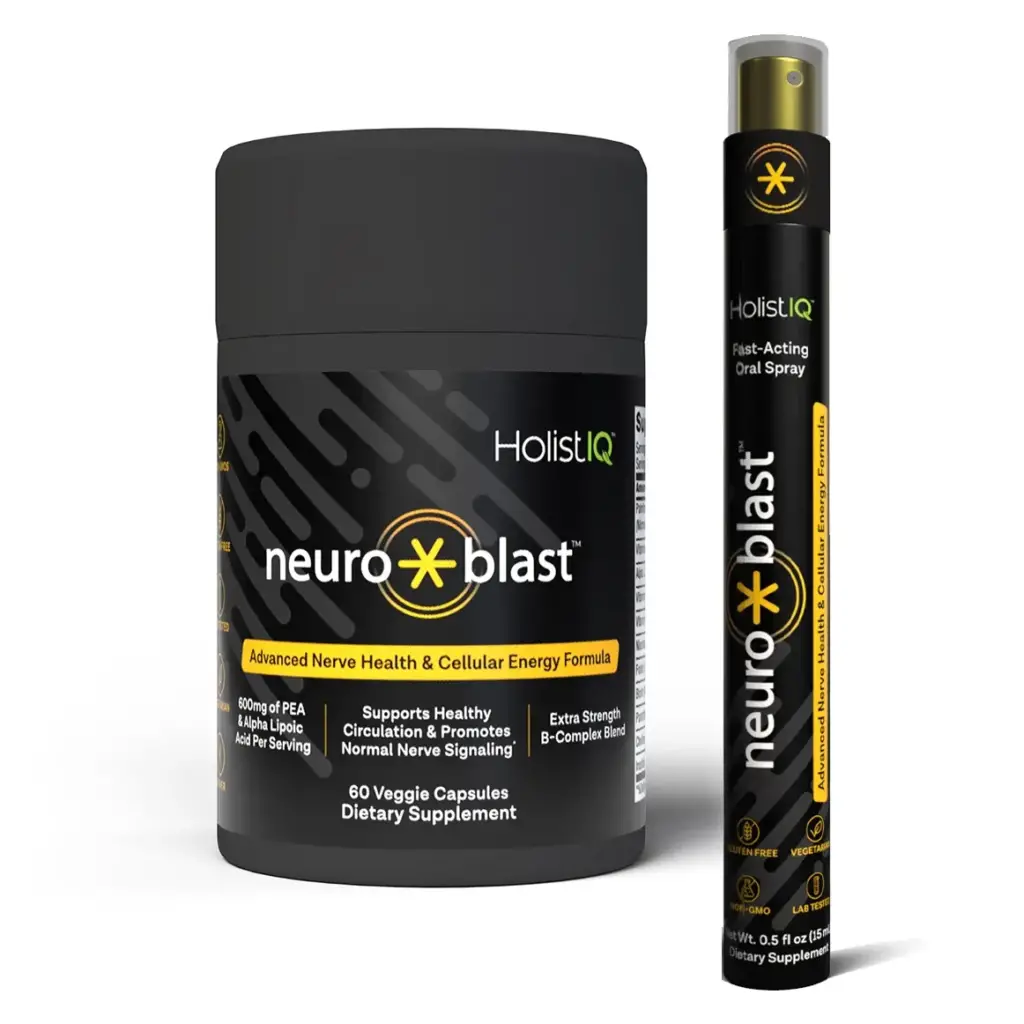
Fortunately, there are several highly effective ways to take B12 that bypass common absorption roadblocks. From oral sprays that absorb directly in your mouth to high-dose capsules that use alternative pathways, you have options beyond just injections. Understanding how each method works can help you choose the right approach for your body and your nerve health goals. The Neuro-Blast system, for example, combines a rapid-absorb spray with supportive capsules to cover all your bases, ensuring your body gets the B12 it needs to start feeling better.
Oral Sprays and Under-the-Tongue Tablets
If you want to get B12 into your system quickly and efficiently, oral sprays and sublingual (under-the-tongue) tablets are fantastic options. This method works by allowing the B12 to be absorbed directly through the mucous membranes in your mouth, bypassing the digestive system entirely. This is a huge advantage for anyone whose stomach doesn’t produce enough intrinsic factor—a protein needed for B12 absorption in the gut. By going straight into the bloodstream, you get more of the nutrient with less potential for it to be lost during digestion. This direct absorption into the bloodstream makes it a powerful choice for supporting nerve repair.
Why Capsules Can Be a Great Alternative to Injections
For a long time, many believed that B12 injections were the only way to correct a serious deficiency. While injections are effective, research shows that high-dose oral B12 can be just as good for restoring healthy levels. The key is taking a large enough dose. Your body has a secondary, passive absorption pathway that doesn’t rely on intrinsic factor. While it only absorbs about 1% of the B12 this way, taking a high-dose capsule means that 1% is still a significant and therapeutic amount. This makes capsules a convenient, less invasive, and effective alternative to injections for daily nerve support.
Simple Factors That Affect B12 Absorption
Several factors can influence how well your body absorbs vitamin B12. Age is a big one, as stomach acid and intrinsic factor production tend to decrease over time. Certain health conditions that affect the digestive system can also play a role. Beyond that, some common medications, particularly those used to manage diabetes or acid reflux, can interfere with B12 absorption. Being aware of these factors is the first step. Choosing a delivery method like an oral spray or a high-dose capsule can help you overcome these obstacles, ensuring your body gets the full benefit of this essential nerve-supporting vitamin.
How Long Until B12 Starts Working on Nerves?
When you’re dealing with nerve discomfort, one of the first questions you probably have is, “How long until I feel better?” It’s completely understandable to want relief as soon as possible. While vitamin B12 gets to work right away on a cellular level, feeling the difference takes a bit of time and consistency. The exact timeline can vary for everyone, but research gives us a good idea of what to expect and how you can support your body’s healing process along the way.
A Realistic Timeline for Feeling Better
Patience and consistency are your best friends here. While B12 starts repairing nerve coatings and fueling cells immediately, the noticeable effects aren’t instant. Some studies suggest that people may begin to feel improvements in symptoms like tingling and pain within two to four weeks of starting a high-dose B12 regimen. Research on nerve injury has shown that B12 can contribute to significant functional recovery.
For many, a more gradual and steady improvement occurs over four to 12 weeks. It’s during this period that you might notice a more consistent reduction in symptoms as your nerves heal. Remember, this is a marathon, not a sprint. Sticking with your supplement routine is the key to giving your body the resources it needs to repair itself.
What Can Speed Up Your Recovery
You can play an active role in helping your body get the most out of vitamin B12. To support your recovery, consider adding these simple strategies to your daily routine. First, pair B12 with other essential nutrients. B vitamins often work as a team, and studies show that combining them can more effectively promote nerve regeneration than taking B12 alone. That’s why a comprehensive system that includes multiple supportive nutrients can be so helpful.
A balanced diet rich in antioxidants and omega-3 fatty acids also creates a healthy environment for nerve repair. Gentle physical activity or therapy can help stimulate nerve function, while regular check-ins with your doctor will ensure your treatment plan is on the right track. These small steps can make a big difference in your journey back to feeling like yourself.
Lifestyle Tips to Make Your B12 More Effective
Taking a B12 supplement is a fantastic step toward supporting your nerve health, but you can make it work even harder with a few simple lifestyle adjustments. Think of it as creating the perfect environment for B12 to do its job effectively. It’s not just about what you take, but also about how your body can use it. When your system is primed for absorption and has all the necessary co-factors, the B12 you consume can be utilized much more efficiently, leading to better outcomes for your nerves.
By paying attention to your diet, ensuring you have other key nutrients on board, and even being aware of the medications you take, you can significantly improve your results. These small changes can make a big difference in how you feel, helping you get back to the activities you love with more comfort and confidence. It’s about building a holistic approach where your supplement, diet, and daily habits all work together in harmony. Let’s walk through a few practical tips to ensure you’re getting the most out of your nerve support routine and giving your body the best possible chance to repair and thrive.
Getting B12 from Food (and Why It Can Be Tricky)
A well-rounded diet is your first line of defense. Vitamin B12 is naturally found in animal products like meat, fish, eggs, and dairy. If you regularly eat these foods, you’re getting a steady supply. However, it can be tricky to get enough B12 from diet alone, especially as we age, because our ability to absorb it from food can decline. For those on a vegetarian or vegan diet, it’s even more challenging, as plant-based foods don’t naturally contain B12. While some foods like cereals and plant milks are fortified, relying on a high-quality supplement ensures you’re consistently meeting your body’s needs for nerve repair.
Nutrients That Help B12 Work Better
Vitamin B12 doesn’t work in isolation; it’s part of a team. Other B vitamins, particularly B6 and B9 (folate), are crucial partners that help B12 perform its functions, including supporting the nervous system. When these vitamins are present together, they create a synergistic effect that can improve results. Think of them as a support crew that ensures B12 can get to where it needs to go and do its job properly. A balanced diet rich in leafy greens (for folate) and poultry (for B6) can help, but a comprehensive supplement system ensures you have all the key players on your side.
Common Medications That Block B12 Absorption
It’s important to be aware that some common prescription medications can interfere with your body’s ability to absorb vitamin B12. For example, medications used to treat heartburn and acid reflux, like proton pump inhibitors, work by reducing stomach acid. While helpful for heartburn, this also reduces your ability to extract B12 from food. Similarly, metformin, a widely used medication for type 2 diabetes, can also lower B12 absorption over time. If you take these or other long-term medications, it’s a great idea to talk with your doctor about monitoring your B12 levels and finding the right supplementation strategy for you.
Is Taking Too Much B12 Dangerous?
It’s a great question, and one you should absolutely ask before adding any new supplement to your routine. When it comes to Vitamin B12, the good news is that it’s a water-soluble vitamin. This means your body typically takes what it needs and flushes out the rest through your urine, making it very difficult to “overdose” in the traditional sense. Because of this, B12 is generally considered one of the safer supplements, even when you’re taking more than the basic daily recommendation to support your nerve health.
However, “safe” doesn’t mean you should ignore dosage guidelines or potential side effects. While toxicity is extremely rare, taking very high doses can cause mild, temporary issues for some people. It’s also important to understand how B12 might interact with other medications you’re taking and to know when it’s time to have a conversation with your doctor. Let’s break down what you need to know to feel confident and safe as you use B12 to get back on your feet.
The Safety of Higher Doses
For most people, taking Vitamin B12 supplements is perfectly safe, especially when you stick to the recommended amounts for nerve support. Because your body is so good at getting rid of any excess, there isn’t an established “upper limit” for B12 intake. However, some individuals might experience mild side effects when taking particularly high doses. These can include things like a headache, nausea, or a feeling of weakness.
Interestingly, one of the potential side effects is a tingling sensation in the hands and feet—which can be confusing if that’s the very symptom you’re trying to fix! This is uncommon, but it’s a good reminder to start with a recommended therapeutic dose and see how your body responds before making any changes.
Potential Drug Interactions to Know
Your body is a complex system, and sometimes medications can change the way it processes nutrients. Certain common prescriptions can affect how well your body absorbs Vitamin B12 from supplements or food. These include some medications used to manage digestive issues like acid reflux, as well as metformin, a drug frequently prescribed for diabetes. Other drugs for conditions like gout or seizures can also interfere with B12 absorption.
This doesn’t mean you have to choose between your medication and your B12 supplement. It just means you need to be aware of these potential drug interactions. Having this knowledge allows you to have a more productive conversation with your doctor about the best timing and dosage for your B12.
When to Talk to Your Doctor
While B12 is safe for most, you should only take higher therapeutic doses under the guidance of a healthcare professional. Your doctor can help you determine the right amount for your specific needs and health status. This is especially important because, in very rare cases, extremely high levels of B12 have been linked to other health concerns.
Before starting any new supplement, make it a point to talk with your doctor. Bring a list of all your current medications and supplements so they can get a full picture of your health. This partnership is key to creating a safe and effective plan. At Neuro-Blast, our entire system was developed with a doctor-led approach, because we believe professional guidance is essential for achieving real results.
Common Myths About Vitamin B12 for Nerve Health
When you’re dealing with nerve discomfort, you hear a lot of advice, and it can be tough to separate fact from fiction. Vitamin B12 is often part of the conversation, but there’s plenty of confusing or outdated information out there. Let’s clear up some of the most common myths so you can feel confident about the steps you’re taking for your nerve health.
Understanding what truly works is the first step toward feeling better. It’s not just about taking any B12 supplement; it’s about using the right form, at the right dose, and having realistic expectations for your recovery.
Myth vs. Fact: What Really Works
Let’s tackle some common misconceptions head-on. You might hear that all B12 is the same, but that’s not quite right. The synthetic form, cyanocobalamin, is different from methylcobalamin, the naturally occurring form your body can use more readily. For nerve support, many experts prefer methylcobalamin because it plays a direct role in the nervous system.
Another myth is that you only need B12 if you have a diagnosed deficiency. While a deficiency certainly causes problems, optimal levels are needed for your nerves to function well day-to-day. Research also shows that high-dose vitamin B12 can actively promote nerve regeneration, suggesting that therapeutic amounts—often higher than the standard daily value—can be beneficial for recovery.
Setting Realistic Goals for Your Nerve Health
It’s important to remember that nerve repair is a marathon, not a sprint. Vitamin B12 is a key player because your body uses it to support healthy nerve cells, but this process takes time. Giving your body the building blocks it needs is the goal, and consistency is your best strategy.
Think of it less as a quick fix and more as a long-term investment in your well-being. While B12 is critical, it works best as part of a supportive system. Pairing it with other essential nutrients and healthy lifestyle habits gives your body the comprehensive support it needs to get you moving again. Tracking small changes in a journal—like shifts in sensation or energy levels—can help you see your progress over time.
Putting It All Together: Your B12 Action Plan
You’ve learned why B12 is so important for your nerves and the best ways to take it. Now, let’s turn that knowledge into a concrete plan. A great action plan isn’t just about taking a supplement; it’s about creating a supportive environment in your body where B12 can do its best work. This involves giving it the right partners to work with and paying attention to how your body responds. Think of it as a partnership between you and your body, working together toward feeling better and getting you moving again. The goal is to create a simple, sustainable routine that supports your nerve health for the long haul. This isn’t about a quick fix, but rather a thoughtful approach to giving your nervous system the consistent support it needs to repair and function properly. By focusing on a complete strategy—the right nutrients and mindful tracking—you’re setting yourself up for the best possible results.
Pairing B12 with the Right Supporting Nutrients
Vitamin B12 is a powerhouse for nerve health, but it performs even better as part of a team. Think of it like a star player who needs a solid supporting cast. Research shows that B12 works in synergy with other B vitamins, particularly B9 (folate) and B6. Together, they are crucial for building and maintaining the protective myelin sheath that covers your nerves. This teamwork helps support nerve regeneration and ensures your nerve signals are firing correctly. When looking for a supplement, consider a comprehensive formula like the Neuro-Blast System, which includes these key partners to take the guesswork out of creating the right nutrient balance for your body.
How to Track Your Progress and Make Adjustments
Once you start your B12 regimen, how do you know it’s working? The key is to be patient and observant. Nerve repair is a gradual process. To track your progress, try keeping a simple daily journal. Note any changes in your symptoms, like the intensity or frequency of tingling or numbness. You could even rate your energy levels or mobility on a scale of 1 to 10. Seeing small improvements over weeks or months can be incredibly motivating. While B12 supplements are generally considered safe at recommended doses, it’s always wise to listen to your body and consult your doctor to fine-tune your approach based on your unique needs and progress.
Related Articles
- B Complex Benefits for Nerve Pain: What Science Says
- B12 or B Complex for Neuropathy: Which Is Better?
- The 7 Best Vitamins for Your Nervous System
- The 6 Best Vitamins for Nerve Damage and Repair
Frequently Asked Questions
I eat meat and dairy, so shouldn’t I be getting enough B12 from my food? That’s a great question. While a balanced diet is the best foundation, getting enough B12 from food can become more difficult as we get older. Our bodies can struggle to absorb it effectively from what we eat, even if our diet is rich in B12 sources. A targeted supplement ensures you get a consistent, therapeutic amount that your body can actually use for nerve repair, bypassing any potential absorption issues.
What makes the B12 in a specialized system different from a standard B12 pill from the drugstore? The key differences are the form and the delivery method. Many standard supplements use cyanocobalamin, a synthetic form your body has to convert first. We use methylcobalamin, the active form that’s ready to go to work immediately. Combining a rapid-absorb oral spray with supportive capsules also helps ensure the B12 gets into your system efficiently, which is crucial for providing real support to your nerve cells.
How soon can I expect to feel a difference after starting B12 for nerve support? Nerve repair is a gradual process, so patience is key. While B12 begins its work on a cellular level right away, you might start noticing subtle improvements in a few weeks. For more significant changes, it’s best to think in terms of months, not days. Sticking with it consistently is what gives your body the steady supply of resources it needs to heal over time.
The doses for nerve repair seem much higher than the daily recommendation. Is that safe to take long-term? It’s smart to be mindful of dosage. Vitamin B12 is water-soluble, which means your body uses what it needs and gets rid of the excess, making it very safe for most people even at higher therapeutic amounts. Toxicity is extremely rare. However, you should always talk with your doctor before starting any new supplement regimen to make sure the dose is right for your specific health needs.
Why is it important to take B12 with other nutrients like B6 and folate? B vitamins work best as a team. Think of B6 and folate as B12’s essential coworkers. They help B12 perform its critical functions in the nervous system, like maintaining the protective coating around your nerves. When they are all present, they work together to support nerve health more effectively than B12 could on its own.