
When you’re dealing with nerve-related discomfort like tingling or numbness in your hands and feet, you want solutions that get to the root of the problem. Your nervous system is an intricate network that relies on specific nutrients to function properly, and B vitamins are at the top of that list. They are essential for building and protecting the coating around your nerves, which ensures signals are sent correctly throughout your body. A deficiency in these key vitamins can lead to the very symptoms that hold you back. That’s why high-quality vitamin b complex tablets can be so beneficial, offering deep, cellular-level support. This guide will explain the vital role each B vitamin plays in nerve health and show you how to choose a formula designed to help you get moving again.
Key Takeaways
- Understand Their Role in Nerve Protection: While known for energy, B vitamins are fundamental to your nervous system. Nutrients like B1, B6, and B12 are essential for maintaining the protective coating on your nerves, which helps address the root causes of discomfort at a cellular level.
- Know the Signs of a Deficiency: Don’t dismiss persistent fatigue, mood shifts, or a “pins and needles” sensation in your hands and feet. These can be your body’s signals that it needs more B vitamins, a common issue for older adults or those with plant-based diets.
- Focus on Absorption and Purity: For a supplement to work, your body must be able to use it. Prioritize products with “active” forms of vitamins (like methylcobalamin for B12) and look for quality markers like GMP certification to ensure you’re getting a safe, effective formula.
What Is a Vitamin B Complex?
If you’ve ever walked down the supplement aisle, you’ve likely seen bottles labeled “Vitamin B Complex.” So, what exactly is it? Think of it as a team of eight essential B vitamins, all working together to keep your body running smoothly. These vitamins are crucial for some of your body’s most important jobs, like converting the food you eat into energy, supporting brain function, and even helping to create new red blood cells.
Because B vitamins are water-soluble, your body doesn’t store them for long periods. This means you need to get them regularly through your diet or supplements to maintain healthy levels. They play a vital role in everything from your metabolism to the health of your nerves. Understanding how it works on a cellular level is key to appreciating why a consistent supply of these nutrients is so important, especially when you’re focused on maintaining your mobility and comfort. For anyone looking to support their body’s natural processes, ensuring you get enough of these powerhouse vitamins is a great place to start.
Meet the Eight Essential B Vitamins
The vitamin B complex isn’t just one vitamin—it’s a group of eight distinct nutrients that each have a special role. Getting to know them helps you understand what they do for your body. The team includes:
- B1 (Thiamine): Helps convert nutrients into energy.
- B2 (Riboflavin): An antioxidant that also helps convert food to energy.
- B3 (Niacin): Plays a role in cellular signaling, metabolism, and DNA production.
- B5 (Pantothenic Acid): Like other B vitamins, it helps create energy from food.
- B6 (Pyridoxine): Involved in amino acid metabolism and red blood cell creation.
- B7 (Biotin): Essential for healthy hair, skin, and nails.
- B9 (Folate): Vital for cell growth and DNA formation.
- B12 (Cobalamin): Crucial for neurological function and red blood cell development.
Each of these essential B vitamins contributes to your overall health in a unique way.
B Complex vs. Single B Vitamins: What’s the Difference?
You might wonder whether you should take a B complex or just a single B vitamin, like B12. The main difference is that a B complex supplement provides all eight B vitamins in one dose. This is important because these vitamins often work synergistically, meaning they are more effective when taken together. They support each other to help with energy metabolism, brain health, and overall wellness.
Taking a single B vitamin is usually recommended to address a specific, diagnosed deficiency. For example, a doctor might suggest a high dose of B12 if your levels are low. However, for general health and comprehensive nerve support, a B complex is often the better choice. It ensures you’re not missing out on the benefits of the entire team. A complete formula like the Neuro-Blast System is designed to provide this kind of broad, foundational support.
How Can Vitamin B Complex Help You?
Vitamin B complex is more than just a single nutrient; it’s a team of eight essential vitamins working together to keep your body running smoothly. Think of them as the support crew for your system, involved in everything from energy production to brain function. Because they are water-soluble, your body doesn’t store them for long, which means you need a consistent supply through diet or supplements. Understanding what this powerhouse group of vitamins does can help you see how they might fit into your wellness routine, especially when you’re focused on improving your nerve health and overall vitality.
Support Your Energy and Metabolism
Feeling tired is a common complaint, but sometimes it goes deeper than just a poor night’s sleep. B vitamins are fundamental to your body’s ability to convert the food you eat into usable energy. They play a critical role in your metabolism, helping to break down carbohydrates, fats, and proteins. When your body has the B vitamins it needs, this process is more efficient, which can lead to more sustained energy throughout the day. This isn’t about a temporary jolt like caffeine; it’s about providing your cells with the fuel they need to function properly, helping you feel more ready to take on your day.
Promote a Healthy Brain and Nervous System
For anyone dealing with nerve discomfort, this is where B vitamins really shine. Your nervous system is a complex network that relies on specific nutrients to stay healthy, and B vitamins—especially B1, B6, and B12—are at the top of the list. They contribute to the maintenance of the myelin sheath, the protective coating around your nerves that ensures proper signal transmission. When this system is well-supported, it can function more effectively. This is why a comprehensive approach to nerve support often includes a full spectrum of B vitamins to address health at a cellular level and help you get back to feeling your best.
Strengthen Your Immune System
Your immune system is your body’s first line of defense, and keeping it strong is key to overall wellness. B vitamins contribute to this defense by supporting the production and function of immune cells. A healthy immune response is crucial, especially as we age, because it helps the body manage inflammation and fight off illness more effectively. By ensuring you have adequate levels of B vitamins, you’re not just helping your energy or nerves; you’re also giving your immune system the tools it needs to protect you. This foundational support helps create a healthier internal environment, which is essential for long-term vitality.
Aid in Red Blood Cell Formation
You might not think about your red blood cells often, but they have the critical job of carrying oxygen from your lungs to every other part of your body, including your brain and nerves. Vitamins B9 (folate) and B12 are essential for producing healthy, functional red blood cells. Without enough of these vitamins, your body can’t make the cells it needs, which can lead to fatigue and weakness. Proper oxygenation is vital for cellular repair and energy. By supporting healthy red blood cell formation, B vitamins ensure your entire body gets the oxygen it needs to thrive, which is a cornerstone of feeling energized and well.
A Breakdown of Each B Vitamin and Its Role
While the B vitamins are a team, each member has a specific and vital job to do in your body. Think of them as a crew of specialists, all working together to keep the entire system running smoothly. From converting your food into usable energy to protecting your nerve endings, each one plays a part. Understanding these individual roles can help you appreciate why getting a full spectrum of B vitamins is so important for your overall health, especially when it comes to your nervous system.
B1 (Thiamine) for Energy and Nerve Function
Often called the “anti-stress” vitamin, thiamine is a powerhouse for both your energy levels and your nervous system. It’s one of the key players in converting the carbohydrates you eat into glucose, which is the main fuel your body runs on. But its job doesn’t stop there. According to the Foundation for Peripheral Neuropathy, “Vitamin B1 (thiamine) is critical for healthy nerves.” A deficiency can interfere with nerve function and lead to discomfort. This makes thiamine a crucial nutrient for maintaining the communication lines between your brain and the rest of your body, helping you stay active and engaged.
B2 (Riboflavin) for Energy and Cellular Health
If thiamine helps start the energy conversion process, riboflavin helps see it through. It’s essential for breaking down fats, proteins, and carbohydrates. As one source explains, “Riboflavin (B2) plays a vital role in energy production and cellular function, helping to convert carbohydrates into energy.” Beyond fuel, B2 also acts as an antioxidant, helping to protect your cells from the oxidative stress that can contribute to aging and health issues. It’s also important for maintaining healthy skin and vision, making it a true multi-tasker for your body’s daily maintenance and repair crew.
B3 (Niacin) for Heart Health and DNA Repair
Niacin is another critical component of your body’s energy-making machine, but it also has some unique responsibilities, particularly when it comes to circulation and cellular integrity. It helps improve circulation and has been shown to support healthy cholesterol levels, making it a friend to your cardiovascular system. Furthermore, niacin is essential for the very blueprint of your body. It plays a role in DNA repair and the production of hormones in the adrenal glands. This means it helps your body manage stress and repair cellular damage from the inside out, keeping your internal systems resilient.
B6 (Pyridoxine) for Brain Health and Mood Regulation
Think of Vitamin B6 as the brain’s best friend. It’s deeply involved in the creation of neurotransmitters—the chemical messengers that carry signals between brain cells. This is why B6 is so important for brain health, as it helps regulate mood and supports cognitive function. It aids in the production of serotonin, which contributes to feelings of well-being, and norepinephrine, which helps you cope with stress. For anyone looking to maintain mental sharpness and a balanced mood, ensuring you have enough B6 is a smart move. It supports the very chemistry that keeps your mind clear and your spirits steady.
B9 (Folate) for Cell Growth and DNA Creation
Folate is fundamental to life itself. Its primary job is to help your body create new cells, which is why it’s so well-known for its importance during pregnancy. As Healthline notes, “Folate (B9) is crucial for cell growth and DNA synthesis.” This process of cell creation and repair is happening constantly throughout your body, from making new skin cells to replacing the lining of your gut. Folate ensures that this process goes smoothly and that your DNA is copied correctly every time. It’s a foundational nutrient that supports your body’s ability to regenerate and maintain itself day after day.
B12 (Cobalamin) for Nerve Function and Blood Cell Production
For anyone concerned with nerve health, Vitamin B12 is non-negotiable. It plays a direct role in maintaining the myelin sheath, the protective coating that surrounds your nerves. According to the Cleveland Clinic, “Vitamin B12 (cobalamin) is vital for maintaining healthy nerve cells and is essential for the production of red blood cells.” When B12 levels are low, this protective sheath can wear down, leading to the tingling, numbness, and discomfort associated with nerve issues. It also works with folate to produce red blood cells, which carry oxygen throughout your body, keeping you energized and alert.
Is a Vitamin B Complex Right for You?
Deciding to add a new supplement to your routine is a personal choice, and it’s smart to gather all the facts first. B vitamins are powerhouses for our bodies, playing a role in everything from energy production to brain function. But how do you know if you’re getting enough? Understanding the signs of a deficiency, your personal risk factors, and the specific benefits for your health goals can help you make an informed decision. This is especially true if you’re dealing with nerve-related discomfort, as certain B vitamins are crucial for a healthy nervous system. Let’s walk through what you need to know.
Recognizing the Signs of a B Vitamin Deficiency
Since B vitamins are involved in so many bodily functions, a deficiency can show up in a variety of ways. You might feel unusually tired or weak, even after a full night’s sleep. Some people notice changes in their mood, feeling more irritable or down than usual. Physical signs can also appear, such as skin rashes, cracks around the mouth, or a swollen tongue. For many, a key indicator is a feeling of tingling, numbness, or a “pins and needles” sensation in the hands and feet. Because these symptoms can be subtle or overlap with other conditions, they’re often overlooked. Paying attention to these signals is the first step in understanding if your body needs more support.
Who Is Most at Risk for a Deficiency?
Certain life stages and lifestyle choices can make it harder for your body to get or absorb the B vitamins it needs. As we get older, our ability to absorb certain nutrients, particularly vitamin B12, can decline. This makes older adults a primary group at risk. If you follow a vegetarian or vegan diet, you might also find it challenging to get enough B12, as it’s mainly found in animal products. Additionally, some underlying health conditions can prevent your body from properly absorbing B vitamins effectively. If you fall into one of these groups, it’s worth having a conversation with your doctor about whether a B complex supplement could be beneficial for you.
Why It’s Important for Nerve Health and Neuropathy
If you’re experiencing nerve discomfort, paying attention to your B vitamin intake is essential. Vitamins like B1 (thiamine), B6, and B12 are fundamental for a healthy nervous system. They help build and maintain the myelin sheath, the protective coating around your nerves that ensures proper signal transmission. When you’re deficient in these key nutrients, this protective layer can wear down, leading to nerve damage and symptoms like pain, tingling, and numbness. Providing your body with the right vitamins offers deep, cellular-level nerve support, helping to address the root causes of discomfort rather than just masking the symptoms. This is a key part of getting you back on your feet and moving again with confidence.
How to Choose the Best Vitamin B Complex
Walking down the supplement aisle can feel like a pop quiz you didn’t study for. With rows of bottles all promising similar benefits, how do you know which one is truly right for you? When you’re looking for something as important as nerve support, making a smart choice is key. It’s not just about grabbing the first bottle you see; it’s about understanding what’s inside.
Choosing the best vitamin B complex comes down to four main factors: the form of the vitamins, the dosage, the quality standards of the manufacturer, and how easily your body can absorb the nutrients. Think of it as a checklist for quality. By paying attention to these details, you can feel confident that you’re giving your body effective support. For anyone looking to manage nerve discomfort and get back to their favorite activities, selecting a high-quality supplement is a foundational step toward feeling your best. Let’s break down exactly what to look for on the label.
Understanding Active vs. Synthetic Forms
Not all B vitamins are created equal. You’ll often find them in either “active” or “synthetic” forms. Synthetic vitamins need to be converted by your body into a usable form, a process that isn’t always efficient for everyone. Active forms, on the other hand, are bioavailable, meaning they are ready for your body to use immediately.
For example, look for methylcobalamin (the active form of B12) instead of cyanocobalamin, and folate instead of folic acid. Opting for these active forms of B vitamins ensures your body can utilize them more effectively. This is especially important for supporting nerve health, as you want the nutrients to get to work right away without any extra steps.
Finding the Right Dosage and Potency
When it comes to supplements, more isn’t always better. Taking excessively high doses of certain B vitamins can lead to unwanted side effects. The key is to find a balanced formula that provides what your body needs without overdoing it.
Always start by reading the product label and sticking to the recommended daily amount. The Cleveland Clinic advises users to follow the directions on the label and not take more than suggested. If you have specific health concerns or are taking other medications, it’s always a good idea to have a conversation with your doctor. They can help you determine the right potency to meet your individual health goals safely and effectively.
Look for Quality Standards and Third-Party Testing
How can you trust that what’s on the label is actually in the bottle? Look for supplements manufactured in a GMP-certified facility. GMP stands for Good Manufacturing Practices, which are guidelines enforced by the FDA to ensure a product is produced and controlled according to quality standards.
Another mark of a high-quality supplement is third-party testing. This means an independent organization has verified the product for purity and potency, confirming that it’s free from harmful contaminants and contains the ingredients listed. These certifications provide an extra layer of assurance that you’re investing in a safe and reliable product.
Prioritize Bioavailability for Better Absorption
Bioavailability is a simple concept: it’s the amount of a nutrient that your body can actually absorb and put to use. You can take a supplement, but if your body can’t absorb it properly, you won’t get the full benefits. Some formulas are specifically designed to enhance absorption. For instance, pairing B vitamins with Vitamin C can help your body take them in more effectively.
Advanced supplements go a step further by focusing on cellular-level support to ensure nutrients are delivered where they’re needed most. The Neuro-Blast system, for example, is engineered to support the nervous system on a cellular level, which is crucial for effective nerve function. Prioritizing a formula with high bioavailability means you’re getting the most out of every dose.
Top-Rated Vitamin B Complex Brands
Walking down the supplement aisle can feel overwhelming. With so many bottles and brands all promising similar benefits, how do you choose the right one for you? The key is to look past the marketing and focus on quality, ingredients, and what makes each product unique. To help you get started, I’ve put together a list of some of the most respected and well-reviewed Vitamin B complex supplements available.
Each of these brands brings something different to the table. Some focus on a comprehensive, system-based approach to nerve health, while others are known for their raw, whole-food ingredients or their commitment to purity for those with sensitivities. We’ll look at what sets them apart, from their formulation to their intended benefits. This isn’t about finding a single “best” option, but rather finding the best fit for your specific health goals and lifestyle. Let’s explore some top-rated choices that have earned the trust of consumers and experts alike.
Neuro-Blast System: AI-Enhanced Nerve Support
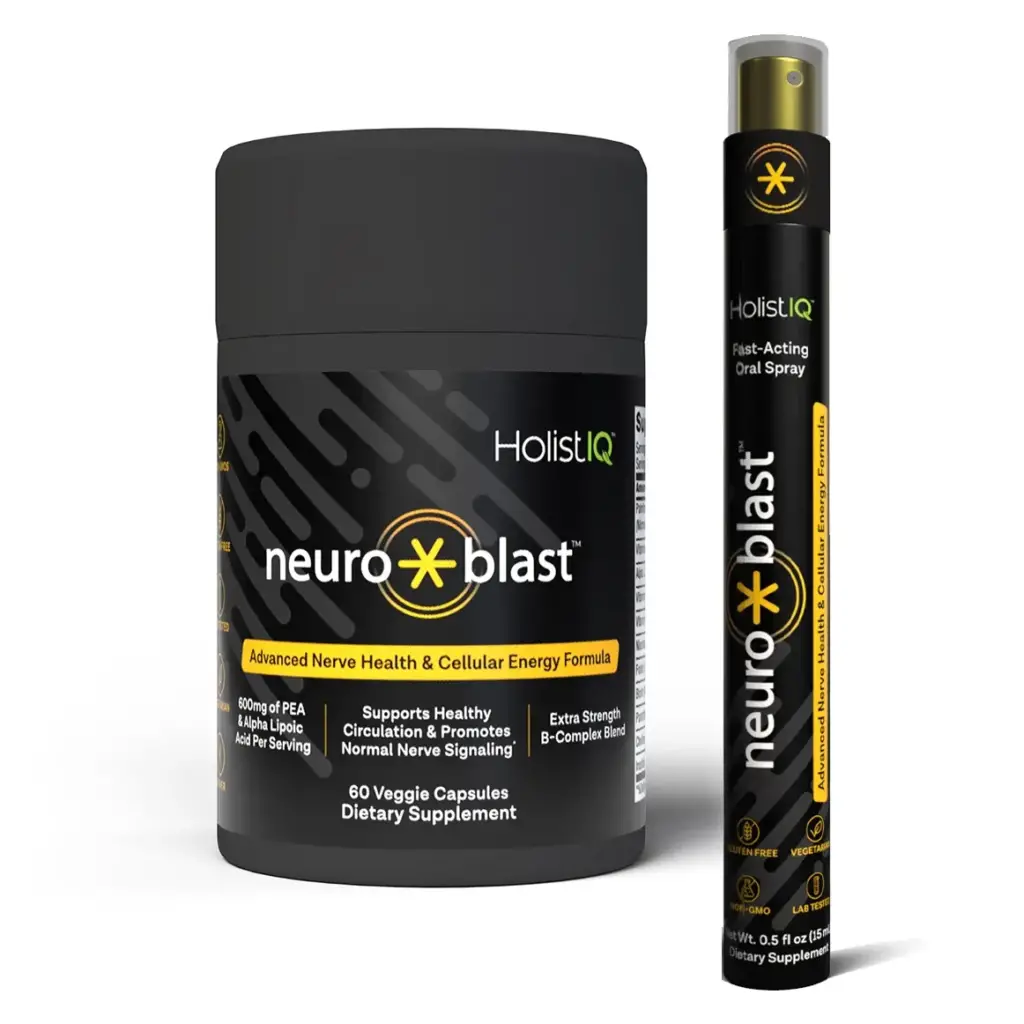
If you’re looking for more than just a standard supplement, the Neuro-Blast System is designed specifically for deep, cellular-level nerve support. This doctor-led system understands that B vitamins—especially B1, B3, B6, and B12—are absolutely essential for helping to heal nerve damage and ease related discomfort. What makes Neuro-Blast stand out is its AI-enhanced approach, which goes beyond temporary relief to address the root causes of nerve issues. It’s a comprehensive system that combines daily capsules with a rapid-absorb oral spray, working to support your nervous system from the inside out. This is a great option for anyone serious about giving their nerves the targeted support they need to function well.
Nature Made B Complex with Vitamin C
You’ve probably seen Nature Made on the shelves of your local pharmacy, and for good reason. It’s recognized as the #1 Pharmacist Recommended brand for vitamins and supplements, which speaks volumes about its reliability and quality. Their B Complex with Vitamin C is a straightforward, effective formula designed to help your body convert food into cellular energy. It provides a steady blend of essential B vitamins to support a healthy brain and nervous system. The addition of Vitamin C gives you an extra antioxidant that helps support your immune system. For a trusted, no-fuss daily supplement, Nature Made is a solid and accessible choice.
Garden of Life Vitamin Code Raw B-Complex
For those who prioritize whole-food nutrition, Garden of Life is a go-to brand. Their Vitamin Code Raw B-Complex is made from raw, uncooked ingredients, meaning it’s produced without high heat, synthetic binders, or fillers. This approach is meant to preserve the natural cofactors and probiotics found in the food sources, which can aid digestion and absorption. Customers often report a noticeable increase in energy. While a small number of users mention mild stomach upset, the feedback is overwhelmingly positive, with many praising its high quality. If you prefer your supplements to be as close to nature as possible, this is an excellent option.
Pure Encapsulations B-Complex Plus
If you have allergies or sensitivities, finding a clean supplement can be a challenge. Pure Encapsulations was founded to solve that problem. Their B-Complex Plus is hypoallergenic and free from common allergens like wheat, gluten, nuts, and eggs. This balanced formula is designed to support both the nervous and cardiovascular systems by promoting healthy nerve and blood cells. As an added benefit, these B vitamins also contribute to healthy hair, skin, and nails. It’s a premium, high-quality choice for anyone who needs to be extra careful about the ingredients in their supplements without compromising on potency or effectiveness.
What Real Customers Are Saying
While scientific research gives us the facts, hearing from people who actually use a supplement can provide a different kind of insight. Personal stories and reviews help paint a picture of what you might expect when adding a vitamin B complex to your routine. From energy levels to mood support, here’s a look at what real customers are saying about their experiences.
Reports of Increased Energy and Mental Clarity
One of the most common themes in customer reviews is a noticeable improvement in energy and focus. Since B vitamins are essential for converting food into cellular energy, it makes sense that people feel a difference. As one customer noted, “I love the health benefits: Aids in Cellular Energy Metabolism. Supports Immune & Nervous System Health. I have also found that they support my mental health.” This highlights the dual benefit many people experience—not just a physical lift, but a mental one, too. For anyone feeling sluggish or foggy, this kind of feedback is often what encourages them to give B complex a try.
Experiences with Mood and Stress Support
Beyond physical energy, many people turn to B vitamins for their role in supporting brain health and emotional balance. The connection between B vitamins and the nervous system is strong, and customer experiences often reflect this. According to data from WebMD, a significant majority of reviewers reported a positive effect when taking a vitamin B complex, with many citing benefits for mood and stress management. This suggests that for a lot of users, the supplement becomes a helpful tool for feeling more centered and resilient in their day-to-day lives.
Feedback on Quality and Tolerability
When trying any new supplement, it’s natural to wonder about quality and potential side effects. Customer feedback on vitamin B complex is generally positive, with many people appreciating high-quality formulas that are easy to digest. While a small number of users report minor stomach upset, this is not a widespread issue, and the overall sentiment is that the benefits far outweigh any mild discomfort. Finding a well-made supplement from a reputable brand can make all the difference in how your body tolerates and absorbs these essential nutrients.
Why Vegan and Natural Options Are Popular
As more people focus on clean ingredients, the demand for vegan and natural B complex supplements has grown. Consumers are looking for options that align with their dietary preferences without sacrificing quality. This is especially important when it comes to nerve health. The Foundation for PN emphasizes that Vitamin B1 (thiamine) is critical for healthy nerves, underscoring the need for high-quality, bioavailable sources. Choosing a supplement derived from whole foods ensures you’re getting these nutrients in a form your body can easily recognize and use for optimal benefits.
A Guide to Safe Usage and Potential Side Effects
Starting a new supplement like a B complex is a great step toward supporting your health, especially for nerve function. While B vitamins are water-soluble and generally considered safe, it’s always smart to know how to use them correctly. Understanding potential side effects, interactions, and the right dosage will help you get the most out of your supplement safely and effectively. Let’s walk through what you need to know to feel confident and comfortable.
How to Handle Common Side Effects
One of the first things you might notice when taking a B complex is a change in the color of your urine—it might turn a bright, almost neon yellow. This is completely normal! It’s just your body getting rid of the excess B2 (riboflavin) it doesn’t need. You might also see changes in your stool color. As the Cleveland Clinic notes, this is common, but you should tell your doctor if it worries you or if you experience any stomach pain. Some people might also have a mild upset stomach when they first start. Taking your supplement with food can often help with this. The key is to listen to your body and chat with your doctor about any persistent concerns.
Potential Drug Interactions to Be Aware Of
While B vitamins don’t typically have serious interactions with other medications, it’s crucial to keep your doctor in the loop. Always let your healthcare team know about all the medicines, herbs, and supplements you’re taking. Why? Because some medications can affect how your body absorbs B vitamins, and vice versa. For example, certain drugs for seizures or even some antibiotics can interfere with vitamin levels. Your doctor can review your full list of medications and supplements to ensure everything works together safely. This open communication is the best way to prevent any unwanted drug-nutrient interactions and keep your health plan on track.
Following Recommended Dosage Guidelines
When it comes to supplements, more isn’t always better. It’s important to stick to the dosage instructions on the product label unless your doctor advises otherwise. The directions are there to ensure you get the right amount for your body’s needs without overdoing it. If you happen to miss a dose, just take it as soon as you remember. However, if it’s almost time for your next scheduled dose, simply skip the one you missed and get back on track. Don’t take a double dose to make up for it. Following these simple dosage guidelines helps you maintain a consistent level of support for your nervous system and overall health.
Where to Buy Vitamin B Complex
Once you’ve decided to add a vitamin B complex to your routine, the next step is figuring out where to get it. You have plenty of options, from the convenience of online shopping to the familiarity of your local pharmacy. Let’s walk through the best places to find high-quality supplements that fit your needs and budget.
Finding Deals at Online Retailers
Shopping online is a fantastic way to find competitive prices and a huge selection of B complex supplements right from your home. Websites like Amazon let you easily compare different brands and read through customer reviews to see what others are saying before you buy. This can be incredibly helpful for getting a feel for a product’s effectiveness. For those who plan on taking supplements long-term, many brands offer subscription programs. For instance, you can find vitamin B complex supplements with “Subscribe & Save” options that give you a discount and free shipping on recurring orders, making it a simple and cost-effective way to stay consistent.
Shopping at Local Pharmacies and Health Stores
If you prefer to shop in person, your local pharmacy or health store is another excellent place to find vitamin B complex. Stores like CVS carry a variety of trusted brands, and you can often find helpful customer reviews right on the shelf tags or their website. The big advantage here is being able to hold the product in your hand, read the label up close, and even ask the pharmacist for their recommendation. This hands-on approach can give you extra confidence in your purchase, especially if you’re new to taking supplements and have a few questions you’d like answered on the spot.
How to Compare Prices Without Sacrificing Quality
While finding a good price is important, it shouldn’t be the only factor you consider. The quality of your supplement matters most. When comparing options, look for formulas that are non-GMO and free from unnecessary additives. It’s also wise to prioritize products containing active forms of B vitamins, like methylcobalamin (B12) and folate, as your body can absorb and use them more easily. You can learn more about the different vitamin B complex tablets or capsules to understand what to look for. Most importantly, it’s always a good idea to consult with a healthcare provider before starting any new supplement. They can help you choose the right product and dosage for your specific health needs.
Related Articles
- Vitamin B Complex: Benefits vs. Side Effects
- B12 or B Complex for Neuropathy: Which Is Better?
- B Vitamins Archives – Neuro-Blast
Frequently Asked Questions
How long does it take to feel the effects of a vitamin B complex? This really varies from person to person. Some people report feeling a difference in their energy levels within a few weeks of consistent use. However, when it comes to supporting your nervous system, the benefits are more gradual. Think of it as providing your body with the steady, long-term tools it needs for cellular maintenance and repair, not an overnight fix. Consistency is the most important factor.
Can I get all the B vitamins I need from my diet alone? A balanced diet is always the best place to start, but getting enough B vitamins solely from food can be challenging for a few reasons. As we get older, our bodies can become less efficient at absorbing certain nutrients, like B12. Also, if you’re looking for a specific level of support for nerve health, a supplement ensures you receive a consistent and potent dose that might be difficult to achieve through diet alone.
What is the best time of day to take my B complex supplement? Most people find that taking their B complex in the morning works best. Since these vitamins play a key role in converting food into energy, taking them at the start of your day can help support your energy levels when you need them most. It’s also a good idea to take your supplement with a meal, as this can help your body absorb the nutrients more effectively and prevent any potential stomach upset.
Is it true that B vitamins will turn my urine bright yellow? Yes, and it’s completely normal and harmless! That bright, almost neon yellow color is caused by your body flushing out any excess vitamin B2 (riboflavin) that it doesn’t need. You can actually think of it as a sign that your supplement has been absorbed and is making its way through your system.
Can a vitamin B complex cure my nerve pain? It’s important to have clear expectations. While B vitamins are absolutely essential for nerve health and can significantly help manage discomfort by supporting the nervous system, a B complex is not considered a cure for conditions like neuropathy. Instead, it’s a powerful tool that addresses nutritional needs to help your body maintain healthy nerve function and reduce symptoms associated with a deficiency.