
Did you know that the health of your nerves is directly linked to the circulation in your feet? Your nervous system acts as a traffic controller, sending signals that tell your blood vessels when to widen or narrow. When nerves are unhealthy, those signals get scrambled, and blood flow can suffer, leading to that familiar coldness and tingling. This vital connection is often overlooked, but it’s a key piece of the puzzle. Understanding this relationship is a critical part of knowing how to treat poor circulation in feet effectively, as supporting your nerves can help restore the communication needed for healthy blood flow.
Key Takeaways
- Start with a Doctor’s Visit: That tingling or coldness in your feet is a signal, not the main problem. A proper medical diagnosis is the essential first step to understanding the real cause, whether it’s related to your arteries, diabetes, or nerve health, so you can address it effectively.
- Small Daily Habits Make a Big Impact: You have significant control over your circulation. Incorporating gentle daily movement, eating nutrient-rich foods, and quitting smoking are powerful actions that support your blood vessels and overall circulatory health.
- Healthy Nerves Mean Healthy Circulation: Your nerves and blood vessels are directly connected; one can’t function well without the other. Supporting your nerve health on a cellular level helps restore the signals that tell your blood vessels to work correctly, breaking the cycle of poor circulation and nerve discomfort.
What Causes Poor Circulation in Your Feet?
That cold, tingling, or numb feeling in your feet isn’t just something you have to live with. It’s your body sending a signal that blood isn’t flowing as freely as it should. Understanding the root cause is the first step toward finding relief and getting back to the activities you love. Poor circulation is rarely a standalone issue; it’s usually a symptom of a larger health condition that’s narrowing the pathways your blood uses to travel, especially to your extremities like your feet. Let’s walk through some of the most common culprits.
Plaque Buildup and Atherosclerosis
Think of your arteries as flexible tubes that carry oxygen-rich blood throughout your body. Over time, a sticky substance called plaque—made of fat, cholesterol, and other materials—can build up on the artery walls. This process, known as atherosclerosis, causes the arteries to become hard and narrow. When these “pipes” get clogged, it’s much harder for blood to flow through, especially to the areas farthest from your heart, like your feet. This is one of the most common reasons people experience poor circulation as they get older.
Blood Clots and Narrowed Vessels
When atherosclerosis affects the arteries in your legs and feet, it’s called peripheral artery disease (PAD). This condition directly restricts blood flow to your lower limbs, leading to symptoms like leg pain when walking, cold feet, and sores that won’t heal. In addition to the slow narrowing caused by plaque, blood clots can also form. A clot can act like a dam, suddenly blocking an artery and cutting off blood supply. Both gradual narrowing and sudden blockages are serious issues that starve your feet of the oxygen and nutrients they need to stay healthy.
The Link Between Diabetes and Neuropathy
If you have diabetes, you know how important it is to manage your blood sugar. Consistently high blood sugar levels can be incredibly damaging to your body, particularly to your blood vessels and nerves. This damage makes it harder for blood to circulate efficiently and can also lead to diabetic neuropathy—nerve damage that often causes numbness, tingling, and pain in the feet. The combination of poor blood flow and nerve damage creates a serious risk, as you may not feel injuries, and reduced circulation can make it difficult for them to heal.
Raynaud’s Disease and Other Conditions
Sometimes, poor circulation is caused by conditions that make your blood vessels overreact to certain triggers. With Raynaud’s disease, for example, the small blood vessels in your toes and fingers temporarily narrow or spasm when you’re exposed to cold or feeling stressed. This can cause your toes to feel numb and turn white or blue. While the vessels usually open back up, frequent episodes can affect your circulation over time. Other factors, like smoking or leading a sedentary lifestyle, can also contribute significantly to poor circulation in your feet.
How to Spot the Signs of Poor Foot Circulation
Our bodies have a way of sending us signals when something isn’t quite right, and our feet are often the first to speak up. Poor circulation means your extremities, especially your feet and toes, aren’t getting enough oxygen-rich blood to function properly. This can lead to discomfort and more serious issues down the line. Recognizing the early signs is the first and most important step you can take toward addressing the problem and getting back to moving comfortably.
Many of these symptoms are directly tied to the health of your nervous system. When blood flow is restricted, your nerves don’t get the oxygen and nutrients they need, which can lead to nerve discomfort and damage. This is why a tingling sensation or numbness is so common—it’s your nerves telling you they’re in distress. Understanding how your circulatory and nervous systems work together is key. The good news is that once you know what to look for, you can take clear, actionable steps to support your body’s circulation from a cellular level. Paying attention to these signs is less about worrying and more about listening to what your body needs so you can feel your best and stay active.
Key Physical Symptoms to Watch For
Think of these symptoms as messages from your feet. One of the most common signs is a tingling or “pins and needles” sensation, as if your foot is falling asleep even when you haven’t been sitting on it. You might also experience numbness, which can make it difficult to feel the ground beneath you.
Some people notice their leg muscles ache or feel weak and heavy, especially during a walk. This discomfort that eases with rest is a classic sign. Other physical clues include swelling in your feet or ankles that doesn’t seem to go away, or the appearance of bulging varicose veins. It’s also important to check your feet for any sores or cuts that seem to be taking an unusually long time to heal, as this can be another indicator of poor circulation.
Changes in Skin Color and Temperature
Your skin can tell you a lot about what’s happening inside your body. When blood flow is weak, you might notice your feet are constantly cold to the touch, even when the rest of your body is warm. This happens because there isn’t enough warm blood reaching them.
You may also see changes in your skin’s color. Healthy circulation gives skin a normal, fleshy tone. But with poor circulation, the skin on your feet, ankles, or toes might look pale, blueish, or even purplish. This discoloration is a direct result of a lack of oxygenated blood in the tissue. Sometimes, the skin can also appear shiny or feel dry and cracked. Paying attention to these visual cues can help you identify a circulation issue early on.
Red Flags: When to Take Symptoms Seriously
While most circulation issues can be managed with lifestyle changes and support, some symptoms are red flags for a serious medical condition that requires immediate attention. If you experience sudden swelling in just one leg, accompanied by pain that starts in your calf, a feeling of warmth in the affected area, or red and discolored skin, you need to seek emergency medical help.
These could be signs of a deep vein thrombosis (DVT), which is a blood clot in a deep vein that can be life-threatening. Don’t wait to see if it gets better. For any other persistent symptoms of poor circulation, it’s always best to schedule an appointment with your doctor. They can help you identify the underlying cause and create a treatment plan that’s right for you.
Improve Circulation with Simple Lifestyle Changes
The great news is that you have more control over your circulation than you might think. Improving blood flow doesn’t require a complete life overhaul; it’s about making small, consistent adjustments to your daily habits that add up over time. Think of these changes as powerful tools to support your body’s natural ability to deliver oxygen and nutrients where they’re needed most—especially to your feet. By focusing on a few key areas, you can take meaningful steps toward feeling better and getting back to the activities you love.
These lifestyle adjustments are the foundation of good circulatory health. They work by addressing some of the root factors that can lead to poor blood flow, helping your blood vessels stay healthy and efficient. When you combine these daily habits with a system designed to provide deep, cellular-level support, you create a comprehensive approach to managing your nerve comfort and mobility. We’ll walk through four key areas you can focus on starting today: gentle exercise, nourishing foods, quitting smoking, and even the shoes you wear.
Get Moving: Exercises That Make a Difference
You don’t need to start training for a marathon to see results. The goal is simply to get your body moving regularly. Gentle, low-impact activities are fantastic for encouraging blood flow without putting stress on your joints. Try incorporating a brisk 30-minute walk into your daily routine, or explore activities like swimming, cycling, or yoga. Even simple foot exercises done while you’re sitting can make a difference. Try doing ankle circles, pointing and flexing your feet, or wiggling your toes for a few minutes several times a day. Consistent, gentle movement is one of the best ways to keep your circulatory system working well.
Eat for Better Blood Flow
The food you eat can directly impact the health of your blood vessels. Building a diet that supports circulation is all about focusing on whole, nutrient-dense foods. Try to incorporate more fruits, vegetables, lean proteins, and whole grains into your meals. Certain foods are particularly helpful, such as garlic, onions, and fish rich in omega-3 fatty acids like salmon, which can help improve blood vessel function. At the same time, it’s wise to reduce your intake of things that can hinder circulation, like excess salt, sugar, and saturated fats. A heart-healthy diet isn’t just good for your heart—it’s good for your entire circulatory system, right down to your toes.
Why Quitting Smoking Is Crucial
If you smoke, quitting is single-handedly one of the most powerful actions you can take to improve your circulation. Nicotine, whether from cigarettes, vapes, or other tobacco products, causes your blood vessels to tighten and narrow. It also makes your blood thicker, forcing your heart to work harder to pump it through your body. This combination is incredibly damaging to your circulatory system over time. The moment you stop smoking, your body begins to heal. It’s a challenging process, but the benefits to your circulation and overall health are immense. There are many free resources available to help you start your journey to becoming smoke-free.
Choose the Right Footwear and Posture
What you put on your feet matters. Shoes that are too tight can constrict blood flow, and socks with tight elastic bands at the top can have the same effect. Opt for comfortable, well-fitting shoes that provide good support and give your toes plenty of room to move. In colder weather, insulated socks or boots can help keep your feet warm, which encourages blood vessels to stay open. Beyond footwear, pay attention to your posture. Try to avoid crossing your legs for long periods, as this can pinch off blood vessels and impede circulation to your lower legs and feet. These small adjustments can make a surprising difference in your daily comfort.
Try These Home Remedies for Better Circulation
Alongside bigger lifestyle changes, you can use simple, effective home remedies to support blood flow and find relief. These strategies are easy to work into your daily routine and can make a noticeable difference in how your feet feel. Think of them as your go-to toolkit for comfort. From a relaxing foot soak at the end of the day to simple movements you can do while sitting, these small actions can have a big impact on your circulation and overall well-being.
Use Warm Soaks and Temperature Therapy
A warm foot soak is one of the simplest ways to encourage better circulation. Soaking your feet in warm—never hot—water helps your blood vessels relax and expand, which can significantly stimulate blood flow. This is especially helpful after a long day or when your feet feel particularly cold or stiff. Try making it a part of your evening routine. Just fill a basin with comfortable, warm water and let your feet soak for about 15 to 20 minutes. It’s a calming practice that not only helps your circulation but also gives you a moment to unwind and care for yourself.
Leverage Compression Socks and Elevation
Compression socks are a fantastic tool to enhance circulation throughout the day. These specially designed stockings apply gentle, steady pressure to your legs, which helps push blood back up toward your heart and prevents it from pooling in your feet. This can also help reduce uncomfortable swelling. Another easy and effective habit is elevating your legs. When you’re resting, try propping your feet up on pillows so they are higher than your heart. Holding this position for about 20 minutes a few times a day uses gravity to give your circulation a natural hand.
Incorporate Gentle Massage and Movement
You don’t need a professional to reap the benefits of massage. Gentle foot massages are a great way to manually improve blood flow and ease fluid buildup. Using your hands, apply light pressure and work in circular motions from your toes up to your ankles. Even simple movements throughout the day can make a difference. While you’re sitting, try rotating your ankles in circles, pointing and flexing your toes, or writing the alphabet in the air with your foot. These small exercises keep the blood moving and prevent stiffness without putting stress on your body.
Stay Hydrated and Manage Stress
What you drink—and how you feel—can directly affect your circulation. Maintaining proper hydration is essential because it keeps your blood from becoming too thick, making it easier for your heart to pump it through your body. Make it a goal to drink plenty of water throughout the day. At the same time, chronic stress can constrict your blood vessels. Finding healthy ways to manage stress, such as deep breathing exercises, meditation, or gentle yoga, can help your body relax and, in turn, support healthier blood flow to your feet and everywhere else.
How Nerve Support Systems Improve Circulation
While lifestyle changes and home remedies can make a big difference, sometimes your body needs more targeted help to get circulation back on track. This is where nerve support systems come in. By addressing the underlying health of your nerves, these systems can directly influence and improve blood flow, especially in your feet. It’s about getting to the root of the problem, not just managing the symptoms.
Think of it this way: if your nerves are the communication lines and your blood vessels are the highways, you need both to be in top condition for traffic to flow smoothly. A dedicated nerve support system works to repair those communication lines, which in turn helps clear up the highways. This comprehensive approach can be a game-changer for restoring feeling, warmth, and health to your feet. Let’s look at how this process works on a deeper level.
The Critical Link Between Nerves and Blood Flow
You might not realize it, but your nerves and blood vessels are in constant communication. A part of your nervous system, the autonomic nervous system, acts as the body’s traffic controller, telling your blood vessels when to widen or narrow to manage blood flow. When nerve damage occurs, especially from conditions like neuropathy, those signals get scrambled. The vessels may not get the right message to open up, leading to the poor circulation that causes cold, numb, or painful feet. Supporting your nerve health helps restore this vital communication, allowing your body to regulate blood flow more effectively and ensure your extremities get the circulation they need.
Supporting Circulation at a Cellular Level
For your nerves to heal, they need a steady supply of oxygen and nutrients, all delivered by your bloodstream. It’s a classic chicken-and-egg situation: you need good circulation for nerve repair, but damaged nerves can cause poor circulation. A system that provides deep, cellular-level nerve support helps break this cycle. By giving your nerve cells the fundamental building blocks they need to function and repair themselves, you create an environment where healing can begin. This improved nerve function then helps restore the proper signals to your blood vessels, which enhances circulation and delivers even more of those healing nutrients right where they’re needed most.
How AI-Enhanced Formulas Can Help
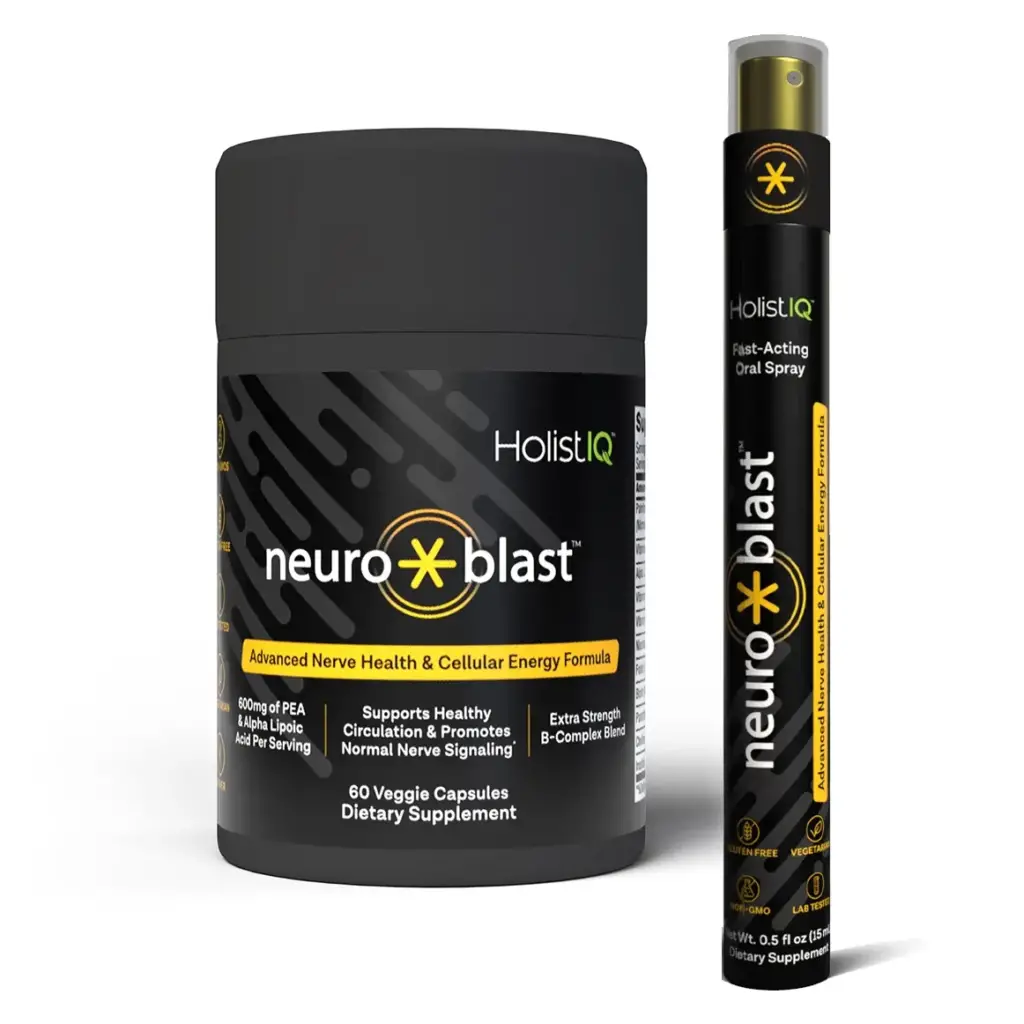
Creating a formula that provides exactly what your nerves need is complex. This is where modern technology can make a huge impact. AI-enhanced formulas, like the one found in the Neuro-Blast System, use advanced analysis to identify and combine ingredients that are most effective for nerve health and circulatory support. This intelligent approach ensures that the nutrients are not only present but are also in a form your body can easily absorb and use. By optimizing the delivery of these vital compounds, these systems can help improve energy production within your cells, which is essential for maintaining healthy nerve function and promoting better blood flow from the inside out.
When Is It Time to See a Doctor?
While lifestyle adjustments and home remedies are fantastic first steps, they aren’t a substitute for professional medical advice. If your symptoms of poor circulation are persistent, getting worse, or starting to interfere with your daily life, it’s time to schedule a visit with your doctor. Think of it as bringing a specialist onto your team. They can help you get a clear diagnosis, rule out more serious underlying conditions, and create a treatment plan tailored specifically to you.
Many conditions can cause symptoms like foot numbness, coldness, or pain, so getting an accurate diagnosis is the most important step toward finding effective relief. Your doctor can help pinpoint the root cause, whether it’s related to plaque buildup, diabetes, or another health issue. This clarity allows you to move forward with confidence, knowing you’re addressing the actual problem. Don’t try to guess or self-diagnose. Working with a healthcare provider is the surest way to get back on your feet and feel like yourself again.
Urgent Warning Signs You Shouldn’t Ignore
Most of the time, you can schedule a regular appointment to discuss your circulation concerns. However, some symptoms require immediate attention. You should see your doctor right away if you develop new symptoms, if your current medications don’t seem to be helping, or if you suspect a deep vein thrombosis (a blood clot in your leg), which often causes swelling, pain, and redness.
Some signs are even more serious and warrant a trip to the emergency room. Go to the ER immediately if you completely lose feeling in your foot, experience a sudden “pins and needles” sensation or severe pain in your leg while resting, or have chest pain. These could be signs of a serious circulatory event like a pulmonary embolism (a blood clot in the lung) that requires urgent care.
Medical Treatments and Interventions Available
If your doctor determines that you need medical intervention, there are many effective treatments available. Depending on the cause of your poor circulation, they might prescribe medications to manage the issue. These can include statins to reduce plaque buildup in your arteries, antiplatelet drugs like aspirin to prevent blood clots, or other medicines to lower high blood pressure.
In some cases, a procedure might be necessary to restore proper blood flow. Your doctor may recommend an angioplasty to open blocked arteries, bypass surgery to create a new path for blood to flow around a blockage, or other minor surgeries to remove clots or treat varicose veins. These interventions are designed to address the structural problems that are hindering your circulation, providing a more direct solution when lifestyle changes aren’t enough.
Common Tests Your Doctor May Recommend
To get to the bottom of your symptoms, your doctor will start with a physical exam and a thorough discussion of your health history. From there, they may order a few tests to get a clearer picture of what’s happening inside your body. These diagnostic tools are painless and provide valuable information.
Common tests include a Doppler ultrasound to see how blood is moving through your vessels, or an Ankle-brachial index (ABI) test, which compares the blood pressure in your ankle to that in your arm. For a more detailed look, they might suggest an angiogram or a CT scan to get images of your blood vessels. Blood tests are also common to check for conditions like diabetes or high cholesterol. These tests help your doctor confirm a diagnosis and build the right treatment plan for you.
Create Your Action Plan for Better Circulation
Taking control of your circulation starts with a clear, actionable plan. The most effective approach isn’t about finding one magic bullet; it’s about layering simple, consistent habits that work together to support your body’s circulatory system. Think of it as building a foundation for better health, one step at a time. By combining movement, smart choices, and a little self-awareness, you can create a routine that not only addresses your symptoms but also helps you feel more energized and in control. The goal is to create a sustainable plan that fits your lifestyle and helps you get back to doing the things you love.
Combine Strategies for the Best Results
A multi-pronged approach is your best bet for improving circulation. Your heart pumps blood to deliver essential oxygen and nutrients throughout your body, and you can support this process in several ways. Start by incorporating gentle, low-impact exercise into your daily routine. You don’t need to run a marathon; simple activities like walking, swimming, or yoga are fantastic for getting your blood moving without putting stress on your joints. You can also use tools like compression socks, which can help reduce swelling and support healthy blood flow from your feet back toward your heart.
Track Your Progress to Stay Motivated
Seeing your efforts pay off is a powerful motivator. Keep a simple journal to note any changes in your symptoms, like less tingling or warmer feet. It’s also a good idea to monitor your blood pressure, as it’s a key indicator of your circulatory health. Most importantly, schedule a check-in with your doctor to discuss your symptoms and rule out any underlying conditions. A professional can provide a clear diagnosis and help you tailor your plan. This journey is about understanding your body, and a doctor-led approach, like the one we take at Neuro-Blast, ensures you’re addressing the root cause.
Build Habits for Long-Term Success
Lasting improvement comes from habits, not one-off efforts. Make gentle movement a non-negotiable part of your day, even if it’s just rotating your ankles while watching TV. Focus on a diet that supports circulation by including foods like garlic, onions, and fish rich in omega-3 fatty acids. If you smoke, creating a plan to quit is one of the most significant steps you can take for your circulatory health. These small, consistent actions build on each other over time, creating a powerful foundation for long-term wellness and helping you get moving again.
Related Articles
- 7 Signs of Poor Blood Circulation in Your Legs
- 5 Soothing Home Remedies for Neuropathy of the Feet
- 12 Home Remedies for Neuropathy in Legs and Feet
Frequently Asked Questions
Is poor circulation just a normal part of aging? While it’s true that conditions leading to poor circulation are more common as we get older, it’s definitely not something you just have to accept. Think of it as a signal from your body that something needs attention. By making proactive lifestyle changes, addressing underlying health issues with your doctor, and supporting your body on a cellular level, you can take meaningful action to improve your blood flow at any age.
How long will it take to see improvements in my circulation? There isn’t a set timeline, as everyone’s body and situation are different. Some people notice their feet feeling warmer or less tingly within a few weeks of making consistent changes, like daily walking and elevating their legs. For others, it might take a bit longer. The key is consistency. Lasting improvement comes from building healthy habits that you stick with over the long term.
Are cold feet always a sign of a serious circulation problem? Not necessarily. Some people naturally have colder hands and feet, and temporary coldness from being in a chilly environment is perfectly normal. The time to pay closer attention is when your feet are constantly cold, even in warm settings, or when the coldness is paired with other symptoms like numbness, skin color changes, or tingling. If that’s the case, it’s a good idea to bring it up with your doctor.
Can I rely on just one thing, like compression socks or exercise, to fix the problem? While a single change can certainly help, the most effective approach is a combined one. Think of it like a team effort. Exercise gets your blood pumping, a healthy diet keeps your blood vessels clear, and tools like compression socks provide daily support. When you layer these strategies together, you create a much more powerful and comprehensive plan for improving your circulation for good.
How exactly does supporting my nerves help my blood flow? Your nerves and blood vessels are in constant communication. Nerves act like a control system, telling your blood vessels when to widen to allow more blood through. When nerves are damaged, those signals can get weak or scrambled, causing the vessels to stay narrow. By providing your nerves with the essential nutrients they need to repair and function properly, you help restore that clear line of communication, which in turn allows your body to regulate blood flow more effectively.