
Dealing with nerve pain in your feet can sometimes feel like you’re not in control of your own body. But what if you could build a personal toolkit of strategies to manage your discomfort and support your nerve health every single day? Taking charge of your well-being doesn’t have to be complicated. It can start with small, consistent actions that make a big difference over time. This article is all about empowerment. We’ll explore simple, effective methods for how to treat nerve pain in foot at home, giving you the knowledge to create a routine that brings you comfort and helps you feel more like yourself again.
Key Takeaways
- Combine Daily Habits for Consistent Comfort: Lasting relief comes from layering simple, effective strategies. Pair immediate soothers like warm foot soaks and gentle massage with foundational support like proper footwear and a nerve-healthy diet.
- Support Your Nerves from the Inside Out: While topical creams can offer temporary relief, lasting improvement often requires addressing the issue at its source. Focus on providing your body with the essential nutrients it needs for cellular-level nerve function.
- Listen to Your Body and See a Doctor When Needed: Self-care is essential, but it isn’t a substitute for professional medical advice. If your pain is severe, sudden, or doesn’t improve after a few weeks, it’s time to get a proper diagnosis and a personalized treatment plan.
What Causes Nerve Pain in Your Feet?
That frustrating tingling, burning, or sharp, stabbing pain in your feet often points to one main issue: nerve damage. When the nerves in your feet are compromised, they can’t send proper signals to your brain, resulting in those uncomfortable and sometimes debilitating sensations. While there are several reasons this can happen, one of the most common is peripheral neuropathy, a condition frequently linked to diabetes. Over time, high blood sugar can harm the delicate nerve fibers, especially those in your feet, which are the farthest from your heart and spinal cord.
But diabetes isn’t the only cause. Nerve pain in the foot can also stem from physical trauma. A past injury, like a bad sprain, a broken bone, or even repetitive stress from certain activities, can lead to pinched or compressed nerves. Conditions like tarsal tunnel syndrome, which is similar to carpal tunnel but in your ankle, can put prolonged pressure on a key nerve that runs down to your foot. Sometimes, small, benign growths of nerve tissue called neuromas can form, causing sharp pain between your toes.
Other health issues can also play a role. Certain infections, autoimmune diseases, and even deficiencies in essential vitamins (like B12) can contribute to nerve damage. The key takeaway is that regardless of the specific cause, the underlying problem is that your nerves are distressed and struggling to function correctly. Understanding that the issue often begins on a cellular level is the first step toward finding a solution that provides real, lasting relief and helps you get moving again.
How to Find Relief at Home
When you’re dealing with nerve pain in your feet, finding comfort at home can feel like a top priority. The good news is that several simple, gentle practices can make a real difference in your day-to-day comfort. These methods are about providing immediate, soothing relief and giving you a sense of control over your symptoms. By incorporating a few of these strategies into your routine, you can create moments of ease and support your body’s needs right from your own home. These aren’t cures, but they are powerful tools for managing discomfort and improving your quality of life.
Try a Soothing Foot Soak
A warm foot soak can be a wonderfully simple way to ease nerve pain at the end of a long day. Think of it as a mini-spa treatment that calms both your feet and your mind. Soaking your feet for about 15 to 20 minutes in warm water—around 100°F is ideal—can help reduce pain and swelling. To make it even more effective, try adding a cup of Epsom salts to the water. The magnesium can help relax muscles and soothe aching nerves. You can also add a few drops of essential oils like peppermint or chamomile for an extra layer of comfort and a pleasant, calming aroma.
Gently Massage Your Feet
You don’t need to be a professional to give yourself a beneficial foot massage. Gently rubbing your feet can do wonders for nerve pain by helping to improve blood flow, which is crucial for nerve health. A good massage can also reduce swelling and release tension in tight, sore muscles. Use your thumbs to apply gentle, circular pressure along the soles of your feet, and don’t forget to give your toes and ankles some attention. This simple act of self-care not only provides temporary pain relief but also helps you reconnect with your body and notice what feels good. It’s a small practice that can make a big difference in your daily comfort.
Stretch and Move Gently
When your feet hurt, the last thing you might want to do is move them, but gentle movement is actually one of the best things for nerve pain. Simple stretches and exercises can help strengthen your muscles, improve flexibility, and lessen discomfort over time. Try incorporating easy movements into your daily routine, like pointing and flexing your toes or doing gentle heel and toe raises while seated. These small actions help get the blood flowing and keep your muscles from getting too stiff. Remember to listen to your body and never push through sharp pain. The goal is gentle, consistent stretching, not an intense workout.
Apply Topical Creams and Oils
For targeted relief right where you need it, topical treatments can be a great go-to. Creams, ointments, and oils that you apply directly to your skin can offer temporary relief by numbing the area or blocking pain signals. Look for products that contain ingredients like lidocaine, menthol, or capsaicin. Capsaicin, which is derived from chili peppers, works by creating a warming sensation that can interfere with pain messages sent to the brain. These topicals are easy to use and can be applied whenever you feel a flare-up, giving you a sense of control over your discomfort throughout the day.
Can Simple Lifestyle Changes Make a Difference?
Absolutely. While a dedicated nerve support system addresses discomfort at a cellular level, the small choices you make every day create the foundation for your overall well-being. Think of these lifestyle adjustments not as a cure, but as powerful tools that work alongside your treatment plan. They can help manage symptoms, reduce flare-ups, and improve your quality of life, giving you more control over your comfort. By focusing on these simple, consistent habits, you’re actively supporting your body’s ability to feel its best and helping yourself get moving again.
Eat for Nerve Health
What you eat directly impacts your nervous system. A diet rich in specific nutrients can provide your nerves with the building blocks they need to function properly. B vitamins, especially B-12, are crucial for maintaining healthy nerve cells. You can find them in foods like fish, lean meat, eggs, and fortified cereals. Antioxidants also play a key role by protecting your nerves from damage. Try incorporating colorful fruits and vegetables like berries, spinach, and kale into your meals. Some studies also point to the benefits of alpha-lipoic acid and compounds found in ginger. A balanced diet also helps you maintain stable blood sugar levels, which is especially important for anyone managing diabetic nerve pain.
Find the Right Movement for You
When your feet hurt, the last thing you might want to do is move them, but gentle exercise is one of the best ways to manage nerve pain. Movement increases blood flow to your feet, which delivers vital oxygen and nutrients to your nerves and can help reduce discomfort. You don’t need an intense workout. Simple, seated exercises can make a world of difference. Try doing toe and heel raises, or gently rotating your ankles. Another great one is to “write” the alphabet in the air with your foot. These simple stretches for your feet can improve flexibility and circulation without putting stress on your body. The key is to listen to your body and find what feels good for you.
Prioritize Sleep and Reduce Stress
Pain, stress, and sleep are closely connected. Chronic pain can make it hard to sleep, and a lack of sleep can make your pain feel more intense. Similarly, stress can amplify your perception of pain. That’s why managing stress is a critical part of your pain relief plan. Simple relaxation techniques practiced daily can help calm your nervous system. Try deep breathing exercises, meditation, or listening to soothing music. Establishing a calming bedtime routine—like turning off screens an hour before bed and sleeping in a cool, dark room—can also signal to your body that it’s time to rest and repair, helping you get the restorative sleep you need.
Choose the Right Shoes and Care for Your Feet
The right pair of shoes can feel like a lifeline when you’re dealing with foot nerve pain. Your footwear should protect and support your feet, not squeeze them. Look for shoes with a wide toe box that gives your toes plenty of room to move, preventing pressure on sensitive nerves. Good arch support and cushioning are also essential to absorb shock. It’s best to avoid high heels or narrow, tight-fitting shoes. Beyond footwear, simple daily habits can provide relief. Try elevating your feet for 15-20 minutes to reduce swelling. Daily foot care is also important, so take a moment to check your feet for any blisters or sores, especially if you have reduced sensation.
What Over-the-Counter Options Can Help?
When foot pain strikes, your first instinct might be to head to the local pharmacy. Many over-the-counter options can offer a degree of relief, especially when your discomfort is mild or just starting. From creams you can apply directly to your skin to familiar pain relievers and supplements, these accessible solutions can be a good first step in managing your symptoms. Let’s walk through some of the most common choices you’ll find on the shelves.
Topical Creams and Gels
Topical painkillers, like creams, gels, and ointments, are designed to be applied right where it hurts. They work by absorbing through your skin to provide localized relief, which can be great for targeting specific spots on your feet. Some of the most effective options contain capsaicin, a compound found in chili peppers that can help block pain signals. Others use natural ingredients and oils to create a soothing or numbing sensation. For many people, these topicals can be a helpful tool for taking the edge off sharp or burning pains without having to take a pill.
Oral Pain Relievers
You likely already have some common over-the-counter medications like ibuprofen, acetaminophen, or aspirin in your medicine cabinet. For mild or infrequent nerve pain, these can sometimes provide temporary relief by reducing inflammation and dulling the pain signals. However, it’s important to set realistic expectations. While they can be helpful for a dull ache, they often aren’t powerful enough to address the more severe, persistent, or sharp shooting pains that can come with significant nerve issues. Think of them as a potential short-term fix, but probably not a long-term management strategy for chronic nerve pain.
Key Vitamins and Supplements
Sometimes, what’s happening inside your body can directly affect your nerves. Deficiencies in certain vitamins, particularly B vitamins (like B-12) and vitamin D, have been linked to nerve pain. Your doctor can run tests to see if you’re low and may recommend a supplement. Beyond basic vitamins, some people find relief with supplements like alpha-lipoic acid or acetyl-L-carnitine, which are thought to support nerve function. While research is ongoing, focusing on maintaining nerve health through proper nutrition and targeted supplements can be a key piece of the puzzle in finding lasting comfort.
When Is It Time to See a Doctor?
While at-home care can be a fantastic way to manage mild or occasional foot nerve pain, it’s not always enough. Listening to your body is key, and there are definite signs that it’s time to bring in a professional. You don’t have to manage persistent discomfort on your own, and a doctor can help you get to the root of the problem.
It’s a good idea to schedule an appointment if your foot pain doesn’t get better after a couple of weeks of self-care. You should also seek medical attention for any sudden or very bad foot pain, especially if it started after an injury. Pay close attention to any signs of infection, such as redness, swelling, or a fever, as these warrant a prompt call to your healthcare provider.
Getting a professional opinion is about more than just managing symptoms; it’s about understanding what’s truly going on. A doctor can diagnose the cause of your nerve pain and rule out any serious underlying conditions. From there, they can work with you to create a treatment plan tailored specifically to your needs. Your primary care physician is the perfect place to start, and they may refer you to a specialist, like a neurologist or a pain management expert, for more targeted care. Reaching out for help is a powerful step toward finding lasting relief and getting back to your life.
Going Beyond Temporary Fixes: Advanced Nerve Support
While home remedies and over-the-counter options can provide welcome, temporary relief, they often act like a bandage, soothing the surface without addressing what’s happening deeper inside. If you’re looking for more than just a momentary break from the tingling, burning, or sharp pains in your feet, it might be time to consider a more comprehensive approach. Lasting comfort often comes from supporting your nerve health from the inside out.
Think of it this way: you can manage the symptoms as they appear, or you can give your body the tools it needs to address the root cause of the discomfort. Advanced nerve support focuses on the latter. It’s about creating a healthy environment for your nerves to function properly, which can lead to more sustainable relief and help you get back to the activities you love. This approach doesn’t replace the soothing comfort of a foot soak or gentle massage; it works alongside them to create a more powerful, long-term strategy for your well-being. This deeper strategy involves giving your nervous system the specific building blocks it needs to repair and maintain itself, moving beyond simply quieting the signals of pain.
How a Complete System Can Help
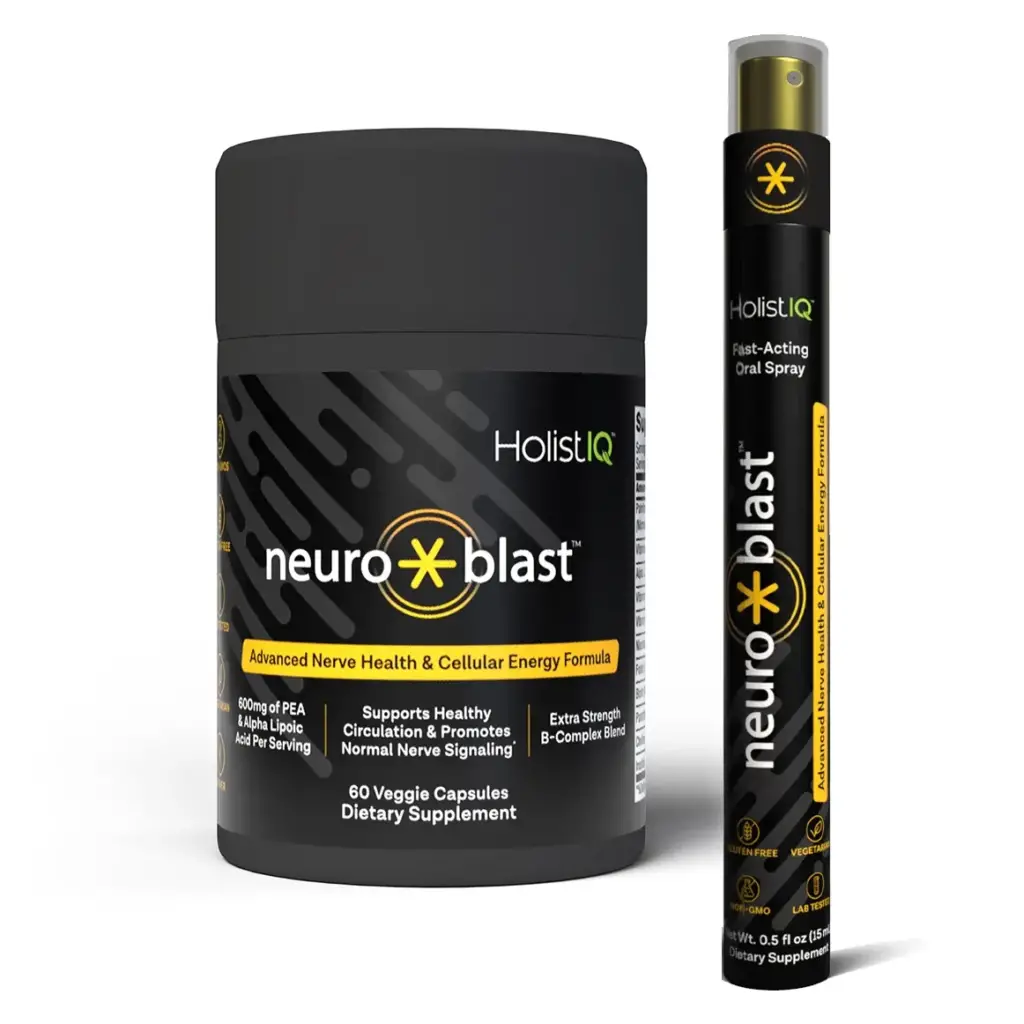
Managing nerve discomfort is rarely about a single solution. It’s about layering different strategies that work together. While home remedies can help you feel better in the moment, a dedicated system provides a structured, multi-faceted approach to nerve health. A complete nerve support system is designed to work synergistically, offering both internal support and external relief. This combination ensures you’re not just masking the discomfort but also providing your body with what it needs for long-term nerve function. By tackling the problem from multiple angles, you can create a more effective and consistent path toward feeling better.
The Importance of Cellular-Level Support
So, what does it mean to support your nerves on a cellular level? It’s all about nourishment. Your nerves are complex and require specific nutrients to send signals correctly and maintain their protective coating. When they don’t get what they need, discomfort can follow. Providing targeted, cellular-level support means delivering the essential vitamins and compounds your nerves crave to function at their best. This internal approach is fundamental because it helps address the underlying issues that cause pain and tingling. To understand more about the science, you can explore how it works to strengthen your body’s nerve network from within.
Your Personal Plan for Lasting Relief
Finding what works for your nerve pain is a personal process. The key is to combine a few simple strategies into a daily routine that fits your life and brings you comfort. By layering these approaches, you can create a comprehensive plan to manage discomfort and support your overall nerve health. Think of it as building your own toolkit for relief.
A great place to start is with a simple, soothing foot soak. Soaking your feet in warm water for about 15 minutes can ease tension and calm agitated nerves. For an extra layer of comfort, try adding Epsom salts or a few drops of chamomile essential oil to the water. For more direct relief, you can also explore topical treatments. Creams containing capsaicin can help by blocking pain signals from reaching your brain, while those with lidocaine can provide a temporary numbing effect right where you need it.
Gentle movement is another powerful tool. A daily foot massage can stimulate nerves and improve circulation, which is crucial for healing. You can also incorporate simple stretches like toe and heel raises to maintain flexibility. At the same time, consider what you’re putting into your body. Ensuring your diet is rich in essential vitamins, particularly B vitamins, gives your nervous system the nutritional foundation it needs to function well. Finally, remember to care for your mental well-being. Chronic pain is stressful, and stress can amplify pain signals. Practicing relaxation techniques like deep breathing or meditation can help manage both the physical and emotional aspects of nerve pain, creating a greater sense of control and peace.
Related Articles
Frequently Asked Questions
How long will it take for these at-home remedies to work? The relief you feel from at-home methods like foot soaks or gentle massage is often immediate but temporary. Think of them as tools for managing your day-to-day comfort. For more lasting improvement from lifestyle changes, like diet and gentle exercise, consistency is the key. These habits support your body over weeks and months, so patience is important. The goal is to create a supportive routine that helps manage your symptoms over the long haul.
Can I combine different relief methods, like a foot soak and a topical cream? Absolutely! In fact, layering different strategies is one of the most effective ways to create a personal pain management plan. You might find that a warm foot soak in the evening helps you relax, while a topical cream provides targeted relief before you put on your shoes in the morning. The best approach is to experiment and build your own toolkit of what makes you feel best at different times of the day.
What’s the real difference between managing symptoms and supporting nerve health? Managing symptoms is about finding immediate, temporary relief. Think of it like taking an over-the-counter pain reliever or applying a numbing cream to quiet the discomfort for a few hours. Supporting nerve health is a deeper, more proactive approach. It involves giving your body the specific nutrients and foundation it needs on a cellular level to help nerves function correctly, which can lead to more sustainable, long-term comfort.
You mentioned gentle movement, but what if exercise makes the pain worse? This is a very important concern, and the golden rule is to always listen to your body. If any movement causes sharp or increased pain, it’s a signal to stop. The goal of gentle exercise isn’t to push through discomfort but to improve circulation and flexibility without adding stress. If walking is painful, try seated movements like ankle rotations or pointing and flexing your toes. Even small, non-weight-bearing motions can make a positive difference.
Why does my foot pain seem to get worse at night? Many people experience this, and there are a few common reasons. During the day, you’re busy and distracted, so you may not notice the pain as much. When you finally lie down in a quiet room, your brain has less to focus on, and the pain signals can feel much louder. Additionally, changes in your body temperature at night can affect nerve sensitivity, and even the light pressure from sheets and blankets can sometimes irritate sensitive nerves.