
If you’ve tried taking a single supplement like Vitamin B12 without getting the results you hoped for, you’re not alone. Nerve health is a team sport, and vitamins often work best when they’re combined. This concept, known as synergy, means that certain nutrients amplify each other’s benefits, creating a more powerful effect than any single vitamin could on its own. A comprehensive approach that provides a full team of supportive nutrients is often what’s needed for lasting relief. In this guide, we’ll introduce you to the all-star players, breaking down the top 10 best vitamins for your nerves and explaining how they work together.
Key Takeaways
- Focus on the Right Nutrients for Your Nerves: Your nervous system needs specific tools to function well. Prioritize B vitamins (like B1, B6, and B12) and antioxidants (like Alpha-Lipoic Acid) that help fuel cells, protect nerve coatings, and repair damage.
- Combine Vitamins for a Stronger Effect: Many nerve-supporting nutrients work better as a team. Their combined, synergistic effect provides more comprehensive support for nerve repair and protection than taking individual supplements on their own.
- Consider a System for Deeper Support: If you’re dealing with persistent discomfort, a single vitamin might not be enough. A complete system delivers therapeutic doses of key nutrients that work together to address the root causes of nerve issues, not just the symptoms.
What Makes a Vitamin Good for Your Nerves?
When you’re dealing with nerve discomfort, you quickly learn that not all vitamins are created equal. Certain nutrients have very specific jobs that are essential for keeping your nervous system running smoothly. Think of your nerves as a complex electrical wiring system. For that system to work correctly, it needs the right materials for fuel, protection, and repair. A vitamin that’s truly good for your nerves will address these core needs on a cellular level.
The most effective nerve support comes from vitamins that work together. For instance, B vitamins—especially B1, B6, and B12—are famous for their synergistic relationship. They act as a coordinated maintenance crew, helping to repair damaged nerve fibers and maintain the protective myelin sheath that insulates your nerves. This is why a complete nerve support system often provides better results than taking a single B vitamin on its own. These nutrients are designed to function as a team to help you get moving again.
Another key factor is antioxidant power. Your nerve cells are vulnerable to damage from something called oxidative stress, which you can think of as a form of cellular rust. Vitamins with strong antioxidant properties, like Vitamin E and Alpha-Lipoic Acid, act as a shield. They neutralize harmful free radicals before they can cause further damage to your nerve endings. Providing this kind of cellular-level support is crucial for addressing the root causes of nerve discomfort, rather than just masking the symptoms. Ultimately, a good nerve vitamin doesn’t just patch a problem; it provides the fundamental building blocks your body needs to protect and maintain a healthy nervous system.
The 10 Best Vitamins for Nerve Health
When you’re dealing with nerve discomfort, finding the right support can feel overwhelming. The good news is that specific vitamins and nutrients play a huge role in keeping your nervous system healthy. They help repair tissues, protect against damage, and ensure your nerve cells can communicate properly. Think of them as the essential building blocks your body needs to maintain its internal wiring. Here are the top 10 vitamins and nutrients that science shows can make a real difference for your nerve health.
1. Neuro-Blast: A Complete System for Nerve Support
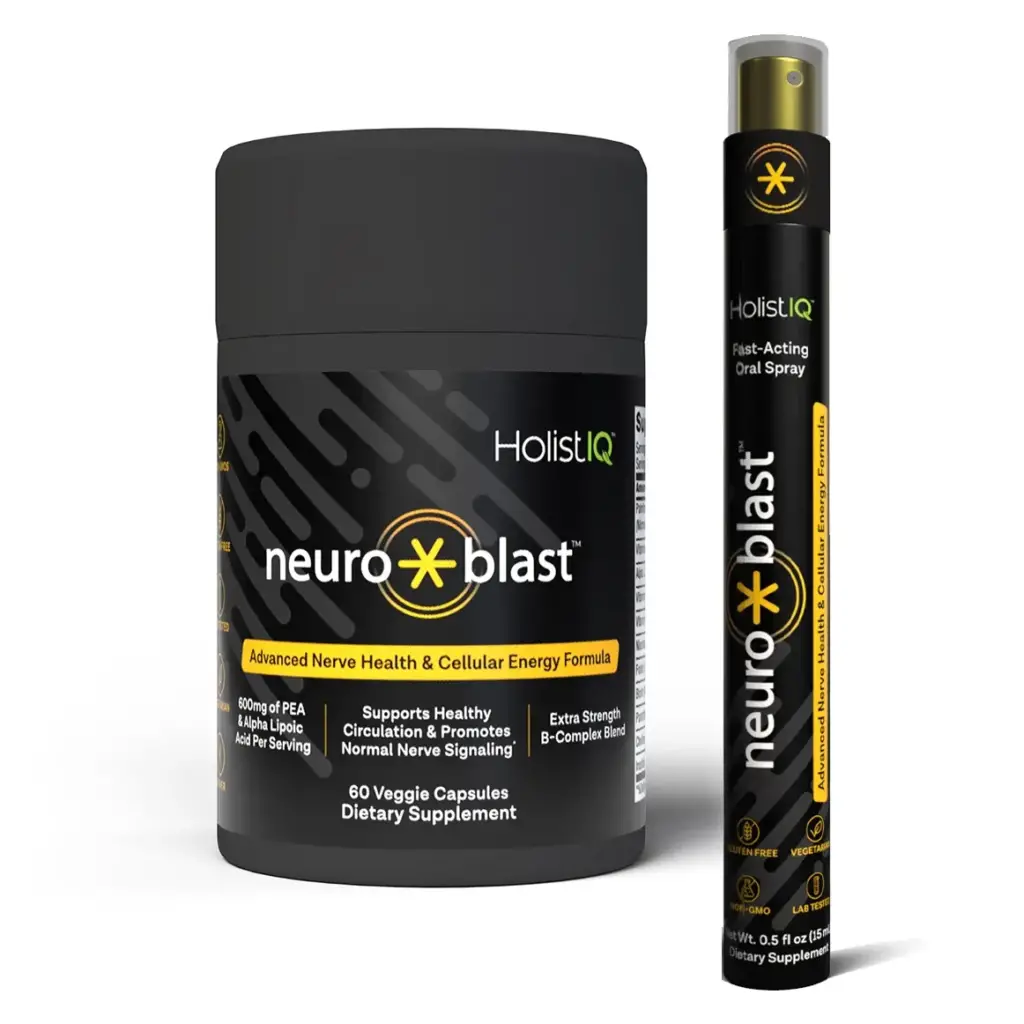
Instead of trying to piece together a dozen different supplements, a comprehensive system can provide a more targeted approach. The Neuro-Blast system was designed by doctors to address nerve discomfort at its source. It combines key vitamins and nutrients in a synergistic formula that includes both capsules and a rapid-absorb oral spray. This dual-delivery method helps ensure your body gets what it needs for deep, cellular-level support. By using an AI-enhanced approach to formulate its blend, Neuro-Blast goes beyond just managing symptoms to support the underlying health of your nervous system, helping you get back to the activities you love.
2. Vitamin B12 (Cobalamin): Protects Nerve Coatings
Vitamin B12 is a powerhouse for nerve health. Its most important job is to help create and maintain the myelin sheath, which is the protective coating that surrounds your nerves. You can think of it like the insulation around an electrical wire—without it, signals can get crossed or weakened. A deficiency in B12 can lead to damage to this sheath, causing symptoms like numbness and tingling. Studies show that B12 plays a direct role in helping nerves repair themselves. Because our ability to absorb B12 from food can decrease with age, supplementation is often a key strategy for keeping nerve pathways healthy and strong.
3. Vitamin B1 (Thiamine): Fuels Your Nerve Cells
Your nerve cells require a lot of energy to function, and Vitamin B1, or thiamine, is what helps them get it. It plays a critical role in converting carbohydrates from your food into the fuel your nerves need to send signals effectively. Thiamine also acts as an antioxidant, helping to protect nerve cells from the damage caused by oxidative stress. A lack of this crucial vitamin can lead to nerve inflammation and damage, a condition known as beriberi, which often presents with pain, tingling, and muscle weakness in the limbs. Ensuring you have enough thiamine is a fundamental step in supporting your entire nervous system.
4. Vitamin B6 (Pyridoxine): Builds Neurotransmitters
Vitamin B6 is essential for creating neurotransmitters, the chemical messengers that allow your nerve cells to communicate with each other, your muscles, and your brain. It helps produce chemicals like serotonin and norepinephrine, which influence mood, and GABA, which helps calm the nervous system. By facilitating this communication, B6 supports proper nerve function and can help manage nerve-related discomfort. It’s important to get the right amount, as both too little and too much B6 can cause nerve issues. A balanced supplement can provide a safe and effective dose to support your body’s neurotransmitter production.
5. Alpha-Lipoic Acid: Acts as an Antioxidant Shield
Alpha-lipoic acid (ALA) is a potent antioxidant that works throughout the body to fight off harmful free radicals. This is especially important for nerve health, as nerves are susceptible to oxidative damage. ALA is unique because it’s both water- and fat-soluble, allowing it to work in every cell. Research suggests that ALA can improve nerve function and relieve symptoms like pain, burning, and numbness, particularly for those with diabetic neuropathy. By shielding nerves from damage and supporting blood flow, alpha-lipoic acid provides powerful protection for your entire nervous system.
6. Acetyl-L-Carnitine: Supports Cellular Energy
Acetyl-L-carnitine (ALC) is an amino acid that helps your body produce energy. It’s vital for powering your nerve cells, which have high energy demands. ALC helps transport fatty acids into the mitochondria—the powerhouses of your cells—where they can be burned for fuel. This process not only provides energy but may also encourage the regeneration of nerve fibers. Studies have shown that ALC can be particularly effective at reducing pain and improving nerve function in people experiencing neuropathy. By supporting energy at the cellular level, ALC helps keep your nerves firing correctly and may reduce discomfort.
7. Vitamin D: Fights Nerve Inflammation
Often called the “sunshine vitamin,” Vitamin D does more than just support bone health; it also plays a key role in your nervous system. Research has uncovered a link between low Vitamin D levels and nerve pain, especially in people with diabetic neuropathy. Vitamin D has anti-inflammatory properties that can help calm irritated nerves and may support nerve regeneration. Since many people have insufficient levels of Vitamin D, especially during winter months or in colder climates, checking your levels and supplementing if needed can be a simple yet effective way to support nerve comfort and overall health.
8. Folate (Vitamin B9): Specializes in DNA Repair
Folate, also known as Vitamin B9, is crucial for the creation and repair of DNA, the blueprint for all your cells. This function is vital for maintaining the health of your nerve cells and supporting the production of the myelin sheath. Folate works closely with Vitamin B12 to carry out these tasks, and together they form a powerful team for nerve protection. A deficiency in folate can interfere with these essential repair processes, potentially leading to nerve-related symptoms. Ensuring you have adequate folate is a foundational part of any nerve support plan, as it helps your body maintain its nerve cells from the inside out.
9. Vitamin E: Guards Cell Membranes
Vitamin E is a fat-soluble antioxidant that specializes in protecting cell membranes from damage. The outer layer of your nerve cells is made of fats, making them vulnerable to attack by free radicals. Vitamin E neutralizes these free radicals, acting as a bodyguard for your nerves. This protection is crucial for preventing the kind of damage that can lead to neuropathy. Some studies suggest that Vitamin E may be particularly helpful in preventing nerve damage caused by certain medications or toxins. By preserving the integrity of your nerve cells, Vitamin E helps ensure they can send and receive signals without interference.
10. Magnesium: Helps Nerves Relax
Magnesium is a mineral involved in over 300 biochemical reactions in your body, including many related to nerve function. It helps regulate neurotransmitters and acts as a gatekeeper for receptors that are involved in sending signals between your brain and body. This allows magnesium to have a calming effect on the nervous system, which can help with nerve-related discomfort and muscle tension. Some research also indicates that magnesium may support nerve regeneration. However, balance is key—both high and low levels of magnesium can be problematic, so it’s important to get the right amount to keep your nerves functioning smoothly.
How These Vitamins Actually Work
It’s one thing to know which vitamins can help your nerves, but it’s another to understand how they do their job. These nutrients aren’t just providing general health support; they play specific, critical roles in how your nerves function, repair, and protect themselves. When you see what’s happening on a cellular level, it becomes clear why targeted nutrition is so important for finding lasting relief and getting back to the activities you love. Let’s break down the science in a way that makes sense.
The Science of Nerve Repair
Think of your nerves as a complex electrical wiring system. For that system to work properly, it needs constant maintenance and the right materials for repairs. That’s where certain vitamins, especially the B-group, come in. Vitamin B1 (thiamine) is like the power source, helping your nerve cells convert food into the energy they need to function and send signals. At the same time, Vitamin B12 (cobalamin) is crucial for maintaining the protective coating around your nerves, called the myelin sheath. This sheath is like the insulation on a wire—without it, signals can get crossed or lost, leading to tingling, numbness, and pain. These vitamins work as a team to support the body’s natural nerve regeneration processes.
Targeting the Root Cause vs. Masking Symptoms
Many over-the-counter options for nerve discomfort simply mask the symptoms. It’s like turning down the volume on a fire alarm without actually putting out the fire. While you might get temporary relief, the underlying problem is still there. Science-backed vitamins and nutrients work differently. They aim to address the root causes of nerve issues, such as nutritional deficiencies or cellular damage from oxidative stress. Many of these compounds have powerful antioxidant properties that help protect your nerves from harm. By providing your body with the specific vitamins and supplements for nerve health it’s missing, you’re not just hiding the pain—you’re giving your nervous system the tools it needs to repair itself and function correctly.
Why Your Body Needs Help Getting These Nutrients
You might be wondering, “Can’t I just get all these vitamins from my food?” While a balanced diet is the foundation of good health, it’s not always enough, especially when your nerves are already compromised. As we age, our bodies can become less efficient at absorbing certain nutrients from food. Plus, some health conditions can interfere with this process. A deficiency in these essential vitamins can directly contribute to nerve damage. This is where a targeted support system becomes so valuable. It ensures your body gets a consistent, effective dose of the specific building blocks it needs for nerve repair. The goal of a system like Neuro-Blast is to deliver these nutrients in a way your body can readily use, supporting your nerves on a deep, cellular level.
Finding the Right Dosage for Nerve Support
Figuring out the right amount of vitamins for your nerves isn’t a one-size-fits-all situation. The dosage that works for you depends on your personal health, your diet, and whether you’re aiming for general maintenance or actively trying to soothe discomfort. Think of it less like a rigid rule and more like a personal prescription. Your body’s needs can change, and understanding the difference between a daily baseline and a more targeted, therapeutic amount is key to getting the results you want. It’s always a good idea to talk with your doctor to create a plan that’s tailored specifically for you, but here’s a breakdown to help you understand the different approaches to dosage.
Recommended Daily Amounts
When you see “Recommended Daily Amount” or RDA on a vitamin bottle, think of it as the minimum amount needed to keep a healthy person from becoming deficient. For nerve health, some of the most important players are the B vitamins—specifically B1, B6, and B12. These vitamins are essential for basic nerve function and keeping your nervous system running smoothly. Taking the recommended daily amount is a great strategy for long-term maintenance and prevention. It’s the foundational step in giving your nerves the basic building blocks they need to stay healthy day in and day out.
Signs You Might Need a Higher Dose
If you’re already experiencing nerve-related symptoms like tingling, numbness, or weakness in your hands and feet, your body might be signaling that it needs more support than the standard daily amount. These sensations can be a sign that your nerves are under stress and could use extra resources to repair and protect themselves. Many vitamins that support nerve health have antioxidant properties, which help fight cellular damage. When your body is dealing with chronic discomfort, its demand for these protective nutrients can increase significantly. This is when a standard multivitamin might not be enough to make a noticeable difference.
Therapeutic Doses vs. Daily Maintenance
This is where we separate proactive care from daily upkeep. A daily maintenance dose is what you take to keep your nerves healthy. A therapeutic dose, on the other hand, is a higher concentration of specific nutrients designed to address an existing issue, like helping to repair nerve coatings. For instance, the powerful trio of vitamins B1, B6, and B12 often works best together in higher amounts to support nerve repair. This targeted approach is designed to provide deep, cellular-level support that goes beyond simple prevention. A comprehensive system like Neuro-Blast is built on this principle, delivering therapeutic levels of key nutrients to address the root cause of discomfort.
Combining Vitamins for Better Results
Think of vitamins for nerve health like a team. While each player has a specific role, they often achieve much more when they work together. Certain combinations of vitamins and nutrients create a synergistic effect, meaning their combined impact is greater than the sum of their parts. This is especially true when it comes to supporting your nervous system. Let’s look at a few powerful pairings that can make a real difference in how you feel and function. By understanding how these nutrients collaborate, you can make more informed choices for your health.
The Power of B-Vitamin Combos
When it comes to your nerves, the B vitamins are a true power trio. Vitamins B1, B6, and B12 are neurotropic, meaning they have a special affinity for your nervous system. They don’t just work in isolation; they collaborate to keep your nerves healthy and functioning properly. Research shows this combination is particularly effective. For instance, studies have found that using B1, B6, and B12 together was more successful at restoring nerve function than using any of these vitamins on their own. They team up to repair damaged nerves, protect nerve fibers, and ensure your brain can communicate effectively with the rest of your body.
Pairing Antioxidants for Nerve Protection
Imagine your nerves are constantly under attack from oxidative stress—a natural process that can damage cells over time. Antioxidants are your personal bodyguards, neutralizing these threats before they can cause harm. Many of the most effective supplements for nerve health have powerful antioxidant properties. Alpha-lipoic acid (ALA) is a standout example. It’s a potent antioxidant that helps protect nerves from damage and may even slow the progression of nerve-related issues, especially in cases of diabetic neuropathy. By pairing ALA with other antioxidants like Vitamin E, you create a comprehensive defense system that shields your nerve cells from multiple angles, keeping them resilient and strong.
Food vs. Supplements: What’s the Difference?
Eating a balanced, nutrient-dense diet is the foundation of good health, including for your nerves. However, when you’re dealing with nerve discomfort, getting the high-potency doses needed for relief from food alone can be challenging. This is where supplements play a crucial role. They are designed to address potential nutritional gaps and deliver therapeutic amounts of specific vitamins and minerals that support nerve repair. While lifestyle changes and a healthy diet are essential, a targeted supplement system like Neuro-Blast provides the concentrated, science-backed nutrients your body needs to go beyond basic maintenance and actively support cellular-level nerve health.
A Quick Guide to Safety and Side Effects
Vitamins are essential for nerve health, but it’s important to remember that they are powerful compounds. Taking them safely is just as crucial as choosing the right ones. The goal is to find the right balance for your body, because when it comes to supplements, more isn’t always better. An effective strategy is about making informed choices, understanding potential risks, and working with your body, not against it.
Before starting any new supplement regimen, the single most important step is to talk with your doctor. They can help you understand what your body truly needs and create a plan that is both safe and effective. This ensures that you’re not just guessing but are following a doctor-led approach to support your nerve health. A thoughtful plan considers your unique health profile, current medications, and specific nutritional requirements, setting you up for the best possible results.
Common Side Effects to Look For
While vitamins are generally safe, taking too much of certain ones can lead to unwanted side effects. It’s a perfect example of how balance is key. For instance, Vitamin B6 is vital for nerve function, but excessive amounts can ironically cause or worsen neuropathy symptoms. This is why blindly taking high doses of any single vitamin can be counterproductive.
Most side effects from supplements are mild, such as digestive upset, but it’s always wise to pay attention to how your body responds. Start with the recommended dose and never exceed it unless specifically instructed by your healthcare provider. If you notice any new or unusual symptoms after starting a supplement, it’s best to stop taking it and consult your doctor.
Important Drug Interactions and Precautions
Vitamins and supplements don’t exist in a vacuum; they can interact with other medications you might be taking. These interactions can sometimes change how your prescriptions work, making them less effective or increasing the risk of side effects. For example, alpha-lipoic acid can be problematic for individuals with a thiamine (Vitamin B1) deficiency, a condition sometimes linked to heavy alcohol use.
This is why transparency with your healthcare team is non-negotiable. Always give your doctor a complete list of all supplements you’re taking, including vitamins, minerals, and herbal products. They can screen for potential interactions and help you avoid any issues. You can also find answers to common questions about safety and usage on our website.
Who Should Be Cautious with Nerve Vitamins?
Certain individuals should be extra careful when considering nerve support vitamins. If you have pre-existing health conditions, particularly kidney disease, your body may process vitamins and minerals differently, making you more susceptible to building up toxic levels. People undergoing specific medical treatments, like chemotherapy, also need to be cautious, as some supplements can interfere with their therapy.
If you suspect you have a vitamin deficiency, the best first step is to get tested. A simple blood test ordered by your doctor can confirm your levels and guide a precise supplementation plan. This data-driven method ensures you’re only taking what you need, in the amount your body requires, which is the foundation of any effective nerve support system.
Eating for Nerve Health: The Best Food Sources
While a targeted supplement like the Neuro-Blast System provides a powerful, concentrated dose of the nutrients your nerves need, what you eat every day lays the groundwork for your overall well-being. Think of your diet as the foundation and supplements as the specialized tools you use to build a stronger structure. Creating a nerve-friendly eating plan doesn’t have to be complicated or restrictive. It’s about consistently choosing whole, nutrient-dense foods that give your body the raw materials to function at its best.
A diet focused on nerve health can help reduce inflammation, protect nerve cells from damage, and support the communication pathways that run throughout your body. When your meals are packed with the right vitamins and antioxidants, you’re not just eating for energy—you’re actively participating in your body’s healing process. This approach works hand-in-hand with a comprehensive support system, ensuring your body has everything it needs to help you get moving again. It’s about making small, sustainable changes that add up over time. Let’s look at some simple, delicious ways to pack your plate with nerve-supporting goodness and make every bite count toward better health.
Best Foods for Each Vitamin
It’s easier than you think to find these nerve-nurturing vitamins in your local grocery store. For Vitamin B1 (thiamine), look to whole grains, beans, nuts, and pork. You can find Vitamin B6, which is crucial for nerve function, in foods like fish, poultry, potatoes, and bananas. And for the essential Vitamin B12, which protects your nerve endings, focus on animal products like meat, fish, eggs, and dairy. Making a few simple swaps, like choosing whole-grain bread or adding a side of fish to your weekly menu, can make a real difference in your nutrient intake over time.
Helping Your Body Absorb These Nutrients
Eating the right foods is the first step, but ensuring your body can actually use those nutrients is just as important. Some of the most critical nerve-support vitamins, like Vitamin D and E, are fat-soluble. This means your body needs a little bit of dietary fat to absorb them properly. Don’t worry—we’re talking about healthy fats! Pairing your vitamin-rich meals with sources like avocado, nuts, seeds, and a drizzle of olive oil can significantly improve how well your body takes in these nutrients. For example, adding some sliced avocado to your salad or snacking on a handful of almonds can help you get the full benefit from the food you eat.
When to Consider a Comprehensive Nerve Support System
While focusing on individual vitamins is a great starting point, nerve health is a complex puzzle. Your nervous system is an intricate network, and supporting it often requires more than just a single nutrient. If you’ve been trying one or two supplements without seeing the results you want, it might be time to think about a more holistic strategy. A comprehensive system is designed to provide a team of nutrients that work together, addressing the multifaceted needs of your nerves on a deeper, cellular level. This approach moves beyond filling a single deficiency to providing the full spectrum of support your body needs to repair and maintain its nerve pathways.
Signs You Need More Than a Single Vitamin
Have you been taking Vitamin B12 but still feel that familiar tingling or discomfort? That’s a common sign that your body needs a more coordinated approach. Think of it like a construction crew—a single worker can only do so much, but a full team can build something strong and lasting. The same is true for your nerves. Vitamins like B1, B6, and B12 are known to work together to repair damage and keep the nervous system functioning properly. If your symptoms aren’t improving, it could be your body’s way of telling you that it needs the entire crew on-site, not just a single specialist.
Why a Complete System Works Better
The real magic happens when the right nutrients join forces. This is called synergy, where the combined effect is greater than the sum of the individual parts. For example, studies show that combining certain vitamins can significantly improve nerve function in ways that one vitamin alone cannot. A complete system is formulated with this synergy in mind, ensuring you get the right nutrients in the right combinations. The Neuro-Blast System is designed to provide this kind of deep, cellular-level support, helping to address the root causes of nerve discomfort instead of just masking the symptoms.
Related Articles
- Alpha Lipoic Acid & B Vitamins for Nerves: A Guide
- Neuropathy Diet Guide: Foods to Eat & Avoid for Nerve Health
- News & Insights – Neuro-Blast
- The Best and Worst Foods for Neuropathy – Neuro-Blast
Frequently Asked Questions
I eat a healthy diet. Do I still need to take supplements for nerve health? A healthy diet is the best foundation for your health, but it isn’t always enough to address specific nerve discomfort. As we get older, our bodies can become less efficient at absorbing key nutrients like Vitamin B12 from food. Plus, the amount of a vitamin needed to correct a deficiency or support nerve repair is often much higher than what you can realistically get from your meals alone. A targeted supplement ensures you get a consistent, therapeutic dose of the specific nutrients your nerves need to thrive.
How long will it take to feel a difference after starting these vitamins? This is different for everyone, as our bodies all respond at their own pace. Nerve repair is a gradual process that happens on a cellular level. Some people may notice subtle improvements in a few weeks, while for others, it might take a couple of months of consistent use to experience significant changes. The key is consistency. Giving your body a steady supply of these essential building blocks gives your nervous system the best chance to repair and strengthen itself over time.
What makes a complete system like Neuro-Blast different from just taking a B-complex vitamin? While B vitamins are incredibly important, they are only one part of the puzzle. A comprehensive system is designed to provide a full team of nutrients that work together. For example, it often includes powerful antioxidants like Alpha-Lipoic Acid to protect nerves from damage, alongside the B vitamins that help with repair and energy. This synergistic approach addresses nerve health from multiple angles, offering more complete support than a single B-complex vitamin can on its own.
Can I just take a daily multivitamin for my nerve discomfort? A standard multivitamin is designed for general health maintenance and provides the minimum daily requirement of a wide range of nutrients. However, it typically doesn’t contain the higher, therapeutic amounts of specific vitamins needed to address existing nerve discomfort. For nerve support, you need a more targeted formula with potent levels of key players like vitamins B1, B6, B12, and Alpha-Lipoic Acid, which are rarely found in high concentrations in a general multivitamin.
Is it possible to take too much of certain nerve vitamins? Yes, balance is crucial. While these vitamins are essential, more is not always better. For example, taking excessively high doses of Vitamin B6 over a long period can actually lead to nerve-related issues. This is why it’s so important to follow the recommended dosage on a well-formulated supplement or to work with your doctor. A professionally designed system takes the guesswork out of it by providing effective, safe levels of each nutrient.