
You’re already focused on eating well, but when it comes to nerve health, even the best diet can sometimes fall short. The specific nutrients needed to soothe and repair nerve tissue are often required in concentrations that are difficult to achieve through food alone. This is where you can strategically add reinforcements. By incorporating targeted supplements to improve nerve function, you can fill in any nutritional gaps and give your body a concentrated dose of what it needs most. This guide will explore the key vitamins, antioxidants, and amino acids that go beyond everyday nutrition to provide powerful, cellular-level support.
Key Takeaways
- Adopt a Multi-Faceted Nerve Care Strategy: Effective nerve support comes from a combination of nutrients that work together. Look for a formula that includes B-vitamins to protect nerve coatings, antioxidants like ALA to defend against cellular damage, and anti-inflammatories to soothe discomfort.
- Make Your Doctor Your First Stop: Before adding any supplement to your routine, have a conversation with your healthcare provider. This is the most important step to ensure what you’re taking is safe, won’t interfere with other medications, and is genuinely right for your specific health needs.
- Choose a System Designed for Real Results: The best ingredients are only useful if your body can absorb them. Prioritize a high-quality, comprehensive system that uses an effective delivery method to ensure the nutrients get to your cells where they can actually work.
What Are the Best Supplements for Nerve Health?
When you’re dealing with nerve discomfort, finding the right support can feel overwhelming. While a healthy diet is your foundation, certain supplements can provide targeted nutrients your nervous system needs to function at its best. Think of them as reinforcements that help protect, repair, and fuel your nerve cells. A comprehensive approach often works best, which is why many people turn to a complete nerve support system that combines key ingredients. Let’s look at some of the most effective, science-backed supplements that can make a real difference in your nerve health.
Support Your Nerves with B-Complex Vitamins
B vitamins are absolute powerhouses for your nervous system. Vitamins B1, B6, and especially B12 are critical for maintaining healthy nerves. In fact, a deficiency in B vitamins is a known contributor to neuropathy. These essential nutrients work on multiple levels: they help build and maintain the protective myelin sheath around your nerves, assist in sending nerve signals, and can even aid in nerve repair. By ensuring you have adequate levels of B-complex vitamins, you’re giving your body the fundamental building blocks it needs to support nerve function and potentially ease the tingling, numbness, and pain associated with nerve damage.
Fight Damage with Alpha-Lipoic Acid (ALA)
Think of Alpha-Lipoic Acid (ALA) as your nerves’ personal bodyguard. It’s a potent antioxidant that works directly within your cells to neutralize harmful free radicals. This action helps reduce cell damage from oxidative stress, a major factor in nerve deterioration, especially for those with diabetes. Some studies also show that ALA can improve how your body uses insulin and manages blood sugar, addressing one of the root causes of diabetic neuropathy. By fighting oxidative stress at the cellular level, ALA helps create a healthier environment for your nerves to thrive, protecting them from further harm and supporting their overall function.
Fuel Nerve Cells with Acetyl-L-Carnitine
Your nerve cells need energy to function, and Acetyl-L-Carnitine helps deliver it. This amino acid plays a vital role in producing energy within your cells’ mitochondria. More importantly for nerve health, it helps protect nerves by maintaining the integrity of their protective myelin sheath. While research results have been mixed, it’s widely considered a safe and beneficial supplement for nerve support. It may also encourage the growth of new nerve fibers and reduce cellular damage. By fueling your nerve cells and protecting their structure, Acetyl-L-Carnitine provides crucial support for nerve communication and regeneration.
Protect with N-Acetyl Cysteine (NAC)
Sometimes, the best way to help your nerves is to support the body’s natural detoxification systems. N-Acetyl Cysteine (NAC) is a supplement that supports nerve health by improving liver function. It acts as a precursor to glutathione, one of the most powerful antioxidants your body produces. A healthy, glutathione-rich liver is more efficient at filtering out toxins and harmful substances that can contribute to nerve damage. By helping your body’s cleanup crew do its job more effectively, NAC indirectly protects your nervous system from the damaging effects of environmental and metabolic toxins, creating a safer internal environment.
Reduce Inflammation with Omega-3s
Inflammation is a key driver of pain and damage in neuropathy. Omega-3 fatty acids, the healthy fats found in fish oil, are famous for their ability to reduce swelling throughout the body. When nerves are damaged, they often become inflamed, which worsens symptoms like pain, burning, and tingling. By incorporating omega-3s, you can help calm this inflammatory response at its source. This not only helps soothe discomfort but also creates a better environment for your nerves to heal and function properly. It’s a simple, natural way to address one of the most persistent aspects of nerve-related issues.
Soothe Discomfort with Curcumin
Curcumin is the active compound in turmeric, and it’s known for being a strong antioxidant with anti-inflammatory properties. While it’s a popular supplement for overall wellness, its direct impact on nerve health is still an emerging area of research. Most of the current evidence comes from animal studies, so more human trials are needed to confirm its benefits for neuropathy. However, its ability to fight oxidative stress and inflammation makes it a promising ingredient for soothing nerve-related discomfort. For those looking for a natural way to support their body’s response to inflammation, curcumin is certainly one to consider as part of a broader nerve health strategy.
How Do These Supplements Actually Work?
It’s one thing to know which supplements can help, but it’s another to understand how they support your nerves. These ingredients aren’t just putting a temporary bandage on the problem; they work deep within your body to address nerve health at a cellular level. Think of it as giving your nervous system the specific tools it needs to repair, protect, and function correctly. By targeting the underlying issues like inflammation and cellular damage, these supplements can offer more meaningful, lasting support. Let’s break down the four key ways they get the job done.
Protecting and Repairing the Myelin Sheath
Imagine the wiring in your house. Each wire has a plastic coating to protect it and help the electrical signal travel smoothly. Your nerves have a similar protective layer called the myelin sheath. When this sheath gets damaged, nerve signals can slow down or get scrambled, leading to discomfort. Ingredients like Vitamin B12 are essential for maintaining and repairing this sheath, preventing nerve fibers from degenerating. Similarly, Acetyl-L-Carnitine helps protect this vital outer layer, ensuring your nerve signals have a clear and protected path to travel. This is a fundamental part of how a comprehensive nerve support system helps restore proper function.
Powering Your Cells’ Mitochondria
Every cell in your body, including your nerve cells, contains tiny powerhouses called mitochondria. Their job is to convert food into energy, keeping your cells running efficiently. Healthy nerve function requires a tremendous amount of energy, and if your mitochondria aren’t working well, your nerves can suffer. Acetyl-L-Carnitine plays a crucial role here by helping your mitochondria turn food into usable energy. By fueling your nerve cells properly, you give them the power they need to repair themselves and transmit signals effectively, which is key to helping you get moving again.
Defending Against Oxidative Stress
Every day, your body is exposed to unstable molecules called free radicals, which can cause damage to your cells through a process called oxidative stress. Think of it like rust forming on metal. This damage can be particularly harmful to your delicate nerve cells. That’s where antioxidants come in. Alpha-Lipoic Acid (ALA) is a potent antioxidant that helps improve blood flow to the nerves and shield them from damage. N-Acetylcysteine (NAC) also helps by creating glutathione, one of your body’s most powerful natural antioxidants. This defense system helps neutralize free radicals before they can harm your nerves.
Calming Inflammatory Responses
Inflammation is your body’s natural response to injury, but when it becomes chronic, it can create a harmful environment for your nerves, contributing to pain and damage. Certain supplements are fantastic at helping to soothe this response. Curcumin, the active compound in turmeric, has powerful anti-inflammatory properties that can help reduce neuropathic pain. Likewise, the omega-3 fatty acids found in fish oil are well-known for their ability to reduce inflammation throughout the body. By calming this underlying inflammation, you can create a better environment for your nerves to heal and function without irritation.
Key Vitamins and Minerals for Healthy Nerves
While targeted supplements can offer powerful support, it’s also essential to cover your bases with the fundamental building blocks of nerve health. Think of these vitamins and minerals as the foundation upon which everything else is built. Your nervous system is an intricate network that relies on a steady supply of specific nutrients to function correctly, from sending clear signals to protecting the nerves themselves. When you don’t get enough of these key players through diet alone, your nerves can become vulnerable to damage and degeneration.
Ensuring you have adequate levels of these core nutrients is a critical first step in any nerve support plan. They work at a deep, cellular level to maintain the very structure and function of your nerve cells. For instance, some vitamins are directly involved in creating and maintaining the protective coating around your nerves, while certain minerals help regulate the electrical signals that travel through them. By focusing on these essentials, you’re giving your body the raw materials it needs to repair damage and maintain a healthy nervous system. This foundational approach is central to how the Neuro-Blast system is designed to provide comprehensive support.
Vitamin B12: Protect Your Myelin Sheath
Think of the myelin sheath as the protective insulation around an electrical wire. It ensures that nerve signals travel quickly and efficiently without getting lost. Vitamin B12 is absolutely crucial for maintaining and repairing this vital coating. According to health experts, a deficiency in B12 can lead to the breakdown of the myelin sheath, causing nerve degeneration and significant neurological problems. That’s why ensuring you have enough of this vitamin is a non-negotiable for long-term nerve health. It directly protects your nerve fibers and keeps your internal communication lines clear and strong.
Vitamin B1 (Thiamine): Guard Against Nerve Damage
Vitamin B1, also known as Thiamine, plays a key role in energy metabolism within your nerve cells and helps prevent nerve degeneration. While a true deficiency is uncommon for those with a balanced diet, certain factors can put you at risk. The Foundation for Peripheral Neuropathy notes that individuals who consume excessive alcohol or have had gastric bypass surgery may have difficulty absorbing enough Thiamine. For these groups, paying close attention to B1 intake is especially important to guard against nerve damage and support overall nervous system function. It’s a foundational nutrient that helps keep your nerve cells fueled and resilient.
Vitamin B6: Help Create Neurotransmitters
Your nerves communicate using chemical messengers called neurotransmitters, and Vitamin B6 is essential for creating them. These messengers are responsible for everything from muscle movement to feelings of pain and touch. However, B6 is a nutrient where balance is key. Getting the right amount is critical because both too little and too much can cause nerve-related issues. It’s important to find that sweet spot to ensure your nerves can communicate effectively without being over- or under-stimulated. This delicate balance is why it’s wise to follow dosage guidelines and consult with a professional about your specific needs.
Magnesium: Regulate Nerve Signals
If you experience muscle cramping, twitching, or tingling sensations, your magnesium levels might be worth a look. This essential mineral plays a huge role in regulating nerve signal transmission. It acts as a natural gatekeeper, helping to calm nerve activity and prevent signals from becoming overactive or erratic. By modulating these signals, magnesium can help soothe the nervous system and reduce those uncomfortable sensations. Many people find that getting enough magnesium contributes to a sense of calm and stability, not just in their muscles but in their overall nerve health as well.
What Real Benefits Can You Expect?
When you start giving your body the specific nutrients it needs for nerve health, you’re doing more than just managing symptoms—you’re building a foundation for lasting relief and recovery. The goal is to get you moving again with more comfort and confidence. The right combination of supplements works together to address nerve discomfort from multiple angles, from soothing immediate pain to supporting long-term repair.
Think of it as a full support system for your nerves. Instead of just masking a problem, you’re providing the raw materials your body needs to protect and rebuild. This approach helps calm the frustrating sensations of tingling and numbness by improving how your nerves communicate. It also encourages the regeneration of damaged nerve tissues and ensures they get the nutrient-rich blood flow they need to thrive. The Neuro-Blast system is designed around this very principle, offering a coordinated strategy to support your nervous system on a cellular level. By consistently providing this targeted nourishment, you can begin to feel a real difference in your daily life.
Find Relief from Pain and Discomfort
One of the most immediate goals for anyone with nerve issues is simply to find relief from persistent pain and discomfort. Certain powerful antioxidants are known to help with this. For example, Alpha-Lipoic Acid (ALA) has been studied for its ability to improve blood flow to the nerves and reduce neuropathic pain, particularly for those with diabetic neuropathy. By fighting cellular damage, ingredients like ALA can help calm irritated nerves and ease the burning, tingling, or sharp pains that disrupt your life. While research is always evolving, many people find that targeted supplements for neuropathy can significantly lessen their daily discomfort.
Encourage Nerve Regeneration
Beyond just managing symptoms, the right nutrients can actively support your body’s ability to repair damaged nerves. Your nerves have a protective coating called the myelin sheath, and when it’s damaged, signals can get crossed. Vitamin B12 is essential for maintaining this coating and can help nerves grow back and prevent further damage. Similarly, the amino acid Acetyl-L-Carnitine (ALC) has been shown to not only reduce nerve pain but also improve nerve regeneration. Providing your body with these key building blocks is a crucial step in helping your nervous system heal and recover over time.
Improve Nerve Signal Communication
That “pins and needles” feeling or numbness happens when the communication lines between your nerves and brain are fuzzy. B vitamins—especially B1, B6, and B12—are vital for clear nerve signal transmission. They act like a tune-up for your nervous system, helping to repair nerves, improve their function, and ensure messages are sent and received correctly. When your nerves can communicate effectively, you may notice a reduction in confusing sensations and an improvement in overall function. These vitamins are fundamental to how your nerves operate, making them a cornerstone of any effective nerve support plan.
Support Healthy Blood Flow to Nerves
Your nerves need a steady supply of oxygen and nutrients to stay healthy, and that supply comes directly from your bloodstream. Poor circulation can starve nerves of what they need to function and repair themselves. Ingredients like Alpha-Lipoic Acid help by reducing cellular damage and improving blood flow. Additionally, the omega-3 fatty acids found in fish oil are known to reduce inflammation, which can otherwise constrict blood vessels and hinder circulation. By supporting healthy blood flow, you create an optimal environment for your nerves to thrive, giving them the resources they need to function at their best.
What to Watch Out For: Risks and Side Effects
While adding supplements to your routine can be a game-changer for nerve health, it’s always wise to be informed. Like anything you put in your body, quality and dosage matter. Understanding potential side effects and interactions helps you make the safest, most effective choices for your well-being. It’s not about being scared of supplements; it’s about using them smartly.
When you’re dealing with something as complex as nerve discomfort, you want to be sure you’re only helping, not hurting. Some vitamins, while essential, can cause issues in very high amounts. Others might not play well with medications you’re already taking. Being aware of these possibilities allows you to work with your doctor to create a support plan that’s perfectly tailored to you. Let’s walk through a few key things to keep in mind so you can feel confident about your path forward.
Potential for Vitamin B6 Toxicity
Vitamin B6 is a true workhorse for your nervous system, but there can definitely be too much of a good thing. Taking excessive amounts over a long period can lead to a condition called vitamin B6 toxicity. The symptoms, ironically, can include the very nerve damage and neuropathy you’re trying to address. Most experts advise staying under 200 mg per day to avoid these adverse effects. This is why it’s so important to choose a well-formulated supplement that provides a safe, effective dose without going overboard. Always check the labels on your supplements and be aware of the total amount you’re consuming from all sources.
Alpha-Lipoic Acid and Medication Interactions
Alpha-lipoic acid (ALA) is a powerful antioxidant, but it’s one you need to be mindful of if you’re taking other medications. It can interact with certain medications, especially those used to manage blood sugar levels. Because ALA can lower blood sugar, combining it with diabetes medication requires careful monitoring. It’s also worth noting that individuals with a thiamine (Vitamin B1) deficiency should be cautious, as ALA could potentially worsen their condition. A quick chat with your healthcare provider can help you understand how to safely incorporate this supplement into your routine without any unwanted surprises.
Precautions with Blood Thinners
This is a critical point for anyone on blood thinners like warfarin. Alpha-lipoic acid can have a mild blood-thinning effect of its own, which can increase the risk of bleeding when combined with anticoagulant medications. Your safety is the top priority, so if you’re taking blood thinners, you absolutely must consult your doctor before starting any supplement containing ALA. They can help you weigh the benefits and risks based on your specific health profile and ensure your treatment plan remains safe and effective. Never make changes to your medication or supplement regimen without their guidance.
General Warnings for High Doses
When it comes to supplements, the “more is better” approach rarely works and can sometimes be harmful. Sticking to science-backed, recommended dosages is the smartest way to support your body without introducing new problems. Taking very high doses of certain supplements can lead to unwanted side effects. For example, some studies suggest that extremely high doses of alpha-lipoic acid—think 2 grams a day—can cause nerve problems. A well-designed system will provide nutrients in amounts that are both effective and safe for long-term use, taking the guesswork out of it for you.
How to Find the Right Dosage and Timing for You
Once you’ve chosen a supplement, the next step is figuring out how to best incorporate it into your daily routine. Finding the right dosage and timing isn’t about guesswork; it’s about creating a consistent plan that works for your body and your lifestyle. Think of it as fine-tuning your approach to give your nerves the steady support they need.
The goal is to create a simple, repeatable habit. When you take your supplements consistently, you allow the ingredients to build up in your system and work effectively. This isn’t a quick fix, but a long-term strategy for cellular support. The key is to follow evidence-based guidelines while also paying close attention to your own body’s unique responses. By combining expert recommendations with personal observation, you can create a personalized regimen that helps you feel your best and get back to moving with more comfort and confidence.
Follow Science-Backed Dosage Guidelines
The most important first step is to follow the recommended dosage on the product label. Companies formulate their products, like the Neuro-Blast System, based on clinical research to ensure both safety and effectiveness. Straying from these guidelines without medical advice can be counterproductive. Before you even begin, it’s a great idea to have a conversation with your doctor. They can review your health history and current medications to give you personalized advice and confirm that the supplement and its dosage are right for you. This simple check-in ensures you’re starting your nerve support journey on the safest and most effective foot.
Time Your Doses for the Best Results
When you take your supplements can be just as important as what you take. For example, B vitamins are known for their role in energy metabolism, so many people prefer to take them in the morning to avoid any potential interference with sleep. Taking supplements with food can also aid absorption and prevent an upset stomach. If the instructions suggest two capsules per day, consider splitting the dose. Taking one in the morning and one in the evening helps maintain a more stable level of these crucial nutrients in your system throughout the day, providing consistent support for your nerve cells.
Listen to Your Body’s Feedback
Your body is an incredible source of information. Once you start a new supplement routine, pay attention to how you feel. Are you noticing subtle shifts in your comfort levels or energy? It can be helpful to keep a simple journal to track your progress and any new sensations. This practice helps you become more attuned to your body’s signals. If you notice any unexpected changes, you’ll have a clear record to discuss with your healthcare provider. This mindful approach allows you to partner with your body and make sure your nerve support plan is truly working for you.
Know When to Talk to Your Doctor
Your doctor should be your partner in health. It’s essential to talk to your doctor before starting any new supplement, especially if you have pre-existing conditions or are taking other medications. Certain supplements can interact with prescriptions like blood thinners or diabetes medications, and your doctor can help you avoid any potential issues. You should also check in with them if you’re thinking about adjusting your dosage or if you experience any concerning side effects. Keeping an open line of communication ensures your entire care team is on the same page, working together to support your health goals.
Can Supplements Replace Medical Treatment?
It’s a question that comes up often: can a powerful supplement regimen take the place of conventional medical care for nerve discomfort? The straightforward answer is no. While high-quality supplements can be an incredible ally in your health journey, they are designed to work with your doctor’s treatment plan, not replace it. Think of it as building a team to support your body. Your doctor is the head coach, creating the overall strategy based on your specific diagnosis and health needs. Supplements are the specialized players, providing the essential nutrients and compounds your nerves need to function at their best.
This partnership approach is key. Medical treatments can address the primary causes and symptoms of nerve issues, while a targeted support system like Neuro-Blast provides the foundational building blocks for cellular health. Supplements can help fill nutritional gaps, defend against cellular stress, and support the body’s natural repair processes. When you combine expert medical guidance with powerful nutritional support, you create a comprehensive plan that addresses your health from multiple angles, giving you the best possible chance to get moving again.
Understand What Supplements Can (and Can’t) Do
Let’s be clear about the role of supplements. They are not a cure for neuropathy or other nerve-related conditions. Instead, their strength lies in their ability to support your body and help manage symptoms. As health experts note, supplements can be used alongside other treatments, but it’s important to use them carefully. They can provide essential vitamins and antioxidants that may be lacking in your diet, which is a crucial step in creating an optimal environment for nerve health.
However, they are not a substitute for a proper diagnosis or a treatment plan from your healthcare provider. While dietary supplements might help with symptoms, they are not a replacement for medical care. Think of them as a powerful tool in your wellness toolkit—one that supports your nervous system on a cellular level, but doesn’t replace the guidance of the professional who understands your complete health picture.
Why Your Doctor Is Your Most Important Partner
Before starting any new supplement, your first conversation should be with your doctor. This step is non-negotiable. Your doctor understands your health history, current medications, and the specific cause of your nerve discomfort. As the Foundation for Peripheral Neuropathy advises, you should always check with your doctor or pharmacist before taking anything new, because some supplements can interfere with medications.
This conversation is about more than just safety; it’s about effectiveness. Your doctor can help you understand if a supplement is truly right for you and ensure it fits into your overall treatment plan without causing unintended problems. They are your most valuable resource for making informed decisions about your health. This commitment to medical expertise is why Neuro-Blast is a doctor-led system, ensuring our approach is grounded in scientific and clinical understanding.
Filling Nutritional Gaps vs. Treating a Condition
One of the most effective ways to use supplements is to address an underlying nutritional deficiency. Many people with nerve discomfort are low in specific B vitamins, like B12 or B1, which are critical for a healthy nervous system. In these cases, supplements are incredibly effective because they are addressing an underlying deficiency. The goal is to identify what’s causing your nerve issues and use supplements to target that cause directly.
This is different from treating a complex medical condition. A condition like diabetic neuropathy, for example, requires a comprehensive medical strategy to manage blood sugar and address symptoms. A supplement can support nerve health within that plan, but it isn’t treating the diabetes itself. By focusing on providing your body with the specific nutrients it needs, you give your nerves the resources to function properly, which is a key piece of the overall wellness puzzle.
How to Choose the Right Nerve Support System
With so many options available, picking the right nerve support supplement can feel overwhelming. It’s not just about finding a bottle with the right ingredients; it’s about choosing a complete system that your body can actually use effectively. A great nerve support system is built on high-quality ingredients, an intelligent delivery method, and a clear understanding of how it fits into your overall health plan. The goal is to find a solution that addresses the root causes of your discomfort, not just the symptoms.
When you’re comparing products, look for transparency. Does the company explain how their formula works to support your nerves on a cellular level? Do they use ingredients backed by scientific research? A truly effective system, like the Neuro-Blast System, is designed with a multi-faceted approach, combining different elements to provide comprehensive support. Thinking about these factors will help you move beyond marketing claims and find a product that genuinely aligns with your goal of getting back to an active, comfortable life.
Check for Supplement Quality and Purity
Before you add any new supplement to your routine, it’s essential to verify its quality. Look for companies that are transparent about their manufacturing processes and ingredient sourcing. Reputable brands often use third-party testing to ensure their products are pure and free from contaminants. This step gives you confidence that what’s on the label is actually what’s in the bottle.
It’s also a good idea to talk with your doctor or pharmacist before starting a new supplement, especially if you take other medications. Some ingredients can interact with prescription drugs, and a healthcare professional can help you make a safe choice. They can review the supplement’s formula and help you understand how it fits into your existing health regimen.
Consider Advanced Delivery Systems
What’s inside a supplement is only half the story; how your body absorbs it is the other. Many nutrients are difficult for the body to absorb through traditional pills and capsules, meaning you might not get the full benefit. That’s why it’s worth looking for products that use advanced delivery methods designed for better bioavailability.
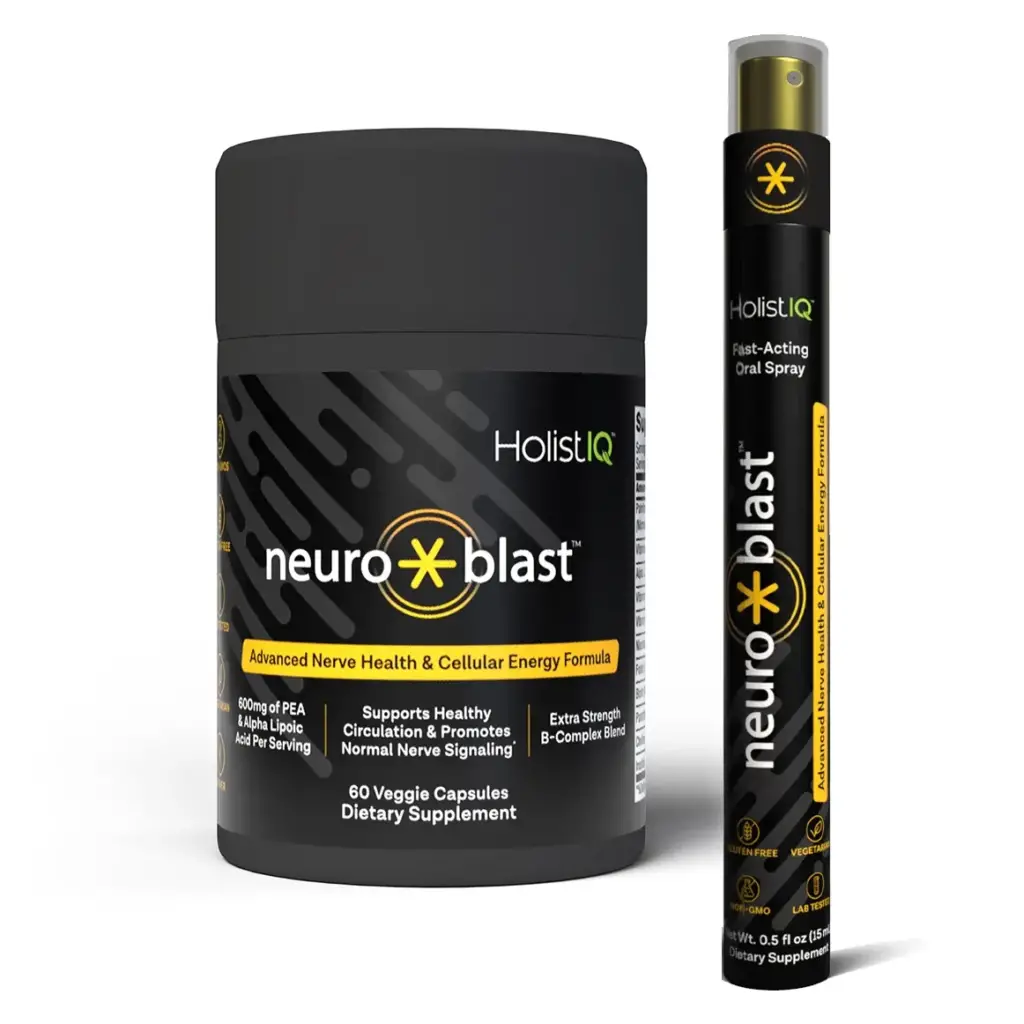
For example, some systems use liposomal technology or rapid-absorb oral sprays to help nutrients bypass the digestive system and enter the bloodstream more directly. This can make a significant difference in how effectively your body uses the ingredients. When you’re researching, pay attention to how a product is designed to be absorbed. A system that combines different delivery methods, like capsules and a spray, shows a deeper understanding of how it works to support your body on a cellular level.
Create Your Personalized Support Plan
The most effective approach to nerve health is a personalized one. Your body is unique, and the best support system is one that complements your specific needs. The first step is to work with your doctor to understand the underlying cause of your nerve discomfort. This knowledge allows you to choose supplements that target your specific issues, rather than taking a generic approach.
Think of supplements as one part of a larger wellness strategy. Your doctor is your most important partner in this process. They can help you create a holistic plan that may include dietary changes, exercise, and other treatments alongside your chosen nerve support system. By taking a comprehensive approach, you can feel confident that you’re giving your body the well-rounded support it needs to help you get moving again.
Related Articles
- Vitamins for Nerve Repair: A Complete Guide
- 7 Proven Supplements for Nerve Repair and Pain
- The 6 Best Vitamins for Nerve Damage and Repair
Frequently Asked Questions
How long will it take to feel a difference? Since these supplements work at a cellular level to repair and protect your nerves, it’s not an overnight fix. The process is gradual and depends on your individual health and how consistently you take them. Some people notice subtle improvements in a few weeks, while for others it might take a few months to feel a significant shift. The key is to be patient and consistent, as you’re giving your body the tools it needs for long-term support.
Can’t I just get these nutrients from food? A healthy diet is absolutely the foundation of good nerve health, but sometimes it isn’t enough. When your nerves are already compromised, they may require higher, more therapeutic doses of specific nutrients to help repair damage and reduce inflammation. It can be very difficult to get these concentrated amounts from food alone. Supplements provide a targeted way to ensure your nervous system gets the steady supply of reinforcements it needs to function properly.
Is it safe to combine these different supplements? When chosen correctly, these supplements can work together very effectively. A well-designed nerve support system is formulated with this in mind, ensuring the ingredients are included in balanced, safe amounts that complement each other. However, it is always a good idea to discuss any new supplement regimen with your doctor, especially if you are taking prescription medications, to avoid any potential interactions.
What’s the advantage of a complete system over buying individual supplements? Choosing a complete system takes the guesswork out of building your own nerve support plan. Instead of trying to figure out the right dosages and combinations, a system provides a coordinated formula where all the ingredients are designed to work together. These systems often use advanced delivery methods, like oral sprays, to help your body absorb the nutrients more effectively than it could from standard pills alone.
Do I need my doctor’s approval to start taking these? While these are natural supplements, we strongly recommend talking to your doctor before starting any new health regimen. Your doctor understands your complete health history and can make sure that a supplement won’t interact with any medications you’re currently taking. Think of it as making your doctor a partner in your plan to ensure your approach is both safe and perfectly suited to your needs.