
Think of your circulatory system as your body’s internal delivery service, responsible for carrying vital oxygen and nutrients to every cell. When traffic gets congested in the pathways leading to your feet, you start to feel the effects—numbness, tingling, and a persistent chill. This is what we call poor circulation. Fortunately, you don’t have to live with the discomfort. You can help clear these pathways and improve flow by making supportive lifestyle choices. This guide focuses on one of the most powerful tools in your kit: targeted nutrition. We will explore the science behind the top supplements for poor circulation in feet and how they work to get things moving smoothly again.
Key Takeaways
- Recognize the Early Warnings: Don’t dismiss persistent cold feet, tingling, or changes in skin color as normal aging. These are often the first signs of poor circulation and a signal to investigate the root cause.
- Adopt a Two-Part Strategy for Relief: Targeted supplements can support nerve and vessel health, but they work best when combined with simple lifestyle habits. Incorporating daily walks and circulation-friendly foods creates a powerful foundation for lasting improvement.
- Prioritize Safety with Professional Guidance: Always consult your doctor before adding a new supplement to your routine. They can help you avoid potentially harmful interactions with your current medications and ensure your plan is safe and effective for your specific health needs.
Spotting the Signs of Poor Foot Circulation
Your feet do a lot for you, but it’s easy to ignore the subtle messages they send about your overall health. When you experience discomfort, you might brush it off as a long day or just part of getting older. However, persistent issues like pain, coldness, or tingling can be your body’s way of signaling poor circulation. This happens when blood flow to your extremities is restricted, preventing your feet from getting the oxygen and nutrients they need to thrive. Recognizing these signs is the first step toward addressing the root cause and getting back to feeling your best. Some signals are obvious, while others are much easier to miss.
Key Physical Signs
The more apparent signs of poor circulation are often physical changes you can see or feel directly in your feet and legs. You might notice persistent pain, stiffness, or weakness in your muscles, especially during or after a walk. Many people also experience cramping in their calves or thighs that eases with rest. Take a look at your skin—does it appear pale, or have a bluish or reddish tint? Poor circulation can cause these skin color changes and even slow down the growth of your toenails and the hair on your legs. Another major red flag is sores or cuts on your feet that take an unusually long time to heal, as this indicates your body’s repair processes aren’t getting enough blood supply.
Subtle Symptoms You Might Miss
While swelling or skin discoloration is hard to ignore, some symptoms of poor circulation are much more subtle. Do you constantly have cold feet, even when you’re bundled up under a blanket? That persistent chill, especially when the rest of your body is warm, can be a sign that not enough warm blood is reaching your extremities. You might also dismiss a tingling or “pins and needles” sensation as a foot that’s simply fallen asleep, but if it happens frequently, it’s worth paying attention to. These less obvious clues can sometimes point to a bigger health problem, like a nutrient deficiency that’s affecting your circulatory system. Listening to these quieter signals can help you catch potential issues early.
What Causes Poor Circulation in Your Feet?
Understanding what’s behind that cold, tingling, or numb feeling in your feet is the first step toward finding relief. Poor circulation isn’t just a random annoyance; it’s often a signal from your body that something is disrupting the vital flow of blood to your extremities. Several underlying conditions and habits can contribute to this, and pinpointing the cause is key to addressing it effectively. From narrowed arteries to the effects of chronic conditions, let’s look at the most common reasons why your feet might not be getting the blood flow they need to feel their best.
How Peripheral Artery Disease Narrows Blood Vessels
One of the most common culprits behind poor foot circulation is Peripheral Artery Disease, or PAD. Think of your arteries as flexible hoses that carry oxygen-rich blood from your heart to the rest of your body. With PAD, these arteries start to narrow due to a buildup of plaque—a sticky substance made of fat and cholesterol. This process, called atherosclerosis, essentially clogs your body’s plumbing. When the arteries leading to your legs and feet become too narrow, it’s much harder for blood to get through. This can leave your feet feeling cold, numb, or even painful, especially when you’re walking. It’s a serious condition that directly impacts your ability to stay active and comfortable.
The Link Between Diabetes and Nerve Damage
If you have diabetes, you’re likely aware of its potential impact on your feet. High blood sugar levels can be tough on your body, and they can damage the lining of your small blood vessels over time, causing them to narrow and stiffen. This restricts blood flow to your extremities. But there’s another layer to this: diabetes is also a leading cause of nerve damage, or neuropathy. When the nerves in your feet are damaged, they can’t properly send signals, which can lead to a loss of sensation. This combination of poor blood flow and nerve issues is why foot care is so incredibly important for anyone managing diabetes.
Lifestyle Factors That Can Restrict Blood Flow
Sometimes, our daily habits are what stand in the way of healthy circulation. Leading a sedentary life is a major factor; when you sit or stand for long periods, blood can pool in your leg veins, making it harder for your body to pump it back up to your heart. Smoking is another significant cause, as nicotine is known to constrict blood vessels and make it more difficult for blood to pass through. Maintaining a healthy weight and getting regular exercise are two of the most effective ways to support your circulatory system. Even small changes, like taking short walking breaks throughout the day, can make a real difference in getting blood moving again.
The Best Supplements for Better Foot Circulation
While lifestyle changes are the cornerstone of improving circulation, certain supplements can provide powerful, targeted support to get your blood moving more freely. Think of them as reinforcements for your body’s circulatory system. The key is to find high-quality ingredients that address the issue from multiple angles—from strengthening your blood vessels to reducing inflammation and supporting nerve health. When poor circulation is tied to nerve discomfort, a comprehensive approach is often the most effective. Below, we’ll explore some of the most effective supplements and ingredients that can help you take a step in the right direction.
Neuro-Blast System for Nerve and Circulation Support
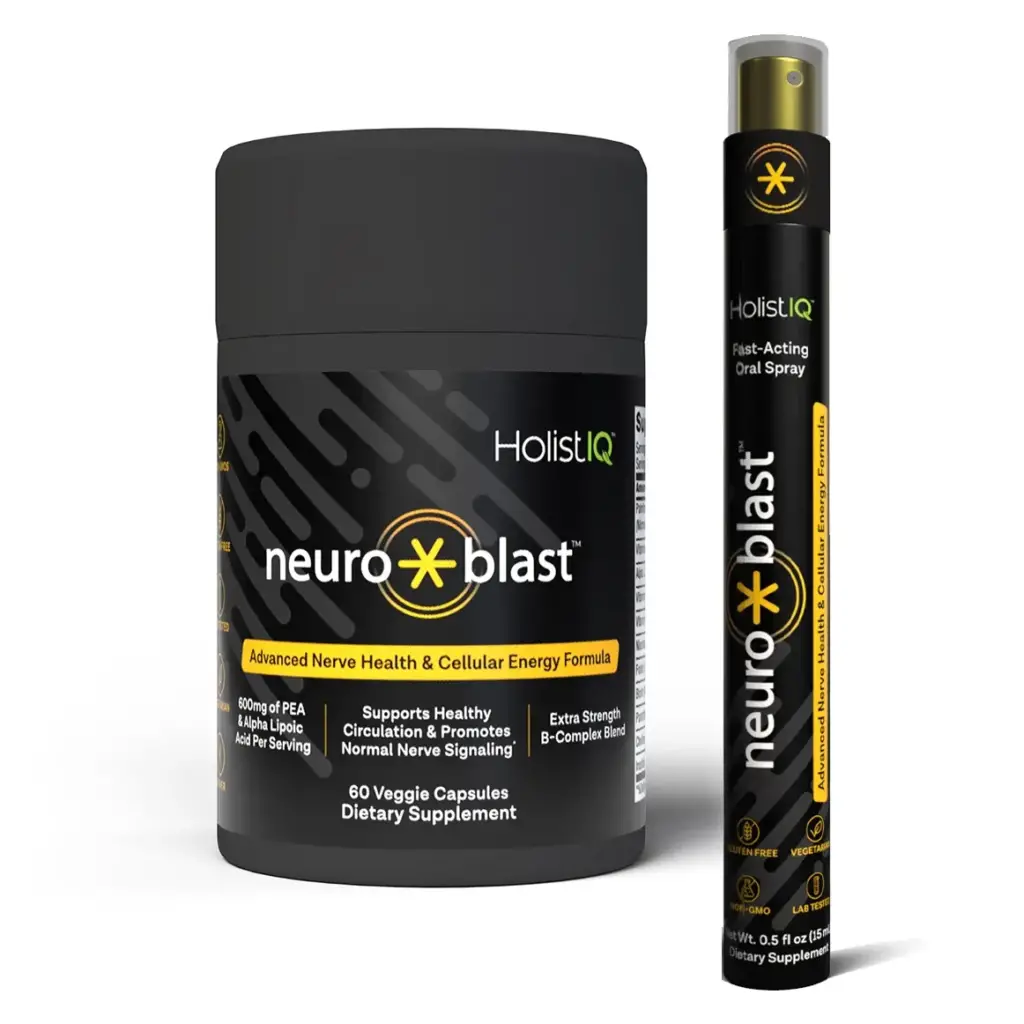
When nerve discomfort and poor circulation go hand-in-hand, a specialized formula can make all the difference. The Neuro-Blast System is designed to address both issues at a cellular level. As a doctor-led, AI-enhanced system, it moves beyond temporary fixes to support the underlying health of your nerves and blood vessels. Its unique combination of ingredients in both capsule and oral spray form is engineered to promote healthy blood flow while also nourishing the nervous system. This dual-action approach is especially helpful for anyone whose mobility is limited by foot discomfort, helping you get back to the activities you love.
Diosmin and Horse Chestnut for Vein Health
If you’re looking for ingredients that specifically target the health of your veins, Diosmin and Horse Chestnut are two standouts. Diosmin is a plant-based compound known for its ability to improve vein tone, making them less likely to stretch and leak. This helps push blood back toward the heart more efficiently. Horse Chestnut extract works in a similar way, helping to strengthen the walls of your blood vessels and reduce swelling. Together, they form a powerful duo for supporting the structural integrity of your circulatory system, which is essential for maintaining healthy blood flow in your legs and feet.
L-Arginine to Help Blood Vessels Relax
Think of your blood vessels as tiny highways. When they’re narrow and tense, traffic jams happen. L-Arginine is an amino acid that acts as a precursor to nitric oxide, a molecule that tells your blood vessels to relax and widen. This process, called vasodilation, allows blood to flow more freely throughout your body, including to your extremities like your feet. By helping to open up these pathways, L-Arginine can be a key player in improving circulation. Many effective blood flow supplements include this ingredient for its direct impact on vascular function.
Vitamins E and B for Overall Circulatory Health
Sometimes, the best support comes from the basics. Certain vitamins are essential for maintaining a healthy circulatory system. Vitamin E is a natural antioxidant that helps widen blood vessels, allowing for better blood flow. Meanwhile, a complex of B vitamins—especially B6, B9 (folate), and B12—plays a crucial role in keeping your arteries healthy. They help your body process an amino acid called homocysteine, which can damage artery linings at high levels. Ensuring you have enough of these fundamental vitamins for leg circulation is a simple yet effective way to support your vascular health from the inside out.
Omega-3s and Hawthorn to Reduce Inflammation
Chronic inflammation can be a silent enemy of good circulation, causing damage to the delicate lining of your arteries over time. Omega-3 fatty acids, commonly found in fish oil, are well-known for their powerful anti-inflammatory properties, which help protect your blood vessels and promote smoother blood flow. Another valuable ingredient is Hawthorn, an herb that has been used for centuries to support heart health. It works by helping your body produce nitric oxide, which relaxes blood vessels, and it also contains antioxidants that fight inflammation. Combining these ingredients can help calm irritation in your arteries and support overall circulatory function.
How Circulation Supplements Work
It can feel like magic when you find a supplement that helps you feel better, but there’s real science behind how they support your circulatory system. These ingredients don’t just mask symptoms; they work with your body’s natural processes to address the root of the problem. Most circulation supplements help improve blood flow in three main ways: by widening your blood vessels, calming inflammation that can squeeze them shut, and strengthening the vessel walls from the inside out. Understanding these mechanisms can help you appreciate what’s happening in your body as you start to feel relief.
Widening Blood Vessels to Improve Flow
Think of your blood vessels as tiny highways. When they’re narrow, traffic gets backed up. Certain supplements act like a traffic controller, helping to open up the lanes. This process, known as vasodilation, allows blood to flow more freely to your extremities, including your feet. Ingredients like Vitamin E and Niacin (B3) are known to help blood vessels relax and widen. Similarly, Omega-3 fatty acids play a vital role in your overall cardiovascular health, supporting better blood flow throughout your entire body. When your vessels are wider, your heart doesn’t have to work as hard to pump blood where it needs to go.
Calming Inflammation in Arteries
Chronic inflammation is a major roadblock for healthy circulation. When your arteries are inflamed, they can become stiff and narrow, restricting the flow of oxygen-rich blood. This is where anti-inflammatory supplements can make a big difference. Omega-3 fatty acids are superstars at reducing inflammation throughout the body. Other powerful ingredients like Turmeric, Vitamin C, and L-Arginine also help soothe irritation in your blood vessels. By calming this inflammation, you’re not just easing discomfort—you’re creating a healthier, more efficient circulatory system that can effectively reach your toes.
Strengthening Blood Vessel Walls
For blood to travel efficiently, the vessel walls themselves need to be strong and flexible. Over time, they can become weak or damaged, leading to poor circulation. Key nutrients can help rebuild and maintain their integrity. Vitamin C is essential because it helps your body produce collagen, the primary protein that gives blood vessels their structure and strength. B vitamins, especially B6, B9, and B12, also contribute by helping to clear out harmful substances that can damage artery walls. Stronger, healthier vessels mean a more reliable pathway for blood to nourish the nerves and tissues in your feet.
Know the Risks: What to Watch Out For
Adding supplements to your routine can be a fantastic step toward feeling your best, but it’s important to go in with your eyes open. Just because something is labeled “natural” doesn’t mean it’s free of risks or potential side effects. Supplements contain active ingredients that can have powerful effects on your body, which is exactly why they can be so helpful! But it also means they can interact with medications you’re already taking or may not be suitable for certain health conditions.
Think of it this way: you wouldn’t start a new prescription medication without talking to your doctor, and the same caution should apply to supplements. Your doctor has the full picture of your health and can help you make informed choices that support your goals without creating new problems. Before you add anything new to your daily regimen, it’s always best to have a quick chat with your healthcare provider. They can help you understand potential drug-nutrient interactions and ensure your new supplement plan is both safe and effective for you.
Interactions with Blood Thinners and Other Medications
If you take blood thinners like warfarin or even a daily aspirin, paying close attention to supplement labels is critical. Many popular supplements for circulation, including fish oil, ginkgo biloba, and garlic, can have blood-thinning properties of their own. When you combine them with prescription blood thinners, it can amplify the effect and increase your risk of bleeding. Similarly, some supplements can affect blood pressure. Taking fish oil alongside blood pressure medication, for example, could cause your blood pressure to drop too low. This is why it’s so important to check with your doctor before mixing supplements with your prescriptions.
Common Myths About Supplement Safety
One of the biggest myths out there is that all supplements are safe because they come from natural sources. The reality is that the U.S. Food and Drug Administration (FDA) doesn’t regulate dietary supplements with the same rigor as prescription or over-the-counter drugs. Manufacturers are responsible for ensuring their products are safe, but the FDA doesn’t typically review them before they land on store shelves. This means the responsibility falls on you, the consumer, to be discerning. Even seemingly harmless vitamins and minerals can cause issues. For instance, vitamin K can interfere with blood thinners, and zinc can interact with certain medications, so it’s wise to treat every new supplement with careful consideration.
Who Should Be Cautious with Circulation Supplements
Beyond those on blood thinners, other people should be extra cautious when considering circulation supplements. If you take thyroid medication, for example, some supplements can interfere with how your body absorbs it, making your medication less effective. Another common issue is mineral absorption; taking calcium and iron at the same time can prevent your body from absorbing enough of the iron. People with pre-existing conditions, those who are pregnant or breastfeeding, and anyone scheduled for surgery should always consult their doctor. Your unique health profile is the most important factor in determining which supplements are a good fit for you.
How to Take Circulation Supplements Safely
Adding supplements to your routine can be a fantastic step toward supporting your circulatory health, but it’s important to do it thoughtfully. Think of it less like a quick fix and more like a new, supportive habit. To get the most out of any supplement, including the Neuro-Blast System, you need to use it correctly and safely. This means paying attention to dosage, timing, and how it fits in with your overall health plan. A smart approach ensures you’re helping your body without accidentally creating new problems. By being mindful, you can feel confident that you’re making a positive change for your circulation and well-being.
Following Dosing and Timing Guidelines
First things first: always follow the recommended dosage on the supplement label unless your doctor advises otherwise. More isn’t always better, and taking too much can be ineffective or even harmful. Timing matters, too. Some supplements absorb best with food, while others should be taken on an empty stomach. It’s also crucial to know that some vitamins and minerals compete for absorption. For example, taking calcium at the same time as an iron supplement can prevent your body from absorbing enough iron. Similarly, certain minerals can block thyroid hormone absorption, so spacing them out is key.
Why Consistency Is Key
For supplements to truly make a difference, you have to take them consistently. Most aren’t a one-and-done solution; they work by building up in your system over time. Taking them sporadically means you likely won’t see the benefits you’re hoping for. Consistency also helps you and your doctor accurately track what’s working. If you’re trying a new supplement, give it time to work before deciding it’s not for you. It’s also a good practice to keep an updated list of everything you take—prescriptions, over-the-counter meds, and supplements—and review it regularly with your healthcare provider to ensure everything is working together safely.
How to Combine Supplements with Your Medical Plan
This is the most important piece of the puzzle: supplements should complement your medical plan, not complicate it. Always talk to your doctor before adding a new supplement to your routine, especially if you have a chronic condition or take prescription medications. Certain supplements can interact dangerously with medications, either making them less effective or causing serious side effects. For instance, some supplements can interfere with blood thinners, cholesterol medications, or even antidepressants. Your doctor can help you understand how a new supplement fits into your health strategy and ensure it’s the right choice for you.
Lifestyle Changes to Support Your Supplements
Taking a high-quality supplement is a fantastic step toward better circulation, but it works best as part of a team effort. Think of your daily habits as the supporting players that help your supplements do their job more effectively. By making a few simple adjustments to your routine, you can create an environment where your body can truly thrive and make the most of the nutrients you’re providing it.
These changes don’t have to be drastic. Small, consistent actions can lead to significant improvements in how you feel. Pairing a powerful nerve support formula like the Neuro-Blast System with gentle movement, nourishing foods, and healthy habits gives your body comprehensive support from every angle. It’s about building a foundation of wellness that helps you get back to doing what you love. Let’s look at a few practical ways you can support your circulatory health every day.
Simple Exercises to Get Blood Moving
You don’t need to run a marathon to improve your circulation. The goal is simply to get your blood moving, and gentle, consistent activity is perfect for that. Regular exercise helps your heart pump more efficiently, pushing blood all the way down to your toes.
Start with a short, daily walk around your neighborhood. Even 15-20 minutes can make a difference. If you’re sitting for a while, try simple movements like lifting your legs one at a time or doing calf raises by pressing up onto your toes and lowering back down. These small actions prevent blood from pooling in your legs and encourage it to flow back toward your heart. The key is to find low-impact activities you enjoy and can stick with.
Foods That Naturally Support Blood Flow
What you eat has a direct impact on the health of your blood vessels. Incorporating certain foods into your diet can provide your body with the nutrients it needs to maintain strong, flexible arteries and veins. You can think of it as nourishing your circulatory system from the inside out.
Focus on foods rich in Vitamin C, which helps protect and strengthen blood vessel walls. You can find it in citrus fruits like oranges, as well as berries, bell peppers, and leafy greens like spinach. Vitamin E is another powerhouse, helping to prevent plaque buildup in your arteries. Add it to your diet with nuts, seeds, and green vegetables like broccoli. A heart-healthy diet doesn’t have to be complicated; often, it’s just about adding more color to your plate.
Daily Habits for Better Absorption
Beyond diet and exercise, a few daily habits can significantly influence your circulation and how well your body absorbs nutrients. First, stay hydrated. Drinking plenty of water—aim for around 64 ounces a day—helps keep your blood at the right consistency, making it easier for your heart to pump it throughout your body.
Also, be mindful of how long you stay in one position. If you have a desk job or tend to sit for long periods, make a point to get up and stretch every hour. If you stand a lot, take breaks to sit and elevate your feet. This simple act of changing positions prevents blood from stagnating in your lower legs. For extra support, consider wearing compression socks, which apply gentle pressure to help push blood upward.
When to Talk to Your Doctor
While taking charge of your health with supplements is a fantastic step, it’s most effective when you have a professional in your corner. Your doctor is your best partner in understanding what’s happening inside your body and creating a comprehensive plan. Think of them as the coach of your wellness team. They can provide a proper diagnosis, rule out serious conditions, and ensure the choices you make are safe and effective for your specific health profile. Open communication is key to getting the results you want and feeling your best.
Red Flags That Need Medical Attention
Your body has its own way of telling you when something isn’t right. If you’re experiencing persistent symptoms of poor circulation, it’s time to listen. Pay close attention to muscle pain, stiffness, or weakness in your legs and feet. Numbness or cramping that doesn’t go away are also important signals. You might even notice changes in skin color or find that the hair and nails on your feet and legs are growing much slower than they used to. These are more than just minor annoyances; they are warning signs that point to an underlying issue that a healthcare professional should evaluate.
Creating a Supplement Plan with Your Doctor
Before you add any new supplement to your routine, a conversation with your doctor is essential. This is especially true if you’re already taking prescription medications. Many supplements can change how your medications work, and it’s crucial to avoid any dangerous interactions. For example, if you’re on blood thinners or have other health conditions, your doctor needs to be in the loop. They can review your full health picture and help you build a safe, effective supplement plan that complements your current treatments and supports your goal of getting moving again.
Related Articles
- How to Treat Poor Circulation in Feet: 5 Easy Steps
- 5 Best Vitamins for Blood Circulation in Legs
- The 5 Best Vitamins for Better Leg Circulation
- 9 Simple Home Remedies for Poor Circulation in Legs
Frequently Asked Questions
How long does it take to notice a difference from circulation supplements? There isn’t a magic number, as everyone’s body is different. The key is consistency. These supplements work by gradually supporting your body’s circulatory system on a cellular level, which takes time. Think of it as building a healthier foundation rather than looking for an overnight fix. Most people begin to notice positive changes after consistently taking a supplement for several weeks.
Can I rely on supplements alone to fix my circulation issues? Supplements are a powerful tool, but they work best as part of a team effort. Combining them with gentle daily movement and a supportive diet creates a much more effective approach. Simple habits like short walks and staying hydrated help your supplements do their job better, giving your body comprehensive support from all angles.
My feet are always cold. Is this a definite sign of poor circulation? Persistently cold feet can certainly be a clue that your circulation isn’t as strong as it could be, especially if the rest of your body feels warm. While it’s a very common sign, it’s not a diagnosis on its own. Pay attention to whether it’s paired with other signals, like tingling or skin color changes, and consider it a good reason to bring the topic up with your doctor.
What makes one circulation supplement more effective than another? The most effective formulas are those that address the issue from multiple angles instead of focusing on just one ingredient. Look for a system that includes ingredients designed to help relax and widen blood vessels, calm inflammation in the arteries, and strengthen the vessel walls. A comprehensive, multi-action approach tends to provide more thorough and lasting support.
Is it safe to take circulation supplements with my other daily vitamins or medications? This is a crucial question, and the only person who can answer it for you is your doctor. Even natural ingredients and basic vitamins can interact with each other or with prescription medications. Before adding anything new to your routine, have a conversation with your healthcare provider to ensure your entire regimen is working together safely and effectively.