
When nerve discomfort keeps you from doing the things you love, it can feel incredibly discouraging. Maybe it’s gardening, walking with a friend, or simply getting through the day without that persistent tingling or pain. I want you to know that feeling better is possible. Your body has an amazing capacity for healing, and you can take an active role in supporting that process. It starts with giving your nervous system the right nourishment to rebuild and calm down. High-quality supplements for nerve repair and pain are a powerful tool in this journey, providing targeted nutrients that work at a cellular level. This article will walk you through the most promising options, giving you an actionable plan to help you get moving again and reclaim your life.
Key Takeaways
- Focus on Cellular Repair, Not Just Symptom Relief: Lasting nerve comfort comes from addressing the root causes of damage. Look for supplements with ingredients that reduce inflammation, fight oxidative stress, and provide the building blocks your nerves need to heal.
- Combine Supplements with Healthy Habits: A supplement is a powerful tool, but it works best with a supportive lifestyle. Incorporate gentle exercise, an anti-inflammatory diet, and stress management to create the best environment for nerve recovery.
- Choose Quality Over Quantity: Not all supplements are created equal. Prioritize products with third-party testing, clean ingredients, and bioavailable nutrient forms to ensure you’re getting a safe and effective formula that your body can actually use.
What Causes Nerve Pain and Damage?
If you’re dealing with tingling, numbness, or sharp, shooting pains, you know how disruptive it can be. It’s easy to feel like this discomfort came out of nowhere, but nerve damage—also known as neuropathy—often has a specific root cause. Understanding what’s behind the pain is the first step toward finding real relief. Your nerves are like a complex electrical wiring system, and when something interferes with that system, the signals get crossed.
Several health conditions and lifestyle factors can contribute to this interference. For many, it’s related to metabolic health, while for others, it might be a simple lack of essential nutrients. The good news is that once you identify the potential cause, you can start to address it. Our bodies have an incredible capacity for healing, and supporting your nervous system on a cellular level can make a significant difference. Let’s walk through some of the most common reasons why nerves become damaged.
Diabetes
One of the most well-known causes of nerve damage is diabetes. When blood sugar levels remain high for extended periods, they can injure the walls of the tiny blood vessels that supply your nerves with oxygen and nutrients. This is particularly common in the hands and feet, leading to what’s called diabetic neuropathy. It often starts as a mild tingling or numbness but can progress to more severe pain and loss of sensation. Managing blood sugar is a critical step, but supporting the nerves directly can also help manage the discomfort and promote health.
Nutrient Gaps
Your nerves rely on a steady supply of specific vitamins and minerals to function properly and repair themselves. When your diet is lacking, or your body has trouble absorbing nutrients, it can lead to nutritional deficiency neuropathy. B vitamins—especially B1, B6, and B12—are crucial for maintaining the protective coating around your nerves, called the myelin sheath. Deficiencies in other nutrients like vitamin E and copper can also leave your nerves vulnerable to damage. This is why a well-rounded diet and targeted supplementation can be so important for nerve health.
Autoimmune Conditions
Sometimes, the body’s own defense system can turn against itself. In autoimmune disorders like rheumatoid arthritis, lupus, or Guillain-Barré syndrome, the immune system mistakenly attacks healthy tissues, including the nerves. This can cause inflammation that damages the nerve fibers or the myelin sheath, disrupting the signals between the brain and the rest of the body. The result is often pain, weakness, and numbness. Managing the underlying autoimmune condition is key, alongside strategies to soothe and support the affected nerves.
Alcohol Use
While enjoying a drink now and then is common, excessive alcohol consumption can be toxic to nerve tissue. Over time, it can directly damage nerves and also interfere with the body’s ability to absorb essential nutrients, particularly B vitamins. This can lead to a form of malnutrition that causes or worsens peripheral neuropathy. The symptoms are often similar to other forms of nerve damage, starting with pain and tingling in the extremities. Reducing alcohol intake is a vital step to prevent further damage and allow the nerves a chance to heal.
Which Supplements Can Help With Nerve Pain?
When you’re dealing with nerve discomfort, finding effective support is a top priority. While a healthy diet is your first line of defense, certain supplements can provide targeted nutrients your nerves need to function at their best. Think of them as reinforcements that help fill in any gaps and give your body the specific tools it needs for nerve repair and relief. Many of these ingredients work by reducing inflammation, fighting cellular damage, and supporting the very structure of your nerve cells. Let’s look at some of the most well-researched supplements that can make a real difference in your nerve health.
Support Nerve Function with B Vitamins (B1, B6, B12)
The B vitamin family—especially B1, B6, and B12—are absolute powerhouses for your nervous system. They are essential for maintaining healthy nerve function, and not getting enough can lead to problems. A B12 deficiency, in particular, is a known cause of nerve damage if it isn’t addressed. These vitamins work together to help repair nerves, protect the delicate covering around nerve endings, and ease pain and inflammation. Because they play such a fundamental role, ensuring you have adequate levels is a crucial first step in any nerve support plan. Many people, especially older adults, may have trouble absorbing B12 from food, making supplementation a practical option to consider.
Protect Your Nerves with Alpha-Lipoic Acid
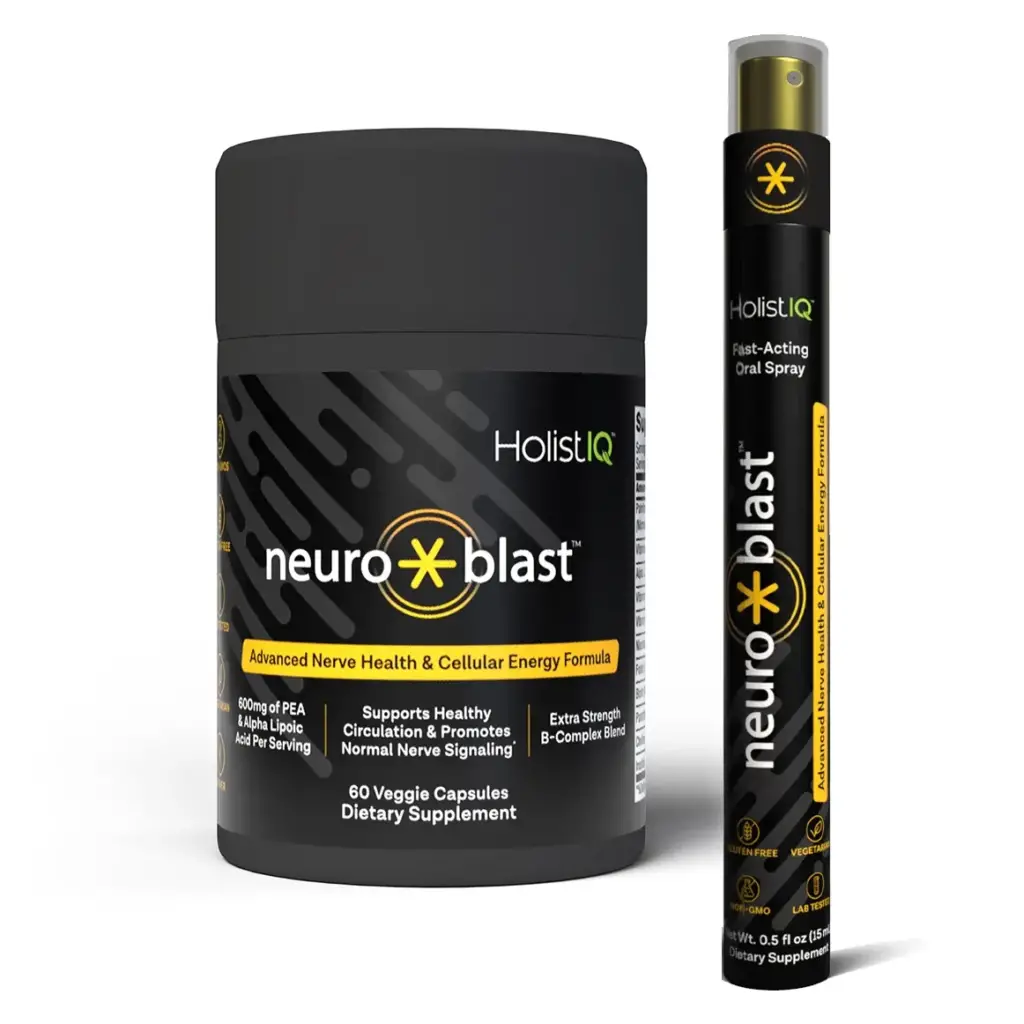
Alpha-Lipoic Acid, or ALA, is a powerful antioxidant that works in every cell of your body. It’s particularly helpful for people experiencing nerve pain from conditions like diabetes. What makes ALA special is its ability to fight oxidative stress, which is a major contributor to nerve damage. Research shows it can help improve nerve function and soothe common symptoms like pain, tingling, and numbness in your hands and feet. By protecting your nerves from damage on a cellular level, ALA helps create a healthier environment for them to thrive. This is why it’s a key ingredient in comprehensive formulas like the Neuro-Blast System, which focuses on deep, cellular support.
Encourage Nerve Regeneration with Acetyl-L-Carnitine
Acetyl-L-Carnitine (ALCAR) is an amino acid that plays a vital part in your body’s energy production. For your nerves, this is especially important. ALCAR helps create healthy nerve cells and provides them with the energy they need to function properly. It’s more than just fuel, though. Studies suggest that ALCAR can help reduce pain and even promote the regrowth of nerve fibers that have been damaged. By supporting the physical structure of your nerves and improving how they send signals, this antioxidant offers a two-pronged approach to nerve health. It’s a promising ingredient for anyone looking to not just manage symptoms but also actively support the body’s natural repair processes.
Control Inflammation with Curcumin
You’ve probably heard of turmeric, the bright yellow spice common in curry. Its incredible health benefits come from an active compound called curcumin. Curcumin is best known for its potent anti-inflammatory properties, which is great news for anyone with nerve pain, as inflammation is often a key driver of discomfort. By helping to calm this inflammation, curcumin can reduce pain signals and create a better environment for your nerves. While much of the research is promising, scientists are still exploring its full potential for neuropathy in humans. Still, incorporating this natural anti-inflammatory into your routine can be a gentle yet effective way to support your body’s response to nerve irritation and pain.
Reduce Pain with N-Acetyl Cysteine
N-Acetyl Cysteine, often called NAC, is another impressive antioxidant that can help with nerve-related discomfort. As a building block for one of the body’s most important antioxidants, glutathione, NAC plays a critical role in protecting your cells from damage. Its main benefit for nerve health is its ability to alleviate pain and inflammation. In fact, one recent study showed that NAC made a significant difference in pain levels for people with painful neuropathy. By targeting both inflammation and oxidative stress, NAC helps address some of the root causes of nerve irritation. This makes it a valuable addition to a well-rounded supplement plan aimed at providing lasting relief and supporting overall nerve function.
Get Essential Nerve Support from Magnesium and Zinc
Magnesium and zinc are two essential minerals that often fly under the radar but are critical for nerve health. Magnesium helps calm the nervous system by playing a role in blocking certain pain signals in the brain. Think of it as a natural gatekeeper for pain. Zinc, on the other hand, offers powerful anti-inflammatory benefits that can help reduce the irritation contributing to your discomfort. While research has shown magnesium can be effective, studies on zinc for neuropathic pain specifically are still emerging. However, since both minerals are involved in pain signaling and inflammation, ensuring you have enough of them is a smart move for comprehensive nerve support.
How Do Nerve Repair Supplements Actually Work?
If you’re dealing with nerve pain, you know that simply masking the symptoms isn’t a long-term solution. The goal is to get to the root of the problem. That’s where targeted nerve repair supplements come in. Instead of just dulling the pain, they work on a cellular level to create an environment where your nerves can heal and function properly.
Think of it like tending to a garden. You can’t just pull the weeds; you also need to enrich the soil, provide water, and protect the plants from pests. Similarly, nerve support supplements work through several key pathways to nourish and protect your nervous system. They help rebuild damaged structures, calm inflammation, defend against cellular stress, and clear up the communication lines between your nerves and your brain. Let’s break down exactly how they do it.
They Help Regenerate Nerves
One of the most important jobs of a nerve support supplement is to provide the raw materials your body needs to repair and rebuild damaged nerve cells. A key player in this process is Vitamin B12. Research shows that B vitamins are crucial for nerve repair and for maintaining the protective coating around your nerves, known as the myelin sheath. You can think of this sheath as the insulation around an electrical wire—when it’s healthy, signals travel quickly and clearly. When it’s damaged, signals can get scrambled, leading to pain, tingling, or numbness. By supporting myelination, these supplements help restore proper nerve structure and function, which can lead to a significant improvement in symptoms.
They Reduce Inflammation
Chronic inflammation is a major contributor to nerve pain. When your body is in a constant state of inflammation, your nerves become irritated and hypersensitive, sending pain signals to your brain even without an obvious injury. Ingredients like Curcumin, the active compound in turmeric, are well-known for their powerful anti-inflammatory effects. By helping to calm this underlying inflammation, supplements can reduce the constant pressure and irritation on your nerves. This doesn’t just offer temporary relief; it helps create a healthier, less hostile environment where your nerves have a chance to heal without being under constant attack from your body’s inflammatory response.
They Fight Oxidative Stress
Every day, our cells face damage from an imbalance known as oxidative stress. You can think of it as a form of “cellular rust” that wears down healthy tissues, including delicate nerve cells. This damage makes it harder for nerves to function and repair themselves. Antioxidants are your body’s defense team against this process. Supplements containing ingredients like Acetyl-L-Carnitine are excellent for supporting nerve health because they help neutralize the harmful molecules that cause this stress. By protecting your nerves from this ongoing damage, you give them a better chance to recover and maintain their function over the long term.
They Improve Nerve Signals
Neuropathy often feels like your body’s communication system has gone haywire. That’s because damaged nerves struggle to send clear signals, resulting in confusing and painful sensations like burning, tingling, and numbness. Certain supplements can help restore clarity to these communication lines. For example, Alpha-Lipoic Acid (ALA) is an antioxidant that has been shown to improve nerve function and ease many of the uncomfortable symptoms associated with nerve damage. By helping your nerves transmit signals more effectively, ALA can reduce the static and help your brain and body communicate clearly again, leading to less pain and more normal sensation in your arms, legs, hands, and feet.
How Much of Each Supplement Should You Take?
Figuring out the right amount of any supplement is just as important as choosing the right one. While everyone’s needs are different, research gives us a good starting point for what dosages are both safe and effective for supporting nerve health. Remember, these are general guidelines, and the best plan is always one you create with your healthcare provider who understands your specific health profile.
Finding the Right B Vitamin Dosage
B vitamins are a powerhouse for your nervous system. Vitamin B12 is particularly vital for maintaining the protective sheath around your nerves, and a deficiency can lead to significant issues. Vitamin B6 also plays a key role in protecting nerve endings. When it comes to dosage, it’s a bit of a balancing act. While B vitamins are essential, you can have too much of a good thing. With Vitamin B6, for example, it’s best not to exceed 200 milligrams (mg) per day, as very high doses can actually cause nerve damage. Many studies on neuropathy show that a balanced B-complex supplement can help reduce pain and support nerve function without the risk of overdoing it on a single vitamin.
Recommended Amounts for Alpha-Lipoic Acid and Acetyl-L-Carnitine
Alpha-Lipoic Acid (ALA) is a potent antioxidant that helps protect your nerves from damage. For nerve support, studies often use dosages ranging from 600 to 1,200 mg per day, sometimes split into two doses. Acetyl-L-Carnitine (ALCAR) is another fantastic supplement that can help with nerve regeneration and may ease discomfort. A common recommendation for ALCAR is around 500 mg taken twice daily. Both of these supplements work at a cellular level to support your body’s natural repair processes. Starting with a lower dose and seeing how your body responds is always a sensible approach before increasing the amount.
Safe Levels for Curcumin, NAC, and Minerals
For managing inflammation, Curcumin (the active compound in turmeric) is a popular choice, with effective doses typically falling between 500-1,000 mg per day. N-Acetyl Cysteine (NAC), another powerful antioxidant, is often suggested at a dosage of 1,200 to 2,400 mg daily. When it comes to essential minerals, getting the dose right is crucial. For Zinc, a therapeutic dose might be 30-50 mg daily, but be aware that toxicity can occur above 100 mg per day. Similarly, a common Magnesium dose is 250-500 mg. It’s helpful to know that different nutritional supplements for neuropathic pain have different safety levels, so always check the label and stick to the recommended amounts.
Are Nerve Support Supplements Safe?
When you’re dealing with nerve discomfort, you want a solution that’s not only effective but also safe. It’s completely normal to wonder if adding a new supplement to your routine is the right move. The short answer is that many nerve support supplements are safe, but that safety depends on a few key things: the quality of the ingredients, the dosage you take, and your individual health situation. Not all supplements are created equal, and what works wonders for one person might not be suitable for another.
The key is to be an informed consumer. This means understanding what’s inside the bottle, how it might interact with medications you’re already taking, and recognizing that even natural ingredients need to be respected. Many of the nutrients that support nerve health, like B vitamins and antioxidants, are essential for your body’s daily function. When sourced from a reputable company and taken as directed, these supplements can be a powerful way to take a proactive role in your health. The goal is to find a balanced formula that gives your body the tools it needs without overdoing it. Let’s walk through some important safety considerations together.
Debunking Common Supplement Myths
It’s easy to get lost in conflicting information about supplements. One common myth is that they are either miracle cures or completely ineffective. The truth is somewhere in the middle. High-quality supplements aren’t magic, but they can be an excellent way to fill nutritional gaps and support your body’s natural processes. Many of the ingredients that support nerve health have antioxidant properties that help protect your cells from damage. Taking the right nutrients in the correct doses is a practical way to support your nervous system. Think of them as part of a team, working alongside a healthy diet and lifestyle to help you feel your best.
Check for Potential Medication Interactions
This is a big one. Just because a supplement is “natural” doesn’t mean it can’t interact with prescription medications. A well-known example is St. John’s Wort, an herb that can interfere with the effectiveness of many common drugs, including blood thinners and antidepressants. This is why it’s absolutely critical to have a conversation with your doctor or pharmacist before starting any new supplement. They can review your current medication list and help you avoid any potentially harmful interactions. Being open about everything you take, both prescription and over-the-counter, is the best way to keep yourself safe and ensure your treatment plan is effective.
Know When to Avoid Certain Supplements
When it comes to supplements, more isn’t always better. In fact, taking too much of certain vitamins can actually cause the very problems you’re trying to solve. For instance, while Vitamin B6 is crucial for nerve health, excessively high doses can lead to nerve damage and worsen neuropathy symptoms. This is why choosing a professionally formulated supplement is so important. A product like the Neuro-Blast System is designed by doctors to provide balanced, effective doses that support your nerves without pushing any single nutrient into the danger zone. Always stick to the recommended dosage on the label unless your doctor advises otherwise.
Warning Signs to Discuss with Your Doctor
As you start a new supplement, pay attention to how your body feels. While most people tolerate nerve support supplements well, it’s smart to know what to look out for. If you experience any new or unusual symptoms—like digestive upset, skin rashes, or a sudden worsening of your nerve-related sensations—it’s time to check in with your healthcare provider. These signs don’t necessarily mean something is wrong, but they are your body’s way of communicating. Your doctor can help you determine if it’s a minor side effect or something that needs more attention. Before you begin any new regimen, it’s always best to talk to your doctor to make sure it’s a safe and appropriate choice for you.
How Long Until Nerve Repair Supplements Start Working?
When you’re dealing with nerve discomfort, you want relief, and you want it now. It’s completely understandable to wonder how long you’ll have to wait before feeling a difference from a new supplement. The truth is, there’s no single answer. Nerve repair is a gradual process, and everyone’s body responds differently. The timeline depends on a mix of factors, including the specific ingredients in your supplement, your overall health, and how consistently you take it.
Think of it less like flipping a switch and more like nurturing a plant. It takes time, consistency, and the right conditions to see growth. While some people might notice subtle shifts within a few weeks, for others, it can take a few months to experience more significant changes. The key is to be patient with your body and focus on consistency. Our Neuro-Blast system is designed for deep, cellular-level support, which works with your body’s natural healing processes over time. Setting realistic expectations from the start will help you stay on track and give the supplements a fair chance to work.
Setting a Realistic Timeline for Relief
Let’s talk about what to expect. While you might be hoping for overnight results, nerve health supplements generally require consistent use for several weeks to a few months before you notice significant changes. Nerves heal slowly, so patience is your best friend here. The goal is to support your body’s natural repair mechanisms, and that process takes time.
It’s also important to know that while many people find relief with nutritional supplements, the scientific community is still building a complete picture. For many nutraceuticals, large-scale human studies are ongoing to confirm their effectiveness for everyone. This doesn’t mean they don’t work—it just means your individual results may vary. Sticking with a routine is the best way to see what a supplement can do for you.
What Can Affect Your Results?
Several factors can influence how quickly and effectively a nerve supplement works for you. Your personal health landscape plays a huge role. The specific cause of your nerve issues, your overall health, and whether you have any nutritional deficiencies all contribute to your body’s response. What works wonders for one person might take longer for another.
This is why it’s so important to talk with your doctor before starting any new supplement regimen. They can help you understand what’s safe and appropriate for your specific situation. Your lifestyle choices, like diet and exercise, also matter. A supplement is a tool to support your health, not a replacement for a healthy foundation. Our approach at Neuro-Blast is to provide comprehensive support that works on a cellular level, but its effectiveness is always connected to your unique body and habits.
How to Recognize Signs of Improvement
Improvement might not show up as a sudden absence of pain. Often, the first signs are more subtle. You might notice a decrease in the frequency or intensity of tingling or numbness. Maybe you’ll find that a certain activity that used to be uncomfortable is now a little easier. Some studies show that key ingredients like B vitamins can help improve nerve function and reduce discomfort over time.
To track your progress, try keeping a simple daily journal. Note your symptoms, their intensity on a scale of 1 to 10, and any changes you feel. This can help you see a gradual trend of improvement that might otherwise be easy to miss. Over time, you might realize you’re having more good days than bad ones. Seeing how other people have described their journey can also be helpful; you can read some of their testimonials to get a sense of what the path to relief can look like.
How Do You Choose a High-Quality Supplement?
Walking down the supplement aisle can feel overwhelming. With so many bottles and bold claims, how do you know which one is actually worth your money and will deliver real results? Choosing a high-quality supplement isn’t about picking the flashiest label; it’s about understanding what’s inside the bottle and how your body will use it. A well-formulated product focuses on three key things: purity, potency, and bioavailability. This means the ingredients are clean, they’re present in effective amounts, and your body can actually absorb and put them to work where they’re needed most.
Making an informed choice is the first step toward effectively supporting your nerve health. Think of it as investing in a tool for your well-being—you want one that is reliable, safe, and built for the job. The right supplement provides the specific nutrients your nerves need without any unnecessary junk. It’s about finding a formula that is transparent and designed for maximum impact. By learning to spot the signs of a superior product, like the ones we prioritize in the Neuro-Blast system, you can feel confident in your decision and get on the path to feeling better.
Look for Third-Party Testing and Certifications
Think of third-party testing as an unbiased quality check. When a supplement is tested by an independent organization, it means someone other than the manufacturer has verified that the product contains what the label says it does—and nothing it shouldn’t, like heavy metals or bacteria. Look for seals from organizations like NSF International, USP (U.S. Pharmacopeia), or ConsumerLab.com on the packaging. Another important indicator is a “cGMP” or “GMP” stamp, which means the product was made in a facility that follows the FDA’s Good Manufacturing Practices. These certifications are your assurance of purity and potency.
Read Labels to Avoid Unwanted Fillers
The “Other Ingredients” section on a supplement label tells an important story. High-quality supplements keep this list short and simple. Be wary of products loaded with artificial colors, flavors, sweeteners, and unnecessary fillers or binders like magnesium stearate and titanium dioxide. These additives offer no therapeutic benefit and can sometimes cause digestive upset or other issues. Your goal is to nourish your nerves, not to consume a list of synthetic ingredients. A clean label is often a good sign of a manufacturer that cares about what you’re putting into your body.
Choose the Right Form for Better Absorption
Not all nutrient forms are created equal. The effectiveness of a supplement often comes down to bioavailability—how well your body can absorb and use a specific nutrient. For example, when it comes to vitamin B12, methylcobalamin is often considered a superior form because it’s the active version your body can use immediately to support nerve cells. Cheaper forms may be harder for your body to convert and utilize. A top-tier supplement will always use these more effective, bioavailable forms to ensure you get the maximum benefit from every dose.
Talk to a Healthcare Professional First
This is the most important step. Before adding any new supplement to your routine, have a conversation with your doctor or a trusted healthcare provider. They can review your health history and current medications to make sure a supplement is a safe and appropriate choice for you. Certain supplements can interact with prescription drugs or may not be suitable for people with specific health conditions. Your doctor can provide personalized guidance and help you create a plan that’s effective for your unique situation, ensuring your path to nerve relief is both safe and successful.
How Can Lifestyle Changes Support Your Nerve Health?
Supplements can be a game-changer for nerve health, but they work best as part of a bigger picture. Think of your daily habits as the foundation for your well-being. Simple, consistent changes to your lifestyle can create an environment where your nerves can truly thrive. It’s about supporting your body from all angles—what you eat, how you move, and how you rest all play a significant role in managing discomfort and promoting repair. This holistic approach isn’t just a nice idea; research into complementary and integrative medicine for neurological conditions shows growing evidence for the power of lifestyle factors. By pairing a high-quality supplement system like the Neuro-Blast System with mindful daily choices, you give yourself the best possible chance to get moving again and feel like yourself. It’s not about a complete overhaul overnight, but rather small, sustainable steps that add up to big results. These changes work in synergy with targeted supplements, helping to reduce inflammation, improve circulation, and calm an overactive nervous system. This creates a powerful combination for lasting relief and helps you regain control over your health journey.
Adopt an Anti-Inflammatory Diet
Inflammation is often a key player in nerve pain, so what you put on your plate matters. An anti-inflammatory diet focuses on whole foods packed with nutrients that help calm your system. Think colorful fruits and vegetables, healthy fats like those in avocados and olive oil, and lean proteins like fish. At the same time, you’ll want to limit processed foods, sugary drinks, and refined carbs, which can contribute to inflammation. Making these simple swaps doesn’t have to be complicated. Start by adding one more serving of leafy greens to your day or switching from white bread to whole grain. These small changes can make a real difference in supporting your nerves.
Incorporate Gentle Exercise
When you’re dealing with nerve discomfort, the thought of exercise might seem daunting, but gentle movement is incredibly beneficial. Activities like walking, swimming, or stretching improve blood flow, which delivers vital oxygen and nutrients to your nerves. This enhanced circulation can help reduce pain and support the body’s natural repair processes. Studies on complementary medicine for peripheral neuropathy consistently point to lifestyle modifications, including exercise, as a key component of care. The goal isn’t to run a marathon; it’s to find a comfortable activity you enjoy and can do consistently. Even a 15-minute walk each day can have a positive impact on your overall nerve function and help you feel more in control.
Manage Stress and Prioritize Sleep
Your mental and emotional state has a direct impact on your physical health, especially your nerves. Chronic stress can heighten pain sensitivity, while a lack of quality sleep can hinder your body’s ability to repair itself. This is why integrating stress management and good sleep hygiene is so important. Practices like meditation, deep breathing exercises, or even gentle tai chi can help calm your nervous system. There are many complementary therapy options to explore. Creating a relaxing bedtime routine—like turning off screens an hour before bed and ensuring your room is dark and quiet—can also dramatically improve your sleep quality, giving your nerves the downtime they need to recover.
Can You Safely Combine Multiple Nerve Supplements?
When you’re dealing with nerve discomfort, it’s natural to wonder if taking several different supplements could speed up your relief. While combining supplements can be effective, it’s not about simply adding more pills to your routine. The goal is to create a synergistic effect where the ingredients work together to support your nerves without causing unwanted side effects. Taking too much of certain nutrients or mixing ingredients that don’t work well together can do more harm than good.
A thoughtful approach is key. Instead of guessing which individual supplements to pair, it’s better to understand how they interact and what your body truly needs. Some nutrients, like B vitamins, work best as a team, while others might compete for absorption. The safest and most effective strategy involves being intentional about what you take. This means focusing on a balanced approach that provides comprehensive support, rather than just targeting one aspect of nerve health. By doing so, you can give your body the right tools to repair and protect itself without overloading your system.
Guidelines for Combining Supplements
Before you start mixing and matching different supplements, the most important step is to talk with your doctor. This isn’t just a suggestion—it’s essential for your safety. Your doctor understands your complete medical history, knows what other medications you’re taking, and can help you avoid potentially harmful interactions. They can provide personalized advice based on your specific health situation and help you determine which nutrients will be most beneficial for you. Come to your appointment prepared with a list of every supplement and medication you’re currently taking so your doctor has the full picture.
Consider a Comprehensive Formula
Instead of trying to create your own supplement cocktail, you might find it easier and more effective to use a product designed for complete nerve support. A comprehensive formula takes the guesswork out of the equation. These systems are often developed by experts who have already selected synergistic ingredients in the right amounts to address nerve health from multiple angles. This approach ensures you get a balanced blend of vitamins, minerals, and antioxidants that work together. For example, the Neuro-Blast System is designed to provide deep, cellular-level support by combining key nutrients into one easy-to-follow regimen.
Create a Personalized Plan with Your Doctor
Ultimately, the best results come from a personalized plan you create with your healthcare provider. Your body is unique, and a one-size-fits-all approach rarely works for long-term nerve health. Your doctor can help you build a strategy that goes beyond just supplements. While nutritional support is a critical piece of the puzzle, it often works best as part of a broader, doctor-guided treatment plan. This plan can include dietary changes, gentle exercise, and other lifestyle adjustments to help you manage your symptoms and get back to feeling your best.
Related Articles
- Neuropathy Diet Guide: Foods to Eat & Avoid for Nerve Health
- Supplements for Neuropathy: What Works & What to Avoid
- Alpha Lipoic Acid & B Vitamins for Nerves: A Guide
Frequently Asked Questions
Can I just get these nutrients from my diet instead of taking supplements? A nutrient-rich diet is the best foundation for your health, and it’s always the right place to start. However, getting the specific, therapeutic amounts of certain nutrients needed for nerve support can be difficult through food alone. Supplements help fill in any gaps and provide a concentrated dose of key ingredients, like Alpha-Lipoic Acid or Acetyl-L-Carnitine, that work on a cellular level to support your body’s natural repair processes.
What makes a comprehensive system different from just buying individual supplements? Choosing a comprehensive system takes the guesswork out of building an effective routine. Instead of trying to figure out which individual supplements work well together and in what amounts, a professionally designed formula provides a synergistic blend of ingredients. These systems are created to ensure the nutrients are balanced, bioavailable, and work as a team to provide multi-level support for your nerves without you having to become a research scientist.
Will these supplements completely cure my nerve pain? It’s important to think of supplements as a way to support your body, not as a cure. Nerve damage is a complex issue, and these ingredients work by providing the resources your body needs to manage inflammation, fight cellular stress, and support its own repair mechanisms. While many people experience significant relief and a better quality of life, the goal is to manage symptoms and promote long-term nerve health as part of a broader wellness plan.
Are there common side effects I should expect when starting nerve support supplements? High-quality nerve support supplements are generally well-tolerated by most people. When starting any new regimen, some individuals might experience mild digestive upset as their body adjusts. This is why it’s so important to choose a reputable product and stick to the recommended dosage. The best first step is always to discuss any new supplement with your doctor, who can advise you based on your personal health profile.
How important are lifestyle changes if I’m already taking a good supplement? Think of supplements and lifestyle habits as a powerful team. Supplements provide the specific building blocks your nerves need to repair themselves, while a healthy lifestyle creates the ideal environment for that healing to happen. Gentle exercise improves blood flow to your nerves, an anti-inflammatory diet reduces overall irritation, and managing stress calms your entire nervous system. Combining these efforts gives you the best possible chance for lasting relief.