
The constant “pins and needles” or sharp pains in your feet are more than just an annoyance; they’re signals from your body that your nerves need help. This condition, known as peripheral neuropathy, happens when the communication lines between your brain and your feet get disrupted. To restore that connection, your body needs the right resources. While a healthy lifestyle is fundamental, targeted supplements for nerve damage in feet can provide the specific building blocks for nerve repair and protection. In this article, we’ll break down which nutrients matter most, how they support your system, and what to look for in a high-quality product.
Key Takeaways
- Understand how supplements work: Ingredients like B-vitamins and alpha-lipoic acid support nerve health by protecting cells from damage, reducing inflammation, and fueling proper nerve function.
- Combine supplements with healthy habits: For the best results, pair your supplement routine with daily lifestyle choices like a balanced diet, regular movement, and managing any underlying health conditions.
- Always partner with your doctor: Before starting any supplement, talk to your healthcare provider to ensure it’s a safe choice for you, determine the correct dosage, and avoid potential interactions with other medications.
What Is Nerve Damage in the Feet?
If you’re dealing with strange sensations in your feet, like tingling, numbness, or sharp pains, you’re not alone. These feelings are often signs of nerve damage, a condition that can get in the way of your daily life. Understanding what’s happening with the nerves in your feet is the first step toward feeling better. Let’s walk through what causes this damage and the specific symptoms to look out for.
Defining Peripheral Neuropathy
So, what exactly is happening inside your body? The medical term for this condition is peripheral neuropathy. It sounds complicated, but it simply means that the nerves in your body’s outer edges, like your hands and especially your feet, have been damaged. Think of these nerves as communication lines between your brain and your feet. When they’re damaged, the messages get scrambled or lost, which is why you might feel pain when there’s no injury, or nothing at all. This disruption of nerve signals is at the heart of the discomfort you’re experiencing.
Common Causes of Nerve Damage in Feet
Nerve damage in the feet doesn’t just appear out of nowhere. It’s often linked to other health conditions. For many people, diabetes is a leading cause of peripheral neuropathy, as high blood sugar can harm nerves over time. However, it’s not the only culprit. Other potential causes include physical injuries, certain infections, vitamin deficiencies (especially B vitamins), and even some medications. Understanding the root cause is a critical step in finding the right way to manage your symptoms and support your nerve health from the ground up.
Key Symptoms to Watch For
The signs of nerve damage can vary from person to person, but some feelings are very common. You might notice:
- A gradual onset of numbness, prickling, or a “pins and needles” sensation in your feet.
- Sharp, jabbing, throbbing, or burning pain.
- Extreme sensitivity to touch, where even a light blanket can feel painful.
- A mild ache that turns into a burning or tingling feeling, often around your toes.
Recognizing these symptoms is the first step toward finding a solution that supports your nervous system on a cellular level. By paying attention to what your body is telling you, you can start taking proactive steps toward relief.
Top Supplements for Nerve Damage in Feet
When you’re dealing with the tingling, numbness, or pain that comes with nerve damage in your feet, finding effective support is a top priority. While it’s essential to work with your doctor on a primary treatment plan, certain supplements can play a powerful supporting role in managing your symptoms and promoting nerve health. These compounds work in different ways, from fighting inflammation and protecting your cells from damage to providing the essential fuel your nerves need to function and repair themselves.
Think of these supplements as your nerve support team. Each one brings a unique skill to the table. Some are potent antioxidants, shielding your delicate nerve endings from oxidative stress. Others are anti-inflammatory agents that can help calm irritated nerves and reduce discomfort. Still others provide the fundamental building blocks for nerve cell maintenance and regeneration. By understanding what each supplement does, you can have a more informed conversation with your healthcare provider about creating a comprehensive strategy to help you get moving again. Below, we’ll look at six well-researched supplements that have shown promise for supporting people with nerve damage.
Alpha-Lipoic Acid: The Antioxidant Protector
Alpha-lipoic acid, or ALA, is a powerful antioxidant that your body produces naturally. Its main job is to protect your cells and tissues from damage caused by free radicals. For those with nerve discomfort, this protective quality is especially important. Some studies suggest that ALA may help improve the pain, numbness, and tingling associated with diabetic neuropathy. While the results have been mixed and more research is needed, its antioxidant properties make it a noteworthy option. By helping to shield your nerves from further harm, ALA can be a valuable part of your nerve support toolkit, working at a cellular level to maintain a healthy environment for your nervous system.
Acetyl-L-Carnitine: Aiding Nerve Regeneration
Acetyl-L-carnitine (ALC) is another substance your body makes on its own, and it plays a key role in energy production within your cells. For nerve health, its potential goes even further. Research indicates that ALC might help reduce pain and improve overall nerve function, particularly for individuals experiencing diabetic neuropathy. It’s thought to work by supporting the regeneration of nerve fibers and improving energy metabolism in nerve cells that have been damaged. While scientists are still exploring its full range of benefits, many people turn to acetyl-L-carnitine as a way to give their nerves the resources they need to repair and function more effectively.
B-Complex Vitamins: Fueling Nerve Function
The B vitamins are a group of essential nutrients that are absolutely critical for a healthy nervous system. Think of them as the fuel that keeps your nerve signals firing correctly. A deficiency in vitamin B12, for example, is a known cause of peripheral neuropathy. Supplementing with B12 can often help reverse the damage if a deficiency is the root cause. Other B vitamins, including B1 (thiamine), B6 (pyridoxine), and B9 (folate), are also vital for nerve repair and maintenance. A quality B-complex supplement ensures you’re getting the full spectrum of these vitamins for neuropathy, giving your nerves the fundamental support they need to function properly.
Omega-3s: Your Anti-Inflammatory Ally
You’ve likely heard about the benefits of omega-3 fatty acids for heart and brain health, but their advantages extend to your nervous system, too. Found in fish oil, these healthy fats are known for their potent anti-inflammatory effects. Since inflammation is often a key contributor to nerve pain and damage, managing it is crucial. Omega-3s can help calm this inflammation, which may relieve pressure on your nerves and reduce discomfort. Furthermore, some research suggests that these fatty acids can assist in repairing damaged nerves. Adding a high-quality fish oil supplement to your routine can be a simple way to address inflammation and support your body’s natural nerve repair processes.
Magnesium: Supporting Clear Nerve Signals
Magnesium is a mineral involved in over 300 biochemical reactions in your body, including many that are essential for nerve function. One of its most important jobs is to help regulate nerve signaling. It acts as a gatekeeper for certain receptors on your nerve cells, preventing them from becoming overstimulated, which can lead to pain. Some studies even suggest that magnesium could help nerves regenerate after injury. If you experience muscle cramps along with your nerve discomfort, it could be a sign that your magnesium levels are low. Ensuring you have enough of this vital mineral can help keep your nerve signals clear and calm.
Curcumin: Nature’s Answer to Discomfort
Curcumin is the bright yellow compound that gives turmeric its color, but it’s also a powerful natural anti-inflammatory. For centuries, it has been used in traditional medicine to address pain and inflammation. When it comes to nerve health, curcumin’s ability to reduce inflammation can be especially helpful for relieving the numbness and tingling sensations associated with neuropathy. By calming the inflammatory response around the nerves, it may help reduce irritation and allow the nerves to function more normally. Many people find that incorporating curcumin into their wellness plan provides a gentle yet effective way to manage their symptoms and support overall nerve comfort.
How Do Nerve Support Supplements Actually Work?
It can feel a bit like magic when you start to notice a difference, but the way nerve support supplements work is grounded in science. They aren’t just masking symptoms; they’re designed to address nerve discomfort at a cellular level. Think of it as providing your nervous system with the specific tools and resources it needs to function better. These ingredients work together through a few key pathways to protect your nerves, calm irritation, and provide the energy required for clear communication between your brain and your feet.
Understanding this process can help you appreciate what’s happening inside your body as you begin your nerve support journey. Let’s look at the three main ways these powerful ingredients get the job done.
Protecting and Repairing Nerve Cells
One of the most important jobs of a nerve support supplement is to act as a bodyguard for your nerve cells. Ingredients like alpha-lipoic acid (ALA) are powerful antioxidants that help protect nerves from damage caused by high blood sugar and oxidative stress. Another key player is acetyl-L-carnitine, which helps maintain the protective outer layer of your nerves, known as the myelin sheath. This coating is crucial for fast, clear nerve signals. By preserving this sheath and even helping nerve fibers regenerate, these supplements give your body a helping hand in the repair process, supporting your system’s natural ability to heal.
Fighting Inflammation and Oxidative Stress
Chronic inflammation is a major contributor to nerve discomfort. It’s like a constant, low-grade fire that irritates your nerves and makes symptoms worse. This is where ingredients like curcumin (the active compound in turmeric) come in. Curcumin has potent anti-inflammatory properties that can help calm this irritation. Similarly, oxidative stress, which is damage from unstable molecules, can wear down your nerve cells over time. Antioxidants fight this process. Magnesium also plays a role by helping to block certain pain receptors in the nervous system, which can reduce pain signals and further soothe your system.
Powering Your Nerve Cells
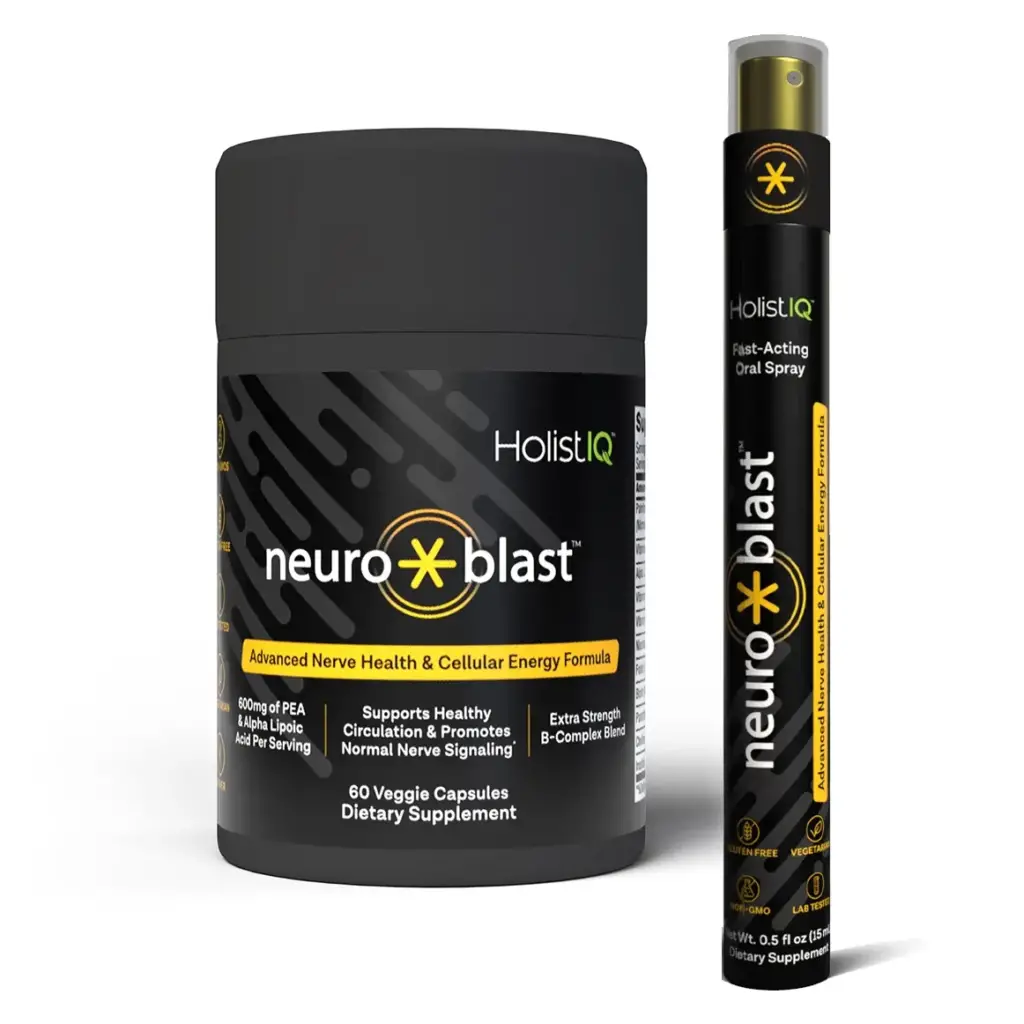
Your nerve cells are like tiny engines that need the right fuel to run properly. They work hard sending messages all over your body, and that requires a lot of energy. B-complex vitamins, especially B12, are absolutely essential for healthy nerve function. A deficiency in B12 can directly lead to nerve damage, so ensuring you have enough is critical. Taking a high-quality B12 supplement can help ease pain and other symptoms associated with neuropathy. The Neuro-Blast System is formulated with these principles in mind, providing the specific nutrients your nerves need to power up and communicate effectively.
Finding the Right Dosage and Form
Once you’ve identified which supplements might help, the next step is figuring out the practical details. It’s not just about what you take, but also how much, in what form, and when. Getting these elements right is key to giving your body the best possible chance to absorb and use these nutrients effectively. Think of it as creating a personalized strategy for your nerve support. This section will walk you through the essentials of dosage, delivery methods, and timing to help you make informed choices alongside your healthcare provider.
Recommended Dosages for Key Supplements
Finding the right dosage is a crucial conversation to have with your doctor, as needs can vary. However, research provides some helpful starting points. For instance, studies on Alpha-Lipoic Acid (ALA) often use a daily dosage between 600 and 1,200 milligrams to help with symptoms of diabetic neuropathy. Similarly, Acetyl-L-Carnitine and B-vitamins have established ranges that are considered effective for nerve support. These dietary supplements are backed by clinical evidence, but your personal health profile will determine your ideal amount. Always begin with a professional consultation to ensure you’re taking a safe and effective dose for your specific situation.
Capsules, Sprays, or Powders: Which Is Best?
The form your supplement takes can dramatically affect how much your body actually absorbs. A nutrient in a standard capsule might not be as available to your cells as one in a different form. Some compounds are notoriously difficult for the body to process through digestion. That’s why a multi-faceted approach can be so effective. A system that combines capsules for steady, long-term support with a rapid-absorb oral spray can deliver nutrients more efficiently. This dual-delivery method ensures your body gets both sustained release and immediate availability, which is central to how our system works. Ultimately, the best form depends on the specific nutrient and your body, making it another great topic to discuss with your doctor.
When to Take Supplements for the Best Results
Consistency is your best friend when it comes to supplements. To get the best results, you need to take them regularly as part of your daily routine. The exact timing can also make a difference. Some supplements, like B-vitamins, are often best taken in the morning because they play a role in energy production. Others are better absorbed with a meal to prevent an upset stomach. Beyond timing your supplements, it’s important to remember that they work best when supporting an overall healthy lifestyle. As experts point out, managing underlying conditions and maintaining a balanced diet are fundamental steps for managing nerve health. Create a simple schedule you can stick to, and you’ll be on the right track.
Potential Side Effects and Drug Interactions
Adding supplements to your routine is a big step toward taking control of your nerve health. It’s just as important to be informed about potential side effects or interactions. While high-quality supplements are generally safe, everyone’s body is different. Knowing what to look for helps you stay safe and make the best choices for your health. Being prepared is a key part of any successful health strategy, ensuring you can focus on feeling better and getting back to your life.
Common Side Effects to Know
Most people tolerate nerve support supplements well, but it’s good to know about mild side effects. For instance, acetyl-L-carnitine can occasionally cause a dry mouth, headaches, or feeling restless. Some studies show that alpha-lipoic acid might lead to mild nausea or a skin rash in some individuals. These effects are not common and are often temporary. If you experience anything that concerns you, it’s always best to check in with your doctor. You can find more details on what to expect from dietary supplements from trusted health resources.
Key Medication Interactions to Avoid
This is where paying close attention is crucial, as certain supplements can interact with prescription medications. For example, acetyl-L-carnitine can increase the effects of blood-thinning medication like warfarin, raising your risk of bleeding. Another important one involves alpha-lipoic acid. If you have a vitamin B-1 (thiamin) deficiency, which can be common in those who consume alcohol heavily, taking alpha-lipoic acid could lead to serious issues. These examples highlight why a chat with your doctor is an essential safety step to avoid potential interactions.
Who Should Be Cautious with Supplements?
Everyone should be thoughtful when starting a new supplement, especially if you take other medications, have a pre-existing health condition, or are pregnant. The golden rule is to always consult a healthcare provider before adding anything new to your regimen. Your doctor understands your full health history and can give you personalized advice. Our Neuro-Blast system was developed by doctors who understand nerve health, but we always encourage you to partner with your own physician. They can help you create a plan that safely incorporates supplements into your wellness strategy.
When Can You Expect to Feel a Difference?
When you’re dealing with nerve discomfort, the first question on your mind is probably, “How long until I feel better?” It’s completely understandable to want relief as quickly as possible. While there’s no magic switch, understanding the timeline for nerve support can help you set realistic expectations and stay committed to your health journey.
Nerve cells are complex, and supporting them is a gradual process. Unlike a pain reliever that masks symptoms for a few hours, nerve support supplements work at a cellular level to help your body repair and maintain its nervous system. This takes time and consistency. Think of it less like a sprint and more like a marathon. Your body needs a steady supply of the right nutrients to do its work. The key is to be patient and give your system the time it needs to respond. The Neuro-Blast system is designed to provide this steady, deep support by addressing nerve health from the inside out.
Setting Realistic Timelines
It’s helpful to think of nerve support in terms of weeks and months, not days. Because nerve cells regenerate slowly, you likely won’t feel a dramatic change overnight. For many people, it can take several weeks to a few months of consistent use to begin noticing improvements in comfort and sensation.
Some research shows that certain ingredients can help improve nerve function, especially when people start taking them early in their journey. The most important thing you can do is stick with your routine. Consistency is what allows the nutrients to build up in your system and provide the ongoing support your nerves need to thrive.
What Affects Your Results?
Your results depend on more than just the supplement you take; your unique health profile plays a huge role. The outlook for peripheral neuropathy varies based on the underlying cause and which nerves have been damaged. For instance, someone managing neuropathy related to a vitamin deficiency may have a different experience than someone whose nerve issues stem from a physical injury.
The severity of the nerve damage and how long you’ve been experiencing symptoms also matter. Furthermore, various lifestyle factors can influence your progress. Managing blood sugar levels, eating a balanced diet, and getting regular, gentle movement can create a better environment for your nerves to heal. Ultimately, combining a high-quality supplement with a healthy lifestyle gives you the best chance at feeling a real difference.
Supplements vs. Medical Treatment: What to Know
When you’re dealing with nerve discomfort, it’s natural to look for every possible tool to help you feel better. This often leads to a common question: should you focus on supplements or stick with traditional medical treatments? The best approach isn’t about choosing one over the other. Instead, think of it as building a comprehensive support plan where both can play a role. Medical treatments prescribed by your doctor are designed to manage underlying conditions and address symptoms directly, forming the foundation of your care.
Supplements, on the other hand, can offer complementary support by providing your body with the specific nutrients it needs for healthy nerve function. They can help fill nutritional gaps and support your body’s natural repair processes. The key is to see them as part of a team effort. Understanding what each option offers, and its limitations, is the first step toward making smart, effective choices for your health.
Understanding the Limits of Supplements
It makes sense why so many people explore supplements for nerve pain. Conventional treatments don’t always provide complete relief and can sometimes come with unwanted side effects. While certain nutritional supplements show real promise for easing symptoms, it’s important to have realistic expectations. The research is still evolving, and for some conditions like diabetic neuropathy, the evidence isn’t quite strong enough for experts to recommend them across the board. Think of supplements as a supportive player in your health strategy, not a replacement for the care plan you’ve developed with your doctor. They work best when integrated thoughtfully into a broader approach to your well-being.
When to See a Doctor
This is the most important step: before you add any new supplement to your routine, you should always talk to your doctor. This conversation is crucial for a few reasons. First, your doctor can help you figure out if there’s an underlying condition causing your nerve issues that needs to be addressed. Second, they can ensure the supplement won’t interact with any medications you’re already taking. Finally, they can guide you on proper dosage, because even natural ingredients can be harmful in the wrong amounts. Being open with your healthcare provider allows you to create a safe and effective plan tailored just for you.
How to Choose a High-Quality Nerve Supplement
Walking into the supplement aisle can feel overwhelming. With so many bottles making big promises, how do you find one that’s actually worth your money and can genuinely support your nerve health? It comes down to being a smart shopper and knowing what to look for. A truly effective supplement is built on a foundation of quality ingredients, transparent practices, and realistic expectations.
Instead of grabbing the first bottle you see, take a moment to look closer. The best products aren’t shy about what’s inside or how they work. They provide clear information that helps you make an informed decision. By learning how to read a label, checking for independent testing, and spotting marketing red flags, you can confidently choose a supplement that aligns with your health goals. This is about finding a reliable partner for your wellness journey, one that focuses on a science-backed approach to provide real support.
How to Read a Supplement Label
The supplement facts panel on the back of the bottle is your best friend. It cuts through the marketing fluff on the front and tells you exactly what you’re getting. First, look for a clear list of active ingredients with specific amounts for each. Vague terms like “proprietary blend” can be a red flag, as they hide the exact dosage of each component. You want to see the specific forms of vitamins used, especially B vitamins like B1, B6, and B12, which are some of the best nutrients for nerve support. Make sure the dosages are meaningful and align with amounts shown to be effective.
Look for Third-Party Testing and Certifications
How do you know that what’s on the label is actually in the bottle? That’s where third-party testing comes in. When a company voluntarily has its products tested by an independent organization (like NSF, USP, or ConsumerLab), it shows a commitment to quality and transparency. This certification verifies that the supplement contains the ingredients it claims, in the correct amounts, and is free from harmful contaminants like heavy metals or bacteria. This is an important step that ensures the product you’re taking is both safe and potent, giving you peace of mind as you take a proactive role in your nerve health.
Marketing Red Flags to Watch Out For
If a supplement promises to be a “miracle cure” or offers an instant fix for nerve damage, it’s wise to be skeptical. The world of supplements can be inconsistent, and real support for your nervous system takes time. Be wary of products that rely heavily on flashy marketing and emotional language instead of scientific evidence. While personal stories can be powerful, they shouldn’t be the only proof of a product’s effectiveness. Look for companies that are transparent about their ingredients and provide clear explanations for why they chose them. Trustworthy brands focus on realistic outcomes and are backed by genuine testimonials from real customers.
Build Your Nerve Support Strategy
Finding the right supplement is a fantastic step, but it’s just one piece of the puzzle. The most effective approach to managing nerve discomfort is a comprehensive one that combines smart supplementation with healthy habits and professional medical guidance. Think of it as building a three-legged stool for your nerve health: one leg is your supplement regimen, another is your daily lifestyle, and the third is your partnership with your doctor. When all three are strong, you create the sturdiest possible foundation for feeling better and getting back to the activities you love.
Creating this strategy puts you in the driver’s seat. It’s about actively supporting your body’s needs from multiple angles. A system like the Neuro-Blast System is designed to provide targeted, cellular-level support, and it works best when it’s part of a broader plan to care for your overall well-being. By integrating supplements with positive lifestyle changes and keeping your doctor in the loop, you give yourself the best possible chance for lasting relief and improved mobility. This holistic view is your roadmap to not just managing symptoms, but truly nurturing your nervous system for the long haul.
How to Safely Combine Supplements
Before you add any new supplement to your routine, the most important step is to talk with your doctor. This isn’t just a suggestion; it’s a crucial safety measure. Your doctor understands your full health picture, including any other conditions you have and medications you take. They can help you avoid negative interactions and ensure you’re taking the right amount. While vitamins and minerals are essential, getting too much of certain ones can be harmful. Your healthcare provider can help you create a safe and effective supplement plan that is tailored specifically to your body’s needs.
Lifestyle Habits to Support Nerve Health
The small choices you make every day can have a big impact on your nerve health. Simple, consistent habits create an environment where your nerves can thrive. Start by focusing on a balanced diet rich in vegetables, fruits, whole grains, and lean proteins. Gentle, regular exercise, like walking or swimming, can also improve circulation and support nerve function. If you have diabetes, keeping your blood sugar levels in a healthy range is critical. Finally, reducing or avoiding alcohol and quitting smoking can significantly reduce stress on your nervous system and support your body’s natural repair processes.
Partner with Your Doctor for the Best Outcome
Think of your doctor as your co-pilot on this journey. Your relationship shouldn’t be a one-time conversation but an ongoing partnership. Be open about every supplement you are taking, including the dosage. It’s a great idea to bring the bottles with you to your appointments so your doctor can see the exact formulas. This transparency allows them to give you the best advice and monitor your progress effectively. Always consult your healthcare provider before starting a new supplement, and keep them updated on how you’re feeling. Working together ensures your strategy is both safe and perfectly aligned with your health goals.
Related Articles
- 5 Best Supplements for Poor Circulation in Feet
- Top 8 Best Vitamins for Neuropathy in Feet
- How to Buy Supplements for Foot Neuropathy
- The 6 Best Vitamins for Nerve Damage and Repair
Frequently Asked Questions
How long does it typically take to notice a difference from nerve support supplements? Because these supplements work at a cellular level to support your body’s natural processes, it’s best to think in terms of weeks and months, not days. Nerve cells repair and regenerate slowly, so consistency is key. Many people begin to notice gradual improvements after several weeks of daily use, but your individual timeline will depend on your overall health and the underlying cause of your nerve discomfort.
Do I need to take all the supplements mentioned in this post? Not at all. The list is meant to show you the different types of ingredients that can support nerve health. A well-formulated system, like Neuro-Blast, is designed to combine several of these key nutrients in the right amounts. This takes the guesswork out of it for you. The goal is to find a comprehensive supplement that provides a synergistic blend of ingredients to cover the most important bases for nerve support.
Can I take these supplements instead of my prescribed medication? No, you should never stop or replace any prescribed medication without your doctor’s guidance. Supplements are intended to support your body and complement your primary treatment plan, not replace it. Think of them as part of your support team, working alongside the medical care you receive from your healthcare provider to help you feel your best.
Why is it so important to talk to my doctor before starting a new supplement? A conversation with your doctor is a crucial safety step. They know your complete health history and can confirm if a new supplement is right for you. Most importantly, they can check for any potential interactions with medications you’re already taking and help you determine a safe, effective dosage. This partnership ensures your entire wellness plan works together seamlessly.
Besides supplements, what is the most important thing I can do for my nerve health? Managing the underlying condition that is contributing to your nerve discomfort is the most important step you can take. For many, this means keeping blood sugar levels stable. Beyond that, focusing on a healthy lifestyle creates the best possible environment for your nerves. This includes eating a balanced diet, getting gentle and regular movement, and avoiding habits like smoking or excessive alcohol use that can stress your nervous system.