
That constant tingling can feel like an unwelcome guest who has overstayed their welcome, making simple tasks feel like major challenges. Whether it’s interfering with your hobbies, your work, or just your ability to relax, that pins-and-needles feeling is a clear sign that your nerves are asking for support. The good news is that you have the power to respond. Learning how to stop tingling in feet and hands is about taking a proactive approach to your nerve health. It involves understanding the triggers, making supportive lifestyle choices, and knowing when to seek medical advice. This article will serve as your roadmap, guiding you through the steps to soothe discomfort and build a stronger, more resilient nervous system.
Key Takeaways
- Pinpoint the Root Cause for Effective Relief: Don’t just mask the tingling; work with your doctor to understand what’s causing it. A clear diagnosis—whether it’s a vitamin deficiency, an underlying condition like diabetes, or a compressed nerve—is the most critical step toward finding a solution that works.
- Support Your Nerves with Daily Habits: Simple, consistent lifestyle choices have a major impact on your nerve health. Prioritize a balanced diet rich in B vitamins, incorporate gentle movement to improve circulation, and manage your weight to reduce unnecessary pressure on your nerves.
- Create a Comprehensive Long-Term Plan: Lasting comfort comes from a multi-faceted approach, not a single fix. Partner with your doctor to manage health conditions, track your symptoms to identify triggers, and consider a complete nerve support system to address discomfort on a deeper, cellular level.
What Causes That Tingling in Your Hands and Feet?
That “pins and needles” feeling is something most of us have experienced when a foot falls asleep. But when tingling in your hands and feet becomes a frequent guest, it’s your body’s way of sending a message. This sensation, known as paresthesia, can range from a minor annoyance to a sign of an underlying issue. Understanding the potential causes is the first step toward finding relief and getting back to your life. From your diet to your daily habits, several factors can contribute to this feeling. Let’s look at some of the most common reasons you might be experiencing persistent tingling.
Is It Nerve Damage or Neuropathy?
While temporary tingling is usually harmless, tingling that sticks around—especially if it comes with numbness, pain, or muscle weakness—could point to nerve damage. This is often referred to as peripheral neuropathy, which happens when the nerves outside of your brain and spinal cord are affected. These nerves are the communication lines to your limbs, so when they’re disrupted, you get confusing signals like tingling. Think of it as static on a phone line. Addressing this requires getting to the source of the disruption, which is why a system designed for deep, cellular-level nerve support can be so important for managing these symptoms and restoring clear communication.
The Connection to Diabetes and Blood Sugar
One of the most common culprits behind peripheral neuropathy is diabetes. In fact, about two-thirds of people with diabetes experience some form of nerve damage. Over time, high blood sugar levels can injure the delicate nerve fibers throughout your body, most often starting in the hands and feet. This is why managing blood sugar is so critical for anyone with diabetes. If you have diabetes and are experiencing tingling, it’s a clear signal to talk with your doctor about how to better control your blood sugar levels and protect your nerves from further damage.
How Vitamin Deficiencies Play a Role
Your nerves rely on a steady supply of specific vitamins to function properly. If you’re running low on key nutrients like vitamins B1, B6, B12, E, or niacin, your nerves can’t send signals effectively, which can lead to tingling. These vitamins are the building blocks for healthy nerve insulation and function. Interestingly, it’s a delicate balance; while a deficiency in vitamin B6 can cause problems, getting too much of it can also trigger tingling. Ensuring your body gets the right nutrients is fundamental to nerve health and can make a significant difference in how you feel.
When Autoimmune Conditions Are the Cause
Sometimes, the body’s own defense system can get its wires crossed. In autoimmune diseases like lupus or rheumatoid arthritis, the immune system mistakenly attacks the body’s own healthy tissues, including the nerves. This friendly fire can cause inflammation and damage that leads to neuropathy and that persistent tingling sensation. If you have a known autoimmune condition and start experiencing new or worsening tingling, it’s a good idea to bring it up with your doctor. Managing the underlying autoimmune disease is often the key to easing the nerve-related symptoms that come with it.
Checking for Circulation or Compression Issues
Tingling doesn’t always start from a systemic issue; sometimes, the cause is purely mechanical. A compressed or pinched nerve can easily disrupt signals and cause tingling and numbness. This can happen from an injury, repetitive motions that lead to conditions like carpal tunnel syndrome, or even just sitting in one position for too long. Similarly, poor circulation can prevent your nerves from getting the oxygen-rich blood they need to thrive, leading to that pins-and-needles feeling. Simple changes in posture or movement can often provide relief from these types of issues.
When Is Tingling a Cause for Concern?
That familiar “pins and needles” feeling is something most of us have experienced. Usually, it’s just a sign that a limb has “fallen asleep” and will resolve in a few minutes. But what happens when it doesn’t go away? While occasional tingling is normal, persistent or severe sensations can be your body’s way of telling you that something else is going on. Learning to recognize the difference is the first step in taking control of your nerve health. It’s about paying attention to the signals your body sends and knowing when it’s time to ask for help.
Warning Signs You Shouldn’t Ignore
It’s important to listen to your body when tingling becomes more than a minor annoyance. You should schedule a visit with your doctor if the sensation starts during repetitive movements, begins to interfere with your daily life, or comes with other symptoms like muscle weakness or a rash. These can be clues to an underlying issue that needs a proper diagnosis.
Some symptoms are more serious and require immediate medical attention. If you suddenly experience numbness or weakness, have trouble with your speech or vision, feel confused, or lose control of your bladder or bowel, it’s time to seek care right away. These can be warning signs of a significant health event, and getting a quick and accurate evaluation is crucial.
Telling the Difference: Persistent vs. Passing Tingles
Think about the last time your foot fell asleep—the feeling probably went away as soon as you got up and moved around. That’s temporary tingling. Persistent tingling, on the other hand, sticks around long after you’ve changed positions. If you notice that the tingling in your hands and feet lasts for a while and doesn’t seem to resolve on its own, it’s a clear signal to talk to your doctor.
Ignoring a constant pins-and-needles feeling can allow an underlying issue to progress. This persistent sensation could be a sign of nerve damage from a variety of health conditions, such as a compressed nerve. Don’t dismiss it as a normal part of aging. Getting it checked out is the best way to find the cause and start on a path to relief.
Lifestyle Changes That Can Make a Difference
While you’re exploring ways to find relief, it’s important to remember that your daily habits play a huge role in how you feel. Making small, consistent changes to your lifestyle can create a better environment for your nerves to function properly and may even help slow the progression of nerve damage. These adjustments aren’t about a complete, overwhelming overhaul overnight; they’re about taking practical, actionable steps to support your body from the inside out. Think of it as building a stronger foundation for your health.
By focusing on what you eat, how you move, and the way you manage your overall health, you can take an active role in your own well-being and potentially ease those frustrating tingling sensations. It’s about empowering yourself with choices that contribute to long-term nerve health. These lifestyle shifts work hand-in-hand with other treatments and support systems, helping your body become more resilient. When you give your body the right tools through good nutrition and regular activity, you’re creating the best possible conditions for your nerves to heal and function as they should. This proactive approach is a powerful part of any comprehensive plan to get you moving and feeling better again.
Eating for Better Nerve Health
What you put on your plate has a direct impact on your nervous system. A balanced diet rich in fruits, vegetables, lean proteins, and whole grains provides the essential vitamins and minerals your nerves need to thrive. For many, managing blood sugar levels is the most critical step, as high glucose can damage delicate nerve fibers over time. It’s also wise to pay attention to B vitamins—especially B1, B6, and B12—which are vital for nerve function. Limiting alcohol is another smart move, as excessive intake can be toxic to nerve tissue. Focusing on a nutrient-dense diet is a powerful way to support your body’s natural repair processes and protect against further damage.
Simple Exercises to Ease Discomfort
When you’re dealing with tingling or numbness, exercise might seem daunting, but gentle movement can make a world of difference. Physical activity improves blood flow, delivering crucial oxygen and nutrients to your nerves, especially those in your hands and feet. It can also help strengthen the muscles that support your nerves. You don’t need to run a marathon; low-impact activities like walking, swimming, or tai chi are excellent choices. A physical therapist can also design a customized exercise program to address your specific needs, helping you move safely and effectively. The goal is to stay active in a way that feels good and supports your body.
How to Manage Underlying Health Conditions
Tingling in your hands and feet is often a symptom—a signal from your body that something else needs attention. That’s why one of the most important steps is to work with your doctor to manage any underlying health conditions. If you have diabetes, keeping your blood sugar in your target range is essential for preventing further nerve damage. If a vitamin deficiency is the culprit, targeted supplements can help. Sometimes, a medication you’re taking for another issue might be contributing to the problem. Getting an early and accurate diagnosis is the key to creating an effective treatment plan that addresses the root cause, not just the symptoms.
The Impact of Weight and Good Posture
Carrying extra weight can put added pressure on your nerves and contribute to inflammation throughout your body, which can worsen tingling sensations. Working toward a healthy weight through diet and exercise can relieve some of that physical stress. Similarly, your posture matters. Slouching can compress nerves in your spine, neck, and wrists, leading to discomfort down the line. Making a conscious effort to sit and stand tall can help. It’s also important to avoid habits that restrict blood flow, like smoking. Quitting smoking can significantly improve your circulation, ensuring your nerves get the healthy blood supply they need to function correctly.
Simple At-Home Remedies for Soothing Tingling
When you’re dealing with tingling hands and feet, finding immediate relief is a top priority. While addressing the root cause is key, several simple at-home strategies can help manage the discomfort. These remedies focus on improving circulation, reducing inflammation, and easing nerve pressure to help you feel more comfortable.
Using Heat and Cold for Relief
Alternating between heat and cold can be surprisingly effective for calming tingling nerves. A cold pack helps reduce inflammation and numbs the area, offering a quick break from sharp sensations. A warm compress or bath relaxes tight muscles and can enhance blood flow to your extremities. Try applying one for 15 minutes, then switching to the other. This simple contrast therapy can provide significant comfort right at home.
Gentle Stretches and Massage Techniques
Movement is a powerful tool for managing tingling. You don’t need an intense workout; gentle stretches make a world of difference. Try slowly flexing and pointing your feet or gently clenching and unclenching your hands to encourage blood flow. A light massage also works wonders. Gently rubbing your feet or hands can stimulate circulation and ease tension. These practices help alleviate pressure on nerves that might be compressed, offering a natural way to reduce stiffness.
Finding Help in Your Medicine Cabinet
Over-the-counter pain relievers, like ibuprofen, can often take the edge off the discomfort that comes with tingling. However, if the sensation is persistent or severe, it’s best to speak with your doctor. They can determine if the cause requires a more targeted approach. Depending on your situation, a healthcare provider might prescribe medications specifically designed to treat nerve pain, which can offer more substantial and lasting relief than over-the-counter options alone.
The Importance of Proper Rest and Positioning
How you rest can either help or hinder nerve discomfort. It’s crucial to avoid positions that put pressure on nerves, as this can make tingling worse. If your hands go numb while sleeping, try a wrist splint to keep your wrist neutral. When sitting, avoid crossing your legs for long periods and try to keep your feet flat on the floor. Being mindful of your posture and making small adjustments can prevent nerve compression and reduce tingling episodes.
When to See a Doctor About Tingling
It’s easy to brush off a little tingling as a foot that’s “fallen asleep,” but it’s important to listen when your body sends you these signals. While many causes are minor, persistent tingling can be a sign of an underlying issue that needs attention. Knowing when to simply monitor your symptoms and when to call a professional is the first step toward getting answers and finding relief.
Red Flags That Need Immediate Attention
You should schedule a visit with your doctor if the tingling sensation starts during repeated movements, begins to interfere with your daily life, or comes with other symptoms like muscle weakness or a rash. However, some signs are more serious and require immediate medical care.
Please seek urgent medical help if you experience tingling along with any of the following:
- Sudden weakness, especially on one side of your body
- Changes in your speech, vision, or breathing
- Numbness or tingling that spreads very quickly or affects an entire arm or leg
- Loss of feeling in your face or chest
- Loss of bladder or bowel control
- Sudden confusion or loss of consciousness
What to Expect: Diagnostic Tests and Evaluations
Walking into a doctor’s appointment can feel intimidating, but it’s simply a conversation to figure out what’s going on. Your doctor will start by asking about your symptoms and health history. Be ready to share when the tingling started, what it feels like, and if anything makes it better or worse.
Next, they’ll likely perform a physical exam to check your reflexes, muscle strength, and your ability to feel touch and temperature. Based on this initial evaluation, your doctor may recommend further diagnostic tests to get a clearer picture. These can include blood tests to check for vitamin deficiencies or hormone imbalances, imaging tests like an MRI or X-ray, or nerve function tests to measure how well your nerves are sending signals. This process helps pinpoint the root cause so you can get the right treatment.
Medical Treatments for Lasting Relief
If lifestyle adjustments and at-home remedies aren’t giving you the relief you need, it’s time to talk with your doctor about medical treatments. Finding the right approach starts with identifying what’s causing the tingling in the first place, because a proper diagnosis is the most important step toward feeling better. Your doctor can run tests and ask the right questions to connect the dots, whether the cause is an underlying condition like diabetes, a vitamin deficiency, or a compressed nerve.
Based on your diagnosis, your healthcare provider will create a treatment plan tailored specifically to you. This isn’t about just masking the symptoms; it’s about addressing the root issue to find lasting relief. This plan might involve a combination of prescription medications to manage discomfort and physical therapy to improve your mobility and strength. The goal is to find a sustainable solution that helps you get back to your daily activities with more comfort and confidence. Understanding how nerve support works on a cellular level can also help you and your doctor make informed decisions about your care, ensuring every part of your plan contributes to your overall nerve health.
Understanding Prescription Medications
When it comes to managing nerve-related tingling, your doctor has several options. The type of medication they recommend will depend entirely on the cause of your symptoms. For example, if a vitamin deficiency is the culprit, supplements might be all you need. If the tingling is related to a condition like diabetes, the focus will be on better managing your blood sugar. In many cases, doctors prescribe medications to specifically target nerve discomfort. Interestingly, some of the most effective drugs were originally developed for other conditions. It’s common for doctors to prescribe certain medicines for seizures or depression because they have been shown to calm overactive nerves and ease symptoms. Always talk with your doctor to find the right medication and dosage for your specific needs.
How Physical Therapy Can Help
Physical therapy is another powerful tool for managing tingling in your hands and feet. A physical therapist can design a personalized program to help you move better and feel stronger. The exercises often focus on improving strength, flexibility, and balance, which can be especially helpful if the tingling is affecting your stability. For instance, if a compressed nerve in your spine is the issue, a therapist can teach you exercises to strengthen your back and relieve the pressure. Beyond exercises, a physical therapist can also recommend assistive devices if needed. Items like canes or walkers can provide extra support, helping you stay mobile and safe while you work on your recovery. Think of physical therapy as a proactive way to retrain your body and build resilience against nerve-related symptoms.
How Nerve Support Works on a Deeper Level
When you’re dealing with persistent tingling, the goal isn’t just to quiet the noise—it’s to address what’s causing it in the first place. Think of it like a plant with yellowing leaves. You can paint the leaves green, but that won’t fix the problem. You need to look at the roots, the soil, and the water. It’s the same with your nerves. Lasting relief comes from supporting your nervous system on a deep, cellular level, giving it the resources it needs to function properly.
This means going beyond surface-level fixes and focusing on the core biological processes that keep your nerves healthy. Your nerves are complex communication lines that require specific nutrients to maintain their protective coating (the myelin sheath) and transmit signals effectively. When they don’t get what they need, or when they’re under stress from other health conditions, these signals can get scrambled, leading to sensations like tingling, numbness, or pain. A comprehensive approach provides the building blocks for nerve repair and protection, helping to restore function from the inside out. This is where a dedicated nerve support system can make a significant difference, by delivering targeted support right where your body needs it most.
The Key Nutrients Your Nerves Need
Your nerves are hungry, and they have a very specific diet. They rely on a steady supply of certain vitamins and minerals to stay healthy and function correctly. As Healthline notes, deficiencies in key vitamins like B12, B6, B1, E, or folate can directly harm your nerves. B vitamins, in particular, are superstars for the nervous system. They play a crucial role in everything from creating energy for nerve cells to maintaining the protective myelin sheath that insulates them. Without enough of these essential nutrients, your nerves can become damaged and start sending those faulty tingling signals. Providing your body with these vital building blocks is a foundational step in supporting long-term nerve health.
Why a Complete Nerve Support System Matters
Tackling nerve discomfort isn’t about finding a single magic bullet; it’s about creating a supportive environment for your entire nervous system. A truly effective strategy is comprehensive. As WebMD points out, managing underlying conditions and using vitamin supplements for deficiencies can stop nerve damage from getting worse. This highlights why a multi-pronged approach is so important. You need to address the root causes—like blood sugar imbalances or nutrient gaps—while also giving your nerves the specific support they need to repair and function. A complete system works synergistically, ensuring you’re not leaving any gaps in your nerve care routine and giving you the best chance at finding real, lasting relief.
A Smarter Approach to Nerve Health
Because the causes of tingling are so varied, the most effective approach is one that’s both comprehensive and intelligent. It’s about more than just taking a supplement; it’s about adopting a smarter strategy for your overall well-being. This involves a combination of lifestyle changes, managing any related health conditions, and using targeted nutritional support. The goal is to create a holistic plan that addresses your unique situation. Understanding how it all works together is key. By combining medical guidance with a system designed for deep, cellular support, you can move beyond simply reacting to symptoms and start proactively building a healthier, more resilient nervous system for the long haul.
How to Prevent Tingling from Coming Back
Once you start to feel some relief, the next step is making sure that uncomfortable tingling doesn’t come back. This isn’t about a quick fix; it’s about creating a sustainable lifestyle that supports your nerve health for the long haul. By focusing on consistent daily habits and a smart long-term strategy, you can protect your nerves and keep yourself moving comfortably. Think of it as building a strong foundation for your well-being, one simple choice at a time.
Daily Habits to Protect Your Nerves
Think of these habits as small, daily investments in your comfort. It all starts with what’s on your plate—a balanced diet rich in the vitamins and nutrients your nerves need to thrive is essential. Gentle, regular exercise approved by your doctor can also work wonders by improving circulation. Maintaining a healthy weight reduces pressure on your nerves, while cutting back on alcohol and quitting smoking can prevent further damage. These simple, consistent actions work together to create an environment where your nerves can function at their best, helping to keep those pins-and-needles sensations at bay.
Your Long-Term Plan for Wellness
Your daily habits are the building blocks, but a long-term wellness plan is the blueprint for lasting comfort. This is something you’ll want to create with your doctor, tailored specifically to you. It might involve managing underlying conditions like diabetes, which is crucial for preventing nerve damage. Your plan could also include reviewing your current medications to see if any contribute to your symptoms or adding specific vitamin supplements if a deficiency is found. A key part of this strategy is consistent foot care, especially if you have diabetes. A proactive, long-term approach helps you stay ahead of symptoms and maintain your quality of life.
Create Your Personal Action Plan
Feeling that tingling sensation can be frustrating, but you have more power than you think to manage it. Creating a personal action plan is about taking small, consistent steps that add up to big relief. It’s not about a quick fix, but a thoughtful approach to your health that puts you in the driver’s seat. By working with your doctor and paying close attention to your body, you can build a routine that supports your nerve health and helps you get back to doing what you love. Let’s walk through how to build that plan.
Your Step-by-Step Guide to Feeling Better
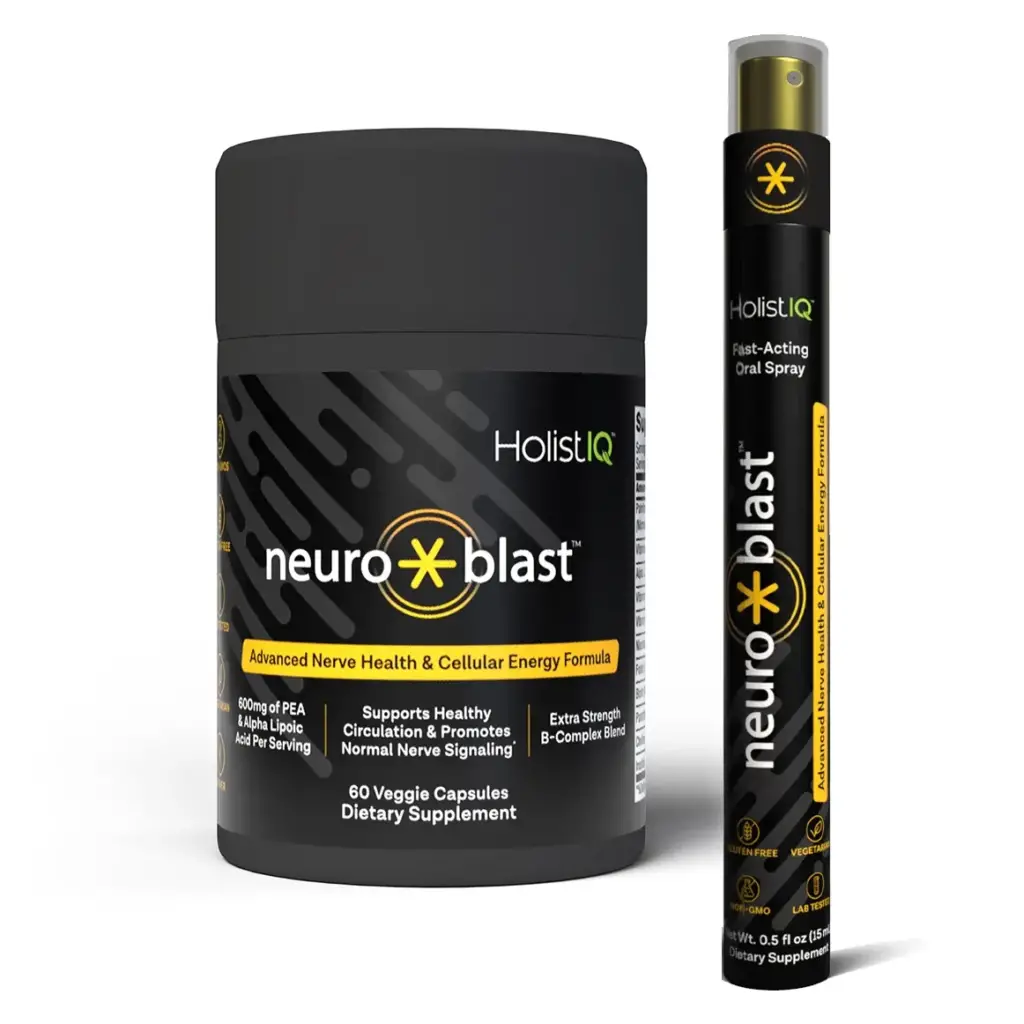
Your path to feeling better starts with a few key lifestyle adjustments. Think of these as the foundation of your nerve support. A balanced diet rich in vitamins essential for nerve function is a great place to start. Regular exercise, approved by your doctor, can improve circulation to your hands and feet. It’s also crucial to manage any underlying conditions like diabetes effectively. Beyond lifestyle, your plan should include a conversation with your doctor about your current medications and potential vitamin supplements. Sometimes, a simple adjustment is all it takes. And for targeted, daily support, incorporating a system like Neuro-Blast can help address nerve discomfort at its source.
How to Track Your Symptoms and Progress
To know if your plan is working, you need to track your progress. This doesn’t have to be complicated—a simple notebook or a note on your phone works perfectly. Each day, jot down when you feel the tingling, how intense it is, and how long it lasts. Also, note what you were doing right before it started. Did you eat a certain food? Were you sitting for a long time? This information is incredibly valuable for your doctor. When they review your health history, your detailed notes can help them pinpoint triggers and see how well your treatment plan is working. It’s your personal health data, and it’s a powerful tool for finding lasting relief.
Related Articles
Frequently Asked Questions
Is the tingling in my hands and feet a serious problem? While a foot falling asleep is perfectly normal, persistent tingling that doesn’t go away is your body’s signal to pay attention. It isn’t always a sign of a serious issue, as it can be caused by something as simple as a vitamin deficiency or a pinched nerve. However, because it can also point to underlying conditions like diabetes or nerve damage, it’s not something you should ignore. The best approach is to treat it as a meaningful symptom and talk with your doctor to understand the cause.
Can I really manage this tingling with just lifestyle changes? For many people, lifestyle changes can make a significant difference. Things like eating a nutrient-rich diet, getting regular gentle exercise, and managing your blood sugar can create a healthier environment for your nerves and often reduce symptoms. These habits are the foundation of good nerve health. However, they are most effective when they are part of a complete plan that also addresses the specific root cause, which may require medical treatment or targeted support.
My tingling comes and goes. When should I actually be concerned enough to see a doctor? It’s wise to schedule a doctor’s visit if the tingling becomes a regular occurrence, starts to interfere with your daily activities like buttoning a shirt or walking, or is accompanied by other symptoms like muscle weakness. If the sensation appears suddenly with weakness, confusion, or trouble speaking, you should seek medical care immediately. Otherwise, a good rule of thumb is to make an appointment if the tingling is a new and persistent pattern for you.
What’s the difference between a nerve support system and just taking a vitamin B supplement? Taking a single vitamin supplement can be helpful if you have a specific, diagnosed deficiency. However, nerve health is complex and often requires more than just one nutrient. A complete nerve support system is designed to provide a wider range of nutrients that work together to support nerve function on a cellular level. It takes a more comprehensive approach, addressing the various needs of your nervous system rather than focusing on a single ingredient.
What is the first step I should take to get relief? The most important first step is to schedule a conversation with your doctor. Getting an accurate diagnosis is the key to finding effective, long-term relief because the right treatment depends entirely on the cause. Your doctor can help you identify the source of the tingling and create a personalized action plan that may include lifestyle adjustments, physical therapy, or other treatments to get you feeling better.