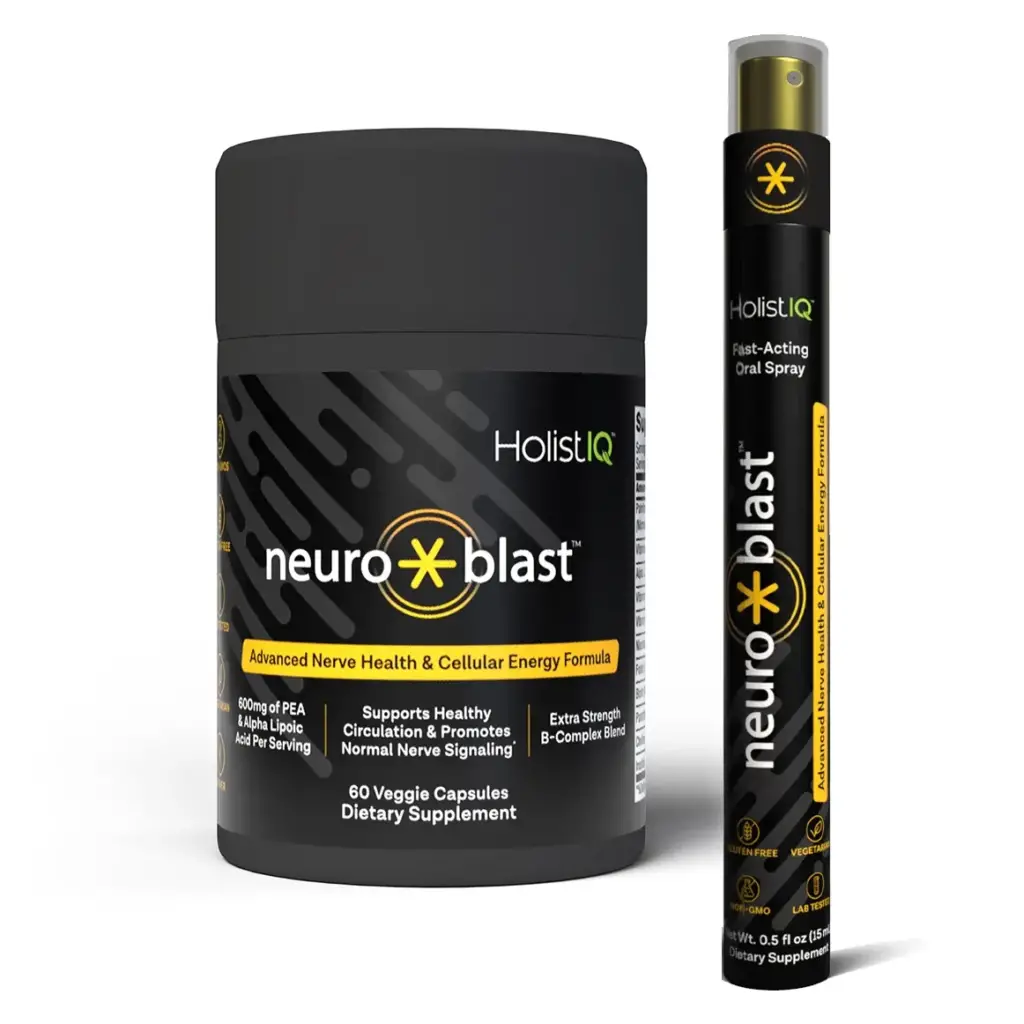
The connection between your circulatory system and your nervous system is powerful. Your nerves rely on a steady, uninterrupted supply of oxygen-rich blood to function correctly. When that supply is reduced, your nerves can’t communicate properly, which is why you might feel that frustrating tingling, numbness, or sharp, shooting pains in your feet and hands. Many of the telltale signs of poor circulation in legs are actually your nerves signaling that they aren’t getting the nourishment they need to thrive. Understanding this vital link is key to addressing the root cause of your discomfort and supporting your body on a deep, cellular level.
Key Takeaways
- Recognize your body’s signals: Pay attention to physical clues like cold feet, swelling, or skin discoloration, as well as sensations like cramping and tingling. These are your body’s early warnings that your circulatory system needs support.
- Incorporate simple daily habits: You can directly support healthy blood flow with gentle, consistent movement like walking, eating a diet rich in whole foods, and using simple techniques such as elevating your legs to reduce discomfort.
- Partner with your doctor for a complete plan: While home care is important, persistent or sudden symptoms require a professional evaluation. Addressing the root cause of poor circulation is essential for protecting your long-term mobility and nerve health.
What Is Poor Circulation in the Legs?
Think of poor circulation as a traffic jam in your bloodstream. When blood flow slows down or gets restricted, it means the vital oxygen and nutrients your blood carries can’t get to every part of your body efficiently. This slowdown can cause a range of uncomfortable issues, from pain and swelling to more serious problems like wounds that just won’t heal or even blood clots.
Because your legs and feet are the farthest points from your heart, they are often the first places to show signs of trouble. Paying attention to these early signals is key, as they can point to underlying issues that need to be addressed. Good circulation is the foundation for your overall health, especially for your nerves, which rely on a steady supply of oxygen-rich blood to function properly. Addressing the root cause of poor circulation is a critical step toward feeling your best and staying active.
How Leg Circulation Is Supposed to Work
Your circulatory system is like the world’s most efficient delivery service. Your heart pumps oxygen-rich blood through a network of arteries, which act as highways to deliver oxygen and essential nutrients to every single cell in your body. After the delivery is made, your veins act as the return route, carrying deoxygenated blood back to the heart and lungs to pick up more oxygen. When this system works correctly, your muscles, skin, and nerves get everything they need to thrive. But when blood flow is slowed, your cells don’t get enough oxygen, which can cause problems, especially in your fingers and toes.
Why Your Legs Often Show the First Signs of Trouble
Since your legs and feet are at the very end of the delivery route, they are often the first to feel the effects when there’s a problem with blood flow. It takes more effort for your heart to pump blood all the way down to your toes and back up again, fighting against gravity. If your arteries are narrowed or there’s any kind of blockage, your lower extremities will be the first to be short-changed on that vital oxygen and nutrient supply. That’s why symptoms like leg pain or swelling can be silent signs of poor circulation that shouldn’t be ignored.
What Are the Telltale Signs of Poor Leg Circulation?
Poor circulation happens when something limits the blood flow through your body. Since your legs and feet are the farthest points from your heart, they are often the first places to show trouble. These signs can start subtly and worsen over time, so learning to recognize them early is key. Think of these symptoms as your body’s check-engine light; it’s sending you a message that your circulatory system needs some attention.
Paying attention to these signals can help you take proactive steps toward supporting your health. From changes you can see with your own eyes to sensations you feel during the day, your body provides important clues. Let’s walk through some of the most common signs of poor circulation in the legs.
Physical Clues You Can See and Feel
One of the most straightforward ways to spot poor circulation is by simply looking at and feeling your legs and feet. When blood isn’t flowing efficiently, you might notice your skin looks pale or has a bluish tint. Your feet and toes may also feel constantly cold to the touch, even when you’re bundled up in a warm room.
Another common sign is swelling in your feet, ankles, and lower legs, which happens when fluid collects in your tissues. You might also see bulging or varicose veins appearing on your legs. These are all physical warning signs that your circulatory system is struggling to push blood back up toward your heart.
Sensations Like Pain, Numbness, or Tingling
Poor circulation isn’t just about what you can see; it’s also about what you feel. You might experience cramping, aching, or a heavy feeling in your leg muscles, especially during activity like walking. This type of pain, called claudication, often flares up with movement and subsides when you rest.
You may also notice numbness or a “pins and needles” sensation in your legs and feet, particularly when you’ve been sitting or resting for a while. These feelings occur because your nerves aren’t getting the oxygen-rich blood they need to function properly. Addressing the root cause of this discomfort is essential for helping you get moving again.
How It Affects Healing and Your Ability to Move
Have you noticed that a small cut or scrape on your leg takes much longer to heal than it used to? That’s a classic sign of poor circulation. When blood flow is reduced, your body can’t deliver the necessary nutrients and white blood cells to the injured area, which slows down the healing process.
This can be a serious issue, as even minor injuries can develop into sores or ulcers that are difficult to treat. Over time, the persistent pain and muscle cramping can also make it harder to stay active. Ignoring these signs of poor circulation can impact your mobility and overall quality of life, making it crucial to address them.
What Causes Poor Circulation in the Legs?
Poor circulation in your legs isn’t something that happens out of the blue. It’s usually a signal that something else is going on in your body. The causes can range from underlying health conditions and daily habits to the natural process of aging. Understanding these factors is the first step toward supporting healthy blood flow and, in turn, your overall nerve health. The intricate network of your nerves relies on a steady supply of oxygen-rich blood, which is why how it works together is so important for your mobility and comfort.
Common Medical Conditions to Know
Certain health issues are well-known for affecting blood flow. Think of your blood vessels as highways; conditions like diabetes, high blood pressure, and high cholesterol can cause traffic jams or roadblocks. For instance, peripheral artery disease (PAD) involves the narrowing of arteries, which directly restricts blood flow to your limbs. Other conditions like deep vein thrombosis (DVT), which are blood clots in your veins, can also create significant blockages. Many health problems can contribute to poor circulation, so managing any existing medical conditions with your doctor is a key part of keeping your circulatory system running smoothly.
Lifestyle Habits That Impact Blood Flow
The choices you make every day have a real impact on your circulation. Smoking is a major factor, as it damages the lining of your arteries and makes them narrower. What you eat matters, too. A diet high in saturated fats can lead to plaque buildup in your arteries, a condition known as atherosclerosis. On the other hand, incorporating a heart-healthy diet and staying active helps maintain flexible blood vessels and strong heart function. Even simple, regular movement encourages blood to circulate more efficiently throughout your body, especially to your legs and feet.
How Aging Affects Your Circulation
As we get older, our bodies naturally go through changes, and the circulatory system is no exception. With age, your blood vessels can become stiffer and narrower, which can slow down blood flow. This is one reason why people over 40 are more likely to experience issues with circulation. While you can’t stop the clock, you can take proactive steps to support your vascular health. Being aware that age is a factor can motivate you to pay closer attention to other lifestyle habits, like diet and exercise, that are within your control. It’s all about working with your body as it changes.
When Should You Talk to a Doctor?
While making lifestyle changes can certainly support better circulation, it’s important to know when to bring in a professional. Some symptoms are simply too serious to ignore, while others are persistent whispers from your body that something isn’t right. Learning to tell the difference helps you take the right action at the right time. Think of your doctor as your partner in health; keeping them in the loop is a key part of managing your well-being and getting back to the activities you love.
Red Flags That Need Immediate Attention
Some symptoms require immediate medical care. Don’t wait to see if they go away on their own. You should seek medical treatment right away if you experience sudden, severe leg pain, swelling in just one leg, or a feeling of warmth that radiates from your calf toward your knee. If these leg symptoms are accompanied by chest pain or dizziness, it’s a clear signal to get help immediately. Ignoring these signs can lead to serious health complications, so it’s always better to be safe and get checked out by a healthcare professional as soon as possible.
Symptoms to Keep an Eye On Over Time
Other signs of poor circulation develop more gradually. If you notice persistent leg pain, changes in your skin color, or sores on your legs and feet that just won’t heal, your body is telling you to pay attention. These are the kinds of symptoms you should track. If you’ve tried making lifestyle adjustments and aren’t seeing any improvement, it’s time to schedule an evaluation with your doctor or a vascular specialist. They can help determine the underlying cause and discuss the next steps, which might include medications or other treatments to get your circulation back on track.
How Can You Improve Leg Circulation at Home?
Taking charge of your health often starts with small, consistent steps you can take right in your own home. While it’s always important to work with your doctor to address the root cause of poor circulation, there are several simple and effective ways to support healthy blood flow in your legs. These daily habits can help reduce discomfort and improve your mobility, making a real difference in how you feel. Think of these strategies as powerful tools in your wellness toolkit, helping you feel more in control and proactive about your circulatory health.
Gentle Movements and Exercises That Help
One of the best things you can do for your circulation is to simply move your body. You don’t need an intense workout routine; gentle, consistent activity is key. Activities like walking, swimming, or cycling encourage your leg muscles to contract, which helps push blood back up toward your heart. Even simple movements throughout the day can have a positive impact. Try doing ankle pumps or leg lifts while you’re sitting and watching TV. Making a habit of a short daily walk can also do wonders. The goal is to keep your blood from pooling in your lower legs and to encourage healthy blood flow through regular, gentle movement.
Diet and Daily Habits for Healthy Blood Flow
What you eat and drink plays a huge role in the health of your blood vessels. A diet that supports good circulation is rich in fruits, vegetables, and healthy fats like omega-3s, which can be found in fish like salmon. These foods are packed with antioxidants that help protect your arteries. It’s also important to stay hydrated by drinking plenty of water throughout the day, as this helps keep your blood flowing smoothly. Try to limit foods that can hinder circulation, such as those high in saturated fats and sodium. Building a heart-healthy eating plan doesn’t have to be complicated; focus on adding more whole, unprocessed foods to your plate.
Simple Support With Compression and Leg Elevation
Sometimes your legs need a little extra help, and that’s where compression and elevation come in. Compression socks or stockings apply gentle pressure to your legs, which can prevent fluid from collecting and help your veins move blood back up to your heart. They are a great tool for reducing swelling and achiness. Another simple yet powerful habit is elevating your legs. By propping your feet up above the level of your heart for about 20 minutes a day, you use gravity to your advantage. This helps improve blood flow and can provide significant relief from swelling and discomfort.
The Vital Link Between Circulation and Nerve Health
Understanding how different systems in your body work together is key to feeling your best. Your circulatory system and nervous system are deeply connected. When your blood flow is strong, your nerves have what they need to function properly. But when circulation slows, it can directly impact your comfort and mobility, especially in your legs and feet.
Why Your Nerves Depend on Good Blood Flow
Think of your circulatory system as a delivery service for your entire body. When it’s working well, it brings essential oxygen and nutrients to every cell. But when you have poor circulation, that delivery system gets sluggish. This means your cells, particularly those farthest from your heart like in your feet and hands, don’t get the fuel they need to thrive.
Your nerves are especially sensitive to this slowdown. Without a steady supply of oxygen and nutrients, they can’t send and receive signals correctly. This breakdown in communication is often what leads to sensations like tingling, numbness, or sharp pains. Supporting healthy blood flow is a foundational step in maintaining your nerve health and keeping you comfortable and active.
A Complete Approach to Feeling Your Best
When you notice signs like persistent leg pain or swelling, it’s your body’s way of asking for attention. Ignoring these signals can lead to more significant health issues down the road. The best path forward is a complete one that addresses your health from multiple angles. This includes gentle movement, a balanced diet, and giving your body the right building blocks for repair.
A comprehensive approach means looking beyond temporary fixes and focusing on deep, cellular-level support. By ensuring your nerves get the nourishment they need, you’re not just masking a symptom; you’re addressing an underlying cause. Always remember to listen to your body and talk with your doctor to create a personalized plan that helps you feel your best and stay active.
Related Articles
- 7 Signs of Poor Blood Circulation in Your Legs
- How to Treat Poor Circulation in Feet: 5 Easy Steps
- 9 Simple Home Remedies for Poor Circulation in Legs
Frequently Asked Questions
Is poor circulation just a normal part of getting older? While it’s true that our blood vessels can become less flexible with age, significant circulation issues are not an inevitable part of getting older. Think of age as a contributing factor, not a final verdict. You can actively support your circulatory health at any stage of life by focusing on positive lifestyle habits like regular movement and a balanced diet.
Are cold feet always a sign of a serious circulation problem? Constantly cold feet are a very common clue that your circulation might be sluggish, but it isn’t always a sign of a serious underlying condition. However, if you notice cold feet along with other symptoms like changes in skin color, numbness, or sores that heal slowly, it’s a good idea to pay closer attention. It’s the combination of symptoms that often tells a more complete story.
Can I improve my circulation with exercise alone? Movement is one of the most powerful tools for supporting healthy blood flow, but it works best as part of a team. A balanced diet, staying hydrated, and avoiding habits like smoking are also incredibly important for maintaining the health of your blood vessels. A well-rounded approach that includes multiple healthy habits will always be more effective than relying on just one.
How is poor circulation related to nerve pain or numbness? Your nerves rely on a steady supply of oxygen and nutrients, which are delivered by your bloodstream. When circulation is poor, this vital delivery service slows down, and your nerves can become starved of what they need to function correctly. This can cause them to send faulty signals, which you might feel as tingling, numbness, or sharp pains.
How long does it take to see improvements in leg circulation? There isn’t a set timeline, as results depend on the underlying causes and the changes you make. Improving circulation is a gradual process. With consistent, positive lifestyle adjustments like daily walks and a healthier diet, some people begin to notice a difference in a few weeks, while for others it may take a few months. The key is to be patient and persistent with your efforts.