
If you’ve grown tired of the trade-offs that come with traditional nerve pain medications, you’re not alone. Many people find that the drowsiness, brain fog, or other issues from conventional treatments can be just as limiting as the discomfort itself. This is where PEA offers a refreshing alternative. It works with your body’s own systems to address nerve irritation at the source, rather than just masking signals. A big part of its appeal is its gentle nature. We’re going to walk through the known side effects of PEA for nerve damage, comparing them to other options so you can see why it’s considered such a well-tolerated choice for long-term support.
Key Takeaways
- PEA works with your body’s natural systems: It helps calm inflammation and protect nerve cells by supporting your internal pain-management processes, offering a different approach than medications that simply block signals.
- A slow start is the best strategy: PEA is very safe, but you can make your experience even smoother by starting with a low dose and gradually increasing it, which gives your body plenty of time to adjust.
- Quality and professional advice are essential: Always choose a high-quality PEA supplement from a trusted source and have a conversation with your doctor to ensure it’s the right fit for your personal health needs.
What is PEA and How Does It Help Nerves?
If you’re looking for ways to manage nerve discomfort, you may have come across an ingredient called PEA, or Palmitoylethanolamide. It might sound complex, but it’s a natural fatty acid amide that has been studied for decades for its role in managing neuropathic pain. Think of it as one of your body’s own tools for calming things down when your nerves are sending distress signals. Its main jobs are to reduce inflammation, ease pain, and help protect your nerve cells from further damage, making it a multi-faceted approach to nerve health.
What makes PEA so interesting is that it’s not a foreign substance. Your body already produces it to maintain balance. However, during times of chronic stress or injury, your natural levels might not be enough to handle the inflammation and pain signals. This is where supplementation can play a supportive role. The Neuro-Blast system was designed around this principle, using PEA to help restore balance within the nervous system. Understanding exactly how it works can help you see why it’s such a promising option for getting back to the activities you love.
Where PEA Comes From and How It Works in Your Body
So, where does this helpful compound come from? PEA is a natural chemical that your body makes from fat. It’s part of your internal toolkit for managing pain and inflammation. You can also find it in small amounts in certain foods, like egg yolks, soybeans, and peanuts.
When your body experiences stress or injury, it produces PEA to help restore balance, a process known as homeostasis. It’s a key player in your body’s self-repair and protection mechanisms. By supplementing with PEA, you’re essentially giving your body more of what it already uses to calm irritated nerves and regulate its response to pain signals, helping your systems function more smoothly.
How PEA Fights Nerve Inflammation and Pain
PEA has a clever way of addressing nerve pain and inflammation at the source. It works by interacting with a special receptor inside your cells called PPAR-alpha. This receptor helps manage the genes responsible for pain and inflammation. By activating it, PEA essentially tells your body to turn down the volume on those inflammatory signals.
It also works with your body’s endocannabinoid system, which is your natural pain-controlling network. PEA helps calm down overactive immune cells (mast cells) and brain cells (glial cells) that contribute to chronic pain. Instead of just blocking pain, it helps regulate the cellular activity that causes it in the first place. This is a more sustainable way to find relief and support your body’s healing process.
How PEA Protects Damaged Nerves
Beyond just managing pain, PEA also has protective qualities for your nerves. This is often called a “neuroprotective” effect. It helps shield nerve cells from damage and supports their overall health, which is crucial when you’re dealing with conditions that affect the nervous system. Think of it as providing a bit of extra armor for your delicate nerve fibers.
This protective action is one reason PEA has been studied in various situations, including for patients undergoing treatments like chemotherapy that can harm nerves. By helping to protect nerve cells, PEA may allow the body to better withstand stressors that could otherwise lead to long-term discomfort. This focus on both relief and protection is fundamental to creating a healthy environment for your nerves to function properly.
What Are the Most Common Side Effects of PEA?
One of the most reassuring aspects of PEA is its strong safety profile. Most people who take it don’t experience any issues at all. However, like any supplement, it’s possible to have a reaction, though side effects are typically mild and uncommon. Knowing what to look for can help you feel confident as you start your journey toward nerve relief. Here’s a straightforward look at the most common side effects and just how often they actually occur.
Upset Stomach and Nausea
A small number of people report feeling mild nausea or stomach heaviness when first taking PEA. This is often temporary as your body adjusts. Think of it like trying a new food; your digestive system sometimes needs a moment to get acquainted. To minimize this, try taking your PEA supplement with a meal or a small snack. For most people, this initial sensitivity fades away quickly. If the feeling persists, it’s a good idea to check in with your doctor, but this is not a common complaint.
Drowsiness and Fatigue
Feeling a little sleepy after taking PEA is another rare but possible side effect. If you notice yourself feeling more tired than usual, don’t worry, as this doesn’t happen to most people. You can easily work around this by taking your PEA in the evening before bed, so any potential drowsiness can work in your favor. Pay attention to how you feel and adjust the timing to see what works best for your daily routine. It’s all about finding the right rhythm for your body and your lifestyle.
Heart-Related Concerns
Hearing about heart-related side effects can be concerning, but it’s important to know these are very rare with PEA. A few reports mention heart palpitations, which can feel like a brief fluttering or racing in your chest. While unsettling, this is not a common issue. To be cautious, experts recommend starting with a lower dose of PEA and gradually increasing it. This gives your body time to adapt and reduces the already small chance of side effects. If you have a pre-existing heart condition, it’s always best to talk with your doctor first.
How Often Do These Side Effects Occur?
So, how likely are you to experience any of this? The consensus from research is that PEA is very well-tolerated. Multiple studies have concluded that significant side effects are rare. In fact, the clinical evidence shows that most people take PEA without any issues at all. When mild effects like an upset stomach do occur, they are typically not severe enough to make people stop taking it. This strong safety record is a key reason so many people feel comfortable using PEA for long-term nerve support.
How Does PEA Compare to Traditional Nerve Pain Medications?
When you’re dealing with nerve discomfort, you want a solution that works without introducing a new set of problems. Many traditional medications for nerve pain, while effective for some, can come with significant side effects and risks that disrupt your daily life. This is where Palmitoylethanolamide (PEA) offers a different approach. Unlike many pharmaceuticals that work by blocking pain signals or altering brain chemistry, PEA works with your body’s own systems to address the root causes of discomfort, like inflammation. It’s a compound your body naturally produces to restore balance when cells are stressed or injured, essentially helping your body calm itself down.
Many people turn to PEA after finding that conventional options either don’t provide enough relief or cause side effects that impact their quality of life. The goal is to get you moving again, not trade one issue for another. By comparing PEA to common prescription medications, you can get a clearer picture of why so many are exploring it as a foundational part of their nerve support strategy. The key differences often come down to the mechanism of action, the side effect profile, and the potential for long-term use. It’s about finding a path to relief that feels sustainable and aligns with your body’s natural processes.
PEA vs. Opioid Painkillers
Opioids are powerful painkillers, but they come with serious risks, including dependency, tolerance, and a long list of side effects. They work by binding to receptors in the brain to block the perception of pain. PEA operates on a completely different level. As a substance your body naturally produces, it helps calm overactive nerve cells and reduce inflammation at the source. Studies show that PEA can significantly reduce pain for many people, even those who haven’t had success with other treatments. It has an excellent safety record with very few, mild side effects and doesn’t appear to interact negatively with other medications. This makes it a much safer alternative for long-term management of nerve discomfort without the concerns associated with opioids.
PEA vs. Anticonvulsants and Antidepressants
Doctors often prescribe anticonvulsants (like gabapentin) and certain antidepressants for nerve pain because they can calm down overactive nerve signals. While helpful, these medications can also cause drowsiness, dizziness, and brain fog, which can make it hard to go about your day. They work by changing the way your central nervous system communicates pain. PEA, on the other hand, takes a more targeted approach. It interacts with specific cellular receptors that regulate pain and inflammation throughout the body. Think of it as helping your cells return to a state of balance. This is a core principle of the Neuro-Blast system, which uses PEA to provide support at a cellular level. By calming down specific immune cells that contribute to nerve irritation, PEA helps manage discomfort without the widespread effects on the brain.
Understanding Long-Term Safety and Addiction Risk
One of the biggest advantages of PEA is its profile for long-term safety. Because it’s a natural compound that your body already uses, it’s generally well-tolerated. Research confirms that no serious adverse effects or negative drug interactions have been reported. The most common complaints are minor, such as a feeling of heaviness in the stomach or mild digestive upset, which are rare. Crucially, PEA is non-addictive. You don’t build a tolerance to it, and there are no withdrawal symptoms if you decide to stop taking it. This stands in stark contrast to opioids and even some other prescription nerve medications, which can create dependency over time. This makes PEA a reliable and sustainable option for anyone looking for consistent, daily nerve support without the risk of addiction.
Who Should Be Cautious with PEA?
While PEA is widely recognized for its strong safety profile, it’s not a one-size-fits-all solution. Certain individuals should approach it with a bit more caution. Before adding any new supplement to your routine, it’s always a smart move to have a conversation with your doctor. They understand your unique health history and can provide personalized advice that you can trust. Your body is unique, and what works wonderfully for someone else might need a different approach for you.
Our doctor-led team at Neuro-Blast believes in making informed, safe choices for your health. Think of this as a partnership between you and your healthcare provider to find the best path forward. If you are pregnant or breastfeeding, managing other health conditions, or considering PEA for a child, taking a moment to consult a professional is an essential step. This ensures you can feel confident and secure in your wellness journey, knowing you’ve covered all your bases. Taking this proactive step helps you get the most out of your nerve support system while prioritizing your overall well-being.
If You’re Pregnant or Breastfeeding
When you’re pregnant or breastfeeding, your top priority is the health of your little one. Because of this, it’s best to be extra careful with supplements. Currently, there isn’t enough research to confidently say that PEA is safe to use during pregnancy or while nursing. Without clear data, the most responsible advice is to hold off for now. It’s always better to err on the side of caution during this special time. Once you are past this stage, you and your doctor can revisit whether PEA is a good fit for you.
Considering Other Health Conditions and Allergies
One of the most reassuring things about PEA is that it’s a substance your body already produces, which contributes to its excellent safety record. Research shows that PEA is generally well-tolerated, with no serious side effects or negative interactions with other medications reported. However, if you are managing other health conditions or have known allergies, it’s still important to speak with your doctor. They can review your full health picture and confirm that a PEA-based system is a good choice for your specific needs. This conversation helps ensure that your path to relief is both effective and completely safe.
Is PEA Safe for Children?
While our focus is on helping adults get moving again, some parents may wonder about PEA for their children. Studies suggest that PEA is likely safe for children between the ages of 4 and 17 when taken for up to three months. However, a child’s body is still developing, and their health needs are very different from an adult’s. You should never give a child a new supplement without first consulting their pediatrician. A doctor can determine the right course of action and ensure any choice you make fully supports your child’s health and development.
How Can You Minimize PEA Side Effects?
While PEA is known for its excellent safety profile, you can still be proactive in making your experience as smooth as possible. The key is to introduce it to your system thoughtfully and pay attention to how your body responds. Think of it less like flipping a switch and more like a gradual process of giving your body the support it needs. By following a few simple and practical steps, you can help your body adapt to PEA and get the most out of its nerve-supporting benefits. These strategies are all about working with your body to ensure you feel comfortable and confident as you begin your journey toward relief.
Start with a Low Dose and Increase Slowly
When you begin taking any new supplement, it’s wise to start with a lower dose and gradually work your way up. This “start low, go slow” approach gives your body time to acclimate. Research suggests that beginning with a smaller amount of PEA can help reduce the rare chance of mild side effects like an upset stomach or drowsiness. Instead of starting with the full recommended dose on day one, consider taking half the amount for the first week. If you feel good, you can then increase to the full dose. This gentle introduction allows your system to adjust without feeling overwhelmed, setting you up for a positive experience from the start.
Find the Best Way to Take It
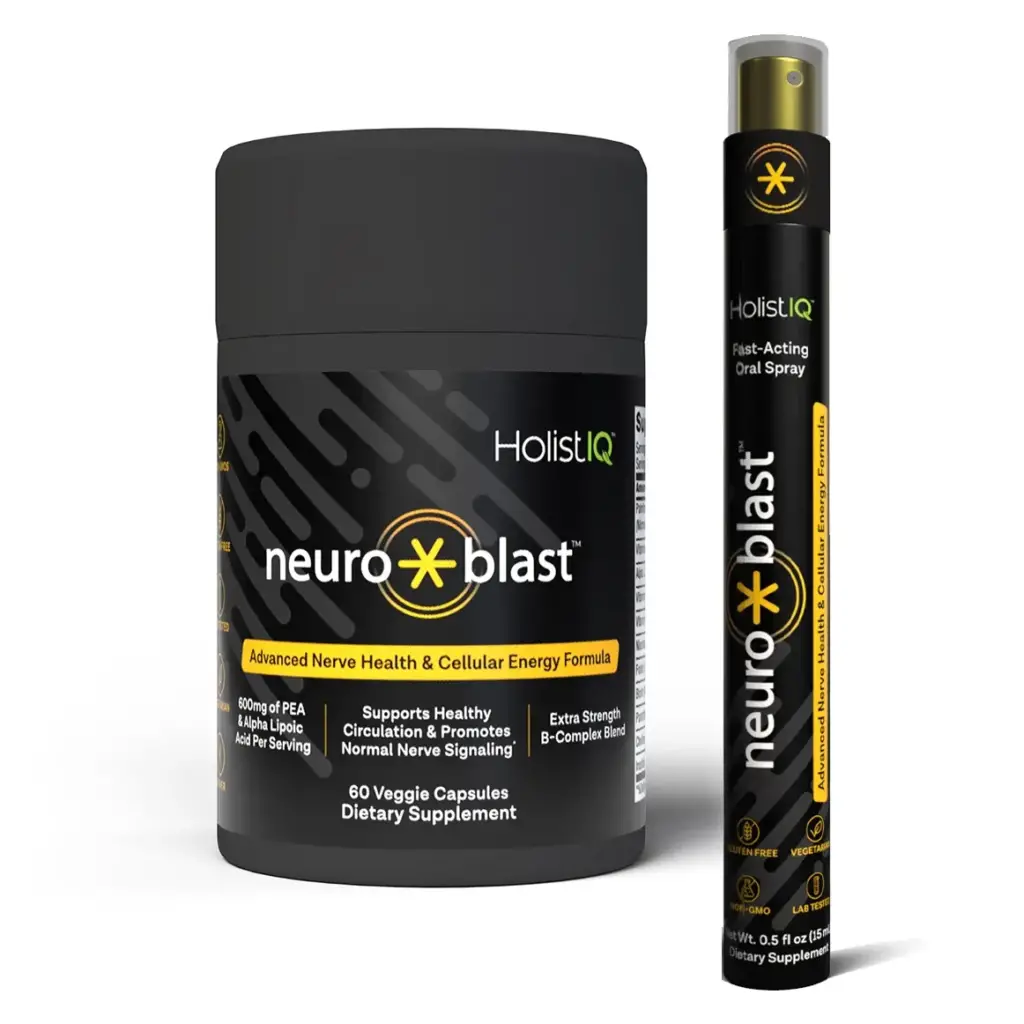
How you take PEA can influence how well your body absorbs it. Some studies on nerve pain have explored using a sublingual form, which means dissolving it under the tongue for more direct absorption into the bloodstream. The Neuro-Blast system was designed with this in mind, offering both capsules for sustained support and a rapid-absorb oral spray for flexible delivery. You might find that taking a capsule with a meal works best for you, or you may prefer the spray for quicker absorption. Experimenting with the delivery method can help you find the most effective and comfortable routine for your body and lifestyle.
Choose the Right Time of Day
Consistency is more important than the specific time of day you take PEA. Choose a time that you can stick with, whether it’s with your breakfast in the morning or after dinner in the evening. This helps maintain a steady level of PEA in your system. If you notice any mild drowsiness, you might prefer taking it before bed. On the other hand, if it gives you a sense of well-being, taking it in the morning could be a great way to start your day. Most people begin to feel a difference within one to three weeks, so establishing a consistent daily habit is the best way to support your body’s progress.
Listen to Your Body and Adjust as Needed
Your body is your best guide. As you continue taking PEA, pay attention to how you feel. The goal is to find the lowest dose that provides you with effective relief. One case series showed that after initial success with a standard dose, some individuals were able to lower their daily amount while still managing their discomfort effectively. If you find your nerve discomfort is well-controlled, you can discuss with your doctor whether adjusting your dose is a good option. This personalized approach ensures you’re giving your body exactly what it needs without overdoing it. It’s all about finding that sweet spot where you feel your best.
Does PEA Interact with Other Medications or Supplements?
Whenever you add something new to your health routine, it’s smart to ask how it will play with what you’re already taking. It’s a question I get all the time, and it’s one of the most important ones you can ask. Let’s look at what the research says about taking PEA alongside other medications and supplements, so you can feel confident and informed about your choices.
Medications to Be Aware Of
One of the first things people wonder is if PEA will interfere with their prescription medications. According to WebMD, there is currently no information about PEA having negative interactions with other medicines. While this is reassuring, it’s not a free pass to mix and match without guidance. The best and safest step is always to have a conversation with your doctor or pharmacist. They know your health history and can give you personalized advice. Before your appointment, make a list of everything you take, including dosages, to make that conversation as productive as possible.
Combining PEA with Other Supplements
On the other hand, research shows that PEA can be a great team player. It’s often used alongside other treatments to provide more comprehensive support. One case series found that PEA can be used with common pain medications like tramadol and gabapentin without causing problems. This is because PEA works differently, targeting nerve inflammation and discomfort at a cellular level. This unique mechanism is why many people integrate it into their existing wellness plan. A well-formulated system like Neuro-Blast is designed to provide this kind of deep support, complementing other strategies you and your doctor have decided on.
How Long Do PEA Side Effects Usually Last?
If you’re starting PEA, you’re probably wondering what to expect and how long any initial side effects might stick around. The great news is that PEA is generally very well-tolerated. Because it’s a compound your body already produces to manage pain and inflammation, serious side effects are not a common concern.
For most people, any side effects that do pop up are mild and temporary. Think of it as a brief adjustment period while your body gets acquainted with the new support. These effects typically fade on their own within the first couple of weeks as your system adapts. It’s helpful to understand what this adjustment looks like so you can tell the difference between a normal adaptation and something that might need more attention. Knowing what to expect can give you the confidence to stick with it and give PEA a fair chance to work.
What to Expect During the Adjustment Period
When you introduce any new supplement into your routine, your body often needs a little time to adjust. With PEA, this period is usually quite short. While everyone’s body is different, many people start to feel positive improvements within the first one to three weeks. However, it’s important to be patient. For some, it can take up to five weeks to notice the full benefits as PEA levels build up in your system to support your nerves at a cellular level. A case series exploring PEA’s use for neuropathic pain highlights this variable timeline. So, if you don’t feel a dramatic change right away, don’t be discouraged. It’s often a sign that your body is still in that initial adaptation phase.
Normal Adaptation vs. a Warning Sign
So, what does a “normal” adaptation feel like? In the rare instances that side effects occur, they are typically very mild. You might notice a slight feeling of heaviness in your stomach or an occasional, mild upset stomach. These sensations are generally not severe and tend to resolve on their own as your body gets used to the PEA. As some patient information sheets explain, these effects are rarely bothersome enough to make someone stop taking the supplement. The best way to avoid even these minor issues is to follow the advice of starting with a lower dose and gradually increasing it. This gives your digestive system time to adapt. A mild, passing discomfort is normal, but persistent or severe symptoms are a sign to listen to your body and consult your doctor.
When Should You Stop Taking PEA and Talk to a Doctor?
While PEA is widely recognized for its strong safety profile, it’s always wise to listen to your body when starting any new supplement. Your personal health history is unique, and paying attention to how you feel is the best way to ensure a positive experience. Knowing the difference between a minor adjustment and a potential issue can help you make informed decisions about your wellness routine.
Most people integrate PEA into their lives without any problems. However, being prepared and knowing what to look for gives you control over your health journey. If something feels off, it’s always best to pause and consult a professional.
Red Flags That Require Medical Attention
PEA is a substance your body naturally produces, and studies have reported no serious side effects or negative interactions with other medications. That said, you should stop taking any new supplement and contact your doctor immediately if you experience signs of a severe reaction. While not specifically linked to PEA, universal red flags include symptoms like a sudden rash, hives, swelling of the face or throat, or difficulty breathing. These can indicate an allergic reaction. Any other sudden, severe, or alarming symptom is also a clear signal to seek medical advice right away. Your safety is the top priority.
Signs PEA May Not Be Right for You
Sometimes, a supplement just doesn’t agree with your system. While there is a very rare chance of side effects, some people report mild gastrointestinal discomfort, a feeling of heaviness in the stomach, or drowsiness when first taking PEA. These issues are often related to starting with too high a dose. If you experience persistent nausea or stomach upset that doesn’t go away after a few days, it might be a sign that PEA isn’t the right fit for you. In this case, it’s a good idea to stop taking it and discuss other options with your healthcare provider.
Does the Quality of PEA Affect Your Risk of Side Effects?
When it comes to supplements, quality is everything. The purity and manufacturing standards of the Palmitoylethanolamide (PEA) you choose can absolutely influence your experience and the likelihood of side effects. While PEA is known for being very well-tolerated, a low-quality product can introduce variables you didn’t sign up for, like fillers, contaminants, or an incorrect dosage. Think of it this way: you’re taking PEA to support your body’s cellular health and get moving again. The last thing you want is an impure product that works against that goal.
Ensuring your supplement is made to the highest standards means you’re getting a clean, effective product that does what it promises. High-quality PEA is designed for optimal absorption and to work in harmony with your body’s natural systems. This is why understanding how it works on a cellular level is so important. When you choose a premium product, you’re not just getting the active ingredient; you’re getting the peace of mind that comes with knowing it was produced with your safety and well-being as the top priority. This commitment to quality is the first step in minimizing any potential for unwanted effects.
Why Manufacturing Standards Matter for Safety
The dietary supplement market isn’t always held to the same strict standards as prescription medications. This means that, unfortunately, some products on the shelf may not contain the exact ingredients or dosages listed on the label. This lack of consistency can lead to unexpected side effects or simply a product that doesn’t work. When a supplement isn’t certified or produced in a facility that follows rigorous manufacturing protocols, you run the risk of getting something that is ineffective or, worse, contaminated.
This is why choosing a product from a company that prioritizes safety and transparency is so crucial. A trustworthy, doctor-led company will always adhere to the highest manufacturing standards, ensuring that what’s on the label is exactly what’s in the bottle. This certification and oversight provide a critical layer of assurance, helping you feel confident that the supplement you’re taking is both pure and potent.
How to Choose a High-Quality PEA Supplement
To protect yourself and get the best results, always look for PEA from a reputable source that is transparent about its quality control. Seek out products that are formulated by medical professionals and are part of a comprehensive approach to nerve health. A well-designed formula considers not just the PEA itself but how it’s delivered and absorbed by your body for maximum benefit. For instance, the Neuro-Blast System combines multiple components engineered to work together for deep, cellular-level support.
When starting any new supplement, it’s also a good practice to begin with a lower dose and see how your body responds before gradually increasing it. This simple step can help minimize the very rare chance of mild side effects like an upset stomach as your body adjusts. By choosing a high-quality product and listening to your body, you can create a safe and effective nerve support routine.
Related Articles
- Palmitoylethanolamide (PEA) Archives – Neuro-Blast
- PEA Side Effects: Are They Common or Serious?
- What is Palmitoylethanolamide (PEA Supplement)?
- Palmitoylethanolamide Side Effects: What to Know
- PEA and ALA Supplement Benefits: A Complete Guide
Frequently Asked Questions
What exactly is PEA and how does it help with nerve discomfort? PEA, or Palmitoylethanolamide, is a natural fatty acid your body produces to manage inflammation and pain. Think of it as part of your body’s internal repair crew. When your nerves are stressed or irritated, PEA helps calm down the overactive cells that are causing the discomfort. Instead of just masking the pain, it works at a cellular level to restore balance, which helps reduce inflammation and protect your nerve cells from further stress.
Is PEA safe to take every day? Yes, PEA has an excellent safety record and is generally very well-tolerated for daily use. Because it’s a substance your body already makes, side effects are uncommon and typically very mild when they do occur. Some people might experience a bit of stomach upset when they first start, but this usually fades as their body adjusts. It is not addictive, and you don’t build a tolerance to it over time.
How is PEA different from traditional nerve pain medications? Many prescription medications for nerve pain work by blocking pain signals in your brain, which can sometimes cause side effects like drowsiness or brain fog. PEA works differently. It targets the source of the discomfort by interacting with cells throughout your body to calm inflammation and regulate your pain response. It supports your body’s own systems rather than overriding them, offering a gentler approach without the risk of dependency.
How long will it take before I notice a difference? Patience is key, as PEA works by gradually building up in your system to support your nerves. While everyone’s body is different, many people begin to feel positive changes within the first one to three weeks of consistent use. For some, it may take up to five weeks to experience the full benefits. The best approach is to establish a consistent daily routine to give it time to work effectively.
Does the quality of a PEA supplement really matter? Absolutely. The purity and manufacturing standards of a PEA supplement directly impact its safety and effectiveness. A low-quality product might contain fillers or incorrect dosages, which could lead to poor results or unwanted effects. Choosing a high-quality, doctor-led formula ensures you are getting a pure and potent product that your body can absorb and use properly, giving you the best chance at finding relief.