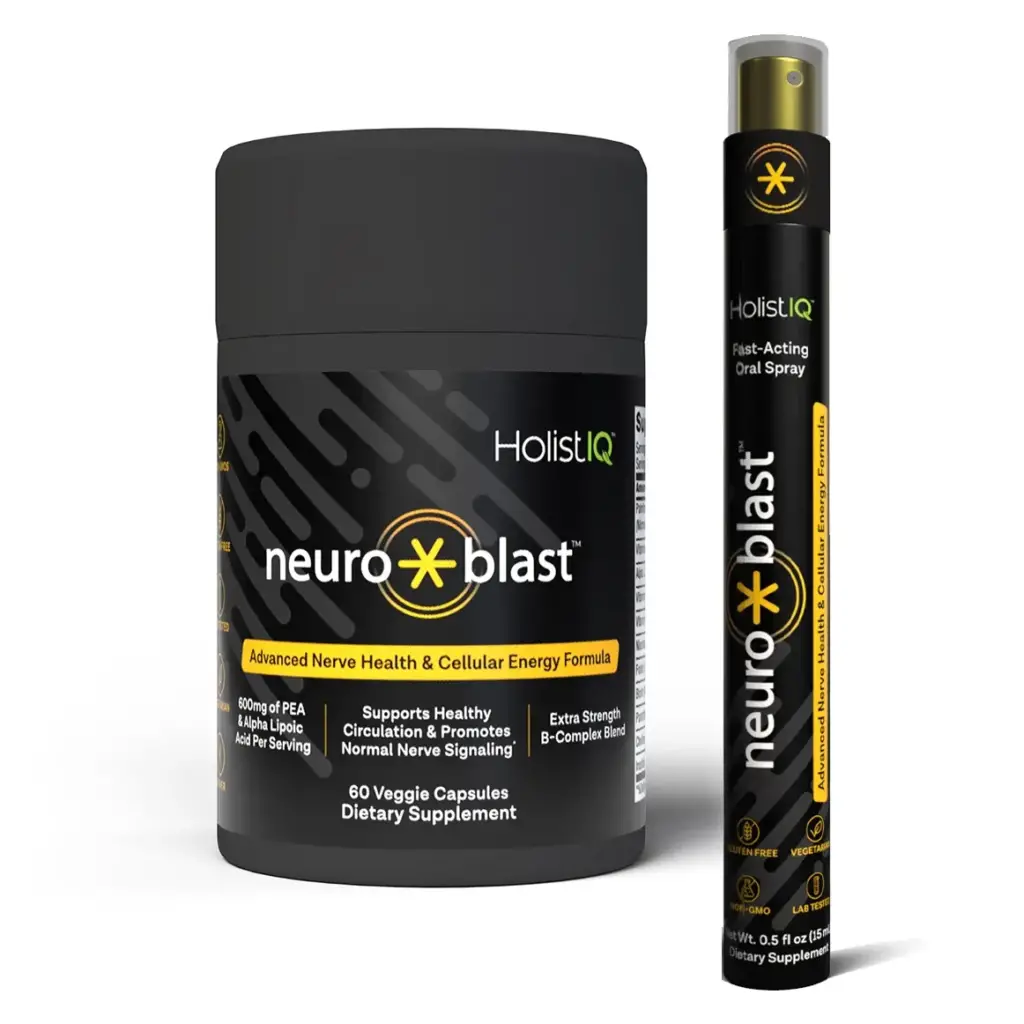
It’s amazing to learn that your body already produces its own pain-relieving compounds, and PEA is one of them. This natural substance works with your system to calm inflammation and soothe discomfort at a cellular level. But harnessing its benefits requires understanding the practical side of things. How much is enough? How long does it take to work? We’ve looked at the clinical studies and the real-world feedback from countless pea supplement reviews dosage discussions to bring you the answers. This article will break down the science into simple, actionable steps, helping you understand how to support your body’s natural ability to find relief.
Key Takeaways
- Find your ideal dose by starting low: The most effective starting point for PEA is typically between 300mg and 600mg daily. This science-backed range allows you to see how your body responds before increasing the amount, helping you find the lowest effective dose for your needs.
- Prioritize formulation for better results: How well your body absorbs PEA is just as important as the dose. Look for a micronized form, which uses smaller particles to ensure more of the supplement gets to your nerves to do its job.
- Be patient and consistent for lasting relief: PEA works with your body’s natural systems to address nerve discomfort at the source, which takes time. Commit to taking it daily for at least one to two months to accurately gauge its benefits for you.
What is PEA, and How Can It Help Your Nerves?
If you’re looking for ways to manage nerve discomfort, you may have come across an ingredient called PEA. It sounds scientific, but it’s actually a powerful compound your own body creates to handle pain and inflammation. Understanding how it works can help you see why it’s a cornerstone of modern nerve support, including in our own Neuro-Blast system. Let’s break down what PEA is and what it can do for your nerve health.
Your Body’s Own Pain Reliever
PEA, short for Palmitoylethanolamide, is a natural fatty acid amide that your body produces on demand, especially in response to stress or injury. Think of it as your internal pain reliever. It’s part of your body’s system for keeping things in balance and calming down discomfort when it arises. This compound isn’t just made inside you; it’s also found in small amounts in foods like egg yolks, soybeans, and peanuts. Because PEA is a substance your body already recognizes and uses, it works in harmony with your natural processes to help you feel better without introducing a foreign chemical.
How It Calms Inflammation and Protects Nerves
So, how does PEA actually work? When your nerves are irritated, they send distress signals that lead to discomfort and inflammation. PEA steps in by binding to cells involved in this process, helping to dial down the inflammation and soothe the overactive pain signals. But it does more than just quiet the noise. PEA also acts as a neuroprotective agent, meaning it helps shield your nerve cells from further damage. By creating a healthier environment for your nerves, it supports their ability to function properly and can help with different pain conditions, giving you a sense of comfort and relief.
Getting to the Root of Nerve Discomfort
Many people experience nerve discomfort because of underlying inflammation and cellular stress. Instead of just masking the symptoms, PEA works on a deeper level to address these root causes. Numerous studies show PEA helps with chronic and nerve-related pain by restoring balance within the nervous system. It supports your body’s ability to repair and protect itself from the inside out. This approach is all about creating long-term wellness for your nerves. Of course, its effectiveness often depends on getting the right amount, which is why understanding dosage is the critical next step in your journey toward relief.
How Much PEA Should You Take?
Figuring out the right amount of any new supplement can feel like a bit of a puzzle. With PEA, the goal is to find the dose that gives you meaningful relief without overdoing it. The good news is that research and user experiences give us a clear map to follow. The key is to start with a recommended dose, listen to your body, and adjust as needed. It’s less about finding a single “magic number” and more about discovering what works for your unique system and level of discomfort.
The Ideal Starting Dose
If you’re just beginning your journey with PEA, it’s wise to start on the lower end of the effective range. A systematic review of clinical trials found that most people experienced benefits with daily doses between 300mg and 600mg. This range is considered a great starting point because it’s been shown to be effective for calming nerve discomfort while being gentle on your system. Think of it as your baseline—a solid, science-backed dose to see how your body responds before making any changes.
Dosages for More Persistent Discomfort
For those dealing with more stubborn or long-standing nerve issues, a higher dose might be necessary. Research on the dose-dependent effects of PEA shows that doses can range from 300mg up to 1200mg per day. Interestingly, while higher doses are an option, many of the most effective results in studies were seen at the 300mg and 600mg levels. This tells us that more isn’t automatically better. The best approach is to find the lowest effective dose that helps you get moving again and provides consistent relief from your discomfort.
When to Take PEA for the Best Results
Timing can make a real difference in how well a supplement works. Many user reports suggest that taking your full daily dose in the morning with breakfast can lead to optimal relief throughout the day. Taking PEA with food can aid absorption and prevent potential stomach upset. The most important factor, however, is consistency. Choose a time that you can stick with every single day. This allows the PEA to build up in your system and work its magic on a cellular level, giving your nerves the steady support they need.
Does the Type of PEA Supplement Matter?
When you’re looking for nerve relief, you want to know that what you’re taking is actually working. So, does the type of PEA supplement you choose make a difference? The short answer is: absolutely. Not all PEA supplements are created equal, and the way a supplement is formulated can dramatically change how well your body absorbs and uses it. Think of it this way: you can take a high dose of something, but if your body can’t properly absorb it, you won’t get the full benefit.
The key difference often comes down to the particle size of the PEA. Standard PEA has larger particles, which can be tough for your digestive system to break down and absorb. Newer, more advanced formulations use special techniques to make the particles much smaller. This process, often called micronization, significantly improves how much PEA actually gets into your system to support your nerves. This is why our doctor-led team at Neuro-Blast focuses on an AI-enhanced system that supports your nervous system on a cellular level. Understanding how it works is the first step to finding effective relief. A better-formulated supplement means you can get the results you’re looking for, often with a more efficient dose.
Standard vs. Micronized: What’s the Difference?
Let’s break down the difference between standard and micronized PEA. Standard PEA is the basic form of the compound. While it’s still PEA, its particles are relatively large and can clump together, making it difficult for your body to absorb efficiently. Imagine trying to dissolve a large sugar cube in water—it takes time and effort.
Micronized PEA, on the other hand, has gone through a process that breaks the particles down to be incredibly small. Think of that sugar cube ground into a fine powder. It dissolves almost instantly. This is what happens in your body with micronized PEA. These smaller particles have a larger surface area, which allows your body to enhance the bioavailability and absorb it much more quickly and completely.
Getting More from Your Supplement
The goal of taking any supplement is to get the active ingredient to where it needs to go in your body. With a more bioavailable form like micronized PEA, you’re ensuring that more of the compound is put to work calming inflammation and supporting your nerve health. You’re not just taking the supplement; your body is actually using it.
This increased efficiency is why many clinical trials have found that people experience significant benefits with daily doses between 300mg and 600mg. This range is often recommended as a great starting point for those looking to effectively manage nerve discomfort. When you choose a high-quality, well-formulated supplement, you’re setting yourself up for better results without necessarily needing massive doses.
How Formulation Impacts Your Dose
Because advanced formulations are absorbed so much better, you may not need as high a dose to feel a difference. Research has shown that for these advanced forms of PEA, doses of 300mg and 600mg often produce the most effective results. This highlights that the quality of the formulation can be more important than just the number of milligrams on the label.
This is why it’s so important to choose a product designed for maximum impact. A comprehensive approach like the Neuro-Blast System is engineered with this in mind, aiming to deliver deep, cellular-level support precisely where you need it. Ultimately, a smarter formulation means a more effective dose, helping you get back to moving with more comfort and ease.
What Does the Science Say About PEA Dosage?
When you’re trying something new to manage nerve discomfort, one of the biggest questions is, “How much should I actually take?” While there isn’t a single magic number that works for everyone, scientific research gives us some excellent guidelines. The right dosage often depends on your specific needs, the intensity of your discomfort, and how your body responds. Think of it less like a strict prescription and more like a starting point that you can adjust with care.
The goal is to find the sweet spot that gives you relief without overdoing it. Some people find that a lower dose is all they need to feel a significant difference, while others dealing with more persistent issues may benefit from a higher amount. The key is to understand what the studies show and to listen to your body along the way. Let’s look at what the research says about starting doses, higher doses, and how long it might take to notice a change.
The Evidence for Lower Doses
You might be surprised to learn that more isn’t always better when it comes to PEA. In fact, many people find relief with relatively low amounts. A systematic review of clinical trials found that daily doses between 300mg and 600mg provided noticeable benefits for many individuals. This range is often recommended as a great starting point because it’s both effective and gentle on your system.
It’s also worth noting that how well your body absorbs PEA plays a huge role. Some advanced formulations, like micronized PEA, are designed for better absorption. Because of this, clinical studies indicate that these forms can be more effective at lower dosages. It’s a perfect example of working smarter, not harder, to get the support your nerves need.
When Higher Doses Are More Effective
For those dealing with more stubborn or long-term nerve discomfort, a lower dose might not be enough to move the needle. In these cases, a higher amount may be more appropriate. For example, some people have shared in user ratings that they take up to 1,200mg daily to manage persistent issues like post-shingles pain and have found significant relief.
Higher doses are typically considered for chronic conditions where inflammation and nerve irritation have been present for a long time. If you’ve been struggling for years, your body might need more support to calm things down. As always, it’s a good idea to speak with your doctor before starting a higher dose to make sure it’s the right approach for your specific health situation.
How Long Until You Feel a Difference?
Patience is key when you start taking PEA. It’s not a quick fix like an over-the-counter painkiller; instead, it supports your nervous system on a cellular level to address the root cause of discomfort. Because it works with your body’s natural systems, it can take some time to build up and produce noticeable effects.
Most experts suggest that it can take anywhere from a few weeks to three months to experience the full benefits. It’s important to be consistent with your dose during this initial period. Many people begin to feel a gradual improvement in their comfort and mobility within the first month. A good rule of thumb is to try it for at least two months before deciding how well it’s working for you.
Is PEA Safe? Understanding the Side Effects
When you’re trying something new to manage nerve discomfort, safety is always the top priority. The good news is that Palmitoylethanolamide (PEA) is a substance your body already produces, and it’s generally considered very safe. Most people who take it don’t experience any side effects at all. Because it’s a natural compound, it works with your body’s systems rather than against them, which is a refreshing change from many conventional options that can come with a long list of warnings.
Of course, everyone’s body is different, and it’s smart to know what to look for. The side effects that are occasionally reported are typically very mild. Unlike many traditional pain relief medications, PEA has a low risk of interacting with other prescriptions, which is a huge plus for anyone managing multiple health concerns. This means you can often add it to your existing wellness plan without worrying about complicated conflicts. The key is to start smart, listen to your body, and understand what to expect as you begin incorporating it into your routine. Our goal at Neuro-Blast is to support your nervous system on a cellular level, and understanding how PEA works is a big part of that process.
Managing Mild Side Effects
If you do experience any side effects from PEA, they’re most likely to be minor. The most commonly noted issue is a bit of an upset stomach or nausea. To help your body adjust and minimize this possibility, it’s a great idea to start with a lower dose. Many experts suggest a starting regimen of one 400mg capsule, three times a day. This approach lets you ease into it and see how you feel. If you’re comfortable, you can adjust from there. Taking your supplement with food can also help settle your stomach and prevent any mild discomfort.
What to Know Before You Start
Before you begin taking PEA, it helps to set the right expectations. PEA is a natural substance with a very low risk of side effects, making it a gentle option for most people. It’s not a quick fix but rather a supportive compound that works over time. Give it a fair shot—usually one to two months—to see how your body responds. If you’ve been consistent with a higher dose for that long and haven’t noticed a significant difference, it’s possible that PEA just isn’t the right fit for your unique body chemistry, and that’s okay. The journey to relief is about finding what works for you.
Who Should Be Cautious with PEA?
While PEA is usually well-tolerated, there are a few situations where it’s best to be cautious. Because there isn’t enough research on its effects during pregnancy or while breastfeeding, the standard recommendation is to avoid using it during these times. For children, some studies suggest it’s possibly safe for ages 4-17 when taken for up to three months, but you should always consult with a pediatrician first. As with any new supplement, having a conversation with your doctor is the best way to ensure it’s the right and safest choice for your personal health situation.
What Are People Saying About Their PEA Dosage?
When you’re trying something new for your nerve health, it’s natural to wonder what has worked for others. While scientific studies provide a great foundation, personal stories can offer a different kind of insight. Hearing from people who have walked a similar path can help you set realistic expectations and feel more confident as you start your own journey with PEA.
Of course, every person’s body and experience with nerve discomfort is unique. The right dosage for someone else might not be the perfect fit for you. However, looking at the experiences of others can give you a helpful frame of reference. It shows the different ways people have successfully used PEA to manage their symptoms and get back to feeling more like themselves. Think of these stories not as a prescription, but as a friendly guidepost as you figure out what your body needs.
Real Stories: Finding What Works
It can be incredibly validating to hear from someone who understands what you’re going through. Many people have shared their experiences online, detailing how they found the right PEA dosage for their specific needs. For instance, one person dealing with persistent nerve pain from shingles for seven years found significant relief by taking 1,200mg once a day with breakfast. Their story is a powerful reminder that finding what works can be a process, but the results can be life-changing. These personal testimonials often highlight the importance of consistency and patience.
How Different Dosages Feel
While some people find success with higher amounts, many others experience benefits at much lower doses. Clinical reviews show that daily doses between 300mg and 600mg are often effective for managing nerve discomfort. This range is frequently recommended as a starting point, allowing your body to adjust and respond. For many, this amount is enough to feel a noticeable difference in their day-to-day comfort. Understanding how PEA works on a cellular level can help you appreciate why even these smaller doses can have such a profound impact on calming your nerves and restoring balance.
Why Brand Quality Matters
The dosage you see on the bottle is only part of the story. The effectiveness of PEA also depends heavily on how well your body can absorb it. This is where the quality of the supplement comes into play. Many experts emphasize using a micronized form of PEA, which means the particles are made much smaller to improve absorption. A high-quality, well-formulated system ensures that you’re getting the most out of every milligram. Choosing a reputable brand means you may not need as high a dose to achieve the same level of relief, because your body can use the ingredient more efficiently.
Common PEA Myths, Busted
When a supplement like PEA starts getting attention for its ability to support nerve health, it’s easy for myths and misunderstandings to pop up. You might hear stories that sound too good to be true or get conflicting advice that leaves you feeling confused. Let’s clear the air and look at what you can realistically expect when adding PEA to your routine. Understanding the facts helps you set the right goals and find a path that truly works for your body.
It’s Not a Magic Bullet
One of the biggest misconceptions about PEA is that it works instantly. While we’d all love a quick fix for discomfort, PEA works more like a steady partner for your nervous system. It supports your body’s natural processes to calm irritation and protect nerve cells, but this takes time. Most clinical studies show that it can take anywhere from a few weeks to three months to feel the full benefits. Think of it like starting a new fitness routine; you don’t see results after one trip to the gym. Consistency is key, so give your body the time it needs to respond.
What to Realistically Expect
It’s also important to know that everyone’s experience with PEA will be slightly different. Research suggests that about half of the people who try PEA will experience some benefit, with up to 20% reporting a significant improvement in their comfort levels. While it may not work for everyone, a 50% chance of feeling better is a promising statistic for those dealing with persistent nerve issues. “Some benefit” can mean less daily discomfort and more freedom to do the things you love. Setting realistic expectations helps you appreciate the progress you make along the way.
Why Your Results May Vary
If you and a friend both start taking PEA, you might have very different outcomes. This is completely normal, as several factors influence its effectiveness. The dosage you take is critical, with most studies recommending between 300mg and 1200mg daily for nerve support. Beyond that, the formulation matters. Some forms, like micronized PEA, are broken down into smaller particles to help your body absorb them more easily. The overall quality of the supplement and how it’s engineered for cellular-level support can make a huge difference. Your individual health and consistency will also play a major role in your results.
Is PEA Right for You?
Deciding to add a new supplement to your routine is a big step, and it’s smart to do your research. Palmitoylethanolamide (PEA) is gaining attention for its natural approach to managing discomfort, but is it the right choice for your specific needs? The answer often comes down to the type of discomfort you’re experiencing, your overall health, and how you plan to incorporate it into your wellness strategy. Let’s walk through what you need to know to make an informed decision.
Conditions That May Benefit Most
One of the most compelling things about PEA is its versatility. Because it works by supporting your body’s own systems for managing pain and swelling, it has been studied for a wide range of conditions. Research suggests PEA can be particularly helpful for those dealing with persistent issues like chronic pain, fibromyalgia, and osteoarthritis. It may also offer support for nerve-related discomfort from conditions like multiple sclerosis (MS) and carpal tunnel syndrome. The common thread here is PEA’s ability to work on a deeper level, providing cellular-level support to help calm irritation at its source rather than just masking symptoms.
How Your Health Plays a Role
Before starting any new supplement, it’s always a good idea to consider your personal health landscape. The good news is that PEA is generally very well tolerated. Most people take it without any issues, though some might experience mild nausea or an upset stomach, especially when first starting. It’s always wise to have a conversation with your doctor before adding something new to your regimen, particularly if you are pregnant, nursing, or managing other health conditions. They can help you understand how PEA fits in with your current plan and answer any specific questions you might have. You can also find answers to frequently asked questions about starting PEA.
Choosing PEA for Your Pain Management Plan
If you and your doctor decide PEA is a good fit, the next step is figuring out how to make it part of your daily routine. Based on clinical trials, a great starting point for most people is a daily dose between 300mg and 600mg. For more stubborn or long-standing discomfort, studies have shown that doses up to 1200mg can be effective for supporting nerve health and reducing inflammation. Finding the right supplement is key, and a comprehensive option like the Neuro-Blast System is designed to provide this kind of targeted support. Remember, consistency is more important than a high dose right away. Start low, see how your body responds, and adjust as needed.
How to Find Your Perfect PEA Dose
Finding the right amount of PEA that works for you is a personal process. Since everyone’s body is unique, what works for one person might be different for another. The key is to start with a recommended dose and then adjust based on how you feel. Think of it as a conversation with your body—you’re learning to understand its signals and what it needs to feel its best. This approach allows you to tailor your supplement plan specifically to your needs, giving you the best chance at finding meaningful relief. With a little patience and attention, you can pinpoint the dosage that helps you get back to doing the things you love.
Listen to Your Body
When you begin taking PEA, the most important thing you can do is pay close attention to how your body responds. It often takes time to notice a difference, so try to be patient. Many people find they need to take PEA for at least one or two months before they can really tell if it’s working for them. This period allows the supplement to build up in your system and support your nerves on a cellular level. If you’ve given it a fair try for a couple of months and still don’t feel a significant change, it might be a sign that PEA isn’t the right solution for you, and that’s okay.
A Simple Guide to Starting and Adjusting Your Dose
A common way to start is by taking one 400mg capsule three times a day. Stick with this for a couple of weeks and see how you feel. If you think you need a bit more support, you can increase your intake to two 400mg capsules three times a day. The maximum recommended daily amount is typically 2400mg. Alternatively, if you prefer to start more slowly, you can begin with one capsule twice a day. From there, you can gradually add another capsule every four or five days until you find a level that feels right. This methodical approach helps you find your ideal dose without overdoing it, ensuring the Neuro-Blast system works effectively for you.
Signs It’s Time for a Change
Monitoring your progress is a crucial part of the process. If you’ve been taking a higher dose for one to two months and your discomfort hasn’t improved, it may be time to reassess. While many studies show PEA can be very helpful for nerve-related discomfort, individual results can vary. It’s important to have realistic expectations and understand that what works for some might not work for all. You can see how others have found success on our testimonials page. If your pain levels are staying the same after giving it a solid try, it might be time to consider that this particular supplement isn’t the best fit for your body’s needs.
Related Articles
- Palmitoylethanolamide (PEA) Archives – Neuro-Blast
- Palmitoylethanolamide Micronized: The Ultimate Guide
- Palmitoylethanolamide Side Effects: What to Know
- PEA for Nerve Pain Dosage: The Ultimate Guide
- 5 Best Palmitoylethanolamide Supplements of 2026
Frequently Asked Questions
How will I know if PEA is working for me? Because PEA works with your body to calm nerve irritation over time, you likely won’t feel a dramatic, overnight change. Instead, look for gradual improvements. You might notice you can stand or walk for longer periods with more comfort, or that you have more good days than bad ones. The key is to be consistent for at least two months to give the compound time to build up in your system and provide steady support.
What’s the most important thing to look for when choosing a PEA supplement? The formulation is more important than just the number of milligrams on the label. You want to find a supplement that uses a micronized form of PEA. This means the particles have been made much smaller, which helps your body absorb and use the compound far more effectively. A high-quality, easily absorbed formula ensures you get the most benefit from the dose you take.
Can I take PEA with my other medications? PEA is generally considered very safe and has a low risk of interacting with other medications. However, everyone’s health situation is unique. It’s always a good idea to have a conversation with your doctor or pharmacist before adding any new supplement to your routine. They can review your current medications and give you the best advice for your personal health plan.
I’ve been taking PEA for a few weeks and don’t feel anything. Should I stop? It’s best to be patient, as it’s very common not to feel a major difference in the first few weeks. PEA works on a deeper, cellular level, and this process isn’t instant. Most experts recommend giving it at least two to three months of consistent daily use to fairly assess its effects. If you’ve given it a solid try for that long and still feel no change, it may be time to reassess if it’s the right fit for you.
Are there any side effects I should watch out for? Most people take PEA without any side effects at all. Since it’s a substance your body naturally produces, it’s typically very well-tolerated. On the rare occasion that side effects do occur, they are usually mild and involve some stomach upset or nausea. You can often prevent this by starting with a lower dose and always taking your PEA with food.