
A quick search for information on PEA can be confusing. That’s because the acronym can refer to a few different substances, and not all of them are the same. The PEA used for nerve support is Palmitoylethanolamide, a natural fatty acid your body already recognizes. This distinction is critical, especially when you’re researching safety and potential interactions. To help you separate fact from fiction, we’re going to focus only on Palmitoylethanolamide. We’ll provide a clear, evidence-based overview of the real PEA side effects so you can understand why this specific compound is so well-regarded for its gentle yet effective support for the nervous system.
Key Takeaways
- PEA offers a strong safety profile: This natural compound works with your body’s systems, making it very well-tolerated. Side effects are rare and typically limited to mild, temporary digestive discomfort as your body adjusts.
- A smart start ensures a smooth experience: To minimize any potential issues, begin with a low dose and gradually increase it over time. Always talk to your doctor before starting a new supplement, especially if you are pregnant or have other health conditions.
- Quality is key and drug interactions are not a concern: PEA (Palmitoylethanolamide) has no known negative interactions with common medications. Choosing a high-quality, doctor-led formula ensures you receive a pure and effective product for your nerve support.
What is PEA? (And Why It’s Not What You Think)
When you first hear about PEA, your mind might jump to a few different places. But in the world of nerve support, PEA stands for Palmitoylethanolamide. It’s not a synthetic chemical cooked up in a lab; it’s a fatty acid amide that your own body produces naturally. You can also find it in small amounts in foods like egg yolks, peanuts, and soybeans.
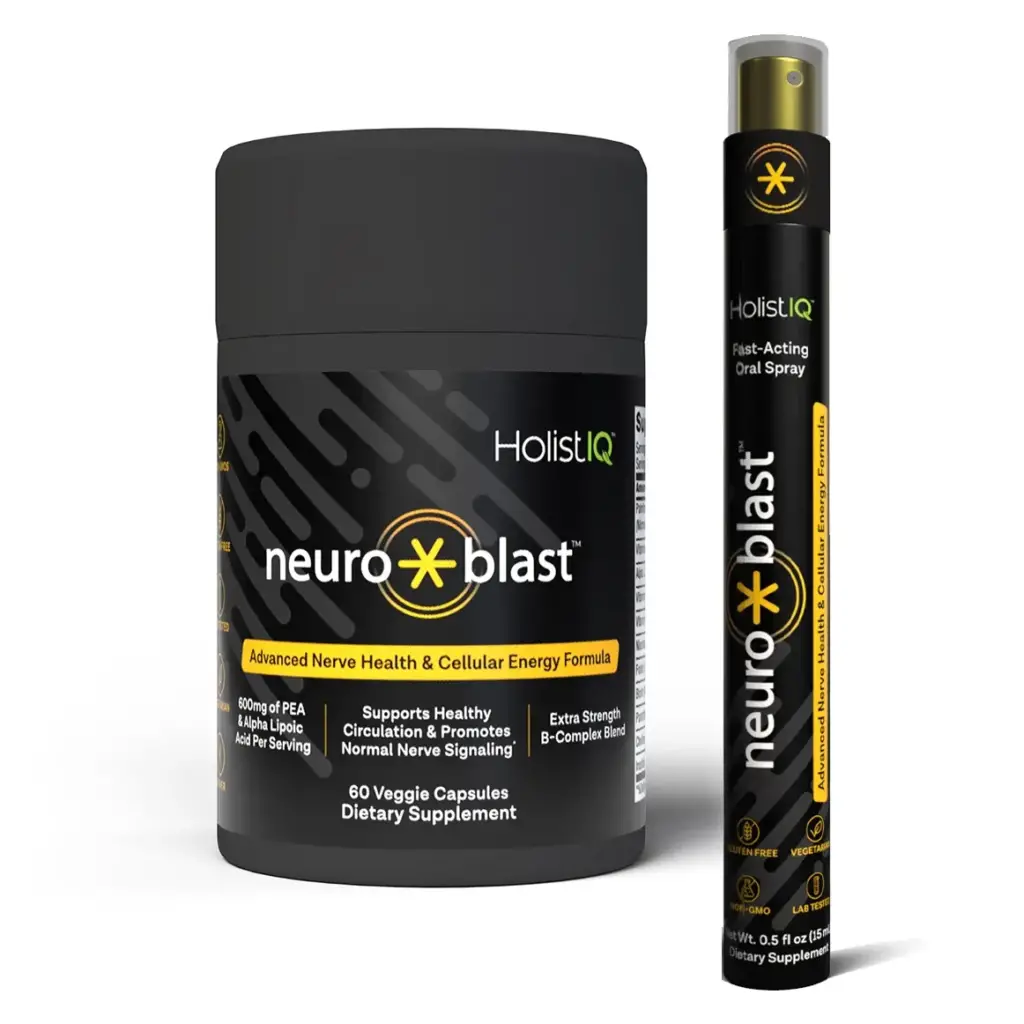
Think of PEA as one of your body’s internal managers for discomfort and inflammation. It’s a key player in your endocannabinoid system—a complex network that helps keep your body in a state of balance, or homeostasis. This system influences everything from your mood to your immune response and, most importantly for our conversation, how you perceive pain. When your nerves are sending distress signals, PEA steps in to help soothe the area and restore calm. The AI-enhanced approach of Neuro-Blast helps ensure this powerful ingredient is put to its best use, supporting your nervous system right at the cellular level.
The Three “PEAs”: Understanding the Key Differences
The acronym “PEA” can be a bit confusing because it stands for a few different things. Let’s clear that up. The PEA we’re discussing is Palmitoylethanolamide, a natural dietary supplement. You might also see PEA used for Phenylethylamine, a stimulant sometimes found in workout supplements, or Pulseless Electrical Activity, a term used in emergency medicine. It’s important to know we are only talking about Palmitoylethanolamide.
As a dietary supplement, Palmitoylethanolamide doesn’t require a prescription. It’s a substance your body already recognizes and uses to manage inflammation and pain signals. This makes it a gentle yet effective option for those looking to support their nerve health without turning to harsh pharmaceuticals.
How Palmitoylethanolamide Supports Your Body
So, how exactly does this natural compound help you? Research has shown that PEA has some impressive potential, particularly for people dealing with neuropathic pain from conditions like diabetic neuropathy or chemotherapy. Studies have explored its therapeutic utility and found it to be a promising tool for managing nerve-related discomfort. It works by calming overactive nerve cells and reducing inflammation at the source.
What’s really encouraging is its safety profile. Clinical studies report minimal side effects and no significant negative interactions with other medications. This is great news, especially if you’re already managing other health conditions. By incorporating a high-quality supplement like the Neuro-Blast System, you’re giving your body a familiar, natural tool to help it get back to feeling its best and moving with more ease.
What Are the Most Common PEA Side Effects?
When you’re considering a new supplement to help you get moving again, it’s completely normal to wonder about potential side effects. The good news is that Palmitoylethanolamide (PEA) is widely recognized for being gentle on the body. Unlike many traditional options for nerve discomfort, PEA works with your body’s natural systems, which is why most people tolerate it exceptionally well.
Clinical studies and user experiences consistently show that significant side effects are very rare. Most people who take PEA don’t report any issues at all. However, every person is different, and it’s always smart to know what to look for when you start something new. The most commonly noted reactions are mild and tend to be digestive in nature. Let’s walk through what those are and just how common they might be, so you can feel confident and prepared.
Upset Stomach and Digestive Discomfort
If you do experience any side effects from PEA, they’re most likely to be minor digestive complaints. Some people have reported feeling a bit of nausea or an upset stomach, especially when first starting the supplement. This is often temporary as your body adjusts. Think of it like trying a new food that your system isn’t quite used to yet.
Very rarely, individuals might experience other mild symptoms like a feeling of sleepiness. However, these instances are not common. For the vast majority of users, PEA is a smooth experience without any unwanted digestive surprises, allowing them to focus on its benefits for nerve support and comfort.
How Common Are Mild Side Effects?
You’ll be happy to hear that mild side effects from PEA are quite uncommon. Numerous clinical trials have investigated PEA for various types of discomfort and have consistently reported a strong safety profile. In fact, many studies conclude that PEA provides significant relief without causing any notable adverse effects.
This is one of the key reasons people turn to PEA as a natural alternative. It’s generally well tolerated and doesn’t come with the long list of warnings you might see with other options. While a small number of people might experience mild stomach upset, the research underscores that PEA is a safe choice for most adults seeking nerve support.
Are There Serious PEA Side Effects to Worry About?
It’s completely normal to have questions about safety when you’re considering a new supplement. The good news is that PEA is widely recognized for being very well-tolerated, and serious side effects are not a common concern. Most people who take it experience no issues at all.
That said, being informed is always the smartest approach to your health. While the risk is low, it’s helpful to know what to look for so you can feel confident and in control. Below, we’ll walk through the rare reactions that have been reported and give you clear guidance on when it’s a good idea to check in with your doctor. This way, you can make a decision that feels right for you and your body.
Understanding Rare but Serious Reactions
While most people’s experiences with PEA are smooth, a very small number of individuals have reported more significant reactions. These are different from the mild digestive upset we discussed earlier and are much less common. Some of these uncommon side effects can include heart palpitations—which might feel like a fluttering, pounding, or racing heartbeat—or a strong sense of drowsiness.
Again, these reactions are rare. For most, PEA is a gentle compound that works with the body’s natural systems. If you’re concerned, starting with a lower dose is a great way to see how your body adjusts before settling into a regular routine.
When to Call Your Doctor
Your intuition is your best guide. If you start taking PEA and something just doesn’t feel right, it’s always best to listen to your body and reach out to a professional. You should consult your healthcare provider if you experience any symptoms that feel severe or concerning, such as nausea that won’t go away, a racing heart, or extreme drowsiness that interferes with your day.
It’s also important to note that the safety of PEA hasn’t been established for those who are pregnant or breastfeeding, so it’s best to avoid it during those times. When in doubt, a quick conversation with your doctor can provide peace of mind and ensure you’re on the right track.
Who Should Be Cautious with PEA Supplements?
While PEA is known for being gentle on the body, it’s not a one-size-fits-all solution. Certain life stages and health situations call for a little extra caution. Think of it like this: your body is a unique ecosystem, and introducing anything new requires a thoughtful approach. Before adding PEA to your routine, it’s always a good idea to have a conversation with your doctor, especially if you fall into one of the groups we’ll discuss below. This simple step ensures you’re making the best and safest choice for your specific health needs. Your well-being is the top priority, and being informed is the first step toward feeling your best.
If You’re Pregnant or Breastfeeding
When you’re pregnant or breastfeeding, you’re not just thinking about your own health—you’re also supporting a growing little one. Because of this, the golden rule is to be extra careful with any new supplements. Currently, there isn’t enough research to confirm that PEA is safe to use during pregnancy or while nursing. Without that clear data, the most responsible advice is to hold off for now. It’s always better to err on the side of caution during this special time. Once you’ve finished breastfeeding, you can revisit the conversation with your doctor about whether PEA is a good fit for you.
Considering PEA with Other Health Conditions
If you’re managing a chronic health condition, you’re likely already careful about what you put into your body. The good news is that PEA is generally considered safe and isn’t known to cause problematic interactions with other medications. This is one of its most significant advantages, especially for those dealing with complex health needs. Still, this doesn’t mean you should skip a professional consultation. Having a standing health condition makes it even more important to talk with your doctor before starting any new supplement, including PEA. They can review your full health picture and give you personalized advice.
Is PEA Safe for Children or Older Adults?
For parents considering PEA for their children, some studies suggest it may be safe for kids aged 4-17 for short-term use (up to three months). However, you should never give a child a supplement without a pediatrician’s direct guidance.
For older adults—the group most often seeking nerve support—PEA has a strong safety record. Many studies on PEA’s effectiveness have focused on this demographic, showing it to be well-tolerated. As our bodies age, finding gentle yet effective support is key. The way PEA works with the body’s own systems makes it a compelling option for adults looking to maintain their comfort and mobility. As always, a quick chat with your doctor can confirm it’s the right move for you.
What Drug Interactions Should You Know About?
Adding any new supplement to your routine means thinking about how it will play with your current medications. It’s a conversation you should always have with your doctor or pharmacist to make sure everything works together safely. The good news is that PEA (Palmitoylethanolamide) is well-regarded for its safety profile. It’s a substance your body already produces to manage discomfort, which is one reason it tends to be so well-tolerated.
Research into its therapeutic utility has shown that PEA can often be used alongside other pain management strategies without issue. However, it’s crucial to clear up a common point of confusion. There is another compound, Phenethylamine, which is also sometimes abbreviated as PEA. This other PEA has a different safety profile and can interact with certain medications, particularly those for depression. When we talk about PEA for nerve support, like the kind found in Neuro-Blast, we are strictly referring to Palmitoylethanolamide. This form is known for being much safer regarding interactions. Still, an open dialogue with your healthcare provider is the best way to ensure your entire wellness plan works together seamlessly for your specific needs.
Common Medications That May Interact with PEA
When it comes to Palmitoylethanolamide (PEA), the news is overwhelmingly positive. One of the most reassuring aspects of this supplement is that it has no known problematic drug-drug interactions. This means it can generally be combined safely with other common pain medications, which is a significant benefit for those managing complex conditions that require multiple treatments. Because it works with your body’s natural systems, PEA doesn’t typically interfere with the mechanisms of other drugs. This makes it a flexible option for integrating into an existing health regimen. Of course, this doesn’t replace professional medical advice. It’s always wisest to give your doctor a full list of your medications and supplements, including PEA, to get personalized guidance.
Other Supplements to Be Cautious Of
While PEA is very safe, it’s smart to be mindful of your entire supplement stack. The main point of caution comes from confusing Palmitoylethanolamide with a different supplement called Phenethylamine, which also goes by the acronym PEA. Phenethylamine can interact with serotonergic drugs and MAOIs (medications for depression), potentially leading to unsafe serotonin levels. The PEA used for nerve support in products like Neuro-Blast is Palmitoylethanolamide and does not carry these risks. For Palmitoylethanolamide, the primary precautions are for specific populations. As a general rule, it’s best to avoid using it if you are pregnant or breastfeeding, simply because there isn’t enough research in this area yet. Your health and safety come first, so always check with your doctor before starting any new supplement, especially during these sensitive times.
How PEA’s Side Effects Compare to Other Options
When you’re looking for relief, the last thing you want is to trade one set of problems for another. That’s why it’s so important to weigh your options and understand not just the benefits, but the potential side effects, too. Many people find themselves choosing between conventional medications and natural supplements. Let’s take a look at how PEA compares to both, so you can feel more confident in the path you choose for your nerve health. The goal is always to find what helps you get moving again, and understanding the full picture is a key part of that process.
PEA vs. Prescription Pain Relievers
Prescription medications are often the first line of defense for nerve discomfort, but they can come with a lengthy list of side effects, from drowsiness to brain fog. PEA offers a different approach. It works with your body’s natural systems to manage discomfort, and research consistently points to its strong safety profile. One study found that PEA helps reduce mild to moderate nerve pain with minimal side effects. In fact, many clinical trials show significant pain relief without any notable adverse effects, making it a compelling alternative for those seeking effective support without the typical drawbacks of pharmaceuticals.
How PEA Stacks Up Against Other Natural Alternatives
The world of natural supplements is vast, but PEA has some unique qualities that help it stand out. While many supplements focus on a single pathway, like inflammation, PEA is more versatile. Its role extends beyond calming inflammation to also having a direct impact on mood, anxiety, and stress, which are often intertwined with chronic discomfort. This multi-functional approach provides more comprehensive support for your overall well-being. Plus, it’s exceptionally well-tolerated. Research also suggests it may help stimulate muscle synthesis, an added benefit for anyone focused on maintaining strength and mobility. For a natural option, PEA offers a powerful combination of effectiveness and gentleness.
How to Minimize Side Effects When You Start PEA
Starting any new supplement can feel like a big step, but a few simple strategies can make the process smooth and comfortable. When it comes to PEA, the goal is to introduce it to your system gently, giving your body time to adjust. This thoughtful approach is the best way to minimize the chances of experiencing side effects and allows you to find the right amount that works for you. By paying attention to dosage, listening to your body’s feedback, and choosing a high-quality product, you can set yourself up for a positive experience from day one.
Start Low and Go Slow: A Dosing Guide
Easing into PEA is the smartest way to begin. The most recommended method is to “start low and go slow,” which helps your body get acquainted with the new supplement without feeling overwhelmed. A common starting point is to take one 400mg capsule three times per day. Stick with this for a couple of weeks to see how you feel. If you find you need more support, you can gradually increase the dose to two capsules, three times a day. This slow and steady approach is key to letting your system adapt comfortably, reducing the likelihood of any unwanted effects.
How to Listen to Your Body
Your body is your best guide, and it’s important to pay attention to the signals it sends. As you begin taking PEA, check in with yourself regularly. If you’ve been taking it for a month or two and aren’t noticing the benefits you were hoping for, it might simply mean that PEA isn’t the right fit for your body’s unique needs. While PEA is known for being well-tolerated, some people may notice mild effects like stomach discomfort. This is another reason why starting with a lower dose is so helpful—it gives you the chance to see how it works for you and make adjustments if needed.
Why Choosing a High-Quality Supplement Matters
When it comes to any supplement, quality is non-negotiable. Not all PEA products are created equal, and the purity and potency of your supplement can directly impact your results and experience. A lower-quality product might not deliver the stated dose or could contain unnecessary fillers. That’s why it’s so important to choose a supplement from a source you trust. The Neuro-Blast system is doctor-led and engineered to provide deep, cellular-level nerve support, ensuring you receive a reliable and effective product designed to help you get moving again.
What Are the Warning Signs to Stop Taking PEA?
While PEA is known for being gentle on the system, listening to your body is always the most important part of starting any new supplement. Your body is the best expert on you, and it will send signals if something isn’t right. Most people who take PEA don’t experience any issues, but it’s smart to know what to look for, just in case.
Think of it like this: when you try a new food, you pay attention to how you feel afterward. The same principle applies here. Being aware of the warning signs isn’t about creating worry; it’s about empowering you to take control of your health journey. If you notice any new or unusual symptoms after starting PEA, don’t just push through them. It’s your body’s way of communicating, and it’s crucial to pay attention. Stopping the supplement is the first and most important step if you suspect a problem. This proactive approach ensures you’re always prioritizing your well-being, allowing you to make informed decisions about what you put into your body. It’s about being an active participant in your own health, recognizing that even with a supplement that has a strong safety profile, individual reactions can vary. Your unique biology matters, and honoring its feedback is key to a successful and safe wellness routine.
Red Flags: Symptoms You Shouldn’t Ignore
Most side effects associated with PEA are mild, but that doesn’t mean you should ignore them. The most common red flags are related to allergic reactions or digestive upset. An allergic reaction might show up as a skin rash, itching, or mild swelling. While PEA is generally well-tolerated, an allergy is always possible with any new substance.
You might also notice some gastrointestinal discomfort, like nausea or an upset stomach. If these symptoms are mild and go away quickly, it might just be your body adjusting. However, if they stick around for more than a day or two or get worse, it’s a clear sign to stop taking PEA and see how you feel. Your comfort and well-being come first.
When to Seek Emergency Medical Help
Some symptoms require immediate medical attention and are not the kind you should wait out. If you experience any signs of a severe allergic reaction, it’s time to act fast. These signs include difficulty breathing, tightness in your chest, or swelling of your face, lips, tongue, or throat. This could indicate a serious condition called anaphylaxis, which is a medical emergency.
You should also seek help if you have persistent, severe symptoms that don’t improve after you stop taking the supplement. For example, severe abdominal pain, extreme fatigue, or any other unusual and alarming symptoms warrant a call to your doctor or a trip to an urgent care clinic. When it comes to your health, it’s always better to be safe and get a professional opinion.
Related Articles
Frequently Asked Questions
Is PEA safe to take every day for a long time? Yes, PEA is generally considered safe for long-term daily use. Because it’s a compound your body already produces to manage discomfort, it’s very well-tolerated. Clinical studies have followed people taking PEA for extended periods and have consistently found it to be a gentle option for ongoing nerve support without the concerns that come with many long-term medications.
How quickly will I feel a difference after starting PEA? Patience is key when starting with PEA. It’s not a quick fix but rather a supplement that works with your body’s natural systems to restore balance. Some people notice subtle improvements in a few weeks, but for many, it can take a month or two of consistent use to experience the full benefits. The best approach is to stick with it and give your body the time it needs to respond.
I’m already on prescription medication for nerve pain. Can I add PEA to my routine? One of the great things about PEA is that it has no known negative interactions with other medications. This makes it a flexible option for many people who are already managing their health with other treatments. However, you should always have a conversation with your doctor before adding any new supplement to your regimen. They can give you the best advice based on your personal health history.
Will PEA make me feel drowsy or foggy like other pain relievers? This is a common concern, and the good news is that PEA is not known to cause the drowsiness or brain fog often associated with prescription pain medications. Most people find it provides support without affecting their mental clarity. While a very small number of individuals have reported mild sleepiness, it is not a typical side effect.
Why is it important to choose a high-quality PEA supplement? The effectiveness of any supplement comes down to its quality. A high-quality PEA product ensures you are getting a pure, potent, and accurate dose that your body can actually use. Lower-quality options may contain fillers or inconsistent amounts of the active ingredient, which means you won’t get the results you’re looking for. Choosing a trusted, doctor-led system like Neuro-Blast guarantees you’re giving your body reliable support.