
Living with daily discomfort changes everything. It can make simple activities feel like monumental tasks and keep you from enjoying the life you want to live. Finding a solution that is both effective and gentle on your body is the ultimate goal. That’s why so many people are now turning to PEA, a natural compound that supports your body’s own pain management system. Sifting through the countless pea pain relief reviews online can be encouraging, but it also raises questions about how it works and what to expect. This article is designed to give you clear, straightforward answers, backed by science, so you can make an informed decision about your health and take a confident step toward getting moving again.
Key Takeaways
- Address Pain at the Source, Don’t Just Mask It: PEA is a natural compound that works with your body’s own systems to calm overactive nerves and reduce inflammation. This approach targets the underlying causes of discomfort for more sustainable support, rather than just providing temporary relief.
- Look for “Micronized” for Better Absorption: Not all PEA supplements are created equal. Because PEA can be hard for the body to absorb, always choose a “micronized” or “ultramicronized” formula. This ensures the particles are small enough for your body to actually use, giving you the best chance at feeling a real difference.
- Give It Time to Work: PEA supports your nervous system gradually, so don’t expect instant results. The most meaningful improvements often appear after four to eight weeks of consistent daily use, so patience is key to seeing how well it can work for your body.
What is PEA and How Does It Relieve Pain?
If you’re looking for natural ways to manage nerve discomfort, you’ve probably come across the acronym PEA. So, what exactly is it? PEA, or Palmitoylethanolamide, is a natural fatty acid your body produces on its own to help manage pain and inflammation. Think of it as part of your body’s internal repair crew, dispatched to areas that need soothing. It’s also found in small amounts in certain foods, like egg yolks and soybeans.
For years, scientists have studied PEA for its impressive analgesic (pain-relieving) and anti-inflammatory properties. What makes it different from many traditional pain relievers is its approach. Instead of just masking symptoms, PEA works at a cellular level to address the root causes of discomfort. It helps calm overactive nerves and reduce the inflammation that often contributes to chronic pain. This makes it a particularly compelling option for anyone dealing with persistent nerve-related issues. Because it’s a substance your body already creates and recognizes, it works in harmony with your natural systems and is generally very well-tolerated. It’s not a quick, temporary fix but a way to support your body’s own ability to find balance and relief.
How PEA Calms Your Nerves
So, how does PEA actually work to bring relief? It primarily interacts with your body’s endocannabinoid system (ECS), a complex network that helps regulate everything from pain to mood. PEA encourages your body to produce its own cannabinoids and slows their breakdown, helping the system maintain balance and reduce pain signals.
It also has a calming effect on specific immune cells in your nervous system called glial cells. When you’re dealing with chronic pain, these cells can become overactive, creating a cycle of inflammation. PEA helps soothe these cells, dialing down the inflammation and giving your nerves a chance to settle. It’s like a gentle negotiator that restores peace among overstimulated cells.
Supporting Your Nervous System from the Inside Out
The most encouraging part about PEA is that its benefits are backed by science. Multiple clinical studies have shown that PEA can significantly reduce various types of chronic pain, including musculoskeletal and neuropathic pain.
In one major review of clinical trials, researchers found that people taking PEA reported a meaningful drop in their pain scores compared to those who didn’t. On a standard 10-point pain scale, PEA provided a noticeable reduction in discomfort. This shows that PEA isn’t just a temporary fix; it provides genuine support to your nervous system, helping your body manage pain more effectively from the inside out.
Getting PEA: Natural Sources vs. Supplements
While your body produces PEA and you can get it from certain foods, the amounts are often too small to have a significant therapeutic effect on chronic pain. To get a dose that makes a real difference, a high-quality supplement is the most effective route.
PEA supplements are typically available in capsule or powder form. When choosing one, quality is key. You want a product that is pure and formulated for maximum absorption so your body can actually use it. The Neuro-Blast System, for example, is engineered to support the nervous system on a cellular level, ensuring you get a potent and effective form of this powerful compound.
Does PEA Actually Work? What Real People Say
Scientific studies are one thing, but what really matters is how a supplement works for real people. When you’re dealing with persistent discomfort, you want to know if it has actually helped others find relief. The good news is that many people have shared their experiences with PEA, and their stories often highlight a significant improvement in their quality of life. From regaining mobility to enjoying a day without constant pain, these accounts offer a powerful look at what’s possible.
The Top Benefits Users Report
The most common feedback from people taking PEA is, unsurprisingly, pain relief. Many user ratings show it’s particularly effective for chronic pain that hasn’t responded to other treatments. But the benefits often go beyond just easing discomfort. People frequently report a positive ripple effect, including better sleep, more energy, and an overall improvement in their ability to move freely. When pain isn’t a constant distraction, it’s amazing how other areas of your health can begin to flourish. These combined benefits are what help people get back to doing what they love.
How Long Does It Take to Feel Relief?
This is a crucial question, and the answer is: it varies. Patience is key when starting any new supplement. While some people report feeling a difference in as little as two weeks, a larger body of clinical trials suggests the most significant improvements are often seen after four to eight weeks of consistent use. Think of it as giving your body time to respond and recalibrate. The endocannabinoid system, which PEA supports, needs time to adjust. Sticking with it for at least a month gives you the best chance to gauge how well it’s working for you.
What Kind of Pain Does PEA Help Most?
PEA has a reputation for being versatile. It seems most effective for chronic pain, especially pain rooted in inflammation or nerve issues. Research and user stories show it can be helpful for people with various types of nerve pain, including sciatica, diabetic neuropathy, and fibromyalgia. Beyond nerve pain, people have also found relief from the discomfort associated with conditions like arthritis and other chronic inflammatory issues. This broad range of action is because PEA works on a fundamental level, helping to calm the overactive cells that contribute to many different kinds of persistent pain.
What Does the Science Say About PEA for Pain?
Personal stories are powerful, but it’s also reassuring to know that science backs up what people are experiencing. When it comes to PEA, the research is compelling. It’s not just a wellness trend; it’s a compound that your body naturally produces to manage inflammation and pain signals. Scientists have been studying it for decades, and the findings point to its potential as a safe and effective way to find comfort.
The great thing about PEA is that it works with your body’s own systems. Instead of just masking symptoms, it gets to the cellular level to help calm overactive nerves and reduce inflammation at the source. This is a fundamentally different approach than many traditional pain relievers. Understanding how it works can help you see why so many people are turning to it for support. Let’s look at what the clinical studies and data actually show.
Breaking Down the Clinical Studies
So, what are researchers finding? A deep dive into the science reveals that PEA, a naturally occurring fatty acid amide, is a serious contender for managing nerve-related discomfort. Clinical studies have shown that PEA can help regulate pain pathways and calm inflammation, which are often the root causes of persistent pain.
Think of it this way: when your nerves are irritated, they send constant “pain!” signals to your brain. PEA steps in to help soothe those nerves, turning down the volume on those signals. Because it addresses both neuropathic (nerve) and inflammatory pain, it’s become a promising option for people looking for a gentle yet effective approach to feeling better and getting back to their lives.
The Numbers: How Much Can PEA Reduce Pain?
It’s one thing to say something works, but it’s another to see the proof in numbers. A major review of several high-quality studies put PEA to the test. Researchers found that on a standard 11-point pain scale (where 0 is no pain and 10 is the worst imaginable), people taking PEA saw their pain scores drop by an average of 1.68 points more than those who took a placebo.
While that might not sound like a huge number at first, it’s considered a clinically meaningful improvement. For someone living with daily discomfort, a nearly two-point drop can be the difference between a day spent on the couch and a day spent enjoying a walk or playing with grandkids. This data shows that PEA offers a tangible, measurable effect on pain levels.
When Science Backs Up Real Stories
This is where the science and real-world experiences connect beautifully. The positive results seen in clinical trials are echoed in the stories people share. Many individuals have reported that PEA helped significantly reduce or even eliminate their pain from a variety of conditions, including shingles, persistent neck and back issues, and other nerve-related challenges.
These personal accounts are more than just anecdotes; they align with the clinical findings, showing a consistent pattern of relief. When you read through the testimonials from Neuro-Blast users, you’re seeing this science in action. It’s the real-life impact of supporting your nervous system from the inside out, and it’s why so many people feel PEA has given them a new lease on life.
The Best PEA Supplements on the Market
When you start looking for a PEA supplement, you’ll quickly notice just how many options are out there. It can feel a bit overwhelming, but the truth is, not all PEA products are created equal. The effectiveness of a supplement doesn’t just depend on the PEA itself, but on the entire formulation. Key factors like how well your body can absorb it, the purity of the ingredients, and whether it includes other supportive compounds make a huge difference in the results you’ll feel.
Some supplements offer just a basic dose of PEA, while others are designed as part of a more comprehensive system to support your nervous system. The best choice for you depends on your specific needs and health goals. Are you looking for simple, straightforward pain management, or do you need a more robust solution that addresses nerve health from multiple angles? Understanding the difference between a standard formula and a high-absorption, multi-ingredient system is the first step toward finding a supplement that truly works for you and helps you get moving again.
Why We Recommend the Neuro-Blast System
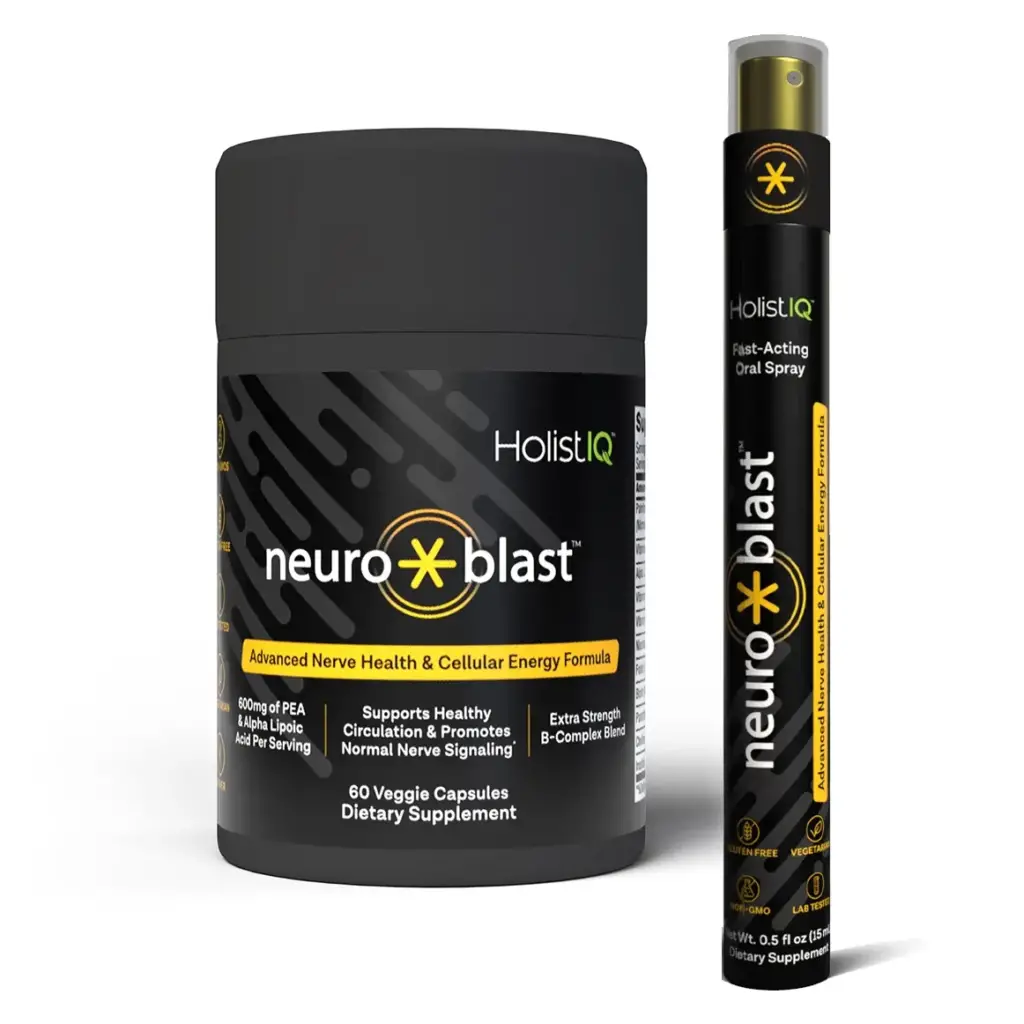
We designed the Neuro-Blast System because we saw a need for a more intelligent, comprehensive approach to nerve support. It’s more than just a PEA supplement; it’s a complete, doctor-led system that combines PEA with other powerful, clinically-researched ingredients. Our unique formula uses an AI-enhanced process to ensure every component works together to provide deep, cellular-level support for your nervous system.
The system includes both daily capsules and a rapid-absorb oral spray, a combination that helps calm irritated nerves and supports long-term nerve health. Instead of just masking discomfort, our goal is to address the underlying issues. You can learn more about our unique approach and how it works to provide lasting relief and help you get back to the activities you love.
Other Top-Rated PEA Options
While we stand behind our system, we know it’s helpful to understand the broader market. Many people have found success with various PEA supplements for different kinds of discomfort. Online user ratings often show people reporting relief from nerve-related pain, back issues, and other chronic conditions.
When looking at other options, search for brands that are transparent about their ingredients and manufacturing processes. A high-quality supplement will typically feature positive customer testimonials, clear dosage instructions, and third-party testing for purity and potency. Pay close attention to what other ingredients are included, as some formulas add compounds that may not be right for you. Always choose a product from a reputable company that prioritizes safety and quality.
Micronized vs. Standard PEA: Which Is Better?
You might see the terms “micronized” or “ultra-micronized” on PEA supplement labels, and it’s a critical distinction. Standard PEA is a fatty acid molecule that is naturally difficult for the body to absorb because it doesn’t dissolve well in water. This means a significant portion of a standard dose might pass through your system without ever being used.
Micronization is a process that breaks the PEA particles down into much smaller sizes. This dramatically increases the surface area of the PEA, making it easier for your body to absorb and utilize. A systematic review of clinical trials has highlighted that this enhanced absorption may improve its effectiveness for pain relief. For this reason, a micronized formula is almost always the better choice for getting the maximum benefit from your supplement.
How to Choose the Right PEA Supplement
Walking down the supplement aisle (or scrolling online) can feel overwhelming. With so many PEA options available, how do you know which one will actually help you get moving again? The truth is, not all supplements are created equal. The effectiveness of PEA depends heavily on its quality, formulation, and dosage. A cheap, low-quality supplement might not give you the results you’re hoping for, which can be incredibly frustrating when you’re seeking relief.
Making an informed choice means looking beyond the price tag and understanding what makes a PEA supplement truly effective. It’s about finding a product that your body can actually absorb and use. Things like particle size, purity, and the other ingredients in the bottle play a huge role. A comprehensive approach, like the Neuro-Blast System, is designed to address these factors, ensuring you get a high-quality product that supports your nervous system. Let’s break down exactly what you should look for on the label to find the best PEA supplement for your needs.
Finding the Right Dose and Strength
One of the first questions people ask is, “How much PEA should I take?” The answer isn’t one-size-fits-all. Clinical studies have explored a wide range of daily doses, typically from 300 mg to 1200 mg, but a single “perfect” dose hasn’t been established. Your ideal amount can depend on your body, your needs, and the specific product you’re using.
A good starting point is to choose a supplement that falls within this clinically studied range and see how your body responds. Some people find relief with a lower dose, while others may need more. It’s always a good idea to follow the product’s recommended usage instructions. This takes the guesswork out of the equation and ensures you’re using the supplement as intended for the best results.
Why Micronized Formulas Matter for Absorption
Have you ever seen the word “micronized” on a supplement label and wondered what it meant? When it comes to PEA, it’s a game-changer. PEA is naturally a fatty, waxy substance, which means it doesn’t dissolve well in water and can be difficult for your body to absorb. Think of it like trying to mix oil and water.
Micronization is a process that breaks the PEA particles down into much smaller, microscopic sizes. This dramatically increases the surface area of the compound, making it easier for your body to absorb and put to work. An ultramicronized formula takes this a step further for even better bioavailability. Choosing a micronized PEA supplement ensures that more of what you take actually gets used by your body, which is key to how it works to support your nerves.
Look for These Quality Certifications
Certifications are your shortcut to identifying high-quality supplements. They act as a third-party stamp of approval, confirming that a product meets specific standards for purity and manufacturing processes. For PEA, one of the most important certifications to look for is PEAopt®. This seal indicates that the PEA is of the highest purity and has been processed for optimal absorption.
Another important certification is GMP, which stands for Good Manufacturing Practices. This ensures the product was produced in a facility that follows strict quality control standards set by the FDA. Seeing these certifications on a label gives you confidence that you’re buying a safe, pure, and effective product from a company that takes quality seriously.
Check for Clean Ingredients (and What to Avoid)
The active ingredient is important, but so are the “other ingredients.” Always flip the bottle over and read the full ingredient list. A high-quality supplement should have a clean, simple formula without a long list of unnecessary additives. Be on the lookout for artificial fillers, binders, sugars, or sweeteners. These ingredients don’t offer any health benefits and can sometimes cause sensitivities or digestive upset.
Your goal is to find a supplement that supports your health, not one that’s loaded with junk. A clean formula shows that the manufacturer is focused on delivering the active ingredient effectively without cutting corners. Choosing a product with minimal, high-quality ingredients is a simple way to ensure you’re putting only the best into your body.
Are There Any Side Effects of Taking PEA?
When you’re dealing with nerve discomfort, the last thing you want is a solution that causes more problems. That’s why one of the most appealing aspects of PEA (palmitoylethanolamide) is its strong safety profile. Because PEA is a fatty acid amide that your body produces naturally, it’s generally very well-tolerated. Unlike many traditional pain relievers that can come with a long list of warnings, PEA works with your body’s own systems to calm distressed nerves.
Clinical studies have consistently shown that PEA is safe for adult use, even over long periods. This isn’t just a hopeful claim; it’s backed by research that shows people can take PEA without the significant risks often associated with other options. However, just like with any supplement, it’s smart to be fully informed before adding it to your routine. Understanding the full picture—from how it works on a cellular level to how it might interact with other things you’re taking—is key to getting the best results. Knowing what to expect helps you feel confident as you take steps to get moving again.
Commonly Reported Side Effects (If Any)
If you’re worried about side effects, you can breathe a sigh of relief. The vast majority of people who take PEA report no adverse effects at all. A comprehensive systematic review of multiple studies found PEA to be remarkably safe. In the rare instances that side effects were noted, they were incredibly mild. A few participants in one study mentioned slight, temporary stomach upset when they first started taking the supplement. This is a common reaction when introducing anything new to your digestive system and typically resolves on its own. Overall, PEA is not associated with any serious or long-term side effects, making it a gentle option for nerve support.
Potential Drug Interactions to Know
Many people exploring PEA are also using other medications or supplements to manage their discomfort. The good news is that PEA is generally considered safe to use alongside other common pain medications, including NSAIDs like ibuprofen and even some prescription relievers. However, “generally safe” isn’t a green light to mix and match without guidance. Your health profile is unique, and the only way to be certain about potential interactions is to speak with your doctor. They can review your full list of medications and supplements to ensure everything will work together effectively and safely. This conversation is a crucial step before starting any new health regimen.
When to Talk to Your Doctor First
Before you begin taking PEA, it’s always best to have a conversation with your doctor or a pain management specialist. This isn’t just a formality; it’s about creating a personalized plan that’s right for you. Your doctor can offer advice on the appropriate dosage for your specific needs and confirm that PEA is a good fit for your overall health strategy. Think of it as a team effort. You bring your knowledge of your body and your symptoms, and your doctor brings their medical expertise. Together, you can make an informed decision. If you have any questions about how PEA works, you can also find helpful information and customer support to guide you.
PEA vs. Traditional Pain Relievers
When you’re dealing with persistent nerve discomfort, reaching for a familiar bottle of over-the-counter pain reliever can feel like the only option. But these solutions often just mask the symptoms for a few hours. Palmitoylethanolamide (PEA) works differently. Instead of simply blocking pain signals, PEA works with your body’s internal systems to calm irritated nerves and address the underlying inflammation at the source. It’s a fundamentally different approach that aims for lasting support rather than temporary relief.
This distinction is key for anyone looking for a sustainable way to manage their comfort. While traditional pain relievers have their place, they aren’t always designed for long-term use. PEA offers a way to support your nervous system from the inside out, helping your body regulate its own response to discomfort. Let’s look at how it stacks up against the options you might find in your medicine cabinet.
How PEA Compares to Over-the-Counter Options
Many people turn to PEA because it offers a gentle yet effective alternative to common pain relievers like NSAIDs (ibuprofen, naproxen). One of the biggest differences is how it interacts with your body. PEA is a fatty acid amide that your body naturally produces to calm inflammation and soothe nerves. Supplementing with it simply enhances this existing biological process. Studies show that PEA can significantly reduce chronic pain, with patients in one meta-analysis reporting a notable drop in their pain levels compared to those taking a placebo.
Furthermore, PEA is known for its strong safety profile. While long-term use of some OTC medications can lead to stomach or kidney issues, research on PEA has found it to be remarkably well-tolerated. Most studies report no side effects at all, with only a few instances of very mild, temporary stomach issues. This makes it a compelling choice for daily, ongoing nerve support.
Can You Combine PEA with Other Natural Remedies?
One of the most practical questions people have is whether PEA will interfere with their current pain management plan. The good news is that PEA is generally considered safe to take alongside other remedies. Because it works with your body’s natural systems, it doesn’t typically compete with other compounds. In fact, many find that it complements their existing routine.
Research and clinical experience suggest that PEA can be used safely with other pain medications, including NSAIDs, CBD, and even some prescription pain relievers. Of course, it’s always a smart move to talk with your doctor before adding any new supplement to your regimen, especially if you are taking other medications. This ensures your entire wellness plan is working together cohesively to support your health goals.
Understanding Why Your Results May Vary
Just like with any supplement, individual results with PEA can differ. Your unique body chemistry, the severity of your nerve discomfort, and your consistency all play a role in how you’ll respond. For many, PEA is a game-changer, offering a natural, non-habit-forming way to find relief. However, it’s also true that some users see no benefit. This variability is normal and highlights the importance of patience.
Timing is also a key factor. PEA isn’t an instant fix; it works by gradually helping your body restore balance. While some people report feeling better in as little as two weeks, most clinical studies note that significant improvements are often seen after four weeks or more of consistent use. Giving it time to build up in your system is the best way to see if it’s the right solution for you.
Common Myths About PEA, Busted
When a compound like PEA starts getting attention for its ability to support nerve comfort, it’s only natural for some confusion to follow. Misinformation can spread quickly, making it hard to know what to believe. It’s important to separate fact from fiction so you can make informed decisions about your health and find what truly works for you. Let’s clear the air and tackle some of the most common myths about PEA head-on. Understanding the truth can help you set realistic expectations and choose a path toward relief with confidence.
Myth: PEA Is a “Cure-All” for Chronic Pain
It’s easy to hope for a single magic bullet that will erase nerve discomfort for good, but it’s important to see PEA for what it is: a powerful tool for management, not a cure. Think of it as a way to help your body regulate its response to pain and inflammation. Many user experiences show that while PEA provides significant relief, symptoms can return if they stop taking it. This suggests PEA works by actively supporting your nervous system to keep discomfort at bay. Rather than a one-and-done fix, it’s a consistent way to manage your symptoms, improve your daily comfort, and get back to doing the things you love.
Myth: PEA Will Make You Feel “High”
Let’s clear this one up right away: PEA absolutely will not make you feel “high.” This myth likely comes from confusion with other compounds that interact with the endocannabinoid system, like THC. However, PEA works differently. It’s a natural fatty acid that your own body produces to help calm distressed cells and reduce inflammation. It doesn’t have any psychoactive properties. Its entire job is to work at the cellular level to bring your system back into balance and soothe irritated nerves. You can feel confident knowing that PEA helps manage physical discomfort without altering your mental state.
Myth: All PEA Supplements Are the Same
Walking down the supplement aisle, you might think one bottle of PEA is just like any other, but that couldn’t be further from the truth. The effectiveness of a PEA supplement depends heavily on its formulation. PEA is a fatty molecule that doesn’t dissolve easily in water, which can make it difficult for your body to absorb. To overcome this, high-quality supplements use micronized or ultramicronized PEA—where the particles are broken down to be much smaller. This process can dramatically help with absorption, ensuring more of the active ingredient gets where it needs to go. Purity, dosage, and the other ingredients in the formula also play a huge role, so choosing a well-designed system is key.
Where to Buy Quality PEA Supplements
Once you’ve decided to try PEA, the next step is figuring out where to find a high-quality supplement you can trust. The market is filled with options, and not all of them are created equal. Knowing where to look and what to look for can make all the difference in your experience. A reputable product from a reliable source ensures you’re getting the purity and potency you need for real support. Let’s walk through a few tips for finding the best PEA supplements available.
Our Recommended Retailers
When you’re looking for quality PEA supplements, it’s smart to start with retailers who have a solid reputation for transparency and high-quality ingredients. For example, online stores like BulkSupplements are a popular choice because they focus on pure ingredients and often provide detailed product information. Another great option is Vitalitus, which carries a variety of PEA products and frequently offers promotions for new customers. Shopping with established retailers like these helps ensure you’re getting a legitimate product that has been properly sourced and tested for quality.
How to Save with Subscriptions or Bulk Buys
Consistency is key when taking any supplement, and running out can disrupt your routine. Many retailers offer subscription services that not only ensure you have a steady supply but also help you save money. For instance, some companies provide a recurring order option that gives you a discount, like the 10% savings offered by ICN Sales on their PEAORA POLY 500® product. This is a fantastic way to cut down on costs over time while making sure you never miss a dose. If you’re confident that PEA is right for you, buying in bulk can also be a smart financial move.
Warning Signs of a Low-Quality Supplement
It’s crucial to be a savvy shopper and know the red flags of a subpar supplement. One of the biggest factors with PEA is its absorption rate. On its own, PEA doesn’t dissolve well in water, which can make it difficult for your body to absorb and use effectively. Because of this, you should always look for products that are labeled as “micronized” or “ultramicronized.” This means the PEA particles have been broken down to be much smaller, a process that has been shown to enhance bioavailability. If a product doesn’t mention this, it might not be as effective, and you won’t get the full benefit.
Related Articles
- Palmitoylethanolamide (PEA) Archives – Neuro-Blast
- Palmitoylethanolamide Side Effects: What to Know
- PEA Side Effects: Are They Common or Serious?
- PEA and ALA Supplement Benefits: A Complete Guide
Frequently Asked Questions
How long will it take for me to feel a difference? Patience is important when starting PEA. While some people notice improvements within a couple of weeks, it often takes four to eight weeks of consistent use to experience the most significant benefits. This is because PEA works by supporting your body’s natural systems to calm inflammation and soothe nerves, a process that happens gradually over time.
Is it safe to take PEA with my current medications? PEA is known for its excellent safety profile and generally doesn’t interfere with other common pain relievers. However, your health situation is unique. It is always the best and safest practice to have a conversation with your doctor before adding any new supplement to your routine to ensure it’s the right fit for your specific health plan.
Why is a “micronized” PEA supplement better? Think of it this way: PEA is a fatty substance that doesn’t dissolve easily, making it hard for your body to absorb. The micronization process breaks the PEA particles down into microscopic sizes, which dramatically improves how well your body can absorb and use them. Choosing a micronized formula ensures you get the most out of every dose.
Can I get enough PEA just from the foods I eat? While PEA is found in small amounts in foods like egg yolks and soybeans, the quantities are far too low to have a real therapeutic effect on chronic nerve discomfort. To get a dose that provides meaningful relief and supports your nervous system, a high-quality supplement is the most effective and reliable approach.
Is PEA addictive or will I build a tolerance to it? No, PEA is not addictive and does not cause a “high.” It works by supporting your body’s own pain-regulating systems, not by overriding them. Because of this natural mechanism, you don’t build up a tolerance to it over time, making it a suitable option for long-term, consistent support.