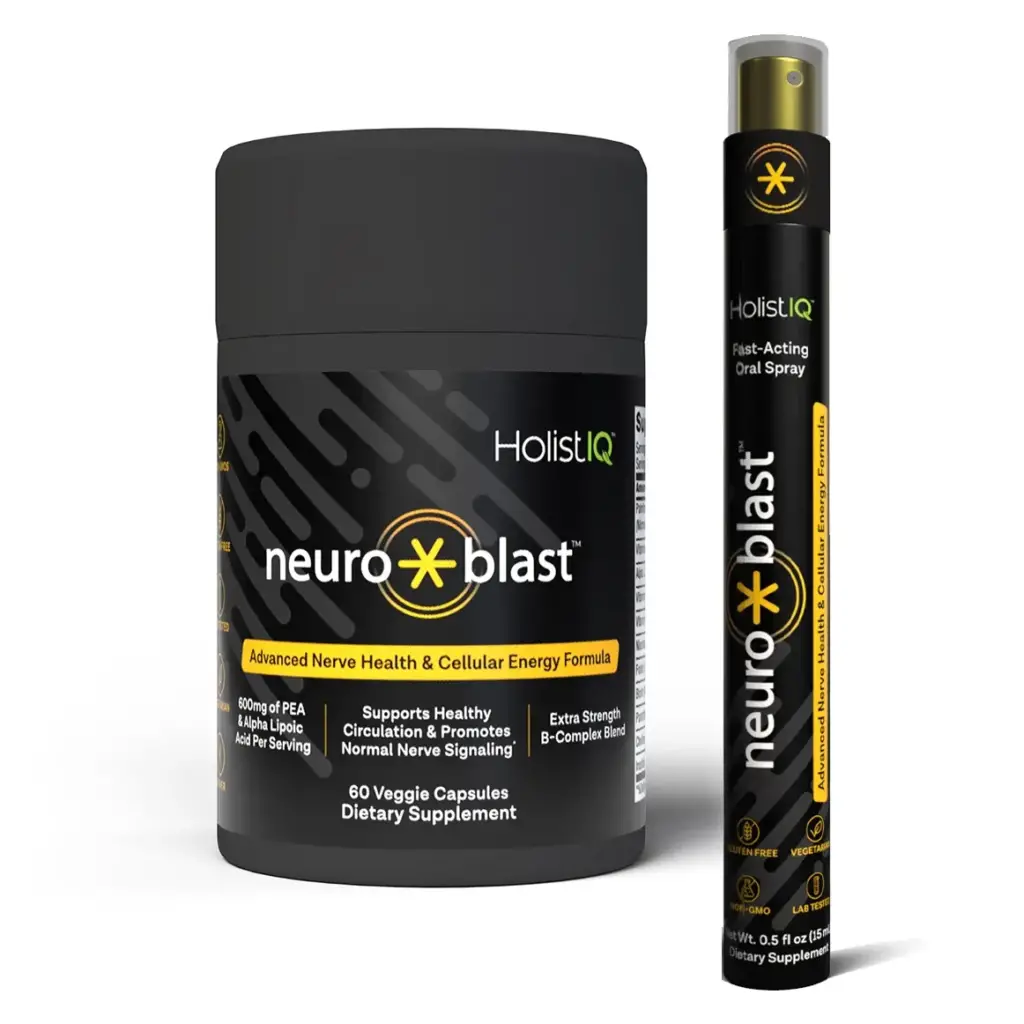
For many people managing nerve discomfort, the goal isn’t just temporary relief; it’s finding a sustainable solution that addresses the problem at its source. While some treatments focus on blocking pain signals, a more foundational approach aims to create a healthier environment for your nerves to function. This is the core idea behind using Palmitoylethanolamide (PEA) and Alpha Lipoic Acid (ALA). These ingredients don’t just put a bandage on the issue. Instead, they work on a cellular level to calm inflammation and shield nerve cells from further harm. This proactive strategy is why PEA and alpha lipoic acid for neuropathy represent a significant step forward in nerve support, offering a path toward lasting comfort.
Key Takeaways
- PEA and ALA work together for comprehensive support: PEA helps calm current nerve irritation and discomfort, while ALA acts as an antioxidant to protect your nerve cells from future damage.
- Quality matters more than quantity: Look for supplements with third-party testing and transparent, clinically supported dosages, as not all formulas are equally effective or safe.
- Be consistent and consult your doctor: Supporting nerve health is a gradual process that requires patience, and it’s vital to discuss any new supplements with your healthcare provider to ensure they are a safe fit for you.
What Are PEA and Alpha Lipoic Acid?
If you’ve started looking into nerve support, you’ve likely come across two key ingredients: Palmitoylethanolamide (PEA) and Alpha Lipoic Acid (ALA). These compounds are at the forefront of modern nerve health because of how they work within the body to address discomfort at a cellular level. Understanding what they are and what they do is the first step toward finding effective relief. Let’s break down these two powerhouses and see why they are so important for anyone dealing with nerve-related issues.
What is Palmitoylethanolamide (PEA)?
Think of Palmitoylethanolamide (PEA) as your body’s own natural peacemaker. It’s a type of fatty acid amide that your body produces to calm down distressed cells and restore balance. You can also find it in small amounts in foods like egg yolks and peanuts. For years, researchers have recognized PEA for its powerful anti-inflammatory properties, which is why it’s so helpful for nerve discomfort. When your nerves are irritated, PEA steps in to help soothe the inflammation and reduce pain signals. It’s a gentle yet effective way to support your nervous system from the inside out, which is why it’s a core component of the Neuro-Blast system.
What is Alpha Lipoic Acid (ALA)?
Alpha Lipoic Acid (ALA) is a potent antioxidant that acts as a personal bodyguard for your nerve cells. Your body makes a small amount of it, but getting more can provide extra support. ALA works in two important ways: first, it helps protect your nerves from the damage caused by oxidative stress, which is a major contributor to neuropathy symptoms. Second, it can directly help reduce pain signals. Clinical studies have shown that ALA can significantly reduce nerve pain, with many trials finding a 600 mg daily dose to be particularly effective. This dual-action approach makes ALA a vital ingredient for comprehensive nerve support.
How Do PEA and ALA Help with Nerve Discomfort?
When you’re dealing with nerve discomfort, understanding how a potential solution works is key. Palmitoylethanolamide (PEA) and Alpha Lipoic Acid (ALA) are two ingredients that address nerve health from different angles. Think of them as a team: one calms immediate irritation, while the other protects your nerves for the long haul. Together, they create a supportive environment that helps your nervous system function better. Let’s look at the specific role each one plays and why their combined effort is so effective for getting you moving again.
How PEA Calms Inflammation and Pain
Imagine PEA as your body’s own natural peacemaker. It’s a fatty acid your body produces to help manage inflammation and calm down pain signals. When your nerves are irritated, the body’s inflammatory response can go into overdrive, leading to the discomfort you feel. Research shows that PEA is a primary player in providing strong pain relief by directly addressing this inflammation. It works at a cellular level to soothe agitated nerves, helping to reduce the intensity of those tingling, burning, or sharp sensations.
How ALA Protects Nerve Cells
If PEA is the peacemaker, think of ALA as the bodyguard for your nerve cells. Alpha Lipoic Acid is a powerful antioxidant that helps protect your cells from damage. For people with nerve discomfort, this protective quality is crucial. Stressors like high blood sugar can create harmful molecules that damage nerve cells over time. ALA steps in to neutralize these threats, shielding your nerves from further harm. Studies have found that ALA not only protects nerves but may also directly reduce pain signals, offering another layer of support.
Why They Work Better Together
This is where the real magic happens. While PEA and ALA are effective on their own, they are more powerful when they work in tandem. PEA works to calm existing inflammation and pain, while ALA provides a protective shield to prevent future damage. This two-pronged approach creates a comprehensive support system for your nerves. Clinical studies confirm this, showing that combining PEA and ALA can lead to significant improvements in pain and nerve function. This synergistic effect is the foundation of the Neuro-Blast System, which is designed to provide deep, cellular-level support.
What Does the Research Say?
It’s one thing to hear about promising ingredients, but it’s another to see what the science says. When it comes to PEA and Alpha Lipoic Acid, researchers have been paying close attention, especially for their roles in managing nerve discomfort. The good news is that the findings are encouraging, showing that these compounds can make a real difference in nerve health and comfort.
Instead of just taking our word for it, let’s look at what the studies show. We’ll break down the research on PEA, ALA, and what happens when they’re used together. This can help you understand the science-backed reasons why they are key ingredients in effective nerve support systems like Neuro-Blast. Understanding the evidence is a great step toward making an informed decision about your health and getting back to the activities you love.
Clinical Studies on PEA for Nerve Health
Palmitoylethanolamide, or PEA, isn’t a synthetic substance created in a lab. It’s a natural fatty acid that your body already produces, and it’s also found in foods like egg yolks. For years, it has been recognized for its anti-inflammatory abilities. A comprehensive systematic review of multiple studies found that PEA significantly reduced chronic pain across various conditions. This suggests it has strong potential as a natural way to support nerve health and calm discomfort. By helping to manage inflammation at the source, PEA offers a gentle yet effective approach to soothing irritated nerves and restoring comfort.
Research on ALA for Diabetic Neuropathy
Alpha Lipoic Acid (ALA) is a powerful antioxidant that plays a crucial role in protecting your nerve cells. For people with diabetes, high blood sugar can cause oxidative stress that damages nerves over time. Research shows that ALA can help shield nerves from this damage. A large meta-analysis of clinical trials focused specifically on diabetic neuropathy and found that ALA was effective in managing nerve pain. It works by not only protecting the nerves but also by directly helping to reduce pain signals, making it a well-rounded and promising option for those dealing with this type of nerve discomfort.
Results from Combined PEA and ALA Studies
While PEA and ALA are effective on their own, studies show they work even better as a team. When combined, their unique properties create a synergistic effect that offers more comprehensive support. One clinical trial looked at the combination of PEA and ALA for people with diabetic neuropathy. The results were impressive. Not only did the combination significantly reduce pain, but it also improved sensory functions, like the ability to feel vibrations. This indicates a real improvement in nerve function, not just symptom relief. It’s this powerful partnership that helps people feel better and regain sensation.
Common Myths About PEA and ALA, Debunked
When certain supplements start getting attention for their benefits, myths and misunderstandings often follow. It can be tough to sort through the noise. Let’s clear up some of the most common misconceptions about PEA and Alpha Lipoic Acid so you can feel confident about the choices you make for your nerve health.
Myth: All PEA Supplements Are the Same
It’s easy to assume that one bottle of PEA is just like the next, but that’s not the case. The quality, purity, and form of PEA can vary dramatically between brands, which directly impacts how well it works. High-quality supplements often use patented, clinically researched ingredients to ensure you’re getting a safe and effective product. The way the PEA is processed also matters. For example, some formulas use micronized PEA, which means the particles are much smaller and easier for your body to absorb. When you’re comparing options, look beyond the price tag and check for details about sourcing, purity, and the specific formulation of the ingredients.
Myth: A Higher Dose of ALA Is Always Better
With supplements, our first thought is often that more is better, but this is a dangerous myth, especially with Alpha Lipoic Acid. Your body can only use so much of a substance effectively, and going beyond that amount doesn’t add more benefits. In fact, it can do the opposite. Research on ALA for neuropathy found that taking more than 600 mg per day didn’t lead to better results. What it did lead to was an increase in side effects like nausea and dizziness. The key is to find the right, effective dose, not the highest one possible. Always stick to the recommended dosage on the product label or as advised by your doctor.
Myth: They Are Completely Risk-Free
While PEA and ALA are generally considered safe, no supplement is entirely without potential side effects. It’s important to have a realistic picture. PEA has an excellent safety record, with most studies reporting no side effects at all. When they do occur, they are typically mild and temporary stomach issues. ALA is also well-tolerated by most people, but some long-term studies have shown that it can cause more side effects compared to a placebo. This doesn’t mean they are unsafe, but it does mean you should pay attention to how your body responds and always discuss new supplements with your healthcare provider, especially if you have other health conditions or take other medications.
How to Use PEA and Alpha Lipoic Acid Effectively
Once you’ve decided to try PEA and alpha lipoic acid, you’ll want to make sure you’re getting the most out of them. It’s not just about remembering to take a supplement; it’s also about using the right amount, at the right time, and in the right form. How you take these ingredients can make a significant difference in the results you experience. By understanding a few key factors, you can create a routine that gives your body the best possible support for nerve comfort and function.
Think of it like tending to a garden. You need the right seeds, but you also need the right amount of water and sunlight at consistent times for the plants to flourish. Similarly, an effective supplement strategy involves more than just the ingredients themselves. It requires a thoughtful approach to dosage, timing, and the quality of the formula you choose. Let’s walk through how to build a smart and effective plan for incorporating PEA and ALA into your daily life.
Finding the Right Dosage for You
Figuring out the right amount of any supplement can feel tricky, as there’s no universal answer. The ideal dosage often depends on your individual health needs and body chemistry. However, research gives us a great starting point. For instance, many clinical trials have found that a daily dose of 600mg of alpha lipoic acid can help reduce nerve-related symptoms.
It’s always a good idea to start with the dose recommended on the product label and see how your body responds. The most important step is to talk with your doctor. They can help you determine a safe and effective dosage based on your personal health profile. A well-formulated product like the Neuro-Blast system is designed to provide specific, science-backed doses, which helps remove the guesswork.
The Best Way and Time to Take Them
Consistency is your best friend when it comes to supplements. Taking PEA and ALA at the same time every day helps maintain stable levels in your body, which is key for achieving the best results. Many people find it helpful to incorporate them into their morning or evening routine, like taking them with breakfast or before bed.
Some studies suggest that these compounds work even better when combined with other supportive nutrients. A 2024 study looked at a combination of PEA, ALA, and several B vitamins, showing positive outcomes for people with diabetic neuropathy. Because ALA can sometimes cause an upset stomach, you might find it’s best to take it with a small meal. The goal is to find a simple, repeatable routine that works for you.
Micronized vs. Standard Formulas: What’s the Difference?
When you’re looking at supplement labels, you might see the term “micronized.” This simply means the ingredient has been broken down into tiny, microscopic particles. Why does that matter? Smaller particles are easier for your body to absorb. Better absorption means more of the active ingredient can get to your cells to do its job, making the supplement more effective.
Choosing a high-quality, micronized PEA supplement can give you more confidence that your body is making full use of the ingredient. This focus on absorption is a hallmark of a premium product. Advanced formulas are often engineered to support the nervous system on a cellular level, and using micronized ingredients is one way they achieve that. You can learn more about how this cellular-level support works to provide lasting comfort.
Are PEA and Alpha Lipoic Acid Safe?
Whenever you consider adding a new supplement to your routine, safety is naturally the first thing on your mind. It’s important to feel confident and informed about what you’re putting into your body. The good news is that both PEA and Alpha Lipoic Acid have been studied for their safety, and understanding their profiles can help you make the best decision for your health. Let’s look at what the research says about each one.
The Safety Profile of PEA
You can feel confident knowing that PEA is widely regarded as very safe. It’s a substance your body already produces, which contributes to its gentle nature. A comprehensive systematic review of multiple trials found that most participants reported no side effects at all. In the rare instances where side effects were mentioned, they were typically mild and temporary stomach issues, like indigestion. This excellent safety profile makes PEA a suitable option for many people, especially those who may be sensitive to other types of supplements or medications. It offers a way to support your body’s response to discomfort without introducing harsh ingredients.
ALA Safety and Dosage Limits
Alpha Lipoic Acid is also considered safe, but the key is sticking to the right amount. Research consistently shows that a daily dose of 600 mg is effective for supporting nerve health in people with diabetes. What’s interesting is that studies also found that taking more than this amount doesn’t lead to better results. In fact, higher doses are more likely to cause unwanted side effects like nausea, vomiting, or dizziness. This is a clear case where more is not better. Following the recommended dosage allows you to get the benefits of ALA without the drawbacks, making it a reliable part of your wellness plan.
Potential Drug Interactions to Be Aware Of
It’s always smart to be mindful of how supplements might interact with medications you’re already taking. Because ALA is an antioxidant that can influence blood sugar, it’s essential to discuss it with your doctor, especially if you take medication for diabetes or other conditions that affect blood sugar. Your doctor can help you understand how to safely incorporate ALA into your routine and monitor its effects. This conversation is a crucial step before starting any new supplement, ensuring your entire care plan works together for your benefit.
How to Choose a High-Quality Supplement
Walking down the supplement aisle or browsing online can feel overwhelming. With so many brands making big promises, how do you know which ones you can trust? The supplement industry isn’t regulated in the same way as pharmaceuticals, which means the quality can vary dramatically from one bottle to the next. It’s up to you to be a smart shopper. Taking the time to vet a supplement ensures you’re getting a pure, effective product that will actually help you, not one that’s full of fillers or, worse, harmful contaminants.
Choosing a high-quality supplement comes down to a few key factors: independent verification, clear labeling, and brand reputation. A trustworthy company will be proud to show you what’s in their product and how it’s made. They understand that your trust is earned through transparency. By learning what to look for, you can confidently select a PEA and Alpha Lipoic Acid supplement that supports your health goals and gives you peace of mind. The right product can be a powerful tool in your wellness journey, and it all starts with making an informed choice.
Look for Third-Party Testing and Verification
Think of third-party testing as an unbiased quality check. Because supplement companies aren’t required to get FDA approval before selling their products, independent verification is your best guarantee of quality. Reputable brands voluntarily send their products to an outside lab to confirm that what’s on the label is actually in the bottle. This process verifies the identity and strength of the ingredients and screens for unwanted contaminants like heavy metals, pesticides, and microbes.
When you’re shopping, look for seals from organizations like NSF International or USP (U.S. Pharmacopeia) on the packaging or the company’s website. This seal means the product has passed rigorous testing standards for safety and quality. It’s a simple way to see which brands are committed to going the extra mile for their customers.
Check for Ingredient Transparency and Proper Dosing
A high-quality supplement should never feel like a mystery. A trustworthy brand will be completely transparent about its ingredients, including where they come from and the exact amount of each one in every dose. Vague labels with terms like “proprietary blend” can be a red flag, as they might hide ineffective, low doses of the active ingredients you’re paying for. You want to see specific amounts listed clearly so you know you’re getting a dose that aligns with what clinical research has found to be effective.
This transparency shows that a company stands behind its formula and is confident in its product’s ability to deliver results. At Neuro-Blast, we explain exactly how it works by breaking down our key ingredients and their roles in supporting nerve health.
How to Spot a Reputable Brand
A reputable brand is built on a foundation of trust, quality, and customer satisfaction. These companies often use patented or clinically researched ingredients because they are committed to formulas backed by science. They are also open about their sourcing and manufacturing processes, giving you a clear picture of the product’s journey from raw material to finished capsule. Customer feedback is another great indicator of a brand’s character. Look for genuine testimonials and reviews that speak to both the product’s effectiveness and the company’s service.
Beyond the product itself, a great brand invests in its customers by providing helpful educational resources and accessible support. It shows they care about your well-being, not just a one-time sale. Learning more about a company’s mission and the people behind it can also give you confidence in your choice.
How Do PEA and ALA Compare to Traditional Options?
If you’re managing nerve discomfort, you’ve likely explored several conventional treatments. While these can be helpful, they don’t work for everyone, and many people are looking for alternatives that do more than just mask the symptoms. This is where compounds like PEA and ALA come in. They offer a different approach by working with your body’s natural systems to address discomfort at its source.
Unlike some traditional options that may come with a long list of side effects, PEA and ALA are known for being well-tolerated. They focus on supporting your nervous system on a cellular level, helping to calm inflammation and protect nerve cells from further damage. This approach aims for long-term support rather than just temporary relief, giving you a proactive way to manage your nerve health and get back to the activities you love.
Key Differences from Conventional Treatments
One of the biggest distinctions lies in how they work and who they help. Current medications for nerve pain only provide relief for less than half of the people who try them. PEA and ALA, on the other hand, offer a more foundational approach. PEA is a natural fatty acid your body produces to reduce inflammation and calm overactive nerve signals. ALA is a powerful antioxidant that helps protect nerve cells from damage. Instead of just blocking pain signals, they work to create a healthier environment for your nerves. A recent study found that a combination supplement including PEA and ALA reduced pain scores by about 33%, a significant improvement for those who participated.
Using Them as Part of Your Current Plan
Incorporating PEA and ALA into your routine doesn’t mean you have to abandon your current plan. Because of their strong safety profile, they can often be used alongside conventional treatments. Research has shown that a combination of these supplements is safe for long-term use, with no major side effects reported. This makes them a sustainable option for ongoing nerve support. A comprehensive formula like the Neuro-Blast System can be a simple way to add these powerful ingredients to your daily regimen. As always, it’s a great idea to discuss any new supplements with your doctor to ensure they fit well with your overall health plan.
Should You Consider PEA and Alpha Lipoic Acid?
Deciding whether to add new supplements to your routine is a personal choice, and it’s smart to be thoughtful about it. When you’re dealing with nerve discomfort, you’re likely looking for solutions that offer real, sustainable relief, not just a temporary fix. Palmitoylethanolamide (PEA) and Alpha Lipoic Acid (ALA) are two compounds that have been getting a lot of attention for their potential to support nerve health. The science behind them is compelling, suggesting they can help calm inflammation and protect nerve cells from damage. This is why we’ve incorporated them into our own doctor-led formulas, like the Neuro-Blast System, which is designed to address nerve discomfort at its source.
But what does this mean for you, specifically? It’s one thing to read about ingredients and another to know if they’re the right fit for your body and your goals. The key is to look at the evidence and consider your own health situation. Understanding who stands to gain the most from these supplements and recognizing the importance of professional medical advice are the first steps. This approach helps you make an informed decision, moving you closer to finding comfort and getting back to the activities you love. Before you make any changes, it’s helpful to explore who these supplements are best suited for and why a chat with your healthcare provider is a non-negotiable part of the process. Let’s walk through what the research says and how you can approach this conversation.
Who Might Benefit Most?
If you’re managing nerve discomfort related to diabetic neuropathy, you’ll want to pay close attention here. Recent research has shown that the combination of PEA and Alpha Lipoic Acid can be particularly effective for this group. In one study, participants taking both supplements saw their pain scores drop by about 33% over six months, while the placebo group saw no change. This significant reduction in pain is linked to PEA’s natural ability to soothe inflammation and protect delicate nerve cells. For those seeking a way to manage their symptoms and improve their quality of life, these findings offer a promising path forward.
Why You Should Talk to Your Doctor First
While these results are exciting, it’s important to approach any new supplement with a clear head and professional guidance. The promising findings come from a study with a relatively small number of participants, so it’s just one piece of the puzzle. Your health is unique, and a supplement that works wonders for one person might not be right for another. A conversation with your doctor is essential. They can review your full health picture, including any other medications you’re taking, to make sure adding PEA and ALA is a safe and effective choice for you. This step ensures you’re making the best decision for your long-term well-being.
What to Expect When You Start
Starting any new health regimen is a commitment, and it’s natural to wonder when you’ll start feeling a difference. When it comes to nerve support, patience and consistency are your best friends. Unlike over-the-counter pain relievers that offer temporary fixes, ingredients like PEA and alpha-lipoic acid work with your body to address discomfort at its source. This process takes time, as your system needs to absorb these compounds and put them to work calming inflammation and protecting nerve cells.
Think of it as nurturing a garden. You wouldn’t expect a full bloom the day after planting a seed. You have to water it, give it sunlight, and trust the process. Similarly, giving your body consistent, targeted support allows it to gradually rebuild and restore balance. As you begin, focus on consistency and pay close attention to the small, positive shifts along the way.
A Realistic Timeline for Seeing Results
While everyone’s body is different, research gives us a good idea of what to expect. Studies focusing on alpha-lipoic acid for diabetic neuropathy found that participants started noticing effects after 8 to 16 weeks of consistent use. This isn’t an overnight fix because the goal is to provide deep, cellular-level support, not just mask symptoms. Your body is using these ingredients to calm overactive nerves and reduce inflammation, which is a gradual but meaningful process.
The key is to stick with it. Some people may notice subtle improvements sooner, like a slight reduction in tingling or a better night’s sleep. For others, the most significant changes will come after a few months. Trust that you’re giving your body the tools it needs to get back on track.
How to Track Your Progress and Make Adjustments
Keeping a simple journal can be a great way to monitor your progress. Each day, jot down your pain levels on a scale of 1 to 10, any changes in sensation, and how easily you’re moving. This helps you see patterns and recognize improvements you might otherwise miss. For reference, one study on a combination supplement found that participants experienced a 33% drop in their pain scores over several months.
It’s also important to keep other health factors, like your blood sugar levels, stable. This helps you know that the improvements you’re feeling are from your nerve support system. Reading about the journeys of others can also be encouraging. If you have questions about your progress, it’s always best to check in with your doctor before making any changes to your routine.
Related Articles
- Palmitoylethanolamide (PEA) Archives – Neuro-Blast
- PEA and ALA Supplement Benefits: A Complete Guide
- Alpha Lipoic Acid for Nerve Pain: What to Know
- Alpha Lipoic Acid (ALA) Archives – Neuro-Blast
Frequently Asked Questions
How long does it typically take to notice results from PEA and Alpha Lipoic Acid? Because these ingredients work at a cellular level to calm inflammation and protect nerves, the process is gradual. This isn’t an overnight fix. Based on clinical studies, many people begin to notice a real difference after about 8 to 16 weeks of consistent, daily use. The key is to be patient and stick with your routine, as you are supporting your body’s long-term nerve health, not just masking symptoms.
Can I take PEA and ALA with my current medications? This is an important question, and the only person who can answer it for you is your doctor. While both ingredients are generally safe, ALA can influence blood sugar levels. If you are taking medication for diabetes or any other condition, you must have a conversation with your healthcare provider before adding any new supplement to your plan. They can help ensure it’s a safe choice for your specific health needs.
Are there any side effects I should be aware of? Both PEA and ALA are known for being well-tolerated. PEA has an excellent safety record, with most studies reporting no side effects at all. For ALA, it’s all about the dosage. Sticking to the clinically effective amount, typically 600 mg per day, is key. Taking higher doses won’t provide extra benefits and may lead to mild side effects like an upset stomach or dizziness.
Why is taking PEA and ALA together better than just taking one? Think of them as a team with different but complementary jobs. PEA works to calm existing irritation and soothe overactive nerves, providing comfort. At the same time, ALA acts as a powerful antioxidant, protecting your nerve cells from the stress and damage that contribute to discomfort in the first place. By combining them, you get a comprehensive approach that addresses both current symptoms and long-term nerve protection.
I’ve seen cheaper supplements online. What makes a quality product different? The price of a supplement often reflects the quality of its ingredients and manufacturing process. A premium product will use pure, clinically studied ingredients and verify their potency through third-party testing. Look for brands that are transparent about their formulas and use highly absorbable forms, like micronized PEA, to ensure your body can actually use the ingredients effectively. A lower price can sometimes mean you’re getting fillers or less effective doses.