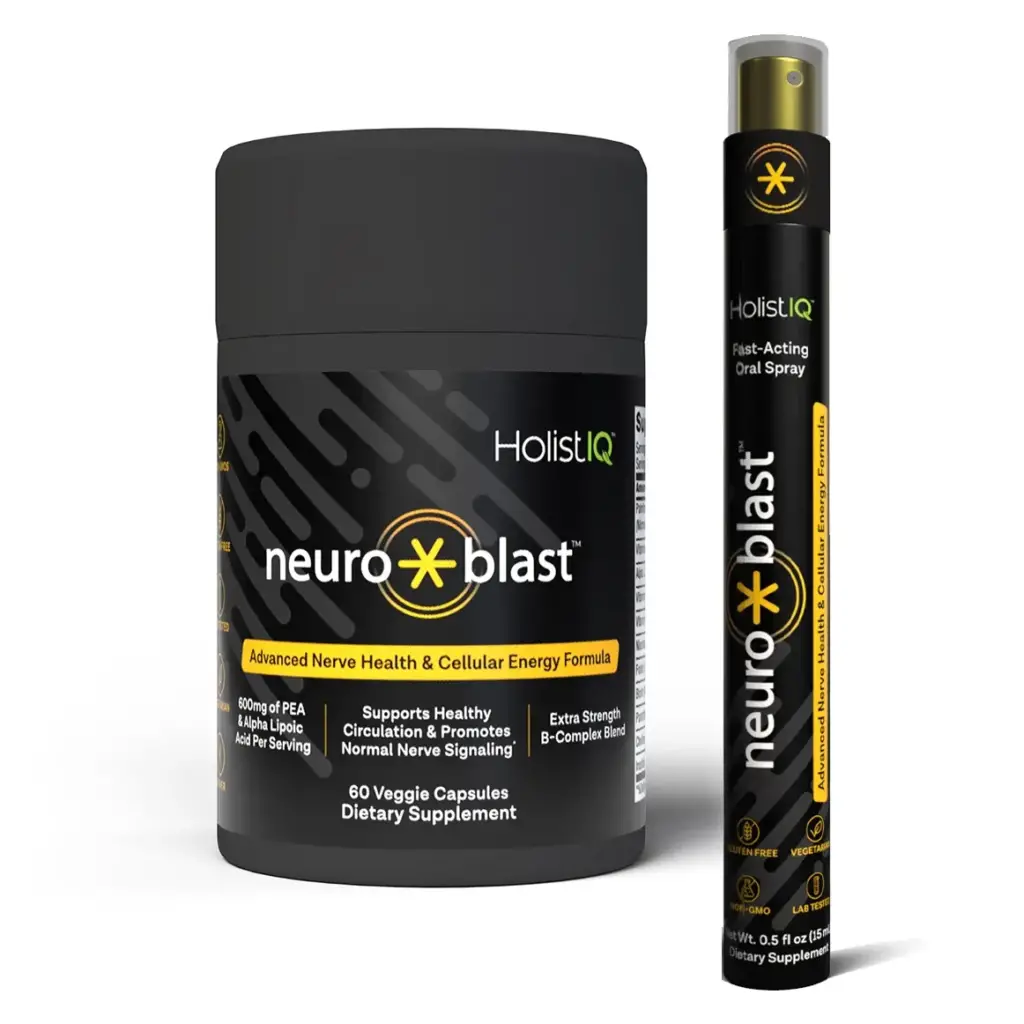

Nerve discomfort doesn’t just affect your body; it can put your life on hold, keeping you from the activities and people you love. The goal isn’t just to dull the pain—it’s to get back to living fully. This is where understanding how to support your body from the inside out becomes so important. Palmitoylethanolamide (PEA) is a unique compound that helps your body manage discomfort at the cellular level by calming inflammation and soothing irritated nerves. Instead of just covering up the problem, it addresses the underlying factors. Ahead, we’ll cover the key palmitoylethanolamide uses and explain how this natural compound can help you get back to your life.
Key Takeaways
- It Works With Your Body’s Natural Systems: PEA is a compound your body already makes to manage inflammation and pain. Instead of just masking symptoms like traditional painkillers, it works with your internal systems to calm discomfort at the source.
- Find Relief from Nerve-Related Pain: PEA is especially effective for the discomfort that comes with conditions like sciatica, diabetic neuropathy, and joint stiffness. It helps by soothing irritated nerves and quieting the persistent pain signals that can hold you back.
- Choose a Safe, Well-Researched Option: With a long history of clinical research, PEA is known to be safe and well-tolerated for long-term use. To get the most benefit, look for a high-quality, easily absorbed form of PEA from a brand you trust.
What is Palmitoylethanolamide (PEA)?
Let’s talk about Palmitoylethanolamide, or PEA for short. It might sound complex, but it’s actually a completely natural substance your body already produces. Think of it as your body’s own built-in repair crew. PEA is a type of fatty acid amide, a fat molecule that your cells create on demand, especially when they sense injury or inflammation. Its main job is to help restore balance and calm things down on a cellular level. This is why it’s gaining so much attention for its role in managing discomfort and supporting nerve health. Understanding how PEA works is a key step in finding effective, sustainable relief.
How Your Body Makes It
So, where does PEA come from? Your body is the primary factory. It’s a natural chemical made from the fats you consume. Whenever a part of your body experiences stress or damage, your cells get a signal to start producing PEA to help manage the situation. You can also find small amounts of PEA in certain foods, like egg yolks, soybeans, and peanuts. While diet can contribute, the amount you get from food is often not enough to make a significant impact on chronic discomfort, which is why many people turn to supplements to ensure they’re getting a consistent, effective dose.
A Quick Science Breakdown
Now for a little bit of science, made simple. PEA works by interacting with your body’s endocannabinoid system—the same system that helps regulate things like pain, mood, and immune response. But don’t worry, it’s not a cannabinoid like CBD or THC. Instead, PEA acts on specific receptors in your nervous system to help calm inflammation and turn down the volume on pain signals. Research shows that this naturally occurring fatty acid amide has been effective in addressing both neuropathic and inflammatory pain. It doesn’t just mask the symptoms; it works with your body’s own processes to address discomfort at its source.
How Does PEA Work in Your Body?
It’s one thing to know that PEA is a fatty acid your body produces, but how does it actually help with nerve discomfort? The magic of PEA is that it doesn’t introduce a foreign substance to overpower your symptoms. Instead, it works intelligently with your body’s own internal systems to restore balance and provide relief from the ground up.
Think of it as a skilled manager stepping in to help different teams in your body communicate better. It helps regulate pain signals, calm overactive inflammatory responses, and support your nervous system’s overall health. By addressing the root causes of discomfort, PEA offers a way to find lasting relief. Let’s look at the three main ways it gets the job done.
Working with Your Body’s Natural Systems
Your body has a master regulating network called the endocannabinoid system (ECS). This system is like an internal balancing act, constantly working to keep things like pain, inflammation, and immune responses in check. PEA works in harmony with this system. While it’s not a cannabinoid, it supports the ECS by influencing key receptors that help control pain and inflammation. By giving this natural system a helping hand, PEA encourages your body to manage discomfort more effectively on its own, which is a core part of how our system works to provide support.
How It Helps Manage Pain Signals
When you experience persistent discomfort, it’s because your nerves are sending continuous pain signals to your brain. PEA steps in to help quiet this constant chatter. It works at the cellular level to soothe irritated nerves, making them less likely to fire off these distress signals. The result is a noticeable reduction in pain perception. In fact, a major review of several studies found that PEA significantly reduced chronic pain. On a standard 11-point pain scale, people taking PEA reported feeling, on average, 1.68 points less pain than those who didn’t. This shows its direct impact on turning down the volume on pain.
Calming Inflammation at the Source
Inflammation is a major driver of nerve pain. While some inflammation is a normal part of healing, chronic inflammation keeps your nerves in a constant state of alert. PEA is particularly effective at addressing this. It helps calm down specific immune cells, like mast cells, which are often overactive in areas of chronic pain and nerve irritation. By reducing the inflammatory signals these cells release, PEA helps break the cycle of inflammation and pain right at the source. This approach aligns with a strategy of providing deep, cellular-level support rather than just masking symptoms, which is central to the Neuro-Blast System.
What Is PEA Used For?
Because PEA works with your body’s own systems to manage pain and inflammation, it has a surprisingly wide range of applications. It’s not a one-trick pony that only targets a single type of discomfort. Instead, its ability to calm overactive cells makes it a versatile option for various chronic conditions, from nerve-related issues to joint stiffness. Think of it as a master regulator that helps restore balance where your body needs it most. This is why you’ll see it mentioned in conversations about everything from sciatica to osteoarthritis. Let’s look at some of the most common ways people are using PEA to find relief and get back to the activities they love.
Neuropathic Pain Relief
Neuropathic pain is that frustrating, hard-to-pinpoint discomfort that comes from nerve damage. If you’ve ever felt burning, tingling, or shooting pains that seem to have a mind of their own, you know what this is like. Because this type of pain originates in the nervous system, it often doesn’t respond well to traditional pain relievers. This is where PEA comes in. Research suggests it’s particularly effective for neuropathic pain because it works directly with nerve cells, helping to calm their overexcited signals. By soothing the nerves at the source, PEA can help reduce those disruptive sensations and provide a more targeted sense of relief.
Chronic Pain Management
Living with chronic pain is more than just a physical challenge; it affects your mood, your sleep, and your ability to enjoy daily life. Studies have shown that PEA can significantly reduce chronic pain levels, but the benefits don’t stop there. A comprehensive systematic review found that people taking PEA also reported better sleep, improved physical function, and a higher overall quality of life. This is key. The goal isn’t just to dull the pain but to help you feel better as a whole person. By addressing the underlying inflammation and pain signals, PEA can be a valuable part of a long-term strategy for managing persistent discomfort.
Fibromyalgia Support
Fibromyalgia is a complex condition characterized by widespread pain, fatigue, and tenderness. Because its exact cause is still being researched, finding effective relief can be a long process of trial and error. Many people with fibromyalgia have turned to PEA as a natural option to help manage their symptoms. While it’s important to note that large-scale scientific studies are still ongoing, its pain-relieving and anti-inflammatory properties make it a promising compound. For those looking for a gentle, supportive supplement to add to their wellness routine, PEA offers a way to potentially address the body-wide discomfort associated with this condition.
Osteoarthritis and Joint Discomfort
The stiffness and pain of osteoarthritis can make simple movements feel like a major hurdle. This condition occurs when the protective cartilage in your joints wears down, leading to inflammation and discomfort. Research indicates that taking PEA can help lessen this pain and improve mobility for those with osteoarthritis. By calming the inflammatory response within the joint, PEA helps address the root of the discomfort. This can lead to not just less pain when you’re resting, but also greater ease and flexibility when you’re walking, gardening, or simply moving through your day.
Inflammatory Conditions
At the heart of many types of chronic pain—whether it’s in your nerves, joints, or muscles—is inflammation. It’s your body’s natural response to injury, but when it becomes chronic, it can cause persistent pain and damage. PEA is a powerful anti-inflammatory agent. It works by interacting with cells involved in your body’s inflammatory response, telling them to calm down and return to a state of balance. This mechanism is why PEA is helpful for such a broad spectrum of issues. By controlling inflammation, it helps reduce the pain signals being sent to your brain, offering foundational support for lasting comfort.
Can PEA Help with Nerve-Related Conditions?
Beyond general discomfort, research is exploring how PEA can help with specific, and often frustrating, nerve-related conditions. Because of its natural ability to work with your body’s own systems to calm inflammation and manage pain signals, PEA is showing promise in providing targeted support where it’s needed most. Let’s look at a few key areas where PEA may make a difference.
Diabetic Neuropathy
For many people living with diabetes, nerve discomfort is a daily reality. High blood sugar can damage nerves over time, leading to pain, tingling, or numbness, especially in the hands and feet. This is known as diabetic neuropathy. Studies show that PEA can be particularly helpful here by directly addressing the inflammation and pain signals that cause these disruptive sensations. By calming this underlying activity, PEA may help reduce the intensity of neuropathic pain, making daily movements more comfortable.
Sciatica and Nerve Compression
If you’ve ever felt the sharp, shooting pain of sciatica, you know how debilitating it can be. This pain happens when the sciatic nerve gets compressed or irritated, sending pain signals down your leg. Research suggests that PEA is effective in managing this type of pain. It works by modulating those overactive pain signals and reducing inflammation around the affected nerve. This dual-action approach can help soothe the irritation at the source, offering a way to manage the discomfort associated with sciatica and other nerve compression issues.
Multiple Sclerosis-Related Nerve Pain
Multiple sclerosis (MS) is a complex condition where the immune system damages the protective covering of nerves, leading to a wide range of symptoms, including chronic nerve pain. Research into PEA has highlighted its potential neuroprotective effects, meaning it may help protect nerve cells from damage. In studies, PEA has been shown to help alleviate some of the pain associated with multiple sclerosis. This suggests it could be a supportive option for managing the nerve-related discomfort that comes with MS, working alongside other therapies.
Post-Surgical Nerve Pain Recovery
Surgery is tough on the body, and sometimes, nerves can become irritated or damaged during a procedure, leading to unexpected pain during recovery. This can make getting back on your feet a real challenge. Clinical trials have found that PEA can significantly reduce this type of post-surgical nerve pain. By helping to manage discomfort and inflammation after an operation, PEA can support a smoother recovery process. This allows you to focus more on healing and regaining your strength, improving your overall quality of life.
Is PEA Backed by Research?
When you’re exploring a new supplement, especially for something as persistent as nerve discomfort, it’s natural to ask, “Does the science back this up?” With PEA, the answer is a resounding yes. This compound isn’t just a new trend; it has been the subject of extensive clinical research for decades, giving us a clear picture of how it works and who it can help. The studies focus on its role in managing pain and inflammation, which is great news for anyone dealing with nerve-related issues. Researchers have looked at its effectiveness, its safety, and how it impacts overall quality of life. Let’s break down what the research actually says.
Studies on Pain Reduction
One of the most compelling areas of research is PEA’s effect on chronic pain. Instead of just looking at one or two small studies, a large systematic review and meta-analysis combined the results from multiple high-quality trials. The findings were significant: people taking PEA reported a noticeable drop in their pain levels compared to those who didn’t. On a standard 10-point pain scale, PEA users saw their pain decrease by an average of 1.68 points. While that might sound like just a number, it can mean the difference between a day spent on the sidelines and a day spent doing what you love.
Research on Nerve Discomfort
Beyond general pain, studies specifically show that PEA is effective in treating various painful conditions, including the kind of neuropathic pain that comes from nerve damage. This is where PEA really shines for our community. Research highlights that its benefits aren’t just about dulling the pain signals. It’s about improving your overall quality of life. By calming the source of the discomfort, PEA can help you move more freely and get back to your daily activities with greater ease. This research supports the idea of not just masking symptoms, but addressing the underlying irritation that holds you back.
What Studies Say About Safety
Of course, effectiveness is only half the story—safety is just as important. Here, the research on PEA is incredibly reassuring. Across numerous studies, PEA is generally well tolerated by most people. Most participants reported no side effects at all. In the rare instances where side effects were noted, they were typically very mild and temporary, like minor stomach upset. This strong safety profile makes sense when you remember that PEA is a substance your body already produces. It’s a gentle yet effective way to support your body’s own pain-management systems.
PEA Myths vs. Facts
When you’re exploring new ways to manage nerve discomfort, it’s easy to run into confusing or conflicting information. Palmitoylethanolamide (PEA) is a powerful compound, but it’s also surrounded by a few common misunderstandings that can make it hard to know if it’s the right choice for you. Getting clear on the facts is essential, especially when your goal is to find lasting relief and get back to living your life without limitations.
Let’s clear the air and separate the myths from the facts so you can feel confident about the choices you’re making for your health. Understanding what PEA is—and what it isn’t—is the first step toward finding effective support for your nerve health. By busting these myths, you can better appreciate how this unique compound works with your body’s own systems to address discomfort at its source, helping you get back to the activities you love.
Myth: PEA Is a Cannabinoid
This is one of the biggest misconceptions about PEA. Because it interacts with the body’s endocannabinoid system—the same system that cannabis compounds work with—people often assume PEA is a cannabinoid. However, that’s not the case. PEA is not derived from the cannabis plant and won’t cause any psychoactive effects. Instead, it’s classified as an endogenous fatty acid amide, which is a fancy way of saying it’s a compound your own body naturally produces to help regulate pain and inflammation. It works with your body’s systems to restore balance, rather than introducing an external substance like THC or CBD.
Myth: It’s Only for Pain
While PEA is incredibly well-known for its ability to help manage pain, its benefits don’t stop there. Think of it as more of a multi-talented supporter for your overall wellness. Research shows that PEA also plays a significant role in calming inflammation, which is often a root cause of chronic discomfort and nerve irritation. Beyond that, it helps support a balanced immune response. This broader role in health management makes it a comprehensive tool for maintaining your body’s internal equilibrium. This is crucial when you’re dealing with persistent nerve-related issues, as it addresses the underlying factors, not just the symptoms.
Myth: Natural and Synthetic PEA Are the Same
You might see different forms of PEA on the market and wonder if they’re all created equal. The short answer is no. While both natural and lab-created (synthetic) PEA can be effective, they aren’t identical. The key difference often comes down to bioavailability—how well your body can absorb and use the compound. Some forms are processed more efficiently by the body than others. When choosing a supplement, it’s important to look for a high-quality product that your body can actually put to good use. A more absorbable form means you’re getting the maximum benefit for your nerve health from every dose.
Who Should Consider Taking PEA?
So, who is PEA actually for? While it has a wide range of applications, certain groups might find it particularly helpful for getting back to the activities they love. If you find yourself in one of the categories below, PEA could be a valuable addition to your wellness routine. It’s all about finding what works for your body and your lifestyle and understanding if this unique compound fits your needs.
If You’re Looking for a Natural Alternative for Pain
If you’re searching for a pain management option that works with your body, PEA is worth a look. It’s a natural substance your body already produces, especially in response to inflammation or injury. Think of it as your body’s own built-in repair crew. Because it’s a fatty acid amide, not a foreign chemical, it offers a gentle approach to relief. Research shows it can be effective for a wide range of painful conditions, from nerve-related discomfort and osteoarthritis to carpal tunnel syndrome and general muscle pain. It’s a versatile compound that supports your body’s ability to calm pain signals at their source, rather than just masking them.
If You’re Dealing with Age-Related Nerve Discomfort
As we get older, aches and pains can become an unwelcome part of daily life, making it harder to stay active and enjoy our favorite hobbies. If you’re dealing with age-related nerve discomfort or chronic pain, PEA may offer the support you need. Studies have shown that PEA can be particularly beneficial for managing pain and improving overall well-being in these situations. By helping to reduce persistent discomfort, it can significantly improve your quality of life. This means more freedom to move, engage in daily activities, and feel more like yourself again. It’s about supporting your body so you can continue to live fully, without being held back by discomfort.
For Athletes and Active Lifestyles
Staying active is key to a healthy life, but it can also lead to muscle soreness and strain. For athletes and anyone with an active lifestyle, PEA can be a powerful ally in recovery. It plays a crucial role in how your nervous system manages pain, which is essential after a tough workout or a long hike. More specifically, PEA helps your muscles recover faster after exercise by reducing muscle damage and improving how your body uses energy during the repair process. This means less downtime and a quicker return to your training or activities. By supporting your body’s natural recovery systems, PEA helps you maintain your active lifestyle with greater comfort and resilience.
Is PEA Safe? What About Side Effects?
When you’re thinking about adding a new supplement to your routine, the first question is always, “Is it safe?” It’s a completely valid concern, and the good news about PEA is that its safety profile is quite reassuring. Because it’s a substance your body already produces, it’s generally very gentle.
Still, it’s smart to know what to expect. Like any supplement, PEA isn’t a one-size-fits-all solution, and understanding its general safety, potential side effects, and how it might interact with other things you’re taking is key. Let’s walk through what the research says so you can feel confident in your decision.
The General Safety Profile of PEA
One of the most comforting things about PEA is that it isn’t new. It has been studied and used since the 1950s, giving it a long track record. Decades of use have shown that PEA is generally well tolerated by most people, with no known serious side effects. This makes it a suitable option for many individuals, including those who might be sensitive to other types of supplements or are looking for something they can use consistently as part of their long-term wellness plan. Its gentle nature is a big reason why so many people feel comfortable incorporating it into their daily health regimen.
Potential Side Effects and Precautions
Most people who take PEA don’t experience any side effects at all. When they do occur, they are typically very mild. The most commonly reported issue is a bit of stomach upset or nausea, which often subsides as your body gets used to the supplement.
Clinical studies have established that taking PEA is likely safe for periods of up to three months, though many people use it for longer without issue. As with any supplement, the best approach is to listen to your body. If you’re considering PEA for ongoing support, having a conversation with your doctor can help you create a plan that’s right for you.
Possible Drug Interactions
Another common question is whether PEA will interfere with other medications or supplements. Currently, there is no information suggesting that PEA has any negative interactions with other drugs. Its natural mechanism of action within the body’s own systems seems to work well alongside other treatments without causing problems.
However, it’s always a golden rule to speak with your healthcare provider before adding anything new to your routine, especially if you are taking prescription medications. They can offer personalized advice and ensure that PEA is a good fit for your specific health needs and circumstances, giving you complete peace of mind.
How to Choose the Right PEA Supplement
Once you’ve decided to give PEA a try, you’ll find a lot of options out there. But just like with any supplement, not all products are created equal. The effectiveness of PEA can depend heavily on the quality and formulation you choose. Making a smart choice from the start ensures you’re giving your body the best possible support for managing nerve discomfort. To make sure you’re getting a high-quality product that your body can actually use, there are three key things to look for: absorption, purity, and the right form for your needs. Let’s break down what each of these means for you.
Look for High Absorption
For any supplement to work, your body has to be able to absorb it. This is known as bioavailability. With PEA, how well it’s absorbed can make a huge difference in its effectiveness. Research shows that special forms, like ‘micronized’ or ‘ultramicronized’ versions, are often more effective. This simply means the PEA particles are very tiny, making it much easier for your body to absorb them. A supplement with low absorption might pass through your system without providing much benefit. That’s why it’s important to understand how it works at a cellular level and choose formulations your body can readily use.
Check for Quality and Purity
When you’re choosing a supplement, you want to be confident you’re getting exactly what the label says—and nothing else. Look for products from reputable companies that are transparent about their manufacturing processes. High-quality PEA supplements should be free from unnecessary fillers, artificial additives, and common allergens. A company’s commitment to quality is often reflected in its standards. Trustworthy brands, often those that are doctor-led, prioritize purity to ensure their products are both safe and effective, which is important since studies confirm that pure PEA is generally very well tolerated by most people.
Find the Right Form for You
PEA is available in several different forms, so you can choose the one that best fits your lifestyle. You’ll commonly find it in capsules, which are convenient for daily support. However, other forms exist, like rapid-absorb oral sprays that can get to work quickly. Some people find a combination approach works best. For example, the Neuro-Blast System includes both capsules for sustained support and an oral spray for moments when you need faster-acting relief. Consider what would be easiest for you to incorporate into your daily routine consistently.
How Does PEA Compare to Other Natural Options?
When you’re exploring ways to manage nerve discomfort, it’s natural to weigh all your options. You want to know how a new supplement fits into the bigger picture, especially compared to things you might have tried before. PEA stands out because it works differently from many conventional and even other natural approaches. It’s not about masking symptoms but about supporting your body’s own systems for balance and comfort.
Understanding these differences is key to making an informed choice for your health. Let’s look at how PEA stacks up against traditional pain relievers, how it can be integrated with other therapies, and what its long-term safety profile looks like. This will give you a clearer picture of where PEA might fit into your wellness routine and why so many people are turning to it for sustainable support.
PEA vs. Traditional Pain Relievers
One of the most common questions is whether PEA is just another painkiller. The simple answer is no. PEA is not a drug, a steroid, or a non-steroidal anti-inflammatory drug (NSAID) like ibuprofen. It’s sold as a dietary supplement that works with your body’s endocannabinoid system to help resolve inflammation and calm nerve signals at their source.
This fundamental difference is why its side effect profile is so much gentler. Compared to NSAIDs, steroids, and opioids, PEA has far fewer and less severe side effects. Crucially, it is also not addictive. This makes it a compelling choice for anyone seeking a way to manage ongoing discomfort without the risks associated with many traditional pain medications.
Using PEA with Other Therapies
Choosing PEA doesn’t mean you have to abandon other strategies that work for you. In fact, one of its greatest strengths is its versatility. PEA can be a valuable player on your wellness team, whether it’s taking the lead or playing a supporting role. Research shows that PEA can be used by itself or added to other treatments for a wide range of health concerns.
This makes it an excellent complementary therapy. You can integrate it into your existing routine, whether that includes physical therapy, dietary changes, or other supplements. It’s about creating a comprehensive plan that addresses your needs from multiple angles, giving your body the best possible support to get back to feeling its best.
Is It Suitable for Long-Term Use?
When dealing with chronic discomfort, you need solutions that are both effective and sustainable. Safety is paramount, and this is where PEA truly shines. It has been studied and used since the 1950s and has an impressive safety record with no known serious side effects. This makes it a great choice for long-term use, especially for people who may not be able to take other types of medications.
PEA is generally very well tolerated. While a small number of people might experience mild nausea, it’s considered safe for ongoing support. This reliability gives you peace of mind, knowing you can depend on it day after day as part of your strategy to stay active and comfortable.
Related Articles
- Palmitoylethanolamide (PEA) Archives – Neuro-Blast
- Palmitoylethanolamide Side Effects: What to Know
- PEA and ALA Supplement Benefits: A Complete Guide
- 5 Best Palmitoylethanolamide Supplements
- How Does PEA Work for Pain? A Simple Guide
Frequently Asked Questions
Is PEA the same thing as CBD? This is a great question and a common point of confusion. While both PEA and CBD interact with your body’s endocannabinoid system, they are completely different compounds. PEA is a fatty acid amide that your own body produces naturally to manage discomfort. It is not derived from the cannabis plant and has no psychoactive properties, so it won’t make you feel high. Think of it as your body’s own internal manager for pain and inflammation, not an external compound like CBD.
How long will it take for me to feel a difference? Because PEA works by supporting your body’s natural systems rather than masking symptoms, it’s not an instant fix. It needs time to build up in your system and help restore balance at a cellular level. Most people begin to notice a real difference after taking it consistently for about two to four weeks. The key is consistency, as you’re helping your body address the root causes of discomfort, which is a gradual but more sustainable process.
Can I just get enough PEA from my diet? While you can find small amounts of PEA in foods like egg yolks and soybeans, the levels are far too low to have a significant therapeutic effect on chronic nerve discomfort. To get the concentrated dose needed to effectively calm pain signals and inflammation, a high-quality supplement is necessary. Relying on food alone simply won’t provide the support required to make a noticeable impact on persistent issues.
Will taking PEA make me feel drowsy or affect my ability to function? Not at all. In fact, the goal is the opposite. PEA is not known to cause drowsiness, brain fog, or any kind of impairment. It works to reduce the distracting background noise of chronic discomfort, which can actually help you feel more clear-headed and focused. Many people find that by managing their pain, they have more energy and mental clarity to engage with their day and get back to the activities they enjoy.
Is this something I have to take for the rest of my life? Whether you take PEA long-term depends on your personal health goals. For those dealing with chronic conditions, it can be a safe and effective part of an ongoing wellness strategy to maintain comfort and mobility. Others might use it for a shorter period to recover from a specific issue, like post-surgical pain. Because of its excellent safety profile and non-addictive nature, it is well-suited for continuous use if you find it helps you stay active and feel your best.