Many pain solutions work by simply blocking signals, offering temporary relief without addressing the underlying issue. But what if you could work with your body’s own defense systems instead? Your body has a master regulator called the endocannabinoid system, which helps maintain balance and control everything from pain sensation to inflammation. A palmitoylethanolamide (pea supplement) supports this system, reinforcing its ability to calm overactive nerves at a cellular level. This approach is about restoring harmony from the inside out, not just putting a bandage on the problem, providing deep, foundational support for your nervous system.
Key Takeaways
- PEA supports your body’s natural systems: This compound is something your body already produces to manage discomfort. Supplementing with PEA helps reinforce your internal pain and inflammation controls, addressing nerve issues at their source instead of just masking them.
- Choose a formula designed for absorption: Not all PEA is the same. To get the most benefit, look for a “micronized” or “ultramicronized” form, which uses smaller particles that your body can absorb and use more effectively.
- Give it time to see a real difference: PEA is not an instant fix because it works on a deeper, cellular level. Consistent daily use is essential, and most people begin to notice significant improvements after a few weeks of regular use.
What Exactly Is Palmitoylethanolamide (PEA)?
If you’re exploring ways to manage nerve discomfort and inflammation, you may have come across Palmitoylethanolamide, or PEA. It sounds complex, but it’s actually a remarkably simple and natural compound. Think of PEA as your body’s own peacemaker. It’s a fatty acid amide that your cells produce to help calm things down when they’re stressed or injured. It’s not a foreign drug or a harsh chemical; it’s a substance your body already creates and knows how to use.
PEA is part of your body’s internal toolkit for maintaining balance and comfort. When you experience pain or inflammation, your body ramps up its PEA production in that specific area to help resolve the issue. However, sometimes, especially with chronic conditions, your body might not produce enough PEA to keep up with the demand. This is where a high-quality supplement can step in to support your body’s natural efforts, helping to restore comfort and get you moving again. It works with your system, not against it, to address discomfort at its source.
How Your Body Makes It
Your body is the primary manufacturer of PEA. It’s a natural chemical produced from the breakdown of fats, created on-demand right where it’s needed most. When a cell is damaged or stressed, it starts producing PEA to help manage the response. PEA is considered an endocannabinoid-like compound, which means it works with your body’s endocannabinoid system. This system acts like a master regulator, helping to control everything from pain sensation and inflammation to mood and sleep. By interacting with this system, PEA helps bring your body back into a state of balance, soothing irritated nerves and calming inflammation from within.
Finding PEA in Foods
While your body does a great job of producing PEA, it’s also found naturally in a few common foods. You can get small amounts of PEA from sources like egg yolks, peanuts, and soy. Including these foods in your diet can contribute to your body’s overall PEA levels. However, the concentration of PEA in food is quite low. To get a therapeutic amount that can make a real difference for chronic pain or nerve discomfort, you would have to eat an impractical quantity of these foods. That’s why many people turn to PEA supplements to get a consistent and effective dose that supports their body’s needs.
How Does PEA Help with Pain and Inflammation?
When you’re dealing with persistent discomfort, it helps to understand what’s happening inside your body and how a supplement like PEA can help. Think of PEA not as a foreign substance, but as a natural compound your body already produces to manage stress and injury. It’s a fatty acid amide that works on a cellular level to bring things back into balance. Its main job is to perform a powerful two-in-one action: calming inflammation and soothing pain signals.
Instead of just masking symptoms, PEA works with your body’s internal systems to address the sources of discomfort. It has anti-inflammatory, pain-relieving, and neuroprotective properties, meaning it helps protect your nerve cells. This multi-faceted approach is why it has become a focal point for people seeking relief from chronic pain, especially nerve-related issues. By supporting your body’s own protective mechanisms, PEA helps create an environment where healing can happen and discomfort can subside.
Its Role in Your Endocannabinoid System
You might have heard about the endocannabinoid system (ECS), which acts as your body’s master regulator. It helps keep critical functions like pain sensation, mood, and immune response in a state of balance. PEA works in harmony with this system. While it’s not a cannabinoid, it mimics the actions of your body’s natural endocannabinoids, essentially giving your ECS a helping hand.
By supporting this system, PEA reinforces your body’s ability to manage pain and inflammation from within. This is especially important for nerve health, as its neuroprotective qualities help shield your nerve cells from damage and stress. It’s like having a skilled assistant for your internal regulatory team, ensuring everything runs smoothly.
How It Calms Inflammation
So, how does PEA actually reduce inflammation? It interacts with specific receptors in your cells, particularly one called PPAR-α. You can think of this receptor as a switch that helps control your body’s inflammatory response. When PEA activates it, it helps dial down the production of inflammatory substances, which can lead to less swelling and pain.
Clinical studies have shown this process is quite effective. A review of several trials found that people taking PEA saw a significant reduction in their chronic pain levels. To make sure your body can actually use it, high-quality PEA supplements often come in a micronized or ultramicronized form. This process breaks the PEA particles down, making them much easier for your body to absorb and put to work.
What Are the Benefits of Taking PEA?
If you’re dealing with persistent discomfort, you’re likely looking for solutions that offer real, tangible relief. Palmitoylethanolamide (PEA) is gaining attention because it works with your body’s natural systems to address pain and inflammation at the source. People who take PEA often report a range of positive changes, from less daily pain to better sleep and improved mobility. It’s not about masking symptoms; it’s about helping your body find balance so you can feel more like yourself again.
The benefits extend beyond just one area. Because PEA targets the underlying cellular processes that contribute to discomfort, its effects can be felt throughout the body. Let’s look at some of the specific ways taking a PEA supplement can support your well-being and help you get back to the activities you love.
Managing Chronic Pain
Living with chronic pain can be exhausting, affecting everything from your mood to your daily routine. PEA offers a gentle yet effective way to manage this discomfort. It works by calming overactive cells that send pain signals to your brain. Clinical studies have shown that PEA can significantly reduce chronic pain, with people reporting a noticeable drop in their pain levels compared to those not taking it. This can mean fewer difficult days and more freedom to enjoy your life without being held back by persistent aches.
Soothing Nerve Pain and Neuropathy
Nerve pain, or neuropathy, brings a unique set of challenges, including burning, tingling, or sharp sensations that are difficult to ignore. This is where PEA truly stands out. Because of its natural anti-inflammatory and neuroprotective properties, it’s particularly well-suited for soothing irritated nerves. A deep dive into multiple studies confirmed that PEA is an effective and well-tolerated option for addressing neuropathic pain. By supporting nerve health at a cellular level, PEA helps calm the discomfort associated with conditions like diabetic neuropathy and sciatica, making daily movements more comfortable.
Easing Joint Pain
Stiff, achy joints can make simple tasks feel like major hurdles. Whether it’s from arthritis or general wear and tear, joint pain can seriously limit your mobility. Research suggests that PEA can help here, too. Studies on individuals with osteoarthritis found that taking PEA orally helped lessen joint pain and improve their range of motion. By reducing inflammation within the joint, PEA can make it easier to walk, bend, and move with greater ease, helping you stay active and independent.
Improving Your Sleep Quality
A good night’s sleep can feel impossible when you’re in pain. Discomfort often worsens at night, leading to tossing, turning, and waking up feeling tired. PEA can help break this cycle. While it’s not a sedative, its ability to reduce pain and calm the nervous system can lead to more restful sleep. Many people find that as their pain subsides with PEA, their sleep quality naturally improves. Waking up refreshed can make a world of difference in your energy levels and overall outlook.
What Does the Science Say About PEA?
It’s one thing to hear about how a supplement helps people, but it’s another to see what the research says. When you’re dealing with persistent discomfort, you want to know that there’s solid evidence behind any solution you consider. So, let’s look at the scientific studies on PEA to understand how it holds up under scrutiny. The findings from clinical trials and broader analyses offer a clearer picture of its potential for pain relief and its overall safety. This research helps explain why so many people are turning to PEA for support in getting back to the activities they love.
Clinical Trials on Pain Relief
When researchers want to test something rigorously, they often use double-blind, randomized controlled trials, which are the gold standard in clinical research. A major review of these studies, known as a systematic review and meta-analysis, looked specifically at PEA’s effect on chronic pain. The results were quite promising. It found that people taking PEA reported a significant drop in their pain levels compared to those who weren’t. On a standard 11-point pain scale, the PEA group saw their pain decrease by an average of 1.68 points more than the placebo group. This shows a clear, measurable impact on managing chronic discomfort.
What Broader Analyses Show
Beyond individual trials, broader analyses that pool data from multiple studies give us a bigger-picture view. These comprehensive reviews consistently suggest that PEA is an effective and well-tolerated option for managing chronic pain. One analysis even found that a 600 mg dose of PEA showed greater efficacy on neuropathic pain than some conventional first-line treatments. This is particularly encouraging for those dealing with nerve-related discomfort, as it points to PEA as a powerful tool for support. The consensus from these large-scale studies is that PEA has a solid foundation of evidence supporting its use.
A Look at the Safety Research
Of course, effectiveness is only half the story; safety is just as important. The good news is that research consistently shows PEA is very safe. Most studies reported no side effects at all. In the rare cases where side effects were mentioned, they were typically mild and temporary, like minor stomach upset. PEA is generally well tolerated, and studies have found it to be safe for use for up to three months. This strong safety profile makes it an appealing option for long-term support without the concerns that can come with other pain management methods.
How to Take PEA: Dosage and Timing
Figuring out the right way to take any new supplement can feel a little confusing, but with PEA, it’s pretty straightforward. The key is finding a routine that works for your body and sticking with it consistently. Think of it less as a quick fix and more as a steady support system for your nerves.
Most people find success by starting with a standard dose and paying attention to how they feel over the first few weeks. Let’s walk through the common recommendations for dosage and timing to help you get started on the right foot.
Recommended Dosages
When it comes to PEA, studies often explore a dosage range between 300 and 1200 mg per day. The amount that’s right for you depends on your individual needs and what your healthcare provider suggests. It’s always a good idea to start by following the instructions on the product label, as formulations can differ.
Most clinical trials have participants take PEA for anywhere from a few weeks to a few months to see results. This isn’t an overnight solution, so consistency is your best friend. Giving your body time to respond is an important part of the process.
When and How to Take It
A common serving size for PEA is 600 mg, but again, check your supplement’s specific instructions. You can generally take it with or without food, so you can fit it into your schedule wherever it’s most convenient, whether that’s with your morning coffee or alongside your evening meal. The most important thing is to take it regularly.
Many people begin to notice a difference after about four weeks of consistent use. This timeline can vary from person to person, so try to be patient as your body adjusts. The goal is to allow PEA to build up in your system and provide steady, ongoing support for your nerve health.
Factors That Influence Your Dose
There isn’t a single “perfect” dose of PEA for everyone because several factors can influence how your body uses it. One of the most significant is the particle size of the supplement itself. Smaller, or “micronized,” particles can improve your body’s ability to absorb the compound, meaning you get more out of each dose.
Your personal health situation also plays a role. That’s why having a conversation with your doctor is so valuable. They can help you determine the most suitable starting dose based on your health history and wellness goals, ensuring you have a plan tailored just for you.
Are There Any Side Effects or Safety Concerns?
When you’re looking for relief, the last thing you want is to trade one problem for another. It’s completely normal and smart to ask about the safety of any new supplement you’re considering. The good news is that PEA has a strong safety record, but like anything you put in your body, it’s important to be informed. Let’s walk through what you need to know about its side effects, interactions, and long-term use so you can feel confident in your choice to get moving again.
Understanding the Safety Profile
One of the most reassuring things about PEA is that it’s generally very well-tolerated. Most people who take it don’t experience any negative side effects at all. For the small number of people who do, the most commonly reported issue is mild nausea or an upset stomach. Because PEA is a substance your body already produces, it’s recognized as a natural part of your system. This is a key reason why it’s considered a safe dietary supplement for supporting your body’s response to discomfort and helping you return to your daily activities.
Potential Drug Interactions
If you’re managing your health with other medications or supplements, wondering about interactions is a top priority. Currently, research has not identified any known negative interactions between PEA and other medicines. However, that doesn’t mean you should skip a conversation with your healthcare provider. It’s always the best practice to talk with your doctor before adding any new supplement to your routine. They can review your full health picture and give you personalized advice, ensuring that a product like the Neuro-Blast System is the right fit for you.
What to Know About Long-Term Use
When you find something that works, you want to know you can stick with it. Clinical studies have generally focused on short-term use, showing that taking PEA is likely safe for periods of up to three months. While it’s widely considered safe, there isn’t enough long-term data yet to make definitive statements about using it for longer than that. This is an area where more research is ongoing. For now, it’s best to follow the recommended usage guidelines and check in with your doctor about your progress and continued use. You can find more answers to common questions on our FAQ page.
How to Choose a High-Quality PEA Supplement
When you’re looking for a supplement to support your well-being, you want to know you’re choosing one that actually works. With PEA, the quality and formulation can make a huge difference in the results you feel. Not all supplements are created equal, so knowing what to look for on the label is key. Let’s walk through a few important factors, like particle size and product testing, so you can feel confident in your choice.
Micronized vs. Ultramicronized: What’s the Difference?
You might see the words “micronized” or “ultramicronized” on PEA supplement labels, and they’re worth paying attention to. These terms simply mean the PEA has been broken down into very fine particles. Think of it like the difference between granulated sugar and powdered sugar; the smaller the particle, the more easily it dissolves. In this case, smaller PEA particles can be more easily absorbed by your body.
Research suggests that PEA works best when it’s in these tiny particle forms. When your body can absorb more of the supplement, it can use it more efficiently to help with discomfort. So, when you’re comparing products, looking for a micronized or ultramicronized formula is a great first step toward finding an effective supplement.
The Importance of Third-Party Testing
Because the FDA doesn’t regulate dietary supplements the same way it does prescription drugs, it’s up to you to verify a product’s quality. This is where third-party testing comes in. It means an independent organization has tested the supplement to confirm that it contains what the label says it does, without any harmful contaminants. This verification is your assurance of purity and potency.
When a company invests in third-party testing, it shows they are committed to transparency and quality. Look for seals from organizations like NSF International or USP on the packaging or website. This simple check gives you peace of mind, ensuring the supplement you choose is both safe and accurately labeled.
Checking for Better Absorption
Ultimately, a supplement is only as good as your body’s ability to absorb it. As we covered, choosing a micronized form of PEA is a big step in the right direction because it helps your body use the supplement more effectively. Better absorption means you’re more likely to get the results you’re looking for.
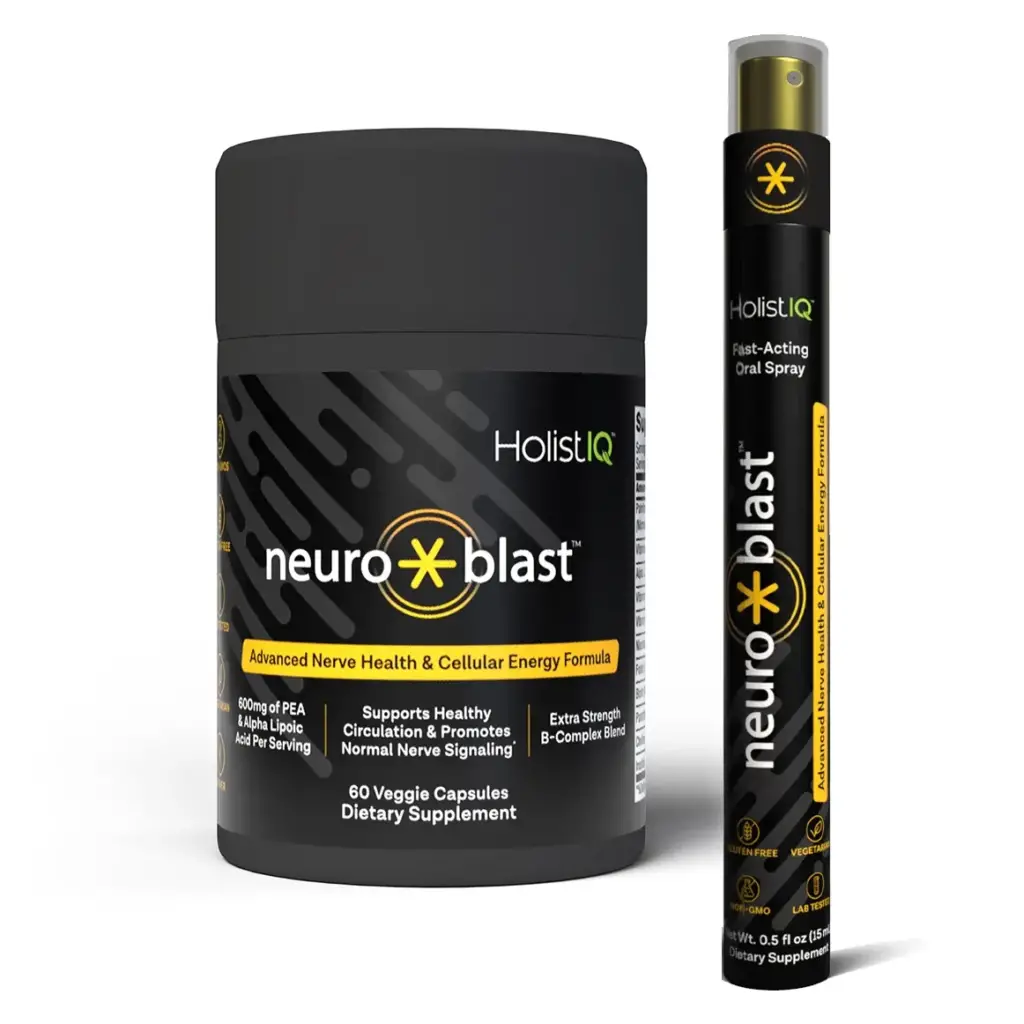
Some advanced formulas go even further to support your body on a cellular level. For example, the Neuro-Blast system is engineered to support the nervous system from the inside out, focusing on deep, effective support rather than just temporary relief. When you’re looking at different options, always consider how the product is designed to be absorbed and utilized by your body.
How Long Until You Feel a Difference?
When you’re dealing with persistent discomfort, it’s completely understandable to want relief as soon as possible. You’re looking for something that works, and you want to know when you can expect to feel better. With PEA, the key is to think of it as a gradual process rather than an overnight fix. It works with your body’s natural systems to bring things back into balance, and that process takes a little time. Unlike some medications that just block pain signals, PEA works more deeply to calm overactive cells and restore harmony within your nervous system. Think of it as gently guiding your body back to a state of comfort, not just flipping a switch.
This is why consistency is so important. Giving PEA the time it needs allows it to provide deep, cellular-level support for more sustainable results. This gradual approach is also why PEA is so well-tolerated. Many people find it to be an effective option for managing chronic pain without the harsh side effects that can come with other treatments. So, while you might not feel a dramatic shift on day one, you’re investing in a process that supports your body’s long-term well-being. Let’s walk through what a realistic timeline looks like and why giving it that time is so important for seeing real, lasting change.
A Realistic Timeline for Results
So, what does “a little time” actually mean? While everyone’s body is different, most studies and clinical experiences show that the benefits of PEA can start to appear after about four weeks of consistent use. For the full effects to really settle in, it might take anywhere from a few weeks to three months. Because of this, it’s a good idea to commit to trying it for at least one or two months before deciding how it’s working for you. This gives your body the chance to fully respond and for you to accurately gauge the improvements in your comfort and mobility.
Why Patience Is Key
It can be tough to wait, but your patience pays off. The reason PEA takes time is that it’s helping your body heal from the inside out. Instead of just masking a symptom, it’s addressing the underlying irritation at the cellular level. This is a more fundamental and restorative process. Sticking with it consistently is crucial. Many systematic reviews confirm that this steady approach leads to significant and lasting pain reduction. Think of it as building a strong foundation for your nerve health, one day at a time.
Common Myths About PEA, Busted
When you’re exploring new ways to manage discomfort, it’s easy to run into conflicting information. Palmitoylethanolamide (PEA) is a promising compound, but it’s surrounded by its fair share of myths. Let’s clear up some of the most common misconceptions so you can make an informed decision about your health.
Myth: PEA Is a “Cure-All”
It’s exciting to learn about a supplement that can help with pain and inflammation, but it’s important to keep expectations realistic. You might see PEA mentioned for a wide range of health issues, from joint pain to fibromyalgia. While it’s true that PEA is being studied for many conditions, the scientific proof for some of these uses is still developing.
Think of PEA as a specialized tool, not a magic wand. It works by supporting your body’s natural systems for managing discomfort and inflammation. For those dealing with nerve-related pain, it can be a fantastic addition to your wellness routine, but it isn’t a one-size-fits-all solution for every ailment under the sun.
Myth: You’ll Get Instant Results
In a world of instant gratification, it’s natural to hope for immediate relief. However, PEA doesn’t work that way. It’s not like an over-the-counter painkiller that masks symptoms in a matter of minutes. Instead, PEA works with your body on a cellular level to calm overactive nerves and reduce inflammation over time.
Because it works gradually, the benefits can take a few weeks to a few months to reach full effect. Consistency is the key. It’s important to give the supplement at least a month or two to see how your body responds. Patience allows PEA the time it needs to support your nervous system and bring about a noticeable difference in your comfort and mobility.
Myth: All PEA Supplements Are the Same
The quality and formulation of a PEA supplement matter a great deal. Your body’s ability to absorb and use PEA depends heavily on its form. Research shows that PEA is most effective when it’s processed into very tiny particles, a form often described as “micronized” or “ultramicronized.” This process increases the surface area of the PEA, making it easier for your body to absorb.
When choosing a supplement, don’t just look at the dosage. Pay attention to the formulation. A lower-quality product with larger particles may not deliver the same benefits, even at a higher dose. Investing in a high-quality supplement that prioritizes absorption ensures you’re giving your body the best possible support.
Related Articles
- Palmitoylethanolamide (PEA) Archives – Neuro-Blast
- Palmitoylethanolamide Side Effects: What to Know
- PEA and ALA Supplement Benefits: A Complete Guide
- 5 Best Palmitoylethanolamide Supplements of 2026
- How Does PEA Work for Pain? A Simple Guide
Frequently Asked Questions
Is PEA a painkiller like ibuprofen or acetaminophen? Not exactly. While they all help with discomfort, PEA works very differently. Over-the-counter painkillers typically block pain signals for temporary relief. PEA, on the other hand, is a natural compound that works with your body’s internal systems to calm irritated nerves and reduce inflammation at the source. Think of it as helping your body restore balance for more sustainable comfort, rather than just masking the symptoms for a few hours.
Why can’t I just eat more foods with PEA instead of taking a supplement? It’s true that you can find small amounts of PEA in foods like egg yolks and peanuts. However, the concentration is so low that you would need to eat an impractical amount to get a dose that could make a real difference for nerve discomfort. A high-quality supplement provides a consistent and effective amount that is specifically formulated to support your body’s needs.
How will I know if PEA is working for me? The change is often gradual, not a sudden switch. Since PEA works by supporting your body over time, you might first notice subtle improvements after a few weeks of consistent use. This could mean having more comfortable days, sleeping more soundly, or finding daily movements a little easier. The full benefits can take a month or two to become clear, so patience and consistency are your best allies.
Is it safe to take PEA if I’m already on other medications? PEA has a strong safety profile, and current research has not identified any negative interactions with other medicines. That said, this is a conversation you should always have with your doctor. They understand your complete health picture and can provide personalized advice to ensure adding a new supplement is the right and safe choice for you.
Does the form of the PEA supplement really matter that much? Yes, it makes a significant difference. A supplement is only effective if your body can actually absorb and use it. For PEA, this is heavily influenced by particle size. Formulations described as “micronized” or “ultramicronized” have been broken down into very fine particles. This process greatly improves your body’s ability to absorb the compound, which means you get more out of every dose.