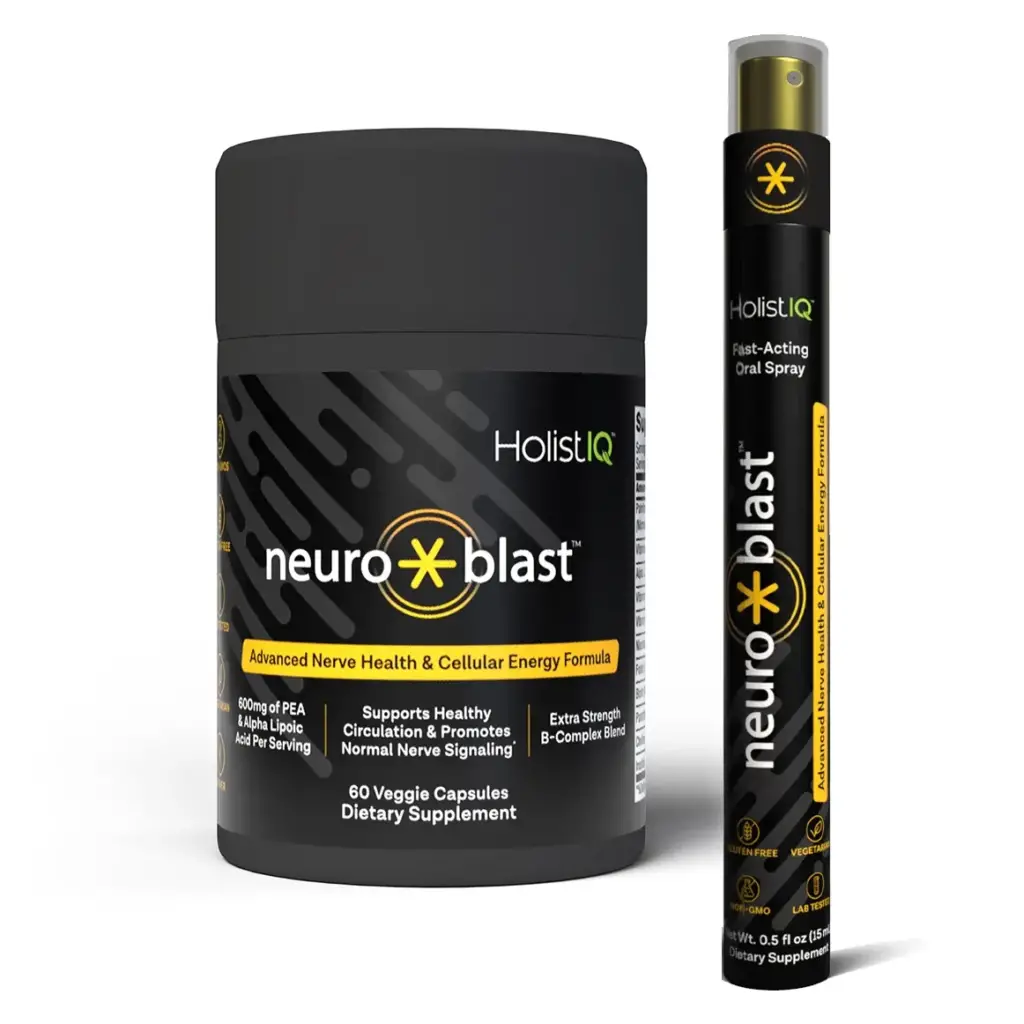

Your body has an amazing internal repair kit, constantly working to soothe irritation and keep things in balance. One of its most important tools is a fatty acid amide called PEA, which it creates on-demand to calm distressed cells. When you’re dealing with persistent nerve discomfort, your natural supply can run low. Supplementing can help, but only if your body can actually use it. This is why the form matters so much. The ultra-fine particles in palmitoylethanolamide micronized are designed for superior absorption, reinforcing your body’s own peacemaking systems. It’s not about introducing a foreign substance, but about giving your body more of what it already knows how to use.
Key Takeaways
- Choose micronized for better results: The key to PEA’s effectiveness is micronization, a process that creates ultra-fine particles your body can easily absorb. This ensures the compound actually reaches your nerve cells to provide meaningful support.
- It addresses discomfort at the source: Instead of just masking symptoms, micronized PEA works with your body’s natural systems to calm the underlying inflammation and overactive pain signals that contribute to nerve irritation.
- Think long-term support, not a quick fix: Micronized PEA is a safe and gentle compound that works gradually. Consistent daily use is the most effective way to support your nervous system and calm discomfort over time, helping you get back to your daily activities.
What is Micronized Palmitoylethanolamide (PEA)?
If you’ve been looking into nerve support, you may have come across the term Palmitoylethanolamide, or PEA. It’s a powerful compound, but the key to its effectiveness lies in one important word: micronized. This process transforms a helpful natural substance into something your body can use much more efficiently to address nerve discomfort. Let’s break down what PEA is and why this micronization process is so critical for feeling your best.
First, What is Palmitoylethanolamide (PEA)?
Think of Palmitoylethanolamide (PEA) as one of your body’s own peacemakers. It’s a naturally occurring fatty acid amide that your cells produce to help calm down distress signals and manage inflammation. Your body creates it on-demand when it senses an imbalance or irritation, sending it to the areas that need soothing. It’s also found in small amounts in foods like egg yolks and peanuts. Because it’s a substance your body already recognizes, it works in harmony with your natural systems to help restore balance and comfort, particularly within your nervous system.
How Micronization Makes PEA More Effective
On its own, standard PEA has large particles that are difficult for your body to absorb. Imagine trying to dissolve a large rock in a glass of water—it just doesn’t work very well. Micronization is a special process that dramatically reduces the size of these PEA particles. By making them incredibly fine, we are enhancing its solubility and bioavailability. This means the PEA can dissolve more easily and be absorbed into your bloodstream instead of passing through your system unused. This simple change from large to tiny particles is the secret to making PEA a truly effective tool for nerve support.
Why Smaller Particles Mean Better Absorption
Better absorption is the ultimate goal. For any supplement to work, it needs to travel from your digestive tract to the cells that need it most. The ultra-fine particles of micronized PEA have a much easier time making this journey. Their tiny size allows them to pass through the intestinal wall and enter the bloodstream far more efficiently than their larger, non-micronized counterparts. This superior absorption ensures that a greater amount of active PEA reaches your nerves, providing the deep, cellular-level nerve support required to calm discomfort and help you get moving again. It’s not just about what you take, but what your body can actually use.
What Makes Micronized PEA Different?
You might see “micronized” on a supplement label and wonder what it really means. When it comes to Palmitoylethanolamide (PEA), this one word makes a world of difference in how effectively it can support your body. It’s the detail that allows PEA to deliver its full potential, transforming it from a promising ingredient into a powerful tool for nerve support.
The Science Behind the Smaller Size
Micronized PEA is simply a more refined version of standard PEA. Think of it like the difference between a sugar cube and powdered sugar—while they’re both sugar, the powdered form dissolves much faster. Micronization is a special milling process that breaks down PEA particles into a much finer powder, dramatically reducing their size. This isn’t just a cosmetic change; this physical transformation is the key to making PEA more effective. By making the particles smaller, we’re preparing them to be more easily used by your body, which is the first step in providing deep, cellular-level support.
How Your Body Absorbs it Better
The main advantage of those smaller particles is better absorption. When you take a standard supplement, your body has to work to break it down before it can be absorbed through your gut. Larger particles can be tough to process, and a significant portion might pass through your system without ever being used. Micronization solves this problem by doing the “breaking down” part beforehand. The tiny particles have a much larger surface area, which allows your digestive system to absorb them more efficiently. This means more of the PEA actually gets into your bloodstream, a concept known as bioavailability. Higher bioavailability means you get more of the active ingredient working for you.
Reaching the Nerves That Need it Most
Once the micronized PEA is absorbed into your bloodstream, it can travel throughout your body to the places that need it most—your nerve cells. PEA works by interacting with specific receptors on your cells to help calm pain signals and reduce swelling at the source. It essentially helps your body’s own systems manage discomfort and inflammation. Because micronized PEA is so much more bioavailable, a greater amount can reach your nerves and brain cells, offering more comprehensive support. This is crucial for addressing nerve discomfort at its root. The Neuro-Blast System is designed around this principle, ensuring the supportive ingredients can effectively reach your nervous system.
Key Health Benefits of Micronized PEA
When your body can properly absorb a compound, you get to experience its full potential. Because micronized PEA is designed for better bioavailability, it can deliver targeted support to your nervous system more effectively. This isn’t about simply masking discomfort; it’s about providing your body with the resources it needs to manage pain, calm inflammation, and protect your nerves for the long haul. The Neuro-Blast system is built on this principle of providing deep, cellular-level support that addresses the root cause of nerve-related issues.
The primary benefits of micronized PEA center on three key areas that are often interconnected, creating a powerful synergy for your nervous system. First, it helps soothe the chronic and neuropathic pain that can disrupt daily life, making it easier to stay active and engaged. Second, it works to calm inflammation at its source, which is often a major driver of that persistent pain and discomfort. Finally, it acts as a protective agent for your nerves, helping to shield them from irritation and damage over the long term. Together, these actions create a comprehensive approach to nerve support that helps you feel better now while also investing in your future health, allowing you to get back to doing what you love.
Soothing Chronic and Neuropathic Pain
Living with persistent nerve discomfort can be exhausting, making even simple activities feel like a challenge. Micronized PEA offers a way to address this discomfort directly. Research has shown it can make a real difference for people with neuropathic conditions. One study involving patients with diabetic neuropathy found that micronized PEA significantly reduced the severity of pain and other related symptoms. By helping to quiet overactive pain signals, it provides a sense of relief that allows you to feel more comfortable and in control of your body, paving the way for you to get moving again.
Calming Inflammation at the Source
Inflammation is your body’s natural response to injury, but when it becomes chronic, it can contribute to persistent pain, especially within the nervous system. Micronized PEA is particularly effective at addressing this underlying issue. It works by interacting with specific receptors in your cells to help regulate your body’s inflammatory response. Essentially, it helps shift your body’s immune cells from a pro-inflammatory state to a calmer, anti-inflammatory one. This process helps reduce the irritation that contributes to nerve pain, tackling the problem at its root instead of just managing the symptoms.
Protecting and Supporting Nerve Health
Beyond providing immediate relief from pain and inflammation, micronized PEA also plays a crucial role in long-term nerve health. Think of it as a protective shield for your nerve cells. It functions as a neuroprotective agent, helping to guard nerves against damage and reduce ongoing irritation. This support is vital for maintaining the integrity and function of your nervous system over time. By creating a healthier environment for your nerves, micronized PEA contributes to their overall resilience, which is a key part of the Neuro-Blast mission to provide lasting support.
How Does Micronized PEA Work?
So, how exactly does this tiny particle make such a big difference? Micronized PEA doesn’t just mask symptoms; it works on a deeper level to address the root causes of nerve discomfort. Think of it less like a temporary fix and more like a skilled technician that helps restore balance within your nervous system. It operates in three key ways that work together for comprehensive support. First, it partners with your body’s own pain-management systems, giving them the resources they need to function properly. Second, it directly communicates with overactive nerves to help quiet the constant pain signals they send to your brain. Finally, it helps manage the immune response, soothing the inflammation that often fuels nerve irritation. This multi-faceted approach is what makes it so effective. Instead of just one action, it provides support that helps your body get back to a more comfortable state. The Neuro-Blast system is designed around this principle, delivering micronized PEA to support your nerves at a cellular level. By addressing pain, inflammation, and cellular health simultaneously, it helps create an internal environment where your nerves can function better, helping you get moving again with more ease and confidence.
Working with Your Body’s Natural Systems
One of the most remarkable things about PEA is that it’s not a foreign substance. Your body actually produces it naturally, especially in response to stress or injury, as part of its internal repair kit. It’s a fatty acid amide that functions similarly to the endocannabinoids your body makes to regulate pain and inflammation. When you’re dealing with chronic discomfort, your natural supply of PEA can run low. Supplementing with micronized PEA simply gives your body more of this beneficial compound, reinforcing its ability to manage discomfort and maintain cellular health from within.
Interrupting Pain Signals
Neuropathic pain often feels relentless because your nerves are sending non-stop, amplified pain signals to your brain. Micronized PEA works to interrupt this process. It helps to calm these overactive nerve cells, essentially turning down the volume on their pain messages. By modulating these pain pathways, PEA reduces the perception of pain. This doesn’t just cover up the feeling; it helps to restore a more normal, balanced level of communication between your nerves and your brain, bringing you tangible relief.
Balancing Your Immune Response
Inflammation is a major contributor to nerve pain. When nerves are damaged or irritated, nearby immune cells can go into overdrive, creating a cycle of chronic inflammation that makes the pain worse. Micronized PEA has a powerful anti-inflammatory effect. It interacts with specific receptors on your immune cells, encouraging them to switch from a pro-inflammatory “attack” mode to an anti-inflammatory “repair” mode. This helps to calm the environment around your nerves, reducing irritation and giving them a better chance to heal and function properly.
Who Can Benefit from Micronized PEA?
Because micronized PEA works with your body’s own systems to calm inflammation and soothe discomfort, its benefits can be felt by a wide range of people. If you’re dealing with persistent pain that gets in the way of your daily life, this is a compound worth learning about. It’s not about masking symptoms, but about addressing the underlying irritation at a cellular level. This approach is what makes it a promising option for those with stubborn, hard-to-treat issues.
Many people turn to PEA when they feel like they’ve tried everything else for their chronic discomfort. It’s particularly helpful for those experiencing nerve-related pain, which can feel like burning, tingling, or shooting sensations that don’t respond well to typical remedies. But its influence doesn’t stop there. Because it helps regulate the body’s inflammatory response, it can also offer relief for more generalized, widespread pain. The Neuro-Blast system was designed to harness these benefits, providing targeted support to help you get moving again. Whether your discomfort is localized to your hands and feet or affects larger areas of your body, PEA’s unique mechanism offers a gentle yet effective way to find relief.
Support for Neuropathy and Nerve Damage
If you live with neuropathy, you know the unique and frustrating nature of nerve pain. Micronized PEA offers a promising path to relief by directly addressing the irritation that causes those painful signals. Research has shown that PEA can be particularly effective for people with nerve damage, including those with diabetic neuropathy. One study found that micronized PEA treatment showed significant efficacy in reducing the severity of pain symptoms. By calming overactive nerve cells, it helps dial down the constant “static” of burning, tingling, and sharp pains, allowing your nervous system to find a more balanced state.
Relief for Widespread Chronic Pain
Chronic pain can stem from many sources, but inflammation is often a common thread. Micronized PEA is a powerful ally because it helps manage this inflammation at its source. Research shows that PEA can bind to cells throughout the body to help reduce pain and inflammation from a variety of causes. This makes it a versatile option for individuals suffering from ongoing discomfort that isn’t tied to a single injury or location. Instead of just blocking pain signals, it helps your body regulate its own response, leading to more sustainable and widespread relief from conditions that cause persistent aches and soreness.
Aiding Neurodegenerative Conditions
Beyond the peripheral nerves in your body, micronized PEA also shows promise for supporting brain health. Many neurodegenerative conditions are linked to chronic inflammation in the brain. Studies suggest that PEA can help mitigate inflammation in the brain, which may play a protective role for brain cells. By helping to create a calmer environment in the central nervous system, PEA can support overall brain function and health. This makes it a valuable compound for anyone looking to take a proactive approach to long-term neurological wellness and protect their cognitive health as they age.
What Does the Science Say?
It’s always smart to look past the headlines and see what the research says, especially when it comes to your health. Fortunately, micronized PEA isn’t just a new trend; it’s backed by compelling studies that explore how it works and who it can help. Researchers have looked closely at its effects on pain, how it compares to other forms of PEA, and what you should know about its safety. Let’s walk through what they’ve discovered.
Clinical Studies on Pain Relief
When you’re dealing with nerve discomfort, the only thing that really matters is finding relief. Researchers have focused on this, particularly for people with diabetic peripheral neuropathy. One clinical trial gave participants micronized PEA twice a day and found that it led to significant pain relief. This suggests that PEA can directly address the painful symptoms that get in the way of daily life, offering a targeted way to support your body’s nerve function and help you feel more comfortable.
How it Stacks Up Against Standard PEA
You might see “PEA” and “micronized PEA” and wonder what the difference is. It all comes down to particle size. Micronization is a process that breaks down PEA into much smaller, more uniform particles. Think of it like the difference between coarse sugar and powdered sugar—the finer powder dissolves much more easily. This smaller size gives micronized PEA superior anti-inflammatory and analgesic effects because your body can absorb it more efficiently. Better absorption means more of the active ingredient can get to work where you need it most.
Research on its Safety Profile
Trying anything new can feel a little uncertain, so it’s reassuring to know that PEA has a strong safety record. Human studies have shown that it is generally well-tolerated, with very few side effects. When side effects do occur, they are typically mild, like an upset stomach. Because of its favorable safety profile, many researchers see it as a promising alternative to conventional pain relief options, which can sometimes come with more significant risks. This makes it a gentle yet effective choice for long-term nerve support.
Is Micronized PEA Safe? What to Expect
When you’re looking for relief from nerve discomfort, the last thing you want is to worry about safety. It’s a smart and essential question to ask before adding anything to your routine. When it comes to micronized PEA, the good news is that it has a strong safety record. Because it’s a compound your body already makes to manage pain and inflammation, it works with your natural systems rather than against them. This is a key reason why it’s so gentle and effective for so many people.
Extensive research on its safety profile consistently shows it’s well-tolerated by most people, which is why it’s become such a trusted option for long-term nerve support. It offers a promising alternative for those seeking comfort without the harsh effects associated with some other options. Of course, like anything you take for your health, it’s important to know the full picture. In this section, we’ll walk through its high safety profile, the rare side effects some people might experience, and a few important precautions to keep in mind. This way, you can feel fully informed and confident in your choice to get moving again and reclaim the activities you love.
A Look at its High Safety Profile
One of the most reassuring things about PEA is that it’s not a foreign substance. Your body produces it naturally as part of its own repair and protection system. This is a major reason why it has such a high safety profile. Studies show that PEA is generally well-tolerated, with very few and minor side effects reported. For many, this makes it a gentle yet effective choice for managing nerve discomfort, especially when compared to other options that might come with more significant side effects. It’s about working in harmony with your body’s own processes to find balance and relief.
Understanding Potential Side Effects
Transparency is key, so let’s talk about potential side effects. While most people take micronized PEA without any issues at all, a small number of individuals might experience mild nausea or a feeling of sickness in their stomach. This is the most commonly noted side effect, and it’s typically not severe. If you do experience this, it sometimes helps to take PEA with a small meal. Remember, because PEA is so well-tolerated, these potential side effects are considered rare and minor, but it’s always good to know what to expect as your body adjusts.
Important Precautions to Consider
While PEA is safe for most adults, there are a couple of situations where it’s best to be cautious. There isn’t enough reliable information on its use during pregnancy or while breastfeeding, so the standard recommendation is to avoid it during these times. As with any new supplement, the best first step is always a conversation with your doctor. They can review your personal health history and any medications you’re taking to make sure micronized PEA is the right fit for you. This simple check-in ensures you can start your journey toward relief with complete peace of mind.
How to Get the Best Results with Micronized PEA
Once you’ve decided to try micronized PEA, you’ll want to make sure you’re getting the most out of it. Like any supplement, its effectiveness often comes down to a few key factors: the right dose for your body, consistency, and a supportive lifestyle. Think of it less like a quick fix and more like a long-term partner in your health routine. The goal is to help your body’s natural systems find balance and provide relief where you need it most. By being mindful of how you take it, you can create the best possible environment for micronized PEA to do its work and help you get back to feeling like yourself.
Finding the Right Dose and Time for You
Figuring out the right amount of micronized PEA is a personal process, as everyone’s body is different. Clinical studies often use a range, with adults typically taking between 300–1200 mg daily. It’s always a good idea to start on the lower end of the dosage recommended on the product label and see how you feel. You can gradually adjust from there if needed.
When should you take it? The most important thing is consistency. Taking it at the same time every day helps maintain a steady level in your system. Some people prefer taking it in the morning with breakfast, while others find it fits better into their evening routine. It can be taken with or without food, so find a time that you’ll remember each day. For a deeper look at how PEA supports your body, you can learn more about how it works on a cellular level.
Taking it with Other Supplements
Micronized PEA is known for working well with your body’s own processes, which is why it’s generally considered safe to incorporate into your existing supplement routine. Research shows that PEA’s benefits extend to neuroinflammation and pain, making it a great complement to other supplements aimed at nerve and muscle health, like B vitamins or magnesium. It can be a valuable part of a comprehensive approach to wellness.
Of course, it’s always smart to have a conversation with your doctor before adding anything new to your regimen, especially if you are taking prescription medications. They can help you make sure your entire supplement plan is working together effectively. A well-rounded approach, like the Neuro-Blast System, is designed to provide comprehensive support, and your doctor can help you fit it into your personal health plan.
Tips for Maximum Effectiveness
Consistency is truly the key to success with micronized PEA. It works by gradually supporting your endocannabinoid system, so it needs time to build up in your body. For optimal results, commit to taking it daily for at least a few weeks. While it’s known for being very gentle on the system, with few and minor side effects, its positive effects rely on steady use.
To further support its benefits, consider pairing it with healthy lifestyle habits. Gentle movement, a balanced diet rich in anti-inflammatory foods, and quality sleep can all help manage nerve discomfort. Listening to your body and giving it the support it needs creates the best foundation for PEA to work effectively. You can see how consistent use has helped others by reading a few testimonials from people who have made it part of their daily lives.
Common Myths About Micronized PEA
When you’re looking for solutions to nerve discomfort, it’s easy to get swept up in the excitement around a promising ingredient like micronized PEA. With so much information out there, myths can start to form, and it’s important to separate the hype from the reality. Understanding what a supplement can and can’t do is the first step toward making informed decisions about your health.
One of the biggest misconceptions we see is the idea that micronized PEA is a “cure-all.” This belief, often fueled by exciting testimonials and preliminary research, can set you up for disappointment. While micronized PEA is a fantastic tool for supporting your body’s response to pain and inflammation, thinking of it as a magic bullet overlooks the complex nature of chronic conditions. Let’s clear up the confusion and talk about what you can realistically expect when adding it to your routine.
Myth: It’s a “Cure-All”
The idea that micronized PEA can single-handedly resolve any health issue is a common myth. Because it has shown promise in reducing pain and inflammation for many people, it’s sometimes mistakenly presented as a universal fix. This thinking suggests that taking it will instantly erase symptoms without any other changes or support.
This oversimplification does a disservice to both the supplement and the user. Chronic nerve discomfort is often a complex issue with multiple contributing factors. While micronized PEA can be a key player in managing your symptoms, it’s not a substitute for a comprehensive approach to your health. Believing it’s a cure-all can lead to frustration if your results aren’t immediate or all-encompassing.
Fact: Setting Realistic Expectations
The truth is that micronized PEA is a powerful supportive ingredient, not a magic wand. Its main role is to work with your body’s natural systems to help manage discomfort and calm inflammation at the source. Think of it as a valuable part of a broader treatment plan that should also include guidance from your doctor, a balanced diet, and appropriate physical activity.
The effectiveness of PEA can also vary from person to person. While many people experience significant relief, especially from neuropathic pain, others may see more subtle changes. The goal is to support the nervous system on a cellular level, which is a gradual process. By setting realistic expectations, you can appreciate the real benefits of micronized PEA as a consistent, reliable tool in your long-term wellness journey.
Related Articles
- Palmitoylethanolamide (PEA) Archives – Neuro-Blast
- Palmitoylethanolamide Side Effects: What to Know
- 5 Best Palmitoylethanolamide Supplements of 2026
- How Does PEA Work for Pain? A Simple Guide
- PEA for Nerve Pain Dosage: The Ultimate Guide
Frequently Asked Questions
How is micronized PEA different from a typical pain reliever? Unlike many over-the-counter pain relievers that work by blocking pain signals temporarily, micronized PEA works on a deeper level. Think of it as a support system for your body’s own methods of managing discomfort. It helps calm overactive nerve cells and balances the inflammatory response at the source, addressing the underlying irritation rather than just masking the symptoms.
How long will it take for me to feel a difference? Because micronized PEA works by gradually supporting your body’s natural systems, it’s not an instant fix. Consistency is the most important factor. While everyone’s body is different, many people begin to notice a positive change in their comfort levels after taking it daily for a few weeks as it builds up in their system.
Can I get enough PEA just from the foods I eat? While PEA is found naturally in some foods like egg yolks and peanuts, the amounts are far too small to have a significant effect on nerve discomfort. To get a meaningful, therapeutic dose that can provide real support to your nervous system, a concentrated supplement is necessary.
Is it safe to take micronized PEA with my prescription medications? Micronized PEA has a very strong safety profile and is well-tolerated by most people. However, it is absolutely essential to speak with your doctor or pharmacist before adding any new supplement to your routine. They can review your current medications and personal health history to ensure there are no potential interactions.
Why is the ‘micronized’ part so important? Can’t I just take regular PEA? The “micronized” detail is the key to its effectiveness. Standard PEA is made of large particles that are very difficult for your body to absorb, meaning much of it passes through your system without being used. The micronization process makes the particles incredibly small, allowing your body to absorb them easily so the PEA can get to your nerve cells and do its job.