
Think of numbness as a message from your body’s complex communication network. That tingling or loss of feeling is a signal that something is interrupting the connection between your nerves and your brain. The interruption could be caused by something simple, like pressure from sitting in one position for too long, or it could point to an underlying issue related to circulation or nutrition. To find true numbness in hands and feet relief, you first have to decode the message. This article will help you do just that by exploring the most frequent causes and outlining a clear path forward, from immediate comfort measures to long-term strategies for supporting your nerve health.
Key Takeaways
- Treat numbness as a clue: That tingling sensation is a signal that can point to anything from a pinched nerve to a nutritional gap. Understanding the potential source is the first step toward finding a lasting solution.
- Use a two-part approach for relief: Combine long-term lifestyle adjustments, like a nerve-friendly diet and gentle exercise, with immediate comfort measures like simple stretches or a warm compress to manage symptoms effectively.
- Don’t hesitate to seek professional help: While home care is helpful, persistent or worsening numbness requires a doctor’s diagnosis. Seek immediate medical attention if numbness is sudden and paired with weakness, confusion, or trouble speaking.
Why Are My Hands and Feet Numb?
That pins-and-needles feeling or a complete lack of sensation in your hands and feet can be unsettling. It’s your body’s way of sending a signal that something is off. The cause can be as simple as how you slept last night or a sign of a more complex health issue. Understanding the common reasons behind numbness is the first step toward finding a solution and getting back to feeling your best. Let’s look at some of the most frequent culprits.
When Nerves Get Pinched
Often, numbness is simply a mechanical issue. Think of a nerve as a tiny electrical wire. If you put too much pressure on it, the signal gets interrupted. This can happen from something as minor as leaning on your elbows for too long or falling asleep in an awkward position. When the pressure is released, the feeling usually returns. However, if the nerve is compressed repeatedly or for long periods, it can lead to more persistent problems like carpal tunnel syndrome. This condition involves a major nerve in your wrist getting squeezed, causing numbness and tingling in your hand and fingers.
The Link Between Blood Sugar and Nerve Health
For many people, persistent numbness in the hands and feet is linked to high blood sugar levels. Over time, excess sugar in the bloodstream can become toxic to your delicate nerve fibers, a condition known as diabetic neuropathy. The longest nerves in your body, the ones that travel all the way to your feet and hands, are often the first to be affected. This damage doesn’t happen overnight but is a gradual process. Managing blood sugar is a critical step in protecting your nerves from further harm and managing symptoms like tingling, pain, and numbness.
Are You Missing Key Nutrients?
Your nerves rely on a steady supply of specific vitamins and minerals to function correctly. If your body is running low on certain nutrients, especially B vitamins like B12, it can lead to nerve damage. These vitamins are essential for maintaining the health of the myelin sheath, the protective coating that surrounds your nerves. Without enough of them, this coating can wear down, disrupting nerve signals and causing numbness. A vitamin B12 deficiency can sometimes be related to your diet or an underlying condition that affects how your body absorbs nutrients from food.
How Poor Circulation Plays a Part
Have you ever had your foot “fall asleep” after sitting with your legs crossed for too long? That temporary numbness is a classic example of poor circulation. Your nerves need a constant flow of oxygen-rich blood to work properly. When that blood flow is restricted, even for a short time, the nerves can’t communicate effectively with your brain, leading to that familiar pins-and-needles sensation. While this is usually temporary, chronic circulation issues, such as peripheral artery disease, can cause more persistent numbness by consistently depriving your nerves of the blood supply they need to thrive.
Other Underlying Health Conditions
Sometimes, numbness in your hands and feet is a symptom of another health issue going on in your body. Conditions that cause chronic inflammation, like rheumatoid arthritis, can put pressure on nerves and lead to feelings of numbness. Autoimmune disorders can cause the body’s own immune system to mistakenly attack nerve tissue. Similarly, conditions like kidney disease can lead to a buildup of toxins in the blood that may damage nerves. This is why it’s so important to talk with a doctor about any new or persistent numbness, as it can be a clue to your overall health.
When Is Numbness an Emergency?
That pins-and-needles feeling is usually just annoying, but sometimes it’s your body’s way of sending up a flare. While most cases of numbness aren’t life-threatening, it’s important to know the difference between a minor issue and a true medical emergency. Paying attention to other symptoms that accompany the numbness can help you decide whether to schedule a doctor’s appointment or seek immediate care. Listening to your body is key, and knowing what to look for can make all the difference in getting the right help when you need it.
Warning Signs You Can’t Ignore
If the numbness in your hands or feet just won’t quit after a few hours, or if it seems to come and go, that’s a clear signal to check in with your doctor. It’s also time to make a call if the numbness is joined by other concerning feelings, like muscle weakness, pain, or trouble with coordination. These symptoms suggest that something more than a temporary nerve pinch might be happening. Understanding the potential causes of numbness can be helpful, but a professional diagnosis is the only way to know for sure. Don’t just wait for it to go away; getting it checked out can give you peace of mind and a clear path forward.
Know When to Seek Immediate Help
Some symptoms are too serious to ignore. If your numbness appears suddenly and is paired with other specific signs, you should get medical help right away. Head to the emergency room if you experience numbness along with any of the following:
- Weakness or an inability to move a part of your body
- Confusion, dizziness, or trouble speaking clearly
- A sudden, severe headache
- Loss of control over your bladder or bowels
- Numbness that spreads to other parts of your body
These can be signs of a serious medical event, like a stroke. When it comes to these alarming symptoms, acting quickly is absolutely critical. It’s always better to be safe and get checked out immediately.
How to Find Relief at Home
When numbness and tingling strike, you want relief, and you want it now. The good news is that you don’t always have to wait for a doctor’s appointment to start feeling better. Several simple, effective strategies can be done right in the comfort of your own home to ease discomfort and support your nerve health. Let’s walk through a few practical steps you can take today.
Simple Tricks for Quick Comfort
Sometimes, the simplest solutions bring the quickest comfort. If you’ve been doing a repetitive task, like typing or knitting, simply taking a break can make a big difference. Resting your hands and feet gives inflamed nerves a chance to calm down. For more persistent discomfort, over-the-counter pain relievers like ibuprofen can help reduce inflammation, but it’s always a good idea to check with your doctor before starting any new medication. If your doctor recommends it, wearing a splint, especially at night, can keep your wrist or ankle in a neutral position, preventing nerves from being pinched while you sleep.
Gentle Stretches to Ease Discomfort
Getting your body moving, even in small ways, can be incredibly helpful for numbness. When you feel that pins-and-needles sensation starting, try changing your position. If you’ve been sitting for a while, stand up and go for a short walk around the room. This encourages blood flow, which delivers vital oxygen and nutrients to your nerves. You can also try some gentle stretches for your hands and feet. Simple movements like slowly rotating your ankles in circles or gently flexing your wrists up and down can help ease stiffness and improve circulation right where you need it most.
Using Heat and Cold to Soothe Nerves
Applying heat or cold can be a fantastic way to manage nerve discomfort. A warm compress or a soak in a warm bath can help relax tight muscles and increase blood flow to the affected area, bringing soothing relief. On the other hand, a cold pack wrapped in a towel can help reduce inflammation and temporarily numb the sharp, tingling sensations. Try experimenting to see what feels best for you, but remember to protect your skin by never applying heat or cold directly. These methods are great for immediate comfort, but they work best when paired with a strategy that addresses nerve health on a deeper level, which is all about how it works from the inside out.
Self-Massage for Your Hands and Feet
Don’t underestimate the power of touch. A gentle self-massage can do wonders for numb or tingling hands and feet. The simple act of rubbing the area stimulates nerve endings and significantly improves circulation. Use your thumbs to apply gentle, circular pressure to the palms of your hands or the soles of your feet. You can use a bit of lotion to help your hands glide smoothly. This doesn’t have to be a complicated routine; even five minutes of massage while you’re relaxing in the evening can help ease tension and reduce discomfort. It’s a simple, calming practice that puts relief right at your fingertips.
Lifestyle Changes to Prevent Numbness
Making a few adjustments to your daily routine can make a world of difference for your nerve health. While some causes of numbness require a doctor’s care, you have the power to support your nervous system through simple, consistent lifestyle choices. Focusing on what you eat, how you move, and even how you rest can help prevent that tingling feeling and keep your hands and feet feeling their best.
Eating for Better Nerve Health
What you put on your plate directly impacts your nerves. Think of it as fuel for your body’s intricate wiring. A balanced diet rich in specific vitamins and minerals is essential for keeping that system running smoothly. For instance, not getting enough B vitamins, especially B12, can damage nerves over time. You can find these crucial nutrients in foods like lean meats, fish, eggs, and fortified cereals. Also, focusing on anti-inflammatory foods like leafy greens and berries can help reduce irritation around the nerves. Managing your blood sugar through a healthy diet is another key step, as high blood sugar is a common cause of nerve issues.
Stay Active to Keep Numbness at Bay
Gentle, regular movement is one of the best things you can do for your nerves. Exercise helps improve blood flow, ensuring your nerves get the oxygen and nutrients they need to function properly. You don’t need to run a marathon; simple activities like daily walks, swimming, or gentle stretching can have a huge impact. Consistent physical activity can also help strengthen weak muscles and improve your balance, which is especially helpful if numbness is affecting your stability. The key is to find an activity you enjoy and stick with it. Even a short, 15-minute walk each day can get your circulation going and support your nerve health.
Small Adjustments to Your Posture and Setup
Sometimes, numbness comes from simple pressure on a nerve. The way you sit, stand, and even sleep can contribute to that pins-and-needles feeling. Take a look at your daily habits. If you sit at a desk, make sure your chair supports your back and your wrists are in a neutral position. Try not to cross your legs for long periods, as this can compress nerves. It’s also a good idea to take frequent breaks to stand up and stretch. If you experience numbness at night, you might consider talking to your doctor about wearing a splint to keep your wrist straight, which can relieve pressure on the nerve.
The Importance of Sleep and Hydration
Never underestimate the power of a good night’s sleep and staying hydrated. Your body does most of its repair work while you rest, and that includes healing and maintaining your nerves. Aiming for 7 to 9 hours of quality sleep each night can help reduce inflammation and give your nervous system the downtime it needs. Similarly, drinking enough water is crucial for good circulation and overall cellular health. Dehydration can sometimes contribute to symptoms like muscle cramps and tingling. Keep a water bottle handy throughout the day and remember that even when you’re resting, it’s important to keep your legs moving gently to encourage blood flow.
When Should You Talk to a Doctor?
While at-home strategies can offer comfort, they aren’t a substitute for professional medical advice, especially when symptoms linger. Think of your doctor as your partner in getting to the root cause of your discomfort. Knowing when to make that call is the first step toward finding a solution that truly works for you and helps you get back to your life. Being prepared for your appointment can also make a world of difference, helping your doctor pinpoint the issue more quickly.
If the Tingling Doesn’t Go Away
If that pins-and-needles feeling in your hands or feet lasts for more than a few hours or becomes a recurring guest, it’s time to see a doctor. Persistent numbness can be a sign of an underlying issue that needs attention. Pay close attention if the numbness is joined by other symptoms like pain, muscle weakness, or trouble with coordination. Ignoring these signals could lead to more significant nerve damage over time, so it’s always best to get things checked out sooner rather than later.
Tracking Changes in Your Symptoms
Before your appointment, try to become an expert on your own symptoms. Keep a simple log of when the numbness happens, how long it lasts, and if anything seems to trigger it. This information is incredibly helpful for your doctor. During your visit, they will likely ask about your health history and perform a physical exam. Depending on what they find, they might suggest specialized tests like nerve conduction studies to get a clearer picture of what’s happening with your nerves. Being prepared with details helps your doctor connect the dots and find the right path forward.
What Are the Medical Treatment Options?
If you’ve tried lifestyle changes and at-home remedies without seeing the results you want, it might be time to talk with your doctor about medical treatments. A healthcare professional can help you get to the bottom of your symptoms and create a targeted plan to address the root cause of the numbness and tingling. This path often involves a combination of professional diagnosis, specific treatments, and supportive therapies to help you feel better and get moving again.
How Doctors Diagnose the Cause
Your doctor’s first step is to uncover the “why” behind your symptoms. This process starts with a conversation about your health history, your specific symptoms, and your daily habits. From there, they may recommend a few tests to get a clearer picture of what’s happening inside your body. These can include blood tests to check for vitamin deficiencies or other imbalances. In some cases, your doctor might suggest imaging like a CT scan or MRI to look for issues like a pinched nerve. They may also use special tests to check how well your nerves are sending signals. This thorough diagnostic process helps ensure your treatment plan is aimed at the right problem.
Medications for Nerve Discomfort
Once your doctor identifies the cause of your numbness, they can recommend a treatment plan tailored to you. The right approach depends entirely on the diagnosis. For example, if a vitamin deficiency is the culprit, supplements might be all you need. If an existing medication is causing nerve issues, your doctor may adjust the dose or find an alternative. For other conditions, specific prescription medications can help manage nerve discomfort and address the underlying health issue. The goal is to find a solution that not only eases the symptoms but also supports your long-term nerve health, moving beyond temporary fixes.
Working with a Physical Therapist
Physical therapy is an active way to manage numbness and improve your mobility. A physical therapist can design a personalized exercise program to help you regain strength and function. These exercises often focus on strengthening weak muscles, which can provide better support for your body and reduce pressure on your nerves. They can also guide you through stretches to keep your muscles flexible and improve your range of motion. Plus, a therapist can teach you balance exercises, which are incredibly helpful if numbness in your feet is making you feel unsteady. Think of physical therapy as a hands-on strategy for taking control of your symptoms.
When Surgery Might Be an Option
In some situations, surgery may be presented as an option, but it’s typically considered only when other treatments haven’t provided relief. Surgery is usually reserved for cases where there is a clear structural problem, like a severely compressed or pinched nerve that can be physically corrected. For example, conditions like carpal tunnel syndrome or a herniated disc might require a surgical procedure to release the pressure on the affected nerve. Your doctor would only recommend this path after a thorough evaluation confirms that surgery is the most effective way to address the root cause of your nerve discomfort and offer lasting relief.
A Deeper Approach to Nerve Support
While medical treatments are a critical piece of the puzzle, finding lasting relief often requires a more comprehensive strategy. It’s about looking beyond the immediate symptoms to address what your nerves truly need to function well. This means combining smart lifestyle choices with targeted support that works on a deeper, cellular level. By understanding how to nourish your nervous system from the inside out and leveraging modern technology, you can build a more resilient foundation for your nerve health. This approach isn’t about a quick fix; it’s about giving your body the right tools for long-term comfort and mobility, helping you get back to the activities you love.
Supporting Your Nerves from the Inside Out
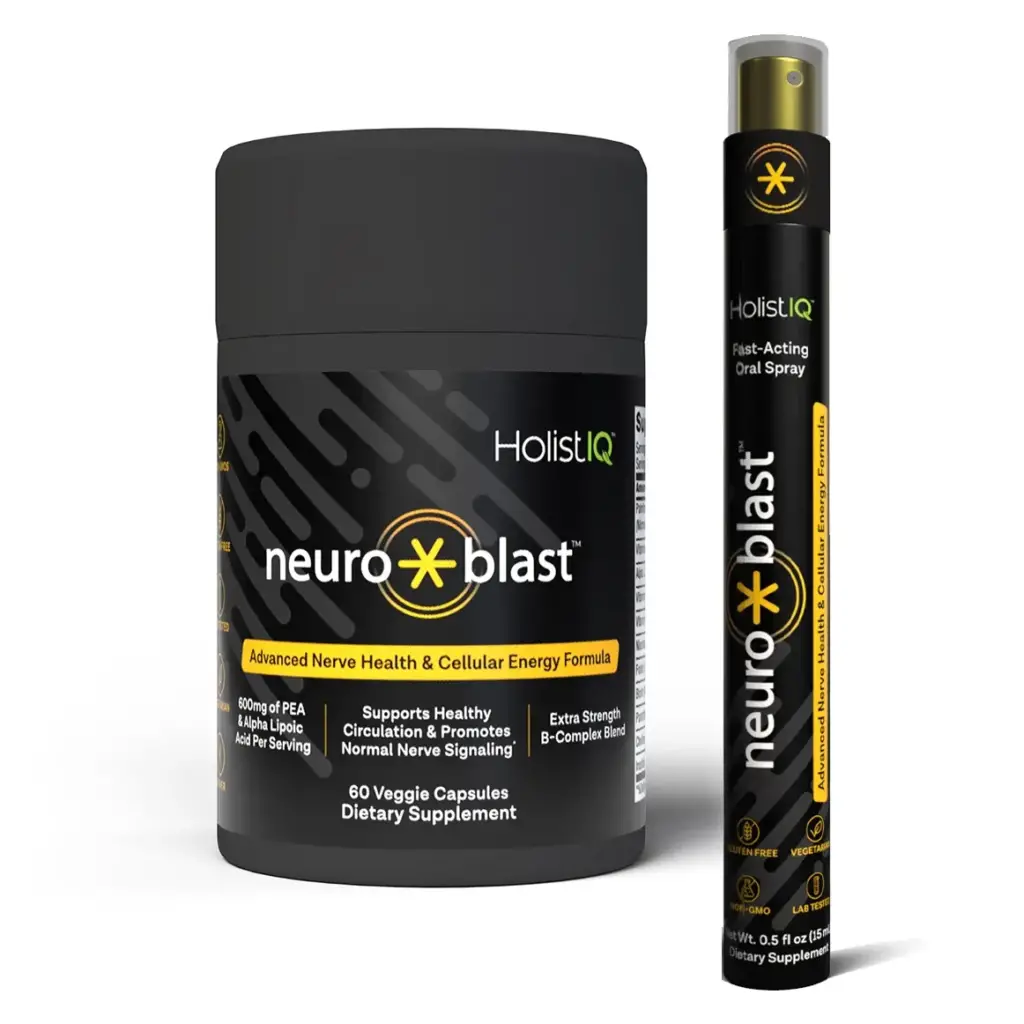
Just as your car needs the right fuel to run smoothly, your nerves require specific nutrients to transmit signals correctly. Sometimes, numbness and tingling can be your body’s way of saying it’s missing key vitamins or minerals. A balanced diet is your first line of defense, but it can be difficult to get everything you need from food alone. That’s why targeted supplementation can be so helpful. It’s not just about taking a generic multivitamin; it’s about providing the specific compounds that contribute to a healthy nervous system. A system designed for deep, cellular-level nerve support can supply the precise building blocks your body needs to maintain and protect its intricate nerve network.
How Technology Helps Target Nerve Issues
Technology plays a huge role in helping doctors diagnose the source of nerve issues, using tools like MRI scans and specialized blood tests to pinpoint the cause. But technology is also changing the way we approach nerve support itself. Instead of relying on guesswork, scientists can now use advanced methods to identify the most effective ingredients and combinations for nerve health. An AI-enhanced nerve support system uses this modern approach to create a powerful formula that addresses discomfort at its source. This allows for a smarter, more precise way to give your nerves the comprehensive support they need to function at their best, moving beyond temporary relief.
Your Next Steps for Relief
Finding what works for you is a process of trying different approaches and paying close attention to your body’s response. The key is to combine immediate comfort strategies with a long-term plan that addresses the root cause of your discomfort. This proactive approach puts you in control of your journey toward feeling better and getting back to the activities you love. By creating a personal action plan and carefully tracking your symptoms, you can work more effectively with your doctor to find a solution that provides lasting relief.
Build Your Personal Action Plan
Creating a personal action plan starts with simple, at-home steps. When you feel numbness or tingling, try changing your position, going for a short walk to get your blood moving, or taking a warm Epsom salt bath to help with circulation. While these actions can provide temporary comfort, a lasting solution depends on what’s causing the numbness in the first place. Your doctor can help you investigate the root cause, which might involve changing your diet, taking vitamin supplements, or exploring other medical treatments. Your plan should be a partnership between you and your healthcare provider, combining self-care with professional guidance to get you moving again.
How to Track What’s Working for You
To figure out what’s helping, it’s important to become an expert on your own symptoms. Try keeping a simple journal to note when the numbness occurs, how long it lasts, and if anything seems to trigger it. This information is incredibly valuable for your doctor and can help pinpoint the cause. Pay attention to how your body responds to different strategies, from gentle stretches to dietary changes. While mild tingling can often be managed at home, don’t ignore symptoms that last for more than a few days or spread to other parts of your body. You should seek immediate medical help if numbness is accompanied by confusion, trouble speaking, or paralysis.
Related Articles
Frequently Asked Questions
Can this numbness just go away on its own? Sometimes, yes. If your foot falls asleep from sitting in an odd position, the feeling returns once you move and restore blood flow. However, if the numbness is persistent, comes and goes without a clear reason, or lasts for several hours, it’s your body’s signal that something more is going on. This type of ongoing numbness usually won’t resolve by itself and requires looking into the underlying cause.
Is numbness in my hands and feet just a normal part of getting older? While certain health conditions that cause numbness become more common as we age, the sensation itself isn’t something you should just accept as normal. Numbness is a symptom, not a disease, and it’s pointing to an issue that needs attention, whether that’s related to circulation, nutrition, or nerve compression. It’s always worth investigating with a doctor to improve your comfort and mobility.
How long should I try at-home remedies before calling my doctor? At-home strategies like gentle stretching and warm baths are great for immediate comfort, but they are not a substitute for a diagnosis. If you’ve been trying these remedies for a few days and the numbness isn’t improving, or if it’s getting worse, it’s time to make an appointment. You should never wait if the numbness is sudden, severe, or accompanied by weakness or confusion.
Could my daily habits or job be the cause of my numbness? Absolutely. Repetitive motions, like typing all day, or maintaining a certain posture for long periods can lead to nerve compression. Think about your daily routine: do you lean on your elbows, cross your legs often, or perform the same hand movements over and over? Making small ergonomic adjustments, taking frequent breaks to stretch, and being mindful of your posture can make a significant difference.
You mentioned nutrient deficiencies. Can taking a vitamin supplement really help? It certainly can, provided the deficiency is part of the problem. Your nerves depend on specific nutrients, especially B vitamins, to stay healthy and communicate effectively. If your diet is lacking or your body has trouble absorbing these nutrients, a targeted supplement can provide the essential building blocks your nervous system needs. This approach is about giving your body the specific tools it requires to support nerve health from a cellular level.