
Have you ever wondered why a simple warm foot soak can feel so incredibly soothing for your nerve pain? It’s not just in your head—there’s real science behind it. Many effective home remedies work by directly influencing your body’s natural systems by improving circulation, reducing inflammation, and calming overactive nerve signals. This guide explores the most effective treatment for neuropathy in legs and feet home remedies and explains exactly how they work. Understanding the science behind these simple strategies empowers you to build a smarter, more effective daily routine for managing your symptoms, supporting your body’s healing process, and getting you back on your feet with confidence.
Key Takeaways
- Layer your approach for better results: Find what works for you by combining different strategies. Pair an anti-inflammatory diet with gentle daily movement and direct remedies like warm foot soaks to manage pain from the inside out.
- Build simple daily habits for long-term comfort: Consistency is key to managing nerve pain. Create a simple morning and evening routine that includes gentle stretches, a thorough foot check, and a few minutes of a stress-reducing activity to give your body predictable care.
- Partner with your doctor to find the root cause: Home remedies are great for managing symptoms, but a proper diagnosis is essential. Work with your doctor to understand the underlying cause of your nerve pain and create a complete care plan that addresses the source of the problem.
What Is Neuropathy (And Why Do My Legs and Feet Hurt)?
If you’re dealing with tingling, numbness, or sharp, burning pain in your legs and feet, you’re not just imagining it. These sensations are often signs of neuropathy, a condition that results from damage to your peripheral nerves. Think of these nerves as the communication lines between your brain, spinal cord, and the rest of your body. When they’re damaged, the signals get scrambled, leading to pain, weakness, and a loss of feeling, especially in your hands and feet.
Understanding what’s happening inside your body is the first step toward finding relief. While the symptoms can be frustrating and even debilitating, knowing the potential causes and recognizing the warning signs can empower you to take control of your nerve health. Let’s walk through what neuropathy is, what causes it, and some common misunderstandings about the condition.
Find Out What Causes Nerve Pain
Peripheral neuropathy isn’t a single disease but a general term for nerve damage with a wide range of triggers. One of the most well-known causes is diabetes, but it’s far from the only one. Many different factors can damage peripheral nerves, and sometimes it’s a combination of issues.
Some common causes include:
- Type 2 diabetes: High blood sugar levels can be toxic to nerves over time.
- Vitamin deficiencies: A lack of essential vitamins, particularly B1, B6, and B12, can impact nerve function.
- Autoimmune diseases: Conditions like lupus or rheumatoid arthritis can cause your immune system to attack your nerves.
- Injuries: Physical trauma from accidents, falls, or surgery can sever or damage nerves.
- Medications and toxins: Certain chemotherapy drugs and exposure to heavy metals can lead to nerve damage.
- Circulation problems: Reduced blood flow can starve nerves of the oxygen they need to stay healthy.
Know the Warning Signs and Symptoms
Because neuropathy can affect different types of nerves, the symptoms can vary from person to person. They generally fall into three main categories, and you might experience signs from one or all of them.
- Sensory Symptoms: These affect feeling and are often the most noticeable. You might experience tingling (“pins and needles”), burning sensations, sharp or stabbing pains, or complete numbness in your feet and legs.
- Motor Symptoms: These impact movement and coordination. This can show up as muscle weakness, loss of balance, difficulty walking, or muscle twitching and cramps.
- Autonomic Symptoms: These affect automatic body functions. You might notice changes in blood pressure, excessive sweating, or issues with bladder control.
Understanding how it works on a cellular level can help you connect these symptoms to the underlying nerve damage.
Common Myths About Neuropathy Treatment
There’s a lot of misinformation out there about neuropathy, which can make finding effective relief feel overwhelming. Let’s clear up a couple of common myths.
First, many people believe that prescription medication will cure their neuropathy. While medications can sometimes help manage the pain, they often only mask the symptoms without addressing the root cause of the nerve damage. True, long-term relief comes from supporting your body’s ability to repair and maintain healthy nerves.
Another common myth is that only people with diabetes get neuropathy. While diabetic neuropathy is very common, nerve damage can happen to anyone. As we covered, vitamin deficiencies, injuries, and autoimmune disorders are just a few of the many other potential causes. Don’t dismiss your symptoms just because you don’t have diabetes.
What Are the Best Home Remedies for Neuropathy Pain?
Living with nerve pain can be a daily challenge, but you don’t have to face it without options. While a comprehensive treatment plan is key to addressing the root cause of your discomfort, several simple home remedies can provide significant relief and help you manage your symptoms. These strategies are easy to incorporate into your daily routine and can make a real difference in how your legs and feet feel. From soothing water therapies to gentle massage, these methods focus on calming your nerves, improving circulation, and reducing the swelling that often contributes to pain. Think of them as your go-to toolkit for comfort and control on your journey to getting moving again.
Soothe Pain with Warm Water Therapy
A warm foot bath can feel like a mini-retreat for your aching nerves. Soaking your feet and legs in warm water helps relax muscles and calm the sensitive nerve endings that cause so much discomfort. For an extra layer of relief, try adding Epsom salts to your bath. Research suggests that a 15-minute soak in warm water with mineral salts can be more effective at reducing pain than plain water. The warmth improves blood flow, which is crucial for nerve health. You can also add a few drops of calming essential oils like chamomile or peppermint to enhance the soothing experience. Just be sure the water isn’t too hot—around 100°F is ideal.
Use Cold Therapy for Sudden Flare-Ups
When you experience a sudden, sharp flare-up of nerve pain, cold therapy can be your best friend. Unlike the steady ache that warm water soothes, acute pain often comes with inflammation and swelling. A cold water soak or a cool compress can help numb the area and reduce that swelling, taking pressure off the irritated nerves. This method is particularly helpful for pain that feels hot or burning. The key is to use cold therapy in short bursts. Never apply ice directly to your skin, and limit your sessions to 10-15 minutes at a time. Overdoing it with cold can sometimes make nerve pain worse, so listen to your body.
Try Gentle Massage to Improve Circulation
A gentle massage can do wonders for improving blood flow and easing the tension associated with neuropathy. Better circulation means your nerves get more of the oxygen and nutrients they need to function properly. You don’t need to be a professional masseuse to reap the benefits. Using your hands, gently rub your feet and lower legs in circular motions, paying attention to areas that feel tight or sore. You can also use a foot roller or even a simple tennis ball to work out knots. Studies have shown that regular foot massage can reduce pain and improve mobility for people with neuropathy, making it a simple yet powerful tool for daily relief.
Choose the Right Compression and Footwear
What you wear on your feet matters—a lot. Ill-fitting shoes can pinch and put pressure on sensitive nerves, making your symptoms worse. Opt for footwear that offers plenty of room for your toes and provides good arch support. Beyond shoes, consider trying compression socks. These specialized socks apply gentle pressure to your legs and feet, which can help reduce the swelling that often accompanies neuropathy. By keeping swelling down, you minimize the pressure on your nerves and can prevent a great deal of discomfort throughout the day. It’s a simple switch that can offer consistent, all-day support.
Apply Topical Treatments and Essential Oils
For targeted relief right where you need it, topical treatments can be incredibly effective. These are creams, ointments, or patches that you apply directly to the skin over the painful area. Many over-the-counter options contain ingredients designed to soothe nerve pain. For example, products with capsaicin, a compound found in chili peppers, can help block pain signals over time. Others use numbing agents like lidocaine or cooling ingredients like menthol and camphor to provide immediate relief. These treatments allow you to address pain locally without taking a pill, giving you another great option for managing your symptoms.
How Do These Natural Remedies Actually Work?
It’s one thing to know that a warm foot soak feels good, but it’s another to understand why it helps your nerve pain. When you get the science behind these simple remedies, you can use them more effectively and feel more in control of your own comfort. These methods aren’t magic; they work with your body’s natural systems to calm irritated nerves, improve circulation, and reduce the signals that cause pain.
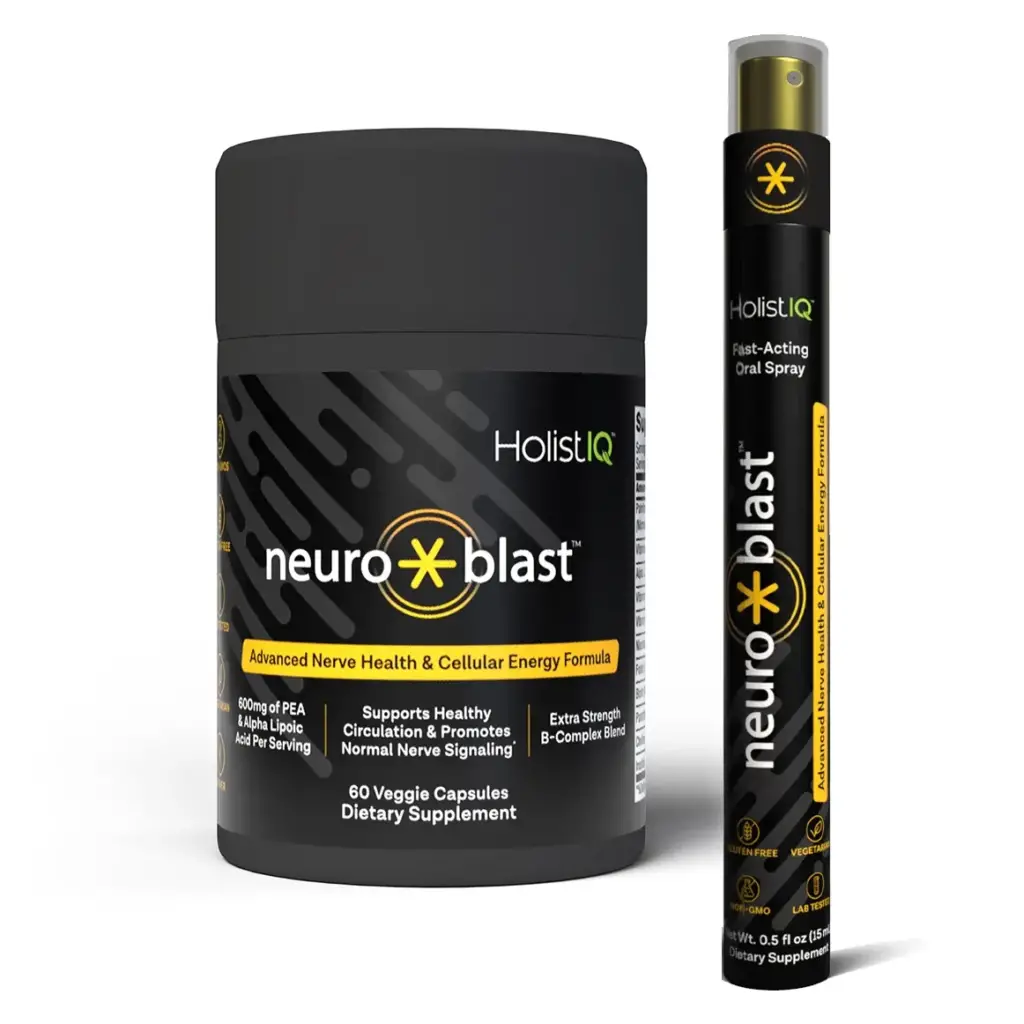
Think of it like this: your nerves are a complex communication network. When they’re damaged, the signals can get scrambled, resulting in pain, tingling, or numbness. Home remedies work by helping to restore order. Some improve the environment around the nerves by increasing blood flow and oxygen, while others work to directly soothe the nerve endings or interrupt the pain signals being sent to your brain. Understanding these mechanisms helps you build a smart, effective routine for managing your symptoms and getting back to the activities you love. While these remedies provide welcome relief, a comprehensive approach like the Neuro-Blast system works to support your nerve health on a deeper, cellular level.
How Heat and Cold Therapy Calm Nerves
Applying heat and cold might seem simple, but these therapies have a direct impact on your nerves and blood vessels. Soaking your feet in warm water, especially with mineral salts, can be incredibly soothing. The warmth helps your muscles relax and improves blood circulation, which brings more oxygen and nutrients to your nerve tissues, helping to calm them down.
On the other hand, cold therapy is your go-to for sudden, sharp pain. When you apply a cold pack, it constricts your blood vessels. This process helps reduce any swelling that might be pressing on your nerves and creating pain. The cold sensation also has a mild numbing effect, which can provide immediate, short-term relief from a painful flare-up.
Why Massage Eases Swelling and Improves Blood Flow
A gentle foot massage does more than just help you relax—it physically stimulates your circulatory system. The gentle pressure helps push blood through congested areas, which is crucial for nerve health. Your nerves rely on a steady supply of oxygen-rich blood to function properly and repair themselves. When circulation is poor, nerves can become starved for oxygen, leading to more pain and damage.
Studies have shown that regular massage can significantly reduce neuropathy pain and even improve balance and mobility. By enhancing blood flow, massage helps deliver nutrients to your nerve endings while also carrying away waste products. This process reduces swelling and eases the discomfort that keeps you from moving freely.
How Topical Creams Soothe Nerve Endings
Topical treatments offer targeted relief right where you need it most. They work by using active ingredients that interact with the nerve endings in your skin. Some creams contain lidocaine, an anesthetic that temporarily numbs the area and blocks pain signals. Others use capsaicin, the compound that makes chili peppers hot, which can actually reduce pain signals over time.
You can also find creams with ingredients like menthol and camphor, which create a cooling sensation that distracts your brain from the underlying pain. Many topical treatments also include anti-inflammatory components that help soothe irritated nerves. These creams are a great way to manage localized pain without affecting your entire body.
Eat Your Way to Better Nerve Health
What you eat has a direct impact on every part of your body, including your nervous system. While diet alone isn’t a cure for neuropathy, making thoughtful food choices can be a powerful way to manage your symptoms and support your body’s healing process. Think of it as providing your nerves with the right building blocks to function properly. Certain foods are packed with nutrients that can help repair nerve damage, while others contain compounds that fight the inflammation that often contributes to pain.
By focusing on a diet rich in vitamins, antioxidants, and anti-inflammatory ingredients, you can create an internal environment that helps calm your nerves. This approach works hand-in-hand with systems designed to provide deep, cellular-level nerve support. It’s about taking a comprehensive approach to your well-being, starting from the inside out. Making small, consistent changes to your meals can add up to a big difference in how you feel, helping you get back to the activities you love with more comfort and confidence.
The Role of B Vitamins in Nerve Repair
B vitamins are absolute superstars when it comes to nerve health. Vitamins like B1, B6, and B12 are essential for maintaining the health of the myelin sheath, which is the protective coating around your nerves. When this coating is healthy, your nerves can send signals correctly. Research shows that getting enough B-complex vitamins can help ease tingling and numbness while supporting nerve regeneration. To get more of these vital nutrients, try adding foods like salmon, leafy greens, eggs, legumes, and lean poultry to your regular meal rotation.
Add Alpha-Lipoic Acid and Omega-3s to Your Diet
Alpha-lipoic acid (ALA) is a potent antioxidant that your body produces naturally, and it plays a key role in protecting your nerves from damage. Studies suggest that ALA can help improve how nerves send signals and prevent them from misfiring. You can find it in foods like spinach, broccoli, and red meat. At the same time, omega-3 fatty acids, found in fatty fish like salmon and mackerel, are famous for their ability to reduce swelling and pain. If you’re not a fan of fish, you can also get omega-3s from walnuts, chia seeds, and flaxseeds.
Eat Anti-Inflammatory Foods to Fight Nerve Pain
Chronic inflammation is a major contributor to nerve pain, so filling your plate with anti-inflammatory foods is a smart strategy. Turmeric is a great place to start; it contains curcumin, a compound that helps reduce swelling and inflammation throughout the body. Try adding it to soups, smoothies, or curries. Ginger is another powerful root with mild anti-inflammatory effects that can help soothe nerve pain. Beyond spices, focus on eating plenty of colorful fruits and vegetables, like berries and dark leafy greens, which are packed with antioxidants that fight inflammation.
Foods to Avoid When You Have Neuropathy
Just as some foods can help, others can unfortunately make nerve pain worse. Alcohol is a significant one to limit, as it can be toxic to nerves and damage their protective covering. This is why excessive drinking often makes any nerve pain worse. Similarly, smoking is best avoided, as it constricts blood vessels, reducing blood flow and making it harder for damaged nerves to get the oxygen and nutrients they need to heal. It’s also wise to cut back on foods high in sugar and refined grains, as they can cause inflammation and blood sugar spikes that aggravate nerve issues.
Move Better, Feel Better: Exercise for Neuropathy
When your legs and feet are hurting, the thought of exercise can feel overwhelming. But gentle movement is one of the most effective ways to manage neuropathy symptoms and get you back to doing the things you love. The goal isn’t to run a marathon; it’s to gently reawaken your muscles, support your nerves, and improve your overall stability.
Regular physical activity can help reduce pain, build strength, and even help control blood sugar levels, which is a common factor in nerve pain. Think of it as a way to support your body’s systems on a foundational level. By focusing on low-impact exercises, gentle stretching, and balance work, you can create a routine that feels good and makes a real difference in your daily life. Starting slow is the key—even a few minutes a day can set you on the right path.
Try Low-Impact Exercises to Build Strength
Building strength in your legs and core provides better support for your entire body, which can ease pressure on your nerves and reduce pain. You don’t need a gym membership or heavy weights to do it. Low-impact exercises are gentle on your joints while still being incredibly effective.
Consider adding activities like walking, swimming, or stationary cycling to your weekly routine. Even just a 20-minute walk three times a week can make a noticeable impact. Practices like tai chi are also fantastic because they combine slow, deliberate movements with balance and coordination, helping to improve muscle strength and reduce the risk of falls. The key is consistency, so find something you enjoy and can stick with.
Stretch Gently to Improve Circulation
Poor circulation can make neuropathy symptoms worse, as your nerves aren’t getting the oxygen-rich blood they need to function properly. Gentle stretching is a simple and effective way to get your blood flowing, especially to your lower legs and feet.
You can do these stretches right from your chair. Try slowly rotating your ankles in circles, first one way and then the other. Point your toes forward and then flex them back toward you, holding each position for about 15-20 seconds. A gentle calf stretch against a wall can also feel great. Remember, the goal is to feel a light pull, never sharp pain. Making these simple stretches for your feet a part of your daily routine can help ease stiffness and improve blood flow.
Improve Your Balance to Prevent Falls
Neuropathy can sometimes interfere with your sense of position and stability, making balance a challenge. Working on your balance is a crucial step in preventing falls and staying independent and confident on your feet. Simple exercises can help retrain your body and strengthen the muscles that keep you steady.
Start by standing behind a sturdy chair and holding on for support. Try standing on one foot for 10-15 seconds, then switch to the other. As you get more comfortable, you can try holding on with just one hand, and eventually, not at all. Walking heel-to-toe in a straight line is another great way to practice. These balance exercises don’t take much time, but they can significantly improve your stability and confidence.
Add These Alternative Therapies to Your Routine
Beyond diet and exercise, several alternative therapies can offer significant relief and become a valuable part of your daily routine. Think of these as extra layers of support in your toolkit for managing nerve pain. It’s all about finding a combination of practices that helps you feel your best and stay active, complementing the foundational support you get from a system like Neuro-Blast.
Explore Acupuncture and Acupressure
If you’re open to trying ancient healing practices, acupuncture might be a great option. This traditional therapy uses very thin needles placed at specific points on the body to help rebalance energy and relieve pain. It has been found to be particularly helpful for managing diabetes-related nerve pain. If needles aren’t for you, acupressure follows the same principles but uses firm pressure from fingers instead. Always make sure to find a licensed and experienced practitioner to ensure you’re getting safe and effective treatment. A professional can tailor the session to your specific symptoms and needs, helping you get the most out of each visit.
Use Mind-Body Practices to Manage Pain
The connection between your mind and body is powerful, especially when it comes to pain. Practices like gentle yoga, meditation, and guided relaxation can make a real difference in how you experience discomfort. These techniques work by calming your nervous system and reducing the stress and anxiety that often amplify pain signals. You don’t need to become a zen master overnight. Simply setting aside a few minutes each day to breathe deeply or follow a guided meditation can help lower your perception of pain and improve your overall sense of well-being. It’s a gentle way to regain a sense of control over your body.
Master Your Daily Foot Care Routine
When you have neuropathy in your feet, a consistent care routine is non-negotiable. Since numbness can make it hard to notice small injuries, it’s crucial to be proactive. Make it a habit to inspect your feet every single day, looking for any cuts, blisters, or redness. Always wash and dry them thoroughly, especially between the toes. Proper foot care also means choosing the right gear. Opt for soft, seamless socks and comfortable, padded shoes that give your feet plenty of room. This simple daily ritual is one of the most effective ways to prevent minor issues from turning into serious complications.
Create Your Daily Neuropathy Management Plan
Living with neuropathy means that consistency is your best friend. Creating a daily management plan helps you weave simple, effective remedies into your life so they become second nature. Think of it as building a supportive framework for your body. A structured routine ensures you’re consistently taking steps to soothe your nerves, reduce inflammation, and improve your overall well-being. This isn’t about adding more stress to your day; it’s about creating predictable moments of care that your body can rely on.
By combining different strategies—from what you eat to how you move and relax—you create a powerful, multi-layered approach to managing your symptoms. A daily plan also helps you track what works best for you, allowing you to fine-tune your routine over time. When you pair these habits with a targeted nerve support supplement, you give your body the comprehensive care it needs to start healing from the inside out. The goal is to build a sustainable lifestyle that helps you feel more in control and get you back to doing the things you love.
Design Your Morning and Evening Routines
How you start and end your day can make a huge difference in managing nerve pain. A simple morning routine could involve gentle stretches to wake up your muscles and improve blood flow to your feet and legs. This is also the perfect time to take your daily supplements, like the Neuro-Blast System, to ensure you’re giving your nerves consistent cellular support.
In the evening, focus on calming your nervous system. A warm foot bath is a fantastic way to do this. Research shows that soaking your feet for 15 minutes in warm water with mineral salts can significantly reduce pain. Try adding Epsom salts to the water to help relax your muscles and ease tension before you head to bed for a more restful night’s sleep.
Combine Remedies for the Best Results
You’ll likely find the most relief by using a combination of home remedies rather than relying on just one. A holistic approach that includes diet, exercise, and targeted treatments often yields the best results. For example, you can pair the anti-inflammatory foods we discussed earlier with a daily low-impact walk. This combination helps reduce systemic inflammation while improving circulation to your extremities.
Regular, gentle exercise strengthens your muscles and can lessen pain over time. When you combine physical activity with other supportive habits, you create a synergistic effect. These home remedies can work alongside medical treatments and supplements to provide comprehensive care. The key is to find a mix of strategies that fits your lifestyle and addresses your specific symptoms, creating a well-rounded plan for your nerve health.
Learn Stress-Reduction Techniques to Ease Pain
The connection between stress and pain is powerful. When you’re stressed or anxious, your body tenses up, and your perception of pain can intensify. Learning to manage your stress is a critical part of any neuropathy care plan. When you feel more relaxed, you may find that your pain levels decrease, making it easier to cope with ongoing symptoms.
You don’t need a complicated routine to see benefits. Simple practices like deep breathing exercises can calm your nervous system in just a few minutes. You might also explore guided meditation apps or dedicate time to a relaxing hobby like reading, gardening, or listening to music. Finding a healthy outlet for stress gives you a valuable tool to use whenever you feel overwhelmed, helping you regain a sense of calm and control.
Stay Safe: Understand Potential Remedy Interactions
While home remedies are generally safe, it’s important to be mindful of your lifestyle choices and how they impact your nerve health. For instance, if you smoke, consider getting support to quit. Smoking constricts blood vessels, which can worsen nerve pain and slow down healing. Similarly, excessive alcohol consumption is a known cause of nerve damage and can aggravate existing neuropathy symptoms.
Always talk to your doctor before adding new supplements or making significant changes to your routine, especially if you’re taking other medications. Open communication with your healthcare provider ensures your entire care plan is safe and cohesive. They can help you understand how different remedies and lifestyle adjustments work together to support your health without causing unintended side effects.
When to See a Doctor for Your Neuropathy
While home remedies can be a fantastic way to manage day-to-day discomfort, they are one piece of a larger puzzle. Think of them as your support system, but a doctor is your head coach. Getting a proper diagnosis is the most critical step you can take to understand what’s truly happening with your nerves and to create a long-term strategy for your health. A healthcare professional can help you pinpoint the underlying cause of your neuropathy, which is essential for effective treatment.
Ignoring persistent or worsening symptoms won’t make them go away. In fact, waiting too long can sometimes make nerve damage harder to address. Taking that step to schedule an appointment is a powerful move toward getting your life back. Your doctor can offer advanced treatments and create a personalized care plan that complements the self-care you’re already doing. It’s about combining your efforts at home with expert medical guidance to get the best possible results and help you get moving again.
Know the Red Flag Symptoms You Can’t Ignore
It’s important to listen to your body and recognize when it’s sending you a clear signal for help. Neuropathy symptoms can change over time, and what starts as a minor annoyance can become a serious problem. Early on, you might just feel some mild numbness or tingling in your feet. But if you start experiencing creepy-crawly sensations, sharp or burning pains, a noticeable loss of balance, or significant muscle weakness, it’s time to call your doctor. These are red flag symptoms of peripheral neuropathy that indicate the condition may be progressing and requires professional medical attention.
Learn How Advanced Treatments Target the Root Cause
A doctor’s primary goal is to move beyond simply managing your symptoms and get to the bottom of what’s causing your nerve pain. Professional treatment for neuropathy aims to fix the underlying cause of your nerve damage through a combination of medications, therapies, and specific lifestyle changes. This is where a system designed for deep, cellular-level support can make a difference. By understanding the root cause, your doctor can recommend a comprehensive approach that gives your body the tools it needs to repair and function properly, rather than just masking the pain.
Partner with Your Doctor for a Complete Care Plan
Think of your doctor as your partner in health. The sooner you start the conversation, the more options you’ll have. Early diagnosis and treatment can sometimes limit or even reverse the effects of nerve damage, so being proactive is key. When you meet with your provider, come prepared to discuss all your symptoms and the home remedies you’ve tried. This collaboration helps them build a complete care plan tailored just for you. This plan can integrate medical treatments with supportive systems like Neuro-Blast to ensure you’re addressing nerve health from every angle.
Related Articles
- Neuropathy Diet Guide: Foods to Eat & Avoid for Nerve Health
- Alpha Lipoic Acid for Nerve Pain: What to Know
- Supplements for Neuropathy: What Works & What to Avoid
Frequently Asked Questions
How soon can I expect to feel better after trying these remedies? Relief from nerve pain is often a gradual process, so patience and consistency are your best allies. While a warm foot soak or a gentle massage can provide immediate comfort, the long-term benefits from changes in diet or exercise build up over weeks and months. The key is to create a daily routine you can stick with. Combining a few strategies, like a daily walk and adding more B vitamins to your meals, will likely give you better results than trying just one thing.
Is it safe to exercise if I have numbness in my feet? This is a great question, and the answer is yes, with a few important precautions. Numbness can affect your balance, so it’s smart to start with exercises where you feel stable and supported. Seated stretches, stationary cycling, or walking while holding onto a counter are all excellent starting points. The goal is to improve circulation and strength without risking a fall. Always wear well-fitting, supportive shoes and pay close attention to how your body feels.
Can these natural remedies replace my prescribed medication? You should think of these home remedies as powerful partners to your medical treatment, not replacements for it. They are meant to complement the care plan you have with your doctor. Never stop or change any prescribed medication without first discussing it with your healthcare provider. The most effective approach combines your doctor’s guidance with supportive daily habits to manage your symptoms from all angles.
With so many suggestions, where’s the best place to start? Feeling overwhelmed is completely normal. The best way to start is by picking one or two simple habits that feel manageable for you. A great first step is mastering a daily foot care routine—inspecting your feet and moisturizing them. Another easy win is ending your day with a 15-minute warm foot soak. Once those feel like second nature, you can gradually add another practice, like a short walk or a simple dietary change.
Will changing my diet really make a difference for my nerve pain? Absolutely. The food you eat provides the raw materials your body uses to function and heal. By focusing on anti-inflammatory foods and nutrients like B vitamins and omega-3s, you’re giving your nervous system the specific building blocks it needs to repair damage and calm irritation. At the same time, avoiding things like excess sugar and alcohol helps reduce the inflammation and toxicity that can make nerve pain worse.