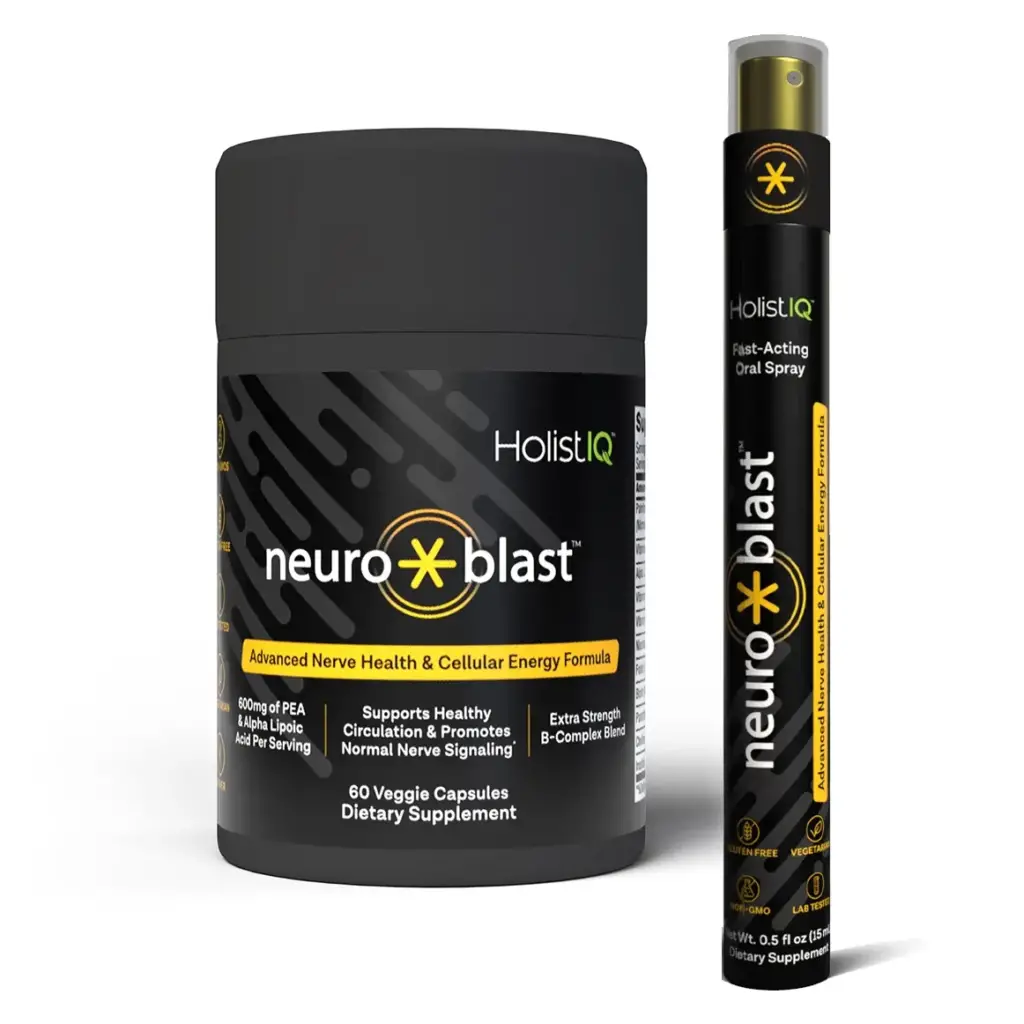

When it comes to supplements, there’s rarely a one-size-fits-all answer, and alpha-lipoic acid is a perfect example. This versatile antioxidant can be used for different health goals, from managing blood sugar to providing deep, cellular-level nerve support. Because of this, the question of how much alpha-lipoic acid should you take a day depends entirely on what you want to achieve. Instead of giving you a single number, this guide will help you personalize your approach. We’ll explore the different dosages used in clinical research for various needs, so you can have an informed conversation with your doctor and find your personal sweet spot.
Key Takeaways
- Master Your Dosage and Timing: For effective nerve support, a daily dose of 600 mg is a well-researched starting point. To ensure your body absorbs it properly, take your supplement on an empty stomach about 30 minutes before a meal.
- Choose the Biologically Active Form: Your body best utilizes the natural R-alpha-lipoic acid (R-ALA) form. When selecting a supplement, check the label to make sure you’re getting this more effective version for targeted results.
- Consistency is the Key to Success: ALA works by building up in your system over time, so daily use is crucial for seeing real benefits. Sticking to a consistent routine is far more important for long-term nerve health than taking a higher dose irregularly.
What Is Alpha-Lipoic Acid?
Alpha-lipoic acid, often called ALA, is a natural compound that’s already hard at work inside your body. It’s found in every cell, where it plays a vital role in energy metabolism—the process of turning the food you eat into fuel your body can use. Think of it as a tiny but mighty helper for your cellular power plants.
Beyond its role in energy production, ALA is also a potent antioxidant. This means it helps defend your cells against oxidative stress, a type of damage caused by unstable molecules called free radicals. What makes ALA particularly special is its ability to work in both water- and fat-based environments in the body. This unique quality allows it to offer protective benefits across a wide range of tissues and systems, which is why it’s gained so much attention for supporting overall wellness, especially when it comes to nerve health.
How This Powerful Antioxidant Works
As an antioxidant, ALA’s main job is to neutralize harmful free radicals before they can cause damage to your cells. But it also has a cool secondary effect: it helps regenerate other important antioxidants, like vitamin C, vitamin E, and glutathione, essentially giving them a second life to continue their protective work. This recycling ability makes ALA a key player in your body’s overall antioxidant defense system. Research has also shown that ALA can influence blood sugar levels by helping the body use insulin more effectively. This multifaceted action is what makes it such a valuable compound for maintaining cellular health and function throughout the body.
Food Sources vs. Supplements
You can find small amounts of alpha-lipoic acid in certain foods, particularly in organ meats like liver and kidney, as well as in vegetables like spinach, broccoli, and potatoes. While eating a balanced diet is always a great idea, the amount of ALA you can get from food alone is quite low. To put it in perspective, supplemental forms of ALA can provide a dose that’s up to 1,000 times greater than what you could realistically consume through your diet. This is why many people turn to supplements to get a more concentrated and therapeutic amount, especially when targeting specific health goals like supporting nerve function or increasing antioxidant levels.
How Much Alpha-Lipoic Acid Should You Take?
Figuring out the right amount of any supplement can feel like a bit of a puzzle, but with alpha-lipoic acid (ALA), there’s plenty of research to guide you. The ideal dosage really depends on your personal health goals, whether you’re aiming for general antioxidant support or more targeted help for nerve discomfort. The key is to find a dose that’s both effective and comfortable for your system. Think of it less as a strict rule and more as a starting point that you can adjust based on how you feel. Let’s walk through the most common recommendations to help you find what works for you.
General Dosage Guidelines
For general antioxidant support and overall wellness, most people find success with a daily dose between 300 and 600 mg. This range is widely considered safe and effective for long-term use. While some clinical studies have explored higher doses for specific conditions, sticking to that 300–600 mg window is a solid, evidence-backed approach for daily maintenance. It’s a great way to give your body a consistent supply of this powerful antioxidant without overdoing it. As always, it’s a good idea to chat with your doctor to make sure your supplement plan aligns with your unique health needs.
Start Low: Finding Your Ideal Dose
When trying any new supplement, it’s smart to begin with a lower dose to see how your body responds. This gives you a chance to assess your tolerance before settling on a final amount. For ALA, starting with 300 mg daily is a great strategy. To get the most out of each dose, try taking it on an empty stomach—about 30 minutes before a meal. This simple step can improve how well your body absorbs the nutrient. Pay attention to how you feel over the first couple of weeks. This “start low” approach allows you to find your personal sweet spot for dosage safely and effectively.
Adjusting Your ALA Dosage for Specific Needs
Alpha-lipoic acid is a wonderfully versatile antioxidant, and the right amount for you often depends on your specific health goals. While a general dose can support overall wellness, fine-tuning your intake can help you target particular concerns more effectively. Think of it less as a one-size-fits-all prescription and more as a personalized tool for your well-being. Whether you’re looking for nerve support, aiming to manage your blood sugar, or simply want to maintain your cellular health, adjusting your dosage with intention is key. This is where understanding the research behind different dosages becomes so valuable. Different studies point to different amounts for achieving specific outcomes, which gives you a great starting point for a conversation with your healthcare provider. Of course, it’s always a great idea to chat with your doctor before making any changes to your supplement routine, especially if you have pre-existing health conditions. They can look at your whole health picture and help you find the perfect amount for your unique needs, ensuring your approach is both safe and effective.
For Nerve Support and Neuropathy
If you’re dealing with the tingling, numbness, or burning sensations associated with neuropathy, ALA might be a helpful addition to your routine. Research has shown that it can be particularly beneficial for people experiencing nerve discomfort. Many studies focusing on neuropathy use a dosage of around 600 mg per day. This amount has been shown to help reduce symptoms and provide cellular-level nerve support. Starting with a consistent daily dose in this range is a common strategy for those seeking to soothe their nerves and get back to moving comfortably and with confidence.
For Blood Sugar Management
For those focused on keeping their blood sugar in check, ALA offers a unique benefit. It’s been shown to improve the body’s insulin sensitivity, which is a crucial factor in how your cells use glucose for energy. Better insulin sensitivity can help you manage blood sugar levels more effectively. Dosages used in studies for this purpose often range from 600 to 1,800 mg per day, but it’s essential to work with your healthcare provider here. Since ALA can lower blood sugar, your doctor can help you monitor your levels and find a dose that complements your existing health plan without causing any unwanted dips.
For Weight Management
While it’s not a magic pill for weight loss, some studies suggest that ALA can play a supportive role in a healthy weight management plan. It appears to help by influencing appetite and metabolism, which can be a welcome advantage when you’re working toward your goals. Research has explored doses ranging from 600 to 1,800 mg daily for this purpose. When combined with a balanced diet and regular exercise, ALA may offer that extra bit of support for your efforts. It’s a great example of how a supplement can work alongside healthy habits to help you feel your best.
For General Antioxidant Health
Your body naturally produces ALA, but sometimes a little extra support can go a long way. As a powerful antioxidant, it works to neutralize harmful free radicals throughout the body, protecting your cells from oxidative stress and damage. For general wellness and antioxidant support, a lower daily dose of 200 to 600 mg is often considered sufficient. This amount can help maintain your body’s natural defenses and contribute to your overall vitality without targeting a specific high-level concern. It’s a simple, proactive way to invest in your long-term cellular health.
When Is the Best Time to Take Alpha-Lipoic Acid?
You’ve figured out your ideal dose, but when you take it matters just as much. Getting the timing right helps your body make the most of every milligram, ensuring you get the full benefits you’re looking for. Think of it like watering a plant—giving it water at the right time of day helps it absorb what it needs to thrive. For alpha-lipoic acid, a few simple timing tricks can make a significant difference in its effectiveness, especially when you’re seeking consistent support for your nerves. The goal isn’t just to take the supplement, but to create the best possible conditions for your body to use it. Below, we’ll walk through the key timing factors—from whether to take it with food to splitting your doses—so you can build a routine that truly works for you and helps you get back to moving with comfort and ease.
Taking It With or Without Food
This is one of the most common questions, and the answer is pretty clear: alpha-lipoic acid is best taken on an empty stomach. When you take ALA with food, it has to compete for absorption with all the other nutrients in your meal. Taking it alone gives it a clear path into your system, so your body can absorb it more efficiently. If you have a sensitive stomach, you can certainly try it with a small amount of food, but starting without is the best way to maximize its benefits and see how your body responds.
Timing Your Doses for Maximum Effect
To put the “empty stomach” rule into practice, aim to take your alpha-lipoic acid about 30 minutes before a meal. This simple habit gives the supplement enough time to be absorbed before your digestive system gets busy with food. For many people, taking it first thing in the morning, about half an hour before breakfast, is an easy routine to adopt. This timing helps maximize its bioavailability, which is just a technical term for how much of the supplement your body can actually put to use.
Should You Split Your Doses?
Alpha-lipoic acid works relatively quickly in the body, which means its levels can drop a few hours after you take it. To maintain a more steady supply for your nerves throughout the day, splitting your dose can be a great strategy. For example, if your daily target is 600 mg, you could take 300 mg 30 minutes before breakfast and the other 300 mg 30 minutes before dinner. This approach helps provide more consistent, around-the-clock support, which is exactly what you want when you’re working to feel your best.
Understanding the Side Effects and Safety
Alpha-lipoic acid is generally considered safe for most people, but like any supplement, it’s smart to know what to expect and when to be cautious. Being informed helps you make the best decisions for your health journey. The goal is to support your body, so paying attention to its signals is a key part of the process. Most side effects are mild and often related to dosage, but understanding potential interactions and specific health considerations is crucial for using ALA safely and effectively. Let’s walk through what you need to know to feel confident as you incorporate it into your routine.
Common Reactions to Look For
When you first start taking alpha-lipoic acid, your body might need a little time to adjust. For some people, this can mean experiencing mild side effects like a headache, heartburn, or an upset stomach with nausea. These reactions are typically not severe and often lessen as your body gets used to the supplement. If you notice any of these, you might try taking your ALA with food to see if that helps settle your stomach. It’s always a good idea to be aware of potential side effects so you can recognize what’s happening. If any reaction feels persistent or particularly uncomfortable, it’s best to check in with your doctor.
Who Should Be Cautious with ALA
While ALA is beneficial for many, it’s not the right fit for everyone. If you have a thyroid condition, it’s important to talk with your doctor before starting ALA, as it can affect thyroid hormone levels. Similarly, anyone with a thiamine (vitamin B1) deficiency should proceed with caution. Because ALA can influence how your body uses certain nutrients, it’s best to ensure your levels are stable first. The key is to have an open conversation with your healthcare provider about your full health picture. They can help you determine if ALA is a safe and helpful addition to your wellness plan, especially if you have pre-existing conditions.
Potential Drug Interactions
This is an important one, especially if you’re managing other health conditions. Alpha-lipoic acid can lower blood sugar levels. If you’re already taking medications for diabetes, adding ALA could cause your blood sugar to drop too low (hypoglycemia). It’s essential to monitor your blood sugar closely and work with your doctor, who might need to adjust your medication dosage. You should also be mindful of taking ALA with other supplements that affect blood sugar. Always let your doctor know about every supplement you’re taking to avoid any unwanted interactions and ensure your entire regimen works together safely.
Can You Take Too Much Alpha-Lipoic Acid?
It’s smart to be mindful of dosage with any supplement, and alpha-lipoic acid (ALA) is no exception. While ALA is known for its excellent safety record, it’s still important to understand the limits and listen to your body. Taking the right amount is key to getting the benefits you’re looking for without any unwanted effects. Let’s walk through what the research says about safe dosage levels and the signs that might indicate you’ve taken too much.
Safe Upper Limits
One of the most reassuring things about alpha-lipoic acid is how well-tolerated it is. For most adults, daily doses used in studies—often ranging from 600 to 1,800 milligrams—are handled without issue. In fact, there is currently no established “Tolerable Upper Intake Level” for ALA. This means health organizations haven’t set a maximum daily limit because it’s considered very safe at recommended amounts. At these standard doses, ALA usually has no side effects, allowing you to focus on its benefits for nerve health and antioxidant support without much worry. It’s always best to stick to the dosage recommended by your doctor or the product label.
Signs You Might Be Taking Too Much
While ALA is generally safe, taking excessively high doses can sometimes lead to mild side effects. If you take more than the recommended amount, you might experience symptoms like a headache, heartburn, nausea, or an upset stomach. Some people may also notice a skin rash, though this is less common. It’s important to know that these reactions are rare and typically linked to very high doses that go far beyond what’s usually suggested for daily support. According to WebMD, extremely high doses can be dangerous, so sticking to established guidelines is the best approach. If you notice any of these signs, it’s a good idea to lower your dose and talk with your healthcare provider.
How to Choose a Quality ALA Supplement
Walking down the supplement aisle can feel overwhelming. With so many bottles and brands, how do you know which one is actually worth your money? When it comes to alpha-lipoic acid, not all supplements are created equal. The form of ALA used and the overall quality of the product can make a huge difference in the results you see. Let’s break down exactly what to look for so you can feel confident in your choice.
R-ALA vs. S-ALA: What’s the Difference?
You might notice different types of ALA listed on labels, specifically R-ALA and S-ALA. Think of R-alpha lipoic acid (R-ALA) as the natural form your body produces and recognizes. It’s the biologically active version that your cells can easily use. S-alpha lipoic acid (S-ALA), on the other hand, is a synthetic byproduct created during the manufacturing process. While many common supplements contain a 50/50 mix of both, research suggests R-ALA is more effective and better absorbed by the body. For targeted nerve support, a supplement that prioritizes the R-ALA form is your best bet for getting the most out of every dose.
What to Look for on the Label
Your guide to a great supplement is right on the label—if you know what to look for. First, check that the product specifies it contains R-ALA. Next, confirm the dosage per capsule, which is typically between 300–600 mg. Some formulas include other ingredients like biotin to help with absorption. It’s also smart to scan for unnecessary fillers and additives. A quality product won’t be loaded with extra junk. Finally, look for seals that indicate quality control, like a mention of third-party testing for purity or manufacturing in a GMP-certified facility. These details show the company is committed to delivering a safe, high-quality product.
How Long Until You See Results?
When you’re dealing with nerve discomfort, the first question you probably have is, “How soon will I feel better?” It’s completely understandable to want relief as quickly as possible. The truth is, the timeline for seeing results with alpha-lipoic acid (ALA) isn’t the same for everyone. It’s a gradual process of supporting your body on a cellular level, not an overnight fix.
Research gives us some helpful clues. For instance, studies using intravenous ALA often show noticeable improvements in a short period. However, when you take an oral supplement, the body processes it differently. This means it can take more time and consistency to experience the full benefits. Think of it as providing your nerves with a steady supply of the resources they need to function better. The goal is to achieve deep, lasting support, and that requires a bit of patience. The key is to stick with it and give your body the time it needs to respond to the cellular-level nerve support you’re providing.
A Realistic Timeline for Your Goals
So, what does a realistic timeline look like? While there’s no magic number, many people start to notice subtle shifts in symptoms like tingling or numbness within a few weeks of consistent use. For others, it might take a couple of months to achieve more significant results. The general expert consensus points to a daily intake of 600 mg of R-alpha-lipoic acid as the gold standard for therapeutic effects, especially for those dealing with neuropathy. Consistency is your best friend here. Taking your supplement daily allows the antioxidant to build up in your system and work effectively.
Factors That Influence Your Results
Several personal factors can influence how quickly you feel a difference. Your specific health condition, the form of ALA you’re taking, and even your individual metabolism play a role in the process. For instance, the R-ALA form is often preferred because it’s the type your body naturally produces and can use more efficiently. The quality of your supplement also matters immensely. A well-designed formula that includes other supportive nutrients can enhance how your body absorbs and uses ALA, making it more effective than taking ALA alone. This is why it’s so important to choose a high-quality product designed specifically for nerve recovery.
Common Dosage Mistakes to Avoid
When you’re trying to manage nerve discomfort, finding the right supplement is only half the battle. How you take it matters just as much. It’s easy to fall into a couple of common traps when starting with alpha-lipoic acid, but with a little guidance, you can sidestep them and give your body the best chance to respond.
The two biggest mistakes people make are assuming that a higher dose will work faster and not taking it consistently enough to see a real difference. Let’s walk through why these approaches can hold you back and how to get on the right track for steady, reliable support.
The “More Is Better” Myth
It’s a common thought: if a little is good, more must be better, right? When it comes to ALA, that’s not the case. While it’s tempting to increase your dose hoping for faster relief, research shows that excessive amounts don’t necessarily lead to better results and can even cause unwanted adverse effects. For nerve support specifically, studies often point to 600 mg daily as the effective amount. Going beyond this dose may not provide any extra benefits and could increase your risk of side effects like an upset stomach. It’s about finding the right amount, not the highest amount.
Why Consistency Is Key
Think of taking ALA as a long-term commitment to your nerve health rather than a quick fix. Its benefits build up over time. Sporadic or inconsistent use is one of the main reasons people don’t see the results they’re hoping for. To effectively reduce neuropathy symptoms like tingling and numbness, you need to maintain a steady level of ALA in your system. This means taking your supplement every single day as recommended. Making it a regular part of your daily routine is the key to allowing this powerful antioxidant to do its work on a cellular level and provide lasting support.
Related Articles
- Alpha Lipoic Acid Benefits: A Complete Guide
- How to Use Alpha Lipoic Acid for Foot Neuropathy
- Alpha Lipoic Acid for Neuropathy Reviews: What to Know
Frequently Asked Questions
I’m trying to eat healthier. Can I just get enough alpha-lipoic acid from food? While it’s wonderful that you’re focusing on your diet, getting a therapeutic amount of alpha-lipoic acid from food alone is nearly impossible. Foods like spinach, broccoli, and organ meats do contain ALA, but only in very small amounts. Supplements provide a much more concentrated dose, which is what studies have found to be effective for providing significant antioxidant and nerve support.
My supplement just says ‘alpha-lipoic acid.’ Is that different from the R-ALA you mentioned? That’s a great question, and the difference is important. Most standard ALA supplements contain a 50/50 mix of R-ALA (the natural form your body makes and prefers) and S-ALA (a synthetic form). For the most effective support, you want a supplement that prioritizes R-ALA, as your body can absorb and use it much more efficiently. It’s the version that gets the job done on a cellular level.
I’ve been taking my ALA for a few weeks and don’t feel a major difference yet. Should I stop? It’s completely normal not to feel a dramatic change right away, so I encourage you to stick with it. Alpha-lipoic acid works gradually by supporting your nerve cells from the inside out. This isn’t an overnight fix; it’s a process of steady reinforcement. Consistency is the most important factor, as it allows ALA levels to build up in your system and provide continuous support.
Is it safe to take alpha-lipoic acid every day for a long time? Yes, for most people, alpha-lipoic acid is considered very safe for long-term daily use, especially at the commonly recommended doses of 300-600 mg. Think of it as a consistent part of your wellness routine that provides ongoing antioxidant protection for your cells. As with any supplement, it’s always a good idea to keep your doctor informed about what you’re taking.
I take medication for my blood sugar. Is it still okay for me to take ALA? This is a crucial point to discuss with your doctor before you start. Because alpha-lipoic acid can help improve insulin sensitivity and lower blood sugar levels, it can have an additive effect with your medication. Your doctor can help you monitor your levels and may need to adjust your medication dosage to ensure everything works together safely and effectively.