
The first step to taking back control from foot neuropathy is understanding what you’re up against. For a long time, I felt like I was just reacting to the pain, never getting ahead of it. My online searches for “how i cured my neuropathy in feet” left me feeling more hopeless than empowered, filled with conflicting advice and empty promises. Everything changed when I shifted my focus from finding a cure to building a system of support for my nerves. This guide walks you through that process, starting with the fundamentals of nerve health and moving into actionable strategies, from targeted cellular support systems to simple lifestyle adjustments that create a foundation for lasting relief.
Key Takeaways
- Get to the Root of the Problem: Tingling, numbness, and pain are important signals from your body. Partner with your doctor to get a clear diagnosis and understand the specific cause of your neuropathy, which is the critical first step toward finding effective relief.
- Combine Treatments for Better Results: The most successful approach involves more than a single solution. Create a comprehensive plan that layers medical treatments, cellular-level support like the Neuro-Blast system, physical therapy, and smart dietary choices for a powerful, synergistic effect.
- Make Daily Self-Care Non-Negotiable: Your everyday choices create the foundation for healing. A consistent routine of daily foot inspections, wearing protective footwear, and engaging in gentle movement can significantly reduce discomfort and prevent future complications.
What Is Foot Neuropathy?
If you’ve been dealing with strange, uncomfortable, or painful sensations in your feet, you’ve probably spent some time searching for answers. You might feel like your feet have a mind of their own, with tingling, numbness, or sharp pains that you can’t explain. This experience can be isolating, but you’re not alone, and there’s a name for what’s likely happening: foot neuropathy.
This is a specific type of peripheral neuropathy, which is a condition that affects the vast network of nerves connecting your brain and spinal cord to the rest of your body. When these nerves are damaged, the communication lines get crossed. Your brain might not get the right signals from your feet, or it might receive pain signals when there’s no injury. Understanding what’s happening at a nerve level is the first step toward finding a path forward. Let’s break down what this condition is, what it feels like, and why it so often starts in your feet.
A Clear Definition of Peripheral Neuropathy
At its core, peripheral neuropathy is a condition resulting from damage to the nerves located outside of your brain and spinal cord. Think of your nervous system as your body’s electrical wiring. Your brain and spinal cord are the main power station, and the peripheral nerves are the wires that run to every other part of your body, including your hands, legs, and feet. When these wires get damaged, the signals they carry can become weak, distorted, or stop completely. This disruption is what causes the symptoms of neuropathy. The good news is that this condition and its symptoms are often treatable, especially when you address the underlying causes.
Common Symptoms You Might Be Feeling
Because neuropathy is all about nerve signals, the symptoms can feel a bit strange and varied. You might experience a gradual onset of numbness or a prickling, pins-and-needles sensation in your feet, which can spread upward into your legs. Many people also describe sharp, jabbing, or burning pain that seems to come out of nowhere. Another one of the most disruptive common symptoms is a loss of coordination and balance, which happens when your brain isn’t getting accurate information about where your feet are in space. This can make walking feel unsteady and can unfortunately lead to falls if not properly managed.
Why Your Feet Are Often the First to Notice
Have you ever wondered why your toes seem to be ground zero for these sensations? It comes down to anatomy. The nerves that travel to your feet and toes are the longest and most vulnerable in your body. Because they have such a long way to go from the spinal cord, there are more opportunities for them to become damaged or compressed along the way. This is why symptoms often start in the toes and gradually work their way up the foot and into the leg. Think of it like a long highway—the farther you travel, the more chances there are for traffic jams or roadblocks to occur.
What Causes Neuropathy in the Feet?
When you’re dealing with the tingling, numbness, or sharp pains of neuropathy, one of the first questions you ask is, “Why is this happening to me?” Getting to the root of the problem is a huge step toward finding relief. Foot neuropathy isn’t a one-size-fits-all condition; it stems from nerve damage that can be triggered by a wide range of health issues and lifestyle factors. Think of your nerves as delicate electrical wiring. When that wiring gets damaged, the signals between your feet and your brain get scrambled, leading to the uncomfortable sensations you’re feeling.
Understanding the specific cause of your neuropathy is key because it helps you and your doctor create a targeted plan. For some, it’s a matter of managing an existing health condition, while for others, it might involve addressing a nutritional gap or changing a daily habit. By exploring the most common culprits, you can start to connect the dots and see a clearer path forward. Let’s walk through some of the primary reasons why nerve damage occurs, so you can feel more informed and in control of your health journey.
The Link Between Diabetes and Nerve Health
If you have diabetes, you’ve likely heard about its connection to nerve health. High blood sugar is one of the most common causes of neuropathy because, over time, it can damage the delicate nerve fibers throughout your body, especially in your feet. When blood sugar levels remain high, they interfere with the nerves’ ability to transmit signals properly. This can lead to the classic symptoms of numbness, tingling, or a painful burning sensation. Managing your blood sugar is one of the most powerful actions you can take to protect your nerves from further damage and find some relief. This type of peripheral neuropathy is a serious concern, but it also highlights how proactive health management can make a real difference.
How Vitamin Deficiencies Play a Role
Your nerves need the right nutrients to function correctly, just like the rest of your body. When you’re running low on certain vitamins and minerals, your nerve health can suffer. Deficiencies in B vitamins—specifically B1, B6, and B12—are frequently linked to neuropathy, as these vitamins are crucial for maintaining a healthy nervous system. Other essential nutrients like copper and vitamin E also play a protective role. Interestingly, it’s a delicate balance; while a lack of vitamin B6 can cause problems, getting too much of it can also lead to nerve damage. This is why it’s so important to talk with your doctor before starting any new supplement regimen to ensure you’re getting exactly what your body needs.
Chronic Conditions and Autoimmune Responses
Sometimes, neuropathy is a side effect of another ongoing health battle. Autoimmune diseases, for instance, can cause your immune system to mistakenly attack your own body, and nerve tissue can become a target. Conditions like lupus, rheumatoid arthritis, and Guillain-Barré syndrome are known to cause this kind of nerve damage. In these cases, the neuropathy is a symptom of a larger issue where the body’s defense system is overactive. Managing the underlying autoimmune condition is often the first and most critical step in calming the nerve-related symptoms and preventing them from getting worse. It adds another layer to your health management, but addressing the root cause is essential for long-term relief.
Lifestyle Factors, Medications, and Toxins
Our daily habits and environments can also have a direct impact on our nerve health. For example, long-term excessive alcohol use is a major risk factor for neuropathy because it can be directly toxic to nerve tissue and often leads to poor nutrition. Beyond that, certain medications, including some used for chemotherapy or to treat infections, can have nerve damage as a side effect. Exposure to environmental toxins like heavy metals or industrial chemicals can also contribute to the problem. Reviewing your lifestyle, medications, and potential exposures with your doctor can help uncover contributing factors you might not have considered, opening up new avenues for treatment and prevention.
How Can You Tell If It’s Neuropathy?
Figuring out what’s causing discomfort in your feet can feel like solving a puzzle. Is it just a long day, or is it something more? Neuropathy often starts subtly, but paying attention to your body’s signals is the first step toward getting answers and finding relief. Understanding the early signs, knowing when to seek professional advice, and being prepared for the diagnostic process can make all the difference in creating your action plan for recovery.
Early Warning Signs to Look For
The first clues of neuropathy often appear in your toes or fingertips. You might notice a persistent tingling or a “pins-and-needles” sensation that doesn’t go away. For many, it feels like a burning or sharp, stabbing pain that comes and goes. Another common sign is numbness, which can make it hard to feel temperature changes or even the ground beneath your feet, affecting your balance. These symptoms of peripheral neuropathy are your body’s way of telling you that your nerves need attention. Don’t dismiss these feelings as just a normal part of aging; they are important signals worth investigating.
When It’s Time to Talk to Your Doctor
If you’re experiencing any of the early warning signs consistently, it’s a good idea to schedule a visit with your doctor. A conversation about your symptoms is the best place to start. You should seek medical attention right away if you experience more severe symptoms, such as sudden weakness, numbness on one side of your body, or trouble walking, as these could indicate a more serious issue. Also, mention any dizziness or irregular heart rate to your provider. Getting a clear diagnosis is a critical step, and your doctor is your best partner in figuring out the root cause of your discomfort and creating a plan to address it.
What to Expect from Diagnostic Tests
Your doctor’s visit will likely start with a simple conversation about your symptoms and medical history, followed by a physical exam. To get a clearer picture, your doctor may suggest a few diagnostic tests. These aren’t as intimidating as they might sound. Common tests include blood work to check for vitamin deficiencies or diabetes and imaging scans like an MRI to look for physical issues like a slipped disk. Your doctor might also recommend nerve function tests, which help measure the electrical activity in your muscles and nerves. Each test provides a piece of the puzzle, helping to confirm a diagnosis and guide your treatment.
Finding a Treatment for Foot Neuropathy That Works
Once you have a diagnosis, the next step is figuring out a treatment plan that feels right for you. The good news is you have options, and many people, myself included, find that the best approach combines a few different strategies. Think of it as building your personal toolkit for managing symptoms and supporting your body’s healing process. From conventional medicine to daily habits, each piece plays a part in helping you get back on your feet and feel more like yourself again. Let’s walk through some of the most effective treatments available.
An Overview of Prescription Medications
Your doctor will likely discuss prescription medications first. They are often effective at managing nerve pain, though they aren’t traditional painkillers. Instead, options like anti-seizure drugs or certain antidepressants work by calming the overactive nerve signals causing discomfort. While they don’t fix the underlying nerve damage, they can provide significant relief and make daily life more manageable. This is a critical first step for many on their recovery journey, giving you the space to focus on other healing strategies.
How the Neuro-Blast System Offers Cellular Support
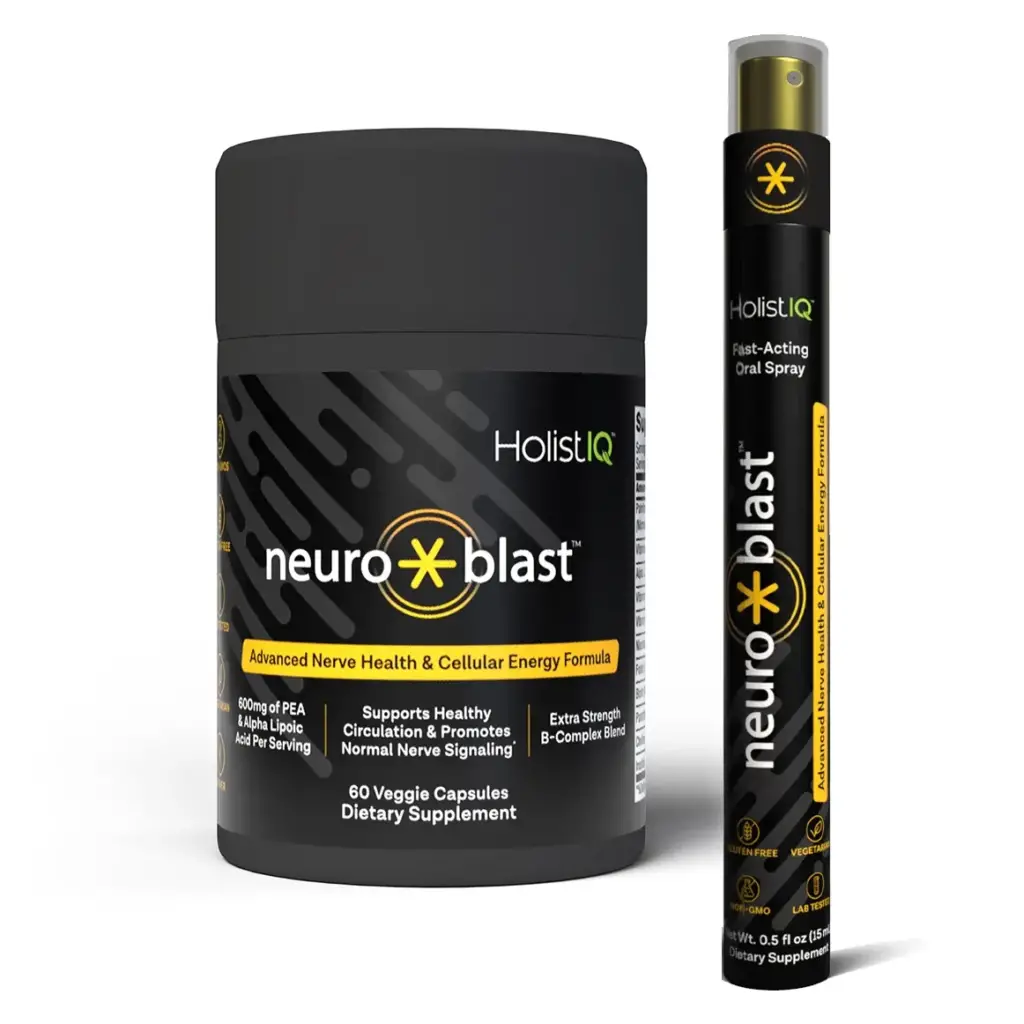
While medications manage symptoms, I wanted to address the problem at its source. That’s what led me to the Neuro-Blast system. Instead of just masking pain, it’s designed to provide deep, cellular-level nerve support. The system uses a two-part approach with daily capsules and a fast-absorbing oral spray to support your nervous system from the inside out. For me, incorporating this doctor-led system felt like I was finally giving my nerves the foundational support they needed to begin healing, rather than just putting a bandage on the problem.
The Role of Physical Therapy and Rehabilitation
Getting your body moving is another huge piece of the puzzle. Even when you’re in pain, gentle, consistent movement is key. Physical therapy can help you safely strengthen muscles and improve your balance, reducing the risk of falls. A physical therapist creates a personalized plan with specific exercises and stretches designed for your needs. Simple activities like daily walks or gentle yoga also make a world of difference by improving circulation and helping to manage pain levels over time.
Exploring Alternative Therapies like Acupuncture
If you’re open to different avenues, complementary therapies are worth considering. Acupuncture has a long history of use for pain management. This practice involves placing very thin needles at specific points on the body to help stimulate your body’s natural painkillers. While it’s an alternative approach, many people find it provides significant relief from nerve pain. The NHS notes that acupuncture may help reduce symptoms for some individuals. If you decide to try it, the most important step is finding a certified and experienced practitioner to ensure you’re getting safe, professional care.
Lifestyle Changes to Support Nerve Healing
While targeted treatments like the Neuro-Blast System work on a cellular level to support your nerves, the small choices you make every day create the foundation for that healing. Think of your lifestyle as the environment your nerves live in—the healthier it is, the better they can function and repair. Making thoughtful adjustments to your diet, movement, and daily routines can have a profound impact on your symptoms and overall well-being. It’s about taking control where you can and giving your body the best possible chance to get better. These changes don’t have to be drastic overhauls. Instead, focus on incorporating simple, sustainable habits that work together to reduce pain and support long-term nerve health.
Adjust Your Diet for Better Nerve Health
What you eat directly fuels your body’s ability to heal, and that includes your nerves. A diet packed with fruits, vegetables, lean proteins, and whole grains provides the essential vitamins and minerals your nervous system needs to function properly. This approach also helps lower inflammation, which is often a major contributor to neuropathy pain. You might find that making specific changes, like cutting back on sugar, gluten, and refined carbs, can significantly reduce your symptoms. You don’t have to give up everything you love, but focusing on whole, unprocessed foods is a powerful step toward feeling better and supporting your body from the inside out.
Find Movement Strategies That Reduce Pain
When you’re in pain, exercise might be the last thing on your mind, but gentle movement is one of the best things you can do for neuropathy. Activities like walking, swimming, or yoga can improve blood flow to your hands and feet, strengthen supporting muscles, and help manage pain. The key is to find something you enjoy and that feels good for your body. If you’re struggling with balance or weakness, working with a professional can be a game-changer. Physical therapy can help you build strength and coordination in a safe, guided environment, making you feel more stable and confident on your feet.
Simple Techniques to Manage Blood Sugar
Even if you don’t have diabetes, keeping your blood sugar levels stable is important for nerve health. For those who do have diabetes, it’s absolutely critical. Tightly controlling your blood sugar is one of the most effective ways to prevent further nerve damage and, in some cases, can even lessen your current symptoms. This means being diligent about monitoring your levels and working with your doctor to keep them in a healthy range. This simple, proactive habit is a cornerstone of any effective neuropathy management plan and gives you direct power over the health of your nerves.
Why Stress Reduction and Sleep Matter
The connection between your mind and body is incredibly strong, especially when dealing with chronic pain. High stress levels can make pain feel more intense, so finding ways to relax is essential. Simple stress management techniques like meditation, deep breathing, or even just listening to calming music can help you manage your emotional response to pain. At the same time, quality sleep is when your body does most of its healing and repair work. Prioritizing a consistent sleep schedule gives your nerves the downtime they need to recover, which can make a real difference in your daily pain levels.
How to Create a Daily Foot Care Routine
When you’re dealing with foot neuropathy, establishing a daily care routine is one of the most powerful things you can do. Think of it as a non-negotiable act of self-care that helps you stay ahead of potential problems. Because neuropathy can reduce sensation, your feet need a little extra attention to stay safe and healthy. A consistent routine doesn’t have to be complicated, but it does need to be thorough. By making these simple steps a part of your everyday life, you can protect your feet, minimize discomfort, and maintain your mobility with confidence.
Inspect Your Feet the Right Way
Making a daily foot check part of your routine is essential. Since neuropathy can dull your ability to feel pain, you might not notice a small cut, blister, or sore until it becomes a bigger issue. Set aside a few minutes each day, perhaps when you’re getting dressed or before bed, to look over your feet carefully. Check the tops, sides, heels, and in between your toes. If you have trouble seeing the bottoms of your feet, use a magnifying mirror or ask a family member for help. Look for any changes in color, swelling, or cracks in the skin. Catching these things early is the best way to prevent infections and other complications.
Choose the Best Footwear and Socks
The right shoes and socks are your feet’s first line of defense. Your footwear should be more than just comfortable—it needs to be protective. Look for shoes with good cushioning, a wide toe box that doesn’t squeeze your toes, and a supportive structure. It’s a good idea to get your feet measured professionally, as sizes can change over time. When it comes to socks, opt for soft, seamless pairs made from moisture-wicking materials to keep your feet dry. Avoid tight elastic bands that can restrict circulation. Proper footwear isn’t a luxury; it’s a crucial tool for preventing injury and keeping you on your feet.
Prevent Injuries from Temperature and Bumps
When you can’t fully feel temperature or pressure, everyday situations can pose a risk. You can take simple steps to create a safer environment for your feet. Before stepping into a bath or shower, test the water temperature with your elbow, not your foot, to avoid burns. Be mindful of space heaters, electric blankets, and hot pavement in the summer. At home, keep your floors clear of clutter to prevent bumps and scrapes that you might not feel. Taking a moment to be extra careful with your surroundings can make a huge difference in preventing accidental injuries and protecting your nerve health.
Manage Daily Pain and Discomfort
Finding what works to manage your daily symptoms often involves a combination of approaches. Gentle, regular exercise is a fantastic way to get started. Activities like walking, swimming, or tai chi can help reduce neuropathy pain, improve muscle strength, and support circulation. It’s also important to nourish your body from the inside out. A balanced diet, along with a targeted nerve support system like the Neuro-Blast System, can provide the cellular-level support your nerves need. Don’t be afraid to try different strategies—from topical creams to gentle stretching—to find the mix that helps you feel your best and get moving again.
What to Avoid When You Have Foot Neuropathy
When you’re focused on healing, knowing what not to do is just as important as knowing what to do. Making a few strategic changes can help you avoid common triggers that worsen nerve pain and inflammation. Think of this as clearing the path for your body to recover more effectively. By being mindful of what you eat, how you move, and the way you manage your symptoms, you can give your nerves the best possible environment for healing. It’s about taking control where you can and making choices that actively support your well-being.
Foods That Can Make Inflammation Worse
What you eat has a direct impact on inflammation levels in your body, which can really stir up nerve pain. Foods high in sugar, gluten, and refined carbohydrates are often the main culprits. They can cause blood sugar spikes and contribute to systemic inflammation, making your symptoms feel more intense. To help calm things down, you can try reducing these foods and focusing on a diet rich in anti-inflammatory options. Many people find relief by adopting a low-fat, plant-based diet full of vegetables, fruits, and whole grains. These foods provide the essential nutrients your nerves need without adding to the inflammatory burden. Simple dietary changes can make a surprising difference in your daily comfort levels.
Activities That May Increase Nerve Damage
Certain lifestyle habits can unfortunately make nerve damage worse over time. For instance, consuming too much alcohol is particularly tough on your nervous system. Alcohol can be toxic to nerve tissue and can also interfere with the absorption of vital nutrients, like B vitamins, that are crucial for nerve health. The Mayo Clinic recommends that you avoid excessive alcohol to prevent further damage. It’s also wise to avoid activities that put your feet at risk, like wearing tight, unsupportive shoes or walking barefoot, which can lead to injuries you might not feel right away. Gentle, consistent movement is great, but be sure to protect your feet from unnecessary stress and strain.
Common Mistakes in Managing Your Condition
When you’re in pain, it’s natural to reach for the first thing you think will help, but nerve pain is different. A common mistake is relying on over-the-counter painkillers like ibuprofen or paracetamol, which usually don’t work for the unique signals of nerve pain. It’s also important to work with your doctor to review your current prescriptions. Sometimes, a medication you’re taking for another condition could be contributing to your neuropathy symptoms. According to the NHS, stopping a medication that’s causing the issue might help resolve it. Instead of guessing, have an open conversation with your healthcare provider about a targeted approach that supports your nerves on a deeper, cellular level.
How to Track Your Progress and Adjust Your Plan
Finding what works for your foot neuropathy is a process of discovery. Your action plan isn’t set in stone; it’s a dynamic guide that should evolve as you do. Tracking your progress is key to understanding what’s helping and what’s not, allowing you to make smart adjustments along the way. Think of yourself as the lead detective in your own health story. By paying close attention to your body’s signals and working with your healthcare team, you can refine your approach and keep moving toward your goals. This proactive mindset is crucial for long-term success and helps you stay in control of your journey to feeling better.
Work Effectively with Your Healthcare Provider
Your doctor is your most important partner in this process. Open and honest communication is the foundation of a great relationship. Don’t wait for your next scheduled appointment if you notice new or worsening symptoms. The Dana-Farber Cancer Institute notes that telling your doctor about concerns as soon as they start can prevent them from getting worse. Before each visit, jot down a few notes: What has improved? What feels worse? What new questions do you have? This simple preparation helps you make the most of your time together and ensures your treatment plan is always aligned with your current needs.
Monitor Your Symptoms and Celebrate Improvements
It can be hard to notice slow, gradual progress when you’re living with discomfort every day. That’s why keeping a simple symptom journal is so powerful. Each day, rate your pain, tingling, or numbness on a scale of 1 to 10. Note which activities made you feel better or worse. This log gives you and your doctor concrete data to work with. More importantly, it allows you to see how far you’ve come. When you have a good day, make a note of it! Celebrating small victories—like walking to the mailbox with less pain or sleeping through the night—can provide a huge mental lift and keep you motivated.
Combine Different Approaches for Better Results
Managing neuropathy rarely comes down to a single solution. The most effective plans often weave together several strategies. This might include prescription medications, physical therapy, and dietary changes. It’s about creating a comprehensive system that supports your body from multiple angles. For instance, a system like Neuro-Blast is designed to provide deep, cellular-level support that complements other treatments you and your doctor have decided on. By combining different approaches, you create a powerful, synergistic effect that gives your nerves the best possible environment for healing and recovery.
Know When to Modify Your Recovery Strategy
Sometimes, the best strategy is to wait and see. Other times, a change is needed right away. Being flexible is essential. If a particular treatment isn’t yielding results after a reasonable amount of time, it’s okay to talk to your doctor about trying something new. It’s also critical to manage any underlying conditions, like diabetes, as effectively as possible. Your neuropathy management plan should adapt as your overall health changes. Don’t get discouraged if you need to adjust your course. Every modification is simply another step toward finding the unique combination of strategies that works for you.
Natural Remedies and Supplements for Relief
While medications and therapies are cornerstones of managing neuropathy, many people find that natural remedies and supplements can play a powerful supporting role. Think of these as ways to give your body the best possible resources to support nerve health from the inside out. It’s not about finding a single magic bullet, but about building a holistic plan that addresses your body’s needs. Before adding any new supplement to your routine, it’s always a good idea to have a conversation with your doctor to make sure it’s the right choice for you and won’t interfere with your current treatments.
Essential Vitamins and Minerals for Nerve Function
Your nerves rely on a steady supply of specific nutrients to function correctly. When you’re running low on certain vitamins, it can directly impact your nerve health. Research shows that some cases of neuropathy are caused by vitamin deficiencies, especially a lack of B vitamins like B12. These vitamins are the building blocks for healthy nerve cells and their protective coverings. The best place to start is by looking at your plate. A balanced diet full of colorful fruits and vegetables, lean proteins, and whole grains provides a fantastic foundation for getting the nutrients your nervous system needs to thrive. If your diet has gaps, or if a blood test confirms a deficiency, your doctor might recommend targeted supplements to get your levels back on track.
The Benefits of Alpha-Lipoic Acid and Antioxidants
You may have heard about alpha-lipoic acid (ALA), and for good reason. This antioxidant has been studied for its potential to ease the burning and tingling sensations that often come with neuropathy, particularly for those with diabetes. Antioxidants work by protecting your body’s cells from damage, and since your nerves are made of delicate cells, this extra protection can be incredibly helpful. It’s important to know that ALA can affect blood sugar levels, so it’s absolutely essential to discuss it with your healthcare provider before you start taking it. They can help you figure out if it’s a safe option for you and guide you on the appropriate dosage.
A Look at Helpful Herbal Supplements
Beyond vitamins, some people explore other supplements and herbal medicine as part of their wellness strategy. While research is still ongoing for many of these, some individuals find them to be a helpful piece of their pain management puzzle. This natural approach also extends to what you eat every day. Making simple dietary changes, like cutting back on sugar, gluten, and refined carbohydrates, can help reduce inflammation throughout your body, which may in turn help calm your nerve symptoms. Focusing on a diet rich in whole, plant-based foods is a simple yet powerful way to support your overall health and create an environment where your nerves can begin to heal.
How to Maintain Your Nerve Health for the Long Term
Managing nerve health isn’t just about finding immediate relief; it’s about building a sustainable plan for the future. Once you start feeling better, the goal is to stay feeling better. This means shifting from a reactive approach to a proactive one. Think of it as tending to a garden—it requires consistent care to flourish. By adopting a few key strategies and making them part of your routine, you can protect your nerves from further damage and maintain the progress you’ve worked so hard to achieve. It’s about creating a lifestyle that supports your nervous system every single day.
The Importance of Regular Monitoring and Check-ups
Staying in touch with your healthcare provider is one of the most important things you can do. These regular check-ups are your chance to discuss any new or changing symptoms and make sure your treatment plan is still on the right track. Catching potential issues early can sometimes limit or even reverse nerve damage, so don’t wait until a small problem becomes a big one. Think of your doctor as your partner in this process. They can offer guidance, adjust your plan as needed, and provide the medical diagnosis and treatment necessary to keep you moving comfortably and confidently for years to come.
Proactive Steps to Prevent Further Nerve Damage
You have more power than you think when it comes to protecting your nerves. Simple, consistent lifestyle choices can make a world of difference. If you have diabetes, keeping your blood sugar levels stable is a top priority. Gentle, regular exercise like walking, swimming, or tai chi can also significantly reduce pain and improve muscle strength. It’s also wise to look at habits that might be working against you. Reducing alcohol intake and quitting smoking are two powerful steps you can take to prevent further nerve damage. These proactive measures are fundamental parts of any effective neuropathy treatment plan and help create a healthier environment for your nerves to thrive.
How to Build Healthy Habits That Last
Creating lasting habits is all about starting small and being consistent. Begin with your diet. A balanced plate filled with fruits, vegetables, lean proteins, and whole grains gives your nerves the essential nutrients they need to function well. At the same time, it’s important to avoid things that can cause harm, like excessive alcohol. Another crucial habit is daily foot care, especially if you have diabetes. Take a moment each day to check your feet for any cuts or blisters. Always wear soft, comfortable socks and well-padded shoes to prevent injuries. Integrating a supportive supplement like the Neuro-Blast System can also be a simple, consistent part of your daily routine to support your nerve health from the inside out.
Related Articles
- 12 Home Remedies for Neuropathy in Legs and Feet
- Neuropathy Diet Guide: Foods to Eat & Avoid for Nerve Health
- The Best and Worst Foods for Neuropathy – Neuro-Blast
- Best & Worst Foods for Neuropathy | Nerve Health Diet
- 5 Soothing Home Remedies for Neuropathy of the Feet
Frequently Asked Questions
What’s the very first step I should take if I suspect I have foot neuropathy? The most important first step is to schedule a conversation with your doctor. While it can be tempting to self-diagnose, getting a professional opinion is crucial to rule out other conditions and identify the root cause of your symptoms. Go to your appointment prepared to describe what you’re feeling, when it started, and how it impacts your daily life. This initial conversation is the starting point for creating a targeted plan that actually works for you.
Can foot neuropathy actually be reversed or cured? This is a common question, and the answer really depends on the underlying cause. In some cases, like when neuropathy is caused by a vitamin deficiency, addressing the root issue can significantly improve or even resolve the symptoms. For more chronic conditions, the focus shifts to managing the symptoms, preventing further damage, and supporting the body’s natural healing processes. The goal is to improve your quality of life and help you get moving again, which is absolutely achievable with a consistent and comprehensive approach.
How does a system like Neuro-Blast work alongside prescription medications? Think of it as a two-part strategy. Prescription medications are often designed to manage the symptoms of nerve pain, like calming the overactive pain signals. A supportive system like Neuro-Blast works differently by aiming to provide foundational, cellular-level support for your nerves. The two can complement each other well. One helps you find immediate relief so you can function better day-to-day, while the other works in the background to nourish your nervous system for long-term health.
Is it safe to exercise if I have numbness or balance issues from neuropathy? Yes, gentle movement is not only safe but highly recommended, though you need to be smart about it. If you’re dealing with numbness or unsteadiness, it’s a great idea to work with a physical therapist. They can design a safe routine that helps strengthen your muscles and improve coordination without putting you at risk for falls. Activities like swimming, stationary cycling, or seated exercises are excellent options because they reduce the risk of injury while still improving circulation and muscle tone.
I feel overwhelmed by all the lifestyle changes. Where should I start? It’s completely normal to feel that way. Instead of trying to change everything at once, pick one small, manageable thing to focus on first. A great starting point is a daily foot check. It only takes a minute or two, but it’s a powerful habit that can prevent serious complications. Once that feels like a natural part of your routine, you can move on to the next small change, like adding one more serving of vegetables to your dinner or choosing a supportive pair of shoes. Small, consistent steps add up to big results over time.