
Think of your nervous system as a highly sensitive alarm. When you’re dealing with nerve-related discomfort, it’s as if that alarm is stuck going off, sending constant pain signals. Palmitoylethanolamide (PEA) acts like a peacekeeper, gently recalibrating that system. So, how does pea work for pain in this scenario? It helps stabilize the very cells that are sounding the alarm, bringing them back to a more balanced state. This isn’t just a metaphor; it’s a real process that helps reduce neuroinflammation at its source. We’ll explain how PEA supports your body’s innate ability to turn down the volume on pain.
Key Takeaways
- PEA addresses pain at its source: It works by calming the inflammation and overactive nerve cells that cause discomfort, offering a gentle, internal approach rather than just masking symptoms.
- It’s especially effective for nerve-related discomfort: Clinical research shows PEA is a reliable option for managing persistent pain from conditions like neuropathy, sciatica, and carpal tunnel syndrome.
- Patience and consistency are essential for results: PEA is not a quick fix; plan on taking it daily for at least four to six weeks to give it time to build up in your system and support your body’s natural balance.
What Exactly Is Palmitoylethanolamide (PEA)?
If you’ve been exploring natural ways to manage nerve discomfort, you may have come across an ingredient called Palmitoylethanolamide, or PEA. It might sound complex, but it’s a remarkably simple and natural compound. Think of it as one of your body’s own built-in helpers for managing pain and inflammation. It’s not a synthetic drug or a foreign substance, but rather a key part of your body’s internal toolkit for restoring comfort and balance. Let’s break down what it is and how it works in a way that’s easy to understand.
A Natural Compound Your Body Already Makes
The most important thing to know about PEA is that your body already produces it. It’s a natural fatty acid that our cells create when they sense stress, injury, or inflammation. This internal production is your body’s first line of defense, an immediate response designed to calm things down and bring relief. You can also find small amounts of PEA in everyday foods like egg yolks and soybeans, which further highlights its role as a natural part of our biology. Because it’s a substance your body already recognizes, it knows exactly how to use it to help manage discomfort.
Understanding PEA as a Fatty Acid Amide
So, what exactly is a “fatty acid amide”? It’s simply a class of compounds that play a huge role in our cellular communication. PEA is special because it has three powerful properties: it’s an analgesic (which means it helps relieve pain), it’s anti-inflammatory, and it’s neuroprotective, meaning it helps shield your nerve cells from damage. It works by interacting with receptors throughout your body to help restore balance. This is how the Neuro-Blast system provides support on a cellular level, helping to soothe overactive nerves and calm inflammation right at the source for lasting comfort.
How Does PEA Help Manage Pain?
When you’re dealing with persistent discomfort, you want something that does more than just mask the symptoms. Palmitoylethanolamide (PEA) is different because it works with your body’s own systems to address pain at its source. Instead of simply blocking pain signals, it helps restore balance by targeting the underlying causes, like inflammation and overactive nerve cells. It operates on three key levels to calm, soothe, and support your way back to feeling better.
Calming Inflammation at the Source
Inflammation is a major driver of pain, especially when it becomes chronic. Your body has specialized cells, like mast cells and glial cells, that act as first responders. When they sense trouble, they release chemicals that cause swelling and pain, but sometimes they become overactive. PEA steps in to gently calm these cells down, helping to stabilize them and prevent the release of so many inflammatory signals. By addressing this process at a cellular level, PEA helps reduce the neuroinflammation that contributes to persistent nerve discomfort, quieting the irritation right where it starts.
Soothing Overactive Nerve Cells
Nerve pain often happens because your nerve cells are stuck in high-alert mode, sending constant pain signals to your brain. PEA helps dial down this activity by interacting with a special receptor in your cells known as PPAR-alpha, which acts like a switch for pain and inflammation. By activating this receptor, PEA essentially tells your cells to turn down the volume on pain signals. This process helps soothe overactive nerves and brings them back to a more balanced state, reducing the intensity of neuropathic pain and restoring comfort.
Supporting Your Body’s Endocannabinoid System
Your body has its own built-in system for managing pain and inflammation called the endocannabinoid system (ECS). Its main job is to maintain balance, or homeostasis. PEA is a key player in this system. While it’s not the same as cannabinoids from cannabis, it supports your body’s natural endocannabinoids, helping them work more effectively. By bolstering your endocannabinoid system, PEA helps your body become better at regulating pain and reducing inflammation on its own, enhancing your innate ability to find and maintain equilibrium.
What Kinds of Pain Can PEA Help With?
Because PEA works on a cellular level to restore balance, its benefits aren’t limited to just one type of discomfort. It has a surprisingly broad range of applications, making it a versatile tool for managing different kinds of aches and pains. Whether your pain is sharp and specific, stemming from nerve issues, or a more widespread ache caused by inflammation, PEA addresses the underlying signals that create the sensation of pain. This makes it a valuable option for many people looking for a gentle yet effective way to feel better and get back to their lives. Let’s look at the specific types of pain where PEA has shown the most promise.
Nerve-Related Discomfort and Neuropathy
This is where PEA really shines, especially for those dealing with the frustrating and often debilitating pain that comes from nerve damage. Because it helps soothe overactive nerve cells, it’s a great fit for managing neuropathic conditions. Studies have explored the therapeutic utility of palmitoylethanolamide in the treatment of neuropathic pain for issues like diabetic neuropathy, sciatic nerve pain, and carpal tunnel syndrome. If you experience tingling, burning, or shooting pains, PEA works to calm the misfiring signals at their source. This offers a way to manage the root cause of the discomfort rather than just masking the symptoms.
Aches from Inflammatory Conditions
Many aches and pains, from sore joints to general stiffness, are fueled by inflammation. This is your body’s natural response to injury, but when it becomes chronic, it can cause persistent discomfort. PEA helps by interacting with immune cells, like mast cells, that release inflammatory substances. By calming these cells down, PEA helps reduce the neuroinflammation that contributes to pain. Think of it as turning down the volume on your body’s alarm system. This action can help ease the aches associated with inflammatory conditions, helping you move more freely and with greater comfort.
Persistent, Chronic Pain
Living with chronic pain means you’re dealing with discomfort that lingers for weeks, months, or even years. It’s a complex issue, and finding a solution that works long-term without harsh side effects can be a challenge. Research, including a large-scale review of multiple studies, suggests that PEA is an effective and well-tolerated treatment for many types of chronic pain. Because it works with your body’s own systems and has a high safety profile, it’s considered a suitable option for ongoing use. It can be a reliable part of a daily routine aimed at managing persistent pain and improving your overall quality of life.
What Does the Science Say About PEA for Pain Relief?
It’s one thing to hear personal stories about how PEA has helped people find comfort, but it’s another to see what the scientific community has to say. Fortunately, researchers have taken a keen interest in this natural compound, and the results from clinical studies are incredibly encouraging. They show that PEA isn’t just a hopeful theory; it’s a compound with a proven ability to address pain and inflammation at a cellular level.
The evidence points to PEA as a reliable way to manage discomfort, particularly for nerve-related issues. Unlike some solutions that only mask symptoms, the research shows that PEA works with your body’s own systems to calm inflammation and protect your nerves. This approach offers a path toward sustainable comfort, helping you get back to the activities you love. Let’s look at what some of the key studies have found.
A Look at the Clinical Studies
When scientists want to know if something truly works, they often look at a meta-analysis, which is a type of study that combines the results of many high-quality trials. A recent systematic review did just that, pooling data from 11 different studies with over 770 participants. The conclusion was clear: PEA led to a substantial reduction in pain when compared to a placebo. This kind of large-scale analysis gives us strong confidence that PEA’s effects are real and measurable, providing a solid foundation for its use in pain management.
Measuring Real-World Pain Reduction
So, what does that pain reduction look like in practice? One clinical study aimed to find out by tracking participants with joint pain over eight weeks. Those taking a daily dose of PEA saw their pain levels drop by an average of 40%. Even more impressively, participants on a slightly higher dose reported a nearly 50% reduction in pain by the end of the trial. These numbers show a significant, life-changing impact, turning scientific data into tangible relief that people can actually feel day to day.
How PEA Protects Long-Term Nerve Health
PEA’s benefits go beyond immediate relief. It provides deep, cellular-level support by addressing the underlying causes of nerve irritation. It works by stabilizing mast cells, which are tiny “alarm systems” in your body that release inflammatory substances. By keeping them calm, PEA helps prevent the cycle of inflammation from starting. It also soothes overactive glial cells in your nervous system, further reducing neuroinflammation. This dual action not only eases current discomfort but also helps protect your nerves from future damage, supporting your long-term health and mobility.
How Is PEA Different from Traditional Pain Relievers?
When you’re dealing with persistent discomfort, you’ve likely reached for common over-the-counter or prescription medications. While those can offer temporary relief, PEA works differently. Instead of just masking pain signals, it partners with your body’s own systems to address the underlying causes of discomfort, particularly when it comes to nerve health. This fundamental difference is why so many people are turning to PEA for a more sustainable approach to feeling better.
Traditional pain relievers often come with a list of potential side effects and concerns about long-term use. PEA offers a refreshing alternative by working to restore balance within your cells. It’s less about forcing a result and more about providing your body with the resources it needs to manage inflammation and calm overactive nerves on its own. This approach supports your body’s health from the inside out, aiming for lasting comfort rather than a quick, temporary fix.
A Gentler Approach than NSAIDs and Opioids
Unlike nonsteroidal anti-inflammatory drugs (NSAIDs) or opioids, which can be harsh on the body, PEA offers a gentler way to manage discomfort. It works on a cellular level by calming the specific cells—like mast cells and glial cells—that contribute to nerve irritation and inflammation. Think of it as a peacekeeper for your nervous system. Instead of shutting down communication entirely, it helps quiet the overactive signals that lead to pain. This targeted action helps reduce neuroinflammation at its source without the widespread effects that can lead to stomach issues or other common side effects associated with traditional pain relievers.
Understanding Its High Safety Profile
One of the most significant benefits of PEA is its impressive safety profile. Many people who can’t tolerate conventional pain medications find PEA to be a welcome alternative. Clinical studies have repeatedly shown that PEA has good safety and tolerability, even when used over extended periods. Because it’s a substance your body naturally produces, it’s generally well-received without known negative side effects. This makes it a reassuring choice for those who need consistent support but are concerned about the risks that can come with long-term use of other medications.
The Advantages of Consistent, Long-Term Use
While many pain relievers are designed for immediate, short-term use, PEA’s strength lies in its cumulative benefits. It’s not a one-and-done solution but rather a form of consistent, long-term support for your nervous system. By taking it regularly, you allow it to build up in your system and continuously work to soothe inflammation and protect your nerves. Research has shown that PEA is particularly promising for chronic and nerve-related pain, with many people reporting significant improvements over time. This makes it an ideal component of a daily wellness routine aimed at managing persistent discomfort and getting you moving again.
Can You Use PEA with Other Pain Management Methods?
When you’re dealing with persistent discomfort, you know that relief often comes from a combination of strategies, not just a single solution. It’s natural to wonder how a new supplement like PEA fits in with your current routine. The good news is that PEA is known for being a great team player. It can be easily integrated into most existing pain management plans, working alongside other methods to provide more well-rounded support. Whether you rely on medications, complementary therapies, or a mix of both, PEA can be a valuable addition to your toolkit for feeling better.
Taking PEA Alongside Existing Medications
One of the most common questions is whether PEA is safe to take with other pain relievers. Studies and clinical use have shown that PEA generally has a very high safety profile. It can typically be used alongside common pain medicines, including NSAIDs like ibuprofen and even prescription medications, without causing problematic interactions. Because PEA works on a different pathway in the body than many traditional drugs, it doesn’t usually interfere with their effects. However, it is absolutely essential to talk with your doctor before adding any new supplement to your regimen. They can give you personalized advice based on your health history and current treatment plan.
Pairing PEA with Complementary Therapies
PEA’s gentle, natural action makes it an excellent partner for other wellness-focused therapies. Because it helps calm inflammation and soothe nerve cells, it can enhance the benefits you get from practices like physical therapy, acupuncture, or massage. Some evidence also suggests that PEA works especially well with other natural anti-inflammatories, such as the curcumin found in turmeric. By incorporating PEA into a holistic routine that includes gentle movement and an anti-inflammatory diet, you can create a powerful, multi-pronged approach to managing your discomfort and supporting your body’s overall health.
Creating a More Comprehensive Pain Plan
Adding PEA to your daily routine is about playing the long game. Instead of just masking symptoms as they appear, PEA works with your body’s own systems to address discomfort at a cellular level. This makes it a foundational piece of a more comprehensive and sustainable pain management plan. By consistently supporting your nervous system and helping to regulate inflammation, you’re not just reacting to pain—you’re proactively building a healthier internal environment. This approach helps create a more resilient system, allowing you to get back to the activities you love with greater comfort and confidence.
How Should You Take PEA for the Best Results?
Once you decide to try PEA, the next step is figuring out how to make it work best for your body. It’s not just about taking a supplement; it’s about using it in a way that gives you the greatest chance for relief. The right approach involves finding a consistent dose, being patient, and understanding that how you take it can make a real difference in how well it’s absorbed.
Think of it as setting yourself up for success. By paying attention to these details, you can create a routine that supports your body’s ability to manage discomfort and help you get back to the activities you love. Let’s walk through what the research suggests for getting the most out of PEA.
Finding the Right Dose and Schedule for You
Finding your ideal dose of PEA is a personal process, but clinical studies give us a great starting point. Most research points to an effective daily range between 300 mg and 1200 mg. Because every person is different, it’s always best to discuss your specific situation with your doctor to determine what’s right for you.
Consistency is also crucial. While some people report feeling better in as little as two weeks, most studies suggest giving PEA at least four weeks to see a noticeable improvement. This gives the compound time to build up in your system and support your body’s natural pain-management processes. The key is to stick with it and give your body the time it needs to respond.
Why Delivery Method Matters for Absorption
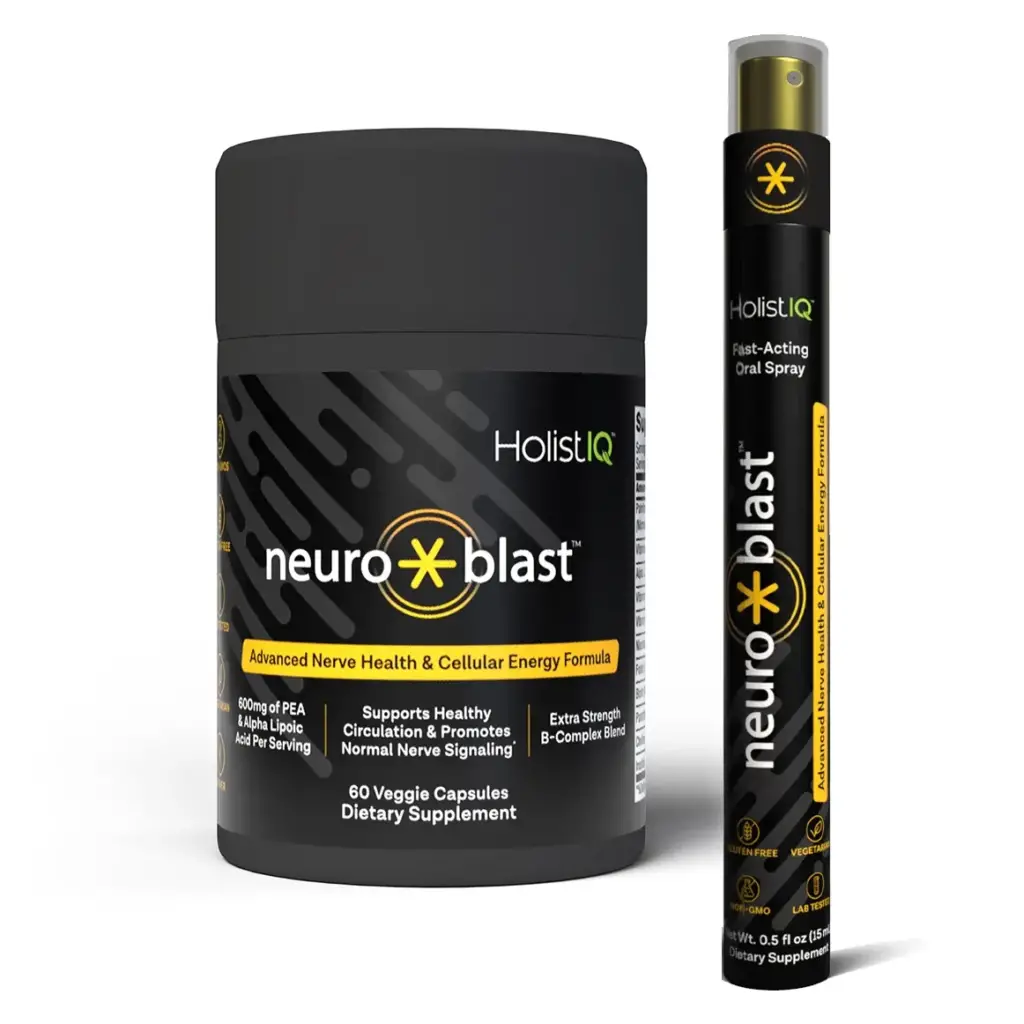
How PEA enters your body can significantly impact how quickly and effectively it works. Some studies suggest starting with a method that allows for rapid absorption, like a sublingual spray or liquid taken under the tongue. This approach bypasses the digestive system, allowing the PEA to enter your bloodstream more directly. The Neuro-Blast System was designed with this in mind, combining capsules with a rapid-absorb oral spray.
Another great thing about PEA is its strong safety profile. It can generally be used alongside other pain management medications like gabapentin or tramadol without causing negative interactions. This makes it a flexible option to add to your existing wellness plan, helping you build a more complete strategy for managing nerve discomfort.
How Long Until You Feel a Difference with PEA?
When you’re dealing with persistent discomfort, one of the first questions you have about any new approach is, “How long will it take to work?” It’s a completely fair question. Unlike over-the-counter pain relievers that offer temporary, fast-acting effects, PEA works differently. It supports your body’s own systems for managing inflammation and nerve signals, and that process takes a little time.
Think of it less like flipping a switch and more like watering a plant. It requires consistency and patience to see the results. While everyone’s body is unique, research gives us a good idea of what to expect. The key is to stick with it long enough to give your body the chance to respond. Let’s break down a realistic timeline and the factors that can play a role in how quickly you might feel a change.
Setting a Realistic Timeline for Relief
Patience is your best friend when starting with PEA. While some people report feeling subtle improvements within the first couple of weeks, most clinical trials suggest that noticeable relief typically begins after about four weeks of consistent use. Many users find that the most significant benefits build up over a period of four to six weeks.
This timeline makes sense because PEA works on a cellular level to calm overactive nerves and reduce inflammation. It’s a gradual process of restoring balance, not just masking a symptom. A systematic review of multiple studies confirmed this, showing that most participants saw clear improvements within that one-month window. So, give it at least a month of daily use before you assess how it’s working for you.
Factors That Can Influence Your Response Time
It’s important to remember that there’s no one-size-fits-all answer for how your body will respond to PEA. Several factors can influence your personal timeline. Your dosage, individual metabolism, and the specific type of nerve discomfort you’re experiencing all play a part in how quickly you might feel a difference.
Because of these variables, individual responses can range quite a bit. Some people may notice positive changes in as little as one to three weeks, while others might need five weeks or more to feel the full effects. This is why following a consistent routine with a high-quality product is so important. A comprehensive system like the Neuro-Blast System is designed to provide steady, reliable support to help your body get the most out of PEA.
Is PEA a Good Option for You?
Deciding to try a new supplement is a personal choice, and it’s smart to gather all the facts first. While PEA has a strong safety profile and shows a lot of promise, it’s helpful to understand who it’s designed for and how to approach it. The goal is to find a solution that fits your unique health needs and helps you get back to doing what you love. It’s about taking a proactive step toward feeling better, not just waiting for discomfort to strike.
Thinking about how PEA works on a cellular level can also give you a clearer picture of its potential. By supporting your body’s internal systems for managing discomfort, it offers a different approach than simply masking symptoms. The focus is on creating a more balanced internal environment where nerves can function properly. This is why our AI-enhanced system is designed to support this very process, helping your body help itself. It’s a foundational approach to nerve health that aligns with how your body is already designed to work, offering support from the inside out. When you understand the “why” behind a supplement, it makes the decision to try it feel much more informed and empowering.
Who Can Benefit Most from Trying PEA?
If you’re living with persistent discomfort, especially the kind that stems from your nerves, PEA might be a great fit. Research shows it can be particularly helpful for people dealing with many types of nerve pain, including diabetic neuropathy, sciatica, and fibromyalgia. It’s not just for everyday aches; studies have even found that PEA can help reduce nerve pain in cancer patients when used alongside their regular treatments.
Think of it as a supportive partner in your pain management plan. In fact, one large review of studies described PEA as an effective “add-on” treatment for chronic pain. This means it can work well with your existing strategies to provide more comprehensive relief and help you feel more like yourself again.
How to Talk to Your Doctor About PEA
Bringing up a new supplement with your doctor is always a good idea. When you’re ready to talk to your doctor about PEA, you can go into the conversation feeling prepared. You can mention that it’s a compound your body naturally produces to manage inflammation and pain signals.
A key point to discuss is its safety. PEA is generally well-tolerated and doesn’t have known significant side effects, making it a gentle option for many people. It’s also helpful to set realistic expectations. Experts suggest giving PEA a consistent try for at least four weeks to properly gauge how it’s working for you. This gives your body time to respond and for you to notice a real difference in your daily comfort and mobility.
Related Articles
- Palmitoylethanolamide (PEA) Archives – Neuro-Blast
- Palmitoylethanolamide Side Effects: What to Know
- PEA and ALA Supplement Benefits: A Complete Guide
- PEA Side Effects: Are They Common or Serious?
Frequently Asked Questions
Is PEA safe to take every day, especially long-term? Yes, one of the most reassuring things about PEA is its strong safety profile. Because it’s a compound your body already produces to manage stress and discomfort, it’s generally very well-tolerated. Clinical studies have consistently shown that it can be used daily over long periods without significant side effects, making it a reliable choice for ongoing nerve support.
How is PEA different from CBD? This is a great question, as both work with the body’s endocannabinoid system. The key difference is that PEA is not a cannabinoid. Instead of introducing an external compound like CBD, PEA works by supporting your body’s own naturally produced endocannabinoids, helping them function more effectively. Think of it as a helper that enhances your body’s innate ability to maintain balance and comfort.
Will PEA interfere with my prescription pain medication? PEA is known for having very few interactions with other medications because it works along a different pathway in the body. Many people use it alongside their existing pain management plans to provide more comprehensive support. However, you should always talk with your doctor before adding any new supplement to your routine to ensure it’s the right and safe choice for your specific health situation.
I’ve tried other supplements for nerve discomfort without much luck. What makes PEA different? Many supplements work by providing nutrients, but PEA works on a more fundamental level. It functions as a signaling molecule that helps calm overactive nerve and immune cells right at the source of irritation. Instead of just masking a symptom or addressing a deficiency, it helps restore balance to the cellular processes that lead to nerve discomfort, offering a different and more targeted approach.
Do I have to take PEA forever to feel the benefits? PEA works best when taken consistently, as its effects are cumulative. It helps your body build a more resilient and balanced nervous system over time. Think of it as ongoing maintenance for your nerve health. While you might not need to take it forever, most people find that continuous use provides the most reliable and lasting comfort, helping them stay active and feel their best.