Your body has its own way of communicating, and during recovery from a pinched nerve, its signals can be hard to read. A sudden twinge or a pins-and-needles feeling might leave you wondering: is this a sign of progress or a setback? Learning to interpret this language is the key to navigating your recovery with confidence instead of anxiety. This article acts as your translator, breaking down the specific compressed nerve healing signs that confirm your body is repairing the damage. By understanding what these sensations mean, you can stop second-guessing your progress and focus on giving your nervous system the support it needs to heal effectively.
Key Takeaways
- Learn to interpret your body’s signals: Differentiating between the initial warning signs of a pinched nerve, like sharp pain or numbness, and the positive indicators of recovery, such as returning strength, is key to managing your healing journey.
- Embrace a non-linear recovery: Healing from a pinched nerve takes time, and it is completely normal for symptoms to fluctuate from day to day, so patience and consistency are your most important tools.
- Actively support your body’s repair process: You can create an optimal environment for healing by combining simple at-home care, professional guidance from a physical therapist, and a focus on nerve-healthy nutrition.
What Is a Pinched Nerve?
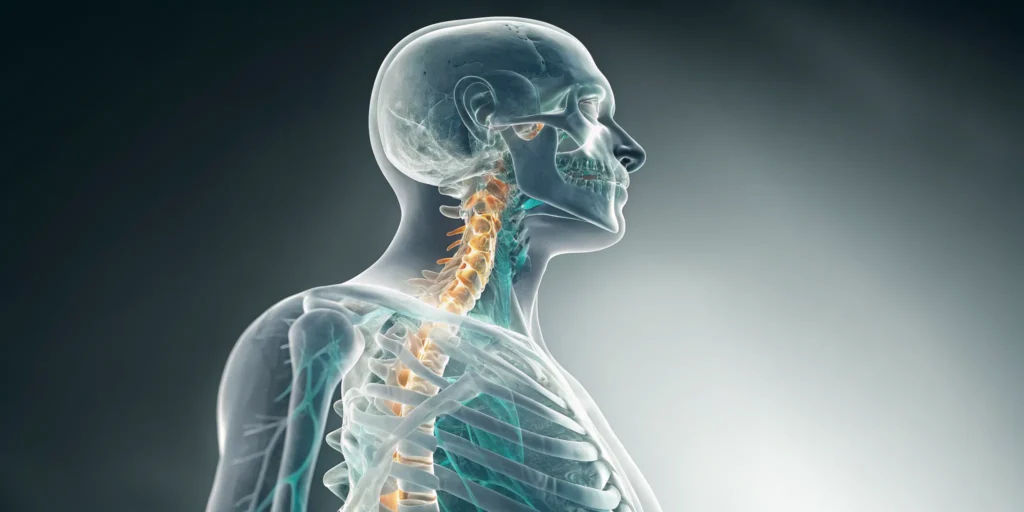
Think of your nervous system as your body’s intricate communication network. Nerves are the wires carrying messages between your brain and the rest of your body, allowing you to feel and move. A pinched nerve, also known as nerve compression, happens when one of these wires gets squeezed by surrounding tissues like bones, cartilage, muscles, or tendons. This pressure interrupts the nerve’s signals, causing the tell-tale symptoms: pain, tingling, numbness, or weakness.
It’s your body’s way of signaling that a communication line is down. The discomfort can be a minor annoyance or a major disruption to your daily life. Understanding this process is the first step toward finding relief. The goal is to relieve that pressure so the nerve can function correctly again, which is why focusing on deep, cellular-level nerve support is so important for recovery.
What Causes Nerve Compression?
So, what exactly puts that pressure on a nerve? The causes can vary quite a bit, but they usually involve changes in the structures surrounding the nerve. One of the most common culprits is a herniated disc in your spine. This occurs when one of the soft, rubbery cushions between your vertebrae pushes out and presses on a nearby nerve.
Other frequent causes include bone spurs, which are small, bony growths that can form on the edges of bones, often due to arthritis. Repetitive motions from work, hobbies, or sports can also lead to inflammation and swelling in tissues, which then compress a nerve over time. Even something as simple as poor posture can contribute to the problem by putting sustained pressure on certain parts of your body.
How a Pinched Nerve Affects Your Body
When a nerve is pinched, it sends out distress signals that you feel as distinct symptoms. You might experience a sharp, aching, or burning pain that can sometimes radiate outward from the affected area. For example, a pinched nerve in your lower back (sciatica) can cause pain to travel down your leg.
Another common sensation is “pins and needles,” or paresthesia, which feels like a part of your body has “fallen asleep.” You may also notice numbness or a decreased sensation in the area supplied by that nerve. In some cases, this can lead to muscle weakness, making it difficult to grip objects or perform everyday tasks. These symptoms often appear in the neck, lower back, wrists (like in carpal tunnel syndrome), and elbows, signaling that it’s time to give your body the support it needs.
Recognizing the First Signs of a Pinched Nerve
Before your body can heal, it sends out warning signals. A pinched nerve happens when surrounding tissues, like bones or muscles, put too much pressure on a nerve and disrupt its function. Think of it like a kink in a garden hose; the flow of information gets interrupted. Learning to recognize these early signs is the first step toward relief. These symptoms can range from mildly annoying to seriously disruptive, but paying attention to them allows you to take action sooner and support your body’s recovery.
Sharp Pains and “Pins and Needles”
One of the most common signs of a pinched nerve is a sharp, burning, or aching pain, often focused on one area. You might also experience a tingling sensation described as “pins and needles.” This happens because pressure on the nerve interferes with its normal signaling, creating a static-like disruption. It’s similar to when your foot falls asleep, but with a pinched nerve, it can be more persistent. Understanding how nerve compression affects your body is key to identifying the root cause.
Numbness or Muscle Weakness
Have you noticed a part of your arm or leg feeling numb or unusually weak? This is another classic sign of a compressed nerve. When a nerve is pinched, the signals telling your muscles to move can get blocked, making it harder to grip objects or feeling like a limb isn’t as strong. This is a direct result of the nerve’s communication pathway being compromised. Many people who have found relief share stories of regaining their strength, offering hope that these symptoms can improve. You can read some of their experiences with nerve discomfort to see you’re not alone.
Pain That Travels or Radiates
Sometimes, pain from a pinched nerve doesn’t stay put. It can travel along the nerve’s path in what’s known as radiating pain. The most common example is sciatica, where a compressed nerve in the lower back sends sharp pain down the leg. You might also feel a jolt in your shoulder that shoots down your arm. This happens because the irritation at the source sends pain signals to the end of the nerve. Addressing this requires a deep, cellular-level approach to soothe the entire nerve pathway, which is exactly how our system works.
Key Signs Your Pinched Nerve Is Healing
When you’re dealing with a pinched nerve, any sign of relief is welcome. The healing process can feel slow, but your body sends clear signals when it’s on the right track. Paying attention to these positive changes is incredibly motivating and helps you know your efforts are working. Here are the key indicators that show your compressed nerve is beginning to heal.
Your Pain Becomes Less Intense and Frequent
One of the first and most welcome signs of healing is a change in your pain. That sharp, shooting sensation will start to quiet down. You might notice the pain isn’t as constant, or it has faded to a dull ache. Instead of radiating far from the source, it may feel more localized. This reduction in frequency and severity is a clear signal that inflammation is decreasing and the nerve is no longer under as much pressure. It’s a major step forward in your body’s natural healing process.
Feeling and Strength Start to Return
A pinched nerve often brings numbness or weakness that makes simple tasks difficult. As the nerve heals, you’ll start to regain normal sensation. The “pins and needles” feeling will become less frequent, and numb areas will begin to wake up. You may also notice your strength returning. Perhaps you can grip a coffee mug more securely or stand up from a chair with greater ease. This is a fantastic sign that the nerve is communicating effectively with your muscles again, a core part of getting you moving with confidence.
You Can Move More Freely
A pinched nerve can make you feel stiff and restricted. A wonderful sign of healing is an improved range of motion. You might find you can turn your head without that familiar twinge or bend over to tie your shoes with less hesitation. These small moments of freedom are significant milestones. They indicate that pressure on the nerve has eased enough to allow your muscles and joints to move as they should. This progress shows that your efforts to manage your recovery at home are paying off.
Swelling and Inflammation Go Down
Inflammation is your body’s response to an irritated nerve, often felt as puffiness or tenderness. As the nerve begins to heal, this inflammatory response calms down. You’ll likely notice a reduction in any visible swelling, and the area may feel less sensitive to the touch. This is a crucial sign that the root cause of the compression is being resolved, allowing the surrounding tissues to return to their normal state. It’s a quiet but powerful indicator that deep, cellular-level healing is underway.
What’s the Typical Healing Timeline?
One of the most common questions people ask is, “How long will this take to heal?” The honest answer is: it depends. Your body’s recovery journey is unique, and the timeline for a pinched nerve can range from a few days to several months. The single biggest factor is the severity of the nerve compression. A minor issue might resolve quickly with a little rest, while a more significant compression will require more time and patience.
Think of it less like a sprint and more like a gradual thaw. Your body is working hard behind the scenes to reduce inflammation and restore normal nerve function. Understanding the general timelines for different levels of severity can help you set realistic expectations and focus on consistent, supportive care. Below, we’ll walk through what you can generally expect for both mild and more serious cases, along with the key factors that can influence your personal recovery speed.
Recovering from Mild Nerve Compression
If your nerve compression is mild, you’re likely looking at a shorter recovery period. Think of situations like waking up with a “crick” in your neck or a foot that tingles for a while after sitting in an awkward position. In these cases, the nerve is irritated but not significantly damaged. With proper rest and some gentle stretching, many people find their symptoms, like sharp pains or tingling, start to fade within a few days to a couple of weeks. The key is to listen to your body and avoid the activities that caused the irritation in the first place, giving the nerve a chance to calm down.
Healing from Severe Nerve Compression
For more severe or long-lasting nerve compression, the healing process takes more time. When a nerve has been under significant pressure for a while, it needs longer to repair itself. Nerves regenerate very slowly, so a timeline of several months is not uncommon. This is often the case when symptoms include persistent numbness, significant muscle weakness, or pain that doesn’t let up easily. While this can feel like a long road, remember that gradual improvement is a positive sign. Patience is your best friend here, as your body is methodically working to heal the damage and rebuild nerve pathways.
Factors That Influence Your Recovery Speed
Several things can affect how quickly you bounce back from a pinched nerve. The first is the severity of the compression we just discussed. Beyond that, your overall health plays a huge role. Your body’s ability to heal is tied to factors like your age, diet, and whether you have other health conditions. The specific nerve that’s affected also matters, as some areas of the body are more complex than others. Providing your body with the right resources, like targeted cellular-level nerve support, can help create an optimal environment for healing and may influence your recovery timeline.
How to Support Your Body’s Healing Process
While your body is doing the hard work of healing, you can play an active role in your own recovery. Think of it as giving your internal repair crew the best tools and conditions for the job. From simple things you can do at home to the fuel you put in your body, these supportive steps can make a real difference in how you feel and how quickly you get back to your life.
Simple At-Home Care Strategies
When you’re managing discomfort at home, a few straightforward strategies can provide significant relief. Applying ice or a heating pad to the affected area can help soothe irritation and ease pain. Gentle stretches and exercises are also beneficial, but the key is to listen to your body. This isn’t the time to push through sharp pain; it’s about encouraging gentle movement to relieve pressure and improve blood flow. These small, consistent efforts can make your day-to-day much more comfortable and support a smoother recovery.
Professional Treatments and Physical Therapy
You don’t have to navigate this recovery alone. For many people, physical therapy is a cornerstone of healing a compressed nerve. A physical therapist acts as your guide, creating a personalized plan with specific stretches and exercises designed to relieve pressure on the nerve, enhance your flexibility, and strengthen the surrounding muscles for better support. They ensure you’re moving safely and effectively, empowering you with the right techniques for lasting relief and helping to prevent future issues. This professional support is often a critical component for getting you back on your feet.
The Role of Nutrition in Nerve Health
What you eat directly impacts your body’s ability to repair itself, especially when it comes to nerve health. Providing your body with the right nutrients is like giving it high-quality building materials for the job. A diet rich in B vitamins and omega-3 fatty acids is particularly helpful for supporting nerve function and healing. Our doctor-led team developed the Neuro-Blast System with this in mind, engineering it to support your nervous system on a cellular level. Focusing on a balanced diet helps ensure your body has everything it needs to mend properly.
Is It Healing or Something Else?
The road to recovery from a pinched nerve can feel a bit confusing. One day you might feel a significant improvement, and the next, you might notice a strange new sensation or a familiar ache. It’s natural to wonder if what you’re feeling is a sign of progress or a signal that something is wrong. Understanding the difference is key to managing your recovery with confidence.
Healing isn’t always a straight line. As your nerves begin to repair themselves, they go through a complex process of regeneration. This can create a mix of sensations, some of which might feel counterintuitive. The goal is to learn how to interpret your body’s signals correctly. Are those tingling feelings a sign of nerves waking up, or is it a warning sign? Is the pain you feel today part of the healing process, or is it a setback?
This is where paying close attention to your symptoms becomes so important. By learning to distinguish between the productive, albeit sometimes uncomfortable, signs of healing and the red flags that require a doctor’s attention, you can take an active role in your recovery. Supporting your body on a cellular level with proper nutrition and care can also make a significant difference in how your nerves repair and regenerate. Let’s break down what to look for, what to watch out for, and why your symptoms might seem to fluctuate from day to day.
Positive Signs to Look For
As your body starts to heal, you’ll notice some clear, positive changes. The most obvious sign is that the sharp, radiating pain begins to fade. It might not disappear all at once, but you’ll realize it’s less intense and happens less often. Another great indicator is the return of normal sensation. That frustrating numbness or “pins and needles” feeling will start to diminish, and you’ll feel more connected to the affected area. You may also notice your muscles getting stronger and your range of motion improving, making everyday movements feel easier and less strained. These are all fantastic signs that your nerve is on the mend.
Red Flags: When to Call a Doctor
While some discomfort is normal during healing, certain symptoms should never be ignored. If your pain suddenly becomes severe or the numbness gets significantly worse, it’s time to contact your doctor. A complete loss of feeling or function in the affected area is another major red flag that requires immediate medical attention. Ignoring these serious signs can risk turning a temporary issue into permanent nerve damage, leading to chronic pain or weakness. Your healthcare provider is your best resource for any concerning symptoms, so don’t hesitate to reach out. If you have questions about your nerve support regimen, our customer support team is also here to help.
Why Symptoms Can Fluctuate During Recovery
It’s completely normal for your symptoms to come and go as your nerve heals. You might feel great one day and experience a flare-up of tingling or a dull ache the next. This fluctuation is often a sign that the nerve is actively repairing itself. As nerve fibers regenerate and reconnect, they can send some mixed signals. You might even feel new sensations like burning, zapping, or shooting pains. While unsettling, this can actually be a positive sign that your nerves are “waking up.” Many people on the path to recovery share similar experiences with this up-and-down journey, so try not to get discouraged by an off day. It’s often just part of the process.
Common Questions During Pinched Nerve Recovery
Going through pinched nerve recovery can feel like a bit of a mystery. You’re paying close attention to every twinge and tingle, wondering what it all means. It’s completely normal to have questions about what’s happening in your body and what to expect next. The path to healing isn’t always a straight line, and understanding the process can give you peace of mind. Providing your body with the right foundation for nerve health, through a system that supports it on a cellular level, can make a significant difference in this journey. Knowing how it works to support your nervous system can help you feel more in control of your recovery.
Let’s walk through some of the most common questions that come up as you heal.
“How Long Will This Really Take?”
This is usually the first question on everyone’s mind, and the honest answer is: it depends. The healing timeline for a pinched nerve varies from person to person. According to the Brain & Spine Center, mild pinched nerves can resolve in a few days to a few weeks with proper care. However, more severe compression might take several months to heal fully. Your recovery speed is influenced by a few key things, including your overall health, the severity of the nerve compression, and how consistently you follow your treatment plan. Patience is key here; give your body the time it needs to repair itself.
“Why Do I Feel Better One Day and Worse the Next?”
If your symptoms seem to come and go, you’re not alone. This fluctuation is a very common part of the healing process. As a nerve begins to heal and “wake up,” you might experience temporary flare-ups of pain, tingling, or other odd sensations. It can feel like taking one step forward and two steps back, but it’s often a sign that the nerve is repairing itself. Think of it as the nerve recalibrating its connection with your brain. These fluctuating sensations are usually temporary, so try not to get discouraged on the days when your symptoms feel more intense.
“Could the Damage Be Permanent?”
This is a valid concern, especially if the pain has been going on for a while. The risk of permanent damage increases the longer a nerve remains compressed. If a nerve is still compressed after one to three months, some permanent nerve damage may occur. This is why seeking timely medical advice and starting treatment early is so important. The good news is that your body is designed to heal. By addressing the compression and giving your nervous system the right support with a comprehensive approach like the Neuro-Blast System, you create an optimal environment for recovery and help protect against long-term issues.
How to Track Your Healing Progress
When you’re dealing with nerve discomfort, some days feel like a step forward while others feel like a step back. This fluctuation is completely normal, but it can make it hard to see the bigger picture. Tracking your progress is a powerful way to stay motivated and understand what’s working for your body. It gives you a concrete record of your journey, helping you recognize improvements that might otherwise go unnoticed.
Think of it as creating a personal map of your recovery. By paying close attention to your symptoms, mobility, and daily habits, you can identify patterns and celebrate small wins along the way. This process not only keeps you engaged in your own healing but also provides valuable information you can share with your doctor. A consistent approach to tracking can help you feel more in control and confident that you’re on the right path to feeling better and getting back to the activities you love. The goal is to build a system that’s simple enough to stick with, even on days when you’re not feeling your best.
Keep a Simple Symptom Journal
One of the most effective ways to monitor your recovery is by keeping a daily symptom journal. This doesn’t need to be complicated; a simple notebook or a notes app on your phone works perfectly. The goal is to create a quick, daily snapshot of how you’re feeling. Jot down your pain levels on a scale of 1 to 10, the type of sensations you’re experiencing (like tingling, burning, or numbness), and any activities that seem to make your symptoms better or worse. A symptom journal helps you see subtle changes over time and recognize patterns you might otherwise miss.
Note Your Wins in Mobility and Strength
Healing isn’t just about what you don’t feel (pain), but also about what you can do again. Make a point to celebrate the small victories in your daily life. Maybe you were able to walk to the end of the driveway with less discomfort, or perhaps you noticed you could grip your coffee cup a little tighter. These moments are clear signs that your strength and mobility are returning. Tracking improvements in these areas provides a huge mental lift and reminds you that your body is actively working to heal. Each small win is a step toward getting back to your life.
Create a Supportive Recovery Environment
Your daily surroundings and routines have a significant impact on your healing. Creating a supportive environment means making small adjustments that reduce strain on your nerves. This could be as simple as improving your posture while sitting or using a more supportive pillow at night. It also includes sticking with the care plan your doctor has recommended. For many, physical therapy is a key part of recovery, as it helps strengthen the muscles around the nerve and improve flexibility. By making your home and habits recovery-friendly, you give your body the best possible chance to heal efficiently.
Related Articles
Frequently Asked Questions
Why do my symptoms seem to get worse some days, even when I’m trying to heal? It’s completely normal for your recovery to feel like a two-steps-forward, one-step-back process. As a nerve repairs itself, it can send some confusing signals, which you might feel as a temporary flare-up of tingling or aching. This fluctuation doesn’t usually mean you’ve had a setback; instead, it’s often a sign that the nerve is actively healing and “waking up.” Try to be patient with your body and focus on the overall trend of improvement over weeks, not just day to day.
Is it safe to exercise when I have a pinched nerve? Gentle movement can be very beneficial, but the key is to listen to your body. Activities like walking or specific stretches recommended by a physical therapist can help relieve pressure and improve blood flow. You should avoid any high-impact exercises or movements that cause sharp, shooting pain. The goal is to encourage healing and strengthen supporting muscles, not to push through discomfort that could make the irritation worse.
Can a pinched nerve heal on its own without any treatment? Sometimes, a very mild pinched nerve caused by something simple, like an awkward sleeping position, can resolve on its own with a little rest. However, if your symptoms are persistent, severe, or getting worse, it’s important to get a proper diagnosis. Ignoring a compressed nerve can lead to more significant issues down the road. Professional guidance helps you address the root cause of the pressure and ensures you’re taking the right steps to heal correctly.
What’s the difference between the ‘pins and needles’ of a pinched nerve and normal muscle soreness? Muscle soreness typically feels like a dull, widespread ache in the muscle tissue itself, usually after physical activity. Nerve-related sensations are quite different. They often feel like tingling, numbness, burning, or sharp “zaps” that can travel along a specific path, like down your arm or leg. This indicates an issue with your body’s wiring, not just overworked muscles.
Are there specific foods or supplements that can speed up my recovery? While no single food can instantly fix a pinched nerve, your diet plays a huge role in your body’s ability to repair itself. Focusing on a diet rich in anti-inflammatory foods and nutrients that support nerve function, like B vitamins and omega-3 fatty acids, creates a better internal environment for healing. Providing your body with the right building blocks helps ensure your nervous system has the resources it needs to recover effectively.