
The world of dietary supplements can be incredibly confusing. With so many bottles on the shelf promising relief, how do you know what actually works? This is especially true when you’re trying to find something for a complex issue like nerve discomfort. It’s easy to feel overwhelmed before you even start. If you’re ready to buy supplements for foot neuropathy but want to feel confident in your choice, you’ve come to the right place. We’re going to cut through the noise and focus on what matters: the science-backed ingredients, what to look for in a quality product, and how to safely add them to your routine.
Key Takeaways
- Focus on Targeted Nerve Nutrition: Key nutrients like B vitamins are essential for nerve repair, while antioxidants such as alpha-lipoic acid help protect against damage. Supplements can supply these compounds in effective amounts to support your body’s natural functions.
- Prioritize Safety and Quality: Always talk with your doctor before trying a new supplement to avoid potential medication interactions. Once you get the go-ahead, choose products from trusted brands that use third-party testing to verify their purity and potency.
- Adopt a System for Better Results: A single supplement often isn’t enough to address a complex issue like neuropathy. A complete nerve support system combines multiple ingredients that work together, offering a more thorough approach to managing discomfort and its underlying causes.
What Is Foot Neuropathy?
If you’re dealing with persistent pain, tingling, or numbness in your feet, you might be experiencing foot neuropathy. Simply put, it’s a condition caused by damage to the nerves in your feet. This isn’t just about occasional aches; it’s a disruption that can interfere with your balance, your mobility, and your ability to enjoy daily activities. Understanding what’s happening on a deeper level is the first step toward finding a solution that works. Addressing the issue at its source with a complete nerve support system can help your body begin to repair itself from the inside out.
What’s Happening to the Nerves in Your Feet?
Think of the nerves in your feet as tiny, intricate communication lines that send messages to your brain about sensations like touch, temperature, and pain. With neuropathy, these lines become damaged, and the signals get scrambled, weakened, or lost entirely. This nerve damage can happen for many reasons. High blood sugar from diabetes is a very common cause, but it’s not the only one. Other factors include vitamin deficiencies (especially B vitamins), physical injuries, autoimmune conditions, and certain medications. The result is a communication breakdown that leads to the uncomfortable and often painful symptoms you feel in your feet.
Know the Common Warning Signs
The symptoms of foot neuropathy can vary from person to person, but there are several common warning signs to watch for. You might feel a persistent numbness or that frustrating pins-and-needles sensation, as if your foot is constantly falling asleep. For others, it’s a sharp, shooting, or burning pain that can be especially bothersome at night. You may also notice muscle weakness in your feet, making it harder to walk or maintain your balance. Some people experience extreme sensitivity, where even the light touch of a bedsheet feels painful. Recognizing these common symptoms is crucial for taking the next step toward relief.
How Can Supplements Help with Foot Neuropathy?
When you’re dealing with the tingling, numbness, or pain of foot neuropathy, finding effective relief is a top priority. While there are many ways to manage symptoms, nutritional support is a key piece of the puzzle that often gets overlooked. Your nerves, like every other part of your body, need specific nutrients to function correctly, repair damage, and protect themselves from stress. Supplements can help fill any gaps in your diet, providing a concentrated dose of the compounds your nerves need to thrive.
Think of it as giving your body the right tools for the job. By supplying essential vitamins, antioxidants, and amino acids, you can support your body’s natural ability to maintain a healthy nervous system from the inside out. This approach focuses on addressing the underlying nutritional needs of your nerves, which can lead to more sustainable comfort and improved function over time.
The Role of Nutrients in Nerve Health
Your nervous system is an intricate network that relies on a steady supply of specific nutrients to work properly. For example, B vitamins are crucial for nerve cell function and repair. A deficiency in a vitamin like B12 can directly contribute to nerve damage. Similarly, antioxidants like Alpha-Lipoic Acid help protect nerve cells from damage caused by oxidative stress, a common issue in neuropathy. These nutrients provide the essential building blocks and protective shields your nerves need. While a balanced diet is always the best starting point, dietary supplements can ensure you get a consistent and therapeutic amount of these vital compounds to support nerve health.
Why Go Beyond Traditional Treatments?
Many people find that traditional treatments alone don’t fully address their discomfort, which is why they explore additional options like nutritional supplements. This isn’t about replacing your current care plan but enhancing it. Taking a proactive role in your health by focusing on nutrition gives you another way to support your body. It’s a strategy that complements a healthy lifestyle, including a good diet and regular physical activity, which are foundational for managing neuropathy. Before adding any new supplement to your routine, it’s always best to talk with your doctor to make sure it’s a safe and appropriate choice for you.
What Are the Best Supplements for Foot Neuropathy?
When you’re dealing with the tingling, numbness, or pain of foot neuropathy, finding relief is a top priority. While it’s essential to work with your doctor on a comprehensive plan, certain supplements can play a powerful supporting role in nerve health. Think of them as targeted nutrition for your nervous system. Your nerves are complex structures that require specific vitamins, minerals, and antioxidants to function correctly, send signals, and protect themselves from damage. A healthy diet is always the best place to start, but sometimes it’s not enough to get the concentrated amounts needed to make a difference, especially if you have a deficiency.
Supplements can help fill these nutritional gaps and provide your body with the raw materials it needs to manage nerve-related discomfort. They can help by reducing inflammation, which is often a major source of pain, and by fighting oxidative stress from free radicals that can harm delicate nerve cells. Some compounds also directly support the energy production within your nerve cells, giving them the fuel they need for repair and maintenance. By incorporating the right supplements, you can create a more supportive internal environment for your nerves, helping to manage symptoms and improve your overall comfort. Let’s walk through some of the most well-researched supplements that have shown promise for people experiencing foot neuropathy.
Vitamin B12: For Nerve Repair and Function
Vitamin B12 is a powerhouse for your nervous system. Your body relies on it to maintain healthy nerve cells and the protective myelin sheath that surrounds them. When B12 levels are low, it can directly contribute to nerve damage and worsen neuropathy symptoms. For this reason, a B12 supplement can be particularly helpful if you have a deficiency. Research from the Mayo Clinic suggests that supplementing can help ease pain and other symptoms, bringing your body back into balance so your nerves have the support they need to function properly. It’s a foundational nutrient for anyone focused on nerve repair.
Alpha-Lipoic Acid: For Powerful Antioxidant Protection
Alpha-lipoic acid, or ALA, is a potent antioxidant that your body produces naturally. However, supplementing with it can offer extra protection for your nerves. ALA is known for its ability to fight oxidative stress, a major factor in nerve damage, especially for those with diabetic neuropathy. It works by neutralizing harmful free radicals before they can cause further harm. Studies show that higher doses of ALA can be effective in reducing symptoms like burning, pain, and numbness in the feet. It also has anti-inflammatory properties, helping to calm the irritation that contributes to nerve discomfort.
Acetyl-L-Carnitine: For Cellular Nerve Energy
Think of acetyl-L-carnitine (ALCAR) as fuel for your nerve cells. This amino acid plays a crucial role in cellular energy production, helping to power the intricate processes that keep your nerves healthy and communicating effectively. When nerves are damaged, their energy needs can increase. Some studies have shown that ALCAR can help improve nerve function and reduce pain in people with neuropathy. By supporting the energy factories within your cells, ALCAR helps your nerves get the resources they need to repair and maintain themselves, which can make a real difference in your daily comfort and mobility.
Magnesium: For Muscle and Nerve Relaxation
Magnesium is a mineral involved in over 300 bodily processes, and nerve function is one of its most important jobs. It plays a key part in nerve transmission and can help calm an overexcited nervous system, which is often a factor in neuropathy pain. Magnesium also helps with muscle relaxation, which can ease the cramping and tightness that sometimes accompany nerve issues. Some research indicates that magnesium supports nerve regeneration, helping damaged nerves grow back. By promoting both nerve health and muscle relaxation, this essential mineral can contribute to an overall sense of calm and well-being.
Omega-3 Fatty Acids: For Reducing Inflammation
You’ve probably heard about omega-3s for heart and brain health, but they are just as important for your nerves. These healthy fats, commonly found in fish oil, are powerful anti-inflammatories. Since inflammation is a key driver of nerve pain and damage in neuropathy, managing it is crucial for finding relief. Omega-3s help to reduce systemic inflammation, creating a better environment for your nerves to heal and function. They are also a structural component of nerve cell membranes, so getting enough of them helps maintain the integrity and communication of your entire nervous system.
Curcumin: For Natural Anti-Inflammatory Support
Curcumin is the active compound in turmeric, the bright yellow spice that gives curry its color. But its benefits go far beyond the kitchen. Curcumin is celebrated for its potent anti-inflammatory and antioxidant effects, making it a valuable tool for managing neuropathy. It works by blocking certain inflammatory pathways in the body, which can help reduce the swelling and irritation around damaged nerves. Some studies also suggest that curcumin can help protect nerve fibers from further injury. Adding this natural anti-inflammatory to your routine can offer a gentle yet effective way to support your body’s response to nerve discomfort.
What to Know Before You Buy Supplements
It’s great that you’re taking an active role in managing your nerve health. Exploring supplements is a smart step toward finding relief and getting back to the activities you love. But before you add anything new to your routine, it’s important to do a little homework. The world of supplements can be confusing, and not all products are created equal. What works wonders for one person might not be the right fit for another, and some can even cause unintended problems if not used correctly.
Think of it like adding a new player to your favorite sports team. You want to make sure they’re a good fit, understand the game plan, and won’t get in the way of your star players (your current medications and health plan). To make sure you’re choosing safely and effectively, there are a few key things to keep in mind. We’ll walk through the most important steps: checking in with your doctor, understanding the potential side effects, and sticking to the right dosage. This will help you make informed decisions that truly support your well-being.
Always Talk to Your Doctor First
Your first and most important conversation should always be with your doctor. They have the full picture of your health, including any medications you’re taking and any underlying conditions you might have. Some supplements can have powerful effects and may interact with your medicines, potentially making them less effective or causing unwanted side effects. For example, certain supplements can affect blood sugar levels or even lead to other health issues like kidney damage if not monitored properly. Your doctor can help you make a safe choice that complements your overall treatment plan.
Understand Potential Side Effects and Interactions
Once you have your doctor’s approval, it’s time to become a savvy consumer. It’s crucial to understand that even natural ingredients can cause side effects or interact with other things you’re taking. Always research the correct amount, or dose, of any supplement you’re considering. Sticking with trusted brands is also key, as this helps ensure you’re getting a high-quality product that contains what it says on the label. Before you start, double-check for any known interactions with your other medications or supplements to avoid any negative effects.
Follow Dosage and Safety Guidelines
More is not always better, especially when it comes to supplements. Taking the correct dose is critical for both safety and effectiveness. For instance, taking too much Vitamin B6 can actually worsen nerve pain or even be the cause of it. Similarly, some supplements have specific safety warnings. Alpha-lipoic acid, for example, should not be taken by someone with a vitamin B1 (thiamin) deficiency, as it can lead to serious side effects. Always read the label carefully and follow the recommended dosage unless your doctor advises otherwise. This ensures you’re supporting your body, not creating new problems.
How to Choose a High-Quality Supplement
The supplement aisle can be overwhelming, with countless bottles promising relief. But not all supplements are created equal. Since the industry isn’t as tightly regulated as pharmaceuticals, it’s up to you to sort the good from the bad. Investing a little time to vet a product can make all the difference for your safety and results. When you’re looking for a supplement to support nerve health, you want a pure and effective product. Here are three key things to look for.
Look for Third-Party Testing
Think of third-party testing as an unbiased stamp of approval. It means an independent organization has verified that the product contains exactly what the label says, in the correct amounts, and without harmful contaminants. This is a crucial step for safety and quality. Companies that invest in this process show they are committed to transparency. Look for seals from organizations like NSF International or USP on the packaging or website. This simple check helps you choose a safe supplement and gives you peace of mind.
Read the Label and Ingredient List
Your next step is to become a label detective. Turn the bottle over and carefully examine the “Supplement Facts” panel. Check for the specific active ingredients known to support nerve health and note their dosages. Are they present in meaningful amounts? Also, scan the “other ingredients” list for unnecessary fillers, artificial colors, or potential allergens. A high-quality supplement will have a clean ingredient list. Understanding how to read a supplement label is essential for taking the correct dose and avoiding unwanted additives.
Check the Brand’s Reputation
A reputable brand stands behind its products. Before you buy, do a little digging into the company. Do they specialize in nerve health? Are they transparent about their manufacturing? Look for genuine customer reviews and testimonials on their website and independent review sites. A company with a strong reputation will have a history of positive feedback and will be open about its mission and the science behind its formulas. Learning about a company’s founders and their expertise says a lot about their commitment to creating effective solutions.
Where to Safely Buy Neuropathy Supplements
Once you’ve decided which supplements to try, the next step is figuring out where to buy them. The source of your supplements matters just as much as the ingredients inside. You want to be sure you’re getting a safe, high-quality product that will actually help you. Navigating the market can feel overwhelming, but knowing where to look and what to avoid makes the process much simpler. Your goal is to find a reliable source that prioritizes your health and provides a genuine product, whether you prefer shopping online or in a physical store.
Trusted Online Stores and Direct from the Maker
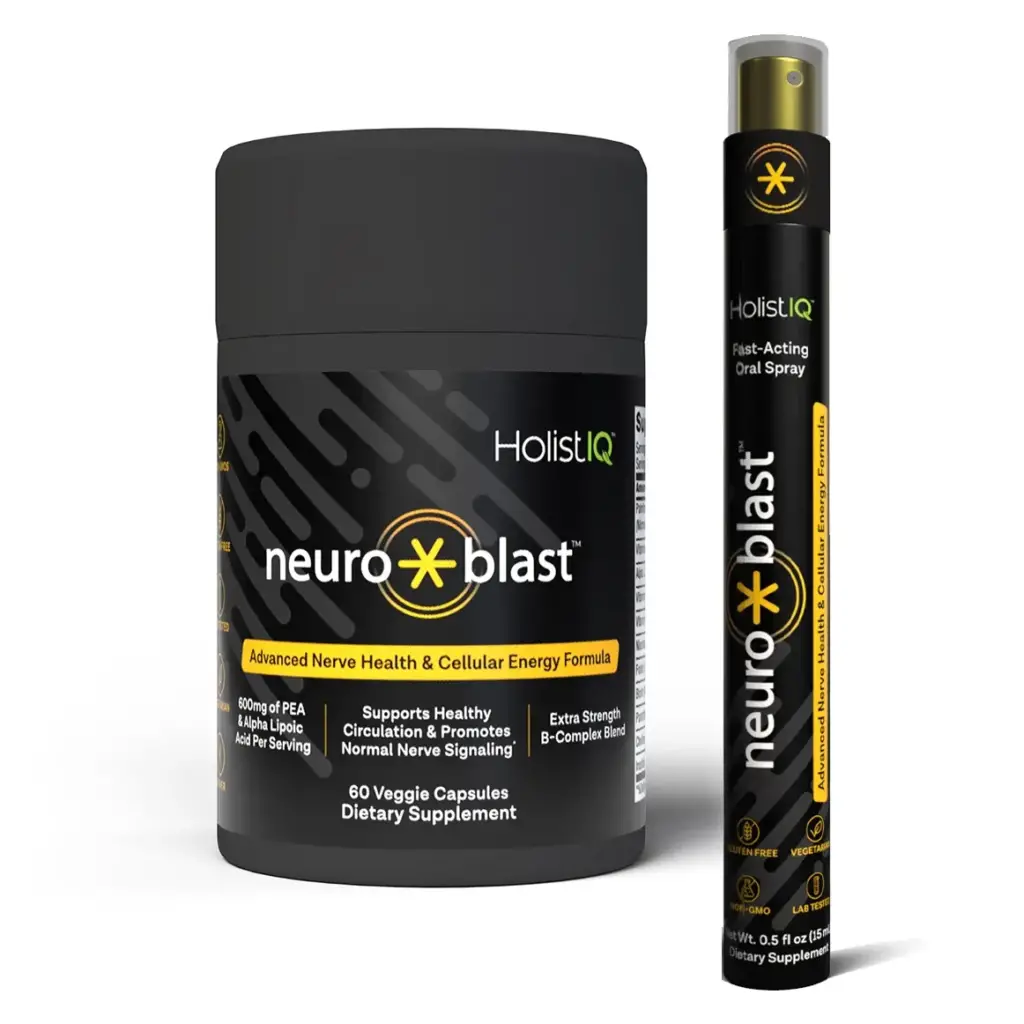
Shopping online offers convenience and a wide selection. While large retailers have thousands of options, the best place to buy is often directly from the manufacturer. When you purchase a product like the Neuro-Blast system from the official website, you know you’re getting the authentic formula. Buying direct also gives you access to dedicated customer support and ensures the product hasn’t been tampered with or stored improperly. It’s the most straightforward way to guarantee quality and get information straight from the people who created the supplement.
Local Health Shops and Pharmacies
If you prefer to shop in person, your local pharmacy or health food store can be a great resource. The main benefit here is the ability to speak with a pharmacist or a knowledgeable staff member who can answer your questions on the spot. They can help you read labels and understand different formulas. Just remember, while store staff can be helpful, their advice doesn’t replace a consultation with your doctor. It’s always best to talk to your doctor before trying any new supplement to make sure it’s a safe choice for you and won’t interfere with other medications.
Spot the Red Flags Before You Buy
Protecting your health means being a savvy shopper. Be wary of products that make miracle claims or promise instant cures, as these are major red flags. A trustworthy company will be transparent about its ingredients, manufacturing processes, and testing. Always buy supplements from trusted brands to ensure quality and proper dosage. Before you buy, check for a professional-looking website, clear contact information, and positive, genuine customer reviews. If a deal seems too good to be true, it probably is.
Why a Complete Nerve Support System Is Better
While individual supplements can offer specific benefits, managing nerve discomfort is rarely a one-ingredient job. Neuropathy is a complex condition, and a single supplement might only address one piece of a much larger puzzle. This is where a complete nerve support system comes in. Think of it like building a house: you need more than just bricks. You need a foundation, framing, wiring, and plumbing all working together. Similarly, your nerves need a combination of nutrients and support to function properly and repair themselves.
A comprehensive system is designed to provide a synergistic blend of ingredients that work together to support nerve health from multiple angles. Instead of you having to research, purchase, and manage several different bottles of supplements, a complete system does the work for you. It combines key vitamins, antioxidants, and other compounds in precise amounts to create a more powerful, unified effect. This approach aims for deep, cellular-level support that goes beyond just masking symptoms, helping you get to the heart of the issue for more sustainable relief. The goal is to give your body the full range of tools it needs to get you moving again.
The Power of a Multi-Action Approach
A multi-action approach means tackling nerve discomfort from several directions at once. Your nerves are intricate, and supporting them requires a variety of nutrients. For instance, B vitamins are celebrated for their role in nerve repair and health, helping to rebuild and maintain the protective sheath around your nerves. At the same time, powerful antioxidants like Alpha-Lipoic Acid work to protect nerves from damage caused by inflammation and oxidative stress.
A complete system, like the Neuro-Blast System, combines these different types of support into one daily routine. This ensures your body receives a balanced spectrum of nutrients designed to work in harmony, providing a more robust defense and a better foundation for nerve recovery.
How to Address the Root Cause of Discomfort
Lasting relief often comes from addressing the underlying cause of your nerve discomfort, not just the symptoms. For many, neuropathy is linked to conditions like diabetes or specific nutritional deficiencies. For example, the Mayo Clinic notes that managing blood sugar is the most critical step in slowing the progression of diabetic neuropathy.
A well-formulated nerve support system can help address some of these root issues. It can replenish key nutrients that your body may be lacking, such as Vitamin B12, a deficiency of which is common in older adults and can directly harm nerves. By providing your body with the essential building blocks it needs for cellular health, you’re taking a proactive step toward long-term wellness and function.
When Can You Expect to Feel a Difference?
When you’re dealing with nerve discomfort, one of the first questions you’ll have is, “How long until I feel better?” It’s a completely valid question, and wanting a clear answer is only natural. While there’s no single timeline that fits everyone, understanding the process can help you set clear expectations and stay motivated on your path to feeling better. Your body needs time to respond to new support, especially when it’s working on a deep, cellular level. The key is to be patient with yourself and learn to recognize the small, positive changes along the way.
Set a Realistic Timeline
Everyone’s body is unique, so the time it takes to notice a difference with supplements can vary quite a bit. For some, improvements in pain or tingling might be subtle at first, while others may feel a more distinct shift. If your nerve issues are connected to a specific nutrient deficiency, you might feel a change more quickly once you begin taking the right supplements to address that gap. However, for many, nerve support is a gradual process. The goal is consistent, long-term improvement, not an overnight fix. Remember that dietary supplements work by giving your body the tools it needs to support its natural repair functions, and that takes time and consistency.
Track Your Progress and Make Adjustments
One of the best things you can do is become an active partner in your own wellness journey. Consider keeping a simple daily journal to track your symptoms. You could rate your discomfort on a scale of 1 to 10, note any changes in sensations like tingling or numbness, and jot down activities you were able to do that day. This will help you see patterns and recognize small wins you might otherwise miss. It’s also important to remember that supplements are just one piece of the puzzle. A healthy diet and gentle physical activity are essential for managing nerve health. Always talk to a doctor before starting a new supplement regimen so you can work together to monitor your progress and make any necessary adjustments.
Related Articles
- Top 8 Best Vitamins for Neuropathy in Feet
- 5 Best Supplements for Poor Circulation in Feet
- 6 Key Vitamins for Neuropathy in Your Feet
- Foot Pain Archives – Neuro-Blast
- 5 Key Vitamins for Diabetes Neuropathy Support
Frequently Asked Questions
Do I need to take all of these supplements, or can I just pick one? While a single supplement like Vitamin B12 can be very helpful, especially if you have a specific deficiency, neuropathy is often a complex issue. Think of it this way: different nutrients have different jobs. Some help with nerve repair, others fight inflammation, and some protect against damage. A comprehensive approach that combines several key nutrients often provides more well-rounded support, addressing the problem from multiple angles for better results.
How do I know if a vitamin deficiency is causing my nerve pain? The only way to know for sure is by speaking with your doctor. They can order simple blood tests to check your levels for common culprits like Vitamin B12. While it’s tempting to guess, self-diagnosing can be misleading because many different factors can contribute to neuropathy. A quick chat with your doctor can give you a clear answer and put you on the right path.
Are these supplements safe to take with my prescription medications? This is a critical question, and the answer is that you must talk to your doctor or pharmacist first. Even natural supplements can interact with prescription drugs, including medications for diabetes, blood pressure, or heart conditions. Your doctor understands your complete health profile and can confirm which supplements are a safe and effective addition to your current routine.
Will supplements cure my foot neuropathy? It’s best to think of supplements as a powerful tool for support and management, not a cure. Their purpose is to provide your body with the essential resources it needs to reduce inflammation, protect nerve cells, and support natural repair processes. This can lead to a significant reduction in symptoms like pain and tingling and improve your overall comfort and mobility, but it’s one part of a larger wellness strategy.
Can’t I just get these nutrients from my diet? A healthy, balanced diet is always the best foundation for your health. However, it can be very difficult to get a concentrated, therapeutic amount of certain compounds from food alone. For example, you would need to eat a very large amount of specific foods to get the same level of Alpha-Lipoic Acid found in a supplement. Supplements help fill in the gaps and ensure you get a consistent, potent dose of the nutrients your nerves need to thrive.