
Think of your nervous system as your body’s internal communication network. When everything is working correctly, the signals are clear. But when there’s an issue, that network can send out faulty alerts—like a fire alarm that goes off for no reason. That burning feeling in your feet is one of those false alarms, a sign that your nerves are sending incorrect pain signals to your brain. To find effective burning feet sensation relief, you have to address the source of these mixed signals. We’ll explain why this happens and walk through the practical steps you can take to calm the system and restore clear communication.
Key Takeaways
- Soothe Your Feet with Practical Home Care: You can get immediate relief by using simple, effective methods at home. Try cool water soaks, wearing comfortable and breathable footwear, and applying topical creams to calm the burning sensation and reduce daily discomfort.
- Work with a Doctor to Find the Root Cause: Persistent burning feet are often a sign of a deeper issue, like nerve damage or a vitamin deficiency. Getting a professional diagnosis is the most important step toward creating a treatment plan that addresses the actual problem, not just the symptoms.
- Build Long-Term Nerve Health from the Inside Out: For more sustainable comfort, focus on supporting your entire nervous system. A combination of lifestyle adjustments, proper nutrition, and a comprehensive support system can help nourish nerve cells, leading to more resilient function and lasting relief.
What Causes That Burning Sensation in Your Feet?
If you’ve ever felt like you’re walking on hot coals, even when your feet are cool to the touch, you know how disruptive that burning sensation can be. It’s more than just an annoyance; it can interfere with your sleep and daily activities, making it hard to get comfortable. Understanding what’s behind this feeling is the first step toward finding real relief. Often, this discomfort is a signal from your body that something deeper is going on, usually related to your nerves. Let’s look at the specific symptoms and the most common underlying causes.
Telltale Symptoms of Burning Feet
This condition, sometimes medically known as Burning Feet Syndrome, involves more than just a feeling of heat. The primary symptom is an intense, painful burning that often gets worse in the evening and at night. But you might also experience other strange sensations along with it. These can include numbness in certain spots, sharp or stabbing pains that come and go, or a constant, dull ache. Some people also notice their feet feel unusually heavy, look red, or feel warm to the touch. That classic “pins and needles” tingling is another common sign that your nerves are sending mixed signals.
Medical Causes and Key Risk Factors
So, what’s actually causing this? In most cases, the root cause is nerve damage in the legs and feet, a condition known as peripheral neuropathy. Essentially, when these nerves are damaged, they start sending incorrect pain signals to your brain—like a faulty fire alarm that goes off for no reason. The most common trigger for this nerve damage is long-term diabetes, as high blood sugar can harm delicate nerve fibers over time. Other significant factors include deficiencies in essential nutrients, particularly B vitamins, and excessive alcohol consumption, which is toxic to nerve tissue. Sometimes, a pinched nerve, like in tarsal tunnel syndrome, can also be the culprit.
How Can You Find Relief for Burning Feet at Home?
When your feet feel like they’re on fire, finding fast, effective relief becomes your main mission. The great news is that you don’t need complex treatments or expensive gadgets to start feeling better. Your home is full of simple, powerful tools that can soothe that burning sensation and give you a much-needed break from the persistent discomfort. These at-home strategies are your first line of defense, allowing you to take immediate, proactive steps toward managing your symptoms. By incorporating a few of these practices into your daily routine, you can regain a sense of control and start getting back to the activities you love.
The key to making these remedies work is consistency. Think of it as a form of self-care dedicated to your feet, which carry you through life every single day. It’s about creating small, sustainable habits that, over time, can make a significant difference in your comfort levels. It’s also important to listen to your body. What works wonders for one person might be less effective for another, so feel free to experiment and find the combination of remedies that brings you the most relief. These methods generally work by targeting the immediate symptoms—reducing inflammation, improving blood flow, and calming overactive nerve endings. They are foundational practices that can complement any other treatments you may be exploring with your doctor, helping you build a comprehensive plan for managing nerve discomfort from the ground up.
Soothe Your Feet with Water and Salt
One of the quickest and most accessible ways to calm burning feet is a simple foot soak. Immersing your feet in a basin of cool water for 15 to 20 minutes can provide almost instant relief. The cool temperature helps reduce inflammation and swelling by constricting blood vessels, which can quiet down those fiery nerve signals. Just remember to keep the water cool, not ice-cold, as extreme temperatures can be too harsh for sensitive skin. For a different kind of comfort, a warm Epsom salt bath can work wonders. The magnesium in Epsom salt is absorbed through the skin and is known to help relax muscles and ease nerve-related aches, making it an excellent way to reduce foot pain and unwind before bed.
Choose the Right Socks and Shoes
What you put on your feet every day can either worsen your symptoms or provide significant relief. It’s time to say goodbye to tight, narrow shoes that pinch and constrict. Instead, look for footwear with a wide toe box, ample cushioning, and solid arch support to give your feet the stable foundation they deserve. When you’re not out and about, give your feet a chance to breathe. If you prefer wearing socks at home, choose natural, breathable fibers like cotton or moisture-wicking wool blends. The right socks and shoes are crucial for preventing excess pressure and moisture buildup, which can both trigger irritation and make that burning sensation feel even more intense. This simple switch can make a world of difference.
Try Topical Creams and Gentle Massage
Applying a topical treatment directly to your feet can deliver targeted relief right where you need it. Over-the-counter creams containing capsaicin (the compound that makes chili peppers hot) can be surprisingly effective. Capsaicin works by temporarily desensitizing the nerve receptors that transmit pain signals. Products with lidocaine can also offer a numbing effect to calm the burn. Beyond creams, a gentle foot massage is a simple yet powerful tool. Massaging your feet for a few minutes each day helps improve circulation, which is vital for nerve health, and can ease the tingling and aches that often come with burning feet. This relaxing practice is a wonderful way to wind down before bed and may even contribute to better sleep by soothing your nervous system.
Can Lifestyle Changes Ease Burning Feet?
While you can’t always control the underlying cause of burning feet, you absolutely have power over daily habits that can either worsen the discomfort or bring significant relief. Making small, consistent adjustments to your routine can have a surprisingly big impact on your nerve health and overall well-being. Think of these changes not as a chore, but as powerful tools you can use to take back control and feel more comfortable in your own skin. It’s about creating a supportive environment for your body, from the inside out, so you can start to feel better and get back to the activities you love.
Adjust Your Diet and Key Supplements
What you eat plays a direct role in your nerve health. Sometimes, that tingling or burning sensation is your body’s way of signaling a nutritional gap. A common culprit is a lack of B vitamins, particularly B12, which you can find in foods like meat, eggs, and dairy. Another powerful ingredient to consider is turmeric. Its active compound, curcumin, has fantastic anti-inflammatory properties that can help calm nerve pain. You can easily add it to meals, sip it in tea, or take it as a supplement to support your body’s response to inflammation.
Get Moving to Improve Circulation
When your feet are burning, exercise might be the last thing on your mind, but gentle movement is one of the best things you can do. Activity helps improve blood flow, which is crucial for getting oxygen and nutrients to the nerves in your feet. It doesn’t have to be intense—a daily walk, swimming, or stretching can make a world of difference. Regular exercise also helps manage blood sugar levels, a key factor for many people with nerve discomfort. For more direct relief, try a gentle foot massage to manually stimulate blood flow and ease the burning sensation.
Manage Blood Sugar and Care for Your Feet Daily
If you have diabetes, keeping your blood sugar in a healthy range is the most important step you can take to protect your nerves. Consistently high blood sugar is a primary cause of the nerve damage that leads to burning feet. Work with your doctor to create a management plan that feels right for you. Beyond that, simple daily foot care can prevent complications. Make it a habit to inspect your feet for any changes. Always wear clean, dry socks and choose comfortable, well-fitting shoes that don’t pinch or rub. These small acts of daily care go a long way in keeping your feet healthy and comfortable.
When Is It Time to See a Doctor?
While home remedies can offer significant comfort, they aren’t a substitute for professional medical advice, especially when symptoms persist. Think of that burning sensation as your body’s way of sending a message. Sometimes, that message is a simple request for a foot soak, but other times, it’s a more urgent signal that something deeper needs attention. Partnering with a healthcare provider is the best way to interpret that signal correctly.
Ignoring persistent symptoms can allow an underlying condition to progress, potentially leading to more serious issues down the road. Getting a proper diagnosis is the most important step you can take. It helps you understand the root cause of your discomfort and allows you to create a targeted treatment plan with your doctor, moving you from temporary fixes to long-term wellness.
Red Flags That Need a Professional Opinion
If you’ve tried home treatments and the burning or tingling in your feet just won’t quit—or is even getting worse—it’s time to see a doctor. Persistent discomfort is a clear sign that self-care isn’t enough. This isn’t something to just “tough out,” as it could indicate an underlying issue like undiagnosed diabetes or nerve damage that requires medical intervention. A podiatrist or neurologist can help pinpoint the cause and guide you toward effective treatments, preventing the problem from leading to lasting complications. Think of it as bringing in an expert to help you solve a puzzle your body can’t figure out on its own.
Symptoms of Serious Underlying Conditions
That burning feeling in your feet is often a symptom, not the core problem. The most common reason for this sensation is nerve damage in the legs, also known as neuropathy. However, it can also signal other serious health issues, including vitamin deficiencies, circulatory problems, or fungal infections. Getting an accurate diagnosis is crucial because the right treatment depends entirely on the cause. By working with a healthcare provider, you can identify what’s truly going on. Treating the root cause is the only way to find lasting relief and manage your overall health effectively.
What Medical Treatments Can Help?
If home remedies aren’t cutting it and the burning in your feet persists, it’s time to talk with your doctor about medical treatments. Many effective options can provide more significant relief and, most importantly, address the underlying cause of your discomfort. Working with a healthcare professional helps you create a targeted plan to manage your symptoms and protect your nerve health for the long term.
Prescription and Topical Options
Your doctor might suggest several paths for relief. For nerve-specific pain, certain prescription drugs, including some antidepressants and anti-seizure medications, can be very effective at calming overactive nerves. For more localized relief, you can try topical treatments like creams containing capsaicin or lidocaine, which you apply directly to your skin. For milder pain, over-the-counter pain relievers can help take the edge off, while stronger prescription medications may be considered for more severe cases. It’s all about finding the right match for your specific level of discomfort.
Advanced and Specialized Nerve Support
If your symptoms are complex or worsening, your primary doctor may refer you to a specialist like a podiatrist or neurologist. These experts can dig deeper to find the source of the problem. They might recommend tests like an Electromyography (EMG) or a Nerve Conduction Study to see exactly how your nerves are functioning. Getting a clear diagnosis is crucial because the most important step is to treat the root cause of the burning sensation. This approach not only eases your current symptoms but is the best way to prevent further nerve damage down the road.
Go Beyond Symptom Relief with Comprehensive Nerve Support
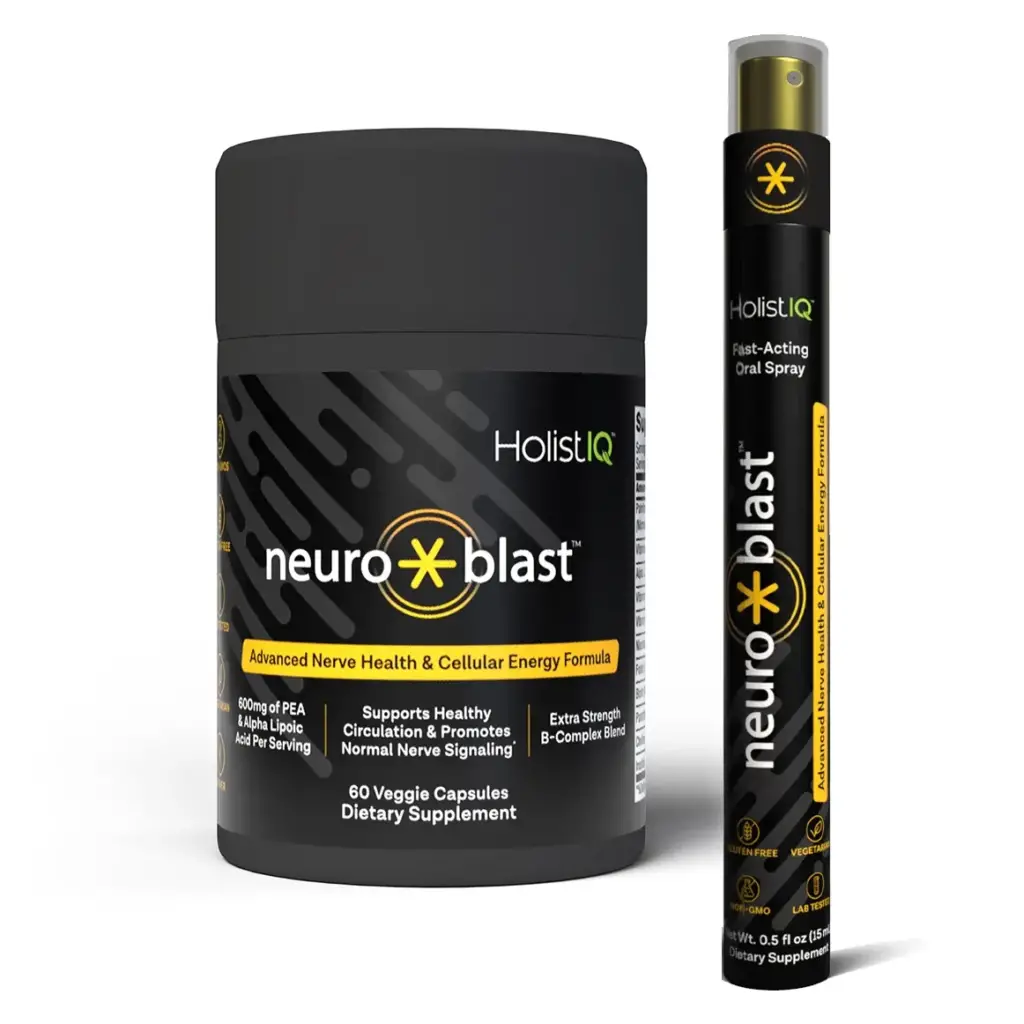
While soothing foot soaks and topical creams can provide welcome, temporary comfort, they often act like a bandage, masking the discomfort without addressing what’s happening underneath. If you’re looking for lasting relief that helps you get back to your favorite activities, it’s time to think differently about nerve health. The key is to move beyond simply managing symptoms and start focusing on supporting your nervous system at its very foundation. This approach is about giving your body the tools it needs to repair and maintain its own intricate communication network. By nourishing your nerves from the inside out, you can build a more resilient system, leading to more sustainable comfort and helping you feel more in control of your body and your life. It’s a proactive strategy that aims for long-term wellness, not just short-term fixes.
What Is Cellular-Level Nerve Support?
Imagine your nervous system is the electrical wiring of your home. Your neurons are the main wires that carry signals, but they can’t function properly without insulation and support structures. These are your glial cells, a team of support cells that protect, nourish, and maintain the neurons. When this support system is weak, signals can get crossed or fizzle out, leading to sensations like burning or tingling. Cellular-level nerve support is all about reinforcing this entire structure. It involves supplying the specific nutrients that both neurons and their crucial support cells need to thrive. By strengthening the system at this fundamental level, you’re not just turning down the volume on discomfort—you’re helping to repair the wiring for clearer, healthier nerve communication.
The Role of AI in Modern Nerve Health
Understanding the precise needs of your nerve cells can be incredibly complex. That’s where technology gives us a powerful advantage. Scientists now use Artificial Intelligence (AI) to analyze vast amounts of biological data, from clinical studies to the molecular interactions of different nutrients. AI can identify subtle patterns and synergistic combinations of ingredients that are most effective for nourishing nerve tissue—discoveries that would be nearly impossible for humans to make alone. This allows for the creation of highly intelligent, targeted formulas designed to provide comprehensive support. It’s a data-driven approach that moves beyond guesswork, helping to engineer smarter solutions that work with your body to address the root causes of nerve discomfort.
Create Your Personal Relief Plan for Burning Feet
Finding what works for you is a process, and the most effective relief plans often blend at-home comfort with professional medical guidance. Your personal plan is about creating a routine that addresses your specific symptoms and their underlying causes, helping you get back to the activities you love with more comfort and confidence.
Combine Home Remedies with Medical Care
The best approach is often a two-pronged one: managing immediate discomfort at home while working with a doctor on a long-term solution. You can start with simple self-care strategies like soaking your feet in cool water or using over-the-counter topical creams for quick, soothing relief. However, these steps are just one piece of the puzzle. It’s essential to partner with your doctor to uncover the root cause of the burning sensation. They can determine if prescription medications are needed to manage chronic nerve pain, such as certain antidepressants or anti-seizure medicines. Think of it as a team effort: you handle the daily comfort measures while your doctor helps you build a long-term medical strategy.
Manage and Prevent Symptoms for the Long Haul
While immediate relief is important, the goal is to create lasting comfort and prevent flare-ups. This means shifting your focus toward addressing the root cause rather than just reacting to symptoms. One of the most practical steps you can take is evaluating your footwear. Wearing shoes that fit properly and support your feet can make a world of difference. Look for breathable materials that allow air to circulate, which helps keep your feet comfortable throughout the day. Building a sustainable routine is key. This might include daily foot inspections, gentle stretching, and staying consistent with any treatments or supplements your doctor recommends. By taking these proactive steps, you’re not just managing discomfort—you’re investing in your long-term mobility and well-being.
Related Articles
- Burning Feet Relief: Why It Happens & How to Stop It
- 5 Soothing Home Remedies for Neuropathy of the Feet
- How to Treat Nerve Pain in Your Foot at Home
Frequently Asked Questions
Why do my feet seem to burn more at night? This is a very common experience, and it often happens because of how our bodies and routines change at the end of the day. During the day, you’re moving around, and your brain is busy processing countless other signals. When you finally lie down to rest, there are fewer distractions, which can make you more aware of the discomfort. Additionally, body temperature naturally fluctuates, and changes in circulation from being horizontal can also make those nerve sensations more noticeable.
Is the burning in my feet always a sign of diabetes? While diabetes is a very common cause of the nerve damage that leads to burning feet, it’s definitely not the only one. This sensation can also be triggered by nutritional deficiencies, particularly a lack of B vitamins, excessive alcohol use, or even a pinched nerve. The only way to know for sure what’s causing your specific symptoms is to get a proper diagnosis from a healthcare provider, which is the most important step toward finding the right treatment.
How quickly can I expect relief from at-home remedies? The relief you feel from at-home strategies can vary. A cool foot soak, for example, can provide almost immediate, though temporary, comfort by calming inflammation. Other changes, like switching to better-fitting shoes or applying topical creams, might offer relief within a few days. Lifestyle adjustments, such as improving your diet, are more about long-term support and can take several weeks to make a noticeable difference as your body responds to the changes.
What’s the difference between taking a B-vitamin supplement and using a comprehensive nerve support system? Taking a single supplement like a B vitamin can be helpful if you have a specific deficiency. However, a comprehensive nerve support system is designed to be more holistic. It provides a combination of ingredients that work together to support not just the nerve cells themselves, but also the entire cellular environment that protects and nourishes them. Think of it as reinforcing the entire electrical system of your house, not just replacing one lightbulb.
What kind of doctor is best for treating burning feet? A great place to start is with your primary care physician. They can do an initial evaluation, run some basic tests, and help rule out common causes. If your symptoms are persistent or complex, they may refer you to a specialist. A podiatrist, who specializes in foot and ankle care, or a neurologist, who focuses on the nervous system, are the experts who can dig deeper to find the root cause and create a more specialized treatment plan for you.