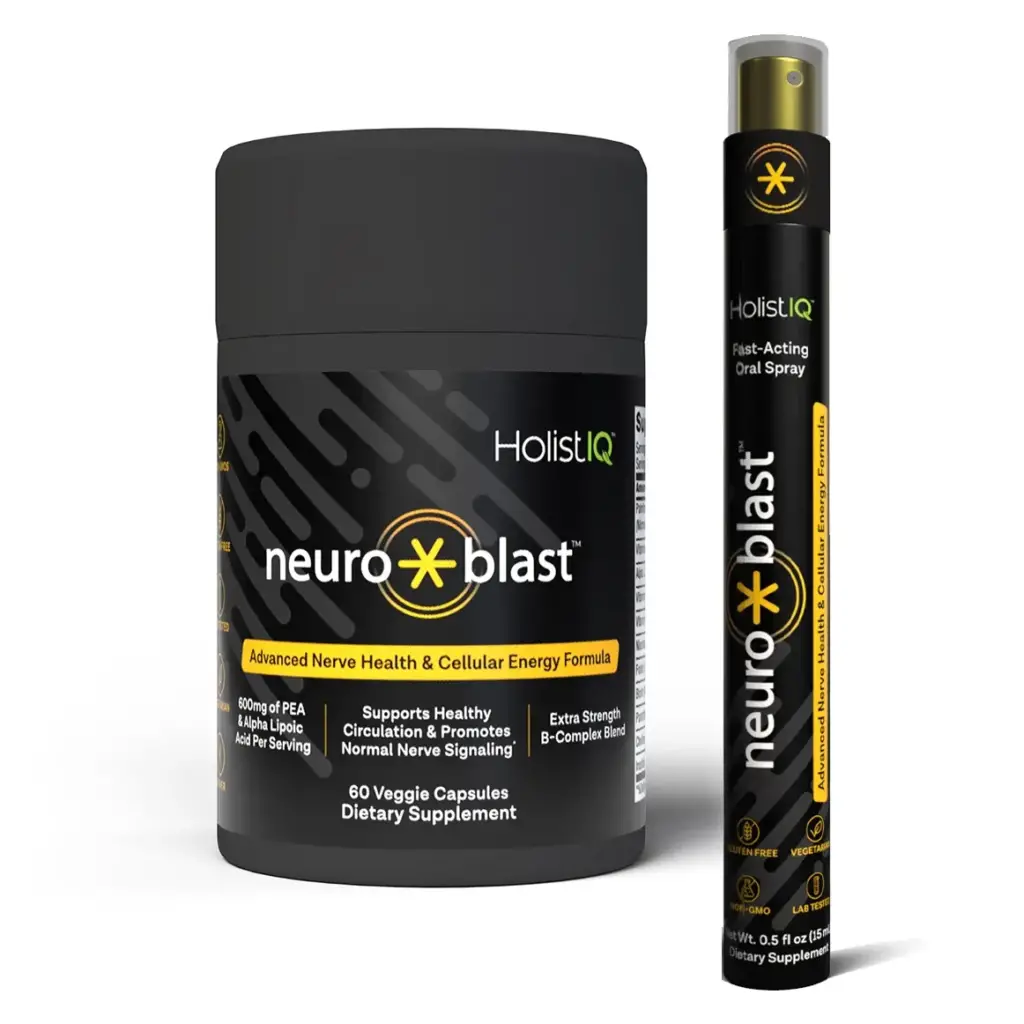

Your nervous system is an intricate communication network, sending signals that control everything from your balance to the sensations in your fingertips. When you experience neuropathy, it’s a sign that this network has been damaged, causing those signals to get crossed or lost. Just like any complex system, your nerves need specific fuel to repair and protect themselves, and this is where targeted nutrition comes in. Understanding what are the best vitamins for neuropathy is the first step toward addressing a potential root cause of your discomfort. We’ll break down the science behind how key vitamins support the protective coating around your nerves, fight inflammation, and help your body function correctly, giving you a clear path forward.
Key Takeaways
- Focus on Foundational Nerve Nutrients: Your nerve health is closely tied to your diet. Prioritizing key vitamins like the B-complex and Vitamin D, along with antioxidants like ALA, provides the essential building blocks your body needs to protect nerve cells and manage inflammation.
- Treat Supplements as a Targeted Tool: Supplements are most effective when used to fill a specific, confirmed nutritional gap. Always talk to your doctor before starting a new regimen to ensure it’s safe, won’t interact with your medications, and is the right dose for your body.
- Pair Vitamins with Healthy Habits for Best Results: Vitamins work best when supported by a healthy lifestyle. Combining your supplement plan with a balanced diet and regular, gentle exercise creates a strong foundation that improves nutrient absorption and supports your entire nervous system.
What Is Neuropathy?
Simply put, neuropathy is damage to your nerves. More specifically, it refers to peripheral neuropathy, which affects the nerves outside of your brain and spinal cord. Think of these nerves as your body’s intricate wiring system, constantly sending messages between your brain and the rest of your body. When this wiring gets damaged, the signals can get crossed, delayed, or lost entirely. This communication breakdown is what causes the wide range of uncomfortable and often debilitating symptoms associated with the condition. Understanding what’s happening inside your body is the first real step toward finding effective relief and getting back to the life you want to live.
Common Symptoms to Look For
The signs of neuropathy often start subtly. You might feel a persistent tingling, numbness, or a sharp, burning pain that frequently begins in your hands or feet. For some, it feels like they’re wearing invisible gloves or socks they can’t take off. Many people also experience a lack of coordination, muscle weakness, or a feeling of imbalance that can make walking feel unsteady. Beyond these classic signs, some symptoms can be less obvious, like fatigue, shortness of breath, or even a low mood. These can sometimes be linked to underlying issues like a vitamin B12 deficiency. Listening to these signals is your body’s way of telling you something needs attention.
Key Risk Factors and Causes
While diabetes is a well-known cause of neuropathy, it’s far from the only one. A major, and often overlooked, factor is nutritional imbalance. Deficiencies in key vitamins, especially the B vitamins, can directly harm nerve function over time. For example, not getting enough B1 or B12 can disrupt your nerves’ ability to repair themselves. Interestingly, vitamin B6 is unique in that both too little and too much can trigger peripheral neuropathy. Other risk factors include autoimmune diseases, certain medications that interfere with nutrient absorption, and physical injuries. Addressing these root causes is essential for providing deep, cellular-level support, which is the core principle behind how the Neuro-Blast system works.
The Best Vitamins for Nerve Health
When you’re dealing with nerve discomfort, giving your body the right nutrients is a foundational step toward feeling better. Certain vitamins play a starring role in maintaining a healthy nervous system, from protecting nerve endings to reducing the inflammation that can cause pain. Think of them as your body’s internal repair crew, working to support nerve function from the inside out. Let’s look at some of the most effective vitamins that research has shown can make a real difference for nerve health.
B Vitamins: Your Nerve Support Team
Think of B vitamins as the ultimate support team for your nervous system. Vitamins B1, B6, and especially B12 are critical for maintaining the health of the myelin sheath—the protective coating around your nerves. When this coating is strong, your nerves can send signals correctly. A deficiency, particularly in B12, can lead to significant nerve issues. Studies show that B vitamins can help reduce neuropathic pain and swelling, and may even support the nerve’s natural ability to repair itself. Getting enough of this vitamin group is a non-negotiable for anyone serious about nerve support.
Vitamin D: Ease Inflammation and Pain
You might know Vitamin D as the “sunshine vitamin,” but its benefits go far beyond bone health. Research has linked low levels of Vitamin D to chronic pain, largely because of its role in controlling inflammation. For people with nerve discomfort, especially related to diabetes, this is key. When your body has enough Vitamin D, it’s better equipped to manage the inflammatory responses that can make nerve pain worse. Studies have shown that people with diabetic neuropathy who corrected a Vitamin D deficiency often experienced a noticeable reduction in their pain levels, making it a crucial nutrient for your comfort.
Alpha-Lipoic Acid: Protect Your Nerves
Alpha-lipoic acid, or ALA, is a powerful antioxidant that your body makes in small amounts. It’s a fantastic ally for nerve health because it works to protect your nerves from damage. It’s particularly helpful for people experiencing neuropathy from diabetes or certain medical treatments. ALA can help improve nerve function and ease common, frustrating symptoms like tingling, burning, and numbness in your arms and legs. By fighting off oxidative stress, ALA helps create a safer environment for your nerves, giving them a better chance to function properly. You can learn more about how dietary supplements can help from the experts at Mayo Clinic.
Vitamin E: Strengthen Nerve Cells
Another potent antioxidant, Vitamin E, is essential for protecting your nerve cells from damage caused by oxidative stress. This type of cellular stress is a major contributor to inflammation and nerve pain. By neutralizing harmful free radicals, Vitamin E helps shield your nerves and can prevent further damage. This protective action is why it’s often included in neuropathy supplement regimens. Ensuring you have enough Vitamin E in your diet is a simple yet effective way to support the strength and resilience of your entire nervous system, helping to reduce pain and inflammation along the way.
The Link Between Vitamin Deficiency and Neuropathy
It’s easy to overlook the connection between what’s on your plate and how your nerves feel, but nutrition is a huge piece of the nerve health puzzle. When your body doesn’t get enough of certain key vitamins, it can struggle to maintain a healthy nervous system. Over time, these nutritional gaps can lead to nerve damage or make existing neuropathy symptoms feel much worse. Think of vitamins as the essential building blocks and maintenance crew for your nerves. They help create protective coatings, send signals correctly, and reduce inflammation that can aggravate pain. When some of the crew members are missing, the whole system can start to break down.
Understanding which vitamin deficiencies are most closely tied to nerve pain is the first step toward building a diet and supplement plan that truly supports your body from the inside out. This isn’t about a quick fix, but rather about giving your body the consistent tools it needs to repair and protect itself. For anyone dealing with the daily challenges of neuropathy, exploring the link between vitamin levels and nerve function can open up new avenues for relief and long-term management. Below, we’ll look at some of the most critical vitamins and how their absence can directly impact your nerve health.
How a B12 Deficiency Can Damage Nerves
Vitamin B12 is a powerhouse for your nervous system. One of its most important jobs is to help maintain the health of the myelin sheath—the protective layer that insulates your nerve fibers. When you’re low on B12, this sheath can start to wear away, leaving your nerves exposed and vulnerable. This can lead to classic neuropathy symptoms like tingling, numbness, and balance problems. A B12 deficiency is surprisingly common, especially among older adults and those on certain medications. If left unaddressed, it can cause irreversible nerve damage, which is why it’s so important to catch it early.
Why B1 and B6 Are Crucial for Nerve Function
Vitamins B1 (thiamine) and B6 (pyridoxine) are also vital members of your nerve support team. Vitamin B1 helps your body convert carbohydrates into energy, which your nerve cells need to function properly. Without enough B1, nerves can become damaged, leading to a painful condition known as beriberi. Vitamin B6 is essential for creating neurotransmitters, the chemical messengers that allow your nerves to communicate. However, balance is key with B6. While a deficiency can cause neuropathy, taking too much B6 in supplement form can also be toxic to your nerves. This highlights the importance of getting the right amount and not overdoing it.
The Connection Between Low Vitamin D and Pain
You probably know Vitamin D is important for strong bones, but it also plays a significant role in your nervous system and immune function. Research has shown that low levels of Vitamin D are linked to various chronic pain conditions, including neuropathic pain. While it may not directly cause neuropathy, a deficiency can increase inflammation and pain sensitivity, making your symptoms feel more intense. Since many people have insufficient Vitamin D levels, especially during winter months or if they don’t get much sun exposure, it’s a critical vitamin to consider for anyone looking to manage nerve pain and reduce overall inflammation in the body.
Getting the Right Amount: Dosages and Food Sources
Knowing which vitamins can help is the first step, but it’s only half the picture. The next is understanding how much you need and the best ways to get it, whether through your diet or supplements. It can feel like a lot to keep track of, but breaking it down makes it manageable. Let’s walk through the specifics for each key nutrient so you can feel confident about what you’re putting into your body and why.
How to Get Your B Vitamins (Foods & Dosages)
Think of B vitamins as the dedicated support team for your nervous system, especially B1 (thiamine), B6 (pyridoxine), and B12 (cobalamin). They help maintain the protective coating around your nerves, called the myelin sheath. You can find these hard-working vitamins in whole grains, beans, nuts, seeds, meat, eggs, and dairy. While everyone’s needs are slightly different, most adults should aim for about 1.2 mg of B1, 1.3 mg of B6, and 2.4 mcg of B12 daily. Research shows that a combination of these vitamins may help ease neuropathic pain and improve how well your sensory nerves function.
Finding Vitamin D Through Sun and Food
Vitamin D is like your body’s natural anti-inflammatory. It plays a big part in chronic pain management, and low levels are often linked to a higher risk of neuropathy. Your body cleverly makes its own Vitamin D when you get some sun, but you can also find it in foods like salmon, tuna, fortified milk, and egg yolks. Most adults should aim for 600 to 800 IU (International Units) per day. For people with diabetic neuropathy, getting enough Vitamin D has been shown to help reduce pain, making it a sunny spot in your nerve health plan.
Recommended Intakes for ALA and Vitamin E
Alpha-Lipoic Acid (ALA) is a strong antioxidant that helps protect your cells from damage. It’s particularly helpful for neuropathy caused by diabetes, as it can improve nerve function and ease symptoms like pain, tingling, and numbness. A typical dose is around 600 mg per day. Vitamin E is another antioxidant that defends your nerves against damage and inflammation. You can get it from nuts, seeds, and leafy greens like spinach. The recommended amount for adults is 15 mg daily. Together, ALA and Vitamin E provide a powerful protective shield for your nervous system.
Should You Consider Vitamin Supplements?
Getting nutrients from a balanced diet is always the best first step. But when you’re dealing with nerve discomfort, food alone might not be enough to bridge the gap. This is where supplements can play a key supporting role. Think of them not as a replacement for healthy eating, but as a targeted tool to ensure your nerves get the specific vitamins they need to function properly, especially if your body has trouble absorbing them from food.
For many people, a deficiency in key vitamins is a hidden driver of their neuropathy symptoms. Correcting that imbalance can be a game-changer. Supplements provide a direct, reliable source of these essential nutrients, helping to address potential shortfalls that could be contributing to pain, tingling, and weakness. The goal is to give your body the building blocks it needs to support nerve health from the inside out, creating a better environment for cellular repair and function.
Are You at Risk for a Deficiency?
Certain life stages and health conditions can make it harder for your body to absorb or maintain the right levels of essential vitamins. As we age, our ability to absorb nutrients like vitamin B12 from food naturally decreases. Digestive conditions that affect nutrient absorption can also put you at a higher risk. Major surgeries, particularly stomach reduction procedures, have been linked to an increased likelihood of developing nutritional neuropathy. Even some medications can interfere with your body’s vitamin stores. Understanding your personal risk factors is the first step in figuring out if a deficiency could be part of your nerve health puzzle.
Telltale Signs of a Vitamin Shortage
The tricky thing about a vitamin deficiency is that its symptoms can be subtle and easily mistaken for something else. You might feel persistent fatigue, a general sense of weakness, or even a low mood. More specific to nerve health, you may notice a lack of coordination, tingling or numbness in your hands and feet, or a feeling of imbalance when you walk. These are not just random aches and pains; they can be your body’s way of signaling that it’s missing the crucial nutrients it needs to maintain a healthy nervous system. Paying attention to these symptoms and signs can help you connect the dots and start a productive conversation with your doctor.
When to Choose Supplements for Nerve Support
Supplements become a practical choice when your diet isn’t enough or when specific health issues get in the way of proper nutrient absorption. If you’ve had digestive surgery, live with chronic malnutrition, or have a condition that limits your diet, a supplement can provide the concentrated dose of vitamins you need. It’s also important to get the dosage right, as both too little and too much of certain vitamins, like B6, can cause nerve issues. A well-formulated supplement system is designed to provide a balanced, effective amount of key nutrients to support your nerves on a deep, cellular level, helping to fill nutritional gaps safely and efficiently.
Staying Safe with Supplements
Adding vitamins to your routine is a proactive step for nerve health, but safety should always come first. It’s easy to think of supplements as harmless, but being smart about them is key. That means understanding how they can interact with medications, knowing the signs of taking too much, and separating fact from fiction. Getting these basics right will help you build a supplement plan that truly supports your body and gives you peace of mind.
Potential Drug Interactions to Know
Before you add any new supplement to your daily regimen, the most important step is to talk to your doctor or pharmacist. Supplements can sometimes change the way prescription medications work, either making them less effective or increasing the risk of side effects. For example, some vitamins can interfere with blood thinners or blood pressure medications. Keeping an open line of communication with your healthcare provider ensures your entire wellness plan works together safely. You can find answers to common questions about consulting your doctor before starting a new regimen on our FAQ page.
How to Spot Signs of Too Much of a Good Thing
When it comes to vitamins, more isn’t always better. It’s possible to get too much of a good thing, which can sometimes do more harm than good. Vitamin B6 is a perfect example; while essential for nerve function, extremely high doses can actually cause or worsen neuropathy symptoms. This is why it’s crucial to stick to the recommended daily allowance unless your doctor specifically advises a higher dose based on a deficiency. Pay attention to how your body feels. If you notice any new or unusual symptoms after starting a supplement, it’s a sign to check in with your healthcare provider.
Common Myths About Supplement Safety
One common myth is that a supplement that worked for a friend will automatically work for you. The truth is, our bodies are all different. The effectiveness of vitamins and supplements for nerve health depends on your unique needs, diet, and health status. Another misconception is that you should take a vitamin “just in case.” Supplements are most effective when they address a specific need or deficiency. Instead of guessing, it’s better to understand what your body truly requires. A targeted approach, like the one used in the Neuro-Blast system, focuses on providing specific, cellular-level support where your body needs it most.
Beyond Vitamins: A Complete Approach to Nerve Health
While getting the right vitamins is a fantastic first step, building lasting nerve health requires a more comprehensive strategy. Think of vitamins as key players on a team—they perform best when supported by a solid game plan that addresses your health from multiple angles. This means looking at how your body absorbs nutrients, what lifestyle factors are at play, and how supplements fit into your overall wellness routine. A complete approach gives you the best chance at finding meaningful and sustainable relief.
How Neuro-Blast Supports Nerves at the Cellular Level
Many supplements offer properties that fight inflammation and oxidative stress, two common culprits behind nerve discomfort. But to truly get to the root of the issue, you need support that works on a deeper level. The Neuro-Blast system was designed for this very reason. It’s more than just a collection of vitamins; it’s an AI-enhanced, doctor-led system engineered to provide support directly to your nerve cells. By focusing on cellular health, Neuro-Blast helps address the underlying causes of discomfort, moving beyond temporary symptom relief to help you get back to the activities you love.
Simple Lifestyle Changes to Improve Vitamin Absorption
You can take all the right supplements, but if your body can’t absorb them properly, you won’t see the full benefits. Simple lifestyle adjustments can make a huge difference. Start by focusing on a balanced diet rich in whole foods, as this creates an ideal environment for nutrient absorption. Gentle, regular exercise, like walking or swimming, can also improve circulation and overall metabolic function. Before starting a new supplement, it’s a great idea to ask your doctor about getting tested for specific deficiencies. This helps you personalize your approach and ensures you’re giving your body exactly what it needs.
Pairing Supplements with Other Relief Strategies
Supplements often work best when they aren’t working alone. Think of them as a powerful addition to a plan you create with your healthcare provider. Your doctor can help you understand if a supplement is a safe and effective choice for your specific health situation and can ensure it won’t interact with any medications you’re taking. They might also recommend other strategies, such as physical therapy, dietary changes, or stress-management techniques. Combining these approaches creates a well-rounded plan that supports your nerve health from every direction. Always talk to your doctor before adding any new supplement to your routine.
Create Your Personal Nerve Support Plan
Now that you know which vitamins can support your nerves, it’s time to put that knowledge into action. Creating a personal plan is about more than just picking supplements; it’s a thoughtful approach to your well-being. By working with your doctor and paying attention to your body, you can build a routine that truly supports your goal of getting moving again. Here’s how to get started.
Talk to Your Doctor First
Before you add any new supplement to your routine, the most important first step is to have a conversation with your doctor. They have the full picture of your health history and can help you figure out if you actually have a vitamin deficiency. Your doctor can order simple blood tests to check your levels and ensure that any new vitamins and supplements won’t interfere with medications you’re already taking. This conversation is essential for safety. Think of your doctor as your trusted partner in creating a plan that’s tailored just for you.
Track Your Progress and Adjust as Needed
Your nerve support journey is unique to you, and what works today might need a tweak tomorrow. A great way to stay on top of it is to keep a simple log of your symptoms and how you’re feeling. Are you noticing less tingling in your feet? Is your balance improving? Jotting down these small changes provides valuable information. Sharing these notes with your doctor helps you both see what’s working and make smart adjustments. This is all part of a system that supports your nerves on a deep, cellular level. Understanding how it works can empower you to fine-tune your approach for the best results.
Combine Your Vitamin Plan with a Healthy Lifestyle
Supplements are a powerful tool, but they work best as part of a bigger picture. Simple lifestyle habits can make a huge difference in your nerve health and how well your body absorbs nutrients. Try to focus on a healthy, balanced diet rich in colorful fruits, vegetables, lean proteins, and whole grains. Regular movement is also key—even a brisk 30-minute walk most days of the week can support your circulation and overall well-being. These daily choices create a strong foundation of health that helps your entire nervous system thrive.
Related Articles
- Best & Worst Foods for Neuropathy: Eat Smart for Nerve Health
- Neuropathy Diet Guide: Foods to Eat & Avoid for Nerve Health
- The Best and Worst Foods for Neuropathy – Neuro-Blast
- Alpha Lipoic Acid & B Vitamins for Nerves: A Guide
- Supplements for Neuropathy: What Works & What to Avoid
Frequently Asked Questions
I eat a pretty healthy diet. Could I still have a vitamin deficiency affecting my nerves? It’s a great question, and the answer is yes. Even with a balanced diet, certain factors can make it difficult for your body to get or absorb the nutrients it needs. As we get older, our ability to absorb vitamins like B12 naturally declines. Certain health conditions or medications can also interfere with nutrient absorption. Think of it less as a failure of your diet and more as your body needing some extra, targeted support to keep your nerves properly supplied.
How long will it take for vitamins to help my nerve discomfort? This is one of the most common questions, and the honest answer is that it varies for everyone. Nerve support is a gradual process, not an overnight fix. The goal is to consistently provide your body with the essential building blocks it needs for cellular repair. While some people notice improvements in a matter of weeks, for others it may take a few months. The key is consistency and patience as you give your body the tools to support itself from the inside out.
Is it possible to take too much of a vitamin for nerve health? Absolutely. While vitamins are essential, more is not always better, and getting the dosage right is critical. Vitamin B6 is a perfect example of this. While a deficiency can contribute to neuropathy, taking excessively high doses in supplement form can actually be toxic to your nerves and make symptoms worse. This is why it’s so important to follow recommended dosages or use a professionally formulated system that provides a safe and effective balance of nutrients.
Can I just buy these vitamins individually, or is a system like Neuro-Blast better? You can certainly buy vitamins separately, but the challenge lies in getting the right forms, the correct dosages, and the proper balance of nutrients that work well together. A comprehensive system is designed to take the guesswork out of it. It ensures you’re getting a synergistic blend of ingredients in amounts that are specifically calibrated to support nerve health on a cellular level, which is often more effective than trying to piece together a regimen on your own.
Besides vitamins, what’s the most important thing I can do for my nerve health? The single most important thing you can do is build a partnership with your doctor. An open conversation with your healthcare provider is the foundation of a great nerve support plan. They can help you identify underlying causes, rule out other issues, and ensure your entire wellness routine works together safely. Combining a targeted supplement plan with professional medical advice and healthy lifestyle habits gives you the most complete and effective approach to feeling your best.