
Think of your circulatory system as your body’s internal highway, responsible for delivering oxygen and nutrients to every last cell. When you experience tingling, numbness, or a heavy feeling in your legs, it’s often a sign of a traffic jam. Because your legs are the farthest points from your heart, they need extra support to keep things flowing smoothly. A powerful way to provide that support is through nutrition. The right nutrients act like a dedicated road crew, strengthening vessel walls and clearing pathways. This guide will walk you through the best vitamins for leg circulation to help you nourish your body from the inside out.
Key Takeaways
- Focus on Food First: Build your meals around circulation-supporting foods like colorful fruits, leafy greens, and healthy fats to provide the essential vitamins needed for strong, flexible blood vessels.
- Make Movement a Daily Priority: Simple, consistent activities like walking, stretching, and avoiding long periods of sitting act as a natural pump to keep blood flowing effectively through your legs.
- Partner with Your Doctor: Before adding any supplements, talk to your healthcare provider. They can help you understand the root cause of your symptoms and ensure any additions to your routine are both safe and effective for you.
What is Leg Circulation and Why Does It Matter?
Think of your circulatory system as your body’s internal delivery service. Your heart pumps oxygen- and nutrient-rich blood through a network of arteries and veins, ensuring every part of you gets what it needs to function. Leg circulation is simply this process happening in your lower limbs. Because your legs are the farthest points from your heart, they often face the biggest challenge in getting good blood flow, especially when fighting against gravity to send blood back up to the heart.
Why is this so important? Proper circulation is the foundation of healthy legs. It fuels your muscles for walking, standing, and climbing stairs. It helps tissues heal from minor injuries and keeps your skin healthy. When this system slows down, it can affect everything from your comfort level to your ability to stay active and independent. It can lead to discomfort, fatigue, and even more serious health concerns over time. Understanding and supporting your leg circulation is a key step in maintaining your mobility and overall well-being, helping you feel strong and steady on your feet.
How Circulation Keeps Your Legs Healthy
Healthy circulation is what allows your legs to carry you through your day. Every time your blood flows smoothly, it delivers a fresh supply of oxygen and vital nutrients to the muscles and tissues in your legs. This constant nourishment is what gives your muscles the energy to contract, whether you’re taking a short walk or playing with your grandkids. It also carries away waste products, which helps prevent soreness and fatigue. When your circulation is working well, your legs feel stronger, recover faster, and are better equipped to support your active life.
Spotting the Signs of Poor Leg Circulation
It’s easy to dismiss the early signs of poor circulation as normal aches and pains, but your body often sends clear signals when something is amiss. You might notice a persistent tingling or numbness in your feet or toes, almost like they’ve “fallen asleep.” Other common symptoms include muscle cramps, especially in your calves during activity, and a feeling of heaviness or fatigue in your legs. Some people also experience swelling in their ankles or find that their feet are constantly cold. These signs are more than just minor annoyances; they can point to underlying issues like Peripheral Artery Disease (PAD), so paying attention to them is the first step toward getting relief.
The 5 Best Vitamins for Leg Circulation
When you’re trying to get moving again, every piece of the puzzle matters, and your diet plays a huge role in how your legs feel. Think of your blood vessels as a complex highway system, and vitamins are the dedicated road crew working around the clock to keep traffic flowing smoothly. Getting the right nutrients helps ensure your arteries and veins are strong, flexible, and clear of roadblocks.
This isn’t about a single “miracle” vitamin, but rather a team of them working together to support your entire vascular system. From strengthening vessel walls to preventing blockages, these essential nutrients are fundamental for delivering oxygen-rich blood to your legs and feet. This steady blood flow is not just about comfort; it’s crucial for supporting nerve health and keeping you active. Let’s walk through the five key vitamins that are champions for leg circulation.
Vitamin C: For Stronger Blood Vessels
You probably associate Vitamin C with fighting off a cold, but it’s also a powerhouse for your circulatory system. This vitamin is essential for producing collagen, the protein that gives your blood vessels their strength and structure. Think of it as the rebar in concrete—it keeps everything firm and flexible. Stronger vessel walls are less prone to damage. Plus, Vitamin C acts as an antioxidant, helping to protect your arteries from the plaque buildup that can narrow them and restrict blood flow. A steady supply helps keep your internal highways clear and resilient.
Vitamin E: For Natural Protection
Vitamin E is another key antioxidant that acts like a traffic controller for your blood cells. Its main job in circulation is to help prevent platelets from becoming too sticky and clumping together. This is incredibly important because sticky platelets can lead to blood clots, which are serious roadblocks in your circulatory system. By keeping your blood flowing smoothly, Vitamin E ensures that oxygen and nutrients can travel freely to the farthest reaches of your body, like your toes. This natural protection helps maintain clear pathways for optimal blood flow and supports overall vascular health.
Vitamin D: For Heart and Vessel Support
Often called the “sunshine vitamin,” Vitamin D does more than just support your bones—it’s also vital for your heart and blood vessels. It plays a key role in keeping the inner lining of your blood vessels (the endothelium) healthy and functioning properly, which is essential for smooth blood flow. Research shows that Vitamin D helps the body regulate blood pressure, a major factor in circulatory health. When levels are low, it can contribute to stiffness in the arteries and other circulation problems, so getting enough is a simple way to support your entire cardiovascular system.
Vitamin K: For Flexible Arteries
Vitamin K is a bit of an unsung hero when it comes to circulation. Its most important job is directing calcium in your body. It helps ensure calcium goes to your bones where it’s needed, and more importantly, keeps it out of your arteries. When calcium builds up in blood vessels, it causes them to harden and lose their flexibility—a condition known as calcification. This hardening can increase the risk of circulation issues like Peripheral Artery Disease (PAD). By keeping your arteries pliable, Vitamin K helps them expand and contract easily, promoting healthy blood flow.
B-Complex Vitamins: For Overall Vascular Health
The B-vitamin family—especially B6, B9 (folate), and B12—works as a team to protect your arteries. They do this by helping to control levels of an amino acid in your blood called homocysteine. High levels of homocysteine can damage the lining of your arteries, making them more vulnerable to plaque buildup and narrowing. By keeping homocysteine in check, B vitamins help maintain the integrity of your blood vessels, supporting clear pathways for blood to travel efficiently throughout your body, all the way down to your legs and feet.
How These Vitamins Improve Blood Flow
It’s one thing to know which vitamins are helpful, but it’s even better to understand how they work inside your body. Each of these vitamins plays a specific role in keeping your circulatory system running smoothly. Think of them as a team of specialists, each with a unique job to do, from strengthening your blood vessel walls to ensuring your blood flows freely without any roadblocks. By supporting your body on a cellular level, these nutrients help maintain the flexibility and integrity of your arteries and veins, which is key for healthy circulation in your legs and throughout your body.
Vitamin C Fights Plaque and Builds Collagen
Think of Vitamin C as the construction worker for your circulatory system. Its main job is to help produce collagen, a protein that acts like the glue holding your cells together. Strong collagen means strong, flexible blood vessel walls that can easily expand and contract as blood flows through them. This flexibility is crucial for healthy circulation.
Beyond building, Vitamin C also acts as a security guard. It’s a powerful antioxidant that helps protect your arteries from damage caused by free radicals. This protection helps prevent plaque—a sticky substance made of fat and cholesterol—from building up on artery walls. By keeping your blood vessels both strong and clear, Vitamin C plays a vital role in maintaining smooth, efficient blood flow.
Vitamin E Reduces “Sticky” Blood and Oxidative Stress
Vitamin E is your body’s natural blood thinner and protector. One of its most important jobs is to help prevent platelets in your blood from becoming too “sticky” and clumping together. When blood is less sticky, it flows more easily through your veins and arteries, reducing the risk of blockages. This is especially important for the smaller blood vessels in your legs and feet.
As an antioxidant, Vitamin E also defends your cells against oxidative stress, which is a type of damage that can harm your blood vessels over time. By neutralizing harmful molecules, it helps keep the inner lining of your arteries smooth and healthy. This dual-action approach—improving blood consistency and protecting vessel walls—makes Vitamin E a key player in supporting your overall vascular health.
B Vitamins Protect Arteries from Damage
The B-vitamin family—especially B6, folate (B9), and B12—works as a team to protect your arteries from a harmful substance called homocysteine. When levels of homocysteine get too high in your blood, it can damage the delicate inner lining of your arteries, creating rough patches where plaque can easily build up. This damage can lead to narrowed arteries and poor circulation.
These B vitamins help your body break down and convert homocysteine into other, harmless substances. By keeping homocysteine levels in check, they act as a maintenance crew for your arteries, keeping them smooth and clear for optimal blood flow. Think of them as essential protectors that help maintain the long-term health and integrity of your entire circulatory system.
Vitamin D Helps Regulate Blood Pressure
Often called the “sunshine vitamin,” Vitamin D does more than just support your bones; it’s also vital for your heart and blood vessels. One of its key roles is helping to regulate blood pressure. It does this by supporting the health of the endothelium, which is the thin membrane that lines the inside of your blood vessels. A healthy endothelium allows your blood vessels to relax and widen, which helps lower blood pressure and allows blood to flow more freely.
When Vitamin D levels are low, it can contribute to higher blood pressure and stiffer arteries, making it harder for your heart to pump blood to your extremities. Ensuring you have enough Vitamin D is a simple way to support your cardiovascular function and promote healthy circulation.
Vitamin K Prevents Artery Hardening
Vitamin K is like a traffic controller for calcium in your body. While calcium is essential for strong bones, you don’t want it building up in your arteries. When calcium deposits accumulate in blood vessel walls, it causes them to harden and lose their flexibility—a condition known as calcification. This makes it much more difficult for blood to circulate properly and increases the risk of conditions like Peripheral Artery Disease (PAD).
Vitamin K activates proteins that help direct calcium to your bones and teeth, keeping it out of your arteries. By preventing this hardening, Vitamin K ensures your blood vessels remain pliable and open, allowing for smooth and unrestricted blood flow throughout your body, especially down to your legs and feet.
Eat Your Way to Better Circulation
While it’s easy to think of circulation as something that just happens, the food you eat plays a huge role in how well your body moves blood. Think of your diet as one of the most powerful tools you have for supporting your vascular health from the inside out. Making simple, consistent changes to your meals can help strengthen your blood vessels, keep your arteries flexible, and ensure your legs get the oxygen and nutrients they need to feel their best.
Before reaching for a supplement, focusing on whole foods is a fantastic starting point. A balanced diet rich in specific vitamins can make a real difference in your daily comfort and mobility. Below, we’ll walk through the key vitamins that support healthy blood flow and show you exactly which foods to add to your grocery list. It’s all about making small, delicious adjustments that add up to big benefits for your leg circulation.
Vitamin C-Rich Foods: Citrus, Bell Peppers, Berries
Vitamin C is a true powerhouse for your circulatory system. It’s essential for producing collagen, the protein that builds and strengthens the walls of your blood vessels. Strong, flexible vessels are less prone to damage and plaque buildup. To get more of this vital nutrient, you don’t have to look far. Brightly colored fruits and vegetables are packed with it. Think about adding oranges, grapefruits, and strawberries to your breakfast. Bell peppers—especially the red and yellow ones—are another fantastic source and are perfect for adding a sweet crunch to salads or stir-fries. Berries like blueberries and raspberries also offer a healthy dose of Vitamin C and antioxidants that protect your blood vessels.
Vitamin E-Rich Foods: Nuts, Seeds, Leafy Greens
Think of Vitamin E as your circulation’s personal bodyguard. This fat-soluble antioxidant helps protect your cells from damage and keeps your blood flowing smoothly by preventing platelets from becoming too sticky. This makes it harder for blockages to form in your arteries. You can easily find Vitamin E in a variety of delicious, nutrient-dense foods. A small handful of almonds or sunflower seeds makes for a satisfying snack. Cooking with olive oil or adding sliced avocado to your toast are other simple ways to incorporate it into your diet. Leafy greens like spinach also contain a good amount, giving you another great reason to build a healthy salad.
Vitamin D-Rich Foods: Fatty Fish, Fortified Foods
Often called the “sunshine vitamin,” Vitamin D is crucial for more than just bone health. It plays a key role in keeping the inner lining of your blood vessels (the endothelium) healthy and functioning properly, which helps regulate blood pressure. While your body can produce Vitamin D from sun exposure, many people don’t get enough, especially during the winter months. Thankfully, you can also get it from your diet. Fatty fish like salmon, mackerel, and sardines are excellent sources. You can also look for fortified foods like milk, orange juice, and some cereals. Including a serving of fatty fish in your weekly meal plan is a great strategy for supporting your cardiovascular system.
Vitamin K-Rich Foods: Kale, Spinach, Broccoli
Vitamin K might not be as famous as Vitamin C or D, but it’s incredibly important for maintaining flexible arteries. It works by helping to direct calcium to your bones and away from your blood vessels, which prevents them from hardening—a condition known as calcification. Keeping your arteries pliable is essential for healthy blood flow throughout your body, especially to your legs. The best sources of Vitamin K are dark, leafy green vegetables. Try adding a cup of kale or spinach to your morning smoothie, or serve a side of steamed broccoli with dinner. If you are taking blood-thinning medication, be sure to talk with your doctor before making major changes to your Vitamin K intake.
B-Vitamin-Rich Foods: Whole Grains, Beans, Lean Meats
The B-vitamin family—particularly B6, B9 (folate), and B12—works together to keep your circulation in top shape. One of their most important jobs is to help break down homocysteine, an amino acid that can damage the lining of your arteries and contribute to poor blood flow when levels get too high. The good news is that B vitamins are found in a wide variety of foods. You can get them from lean meats like chicken and turkey, fish, and eggs. Plant-based sources are also plentiful and include whole grains like oats and brown rice, beans, lentils, and leafy greens. Eating a varied diet is the best way to ensure you’re getting the full spectrum of B vitamins your body needs.
Beyond Vitamins: Lifestyle Habits for Better Blood Flow
Fueling your body with the right nutrients is a fantastic start, but what you do with your body is just as important for healthy circulation. Think of it this way: vitamins provide the building blocks for a healthy vascular system, while your daily habits are what keep that system running smoothly. Making small, consistent changes to your routine can have a profound impact on your blood flow and how your legs feel day-to-day.
You don’t need to overhaul your entire life to see results. Instead, focus on incorporating gentle movement, staying hydrated, and being mindful of how long you stay in one position. These simple adjustments work alongside a healthy diet to support your circulation from the inside out. By combining smart nutrition with positive lifestyle habits, you create a powerful strategy for keeping your legs healthy and helping you get moving again with confidence. Let’s look at a few practical steps you can take.
Simple Exercises to Get Your Legs Moving
You don’t need a gym membership or intense workouts to get your blood pumping. Gentle, regular physical activity is one of the most effective ways to improve leg circulation. Simple movements like daily walks, leg lifts while seated, and calf raises can make a significant difference. When you walk, swim, or cycle, your calf muscles contract and relax, acting as a natural pump to push blood from your legs back up to your heart. This simple action is crucial for preventing blood from pooling and maintaining healthy flow. The key is consistency, so find an activity you enjoy and aim to get your body moving every day.
The Impact of Hydration, Weight, and Smoking
Three other key factors play a huge role in your circulatory health: hydration, weight, and smoking. Staying well-hydrated is essential because it helps maintain the right consistency of your blood; when you’re dehydrated, your blood can thicken, making it harder for your heart to pump. Aim for about eight glasses of water a day. Maintaining a healthy weight also helps, as carrying extra pounds can put added pressure on your arteries. Finally, smoking is particularly damaging to blood vessels, causing them to narrow and harden over time. Quitting smoking is one of the single best things you can do to support your vascular health.
Daily Habits That Make a Difference
Modern life can often keep us sitting or standing in one place for hours, which is a major challenge for good circulation. One of the best things you can do is to break up these long periods of inactivity. If you’re sitting down to read or watch TV, make it a point to stand up, stretch, and walk around for a few minutes every hour. You can even do simple ankle rotations or foot pumps right from your chair. These small movements prevent blood from settling in your lower legs and keep it flowing freely. Making it a habit to move around frequently is a simple way to enhance circulation and support your heart throughout the day.
Should You Consider a Supplement for Leg Circulation?
While a diet rich in vitamins is the best foundation for healthy circulation, sometimes life gets in the way of perfect nutrition. Supplements can be a practical way to fill in the gaps and give your body targeted support. Think of them not as a replacement for healthy habits, but as a helpful addition to your overall wellness plan. When you’re focused on improving blood flow, the right supplement can provide a concentrated dose of the specific nutrients your vascular system needs to function at its best.
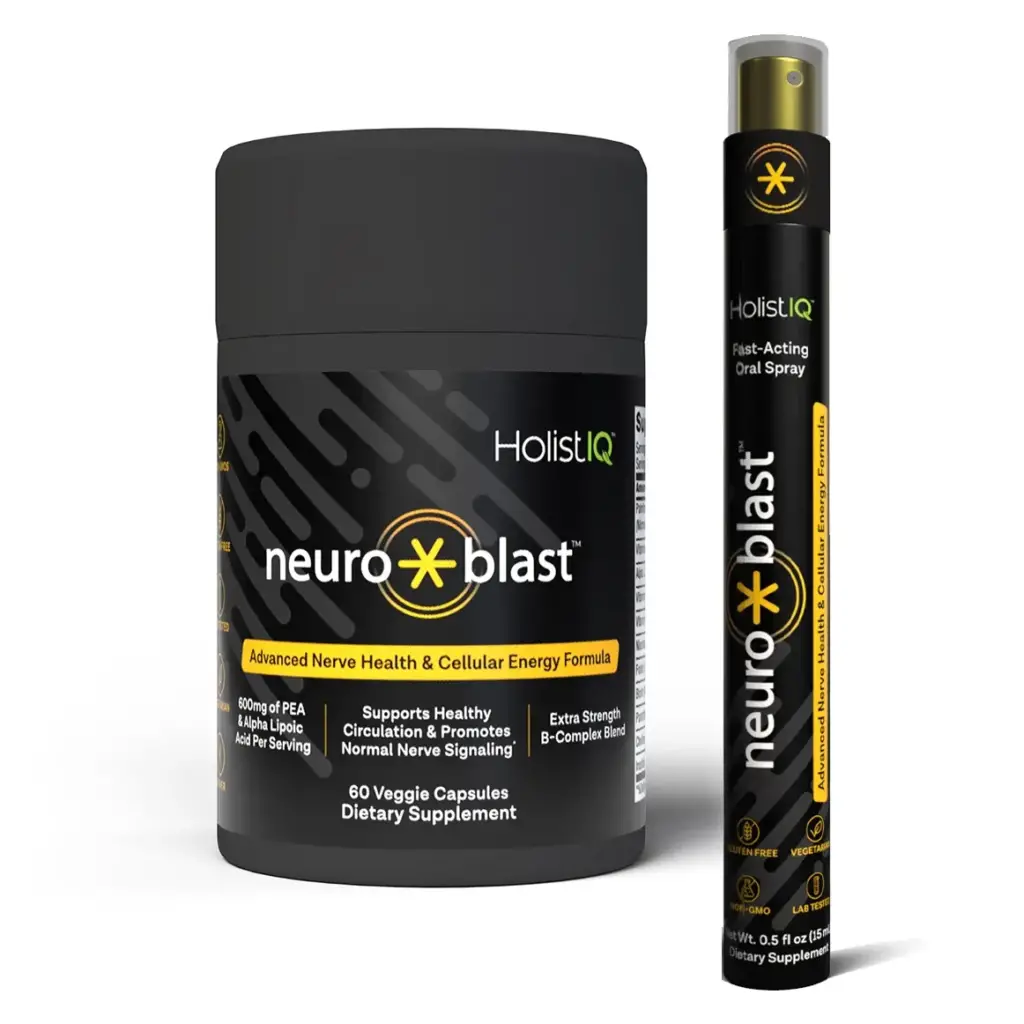
For those dealing with nerve discomfort, a comprehensive nerve support system can be particularly beneficial. These systems are often designed with specific ingredients that support both nerve health and circulatory function, addressing the interconnected nature of these bodily systems. However, adding any new supplement to your routine requires careful thought. It’s important to understand when a supplement is the right choice, how to choose a quality product, and why professional guidance is a non-negotiable first step. By approaching supplements thoughtfully, you can make sure you’re giving your body safe and effective support.
When a Supplement Might Be the Right Choice
A supplement might be a good choice if you’re already focusing on a healthy diet and lifestyle but feel you need an extra layer of support. Vitamins can certainly play a role in maintaining healthy circulation, but it’s important to remember they aren’t a cure for serious medical issues. If you experience persistent leg pain, swelling, or cramping, your first call should be to a healthcare professional. They can help rule out any underlying conditions and give you advice tailored specifically to your health needs. Once you have a clear picture of your health, a supplement can be a great way to complement your doctor’s recommendations and your own healthy habits.
How to Find the Right Dose Safely
Figuring out the correct dosage is more complex than just following the suggestion on the bottle. Your ideal dose depends on your diet, age, and any existing health conditions. This is where a conversation with your doctor becomes essential. For example, some vitamins, like Vitamin E, can interact with medications such as blood thinners, so getting professional advice is crucial for your safety. A healthcare provider can help you find the right balance, ensuring you get the benefits without the risks. This approach allows you to get targeted, cellular-level support that works in harmony with your body and any other treatments you may be following.
Why You Should Talk to Your Doctor First
Before starting any new supplement, a chat with your doctor is the most important step you can take. Symptoms like ongoing leg pain, swelling, heaviness, or visible varicose veins can be signs of a vein condition that requires more than just vitamins and lifestyle changes. Catching circulation problems early is key to preventing more serious issues down the road. Your doctor can run tests to understand the root cause of your symptoms and create a comprehensive plan. This partnership ensures you’re taking a safe and effective path forward. A doctor-led approach to wellness puts your safety first and helps you make informed decisions for your long-term health.
Your Action Plan for Better Leg Circulation
Putting knowledge into practice is how you’ll start to feel a real difference. Creating a simple, sustainable plan is the best way to support your leg circulation for the long haul. This involves combining a nutrient-rich diet with healthy habits and a smart routine that works for you. The goal isn’t a complete overhaul overnight, but rather small, consistent steps that add up over time. By focusing on these key areas, you can create a comprehensive approach to improving your vascular health and getting back to the activities you love.
Combining Diet, Habits, and a Smart Routine
The most effective approach combines a vitamin-rich diet with simple daily habits and a supportive routine. Start by adding more of the foods we’ve talked about—like citrus, leafy greens, and nuts—to your meals. At the same time, look for small ways to move more throughout your day. When you pair these efforts with a system engineered to support the nervous system, you create a powerful strategy for improving your leg circulation. The goal is to build a consistent routine that nourishes your body from the inside out, helping you feel your best.
How to Track Your Progress and Notice Improvements
So, how do you know if your efforts are paying off? Start by paying close attention to how your legs feel. You might keep a simple journal to note any changes in pain, swelling, tingling, or heaviness. Think about your daily activities, too. Are you able to stand for a bit longer without discomfort or walk to the mailbox with more ease? These small wins are important signs of progress. While a healthy routine can make a big difference, it’s also smart to understand how it works on a cellular level to support your body’s functions. And remember, always talk with your doctor about your symptoms, especially if they don’t seem to be improving.
Making Healthy Circulation a Lifelong Habit
The key to lasting results is turning these changes into lifelong habits. Think of it less as a temporary fix and more as a long-term investment in your mobility and comfort. Gentle, regular movement is one of the best things you can do for your circulation. A daily walk, some light stretching, or even swimming can help your muscles pump blood more effectively. You don’t need intense workouts; consistency is what truly matters. By committing to these simple practices, you’re taking active steps toward better vascular health and a more active life. It’s all about creating a sustainable lifestyle that helps you get moving again and stay that way for years to come.
Related Articles
- 9 Simple Home Remedies for Poor Circulation in Legs
- 7 Signs of Poor Blood Circulation in Your Legs
- How to Treat Poor Circulation in Feet: 5 Easy Steps
Frequently Asked Questions
Can I just take a daily multivitamin to get all these nutrients? While a multivitamin can be a good baseline for general health, it might not provide the specific levels of nutrients needed to support your circulatory system. Multivitamins are designed to cover a broad range of needs, whereas focusing on circulation often requires a more targeted approach. Think of it as the difference between a general check-up and seeing a specialist. For circulation, ensuring you get adequate amounts of vitamins like K and D, which aren’t always prioritized in standard multivitamins, can be particularly important.
How soon can I expect to feel a difference after changing my diet? There’s no magic timeline, as everyone’s body responds differently. The key is consistency. You’re building a foundation for long-term vascular health, not looking for a quick fix. Some people might notice subtle improvements in energy or comfort within a few weeks, while for others it may take longer. The goal is to make these dietary changes a sustainable part of your lifestyle. Focus on how you feel overall, and remember that you’re making a lasting investment in your mobility.
Are there any specific foods I should avoid for better circulation? Absolutely. While this post focuses on what to add to your diet, it’s just as important to limit foods that can hinder blood flow. Try to reduce your intake of highly processed foods, which are often loaded with excess sodium, unhealthy fats, and sugar. High sodium levels can contribute to high blood pressure, while saturated and trans fats can lead to plaque buildup in your arteries. Simple swaps, like choosing whole foods over packaged snacks, can make a significant difference.
What’s more important for circulation: a healthy diet or regular exercise? That’s like asking if you need the gas or the engine to make a car run—you really need both. A healthy diet provides the essential vitamins and minerals to build strong, flexible blood vessels and keep your blood flowing smoothly. Exercise, on the other hand, acts as the pump, especially in your legs. The contraction of your calf muscles helps push blood back up to your heart. They work together as a team, and you’ll see the best results when you make both a consistent part of your routine.
Can I get everything I need from food, or should I consider a supplement? A food-first approach is always the best starting point, as whole foods provide a complex mix of nutrients that work together. However, it can sometimes be challenging to get optimal amounts of every key vitamin through diet alone. A supplement can be a reliable way to fill any nutritional gaps and provide targeted support. If you’re already eating well and staying active but still feel you need more help, a supplement might be a sensible next step, but it’s a decision you should always make with your doctor.