
If you’re asking, “what is the best vitamin for blood circulation in legs?” you’re already focusing on a crucial piece of the puzzle. The answer, however, might not be what you expect. It’s less about finding a single, magic-bullet nutrient and more about understanding the team of vitamins that work together to support your entire vascular system. Think of it as a maintenance crew for your body’s internal highways. Each member has a specific job, from keeping the vessel walls strong and flexible to ensuring blood flows smoothly. This guide will introduce you to the key players and explain their roles in delivering vital oxygen to the nerves in your legs and feet.
Key Takeaways
- Focus on a Team of Nutrients: Better circulation comes from a combination of vitamins working together, not a single magic pill. Key nutrients like B vitamins, C, D, E, and K each play a unique role in strengthening blood vessels, protecting arteries, and supporting healthy blood flow.
- Pair Your Diet with Daily Habits: The nutrients you consume work more effectively when combined with simple lifestyle choices. Gentle movement, like a daily walk, and staying properly hydrated are crucial for helping deliver those vitamins throughout your body.
- Listen to Your Body’s Signals: While these steps are powerful, persistent symptoms like leg pain, numbness, or swelling shouldn’t be ignored. These are signs that it’s time to talk with your doctor to understand the root cause and create a targeted plan.
Searching for the “Best” Vitamin for Leg Circulation? Here’s What to Know
If you’re looking for the single “best” vitamin to improve leg circulation, you might be surprised to learn there isn’t just one. Think of it less like a solo superstar and more like a team of all-stars working together. True vascular health comes from a combination of essential nutrients, each playing a unique and vital role in keeping your blood flowing smoothly from your head to your toes.
So, who are the key players on this team? Let’s meet them.
First up are the B vitamins, specifically B6, B9 (Folate), and B12. These are crucial for keeping your blood vessels healthy by helping to lower levels of homocysteine, an amino acid that can damage artery linings when it gets too high. Then there’s Vitamin C, a powerhouse for producing collagen. Collagen is the protein that gives your blood vessel walls their strength and flexibility, helping them withstand pressure and function properly.
Vitamin E acts as a protective antioxidant, helping shield your blood vessels from damage and preventing plaque from building up in your arteries. We also can’t forget Vitamin D. While many know it for bone health, it’s also important for maintaining the health of the delicate inner lining of your blood vessels. Finally, Niacin (Vitamin B3) plays a part by helping to dilate blood vessels, which can improve blood flow throughout your body.
In short, a well-rounded strategy that includes these key vitamins is your best bet for supporting better circulation. This comprehensive approach is key to providing your body with the foundational support it needs to help you get moving again.
Meet the Vitamins That Support Healthy Leg Circulation
When you’re dealing with discomfort in your legs, it’s natural to look for a simple fix. While there isn’t one single ‘best’ vitamin that solves everything, several key players work together as a team to support healthy blood flow. Think of them as a dedicated maintenance crew for your body’s circulatory superhighway, with each member having a specific job to keep traffic moving smoothly. Good circulation is about more than just warm feet; it’s how your body delivers oxygen and vital nutrients to every cell, including the delicate nerve endings in your legs and feet. When this delivery system slows down, you can feel it as tingling, numbness, or general discomfort. That’s where these vitamins come in. By ensuring your blood vessels are strong, flexible, and clear, they help create the ideal environment for your nerves to thrive. Getting enough of these essential nutrients is a foundational step in supporting your body’s ability to repair and maintain itself. Let’s meet the members of this all-star team and see how they contribute to better circulation.
B Vitamins: For Energy and Healthy Blood Cells
A group of B vitamins—especially B6, B9 (folate), and B12—are crucial for your circulatory health. They help your body manage levels of an amino acid called homocysteine. When homocysteine levels get too high, it can harm the lining of your arteries, creating rough patches where plaque can build up. By keeping homocysteine in check, B vitamins help maintain smooth, healthy blood vessels, which is essential for good circulation. These vitamins also play a vital role in forming red blood cells, the very cells responsible for carrying oxygen throughout your body, including down to your toes.
Vitamin C: To Strengthen Your Blood Vessels
You probably associate Vitamin C with fighting off a cold, but it’s also a superstar for your blood vessels. This vitamin is essential for producing collagen, the protein that gives your blood vessels their strength and flexibility. Think of it as the framework that keeps the pipes from becoming weak or leaky. Strong, flexible vessels can handle blood flow more efficiently. Vitamin C also acts as a powerful antioxidant, helping to protect blood vessels from damage that can lead to plaque buildup, ensuring your circulatory pathways stay clear.
Vitamin E: To Protect Your Cells
Vitamin E is your circulatory system’s personal bodyguard. As a fat-soluble antioxidant, it helps protect the delicate membranes of your cells, including those lining your blood vessels, from damage caused by free radicals. This protection is key to preventing the inflammation and plaque buildup that can narrow your arteries over time. Vitamin E also has mild blood-thinning properties, which can help prevent platelets from becoming too sticky and forming unwanted clots. This ensures your blood can flow more freely through your veins and arteries, delivering oxygen and nutrients where they’re needed most.
Vitamin D: For Overall Cardiovascular Health
Often called the “sunshine vitamin,” Vitamin D plays a surprisingly important role in your cardiovascular health. It helps keep the inner lining of your blood vessels (the endothelium) healthy and functioning properly, which is critical for regulating blood flow and pressure. A smooth, healthy lining allows blood to move without friction. Research shows that maintaining adequate Vitamin D levels is linked to better blood pressure control and overall vascular wellness. When your levels are sufficient, you’re supporting one of the fundamental systems that keeps your blood vessels healthy from the inside out.
Vitamin K: To Keep Blood Flowing Smoothly
Vitamin K is a smart vitamin that knows exactly where calcium belongs in your body. Its most important job for circulation is helping to prevent arterial calcification, which is a fancy way of saying it stops your arteries from getting hard. Vitamin K activates proteins that help direct calcium into your bones (where you want it) and away from your artery walls (where you don’t). This process is vital for keeping your blood vessels flexible and open, allowing blood to pump through easily. By ensuring your arteries don’t stiffen with calcium deposits, Vitamin K plays a crucial role in maintaining smooth, uninterrupted blood flow.
How These Vitamins Work Together for Better Circulation
Think of these vitamins not as individual workers, but as a highly coordinated team. While each one has a specific job, their real power comes from how they support one another to keep your circulatory system running smoothly. This synergy is what helps deliver oxygen and nutrients to every part of your body, especially the nerves and muscles in your legs and feet that need it most.
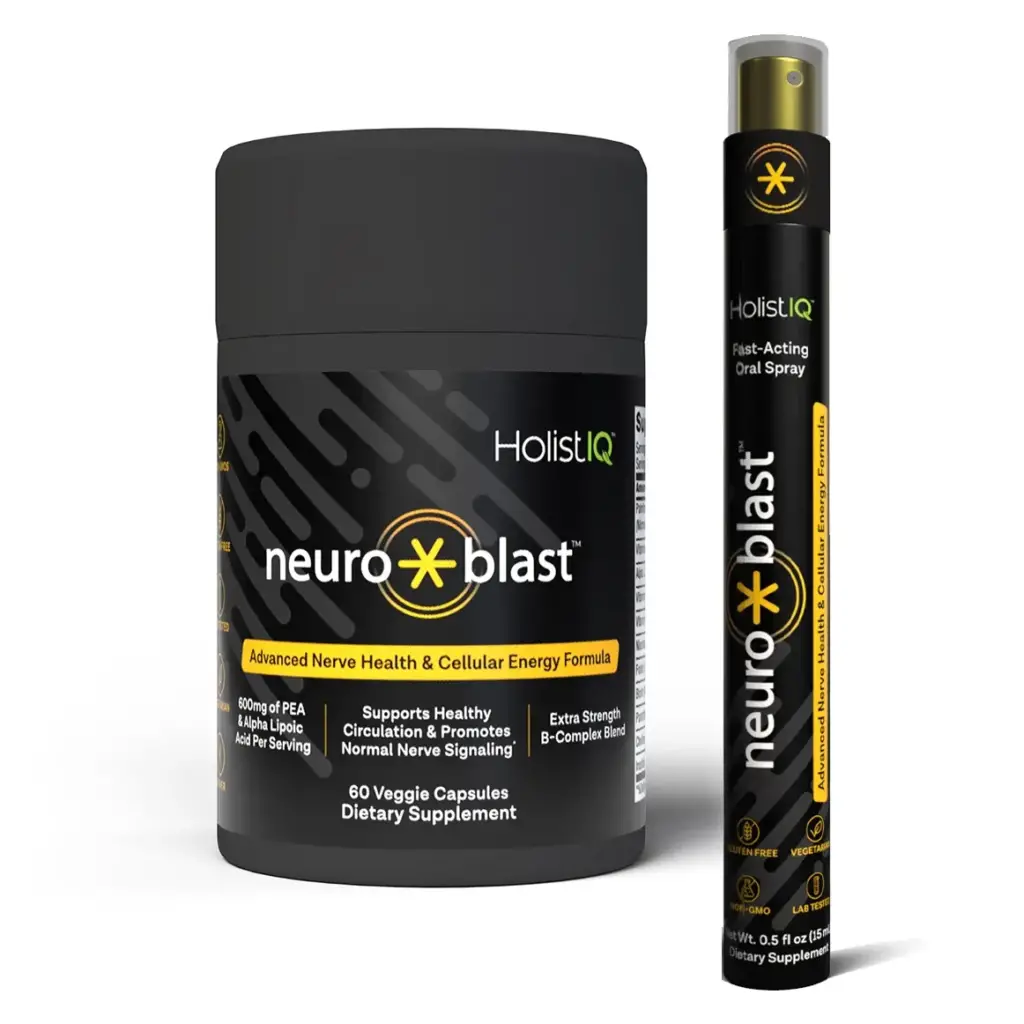
When these vitamins work in harmony, they help build strong blood cells, maintain flexible blood vessels, and protect your system from daily stressors. This comprehensive support is essential for healthy blood flow, which in turn is vital for nerve function and mobility. A well-supported circulatory system is a cornerstone of feeling your best and staying active. The Neuro-Blast system is designed around this principle of providing deep, cellular-level support where your body needs it most.
Building Red Blood Cells to Carry Oxygen
Your body needs a steady supply of healthy red blood cells to transport oxygen from your lungs to the rest of your body. That’s where B vitamins—especially B6, B9 (folate), and B12—come in. They are essential for producing robust red blood cells that can efficiently carry oxygen to your extremities. B vitamins also play a crucial role in managing levels of an amino acid called homocysteine. When homocysteine levels get too high, they can damage the lining of your arteries, so keeping them in balance is key for long-term vascular health.
Keeping Blood Vessels Strong and Flexible
For blood to flow freely, your blood vessels need to be both strong and elastic. Vitamin C is a superstar here because it’s essential for producing collagen, the protein that gives your blood vessels their structure and durability. Think of it as the framework that keeps everything intact. Meanwhile, Vitamin E acts as a protector, helping to keep the vessel walls pliable and shielding them from damage that can cause them to stiffen over time. Together, they ensure your circulatory superhighway remains in top condition, allowing blood to move without obstruction.
Shielding Your Body from Damaging Stress
Every day, your body deals with oxidative stress, a process that can damage cells, including the delicate lining of your blood vessels. Vitamins C and E are powerful antioxidants that help neutralize this damage. Vitamin C is particularly effective at reducing inflammation, which can contribute to discomfort and swelling in the legs. Vitamin E helps keep blood flowing smoothly by preventing platelets from clumping together unnecessarily. This protective action is fundamental to how our bodies maintain cellular health and comfort, allowing you to feel more like yourself again.
Maintaining Healthy Arteries
Healthy arteries are clear and flexible, and Vitamins D and K are key players in keeping them that way. Vitamin D supports the health of the endothelium, the inner lining of your blood vessels, and helps regulate blood pressure. Vitamin K is known for its role in blood clotting, but it also has another critical job: it helps guide calcium into your bones and away from your arteries. This prevents a process called arterial calcification, or hardening of the arteries, which keeps them flexible and open for optimal blood flow.
Eat Your Way to Better Circulation
While a targeted support system like the Neuro-Blast System can make a significant difference, the food you eat every day lays the foundation for your overall health, including your circulation. Think of your diet as a powerful tool you can use to support your body from the inside out. By focusing on a few key nutrients, you can make simple, delicious choices that help keep your blood flowing smoothly and deliver vital oxygen and nutrients where they’re needed most—especially to your legs and feet. Let’s look at some of the best foods to add to your plate.
Where to Find B Vitamins in Your Daily Meals
B vitamins are essential for creating healthy red blood cells and maintaining your energy levels. Think of them as the building blocks for the system that carries oxygen throughout your body. You can easily find these powerhouse nutrients in many common foods. Start your day with whole-grain toast or oatmeal, add a handful of spinach to your eggs, or toss some beans into your salad at lunch. Meats like chicken and fish are also excellent sources. Even a simple banana for a snack can give you a helpful dose of B vitamins to support your vascular health.
Getting Vitamin C from More Than Just Oranges
When you think of Vitamin C, oranges probably come to mind, but there’s a whole world of other delicious options. This vitamin is crucial for producing collagen, the protein that keeps your blood vessel walls strong and flexible. Strong vessel walls are better at handling blood flow, which is key for healthy circulation. You can get plenty of Vitamin C from snacking on strawberries, adding sliced bell peppers to your salads, or steaming some broccoli for dinner. By incorporating these colorful foods into your meals, you’re giving your blood vessels the structural support they need to function at their best.
Pairing Vitamin E with Healthy Fats
Vitamin E acts like a bodyguard for your blood vessels, helping to protect them from damage that can lead to plaque buildup. It also has mild blood-thinning properties that can help prevent clots and keep things moving. You can find Vitamin E in almonds, sunflower seeds, and leafy greens. To get the most out of it, pair these foods with healthy fats, which help your body absorb this vitamin more effectively. A simple way to do this is by drizzling some olive oil over your broccoli or enjoying a handful of almonds as a satisfying snack.
Finding Foods Rich in Vitamins D and K
Vitamins D and K are a dynamic duo for circulatory health. Vitamin D helps maintain the delicate inner lining of your blood vessels and plays a role in managing blood pressure. While some sunlight exposure helps your body produce it, you can also find it in fatty fish like salmon, egg yolks, and fortified milk. Vitamin K is just as important, as it helps prevent arterial calcification, which keeps your arteries from becoming stiff. Load up on leafy greens like kale and spinach to get your fill of Vitamin K. A simple meal of baked salmon with a side of sautéed kale covers both of these vital nutrients.
Simple Lifestyle Changes to Support Your Circulation
Taking the right vitamins is a fantastic step toward better circulation, but they don’t work in a vacuum. Think of it like planting a garden—you can have the best seeds in the world, but they still need water, sunlight, and good soil to grow. Similarly, your body needs the right environment for these nutrients to do their best work.
Simple, consistent habits can make a world of difference in how your body utilizes vitamins and supports healthy blood flow. By pairing smart supplementation with a few lifestyle adjustments, you create a powerful combination that helps you feel your best and get moving again. It’s not about making drastic, overnight changes. Instead, focus on small, manageable steps that add up over time. We’ll walk through a few key areas—gentle movement, proper hydration, and smart habits—that can significantly support your circulation and overall well-being. These practices help ensure that the nutrients you consume are delivered effectively throughout your body, right down to the cellular level where they’re needed most.
How Movement Helps Your Vitamins Work Harder
You don’t need to run a marathon to improve your circulation. Gentle, daily movement is one of the most effective ways to get your blood flowing. When you walk, swim, or even do simple leg exercises, your calf muscles act like a second heart, squeezing the veins in your legs to help pump blood back up to your chest. This process is crucial for delivering oxygen and nutrients—including the vitamins you’re taking—to every part of your body. Think of it as creating a superhighway for your supplements, ensuring they reach their destination efficiently. Even a short, 15-minute walk each day can make a noticeable impact on your circulation and energy levels.
The Link Between Hydration and Healthy Blood Flow
One of the simplest yet most overlooked aspects of circulatory health is hydration. When you’re dehydrated, your blood can become thicker, making it harder for your heart to pump it through your blood vessels. This can lead to sluggish circulation and prevent nutrients from being distributed effectively. Aiming for about eight glasses of water a day helps maintain optimal blood consistency, allowing it to flow freely. If you find it hard to remember, try carrying a reusable water bottle with you or setting a reminder on your phone. Keeping your body properly hydrated is a foundational step for supporting not just your circulation, but your overall health.
When and How to Take Vitamins for Best Results
Consistency is key when it comes to supplements. To get the most out of your vitamins, try to take them at the same time every day. This helps maintain a steady level of nutrients in your system, allowing your body to rely on them for continuous support. Many people find it helpful to pair their supplements with a meal, like breakfast, which can also help with absorption and prevent an upset stomach. By making it a non-negotiable part of your daily routine, you ensure your body has the consistent building blocks it needs. This steady support is exactly what systems like the Neuro-Blast System are designed to complement, creating a reliable foundation for your nerve health.
Habits to Avoid for Better Circulation
Just as important as adding healthy habits is letting go of ones that hinder your circulation. Smoking is one of the most significant culprits, as it causes blood vessels to narrow and harden, restricting blood flow. If you smoke, finding resources to help you quit is one of the best things you can do for your vascular health. Beyond that, try to avoid long periods of sitting, which can cause blood to pool in your legs. If you have a desk job or spend a lot of time seated, make a point to stand up, stretch, and walk around for a few minutes every hour. These small changes can prevent stagnation and keep your circulation moving smoothly.
When to Talk to Your Doctor About Leg Circulation
While incorporating the right vitamins and lifestyle habits is a fantastic step toward better circulation, it’s also important to recognize when your body is asking for more support. Think of these daily efforts as part of your wellness team, but your doctor is the head coach. They can see the whole picture and help you create a game plan that addresses your specific needs. Sometimes, symptoms that seem minor can be signals of a deeper issue that vitamins alone can’t resolve.
Listening to your body is one of the most powerful things you can do for your health. If you’re feeling persistent discomfort or noticing changes in your legs that don’t seem to go away, it’s always best to get a professional opinion. A doctor can help you understand the root cause of your circulation issues and determine the best course of action. This might include dietary changes, specific exercises, or a targeted support system like Neuro-Blast, which is designed to address nerve health on a cellular level. Don’t hesitate to schedule that appointment—it’s a proactive step toward getting you back on your feet and moving comfortably again.
Warning Signs You Shouldn’t Ignore
It’s easy to dismiss a little leg cramping or a feeling of heaviness as just a normal part of aging or a long day. However, these can be early warning signs of poor circulation. Healthy blood flow is your body’s delivery system; it carries essential oxygen and nutrients to your leg muscles and carries away waste products. When this system slows down, you might start to notice things like persistent swelling, frequent cramps even when you’re resting, or visible changes in your veins. If these signs sound familiar, it’s your body’s way of telling you it needs attention.
Symptoms That May Point to a Deeper Issue
If warning signs become more constant or new symptoms appear, it’s definitely time to check in with your doctor. Pay close attention to ongoing pain, numbness, or a tingling “pins and needles” sensation in your legs and feet. Another key indicator is feeling coldness in your lower legs or feet when the rest of your body is warm. These symptoms could point to a more serious underlying condition like Peripheral Artery Disease (PAD). A proper diagnosis is the first step toward relief, and your doctor can help you explore all your options, including comprehensive solutions like the Neuro-Blast System.
Putting It All Together for Better Circulation
Knowing which vitamins support circulation is the first step. Now, let’s talk about how to weave them into your life effectively. Lasting improvement comes from consistency and pairing good nutrition with smart daily habits. Think of it as creating a supportive system where everything works together to help you feel your best and stay active. By combining the right nutrients with simple lifestyle adjustments, you can create a powerful routine that encourages healthy blood flow from the inside out.
Create a Daily Routine Rich in Key Vitamins
Making sure you get the right nutrients every day is foundational. Focus on incorporating vitamins known to support your vascular health. Vitamin C is a powerhouse for keeping blood vessels strong and flexible, while Vitamin E helps protect them from damage. The B vitamins—especially B6, B9, and B12—are essential for managing homocysteine levels, an amino acid that can harm arteries when it gets too high. And don’t forget Vitamin D, which plays a role in maintaining the health of your blood vessels’ inner lining. A consistent intake of these key vitamins creates a strong foundation for better circulation.
Combine Good Nutrition with Healthy Habits
Vitamins work best when they’re part of a bigger picture. Simple lifestyle choices can make a huge difference in your circulation. Gentle, regular movement, like a daily walk, gets your heart pumping and blood flowing. Staying hydrated is also key, as it helps your blood move more easily through your veins. It’s also helpful to maintain a healthy weight to reduce pressure on your arteries and try to avoid sitting or standing in one position for too long. These habits, combined with a nutrient-rich diet, create a powerful strategy for improving your leg circulation.
Related Articles
- 9 Simple Home Remedies for Poor Circulation in Legs
- 7 Signs of Poor Blood Circulation in Your Legs
- How to Treat Poor Circulation in Feet: 5 Easy Steps
Frequently Asked Questions
So, is there one single vitamin I should focus on for the best results? It’s a common question, but the truth is there isn’t a single magic bullet. The most effective approach is to think of these vitamins as a team. While Vitamin C is great for strengthening blood vessel walls and B vitamins are crucial for healthy red blood cells, they work best together. A comprehensive strategy that includes a range of these key nutrients provides the well-rounded support your circulatory system needs to function properly.
Can I get all of these important vitamins just from my diet? A balanced, nutrient-rich diet is absolutely the best place to start and should always be your foundation. Eating plenty of leafy greens, colorful fruits, and healthy fats will provide many of these essential vitamins. However, it can sometimes be challenging to get consistent, optimal amounts of every single nutrient from food alone. A targeted supplement can be a reliable way to fill in any gaps and ensure your body gets the steady support it needs every day.
How long does it typically take to notice an improvement in circulation? Everyone’s body is different, so there’s no one-size-fits-all timeline. This is a process of supporting your body on a cellular level, which takes time and consistency. Rather than looking for an overnight change, pay attention to gradual improvements over several weeks. You might first notice more energy or less of that heavy feeling in your legs. The key is to stick with your routine of good nutrition and healthy habits.
Will these vitamins help with the tingling and numbness in my legs and feet? Those “pins and needles” sensations are often a sign that your nerves aren’t getting the oxygen and nutrients they need to thrive. Improving circulation is a critical first step because it enhances that delivery system. By ensuring your blood is flowing freely, you’re creating a healthier environment for your nerves. These vitamins lay the groundwork for better nerve function by supporting the vascular system that feeds them.
Besides taking vitamins, what’s the single most effective habit I can start today? If you’re going to pick just one thing, start moving more. You don’t have to begin a strenuous workout routine; a simple 15-minute walk each day can make a huge difference. When you walk, your calf muscles contract and squeeze your veins, which helps push blood back up toward your heart. This simple action is one of the most powerful ways to support healthy blood flow throughout your entire body.